
Reading Mahan’s Jar Coffins at the National Naju Museum in the Heart of the Bannam Tumuli
The National Naju Museum is a national museum located within the Historic Site of the Bannam Tumuli, showcasing the Mahan culture of the Yeongsan River basin and its large jar-coffin burials. Extending your visit to the Sinchon-ri and Deoksan-ri tumuli after exploring the exhibits makes the relationship between the excavation sites and the displayed artifacts much clearer.
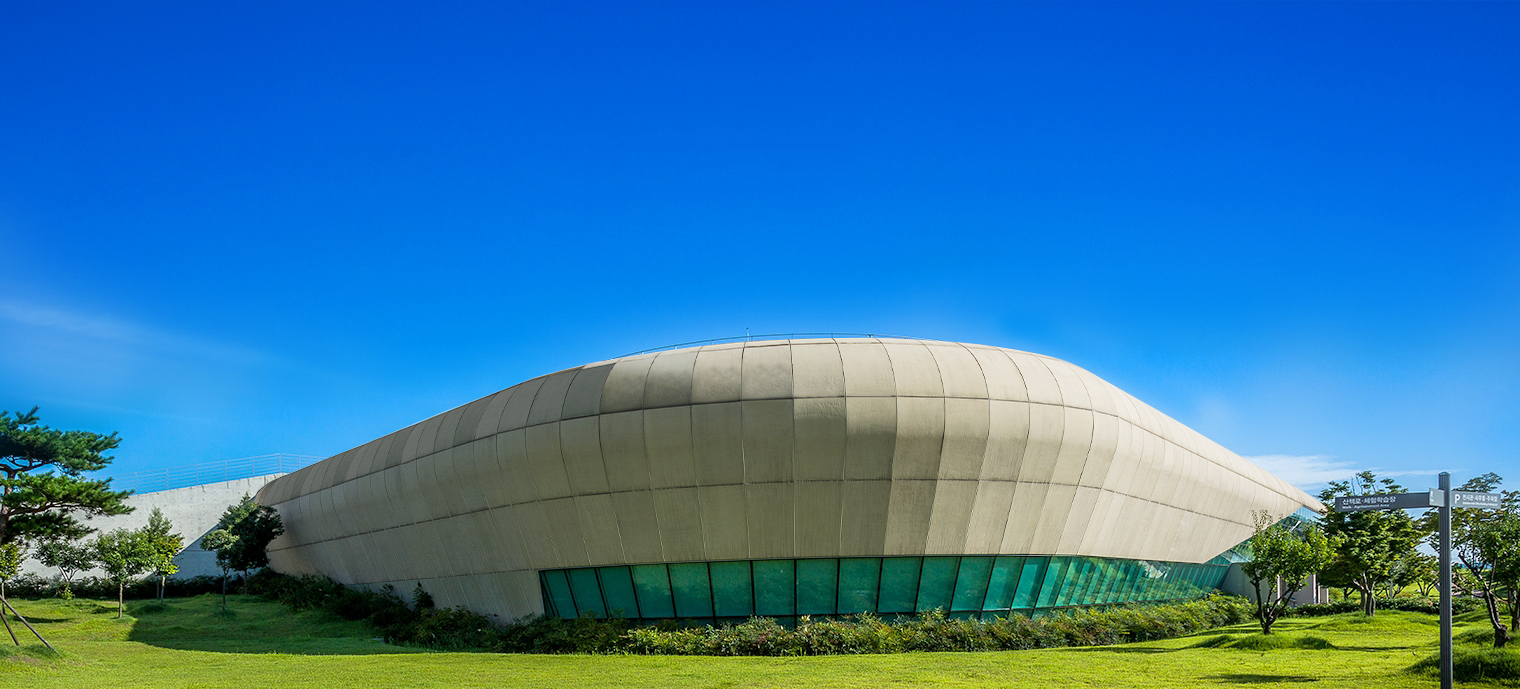

A Museum in the Yeongsan River Basin, Established within the Bannam Ancient Tombs on November 22, 2013
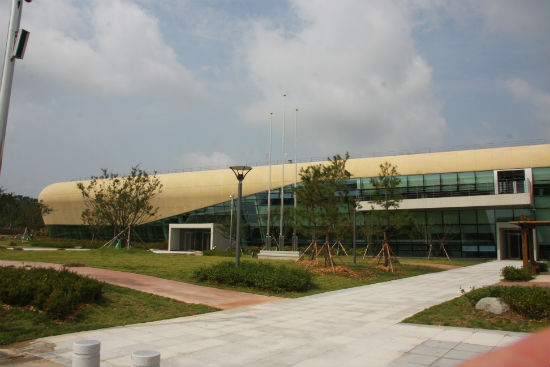
The National Naju Museum is a national museum in Jeollanam-do that opened on November 22, 2013, and was built within the historic Bannam Ancient Tombs in Bannam-myeon, Naju-si. Its purpose is to preserve and display archaeological materials from the Yeongsan River basin and to serve as a storage facility for excavated and buried cultural heritage from the Honam region. The site covers 74,272㎡, while the building has a floor area of 11,086.34㎡.
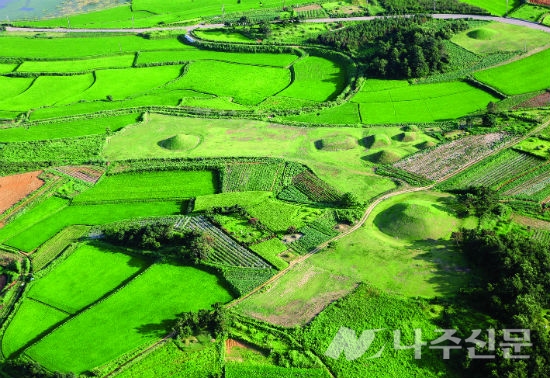
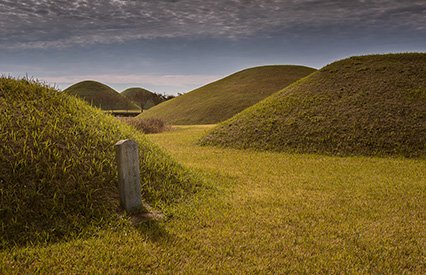
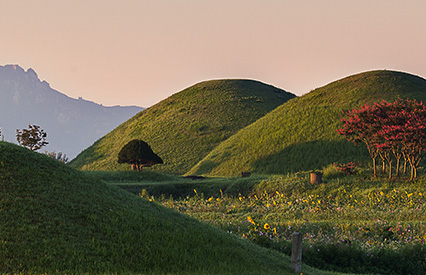
The importance of this location lies in the fact that the museum’s core exhibitions do not simply gather artifacts in one place; they interpret the ancient society revealed by the nearby Sinchon-ri, Deoksan-ri, and Daean-ri ancient tombs. The Bannam Ancient Tombs preserve both jar burials and Baekje-style stone-chamber tombs, allowing visitors to compare the indigenous culture of the Yeongsan River basin with changes that followed Baekje’s expansion in a single location.
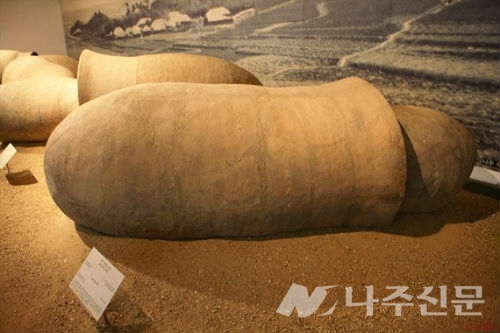
Permanent Exhibition on the First Floor, from “Mahan, the Center of the Three Han States” to “Treasures of Naju”
The permanent exhibition is organized around the themes “The Dawn of History,” “Mahan, the Center of the Three Han States,” “Ancient Tomb Culture in the Yeongsan River Basin,” and “Treasures of Naju.” It follows the progression from Paleolithic and Neolithic life through the growth of agricultural society, the formation of Mahan, and the development of tombs and trade, so first-time visitors may find it easiest to view the exhibits in order from the entrance.
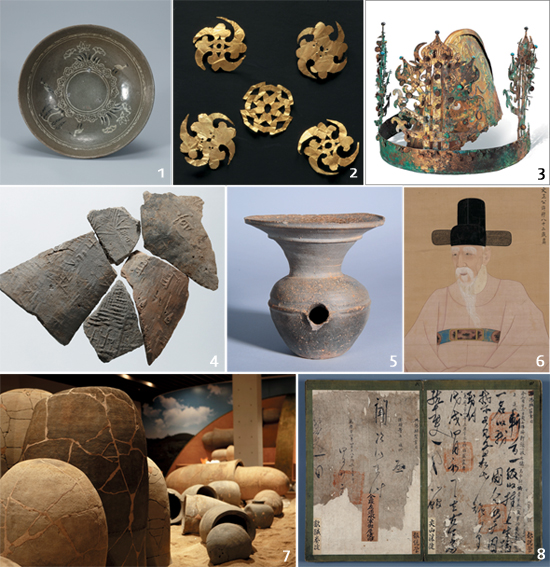
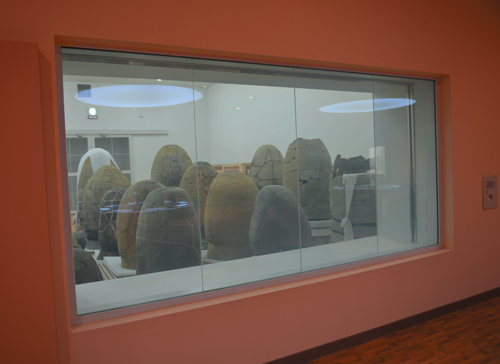
The large jar burials of the Yeongsan River basin deserve the closest attention. A jar burial is a funerary facility made by joining two large jars together, and in this region it developed into a distinctive ancient tomb culture. Gilt-bronze crowns, gilt-bronze shoes, and a ring-pommel sword were excavated from Sinchon-ri Tomb No. 9 in 1917. A 1999 re-excavation also confirmed two cylindrical pottery pieces that decorated the top of the tomb.
How to Connect Sinchon-ri Tombs 2 and 3 with the Deoksan-ri Ancient Tombs after Visiting the Museum
Of Sinchon-ri Tombs 1–3 to the east of the museum, Tombs 2 and 3 are close to the building, making them convenient for seeing the actual scale of the tombs after viewing the exhibits. Sinchon-ri Tombs 4–6 are distributed on the hill west of the museum, while Sinchon-ri Tombs 7–9 lie north of the Deoksan-ri Ancient Tombs to the south.
The Deoksan-ri Ancient Tombs are divided into Tombs 1–6 to the east and Tombs 7–10 to the south, with the museum at the center. Deoksan-ri Tomb No. 10 is believed to be a stone-chamber tomb, offering an opportunity to consider changes in funerary practices during the period when Baekje forces expanded into the region after jar burials disappeared. Allow 60–90 minutes for the indoor exhibitions alone, or 2–3 hours if adding a walk through the ancient tombs.
Free Admission from 09:00 to 18:00, with Different Hours for the Children’s Museum and Immersive Content Experience Center
The museum and its permanent and special exhibition halls are open from 09:00 to 18:00, with admission available until 30 minutes before closing. Admission is free, although special exhibitions may charge a fee depending on the exhibition, so it is safest to check the day’s exhibition announcements. The main telephone number is 061-330-7800, the exhibition information number is 061-330-7885, and the official website is https://naju.museum.go.kr/.
The museum is closed every Monday, January 1, Lunar New Year’s Day, and the day of Chuseok. Closing days may change depending on substitute public holidays. The Children’s Museum is open from 09:00 to 18:00, while the Immersive Content Experience Center is open from 10:00 to 18:00. If you arrive at 9 a.m., it is better to start with the permanent exhibition and then move to the experience center.
About 40 Minutes from Naju Station on Bus 101, and About 35 Minutes from Yeongsanpo Bus Terminal
The street address is 747 Gobun-ro, Bannam-myeon, Naju-si, Jeonnam-Gwangju Integrated Special City, and visitors arriving by car can use the museum’s visitor parking lot. The museum’s facilities information lists the visitor parking area as 3,410㎡, but parking fees for general visitors have not been separately confirmed, so it is advisable to call ahead.
By public transportation, Bus 101 from the Naju Station bus stop takes about 40 minutes. Bus 101 from Naju Bus Terminal takes about 60 minutes, and Yeongam Transportation buses 111 and 113 are also available. From Yeongsanpo Bus Terminal, Bus 101 takes about 35 minutes. Taxi travel is listed as approximately 14 km and 20 minutes from Naju Station, 18 km and 25 minutes from Naju Bus Terminal, and 11 km and 15 minutes from Yeongsanpo Bus Terminal.
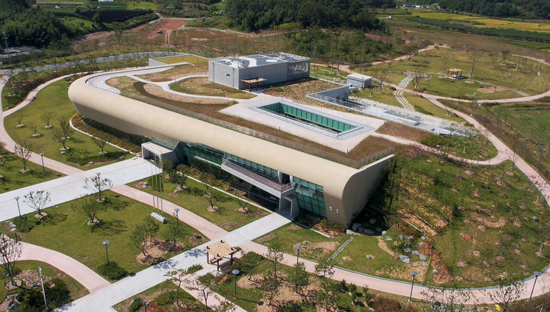
From the Open-Storage Facility to the Rooftop Garden: Points to Note When Moving Indoors and Outdoors
The National Naju Museum operates an open-storage facility with a large viewing window in one of its six storage rooms. Because it showcases not only the exhibits but also the museum’s preservation function, it is especially meaningful for visitors curious about how archaeological materials are managed.
The rooftop garden is also open, and walking routes through the ancient tombs continue around the museum. However, since walking through the tombs involves outdoor grassland and gently rolling hills, it is better to plan an indoor-focused visit after rain, in the middle of midsummer, or when mobility aids are needed. Elevators and a stroller storage area are marked on the information leaflet, but for accurate information about wheelchair routes and same-day foreign-language interpretation, contact 061-330-7800.
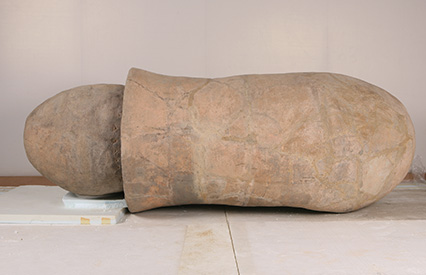
Reading Bannam’s International Connections, Beginning with the 1917 Investigation of Sinchon-ri Tomb No. 9
Investigations of the Bannam Ancient Tombs began during the Japanese colonial period. Some tombs, including Sinchon-ri Tomb No. 9, were investigated during that period, and a gilt-bronze crown, gilt-bronze shoes, and a ring-pommel sword were excavated from Sinchon-ri Tomb No. 9 in 1917. These artifacts show that the group in the Bannam area possessed considerable authority and prestige.
Cylindrical pottery classified as Japanese-style artifacts was also excavated from the Bannam Ancient Tombs. This provides a clue that the Yeongsan River basin was not an isolated space confined to the southwestern Korean Peninsula but was connected to maritime exchange. Walking through the ancient tombs after viewing the museum’s exhibitions makes it possible to understand concretely that “Mahan” was not merely a name in textbooks, but a layer of local history preserved in broad burial mounds, jar burials, and trade goods.
Before You Go
- Address
- 747 Gobun-ro, Bannam-myeon, Naju-si, Jeonnam-Gwangju Integrated Special City
- Hours
- 09:00–18:00, last admission 17:30; Immersive Content Experience Center 10:00–18:00
- Closed
- Every Monday, January 1, Lunar New Year’s Day, and the day of Chuseok (may vary according to substitute public holidays)
- Admission
- Free (special exhibitions may charge a fee)
- Phone
- 061-330-7800 (exhibition information: 061-330-7885)
- Official site
- https://naju.museum.go.kr/
- Transport
- Bus 101 from Naju Station, about 40 minutes. Bus 101 from Naju Bus Terminal, about 60 minutes; Yeongam Transportation buses 111 and 113 are also available. Bus 101 from Yeongsanpo Bus Terminal, about 35 minutes.
- Parking
- Visitor parking available (facility information lists an area of 3,410㎡); parking fees for general visitors require confirmation
- Time needed
- Indoor exhibitions: 60–90 minutes; including a walk through the Bannam Ancient Tombs: 2–3 hours
- Accessibility
- Elevators and a stroller storage area are indicated. Calling ahead is recommended to ask about wheelchair routes and foreign-language interpretation services
The information above is accurate as of the time of writing. Check the official information again before your visit.

Places
Nearby Attractions 3
-
 1
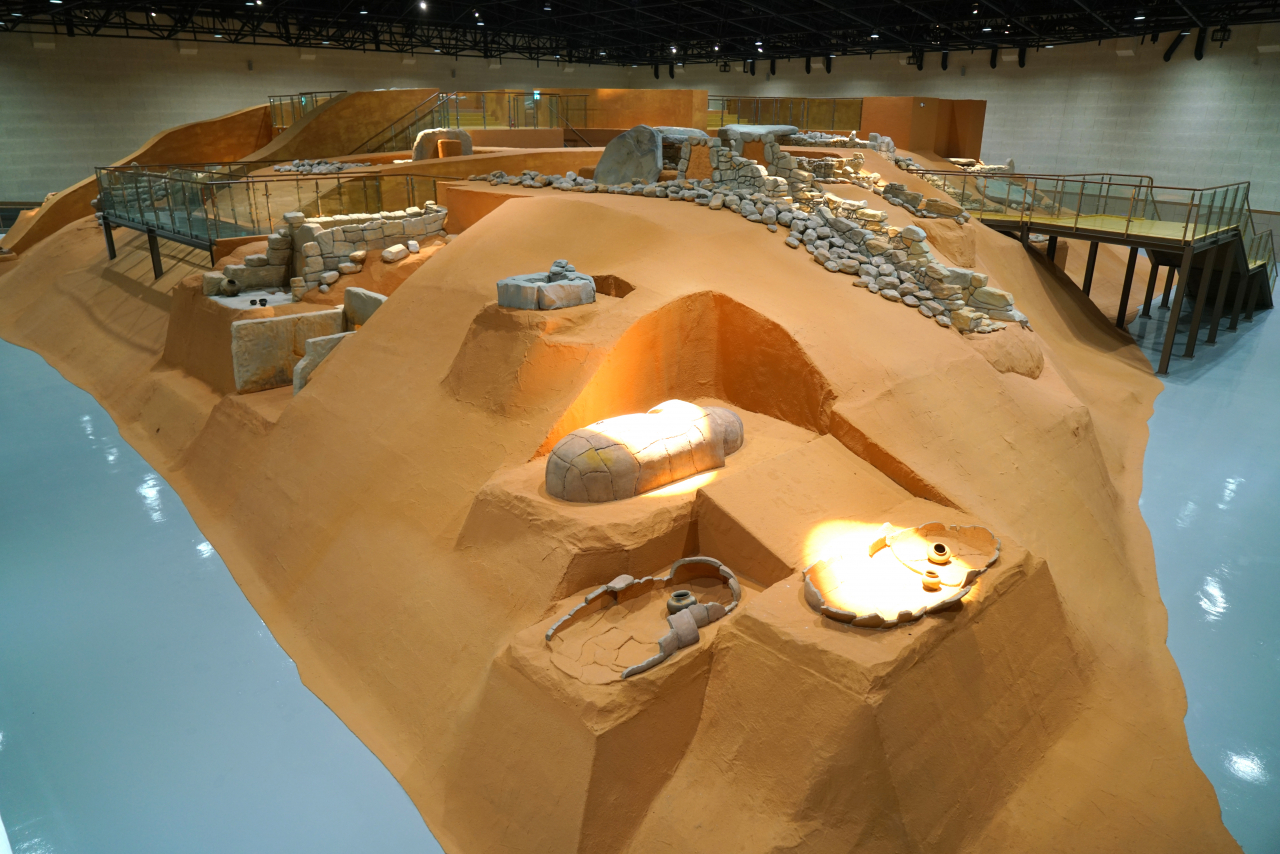
Naju Bokam-ri Tumuli Exhibition HallVisitors can view artifacts excavated from the Bokam-ri tumuli and exhibitions on the structure of ancient tombs.
1
Naju Bokam-ri Tumuli Exhibition HallVisitors can view artifacts excavated from the Bokam-ri tumuli and exhibitions on the structure of ancient tombs. -
 2
Korea Natural Dyeing MuseumSee natural dyeing exhibitions and participate in traditional dyeing experiences.
2
Korea Natural Dyeing MuseumSee natural dyeing exhibitions and participate in traditional dyeing experiences. -
 3
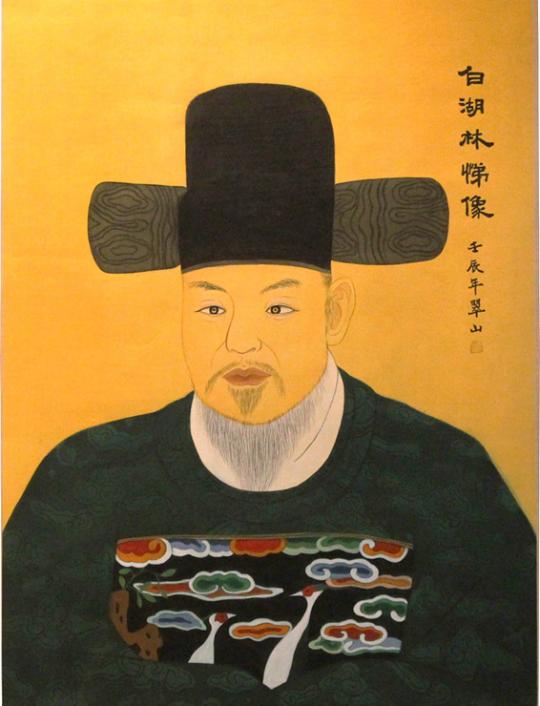
Baekho Literary MuseumExplore the life and literary world of Baekho Im Je, a literary figure from the mid-Joseon period.
3
Baekho Literary MuseumExplore the life and literary world of Baekho Im Je, a literary figure from the mid-Joseon period.
Food & Dining 2
-
 4
4
-
 5
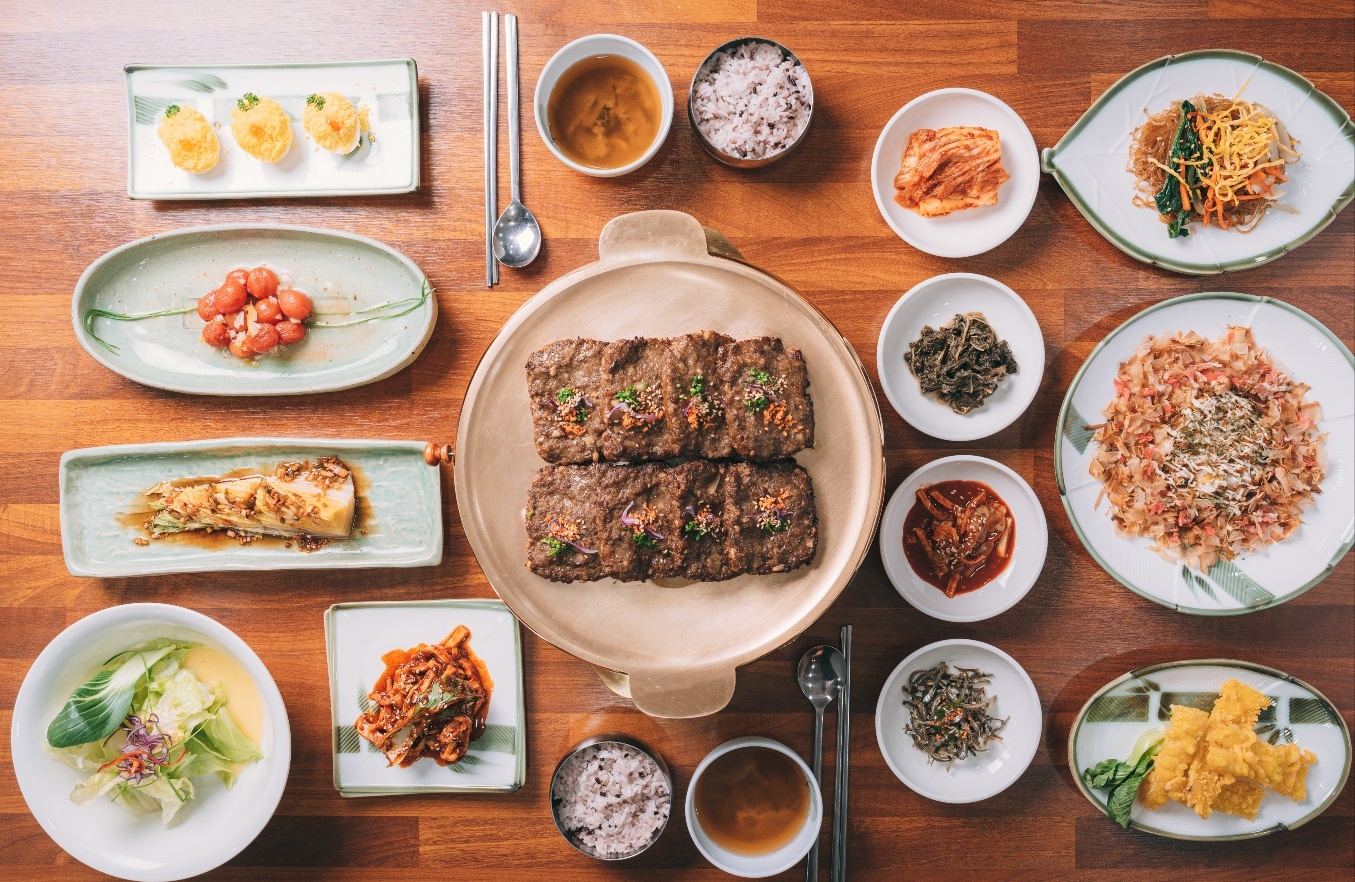
Hanmaeum HoegwanEnjoy loach soup served with stone-pot rice, along with home-style Korean cuisine.
5
Hanmaeum HoegwanEnjoy loach soup served with stone-pot rice, along with home-style Korean cuisine.
Events in This Area


Festivals in This Area


More Travel Guides in This Area
 Travel Guide
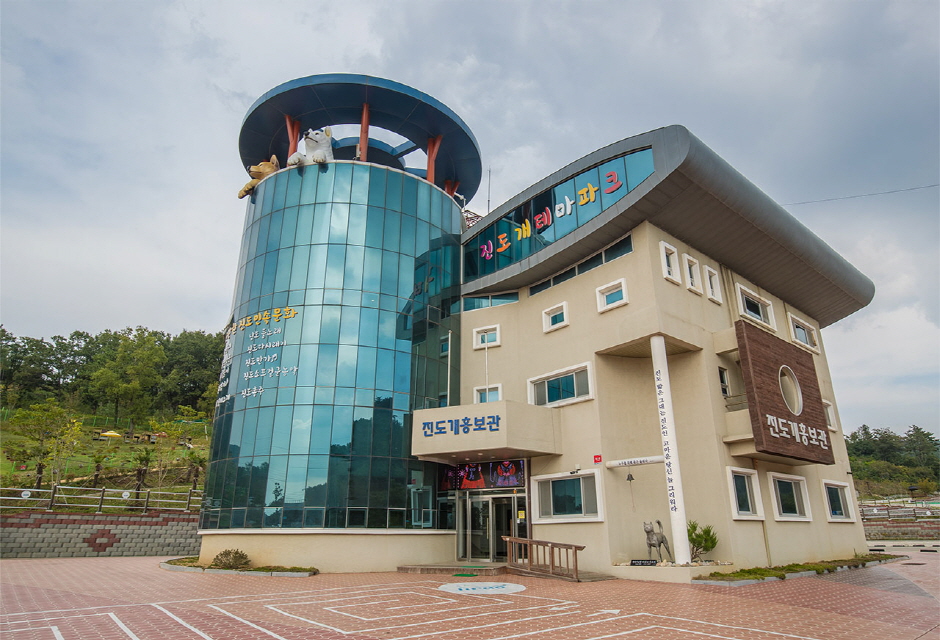
Jindo Dog Theme Park: A Walk Timed for the Dogs' Running Sessions
 Travel Guide
Meeting the South Sea at the End of a 150-Meter Artificial Rock Cave: Yeosu Art Land
 Travel Guide
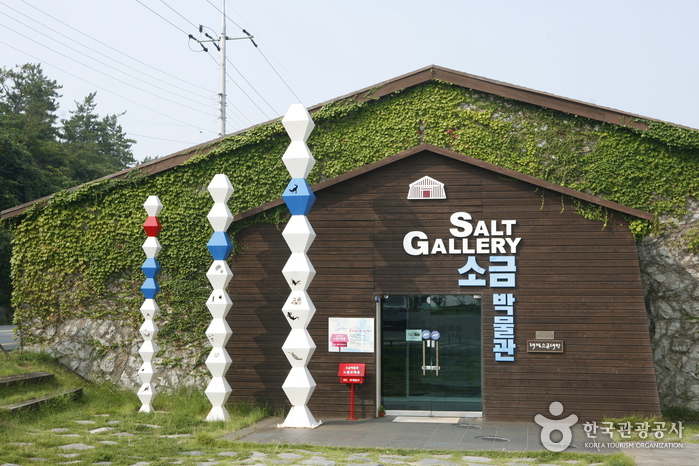
Discovering Jeungdo’s Salt Records in a 1953 Stone Warehouse at Taepyeong Salt Farm
 Travel Guide
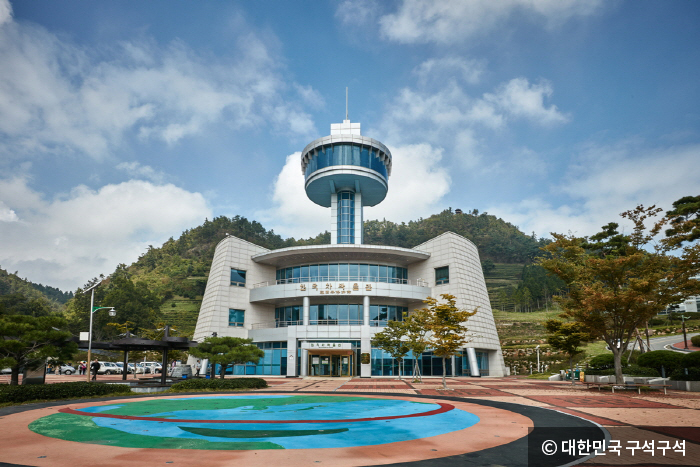
Reading the Time of Korean Tea from the Fifth Floor beside Boseong’s Tea Fields, Korea Tea Museum
Korea News
![ZEROBASEONE ‘ZEROBASEONE Shining Even at Night!’ [★Video]](https://kotourlive-images.s3.ap-northeast-1.amazonaws.com/news/1786629298196_13d8a4bb_news_075face7-fb4e-402c-b833-25ccaf88cf8f.jpg) News
News
ZEROBASEONE ‘ZEROBASEONE Shining Even at Night!’ [★Video]
 News
News
Kwon Eun-bi, First Comeback Since Moving from Woollim to RBW: “Aiming for a September Release”
 News
News
“Did Jungkook’s connection continue?” Pop star Usher spotted warmly hugging BTS’s RM and J-Hope
 News
News