Han Cheon Nongak Training Hall, Continuing the Sangsoe Lineage
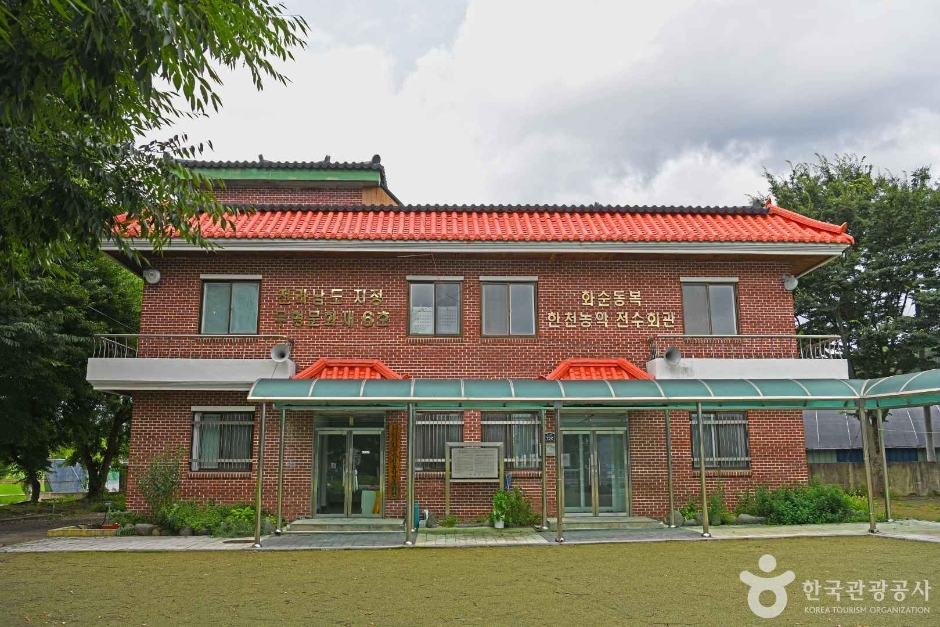
This is a training space where visitors can learn and watch performances of Hwasun Han Cheon Nongak, passed down in Hancheon-ri, Dongbok-myeon, Hwasun-gun, Jeonnam-Gwangju Integrated Special City. Although the hall was completed in 1996, it is safer to plan a visit around performance dates rather than expect regular public viewing.

I’ve been here?
Your check-in helps the next traveler.
No one has checked in yet Be the first
One tap — no writing needed
A Traditional Heritage Training Space at 720, Gimsatgat-ro, Dongbok-myeon
Hancheon Nongak Training Hall is located at 720, Gimsatgat-ro, Dongbok-myeon, Hwasun-gun, Jeollanam-do. It is a space for preserving and transmitting Hancheon Nongak, an intangible heritage, through training and performances. The hall’s location is officially recorded as 616-3, Doksang-ri, Dongbok-myeon, Hwasun-gun.
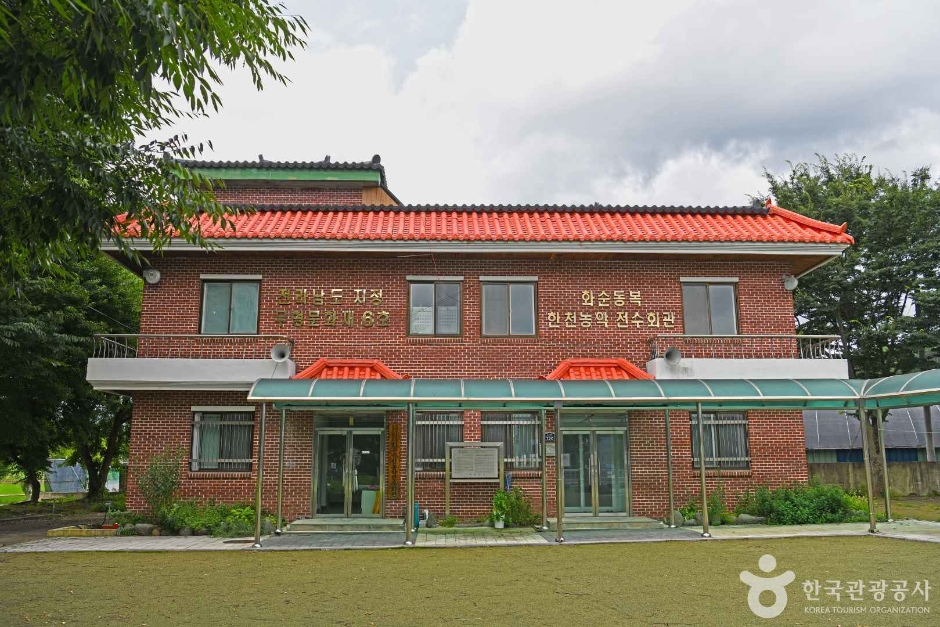
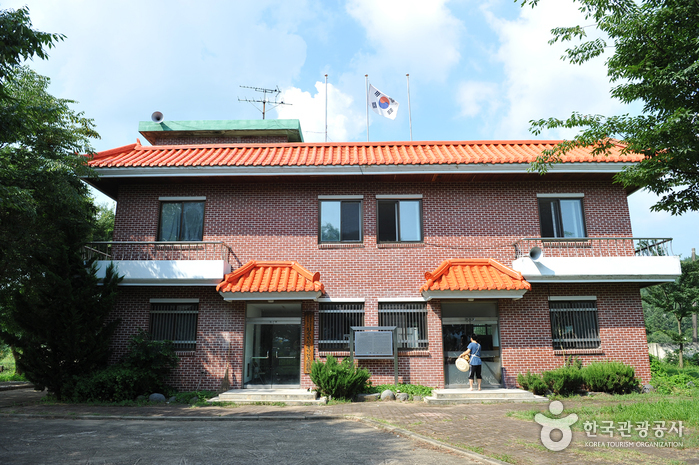
Rather than being a place where visitors tour exhibition rooms at set times like a general museum, this facility is primarily used for training and performances. The hall is a two-story building with accommodation and practice rooms, so visitors should not expect to always see rehearsals or the entire interior.
Why Village Transmission Continues After Its Completion in 1996
Hancheon Nongak Training Hall was completed in 1996. It was built as a two-story facility with accommodation and practice rooms to provide a base where trainees could stay and learn, rather than simply displaying nongak.
Hwasun Hancheon Nongak has been transmitted in Hancheon-ri, Dongbok-myeon, Hwasun-gun, Jeonnam-Gwangju Integrated Special City, and was designated a Jeollanam-do Intangible Cultural Heritage in 1979. A lineage of leading kkwaenggwari performers spanning 11 generations continues, and the current holder of the artistic tradition is introduced as Roh Seung-dae. Accordingly, it is more accurate to understand the hall as a center for transmission than as a local performance venue.
How More Than 200 Years of Nongak Met Lead Performer Yi Seon-il
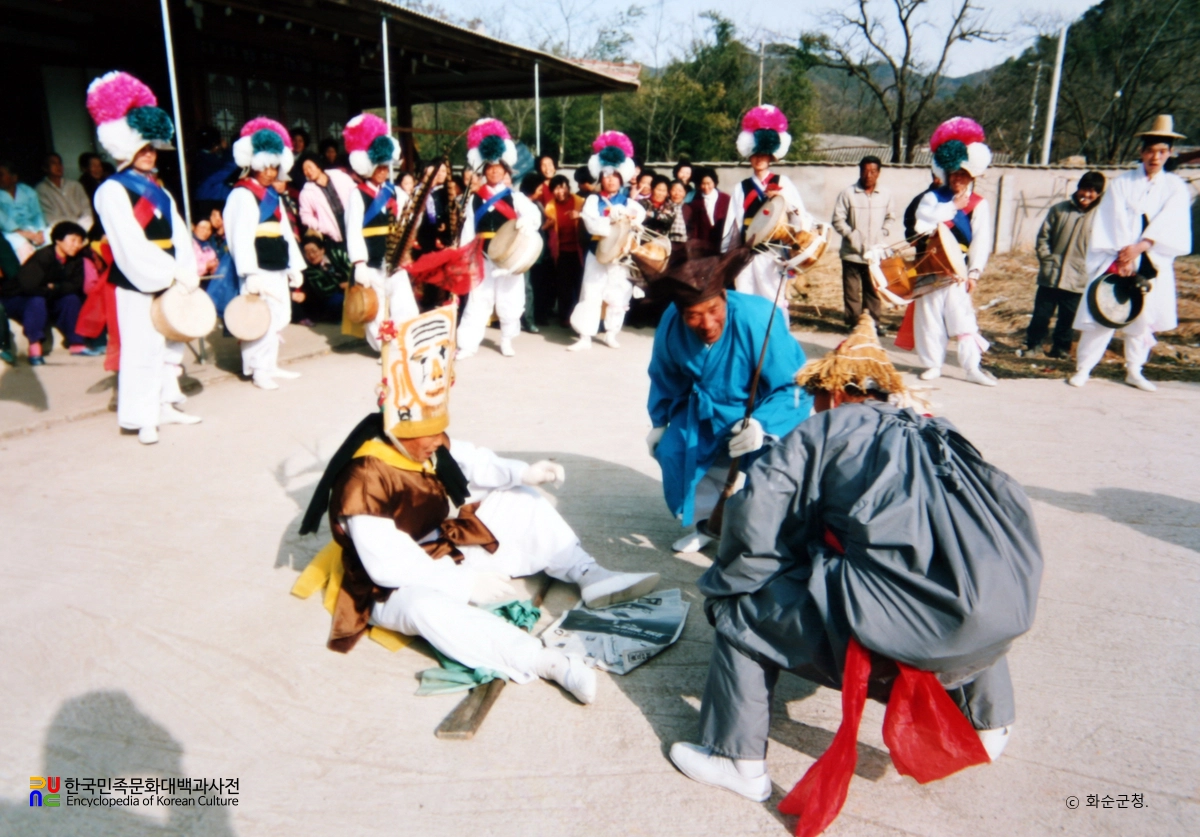
Hancheon Nongak is introduced as having a history of more than 200 years. The explanation that it naturally developed through village rituals such as dangsan gut and yard-stepping ceremonies shows that this tradition was not originally created for stage performances, but continued through the rituals and daily life of the village community.
During the 1950s and 1960s, the tradition developed a system through competition with surrounding villages, using nongak as a medium, and through the influence of renowned lead performers. It is said that Hancheon Nongak became systematized when Yi Seon-il, a lead performer who lived in Doksang-ri at the time, moved to Hancheon Village. It later became known outside the area after he organized and worked with nongak groups in the 1950s and gave numerous performances during the 1960s and 1970s.
How the 1964 Presidential Award Raised Its Profile Beyond the Region
Hancheon Nongak became widely known after receiving the Presidential Award at the National Folk Performance Competition in 1964. The award marked the point when the village nongak of Hancheon-ri, Dongbok-myeon, became known on the national stage rather than being performed only within the local area.
Hwasun Hancheon Nongak took its distinctive form in the mid-20th century and received systematic instruction from Yi Seon-il, regarded as the finest lead performer in the Dongbok-myeon area of Hwasun-gun at the time. It established its tradition through exchanges with neighboring villages and fundraising tours. Its reputation grew as renowned lead performers such as Park Cheon-han and Roh Pan-sun emerged.
From Kkwaenggwari to Motley Characters: What You Will See
The Hwasun Hancheon Nongak troupe consists of kkwaenggwari gongs, a large gong, janggu hourglass drums, buk barrel drums, sogo hand drums, and motley characters. It belongs to the Jeolla Jwado nongak tradition and is characterized by varied rhythms and intricate structure. Therefore, it is better to watch the procession and changes in rhythm created jointly by the musicians and motley characters rather than listening only to the instrumental sounds.
The performance repertoire includes Deul-dangsan Gut, Cheollyong Gut, Saem Gut, Madangbalbi, and Pan Gut. Pan Gut consists of seven sequences. Some are simple, while others are complex and include Yeongsan Dadraegi and a variety of rhythms.
Free Admission, but Empty Spaces on Non-Performance Days
Admission is free. However, operating hours and closing days vary according to the performance schedule rather than following fixed visiting hours. Visitors should plan around the performance schedule on the Hwasun-gun cultural information website instead of expecting a permanent exhibition hall. Public sources do not confirm regular closing days, the admission cutoff time, whether reservations are required, whether photography is prohibited, or whether English information and audio guides are available.
The inquiry telephone number is 061-379-3532, and the official website is https://www.hwasun.go.kr/culture/. The hall also handles exhibitions and demonstration events related to nongak, but it cannot be assumed that exhibitions or demonstrations take place every day. The areas accessible inside and whether the practice rooms are open may also vary depending on performance and training operations.
How to Travel from Gwangju to Dongbok Middle School Bus Stop
The confirmed alighting point when using public transportation is Dongbok Middle School Bus Stop. The distance from the bus stop to Hancheon Nongak Training Hall is approximately 403 m, and Hwasun 217 bus passes through Dongbok Middle School Bus Stop. The bus is described as a regular route connecting Gwangju Metropolitan City with the Juam terminal–Hwasun Transport section.
However, public sources do not confirm the official walking route from the bus stop to the hall, walking time, or the latest timetable and service intervals for Hwasun 217. Foreign travelers should check the bus direction and operating days after arriving in Gwangju and be prepared to walk the final 403 m. Parking at the hall is reportedly available, but the number of spaces and parking fees have not been confirmed.
A Place Where You Need to Match Your Visit to Dates, Such as the November 2025 Public Event
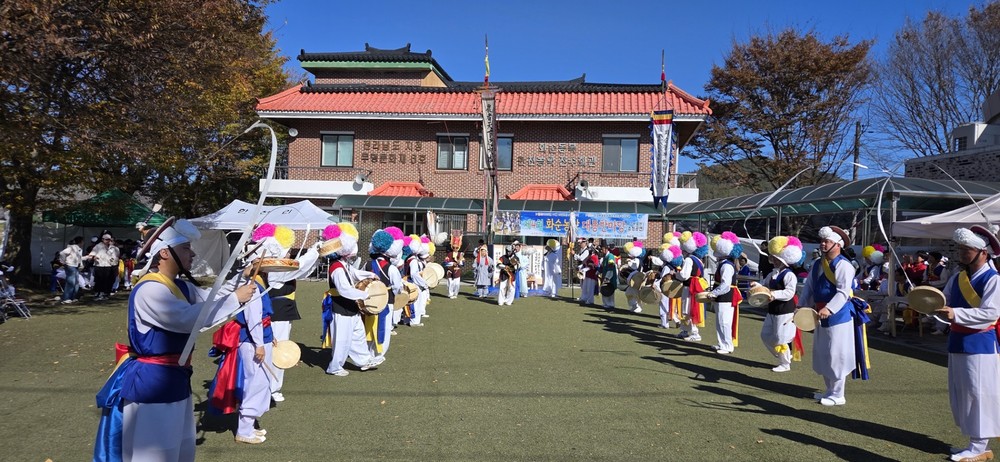
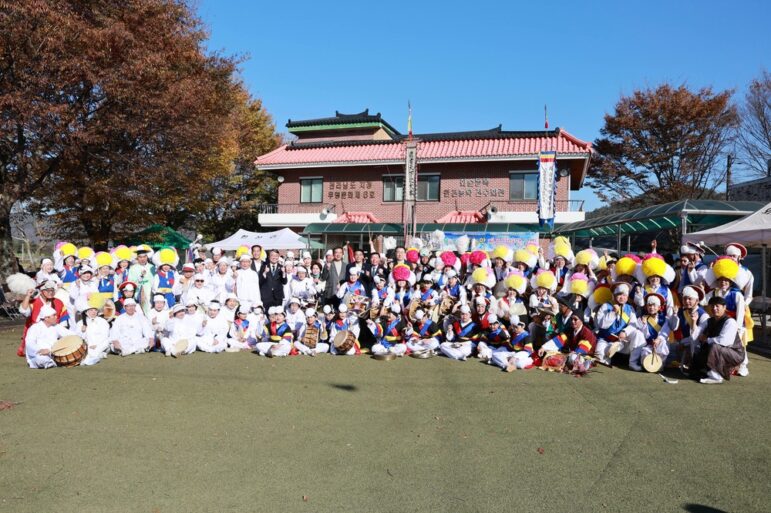
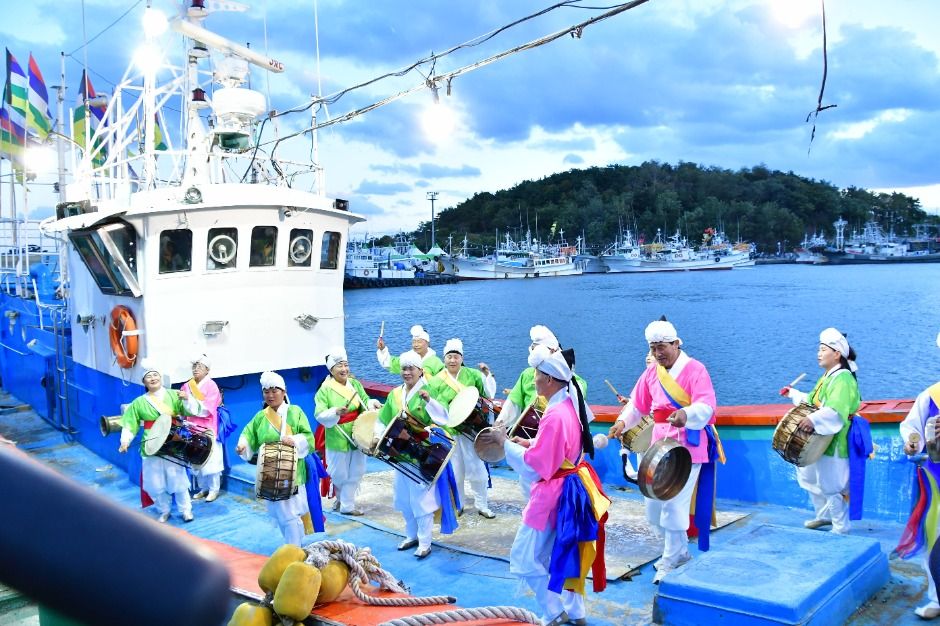
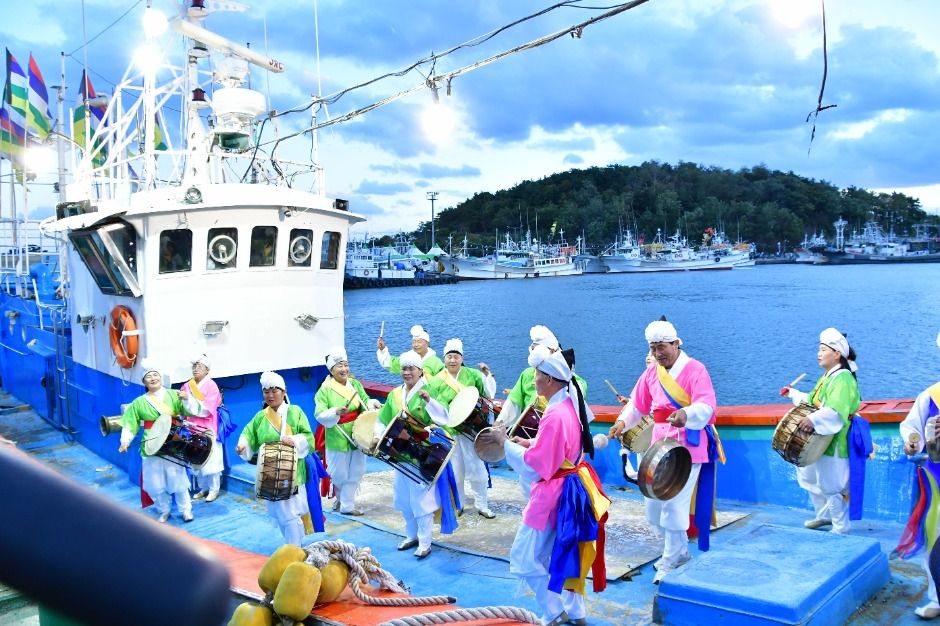
On November 15, 2025, the 4th Hwasun Nongak Community Festival was held in the courtyard in front of Hancheon Nongak Training Hall in Dongbok-myeon. Around 150 local residents and tourists participated, along with nongak groups from several towns and townships in the county and local performance organizations.
As this example shows, on days when public events are held, visitors are more likely to focus on performances in the courtyard than on the transmission spaces, which may normally be closed. One traveler review described the site as a space in a “quiet rural village” and explained that visitors can learn, at least to a limited extent, about the nongak performed when people made their living through farming. As of 2026, there is only one registered review, so visitors should not expect regular hands-on activities or scheduled performances based solely on reviews.
Before You Go
- Address
- 720, Gimsatgat-ro, Dongbok-myeon, Hwasun-gun, Jeollanam-do
- Hours
- Varies according to the performance schedule
- Closed
- Varies according to the performance schedule
- Admission
- Free
- Phone
- 061-379-3532
- Official site
- https://www.hwasun.go.kr/culture/
- Transport
- Approximately 403 m from Dongbok Middle School Bus Stop. Hwasun 217 is confirmed to pass through the stop, but the official walking route from the stop to the hall and the timetable could not be confirmed.
- Parking
- Available
- Time needed
- No recommended visiting duration was found in reviews
The information above is current as of the time of writing. Check the official information again before visiting.

Places
Nearby Attractions 3
-
 1
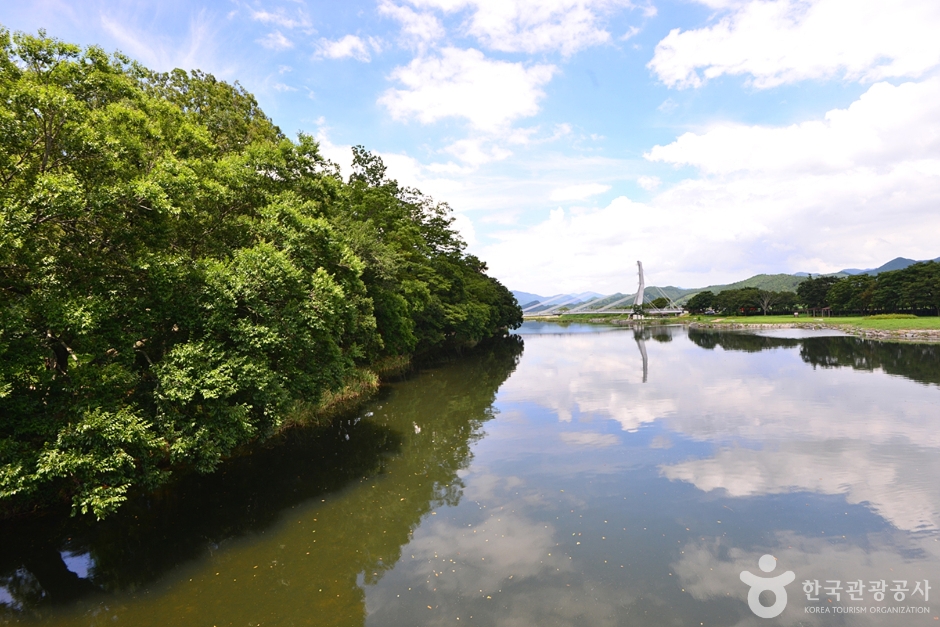
Yeondun-ri SupjeongiA place to stroll through a village forest where Dongbokcheon Stream harmonizes with weeping willows
1
Yeondun-ri SupjeongiA place to stroll through a village forest where Dongbokcheon Stream harmonizes with weeping willows -
 2
2
-
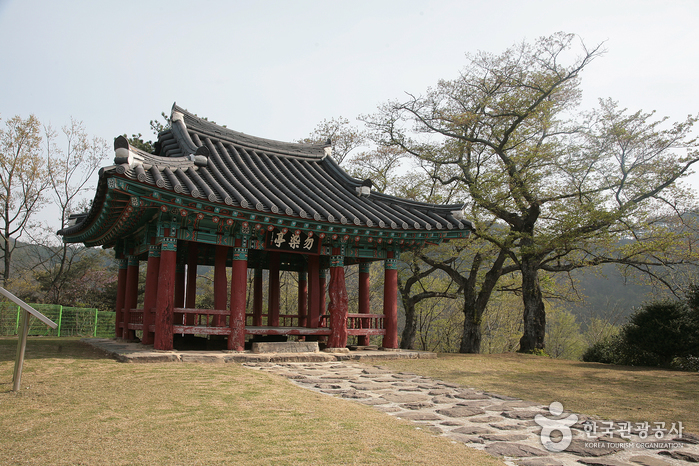 3
Mulyumjeong PavilionA place to explore a Joseon-era pavilion while taking in the view of the Mulyum Red Cliff
3
Mulyumjeong PavilionA place to explore a Joseon-era pavilion while taking in the view of the Mulyum Red Cliff
Food & Dining 3
-
 4
4
-
 5
5
-
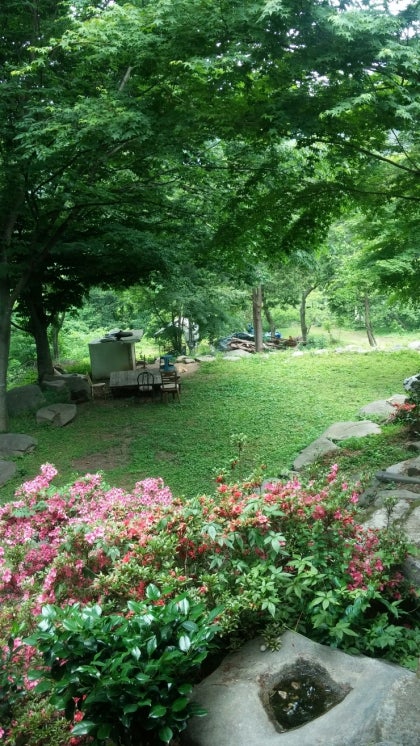 6
Dongbok GardenA restaurant serving nourishing dishes such as whole chicken soup and spicy braised chicken.
6
Dongbok GardenA restaurant serving nourishing dishes such as whole chicken soup and spicy braised chicken.
Events in This Area
Festivals in This Area
More Travel Guides in This Area
 Travel Guide
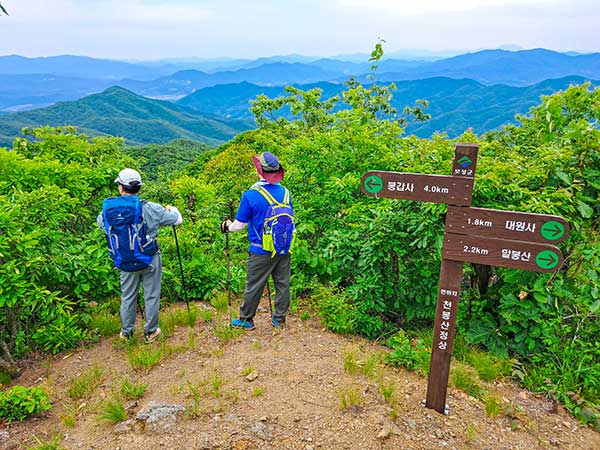
Daewonsa Temple, Nestled in 609 m Cheonbongsan Mountain, from Boseong to Juam Lake
 Travel Guide
How 596 Dolmens in Bogeomjae Valley Reveal Bronze Age Stone-Transport Methods in Hwasun
 Travel Guide
Shinan Cultural Center at 14 Sugang-ro 3beon-gil, Mokpo
 Travel Guide
Nakan Eupseong sightseeing route within the 1,410 m fortress where people live
Korea News
 News
News
‘NewJeans Expulsion’ Danielle Releases Her First YouTube Video… “We Don’t Know What Will Happen Next”
![aespa’s North American Tour Has Remaining Seats Despite ‘$49’ Bargain Prices… A Stark Popularity Gap with KATSEYE [TEN Starfield]](https://kotourlive-images.s3.ap-northeast-1.amazonaws.com/news/1788485037424_a59b1932_naver_rank_thumb_0000774618_1788485037424.jpg) News
News
aespa’s North American Tour Has Remaining Seats Despite ‘$49’ Bargain Prices… A Stark Popularity Gap with KATSEYE [TEN Starfield]
![[Photo] TWICE’s Dahyun attends a film festival red carpet as an actress](https://kotourlive-images.s3.ap-northeast-1.amazonaws.com/news/1788485316508_edd43ecd_news_870a60a6-6f11-4d73-aa7c-48d91318a0f7.jpg) News
News
[Photo] TWICE’s Dahyun attends a film festival red carpet as an actress
![[On-Site Video] “We’re Departing Separately Together”… BIGBANG Begins ‘COSMOS’ World Tour](https://kotourlive-images.s3.ap-northeast-1.amazonaws.com/news/1788485226518_c5719641_news_fdd4764a-0f4e-4968-8e4e-e98a02872f88.jpg) News
News