Jeollado Dialect and Everyday Life at Waborangkké Museum in Gangjin
Waborangkké Museum in Byeongyeong-myeon, Gangjin, is a private museum that exhibits folk artifacts collected since 1990 along with materials on the Jeolla dialect. Inside and around the exhibition halls, visitors can explore old farming tools, household items, and educational materials, as well as expressions such as “geosigi” and “ome.”

I’ve been here?
Your check-in helps the next traveler.
No one has checked in yet Be the first
One tap — no writing needed
A Museum Journey from Collecting in 1990 to Opening in 2015
Waborangge Museum is a private museum in Byeongyeong-myeon, Gangjin-gun, Jeonnam-Gwangju Integrated Special City. It began collecting folk items, Jeolla-do dialect materials, and picture resources in 1990, established the museum in 2010, and opened it in 2015.
The background of its name also resembles the character of its exhibitions. It is said that the name “Waborangge Museum” came from something the director, Kim Seong-u’s wife, said while he was considering a name for the museum: “Why not just tell them to come and see?” “Waborangge” conveys a Jeolla-style expression inviting first-time visitors to see the exhibits for themselves.
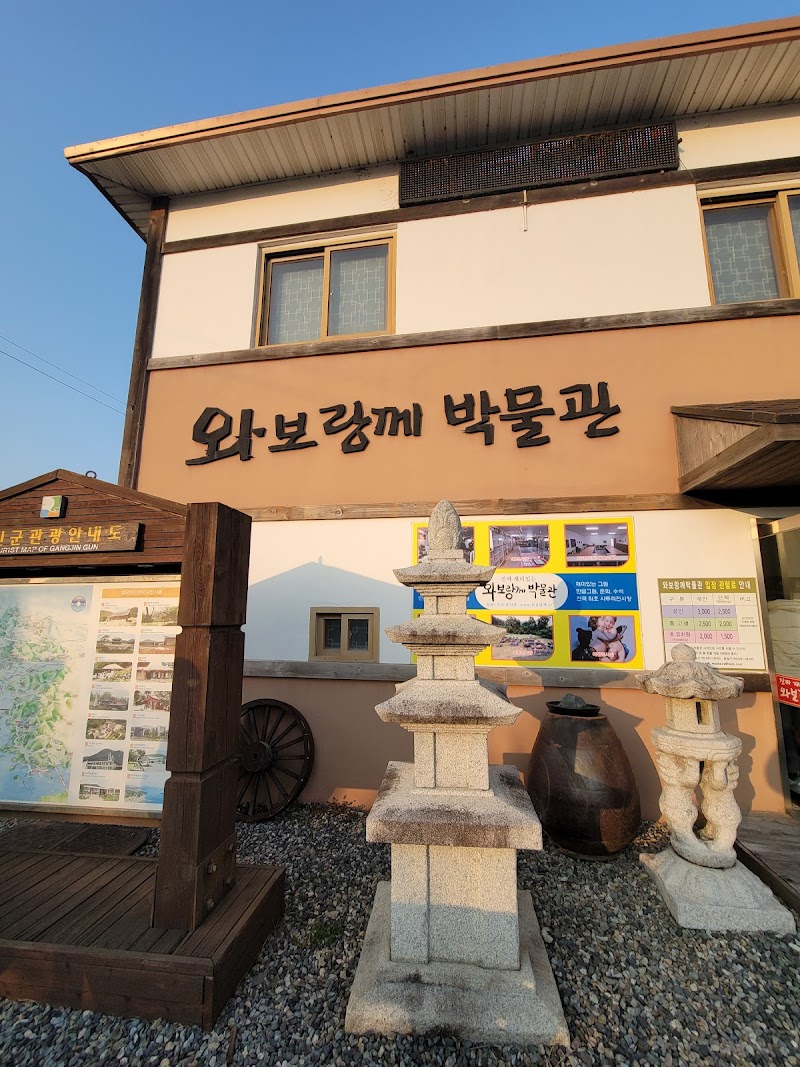
What Can You See in the 254㎡ Exhibition Hall?
The exhibition hall covers 254㎡, and records from 2015 state that around 3,500 items, including folk objects and paintings, were on display. Folk objects are divided into farming tools, household goods, and educational items, making this less a place focused solely on artifacts from a particular era and more a space where visitors can compare objects used in rural life in one location.
Recent reports introduce the household goods collected by director Kim Seong-u over his lifetime as numbering more than 4,000, while another article describes approximately 3,000 household items densely displayed. Since the figures vary depending on the date and scope of the count, visitors should accurately understand the exhibition scale as “several thousand items.”
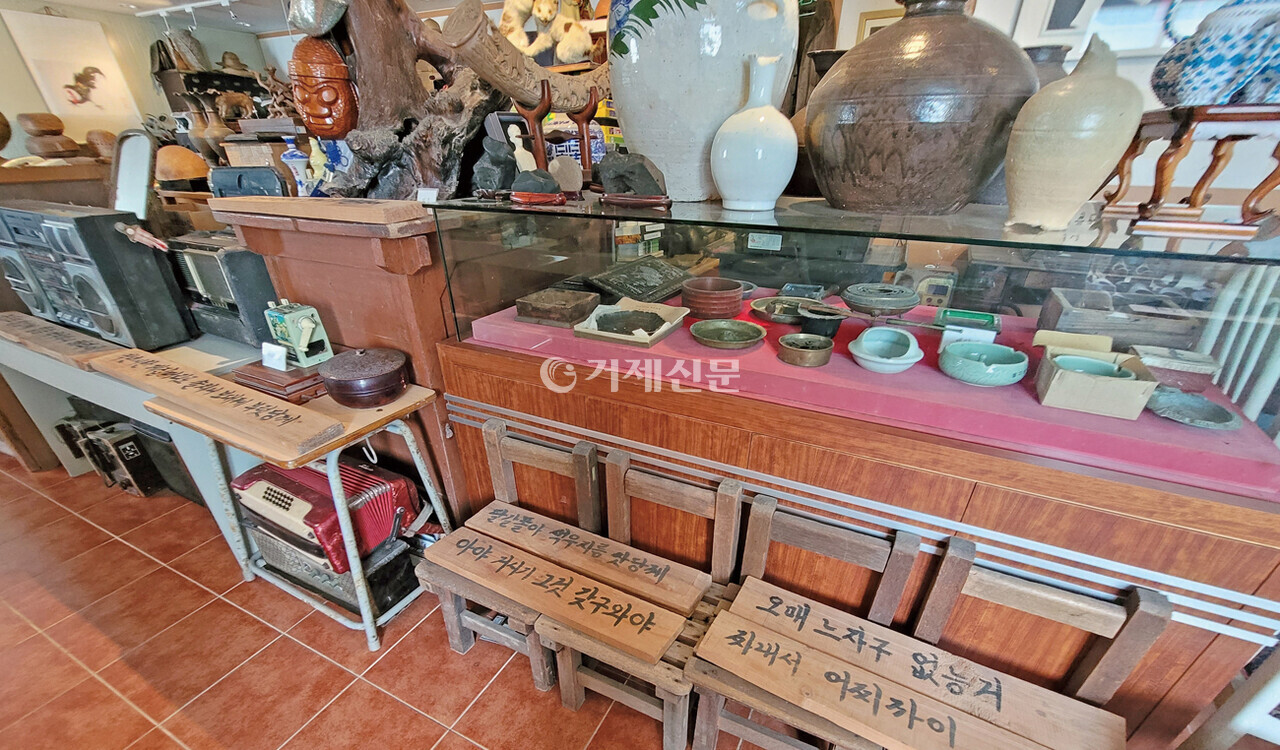
Everyday Objects from Black-and-White Televisions to Beekeeping Covers
The exhibits include old black-and-white televisions, radios, cameras, typewriters, calculators, and dial telephones. Textbooks, aluminum lunch boxes, wood-burning stoves, and pump organs, which evoke changes in schools and homes, are also reported to be on display. For travelers accustomed to digital devices, understanding how these objects were used becomes a central part of the visit.
Objects related to rural life are also presented in detail. Kerosene stoves and oil lamps, tea utensils and ritual vessels, beehive covers, and straw ropes are displayed. A stove that director Kim Seong-u reportedly used while living alone as a student, along with rice bowls three or four times larger than those used today, are also introduced.
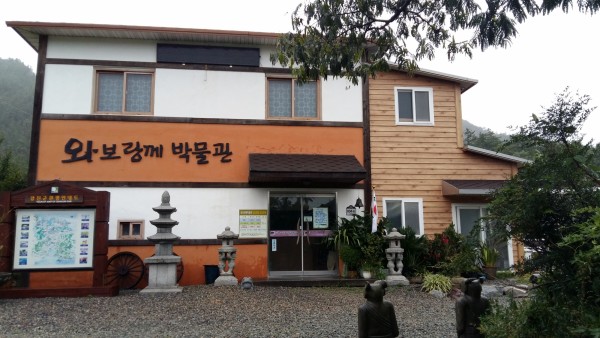
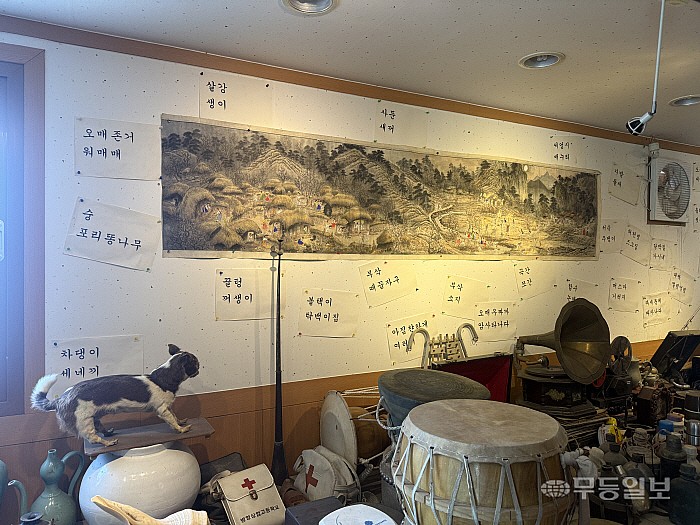
A Dialect Exhibition Exploring “Geosigi” and “Have You Eaten?”
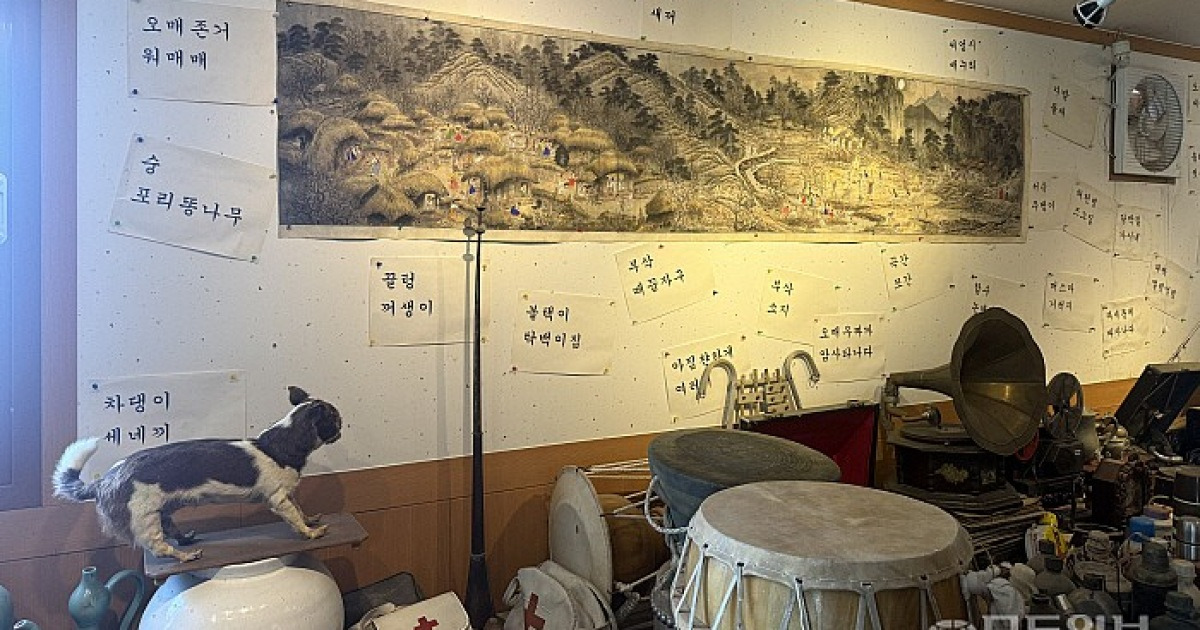
Waborangge Museum is introduced as Korea’s first dialect museum or dialect exhibition hall. Jeolla-do dialect materials are displayed on panels, allowing visitors to explore spoken expressions and intonations distinctive to Jeolla-do, such as “geosigi,” “meosigi,” and “ome.”
Exhibition text explains that “babmogeonnya” means “Have you eaten?” and “ujjadeunji” means “in any case.” Expressions such as “Omae ujjakka,” “ssieomsi,” “porittongnamu,” and “ujjakka” also appear on the walls. Foreign visitors encountering Korean for the first time may find it more helpful to imagine the sounds and situations together rather than simply look for translations.
Open Until 7 p.m. in Summer; Admission Fees Need Current Confirmation
Opening hours are 09:00–19:00 in summer and 09:00–18:00 in winter. No regular closing days are listed, so visitors do not need to avoid a particular weekday. However, operating-hour and fee information varies by date, so visitors may call 061-432-1465 before setting out.
Current admission fees need to be confirmed. Group and local-resident discounted rates also need to be confirmed.
The official website and telephone information need to be confirmed. The available payment methods, whether photography is prohibited, and whether English guidance or an audio guide is provided could not be verified in publicly available materials, so foreign travelers should ask about these by phone.
Points Easily Missed When Traveling from Gangjin to Byeongyeong-myeon
The address is 804-6 Janggang-ro, Byeongyeong-myeon, Gangjin-gun, Jeonnam-Gwangju Integrated Special City. Published transportation directions describe routes from Gwangju via Gwangju–Yeongam–Byeongyeong–Waborangge Museum–Jangheung; from Busan via Suncheon–Jangheung–Waborangge Museum–Byeongyeong; from Gangjin via Kkachinaejae–Jakcheon–Byeongyeong–Waborangge Museum–Jangheung; and from Mokpo via Seongjeon–Jakcheon–Byeongyeong–Waborangge Museum–Jangheung.
However, specific bus route numbers and intervals, as well as walking times from station exits and bus stops to the museum, could not be confirmed. Therefore, visitors should not think of it as an urban museum that can be reached on foot immediately after arriving at a train station from Seoul or Busan. Instead, they should plan an itinerary that connects intercity travel with local transportation from starting points such as Gangjin or Jangheung.
Parking is available and free. The number of parking spaces and the parking-lot location are not provided in public materials, so rental-car users should set 804-6 Janggang-ro as their destination and check on site how far it is from the parking area to the ticket booth and exhibition hall.
Rural Spaces and Hands-On Programs Outside the Exhibition Hall
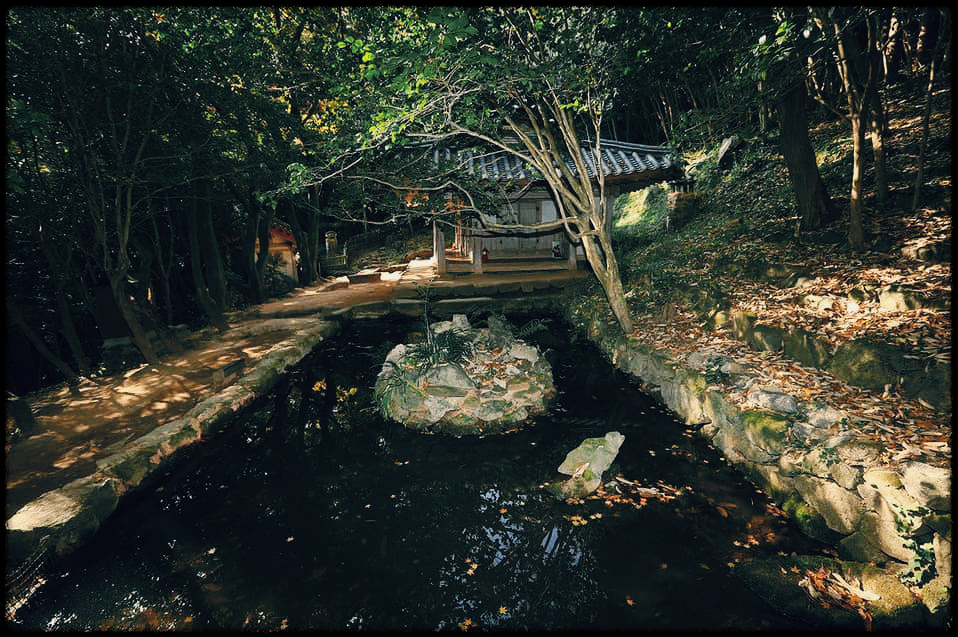
The museum grounds are introduced as having a rural experience farm, two ponds, a pavilion, guest lodging, and a small shop. After viewing old objects in the exhibition hall, visitors can also explore the rural spaces and rest facilities on the grounds rather than ending their visit indoors.
Programs include folk-play experiences and a dialect class. Activities are said to include straw-rope twisting, making red-clay meju, and making spinning toys, but whether these three programs are currently offered may vary by date. Since reservation requirements and participation conditions could not be confirmed, group visitors should call 061-432-1465 in advance.
A Byeongyeong-myeon Itinerary Combining Jeolla Byeongyeongseong Fortress and the Hamel Memorial Hall
Waborangge Museum is introduced as being located in a typical rural mountain village. It is approximately 2.5 km from Jeolla Byeongyeongseong Fortress and 3 km from the Hamel Memorial Hall; other materials describe the distance from the fortress to the museum as approximately 3 km.
The “Waborangge Haechal-gil” trail, starting from the museum, has also been developed, offering an option for walking through the rural scenery. Dasan Chodang, a celadon kiln site, and Yeongnang’s Birthplace are introduced within 15–20 km of the area. Travelers planning to hike may also consider Wolchulsan and Suinsan.
The recommended time for visiting the museum itself could not be confirmed. Accessibility for wheelchairs and strollers, interior slopes and stairs, and the distance from the ticket booth to the exhibition hall are also unconfirmed. Travelers using mobility aids should allow extra time and consider on-site conditions with their companions.
Before You Go
- Address
- 804-6 Janggang-ro, Byeongyeong-myeon, Gangjin-gun, Jeonnam-Gwangju Integrated Special City
- Hours
- Summer 09:00–19:00 / Winter 09:00–18:00
- Closed
- No regular closing days
- Admission
- Current admission fees need to be confirmed. Group and local-resident discounted rates also need to be confirmed.
- Phone
- Current information needs to be confirmed.
- Official site
- Current information needs to be confirmed.
- Transport
- From Gwangju: Gwangju–Yeongam–Byeongyeong–Waborangge Museum–Jangheung; from Busan: Suncheon–Jangheung–Waborangge Museum–Byeongyeong; from Gangjin: Kkachinaejae–Jakcheon–Byeongyeong–Waborangge Museum–Jangheung; from Mokpo: Seongjeon–Jakcheon–Byeongyeong–Waborangge Museum–Jangheung
- Parking
- Parking available; free of charge
- Time needed
- The museum’s own visiting time could not be confirmed in review-based materials.
The information above is based on the time of writing. Check official guidance again before visiting.

Places
Nearby Attractions 3
-
 1
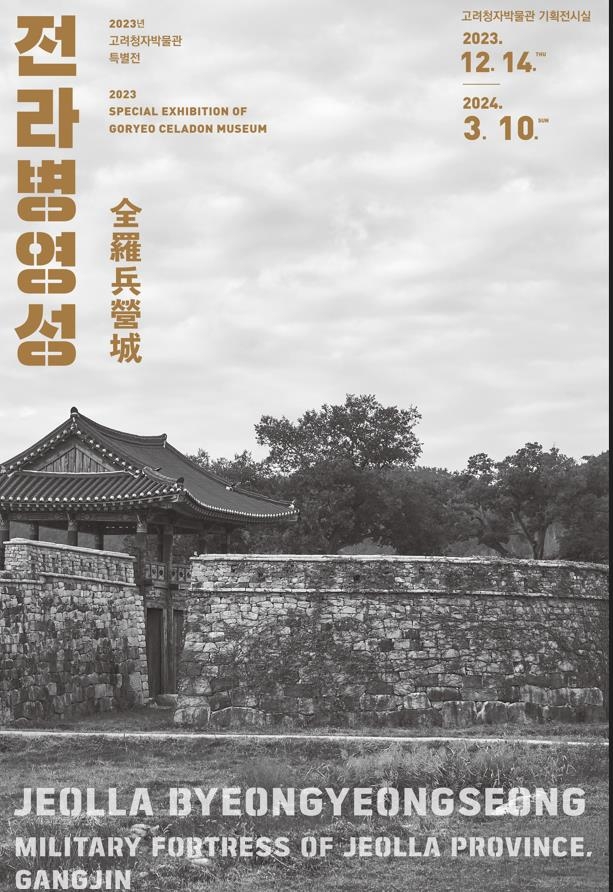
Jeolla Byeongyeongseong FortressA fortress site that commanded the Jeolla provincial army during the Joseon Dynasty.
1
Jeolla Byeongyeongseong FortressA fortress site that commanded the Jeolla provincial army during the Joseon Dynasty. -
 2
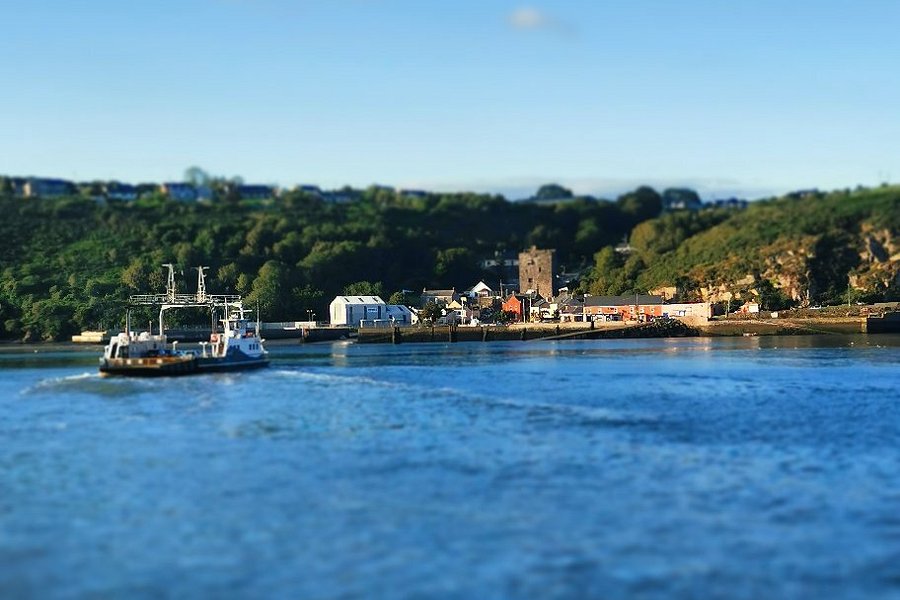
Hamel Memorial HallAn exhibition hall introducing Hamel’s stay in Gangjin and his records of being shipwrecked.
2
Hamel Memorial HallAn exhibition hall introducing Hamel’s stay in Gangjin and his records of being shipwrecked. -
 3
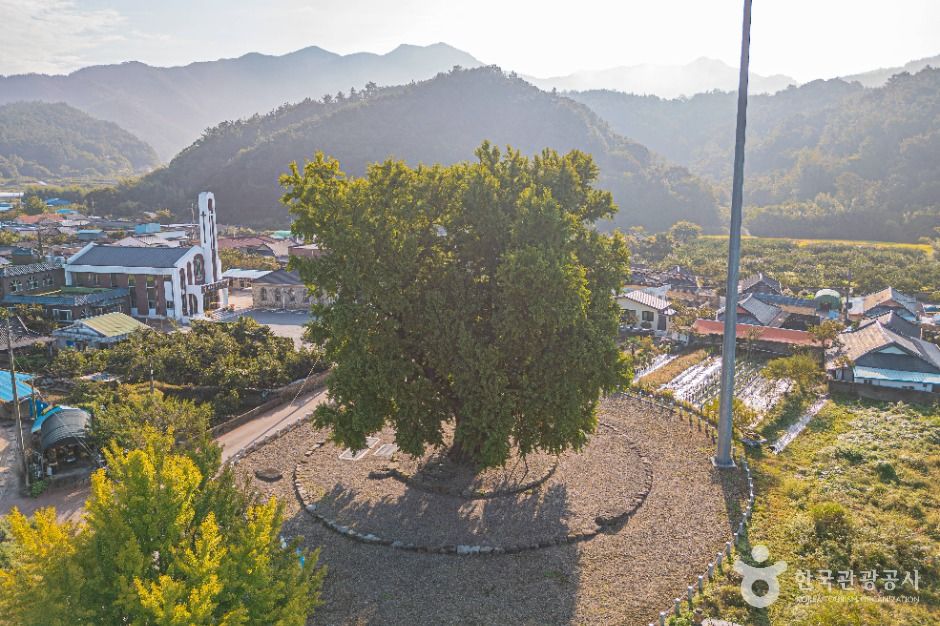
Gangjin Seongdong-ri Ginkgo TreeYou can see an ancient tree designated as a Natural Monument in Seongdong-ri, Byeongyeong-myeon.
3
Gangjin Seongdong-ri Ginkgo TreeYou can see an ancient tree designated as a Natural Monument in Seongdong-ri, Byeongyeong-myeon.
Food & Dining 3
-
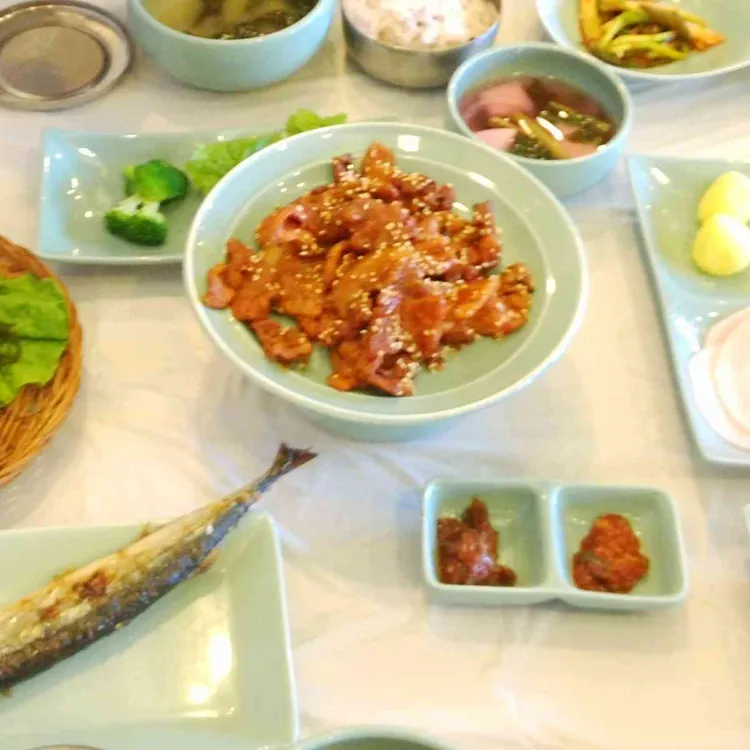 4
4
-
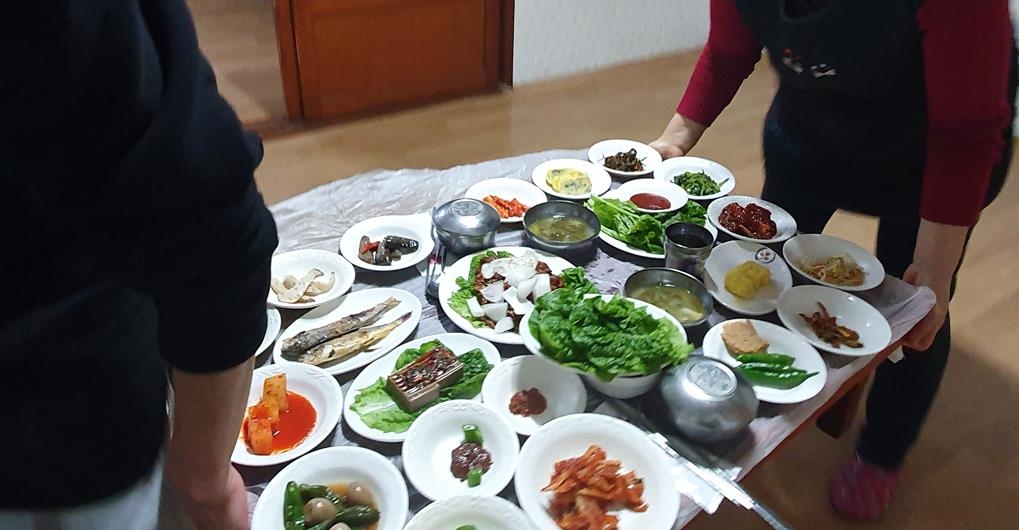 5
Seolseong SikdangA Korean restaurant in Byeongyeong-myeon serving charcoal-grilled bulgogi, fish, and side dishes.
5
Seolseong SikdangA Korean restaurant in Byeongyeong-myeon serving charcoal-grilled bulgogi, fish, and side dishes. -
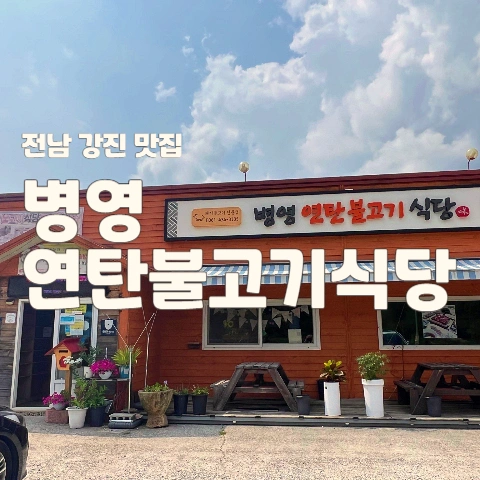 6
Byeongyeong Yeontan Bulgogi RestaurantA restaurant serving stone-pot rice and a set meal with charcoal-grilled bulgogi.
6
Byeongyeong Yeontan Bulgogi RestaurantA restaurant serving stone-pot rice and a set meal with charcoal-grilled bulgogi.
Events in This Area
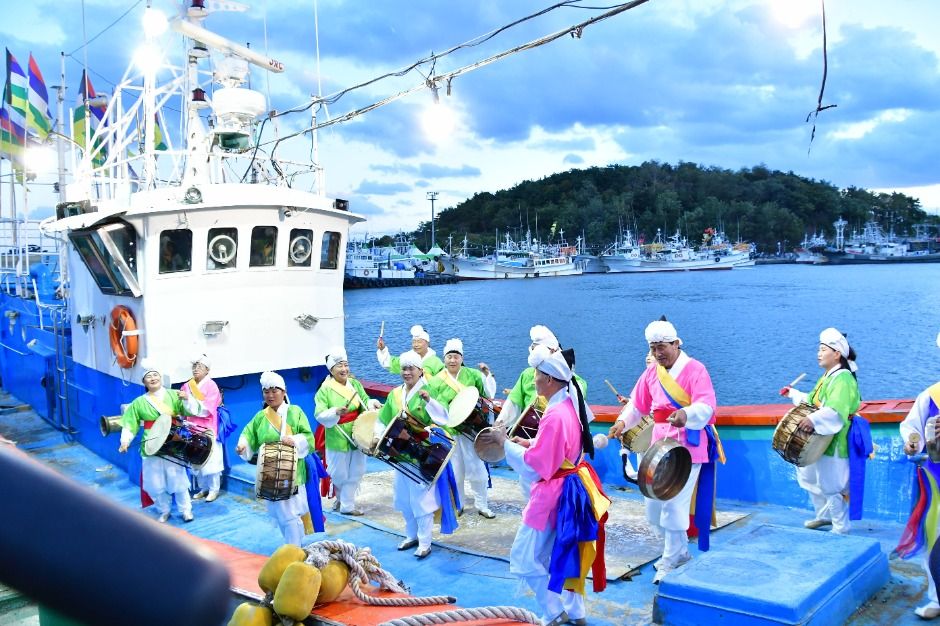
Festivals in This Area
More Travel Guides in This Area
 Travel Guide
Discovering the Principles of Water While Gazing at the Tamjin River: Jeongnamjin Water Science Museum
 Travel Guide
Meet 470,000 Cypress Trees Along the 3.7 km Malle-gil Trail on Eokbulsan at Jangheung Woodland
 Travel Guide
A Day at Wolchulsan, Shaped by an 810.7 m Rock Peak and a 52 m Cloud Bridge
 Travel Guide
Jeong Yak-yong’s 10 Years at the End of a 700 m Ascent on Mandeoksan Mountain: Dasan Chodang in Gangjin
Korea News
 News
News
‘NewJeans Expulsion’ Danielle Releases Her First YouTube Video… “We Don’t Know What Will Happen Next”
![aespa’s North American Tour Has Remaining Seats Despite ‘$49’ Bargain Prices… A Stark Popularity Gap with KATSEYE [TEN Starfield]](https://kotourlive-images.s3.ap-northeast-1.amazonaws.com/news/1788485037424_a59b1932_naver_rank_thumb_0000774618_1788485037424.jpg) News
News
aespa’s North American Tour Has Remaining Seats Despite ‘$49’ Bargain Prices… A Stark Popularity Gap with KATSEYE [TEN Starfield]
![[Photo] TWICE’s Dahyun attends a film festival red carpet as an actress](https://kotourlive-images.s3.ap-northeast-1.amazonaws.com/news/1788485316508_edd43ecd_news_870a60a6-6f11-4d73-aa7c-48d91318a0f7.jpg) News
News
[Photo] TWICE’s Dahyun attends a film festival red carpet as an actress
![[On-Site Video] “We’re Departing Separately Together”… BIGBANG Begins ‘COSMOS’ World Tour](https://kotourlive-images.s3.ap-northeast-1.amazonaws.com/news/1788485226518_c5719641_news_fdd4764a-0f4e-4968-8e4e-e98a02872f88.jpg) News
News