Reading Sabi Palace, Neungsa Temple, and Wiryeseong in a Day at Buyeo Baekje Cultural Land
Buyeo Baekje Cultural Land is a large-scale historical recreation site that opened in 2010, allowing visitors to compare Sabi Palace, Neungsa Temple, Wiryeseong, and the Living Culture Village along a single route. Since the grounds are expansive and outdoors, arriving early and understanding the relationship between the late-Sabi royal palace and the Neungsan-ri Temple Site will make your visit more rewarding.
I’ve been here?
Your check-in helps the next traveler.
11 people viewed this week Be the first
One tap — no writing needed
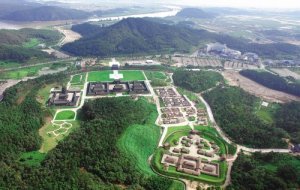
A 3.3-million-square-meter restoration project opened in 2010, where Sabi Baekje can be read ‘beyond the ruins’
Baekje Cultural Land is a historical and cultural space established around Hapjeong-ri, Gyuam-myeon, Buyeo-gun, Chungcheongnam-do. Chungcheongnam-do describes its total area as approximately 1 million pyeong, or 3.3 million square meters, with the public and private-investment sectors each occupying 1.65 million square meters. The public sector includes functional villages such as Sabi Palace and Wiryeseong, the Baekje History and Culture Museum, and the Korea National University of Cultural Heritage.
This complex is not an archaeological site where actual Baekje buildings remain intact, but a place that recreates Baekje architecture and daily life based on expert historical research and consultation. According to materials from Chungcheongnam-do, 385.4 billion won was invested from 1994 to 2010, and the site opened in time for the 2010 World Baekje Expo. The actual ruins of Sabi Fortress are scattered around Buyeo-eup and the Baengma River, making this site a suitable starting point for understanding the dispersed evidence on an architectural scale.
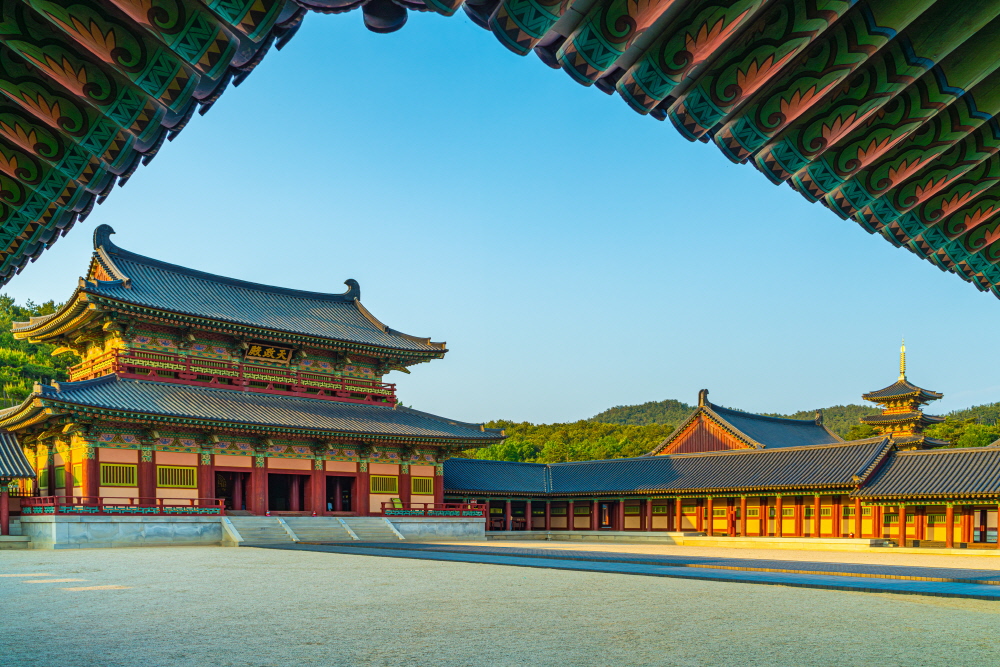
The 123 years after King Seong moved the capital to Sabi in 538: scenes to examine first at Sabi Palace
King Seong of Baekje moved the capital from Ungjin to Sabi in 538, and the Sabi period continued until Baekje fell in 660 during the reign of King Uija. Sabi Palace is the complex’s central facility recreating the royal palace of late Baekje. After entering the complex, visitors pass the Baekje History and Culture Museum and the Living Culture Village before moving toward Sabi Palace, making it efficient to establish the historical background through the exhibits before entering the palace.
Sabi Palace is known as an architectural complex recreating a royal palace from the Three Kingdoms period, but it is not a replica based on surviving original palace buildings. Rather than mistaking the buildings themselves for ‘actual ruins,’ it is more accurate to view the site as a space for interpreting the hierarchy and movement patterns of a royal palace through the main hall, gates, corridors, and pond. Jehyangnu behind Sabi Palace offers a comprehensive view of the complex’s rooflines and the direction of Neungsa, although access may be restricted for safety reasons during nighttime openings.
- Sabi period: 538–660, approximately 123 years
- Core route: Baekje History and Culture Museum → Living Culture Village → Sabi Palace → Neungsa
- Note: It is best to distinguish between reconstructed architecture and actual excavated ruins when reading the information panels.
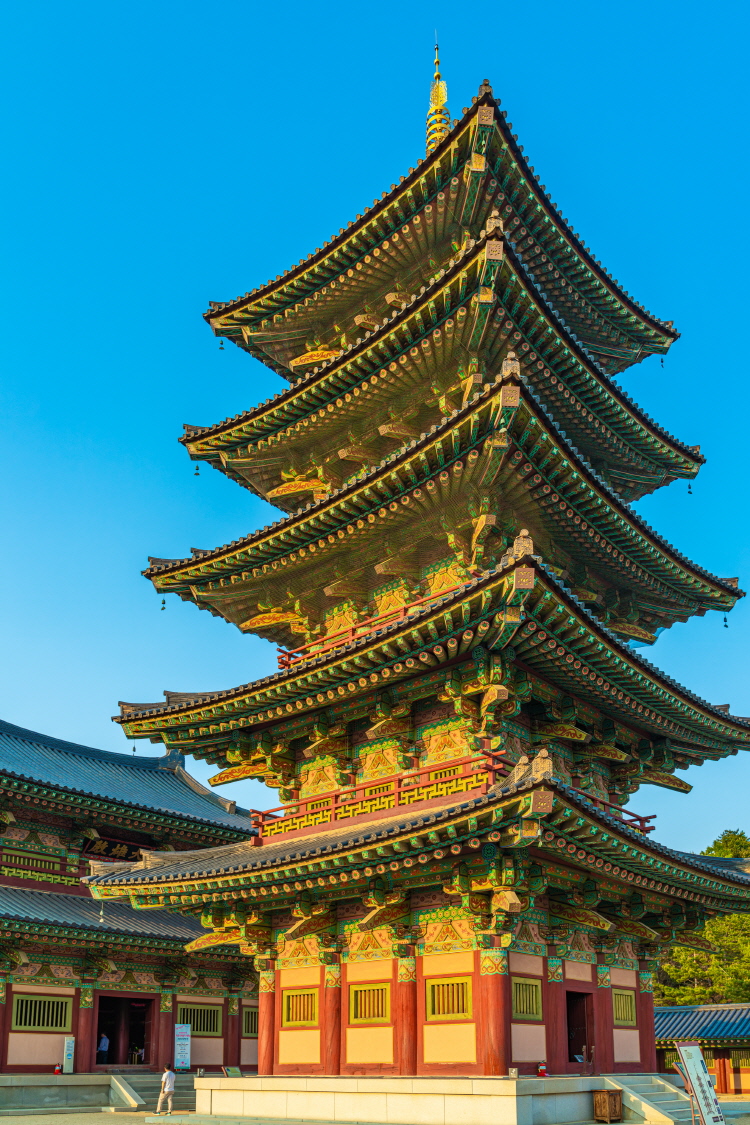
Neungsa, based on the Neungsan-ri Temple Site, and its 38-meter-high five-story wooden pagoda
Neungsa is a reconstructed space based on the royal temple of Baekje identified at the Neungsan-ri Temple Site in Buyeo. The temple site discovered near the Neungsan-ri Ancient Tombs is interpreted as being connected to the royal family, and the site of the Neungsan-ri Temple Site is also where the National Treasure gilt-bronze incense burner of Baekje was excavated. Since Neungsa inside the complex presents these excavation findings on an architectural scale, it is best to include the Buyeo National Museum separately if you want to see the actual excavated artifacts.
The focus at Neungsa is the five-story wooden pagoda. Press materials and travel guides state that the pagoda is 38 meters high, consisting of a 30-meter wooden-pagoda section and an 8-meter finial section. Rather than looking only at the pagoda and leaving, it is easier to understand the connection between the Neungsan-ri Temple Site, where the incense burner was excavated, and the reconstructed temple by viewing the overall temple layout formed by the middle gate, lecture hall, and main hall together with Hyangnogak.
- Height of the Neungsa wooden pagoda: 38 m
- Pagoda composition: 30 m wooden-pagoda section, 8 m finial section
- Related visit: It is worth combining this with the gilt-bronze incense burner of Baekje at the Buyeo National Museum.
Thatched-roof houses at Hanam Wiryeseong and tiled roofs at Sabi Palace: how to compare two periods at once
Wiryeseong is an area recreating the early capital fortress of Baekje. Unlike the tiled buildings of Sabi Palace, Wiryeseong allows visitors to compare defensive, residential, and governing spaces from the early state period. The key to visiting Baekje Cultural Land is that it connects early Baekje’s Wiryeseong with late Baekje’s Sabi Palace within one complex.
If you visit Sabi Palace first and then go to Wiryeseong, it is easy to remember only the contrast in splendor. Conversely, if you first view Wiryeseong’s modest thatched houses and fortress structures before moving to Sabi Palace, it becomes easier to compare how Baekje developed from Hanseong and Ungjin to Sabi and expanded its royal authority and architectural hierarchy. For visitors with children, it is convenient to combine the class-based residential reconstructions in the Living Culture Village with Wiryeseong.
- Wiryeseong: Area recreating the early capital fortress of Baekje
- Sabi Palace: Area recreating the royal palace of Baekje’s later Sabi period
- Comparison points: Materials, scale, and hierarchy of thatched-house-centered spaces and tiled-roof-centered royal palaces
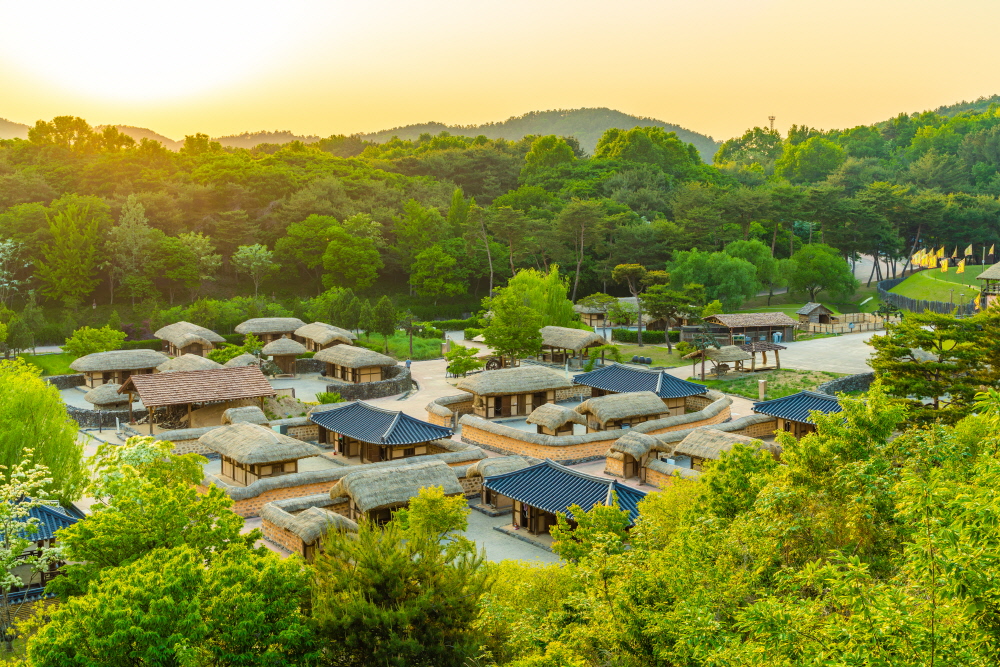
A spacious outdoor route planned around a 09:00 entry and the Baekje History and Culture Museum
Because Baekje Cultural Land involves substantial outdoor walking, it is better to allow at least 2.5 to 3 hours to see Sabi Palace, Neungsa, and Wiryeseong. In summer, some sections may have little shade and involve long walks, so it is advisable to prepare water, a hat, and sun-protection items. Visitor reviews from 2025 also mention the need to check perceived outdoor temperatures and whether some hands-on programs are operating in summer and winter.
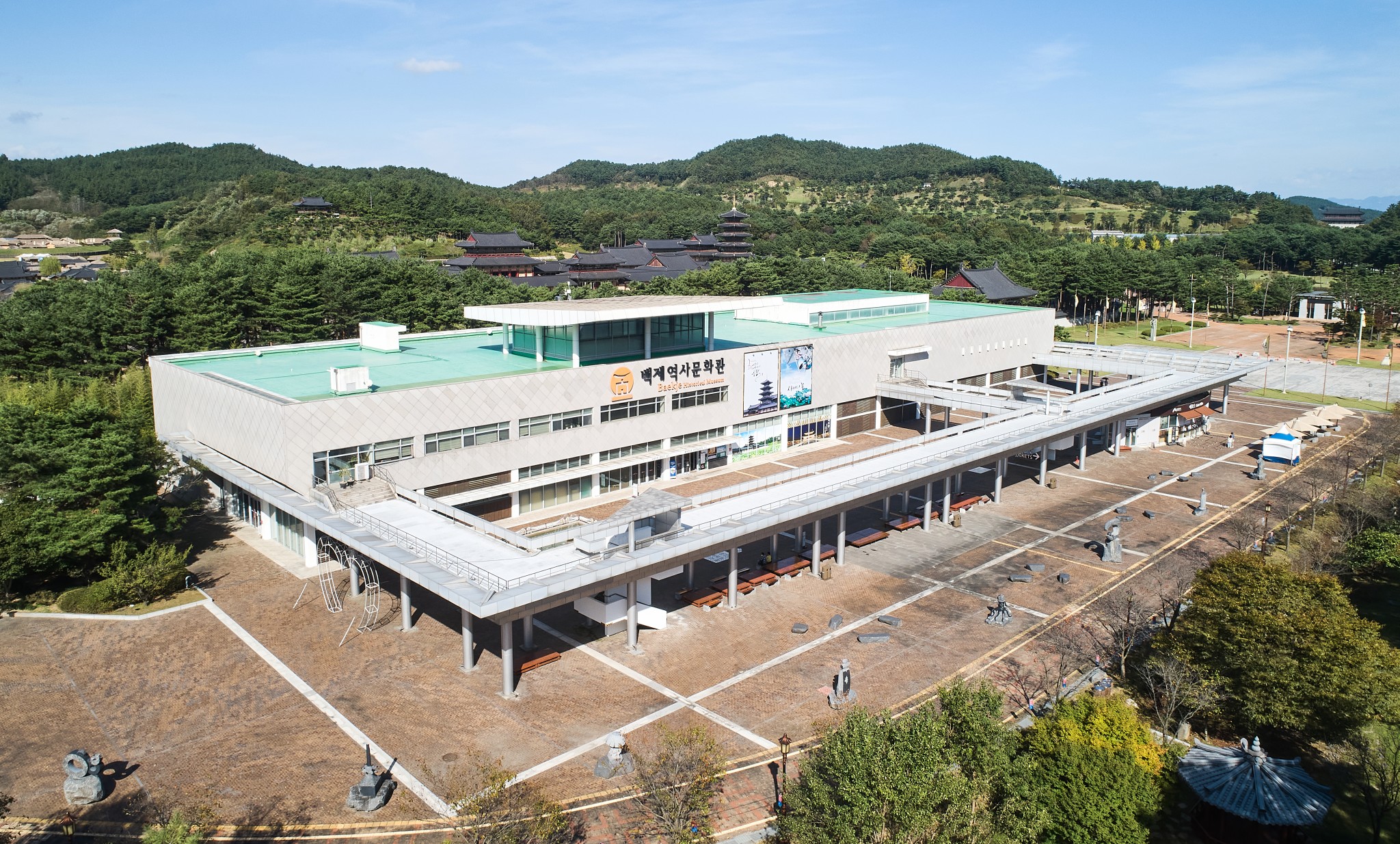
The Baekje History and Culture Museum near the entrance is a good stop before or after exploring outdoors. Reviewing the miniature model of the complex and the historical context of Baekje in the exhibition first makes it easier to understand the positions of Sabi Palace, Neungsa, and Wiryeseong afterward. If it is raining or midday in midsummer, it is practical to begin indoors at the History and Culture Museum and postpone the main outdoor areas until the morning or late afternoon.
- Recommended visit duration: 2.5–3 hours
- Summer preparations: Water, a hat, and sun-protection items
- Rainy-day or midday alternative: Visit the Baekje History and Culture Museum first
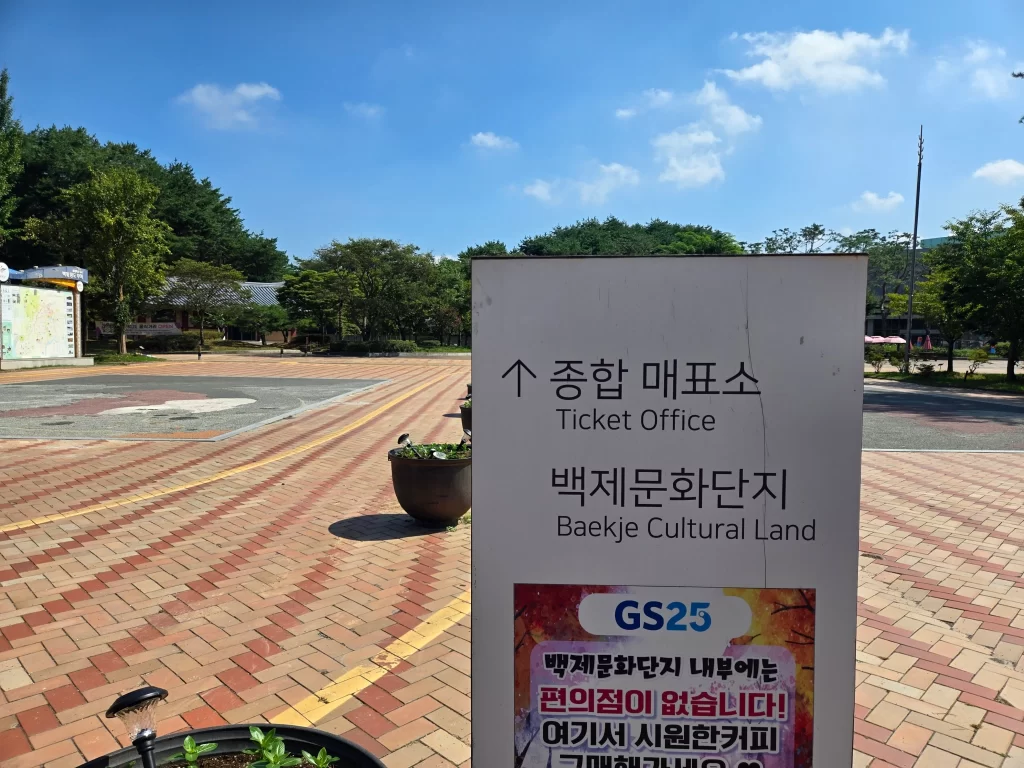
A day in Buyeo starting at 455 Baekjemun-ro and continuing to Gungnamji and the Buyeo National Museum
The address is 455 Baekjemun-ro, Gyuam-myeon, Buyeo-gun, Chungcheongnam-do, and the general information center’s telephone number is listed as 041-635-7740. Chungcheongnam-do also provides 041-635-7713 for inquiries related to Baekje Cultural Land. Visitors arriving in Buyeo by public transportation can check the Baekje representative heritage course of the ‘This Is Buyeo’ city tour operated by Buyeo-gun; the tour is advertised as including admission to Baekje Cultural Land. The tour begins and ends at the Chungcheongnam-do Comprehensive Tourism Information Center, whose telephone number is 041-830-2880.
If you want to continue from the complex to actual ruins and artifacts, a suitable order is the Buyeo National Museum, Jeongnimsa Temple Site, and Gungnamji. Buyeo-gun tourism course materials list the distance between Baekje Cultural Land and the next point as 2.9 km. You can avoid spending time hearing the same explanations repeatedly by dividing the experience: view the scale of reconstructed architecture at Baekje Cultural Land, excavated artifacts at the museum, and actual Sabi-period temple ruins at Jeongnimsa Temple Site.
- Address: 455 Baekjemun-ro, Gyuam-myeon, Buyeo-gun, Chungcheongnam-do
- General information center: 041-635-7740
- Buyeo tourism information center: 041-830-2880
- Possible additions: Buyeo National Museum, Jeongnimsa Temple Site, and Gungnamji
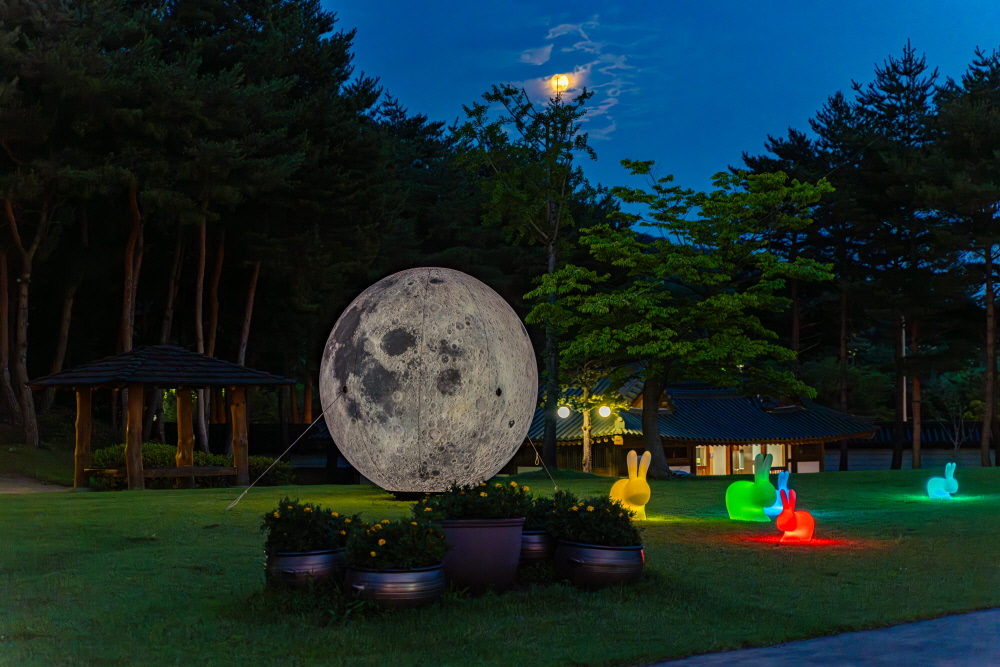
During nighttime openings and festivals, focus on Neungsa and check restricted areas in advance
Baekje Cultural Land may operate nighttime programs during seasonal events and the Baekje Cultural Festival. Nighttime visitor information identifies the area around Neungsa as a major illuminated viewing point and states that access to Jehyangnu, the Baekje History and Culture Museum, the Living Culture Village, and Wiryeseong may be restricted at night to prevent accidents. From a routing perspective, it is reasonable to see Wiryeseong and the History and Culture Museum during the day and leave Sabi Palace and Neungsa for nighttime.
Festival and nighttime-opening schedules, the admission closing time on a given date, and the operation of hands-on programs may change frequently. Before visiting, it is safest to check the date-specific operating notices on the official Baekje Cultural Land information page and the Buyeo Culture and Tourism announcements. If you arrive late specifically to take photographs, consider that some facilities close at night when deciding what time to enter.
Before You Go
- Address
- 455 Baekjemun-ro, Gyuam-myeon, Buyeo-gun, Chungcheongnam-do
- Phone
- 041-635-7740
- Official site
- https://www.baekje.org/
- Transport
- The Baekje representative heritage course of Buyeo-gun’s Baekje History and Culture Exploration city tour, ‘This Is Buyeo,’ is available. The tour begins and ends at the Chungcheongnam-do Comprehensive Tourism Information Center; inquiries: 041-830-2880.
- Time needed
- 2.5–3 hours
- Accessibility
- Wheelchair rental, accessible restrooms, and an elevator in the Baekje History and Culture Museum are available.
The information above is current as of the time of writing. Check the official information again before visiting.

Places
Nearby Attractions 5
-
 1
1
-
 2
2
-
 3
3
-
 4
4
-
 5
5
Food & Dining 5
-
 6
6
-
 7
7
-
 8
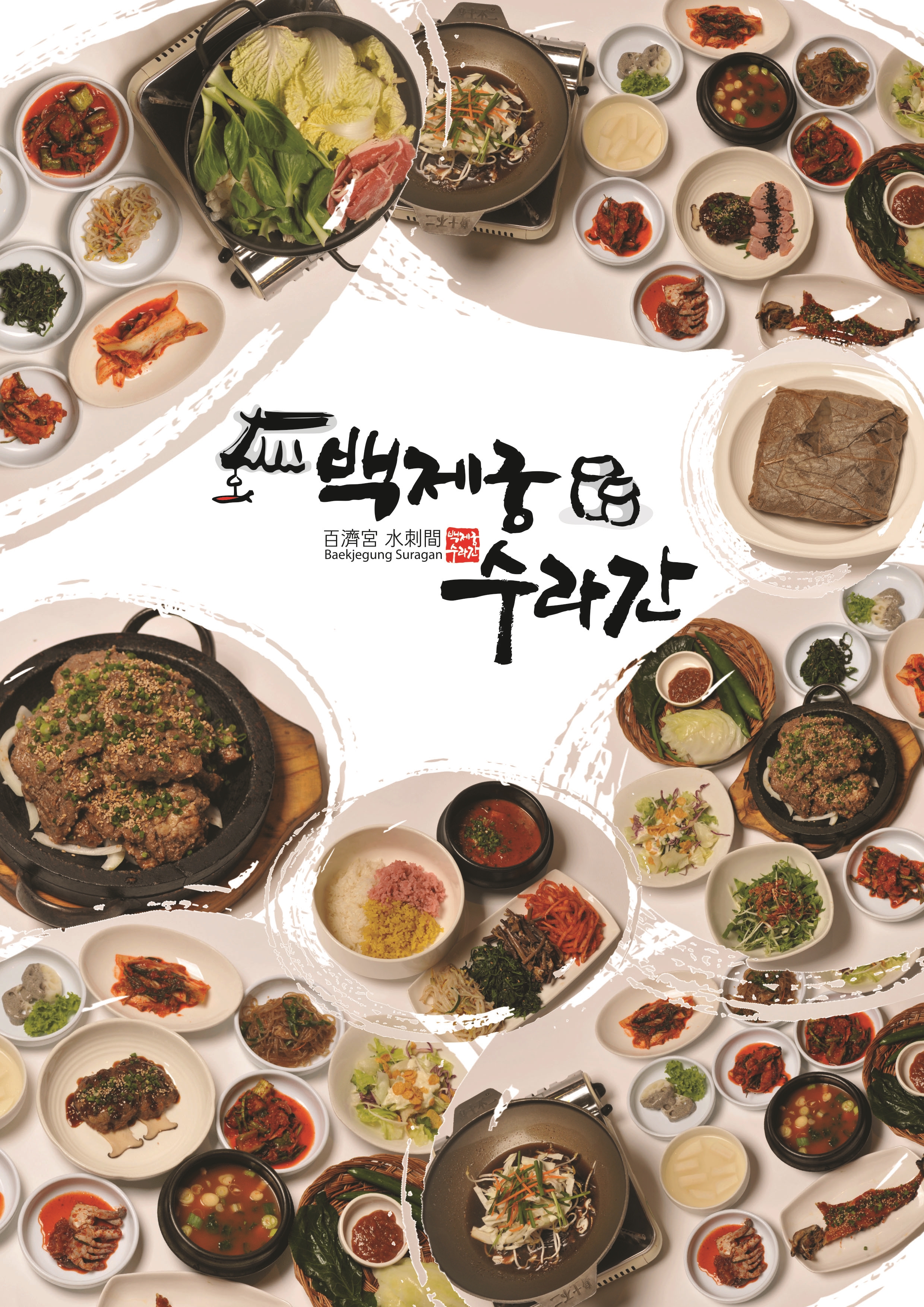
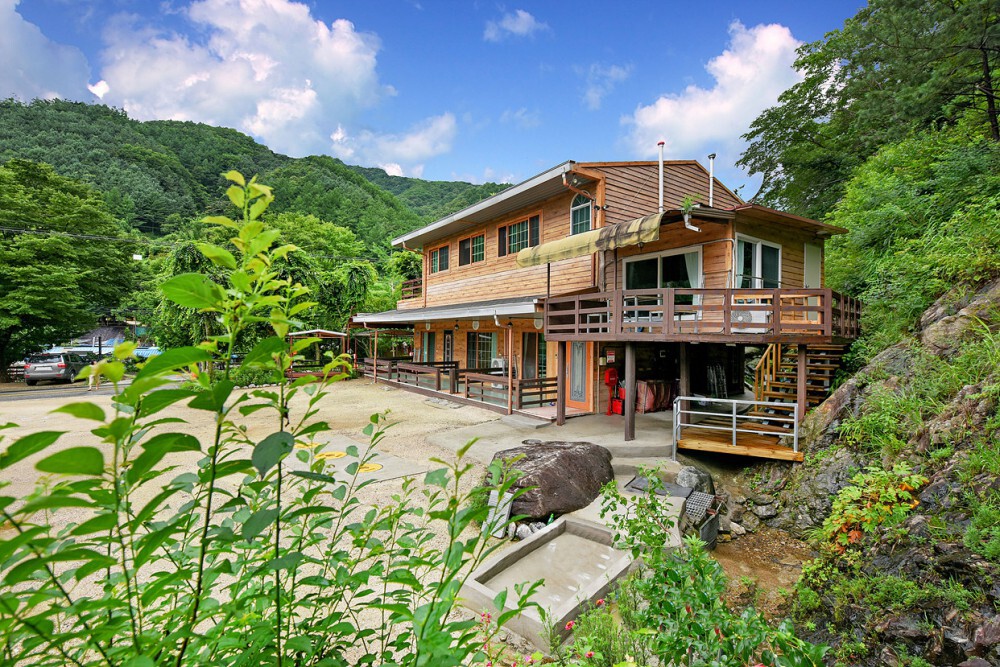
Baekje Palace Sura Ggan
8
Baekje Palace Sura Ggan -
 9
9
-
 10
10
Events in This Area

Festivals in This Area

More Travel Guides in This Area
 Travel Guide
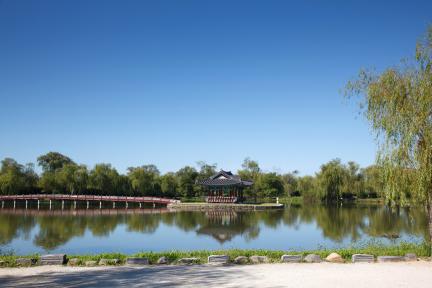
Walking the Waterways of Buyeo Gungnamji, Dating Back to the 35th Year of King Mu
 Travel Guide
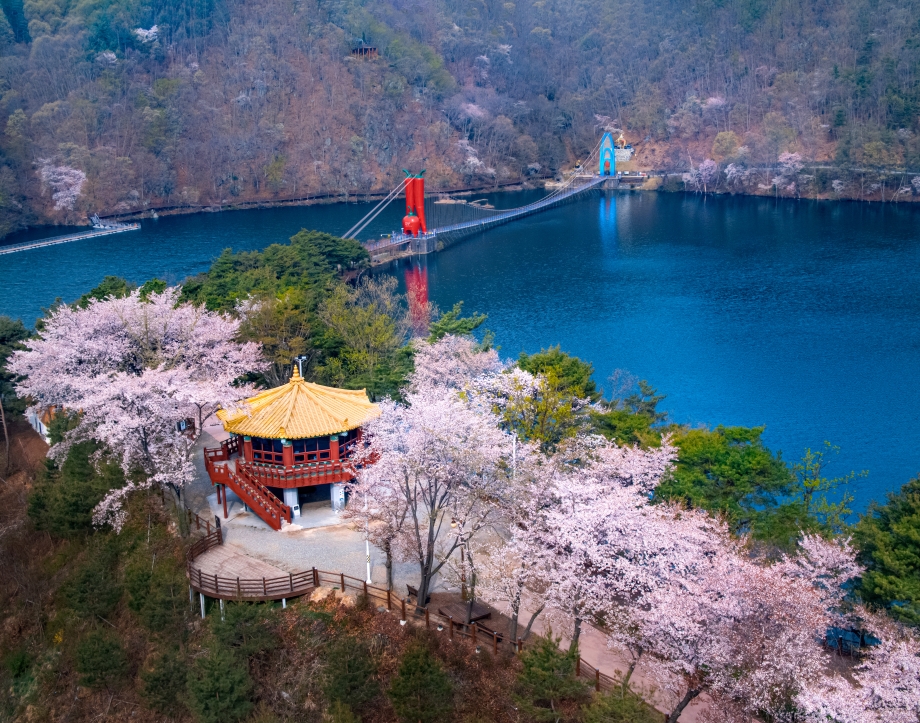
How to Cross the 207 m Cheonjang Lake Suspension Bridge from Cheongyang City Bus Terminal
 Travel Guide
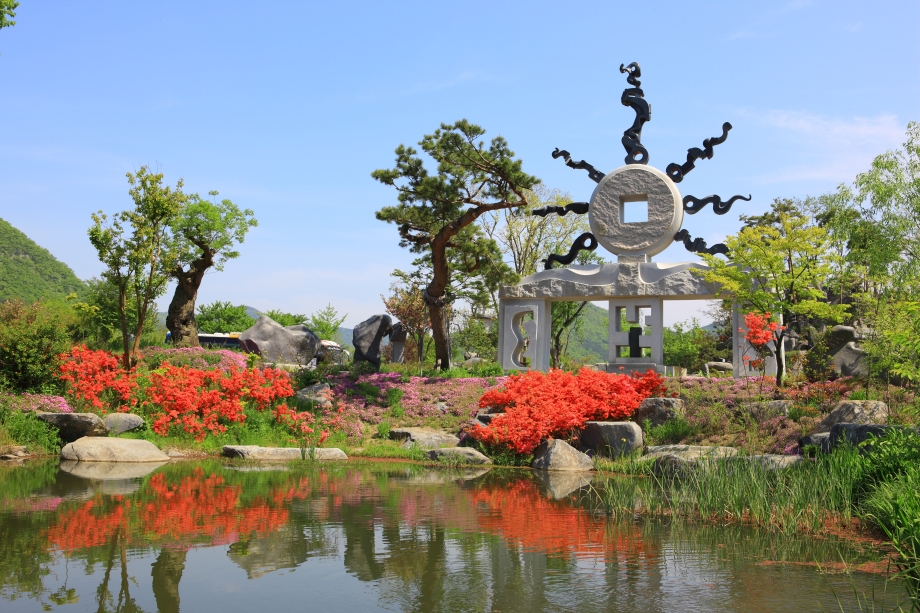
A Day Among Black Stone, Ponds, and Poetry Monuments Across 18 ha in the Southern Valley of Seongjusan Mountain
 Travel Guide
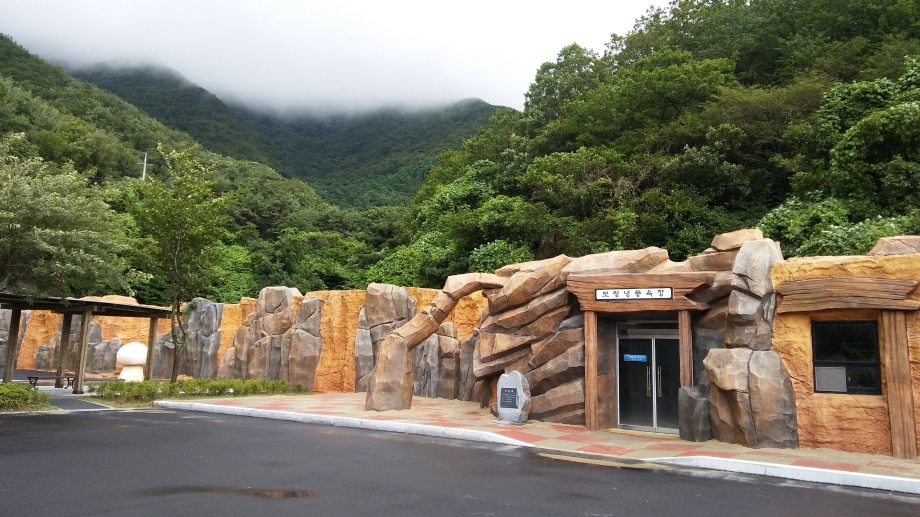
Boryeong Cold Wind Bath: A 12°C Summer Escape from a 200 m Abandoned Seongjusan Mine
Korea News
 News
News
"Overcoming the Getty curse" Jang Wonyoung, with unreal proportions and beauty straight out of a Barbie doll
 News
News
A2O LITE Tops Melon TOP100 Just 29 Hours After Debut, Setting the Fastest Record for a Debut Song
![Billlie's Tsuki 'Makes an Entrance Showing Off Her Beautiful Figure' [MK Photo]](https://kotourlive-images.s3.ap-northeast-1.amazonaws.com/news/1792027947835_957f0cb8_news_5c0023c5-e9a0-4640-9154-cb0b69d810c4.jpg) News
News
Billlie's Tsuki 'Makes an Entrance Showing Off Her Beautiful Figure' [MK Photo]
![ENHYPEN ‘Fighting for the Macau performance too!’ [★Video]](https://kotourlive-images.s3.ap-northeast-1.amazonaws.com/news/1792027887815_5057637d_news_8041e5cd-8b22-4193-bb46-880c65d944f7.jpg) News
News