Reading Boryeong’s Coal-Mining History Along the Tunnels of Seongju Mine
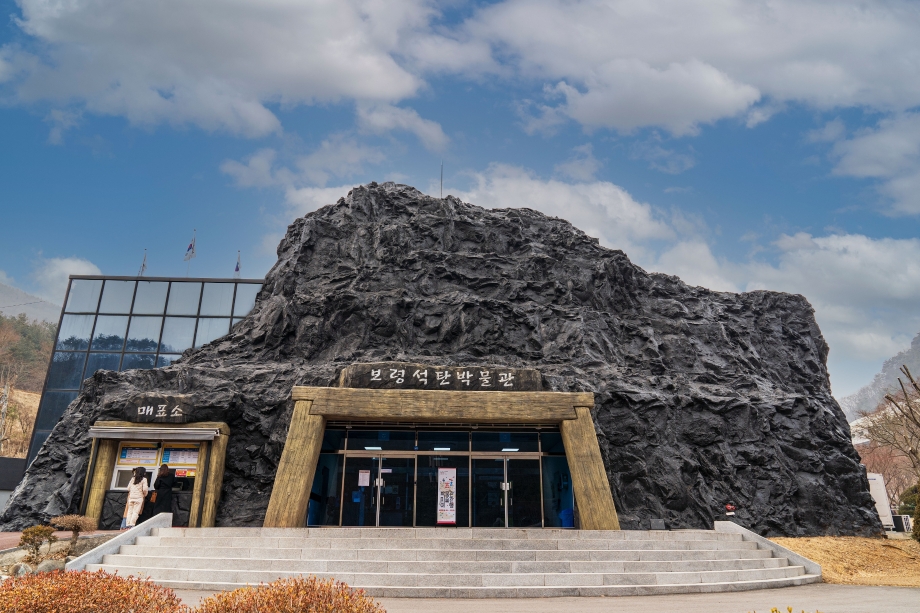
Boryeong Coal Museum opened on May 18, 1995, at the former site of Seongju Mine, which closed in 1990. As Korea’s first coal museum, it offers exhibitions recreating an actual coal mine and a vertical shaft experience, providing insight into Boryeong’s industrial and labor history as a coalfield city.
I’ve been here?
Your check-in helps the next traveler.
11 people viewed this week Be the first
One tap — no writing needed
The Site Became a Museum on May 18, 1995, Five Years After Seongju Mine Closed in 1990
Boryeong Coal Museum was established on the site of Seongju Mine in Gaehwa-ri, Seongju-myeon, an area once known as South Chungcheong Province’s leading coalfield. Seongju Mine closed in 1990, and the Coal Industry Rationalization Project Group began construction there in 1992. After completing the project at the end of 1994, it transferred operating rights to Boryeong City in February 1995.
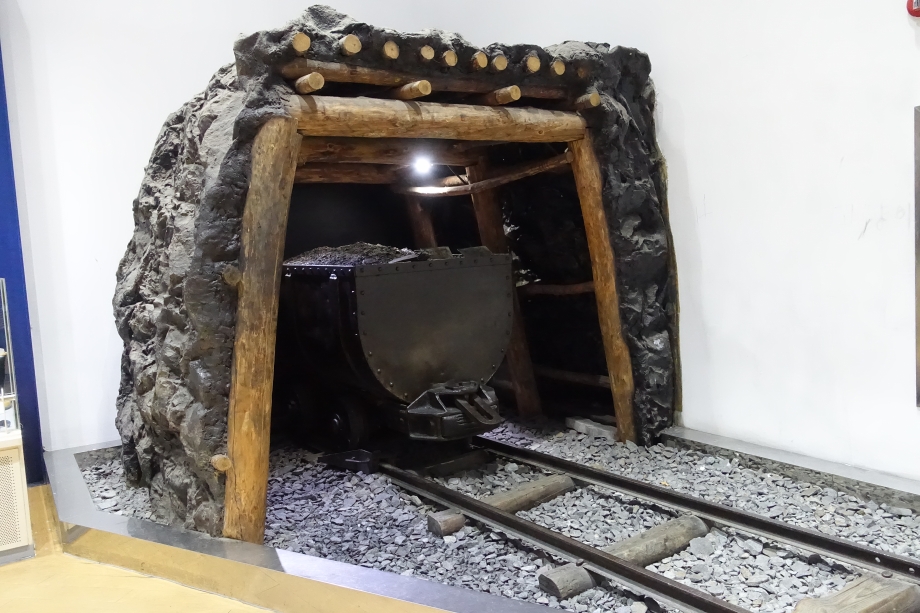
The opening ceremony was held on May 18, 1995. According to reports at the time, the site covered approximately 7,600 pyeong, while the two-story aboveground building had a total floor area of 484 pyeong. Around 2,000 items were displayed, including rock drills, coal transport equipment, explosives, ventilation systems, briquette-making machinery, and mineral specimens.
Shaft Experience and Simulated Tunnel Evoking a Depth of 400 Meters Underground
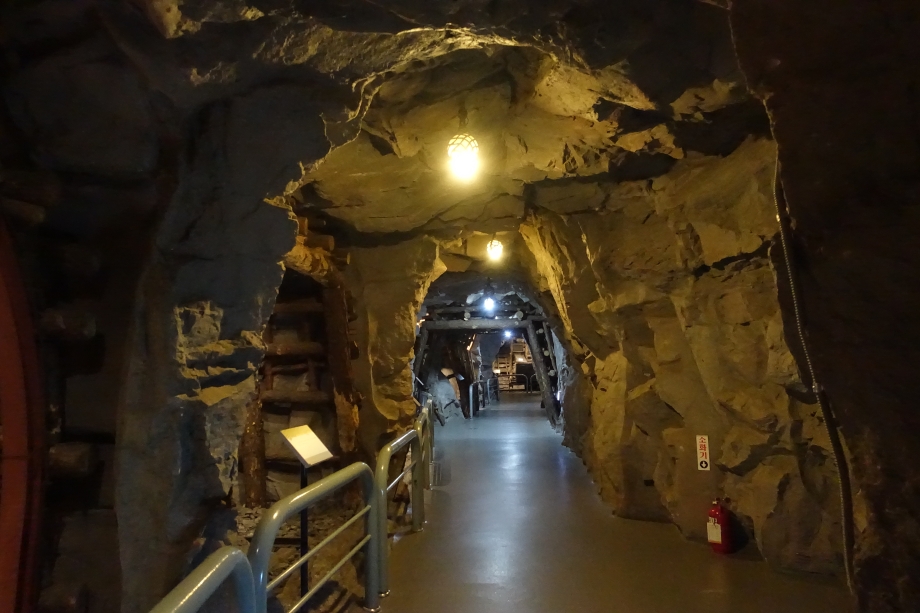
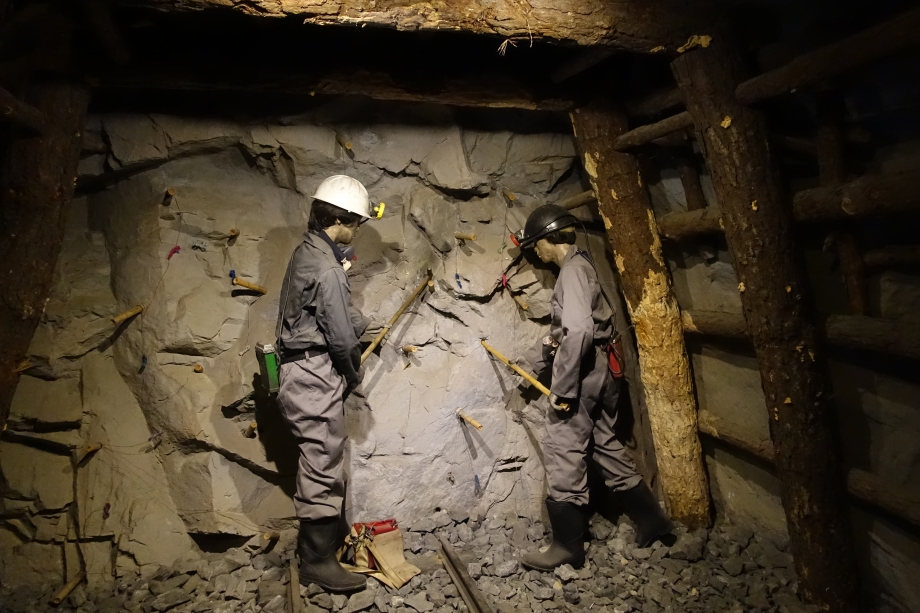
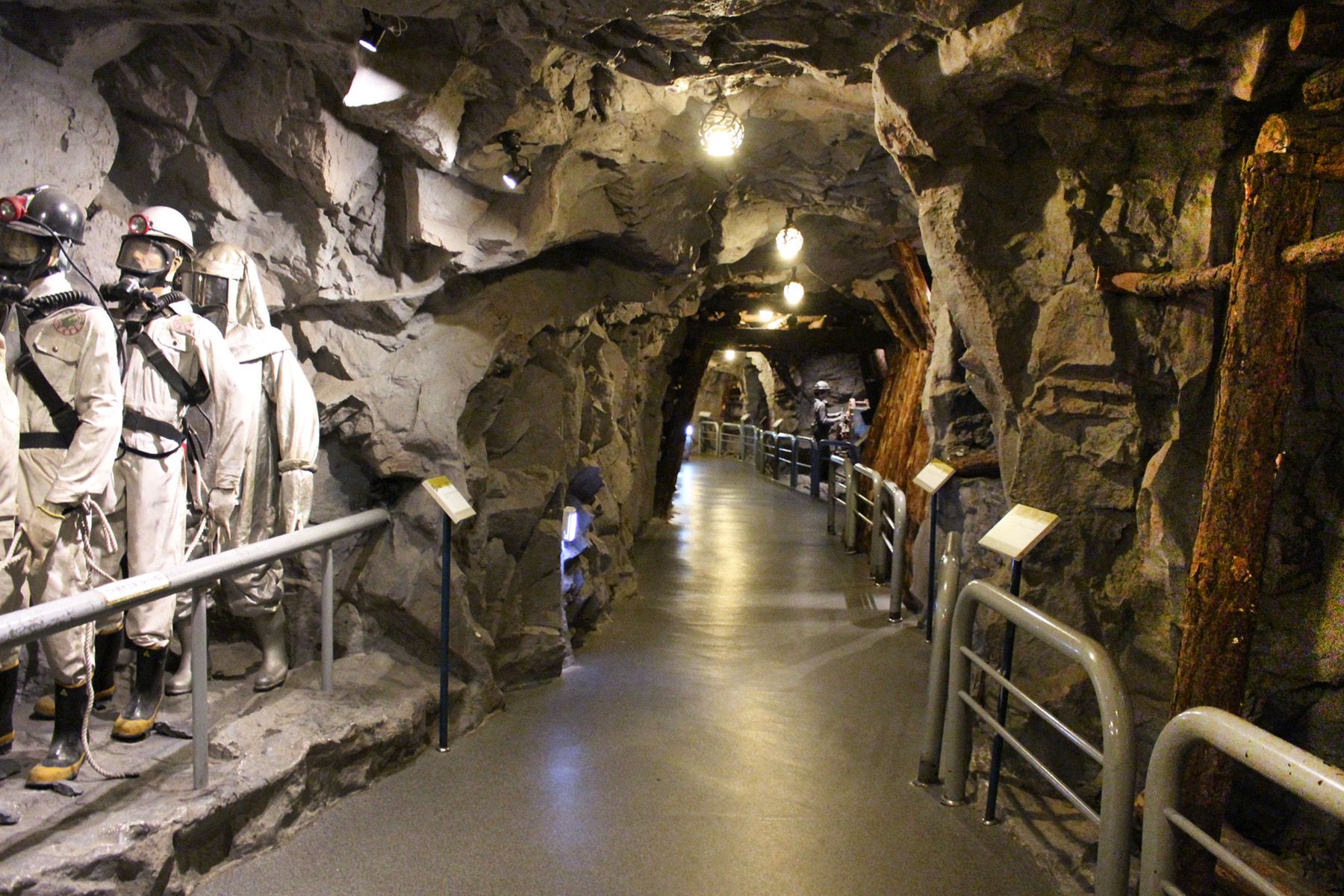
The centerpiece of the exhibition is an interior space recreating the working environment of an actual coal mine. The Chungnam tourism guide introduces it as an exhibition hall about Boryeong’s coal industry and also highlights hands-on activities such as exploring a space modeled on a real coal mine and making miniature briquettes.
After renovation in 2019, the simulated tunnel exhibition featuring life-size scenes of miners at work became a major attraction. The shaft experience, which uses an elevator, may not suit visitors who feel uncomfortable in narrow, dark spaces. Families with children should therefore call 041-934-1902 before entering to confirm whether the experience is available and operating that day.
6:00 p.m. from March to October, 5:00 p.m. from November to February: Admission Closes 30 Minutes Before Closing
Opening hours are 09:00–18:00 from March through October and 09:00–17:00 from November through February. Admission closes 30 minutes before closing time. The museum is closed on Mondays, so it is advisable to call before departure to confirm whether a Monday coincides with a public holiday and whether any special closure notice has been issued.
Individual admission fees are KRW 2,000 for adults, KRW 1,500 for teenagers, and KRW 1,000 for children. A 50% admission discount is available when using the Digital Tourism Resident Card, and the museum also accepts the Chungnam Tour Pass. Allow at least 60–90 minutes to see both the exhibition hall and experience room; during winter, admission before 4:30 p.m. is recommended.
- Inquiries: 041-934-1902
- Address: 508 Seongjusan-ro, Seongju-myeon, Boryeong-si, Chungcheongnam-do
- Official information channel: https://blog.naver.com/brcoal
- Parking: On-site parking available
Why It Is Inland in Seongju-myeon Rather Than Near Daecheon Station or Daecheon Beach
The museum is located in Seongju-myeon at the foot of Seongjusan Mountain, not in Boryeong’s coastal tourism area. Recent visitor information states that it takes about 20 minutes by car from Daecheon Beach and about 20 minutes by city bus from Daecheon Station. However, routes and service intervals may change, so public transportation users should reconfirm stops and schedules through Boryeong City bus information or by calling the museum on the day of departure.
If driving, enter 508 Seongjusan-ro as the destination in your navigation system. Parking is available, and reviews repeatedly mention that the parking area is spacious and free, although fees and crowd levels may vary on event days. Since detailed information about stroller and wheelchair-accessible areas and multilingual guidance is difficult to confirm in official materials, advance inquiry is recommended.
A Day in Seongju-myeon Linking Seongjusaji, Gaehwa Art Park, and Seongjusan Natural Recreation Forest
Rather than spending the entire day at the museum alone, it is more efficient to connect it with Seongju-myeon’s cultural and forest attractions. A day-trip course suggested by the Korea Tourism Organization follows this order: Boryeong Seongjusaji → Boryeong Coal Museum → Gaehwa Art Park → the cypress forest at Seongjusan Natural Recreation Forest. This route allows visitors to compare a coal-mining industrial heritage site, a Unified Silla temple site, an outdoor art space, and a forest area within one region.
The address of Seongjusan Natural Recreation Forest is 57-228 Hwajanggol-gil, Seongju-myeon, Boryeong-si, making it convenient to visit by car after touring the museum. Gaehwa Art Park is at 673-24 Seongjusan-ro, Seongju-myeon, on the same Seongjusan-ro corridor. Because the museum’s closing time varies by season, it is better to visit the museum first in late autumn and winter, then continue with outdoor activities.
Boryeong’s Industrial Transition Told Through More Than 2,000 Coal-Related Items
The significance of this museum goes beyond simply displaying minerals. According to National Archives materials, Korea’s coal industry established a production-expansion system alongside the economic development plans of the 1960s. From the mid-1980s onward, however, inexpensive imported coal and changes in energy consumption overlapped, and 334 coal mines nationwide closed between 1989 and 1996.
The closure of Seongju Mine and the creation of the museum represent the traces left by that industrial transition in the Boryeong area. When visiting, do not focus only on the coal-formation process or equipment names. Instead, follow the sequence of coal extraction, transportation, ventilation, and briquette production to see how these activities connected labor and everyday life; this makes the exhibition’s context clearer.
Previewing Boryeong Coal Museum’s Experience Route Through 2025–2026 Videos
To preview the shaft experience and exhibition route, visitors can refer to a May 2025 video from Boryeong City’s official YouTube channel and a short video from Chungnam Tourism released in February 2025. Since on-site experiences may vary depending on events, maintenance, and safety conditions, it is best not to determine availability solely from the videos.
Recent video titles use expressions such as “mine experience,” “real coal mine experience,” and “as if you were 400 meters underground.” Visitors should remember, however, that the museum is not an operating mine but a place where the industrial heritage of a closed mine has been reconstructed as an exhibition and experience space. Keeping this in mind can reduce the gap between expectations and the actual visitor experience.
Before You Go
- Address
- 508 Seongjusan-ro, Seongju-myeon, Boryeong-si, Chungcheongnam-do
- Hours
- March–October 09:00–18:00 / November–February 09:00–17:00; admission closes 30 minutes before closing
- Closed
- Mondays
- Admission
- Adults KRW 2,000 / Teenagers KRW 1,500 / Children KRW 1,000
- Phone
- 041-934-1902
- Official site
- https://blog.naver.com/brcoal
- Transport
- Introduced as approximately 20 minutes by city bus from Daecheon Station, but routes and service intervals should be checked before visiting
- Parking
- Parking facilities available
- Time needed
- 60–90 minutes
- Accessibility
- Advance inquiry is required regarding detailed stroller and wheelchair access and the availability of foreign-language guidance
The information above is accurate as of the time of writing. Check the official guidance again before visiting.

Places
Nearby Attractions 3
-
 1
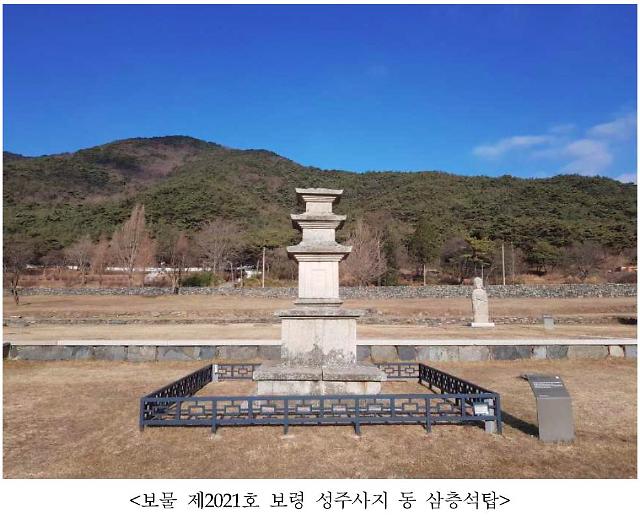
Seongjusa Temple Site, BoryeongA historic site featuring the remains of a Unified Silla temple, stone pagodas, and monuments.
1
Seongjusa Temple Site, BoryeongA historic site featuring the remains of a Unified Silla temple, stone pagodas, and monuments. -
 2
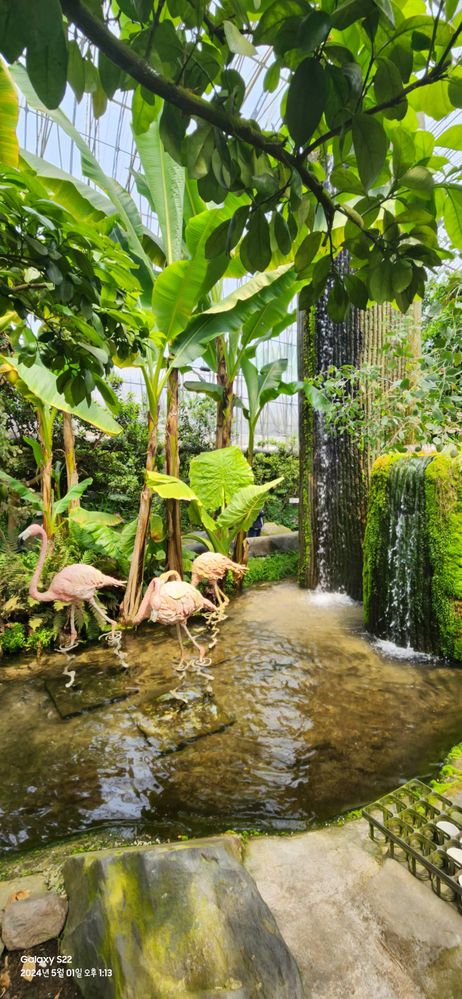
Gaehwa Arts ParkAn art park where you can enjoy a sculpture park, an art museum, and a herb garden all in one place.
2
Gaehwa Arts ParkAn art park where you can enjoy a sculpture park, an art museum, and a herb garden all in one place. -
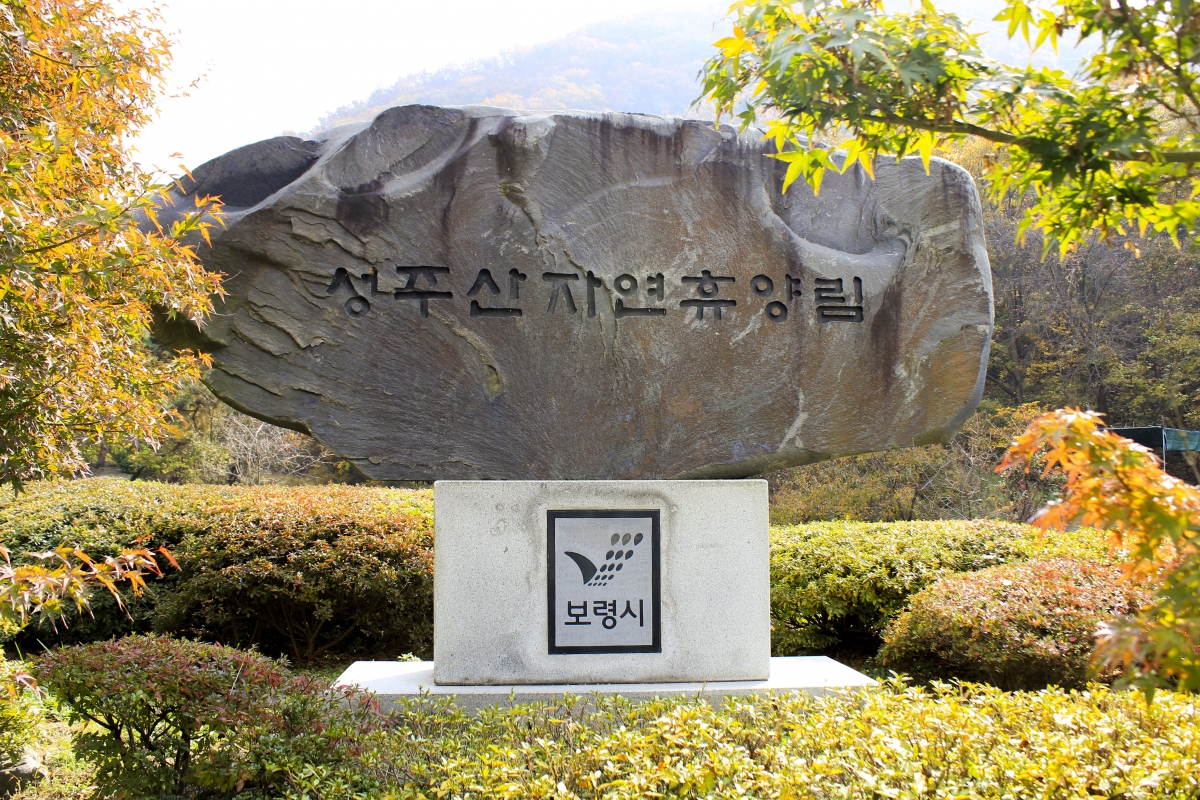 3
Seongjusan Natural Recreation ForestA recreation forest where you can enjoy forest bathing while walking through cypress forests and along valleys.
3
Seongjusan Natural Recreation ForestA recreation forest where you can enjoy forest bathing while walking through cypress forests and along valleys.
Food & Dining 3
-
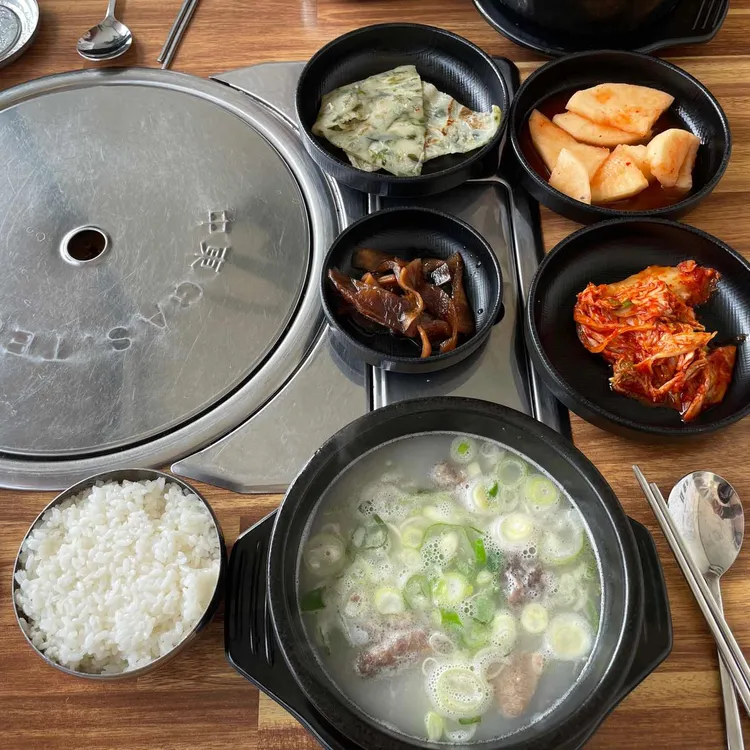 4
Seongju Gamasot GukbapA restaurant serving cauldron-cooked gukbap, seolleongtang, galbitang, and other dishes.
4
Seongju Gamasot GukbapA restaurant serving cauldron-cooked gukbap, seolleongtang, galbitang, and other dishes. -
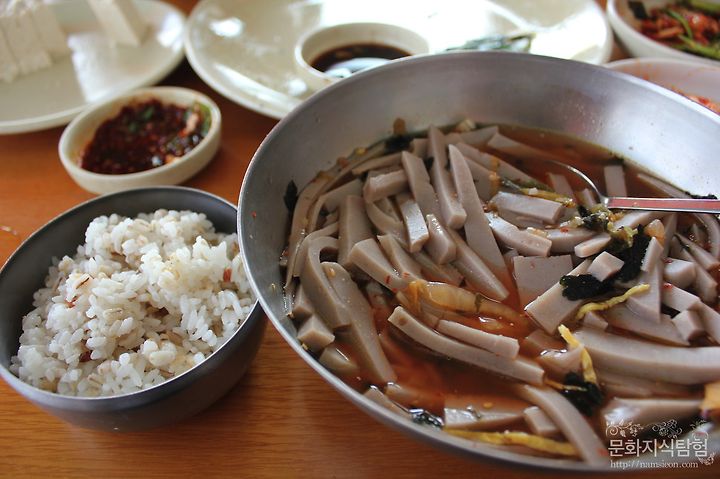 5
Seongju Halmae MukchonA Korean restaurant serving acorn jelly, seasoned jelly salad, jelly pancakes, and other dishes.
5
Seongju Halmae MukchonA Korean restaurant serving acorn jelly, seasoned jelly salad, jelly pancakes, and other dishes. -
 6
6
Events in This Area

Festivals in This Area

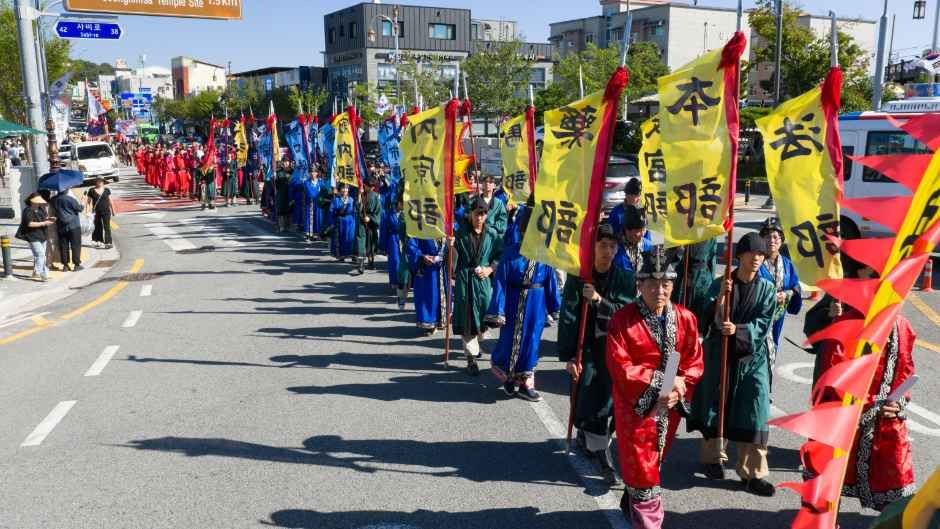
More Travel Guides in This Area
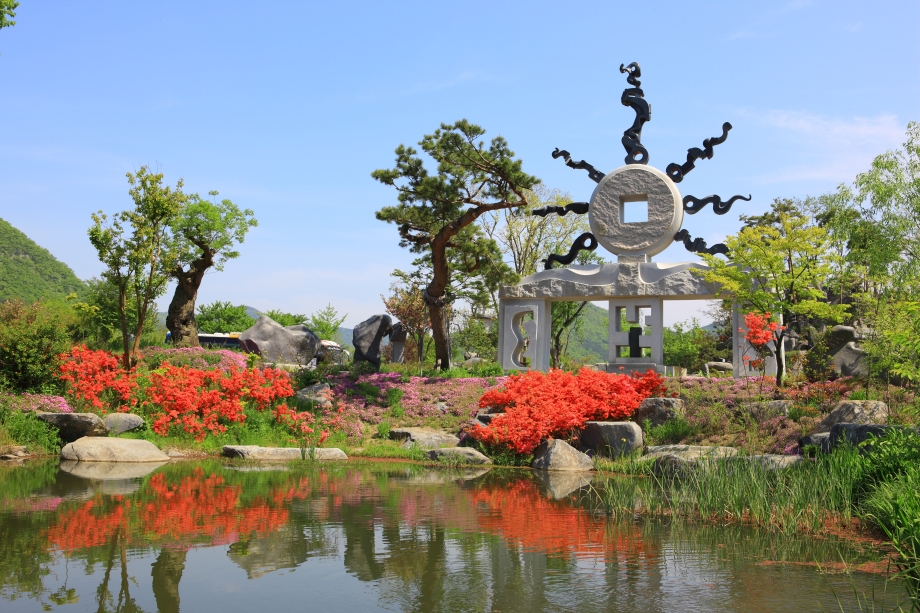 Travel Guide
A Day Among Black Stone, Ponds, and Poetry Monuments Across 18 ha in the Southern Valley of Seongjusan Mountain
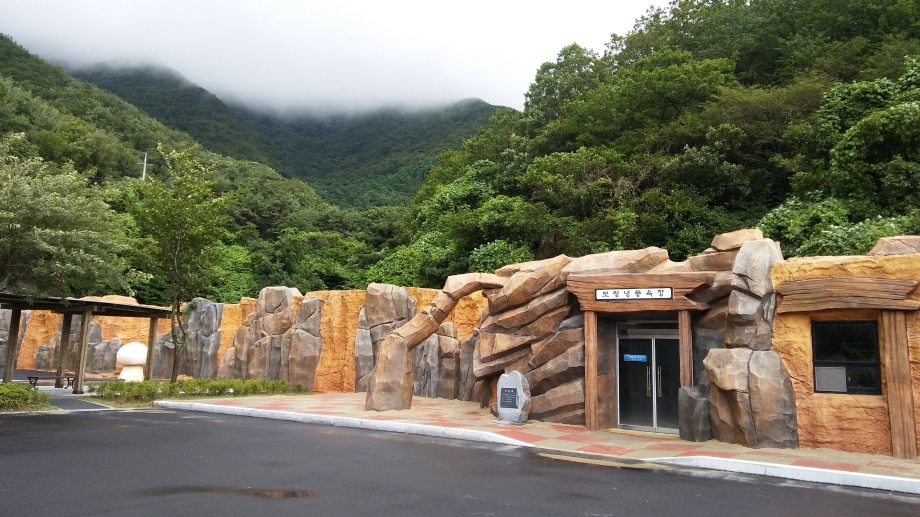 Travel Guide
Boryeong Cold Wind Bath: A 12°C Summer Escape from a 200 m Abandoned Seongjusan Mine
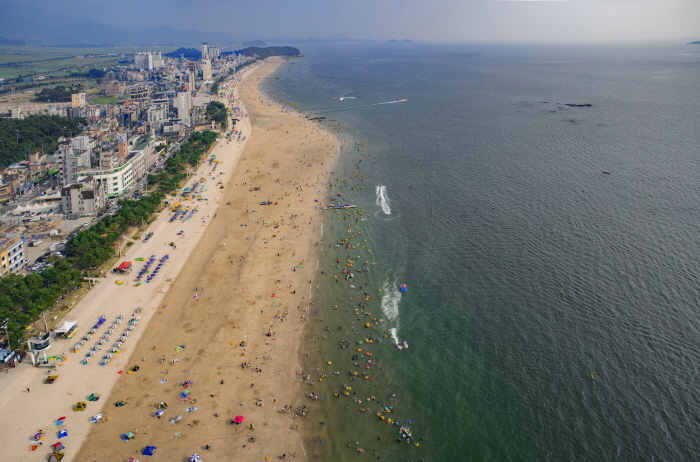 Travel Guide
Boryeong Daecheon Beach, where the gentle sandy shore of Korea’s West Coast meets Mud Square
 Travel Guide
![Han So-hee, Radiant Beauty After Going Blonde… Unmatched Aura [N Shot]](https://kotourlive-images.s3.ap-northeast-1.amazonaws.com/news/1788056981544_83c8b0b3_news_66e33b45-cf84-4724-87d9-d1340820437d.jpg)
![BOYNEXTDOOR’s Sungho selected as the new MC of ‘Show! Music Core’ [Official Statement]](https://kotourlive-images.s3.ap-northeast-1.amazonaws.com/news/1787908108799_a3cc378e_news_9a3cd086-931c-4b58-b977-4a5ac371238a.jpg)
![[Photo] KISS OF LIFE’s Natty Shows Off Her Glamorous Figure](https://kotourlive-images.s3.ap-northeast-1.amazonaws.com/news/1787908133694_557864f4_news_016e92e2-55c1-4838-9702-eb03b2ad56ec.jpg)
![Hyeri “Cute Wink” [★Photo]](https://kotourlive-images.s3.ap-northeast-1.amazonaws.com/news/1787908093800_c9b7529f_news_9274613b-0b8f-4076-a430-25a1545a679d.jpg)