From the Bell of Jonggak to Gwangjang Market, a Day Reading the 3.5 km of Jongno
Jongno is Seoul’s historical stage, stretching along the axis of Unjongga, the heart of the Joseon capital, and linking Bosingak, Tapgol Park, Jongmyo, and Gwangjang Market. Starting at Jonggak Station and moving on to Jongno 3-ga and Jongno 5-ga, you can encounter the royal time signal, the March 1st Independence Movement, ritual heritage, and the everyday history of a traditional market along one route.
I’ve been here?
Your check-in helps the next traveler.
24 people viewed this week Be the first
One tap — no writing needed
Urban timetable around Jonggak, beginning with the Jongru bell tower in 1396
The name Jongno is easiest to understand through the relationship between Unjongga, the main street at the center of the Joseon capital, and Jongru. Jongru was first installed in Hanyang in 1396 (the 5th year of King Taejo), and from the spot where Bosingak stands today it rang the bell to announce the times for opening and closing the city gates and to mark the rules for passage. Bosingak is located at 54 Jong-ro, Jongno-gu, Seoul, and is close to Exit 4 of Jonggak Station on Line 1.
Bosingak’s daily bell-ringing is reenacted except on Mondays, and it is also the site of the New Year’s Eve bell-ringing ceremony. If you are visiting Jongno for the first time, it is better to start from Jonggak Station and walk east toward Jongno 3-ga rather than west toward Gwanghwamun, as this links Bosingak, Tapgol Park, Jongmyo, and Gwangjang Market into a single historical axis.
700 m from Exit 4 of Jonggak Station to Tapgol Park: how to walk through the site of 1919
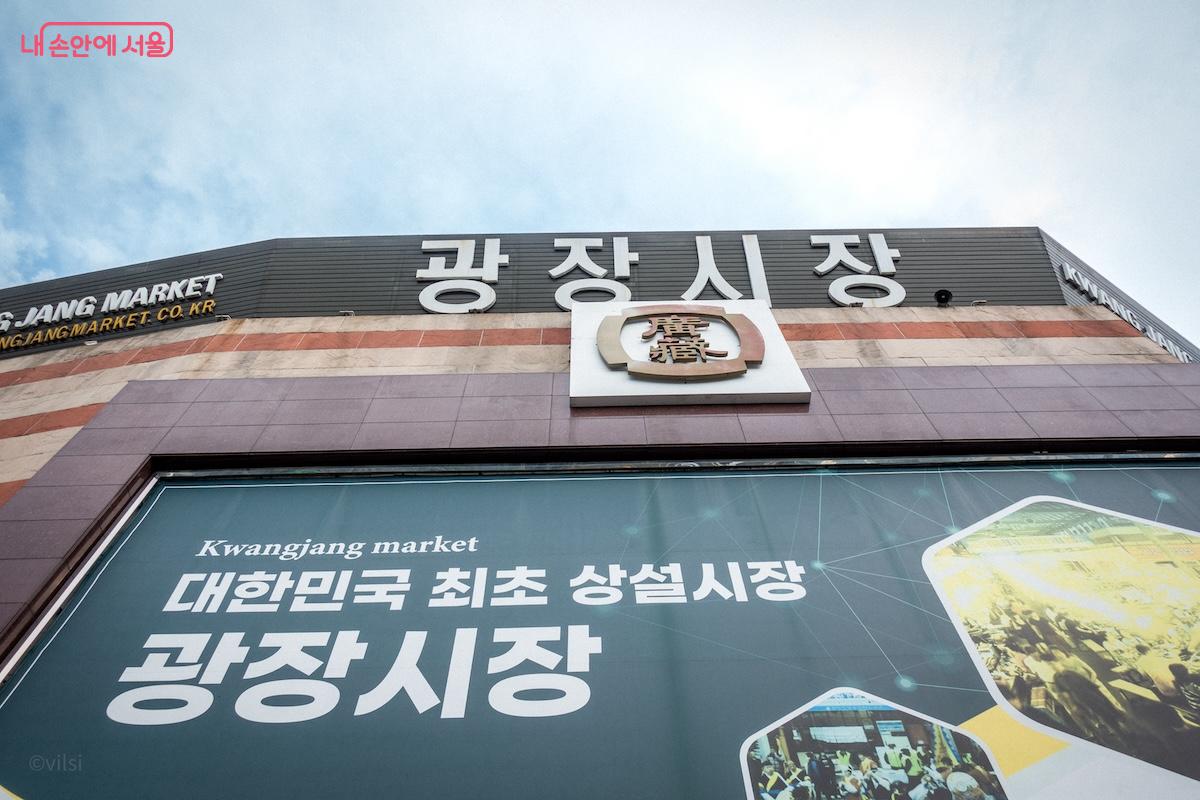
From Bosingak to Tapgol Park, the route goes about 700 m east along Jong-ro. Tapgol Park is at 99 Jong-ro, Jongno-gu, Seoul, about 313 m from Exit 1 of Jongno 3-ga Station on Lines 1, 3, and 5, or about a 7-minute walk. It is also accessible in about 9 minutes on foot from Exit 11 of Jonggak Station.
Tapgol Park is the site of Wongaksa during the 13th year of King Sejo of Joseon (1467), and after being developed as a park in 1897, it opened as a park in 1920. It is the place where the March 1, 1919 Independence Declaration was read and the Independence Movement began, and you can see the Wongaksa Ten-Story Stone Pagoda, the Wongaksa Stele, Palgakjeong Pavilion, and the March 1 Movement Memorial Tower together. The area is 14,808.70㎡, and it is open from 09:00 to 18:00 during the summer season from March to October, and from 09:00 to 17:00 during the winter season from November to February; admission is free.
- Tapgol Park inquiry: 02-2148-2843
- Bringing food, drinking alcohol, making noise, cooking, and camping are prohibited.
- If you want a deeper explanation of the heritage within the park, it is best to check Jongno-gu’s public tour and interpretation program schedule separately.
5 minutes from Exit 8 of Jongno 3-ga Station to the main hall of Jongmyo
When going from Tapgol Park to Jongmyo, head toward Jongno 3-ga Station and take the path connected to the west wall of Jongmyo. The road-name address of Jongmyo is 157 Jong-ro, Jongno-gu, Seoul (Hunjeong-dong), and the main phone number is 02-765-0195. By subway, it is about a 5-minute walk from Jongno 3-ga Station via Exit 11 on Line 1 or Exit 8 on Lines 3 and 5.
Jongmyo is a state ritual space where the spirit tablets of Joseon kings and queens are enshrined. Visiting hours and admission procedures may change depending on the season, events, and restoration schedule, so before departure you should check the Jongmyo time and fee information on the National Heritage Portal. Jongmyo itself has no parking lot, and the Jongmyo Parking Lot operated by the Seoul Facilities Corporation under the underground Jongmyo Park area is guided at 800 KRW per 10 minutes.
- Buses 101, 103, 143, 150, 201, 260, 270, 271, 370, 720, 721, N15, N26, N62, 7212, and 9301 stop at the Jongno 4-ga / Jongmyo stop.
- Some Jongmyo ritual-related events may require advance reservations, so do not assume you can participate by just showing up on the day.
- If you are planning a walking-focused itinerary, it is efficient to combine Tapgol Park, Jongmyo, and Seosunra-gil, then continue to Gwangjang Market for a meal.
The stone wall at 147 Seosunra-gil and the alleys of Ikseon-dong: two directions branching from Jongno 3-ga
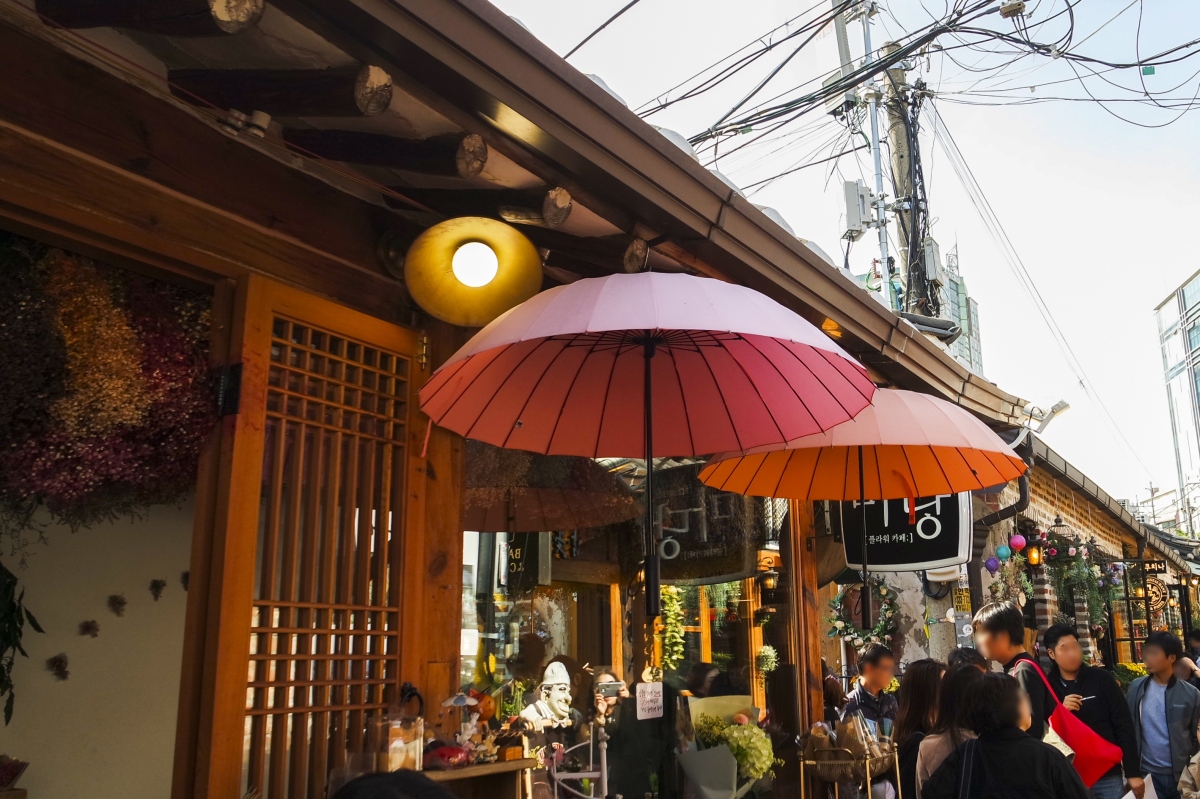
Seosunra-gil, the road along the west wall of Jongmyo, is an area where you can continue experiencing the alley atmosphere between Jongmyo and Changgyeonggung from Jongno 3-ga. One point along Seosunra-gil, Cafe Sasa, is located at 147 Seosunra-gil, Jongno-gu, Seoul, and is guided as about 523 m, or an 8-minute walk, from Exit 7 of Jongno 3-ga Station. This is a good route to walk for an additional 30 to 40 minutes before or after visiting Jongmyo.
Because Seosunra-gil includes sections where traffic flow and pedestrian width are narrow, if you are traveling with a stroller or wheelchair, it is better to simplify the route and mainly use the wide sidewalks around Jongmyo’s main gate. On weekends from 10:00 to 18:00, some alleys near the west wall of Jongmyo may operate as car-free streets, which improves the walking environment but can also increase congestion around popular shops.
If you are including Ikseon-dong, it is easiest not to get lost if you use Jongno 3-ga Station as your reference point. Since the restaurants and cafés in the hanok alleys each have different opening hours and waiting systems, it is safer to decide first on the end time for your Jongmyo visit and your meal time, then explore the alleys afterward rather than targeting just one place.
The life of the market at Jongno 5-ga, beginning with Gwangjang Co., Ltd. in 1905
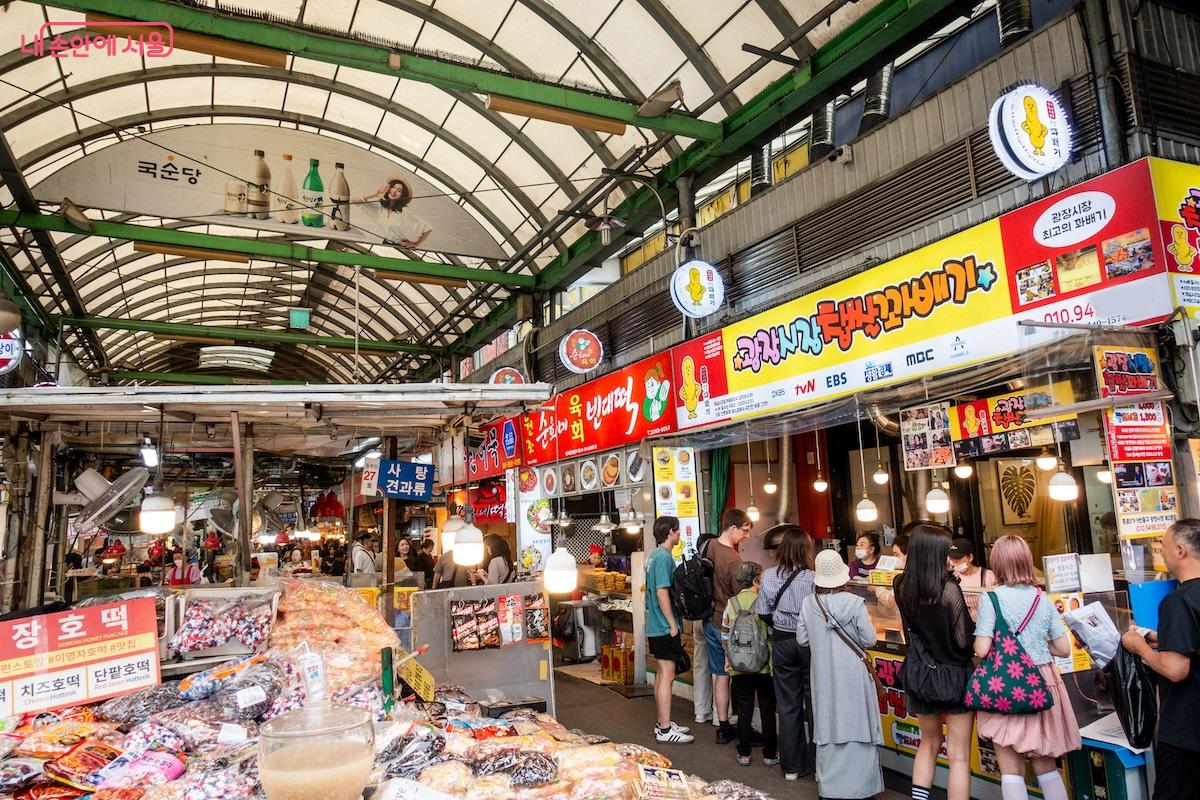
Gwangjang Market began when Korean capital established Gwangjang Co., Ltd. in 1905 and operated Dongdaemun Market based on the area around Baeogae Market. The current market address is 88 Changgyeonggung-ro, Jongno-gu, Seoul, and it is easy to access via Exit 8 of Jongno 5-ga Station. It is also about 100 m from Exit 4 of Euljiro 4-ga Station.
The main market is generally open Monday through Saturday from 09:00 to 18:00 and closed on Sundays, but the secondhand section, food alley, and individual shops operate differently from one another. The secondhand section is open Monday through Saturday from 10:00 to 19:00, and the food alley is guided as 09:00 to 23:00, so you should not assume clothing/fabric shopping and dining visits follow the same hours. The food alley is said to be open year-round, but the closure status of individual stores may differ on site.
- It is about a 1 to 3 minute walk from Jongno 5-ga Station to Gwangjang Market.
- Numerous bus routes, including 101, 103, 201, 260, 262, 270, 271, 370, 720, 721, N15, N26, N62, 7212, and 9301, stop at the Jongno 5-ga and Jongno 5-ga / Gwangjang Market stops.
- According to Seoul city data, Gwangjang Market does not have its own parking lot, so it is better to prioritize the subway.
Waiting lines at Exits 7 and 8 of Jongno 5-ga Station and an afternoon meal strategy
The food alley of Gwangjang Market can become crowded at lunch and dinner time. The reason Seoul City described the area around Exits 7 and 8 of Jongno 5-ga Station as a hub for visitors to Gwangjang Market and Cheonggyecheon in 2026 is also related to the high pedestrian demand here. If eating is your main purpose, it is relatively better to choose a time before 11:00 or around 15:00, avoiding standard meal hours.
Many shops accept cards, but preparing a small amount of cash or a mobile payment method makes movement easier when making small payments or visiting multiple stalls. In the food section, tables may be shared, so if your group is large or you have dietary restrictions such as allergies or vegetarianism, you should check the ingredients and cooking method directly before ordering.
From Gwangjang Market, Tapgol Park is about 1.4 km west along Jong-ro, and Jongmyo is about 1 km away. Therefore, both of the following are possible: see Bosingak, Tapgol Park, and Jongmyo in the morning, then have a late lunch at Gwangjang Market; or eat first at the market and then return to central Jongno along Cheonggyecheon.
A 3.5 km Jongno day route and options for visitors with limited mobility
For first-time foreign visitors, a walking route of roughly 3.5 km can be recommended, starting at Bosingak by Exit 4 of Jonggak Station and moving east in order through Tapgol Park, Jongmyo, Seosunra-gil, and Gwangjang Market. Pure travel time excluding photos and meals is about 50 to 60 minutes, but if you add 30 minutes for Tapgol Park, 60 to 90 minutes for Jongmyo, 30 minutes for Seosunra-gil, and 60 minutes for Gwangjang Market, it is better to allow at least 4 hours.
If you want to reduce stairs and narrow alleys, it is better to mix subway segments in the order Jonggak Station - Tapgol Park - Jongno 3-ga Station - Jongno 5-ga Station. Tapgol Park is about 313 m from Exit 1 of Jongno 3-ga Station, and Gwangjang Market is about a 1 to 3 minute walk from Jongno 5-ga Station, so you can move between key points in shorter segments. On the other hand, since Jongmyo itself has no parking lot and Gwangjang Market is also said not to have its own parking lot, this route is not suitable for an itinerary centered on private cars.
If you think of all of Jongno as a single facility, it is easy to make mistakes about operating hours and closing days. Bosingak, Tapgol Park, Jongmyo, Gwangjang Market, and individual restaurants each have different operating rules, so you should especially recheck whether the Bosingak bell rings on Monday, Jongmyo’s visiting schedule, and whether shops in Gwangjang Market operate on Sundays before you depart.
Before You Go
- Address
- Jongno area, Jongno-gu, Seoul
- Hours
- Jongno itself is a public road area and can be used at any time. Operating hours vary by main point: Tapgol Park 09:00 to 18:00 from March to October, 09:00 to 17:00 from November to February; Gwangjang Market main market Monday through Saturday 09:00 to 18:00, food alley 09:00 to 23:00.
- Closed
- No closure for Jongno streets themselves. Bosingak daily bell-ringing excludes Mondays, the main market of Gwangjang Market is closed on Sundays, and Tapgol Park is usable year-round but subject to its operating hours.
- Admission
- Jongno streets, the exterior of Bosingak, and Tapgol Park are free. Jongmyo applies separate admission fees and rules.
- Phone
- Jongno-gu Office 02-2148-1114
- Official site
- https://www.jongno.go.kr/
- Transport
- Bosingak is near Exit 4 of Jonggak Station on Line 1. Tapgol Park is about 313 m from Exit 1 of Jongno 3-ga Station on Lines 1, 3, and 5, and Jongmyo is about a 5-minute walk from Jongno 3-ga Station on Lines 1, 3, and 5. Gwangjang Market is about a 1 to 3 minute walk from Jongno 5-ga Station on Line 1.
- Parking
- Jongmyo has no parking lot of its own. The underground Jongmyo Parking Lot in Jongmyo Park can be used, guided at 800 KRW per 10 minutes. Gwangjang Market has no parking lot of its own.
- Time needed
- A combined visit to Bosingak, Tapgol Park, Jongmyo, Seosunra-gil, and Gwangjang Market is recommended for 4 to 6 hours.
- Accessibility
- Movement centered on Jongno Boulevard and subway stations is possible, but some alleys in Seosunra-gil and Ikseon-dong are narrow and can be crowded. Advance inquiry is recommended for Jongmyo and Tapgol Park.
The information above is current as of the time of writing. Please check the official guidance again before visiting.

Places
Nearby Attractions 5
-
 1
1
-
 2
2
-
 3
3
-
 4
4
-
 5
5
Food & Dining 5
-
 6
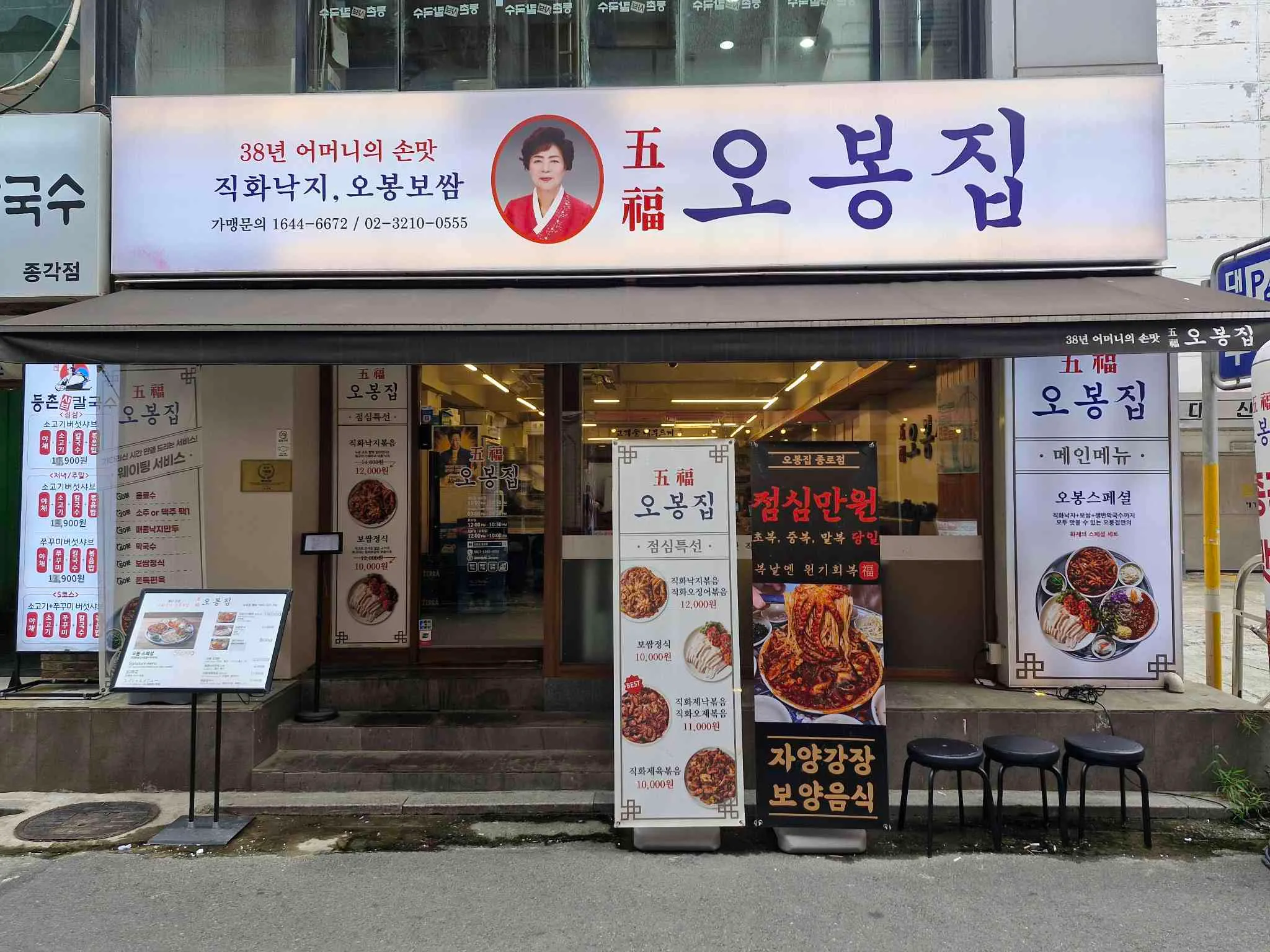
Obongjip Jongno Branch
6
Obongjip Jongno Branch -
 7
7
-
 8
8
-
 9
9
-
 10
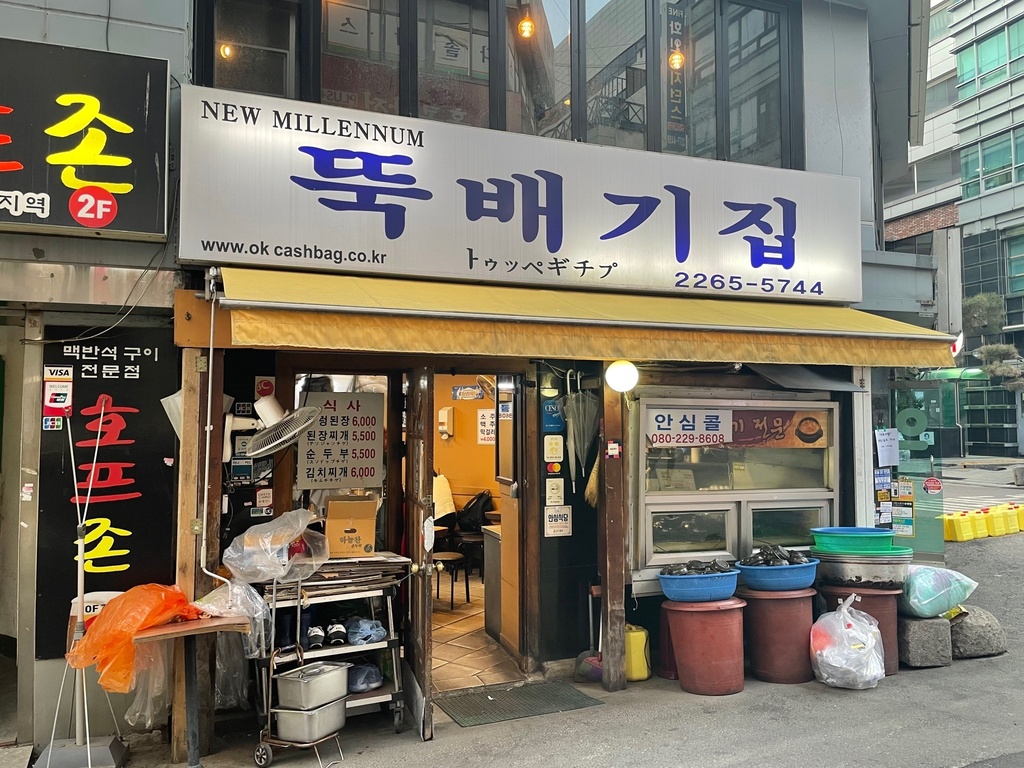
Ddukbaegi Jip
10
Ddukbaegi Jip
Events in This Area

Festivals in This Area
More Travel Guides in This Area
 Travel Guide
LCK’s Stage Beneath Jonggak Station: LoL Park
 Travel Guide
Understanding Blue Square Through Hangangjin Station’s Underground Passage and Its 1,766 Seats
 Travel Guide
Dior Seongsu in a Glass Greenhouse: From Reservations to 30 Minutes of Parking
 Travel Guide
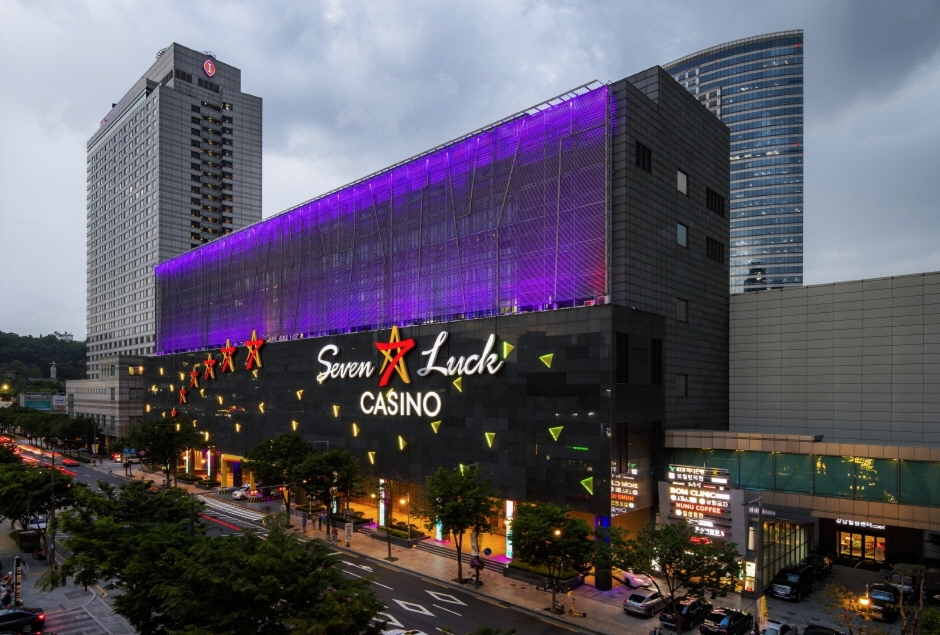
Seven Luck Casino Gangnam COEX Branch at the Samseong-dong Convention Annex
Korea News
 News
News
‘NewJeans Expulsion’ Danielle Releases Her First YouTube Video… “We Don’t Know What Will Happen Next”
![aespa’s North American Tour Has Remaining Seats Despite ‘$49’ Bargain Prices… A Stark Popularity Gap with KATSEYE [TEN Starfield]](https://kotourlive-images.s3.ap-northeast-1.amazonaws.com/news/1788485037424_a59b1932_naver_rank_thumb_0000774618_1788485037424.jpg) News
News
aespa’s North American Tour Has Remaining Seats Despite ‘$49’ Bargain Prices… A Stark Popularity Gap with KATSEYE [TEN Starfield]
![[Photo] TWICE’s Dahyun attends a film festival red carpet as an actress](https://kotourlive-images.s3.ap-northeast-1.amazonaws.com/news/1788485316508_edd43ecd_news_870a60a6-6f11-4d73-aa7c-48d91318a0f7.jpg) News
News
[Photo] TWICE’s Dahyun attends a film festival red carpet as an actress
![[On-Site Video] “We’re Departing Separately Together”… BIGBANG Begins ‘COSMOS’ World Tour](https://kotourlive-images.s3.ap-northeast-1.amazonaws.com/news/1788485226518_c5719641_news_fdd4764a-0f4e-4968-8e4e-e98a02872f88.jpg) News
News