Begin an Exploration Inside the Human Body at the HanSaengYeon Life Science Museum in Mok-dong
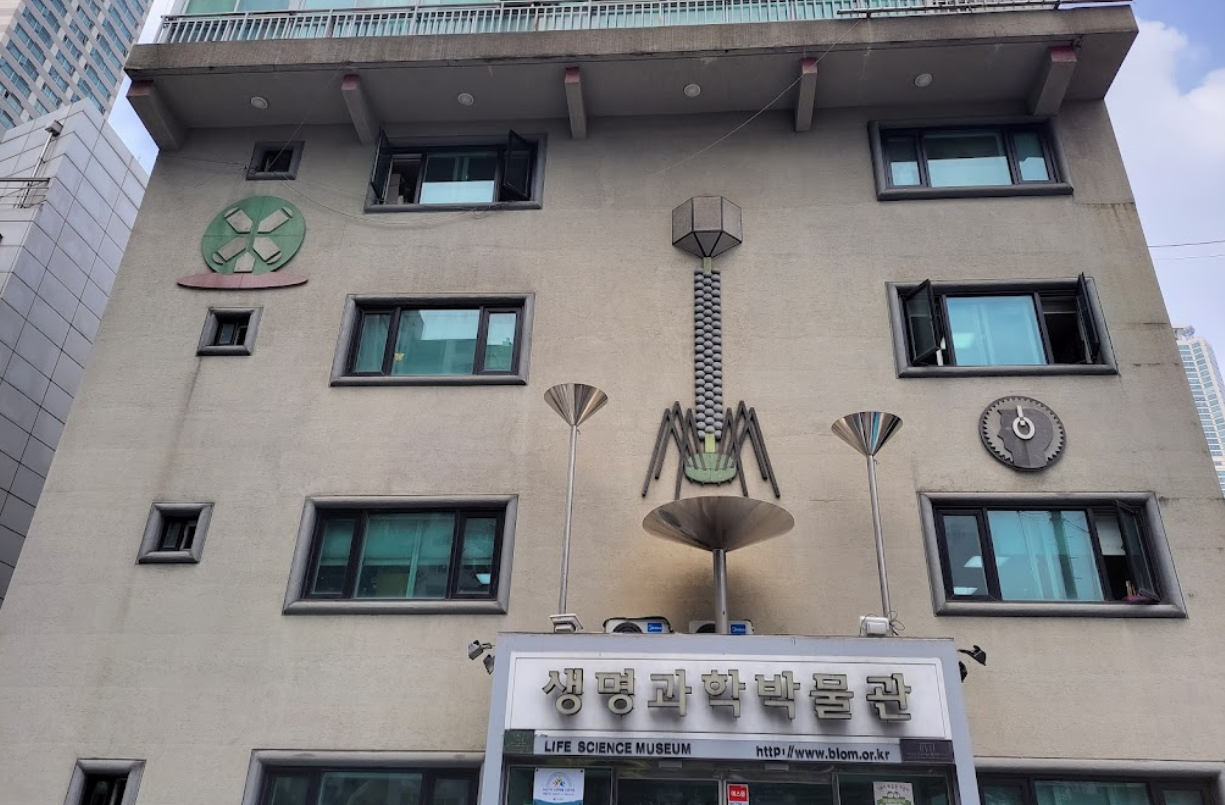
Opened in April 2006, the HanSaengYeon Life Science Museum is Korea’s first life science museum, featuring hands-on exhibits about the human body, animals, plants, insects, and microorganisms. Located at 206-1 Mokdongdong-ro, Yangcheon-gu, Seoul, it is safest to call ahead to confirm whether advance reservations are required and what programs are available that day.

I’ve been here?
Your check-in helps the next traveler.
No one has checked in yet Be the first
One tap — no writing needed
The Mok-dong venue that opened in April 2006 as Korea’s ‘first life science museum’
Han Saeng Yeon Life Science Museum opened in April 2006 with the goal of expanding access to science culture and specializing in life sciences. The Korea Tourism Organization’s tourism information introduces it as Korea’s first life science museum and describes it as an experience-oriented space for exploring the human body, animals, plants, insects, microorganisms, genes, and life phenomena.
The Mok-dong Center is one of the theme science museums operated by Han Saeng Yeon and focuses primarily on life sciences. Rather than simply viewing specimens, it is designed for visitors to answer questions through experiments and hands-on activities, making it suitable for families seeking both exhibitions and educational programs.
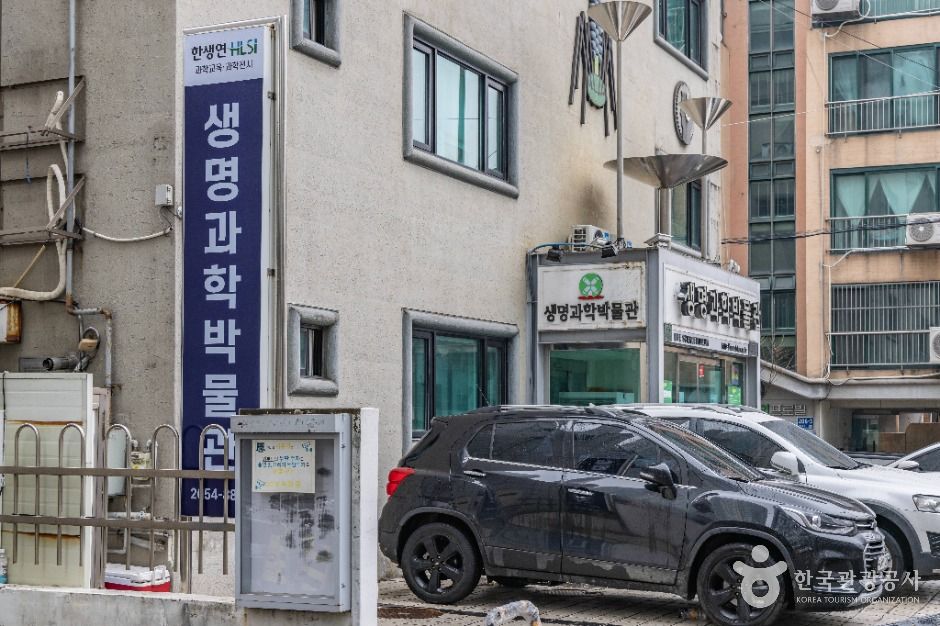
Exhibits that help visitors understand the human body, cells, and the birth of life through hands-on experience
The official introduction states that the museum aims to promote understanding of the human body, animals, plants, insects, and microorganisms, as well as exploration of genes and life phenomena using advanced experimental equipment. Therefore, it may not be suitable for children expecting a ‘zoo-style exhibition’; it is a better fit for those interested in observing and explaining the structure of the body and the phenomena of life.
Past exhibition materials related to Han Saeng Yeon show activities such as observing the iris, examining a fetal model, experiencing a virtual pregnancy, and pumping air into a lung model. However, exhibits and hands-on activities may vary according to the program schedule, so visitors should confirm which activities are available on their chosen date by calling 02-2654-8887.
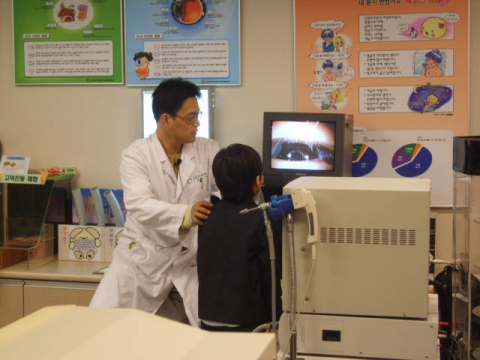
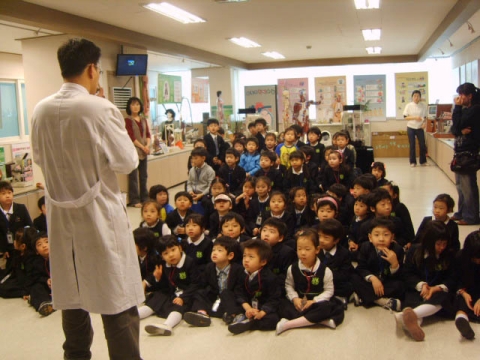
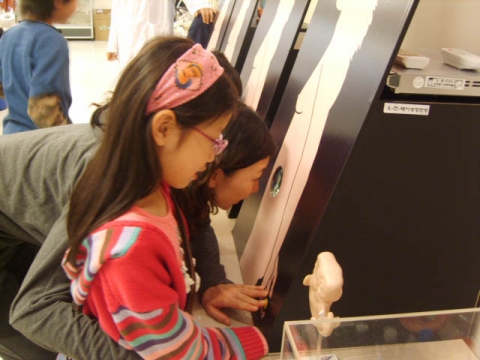
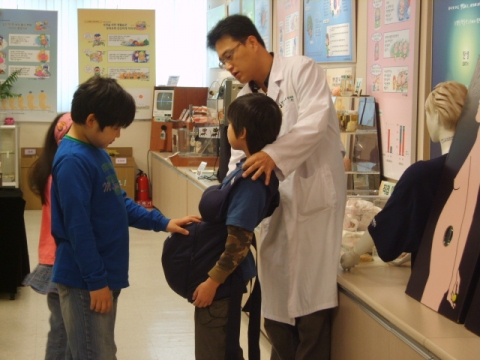
Visiting information for 10:00–18:00 and how to check Monday and holiday closures
The basic information registered with the National Science Museum Guide lists operating hours as 10:00–18:00 and closing days as every Monday, Lunar New Year’s Day, and Chuseok. The same source lists admission fees of 7,000 won for adults, 7,000 won for children and teenagers, 3,000 won for military personnel, police officers, and seniors, and 3,000 won for infants and kindergarten children.
However, Han Saeng Yeon has previously announced a reservation-only system and a policy of confirming each session only when at least five people have registered. Rather than arriving without prior arrangements, visitors should call the main number at 02-2654-8887 to ask about general admission on their desired date, the actual fees, whether activities are included, and the minimum number of reservations required.
- Main telephone: 02-2654-8887
- Official website: https://www.hlsi.co.kr
- Registered operating hours: 10:00–18:00
- Registered closing days: Every Monday, Lunar New Year’s Day, and Chuseok
- Visiting method: Check in advance for reservations and the minimum number of visitors required for each session
Why to prioritize public transportation in the 206-1 Mokdongdong-ro and Omokgyo area
The address is 206-1 Mokdongdong-ro, Yangcheon-gu, Seoul, and the same address and the designation ‘Main Exhibition Hall’ appear in official notices. Located in the central Mok-dong area, it is convenient to visit when adding an indoor activity to an itinerary in southwestern Seoul.
Parking is limited. A 2025 notice from the Mok-dong Center states that the museum’s parking area is small and difficult to use, and advises visitors arriving by car to use nearby paid parking lots or walk for approximately 5–10 minutes. Even when traveling with a stroller or carrying a lot of luggage, it is better to consider public transportation first.
- Street address: 206-1 Mokdongdong-ro, Yangcheon-gu, Seoul
- Parking: Limited museum parking space
- For visitors arriving by car: Nearby paid parking may be required, followed by a walk of approximately 5–10 minutes
- Recommended transportation: Prioritize public transportation
Six accessibility points to check when traveling with a wheelchair or stroller
The Korea Tourism Organization’s accessibility information lists an accessible restroom, an elevator for visitors with disabilities, designated parking spaces for visitors with disabilities, a main entrance without steps, and access by subway and low-floor bus. Wheelchair and stroller rental services are also listed.
Services for visitors with visual or hearing impairments and a nursing room are also indicated, but the number of rental items available on the day and the routes through specific activity rooms require separate confirmation. During the reservation call, ask specifically about wheelchair rental availability, the floors accessible by elevator, and admission conditions for accompanying guardians to reduce uncertainty at the venue.
Why program schedules matter at the Main Exhibition Hall, where science docent activities take place
A Han Saeng Yeon notice records an example of a first science docent club activity held at 4:10 p.m. on March 23, 2025, in the Main Exhibition Hall of the Mok-dong Life Science Museum. The activity included an orientation for children accompanied by their parents, greetings and voice practice, and instruction on conducting activities connected to the home.
This example shows that the venue is not operated solely as a permanent exhibition space; educational schedules and club activities take place alongside exhibition visits. If you prefer a quiet, independent visit, it is best to call and check whether your visit overlaps with a program, whether a group reservation exists, and whether specific entry times apply.
Set aside 2–3 hours and ask five questions when making your reservation call
Recent visitor reviews quoted in external information suggest allowing at least two hours and up to three hours. Because the length of stay may vary depending on whether the session includes hands-on activities and whether the program suits the child’s age, it is best not to schedule other reservations too tightly between activities.
When calling, ask about ① the visit date and number of people, ② sessions available for general admission, ③ current admission and activity fees, ④ parking and nearby paid parking lots, and ⑤ wheelchair and stroller rentals and the availability of English guidance. Official channels introduce exhibitions of scientific equipment needed for research on animals, plants, and life sciences, as well as hands-on and educational programs, so it is advantageous to prepare for reservation-based education rather than simply viewing the exhibits.
- Recommended duration: Approximately 2–3 hours
- Reservation checks: Date, number of visitors, session, and minimum visitor requirements
- Cost check: Ask separately about admission and activity fees
- Language guidance: Confirm the availability of foreign-language guidance in advance by calling the main number
- Video: No video link is included because there was no response from the related YouTube search tool
Before You Go
- Address
- 206-1 Mokdongdong-ro, Yangcheon-gu, Seoul
- Hours
- 10:00–18:00
- Closed
- Every Monday, Lunar New Year’s Day, and Chuseok
- Admission
- Adults 7,000 won; children/teenagers 7,000 won; military/police/seniors 3,000 won; infants/kindergarten children 3,000 won (confirm the actual applicable fees before visiting)
- Phone
- 02-2654-8887
- Official site
- https://www.hlsi.co.kr
- Transport
- The museum’s official notice recommends using bus and subway route-finding services and traveling by public transportation. Check detailed routes and walking times based on your departure point.
- Parking
- The museum’s parking area is limited. Walking 5–10 minutes may be necessary when using nearby paid parking lots.
- Time needed
- Approximately 2–3 hours
- Accessibility
- Registered information includes an accessible restroom, an elevator for visitors with disabilities, designated parking spaces for visitors with disabilities, a step-free main entrance, wheelchair and stroller rentals, a nursing room, and convenience services for visitors with visual or hearing impairments. Confirm availability on the day in advance.
The information above is current as of the time of writing. Check the official guidance again before visiting.

Events in This Area

Festivals in This Area

More Travel Guides in This Area
 Travel Guide
How to Use the Four-Story Youth Hub Next to Mokdong Sports Complex
 Travel Guide
Practical Guide for First-Time Foreign Skaters at Mokdong Ice Rink
 Travel Guide
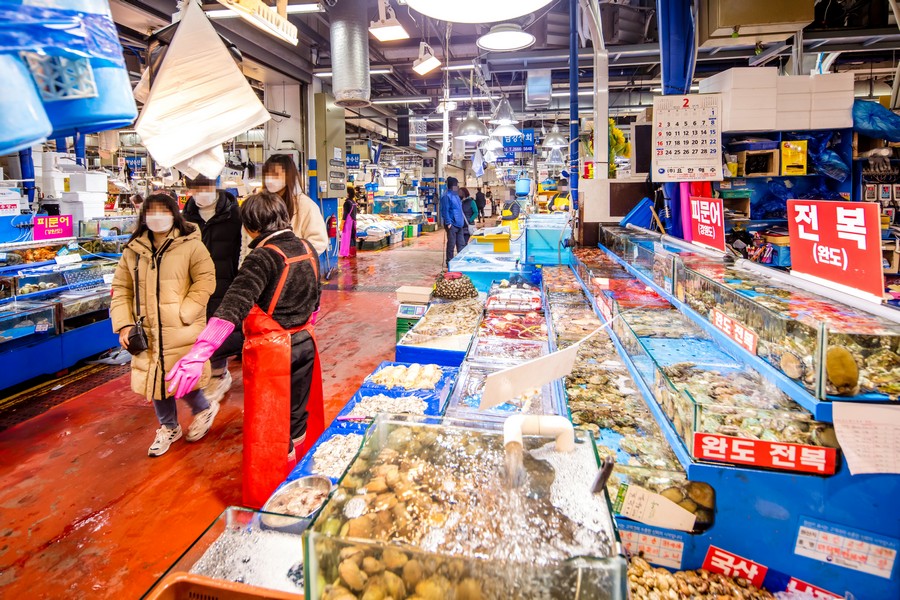
See the Rhythm of Dawn Logistics Up Close at Gangseo Agricultural Wholesale Market
 Travel Guide
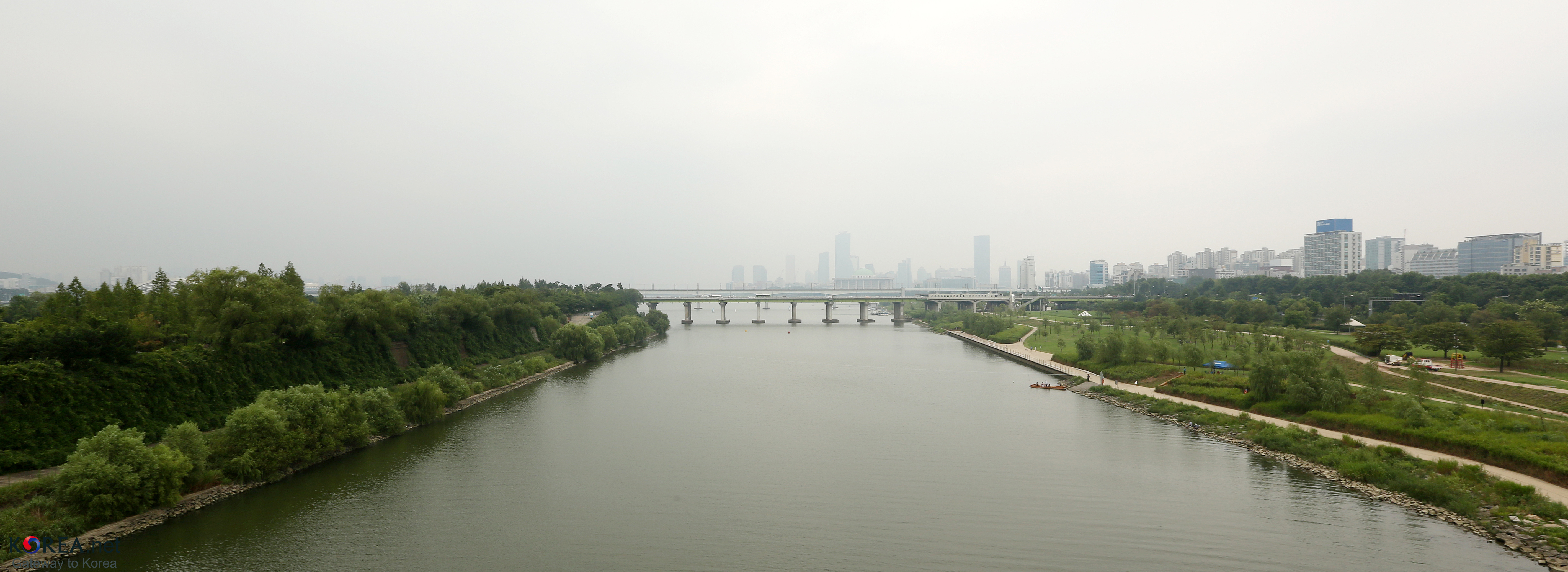
Seonyudo Park, Seoul: A Reclaimed Water Purification Plant from 1978 to 2000, Reached by Crossing the 469 m Seonyugyo Bridge
Korea News
 News
News
"Overcoming the Getty curse" Jang Wonyoung, with unreal proportions and beauty straight out of a Barbie doll
 News
News
A2O LITE Tops Melon TOP100 Just 29 Hours After Debut, Setting the Fastest Record for a Debut Song
![Billlie's Tsuki 'Makes an Entrance Showing Off Her Beautiful Figure' [MK Photo]](https://kotourlive-images.s3.ap-northeast-1.amazonaws.com/news/1792027947835_957f0cb8_news_5c0023c5-e9a0-4640-9154-cb0b69d810c4.jpg) News
News
Billlie's Tsuki 'Makes an Entrance Showing Off Her Beautiful Figure' [MK Photo]
![ENHYPEN ‘Fighting for the Macau performance too!’ [★Video]](https://kotourlive-images.s3.ap-northeast-1.amazonaws.com/news/1792027887815_5057637d_news_8041e5cd-8b22-4193-bb46-880c65d944f7.jpg) News
News