From a 1926 university to a 2026 performance street: Reading Daehak-ro from Hyehwa Station
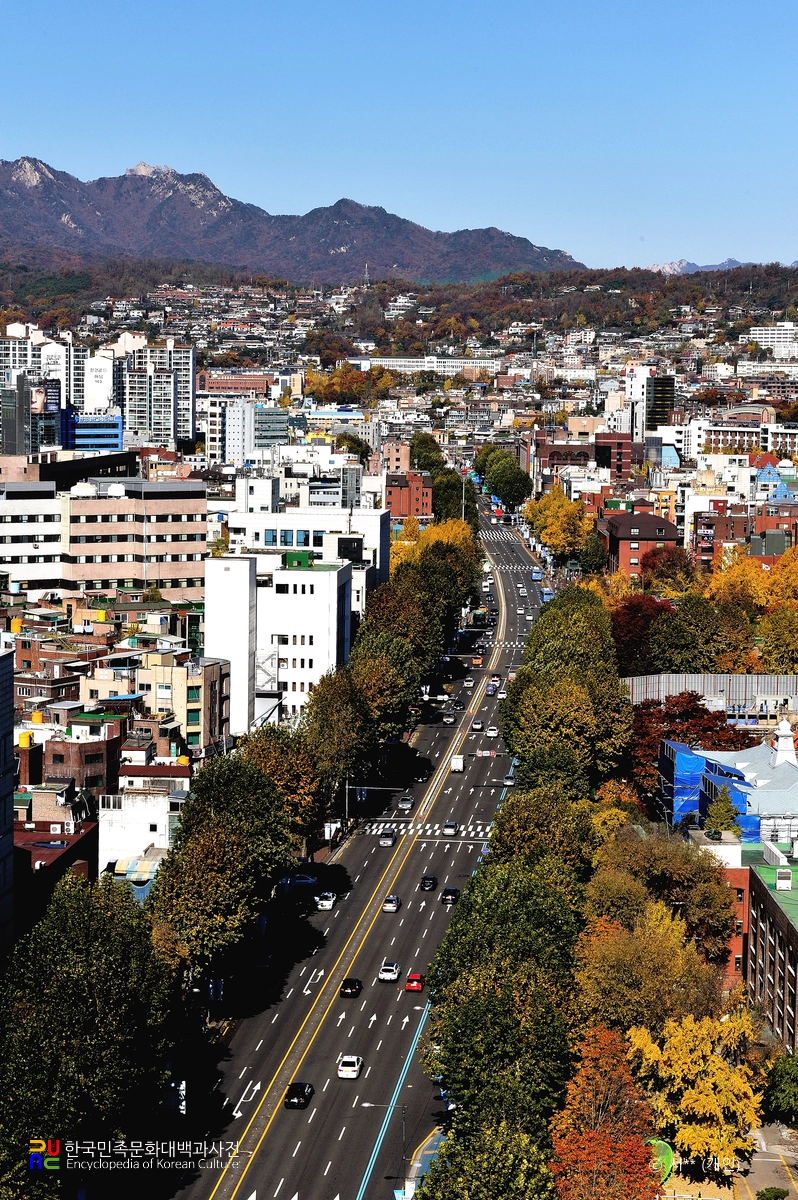
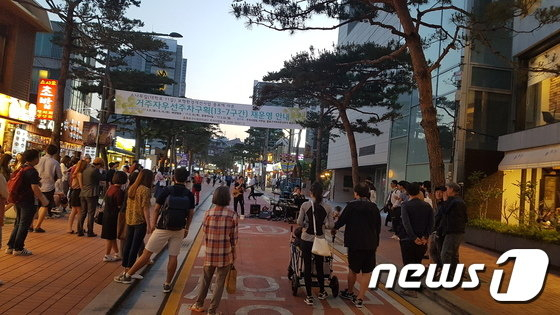
Daehak-ro is a cultural and artistic street about 1.55 km long, linking the Jongno 5-ga Intersection and the Hyehwa-dong Rotary. Tracing its transformation from Gyeongseong Imperial University in 1926 to the relocation of Seoul National University in 1975, this guide lays out a practical walking route starting from Hyehwa Station.

I’ve been here?
Your check-in helps the next traveler.
13 people viewed this week Be the first
One tap — no writing needed
The 1.55 km name that began at Keijo Imperial University in 1926
Daehak-ro in Seoul is a street about 1.55 km long and 25 to 40 m wide, stretching from the Jongno 5-ga intersection to the Hyehwa-dong Rotary. In 1926, when the Faculty of Law and Letters and the Faculty of Medicine of Keijo Imperial University moved in, the framework of the university district was formed, and in 1946 it was reorganized into Seoul National University.
The name “Daehak-ro” comes from the fact that the former Seoul National University headquarters, College of Liberal Arts and Sciences, College of Law, College of Medicine, and College of Fine Arts once stood in this area. After Seoul National University institutions other than the College of Medicine moved to the Gwanak Campus in 1975, part of the former College of Liberal Arts and Sciences site became a park, and arts institutions and performance venues moved in nearby, changing the street’s function.
- The official road-guide address is 104 Daehak-ro, Jongno-gu, Seoul (Dongsung-dong).
- Daehak-ro itself is a public road, so it can be used 24 hours a day, with no separate annual closure days or admission fee.
- For tourist inquiries, you can use the 1330 Tourist Information Hotline or Jongno-gu Office at 02-2148-1114.
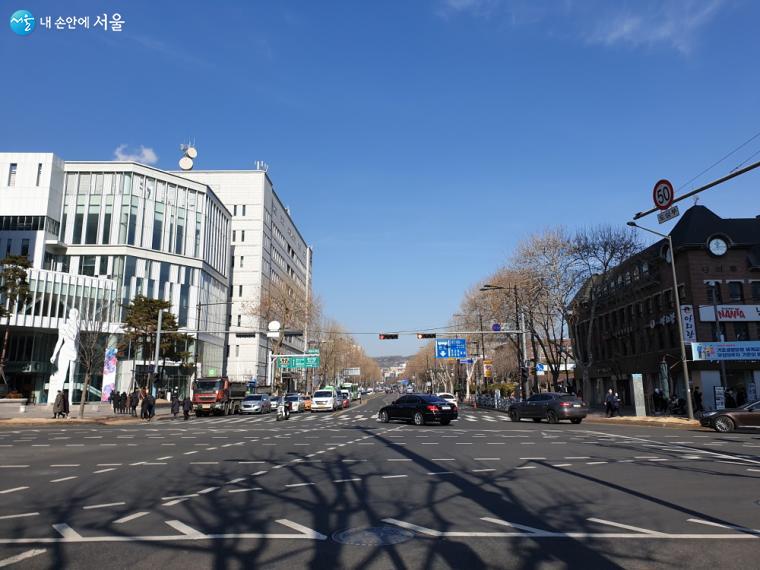
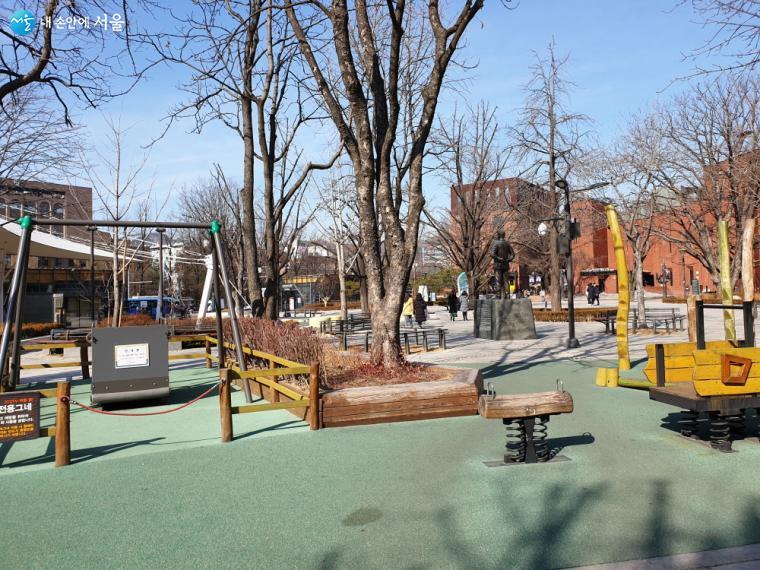
The center left behind by Marronnier Park after Seoul National University moved in 1975
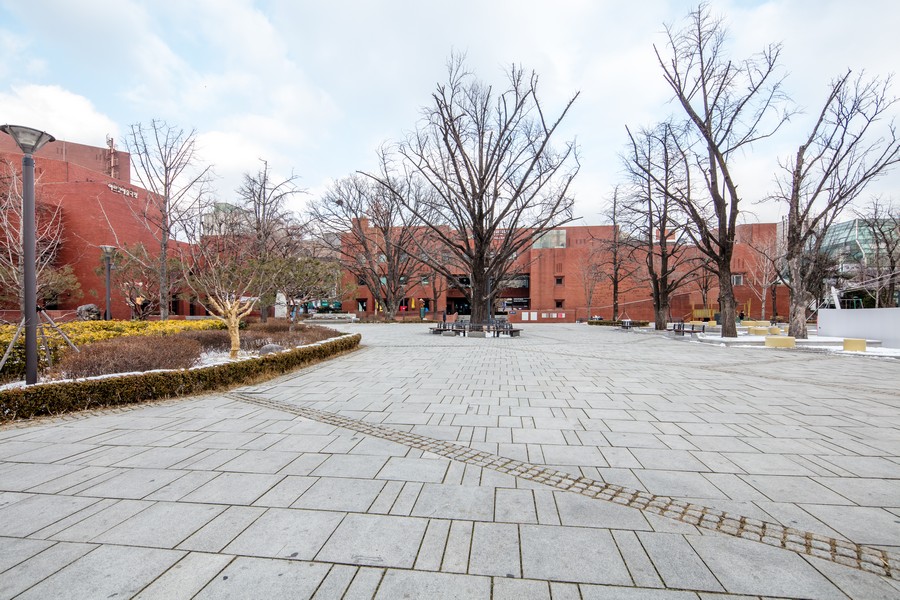
Marronnier Park was created on the former site of the College of Liberal Arts and Sciences and College of Law of Seoul National University. It has an area of 5,802㎡ and was established on April 29, 1982. The address is 1 Daehak-ro 8-gil, Jongno-gu, Seoul, and for first-time visitors to Daehak-ro, setting this park as the meeting point makes the route simpler.
The symbolic commemorative tree of the park’s name is linked to a tree planted on April 5, 1929, during the Keijo Imperial University era. Because an outdoor stage, pond, sculptures, fountain, and children’s playground are all in place, it is a good place to look around for about 15 to 20 minutes before or after the admission time for an indoor performance.
- Marronnier Park is free to use, and there are no regular closure days for the general park area.
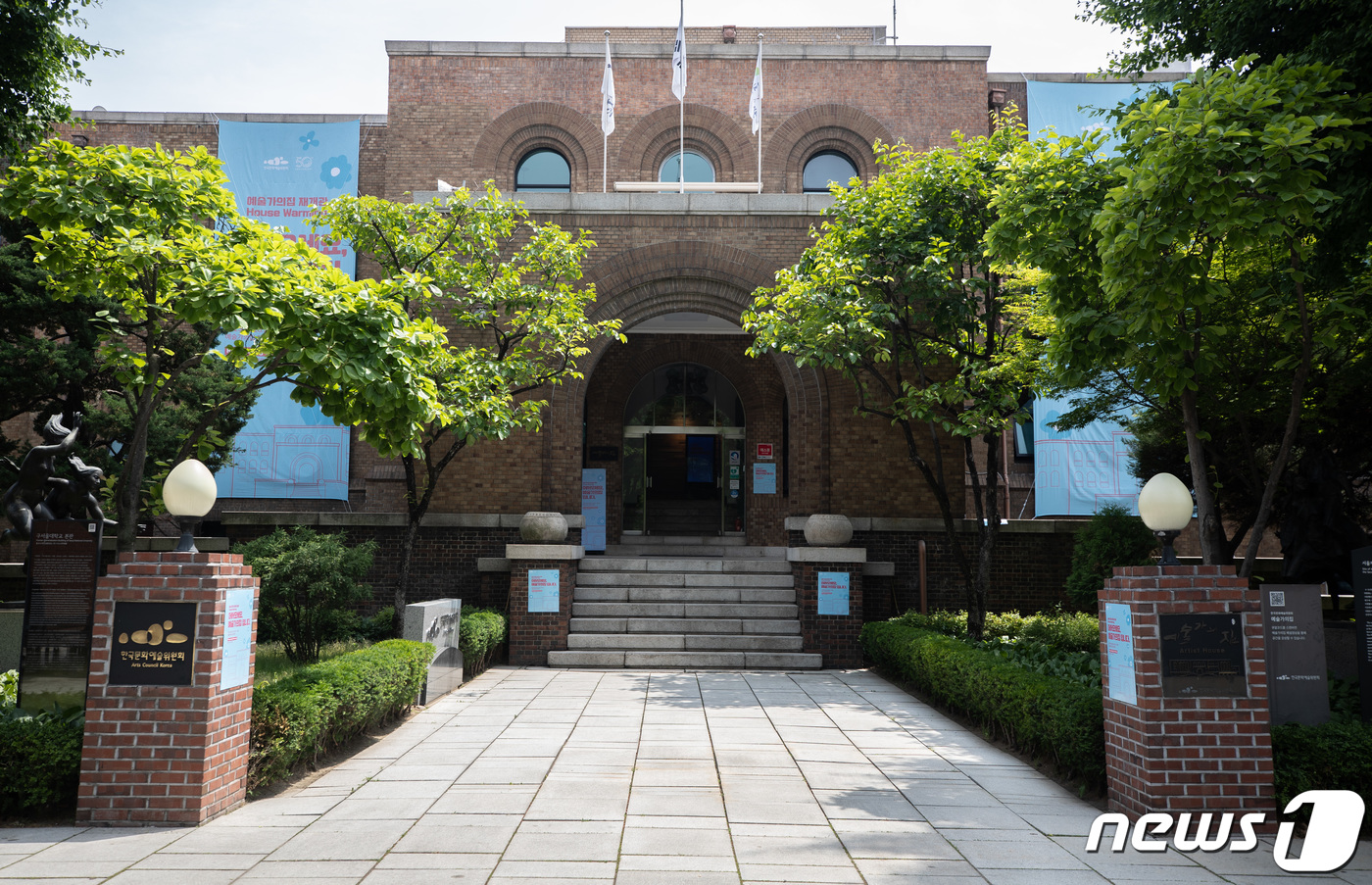
- Near the park, red-brick cultural facilities such as the Arko Art Museum, Arko Arts Theater, and House of Artists continue in a line.
- On performance and festival days, outdoor events may be held, so if you are only expecting a quiet stroll, it is better to avoid the time right before and after performances begin.
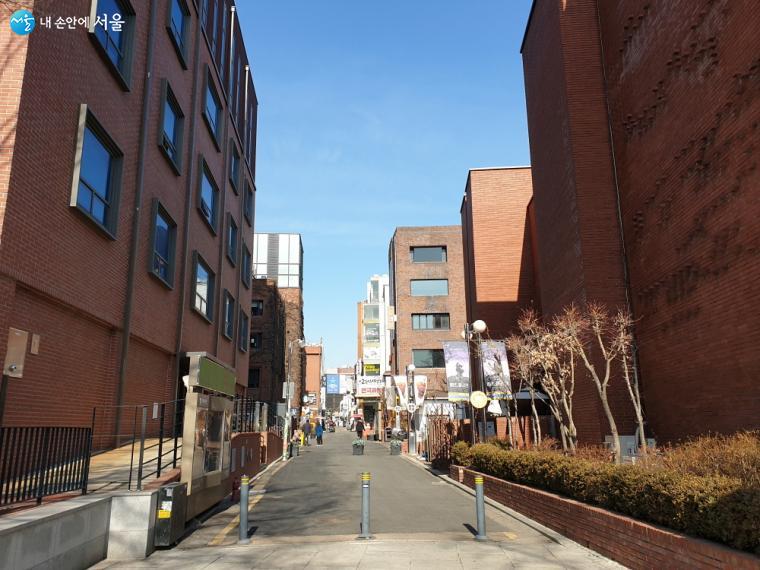
How the 2004 cultural district designation preserved the concentration of small theaters
In May 2004, Daehak-ro was designated as a cultural district to protect and foster the performance ecosystem in the area where theaters are concentrated, and a management plan was established in May 2005. The designated area is known to be 446,569㎡ across six neighborhoods including Dongsung-dong, Hyehwa-dong, Myeongnyun 2-ga, and Myeongnyun 4-ga.
Because of this institutional background, Daehak-ro has maintained a form in which small theaters, rehearsal rooms, and production companies are tightly mixed in the alleys, rather than having only one large performance venue in a single building. Therefore, a “Daehak-ro performance” is structured so that you must check the theater, show time, and seats for each work individually, rather than relying on one integrated ticket office or a single theater.
- Performance prices, running times, minimum age, and late-entry rules vary by production, so you should check the booking page.
- It is safest to finish ticket pickup and use the restroom 20 to 30 minutes before the performance starts.
- The 2025 Jongno-gu car-free street event was held from 12:00 to 18:00 in the 350 m section from Exit 1 of Hyehwa Station to the entrance of Seoul National University Hospital. On event days, vehicle routes may differ from the usual ones.
About 5 minutes from Exit 2 of Hyehwa Station on Line 4 to Marronnier Park
Hyehwa Station on Subway Line 4 is the closest station to the center of Daehak-ro. In directions for performance venues, it is about 336 m, or about 5 minutes on foot, from Exit 2 of Hyehwa Station to Marronnier Park, and from this exit it is easy to head toward the Arko Arts Theater and Marronnier Park.
For buses, you can use the Hyehwa Station Exit 2 / Marronnier Park stop. Routes 100, 102, 104, 107, 109, 140, 143, 150, 160, 162, 273, 301, 710, and circular route 2112 are listed, but it is best to recheck the actual operation and stop location on Seoul public transportation information right before departure.
- From Exit 2 of Hyehwa Station to Marronnier Park: about 336 m, about 5 minutes on foot.
- Walking the full length of Daehak-ro from the Jongno 5-ga side to the Hyehwa-dong Rotary side takes about 20 to 30 minutes.
- Because performance venue addresses vary by alley, do not search only for “Daehak-ro”; be sure to check the theater name and road-name address in your booking details together.
A viewing route that avoids congestion before and after performances from 18:00 to 20:00
In guides based on reviews, it is repeatedly mentioned that restaurant wait times are common on weekend evenings and before and after performances, especially from 18:00 to 20:00. If an evening performance starts at 19:30, it is better to finish dinner around 17:00 or delay it until after 21:30 after the show to reduce waiting time.
For first-time foreign visitors, the most practical order is “arrive at Hyehwa Station → check the theater location at Marronnier Park → eat near the theater → enter 20 to 30 minutes before the start.” On-site same-day purchase may be possible, but popular works and weekend showings may sell out, so it is safer to plan on advance booking for the work you want.
- Daehak-ro has no street admission fee, but performance tickets vary depending on the production, seats, and discount conditions.
- Right after a performance, nearby restaurants may become crowded all at once, so for restaurants that accept reservations it is better to check whether advance booking is available.
- Each theater has a different late-entry policy, and some only allow entry during intermission, so you should arrive on time.
The uphill stretch that continues beyond the flat area between Naksan and Changgyeonggung
On the eastern side of Daehak-ro is Naksan, named because it looks like a camel’s back, and to the northwest is Changgyeonggung beyond Seoul National University Hospital. If your schedule is only for one performance, it is better to focus on Hyehwa Station and Marronnier Park, but if you have half a day or more, you can add a walk toward Naksan Park.
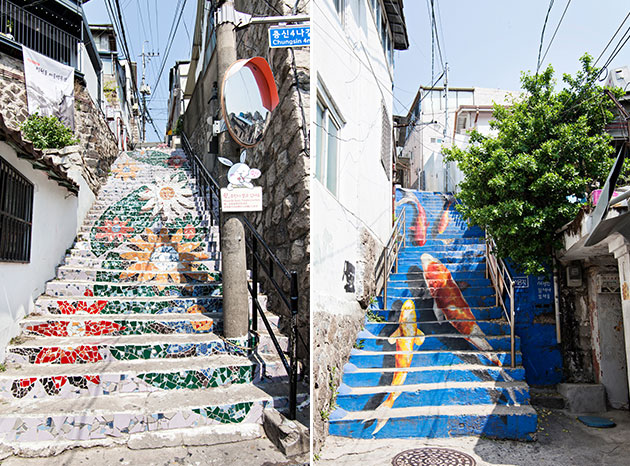
However, unlike the flat area of Daehak-ro, the Naksan Park and Ihwa-dong directions continue with slopes and stairs. For wheelchair and stroller users, travelers with mobility difficulties, and those with little time before a performance, a flat route centered on Marronnier Park and indoor cultural facilities is more realistic than a route that includes uphill sections.
- If you plan to go from Marronnier Park toward Naksan Park and Ihwa-dong, it is better to wear comfortable shoes and allow an extra 60 to 90 minutes.
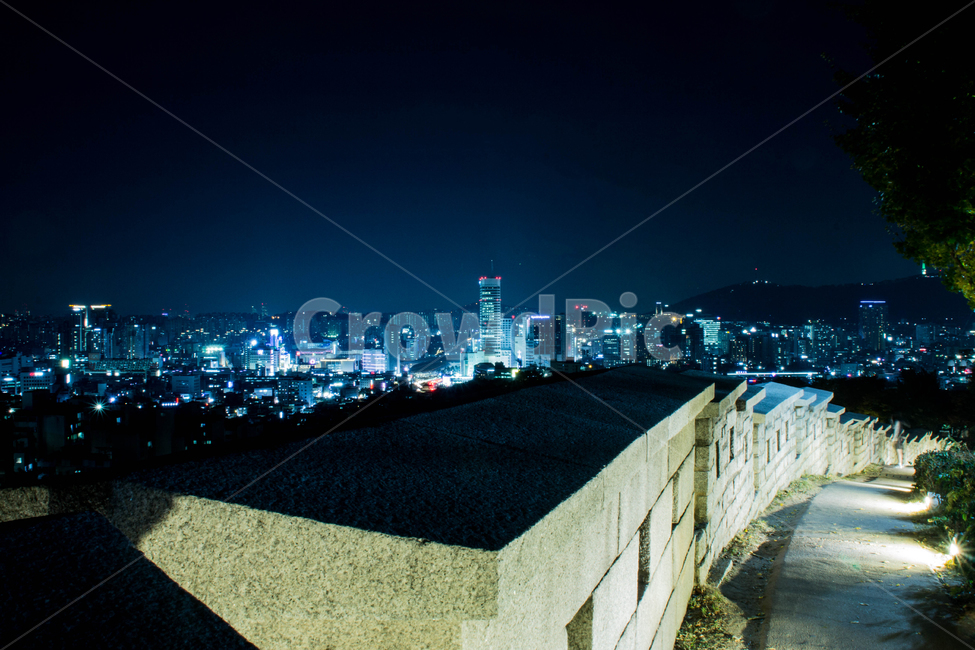
- Walks toward Naksan often aim for a view after sunset, but you should first decide the performance start time and the route home.
- If your main goal is a performance, 2 to 3 hours is recommended; if you include Marronnier Park and nearby alleys, 3 to 4 hours; and if you add Naksan Park as well, half a day is recommended.
Why the subway is better than parking and the limits of accessibility
Daehak-ro is an area where users of performance venues and restaurants along the road and in the alleys overlap, so parking is not easy. Even if individual theaters or restaurants provide their own parking, the conditions and fees differ, so if you are coming by car, you should first ask the performance venue or facility you plan to visit whether parking is available.
The street itself is open 24 hours and public outdoor spaces such as Marronnier Park are free, but wheelchair and stroller accessibility varies greatly depending on whether each theater building has an elevator, ramp, and accessible restroom. Tourist inquiries in English, Japanese, and Chinese are available through 1330, but foreign-language guidance and subtitle provision at small theaters vary by production.
- Main Daehak-ro inquiry: 1330 Tourist Information Hotline, additional local inquiry: 02-2148-1114.
- There is no unified standard for parking availability or fees, so the field is left blank; you need to check in advance with each performance venue or restaurant.
- Wheelchair seats, assistance dogs, elevators, and English subtitles differ by performance venue, so you must inquire with each theater before booking.
Before You Go
- Address
- 104 Daehak-ro, Jongno-gu, Seoul (Dongsung-dong)
- Hours
- Open 24 hours
- Closed
- Open year-round
- Admission
- Free
- Phone
- 1330 / 02-2148-1114
- Official site
- https://tour.jongno.go.kr
- Transport
- About 336 m, about 5 minutes on foot, from Exit 2 of Hyehwa Station on Subway Line 4 to Marronnier Park. Hyehwa Station Exit 2 / Marronnier Park stop: 100, 102, 104, 107, 109, 140, 143, 150, 160, 162, 273, 301, 710, 2112.
- Time needed
- 2 to 3 hours focused on performance viewing, 3 to 4 hours including Marronnier Park and alleys, half a day if combined with Naksan Park
- Accessibility
- The street and Marronnier Park include some flat sections, but the presence of elevators, wheelchair seats, and accessible restrooms differs by small theater. The Naksan Park and Ihwa-dong directions have many slopes and stairs. Foreign-language tourist inquiries are available through 1330.
The information above is current as of the time of writing. Please recheck the official guide before visiting.

Places
Nearby Attractions 5
-
 1
1
-
 2
2
-
 3
3
-
 4
4
-
 5
5
Food & Dining 5
-
 6
Pizzeria O Daehak-ro Main Branch
6
Pizzeria O Daehak-ro Main Branch -
 7
7
-
 8
8
-
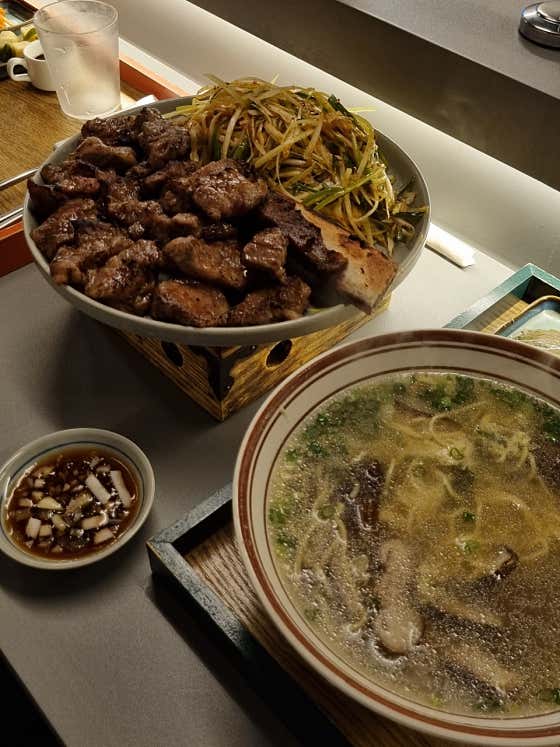 9
9
-
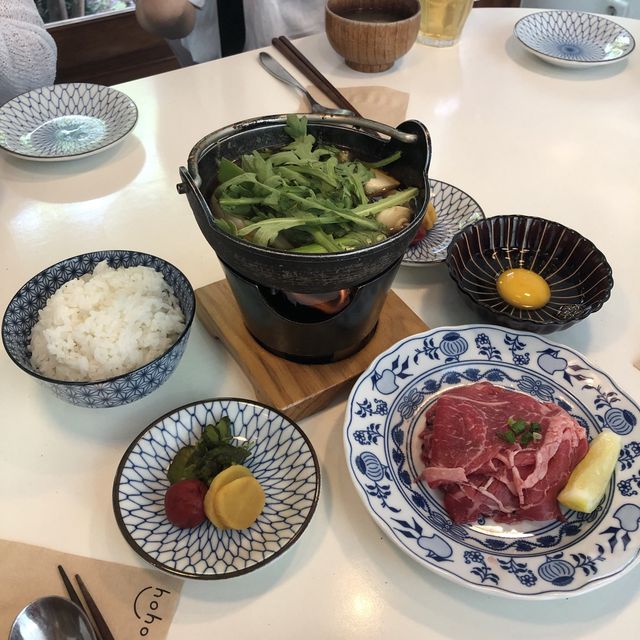 10
Ho Ho Shikdang Daehak-ro Branch
10
Ho Ho Shikdang Daehak-ro Branch
Events in This Area



Festivals in This Area


More Travel Guides in This Area
 Travel Guide
LCK’s Stage Beneath Jonggak Station: LoL Park
 Travel Guide
Understanding Blue Square Through Hangangjin Station’s Underground Passage and Its 1,766 Seats
 Travel Guide
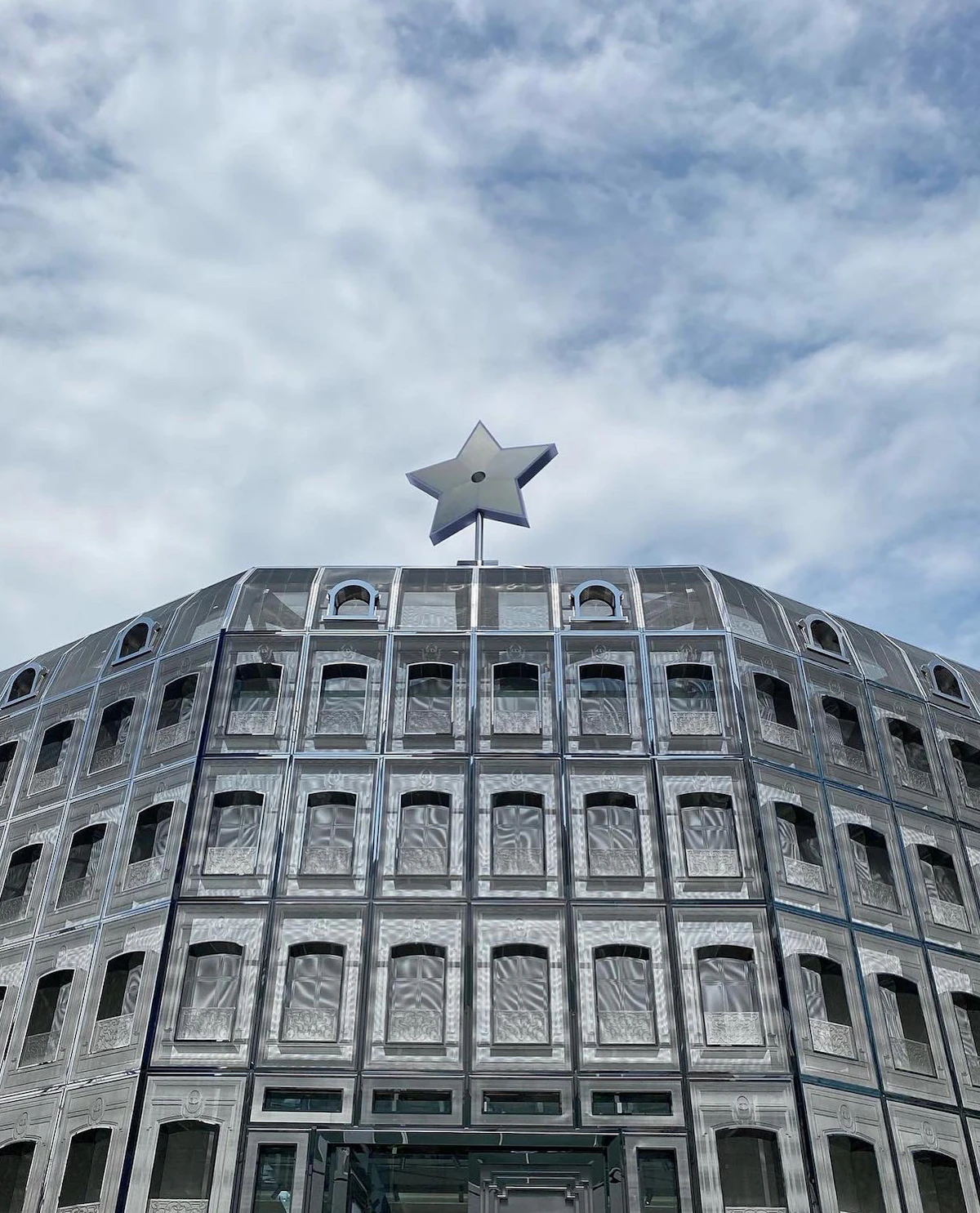
Dior Seongsu in a Glass Greenhouse: From Reservations to 30 Minutes of Parking
 Travel Guide
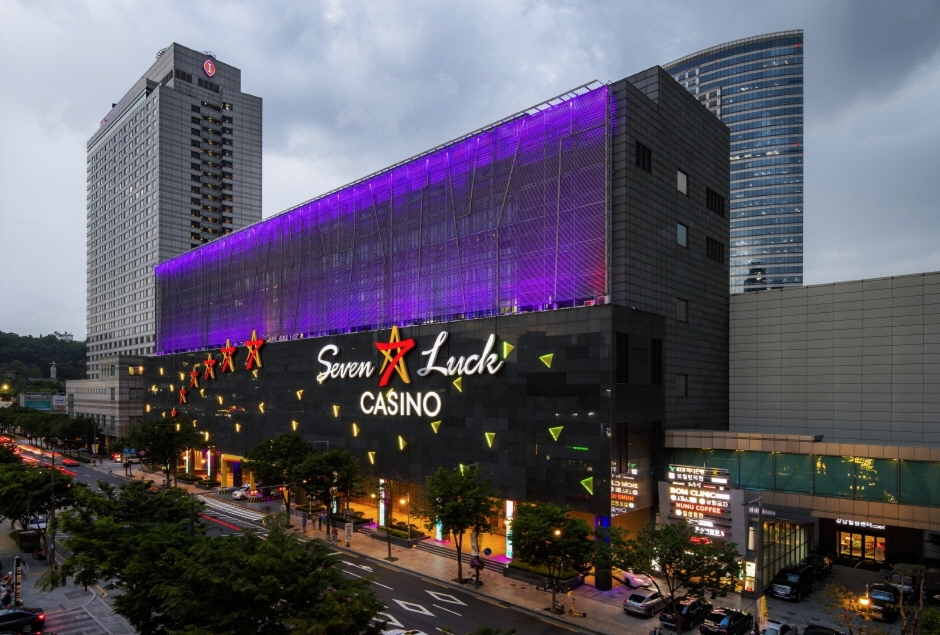
Seven Luck Casino Gangnam COEX Branch at the Samseong-dong Convention Annex
Korea News
 News
News
‘NewJeans Expulsion’ Danielle Releases Her First YouTube Video… “We Don’t Know What Will Happen Next”
![aespa’s North American Tour Has Remaining Seats Despite ‘$49’ Bargain Prices… A Stark Popularity Gap with KATSEYE [TEN Starfield]](https://kotourlive-images.s3.ap-northeast-1.amazonaws.com/news/1788485037424_a59b1932_naver_rank_thumb_0000774618_1788485037424.jpg) News
News
aespa’s North American Tour Has Remaining Seats Despite ‘$49’ Bargain Prices… A Stark Popularity Gap with KATSEYE [TEN Starfield]
![[Photo] TWICE’s Dahyun attends a film festival red carpet as an actress](https://kotourlive-images.s3.ap-northeast-1.amazonaws.com/news/1788485316508_edd43ecd_news_870a60a6-6f11-4d73-aa7c-48d91318a0f7.jpg) News
News
[Photo] TWICE’s Dahyun attends a film festival red carpet as an actress
![[On-Site Video] “We’re Departing Separately Together”… BIGBANG Begins ‘COSMOS’ World Tour](https://kotourlive-images.s3.ap-northeast-1.amazonaws.com/news/1788485226518_c5719641_news_fdd4764a-0f4e-4968-8e4e-e98a02872f88.jpg) News
News