Saseondae National Tourist Site, Where Owoncheon Meets Unseojeong
Saseondae National Tourist Site is a free outdoor attraction established along Owoncheon Stream in Gwanchon-myeon, Imsil. Designated as a national tourist site in 1985, it features a lawn plaza, walking trails, an international sculpture park, and Unseojeong, offering seasonal scenery and local legends.
I’ve been here?
Your check-in helps the next traveler.
No one has checked in yet Be the first
One tap — no writing needed
Deokcheon-ri, Gwanchon-myeon, Designated a National Tourist Site in 1985
Saseondae National Tourist Site is located at 511-1 Deokcheon-ri, Gwanchon-myeon, Imsil-gun, Jeonbuk State. Saseondae Tourist Site was designated a national tourist site on December 28, 1985, and is now operated as a place where visitors can explore a riverside park and cultural facilities together.
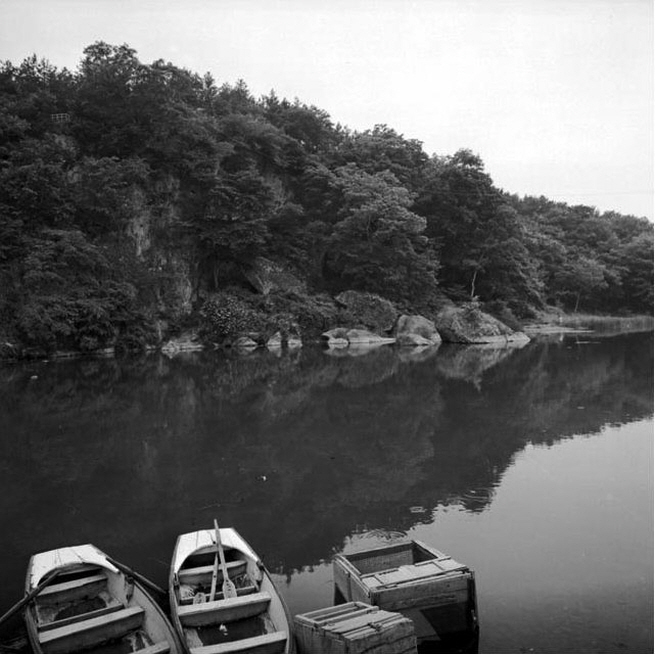
At the center of the terrain flows the Owoncheon Stream, which originates in Jinan. Saseondae is situated along the Owoncheon Stream in the upper reaches of the Seomjingang River, where the landscape formed by Seongmisan Mountain, rising 430 meters above sea level, and the waterway has shaped the tourist site seen today.
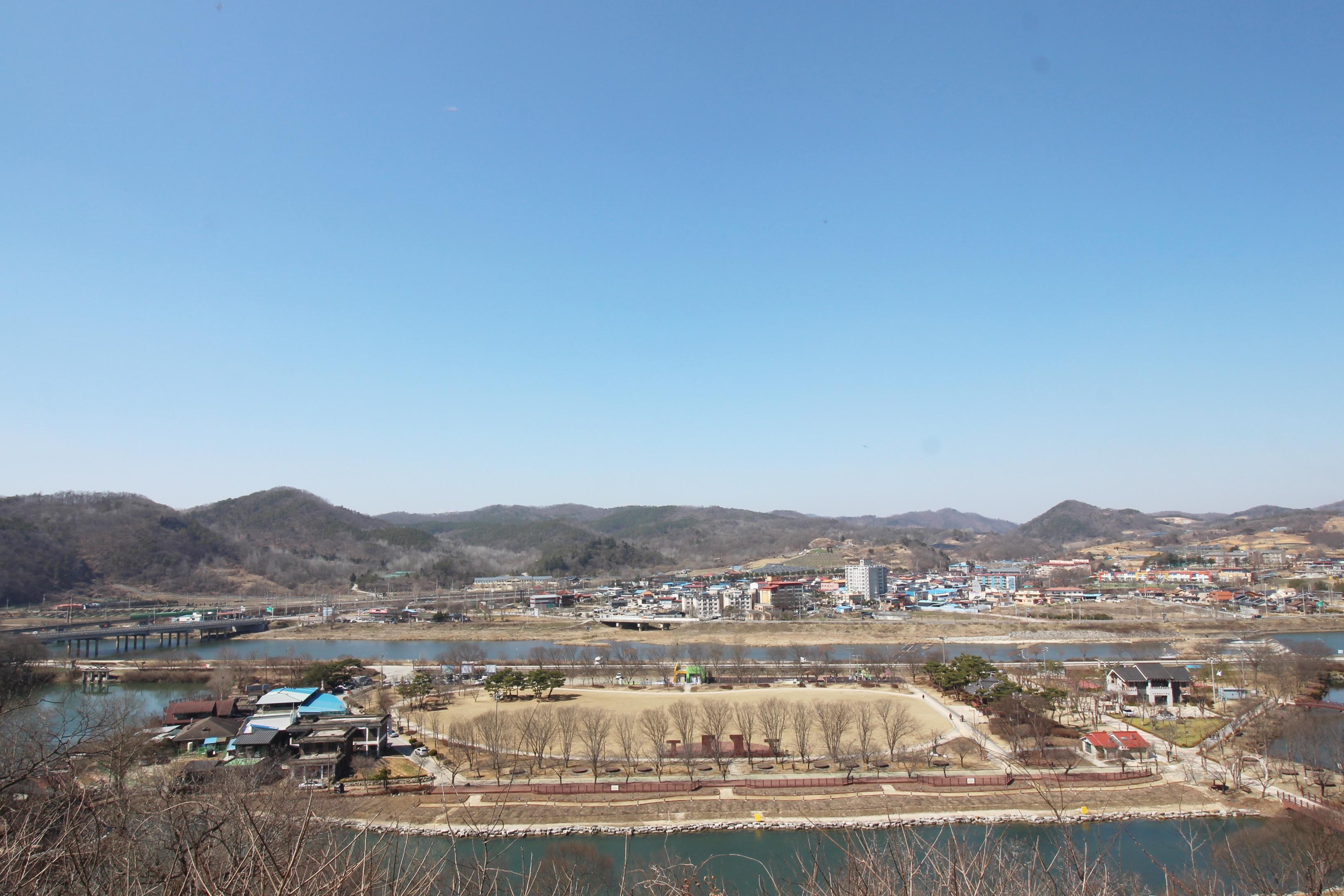
Saseondae of Two Immortals from Maisan and Two Immortals from Unsusan
The name Saseondae originated from a legend that two immortals from Maisan Mountain and two immortals from Unsusan Mountain gathered and enjoyed themselves along the banks of the Owon River in Gwanchon. The story was expanded by the descent of four heavenly fairies, who played with the immortals, leaving behind the name “Terrace of the Four Immortals.”
The name Owoncheon is connected to the meaning “a river where crows played.” The legends of crows and fairies are more than a simple explanation of the name; they are local narratives that help visitors understand the place through its riverside rocks and water.
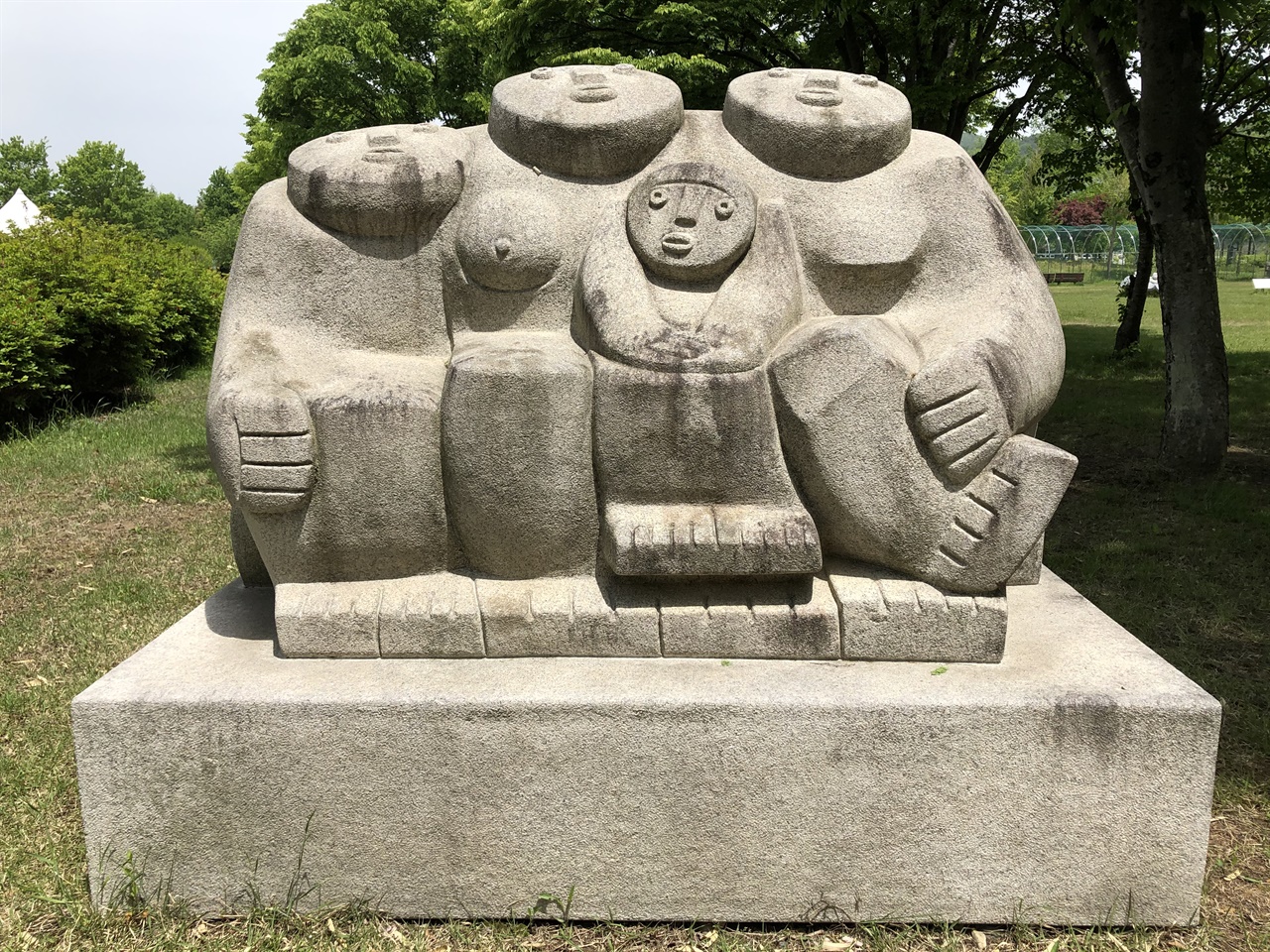
What to See at the International Sculpture Park North of the Lawn
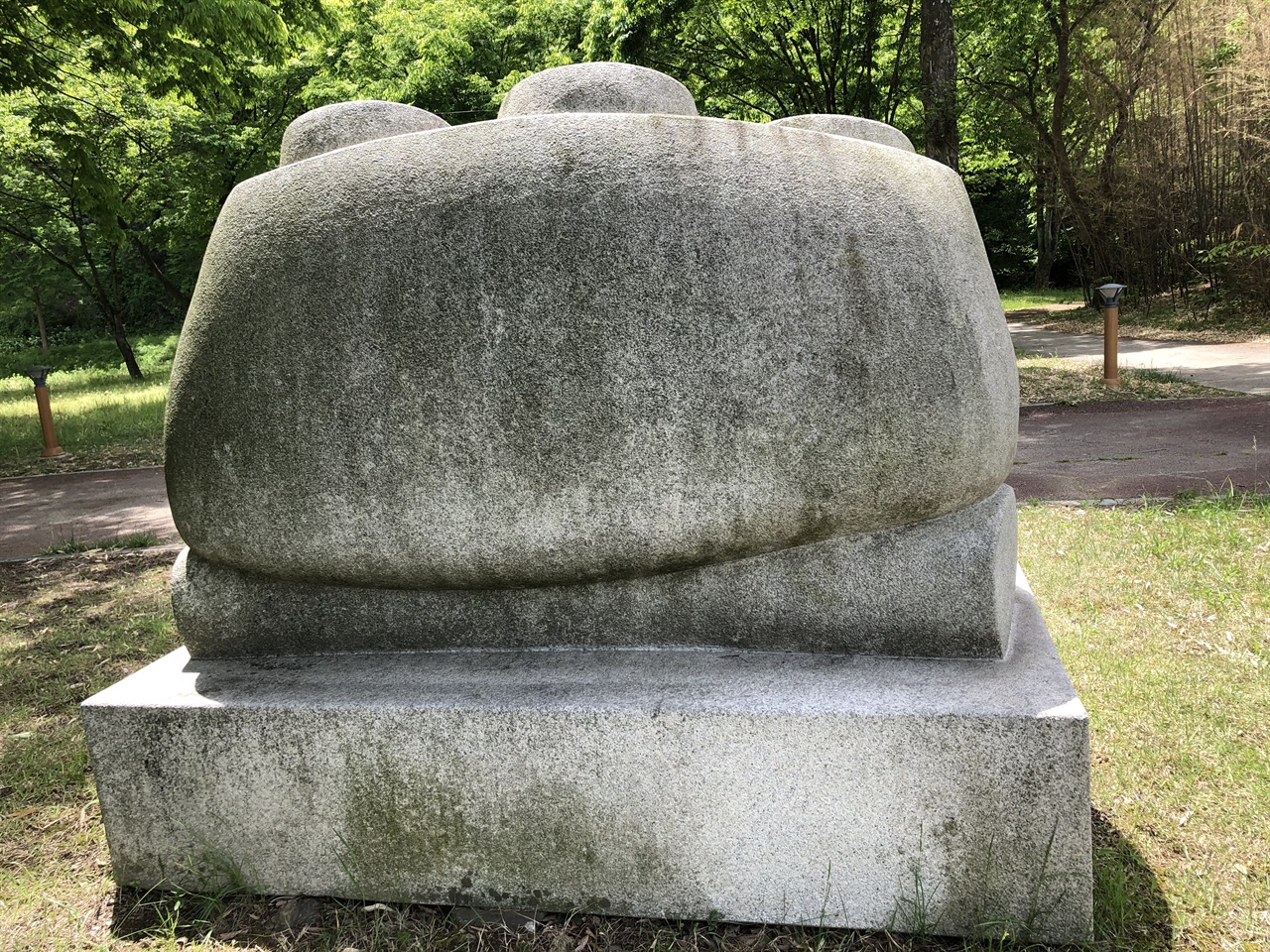
The lawn can accommodate approximately 3,000 people. North of the expansive lawn is a sculpture park, where works made from various materials, including stone, iron, and steel, express the joys and sorrows of human emotion.
The background of this sculpture park includes a multinational group of artists who conducted artistic activities at Ogung-ri Sindeok Branch School with support from Imsil-gun in 1996. The works were moved to the Saseondae Park site in January 1997, and the International Sculpture Park opened.
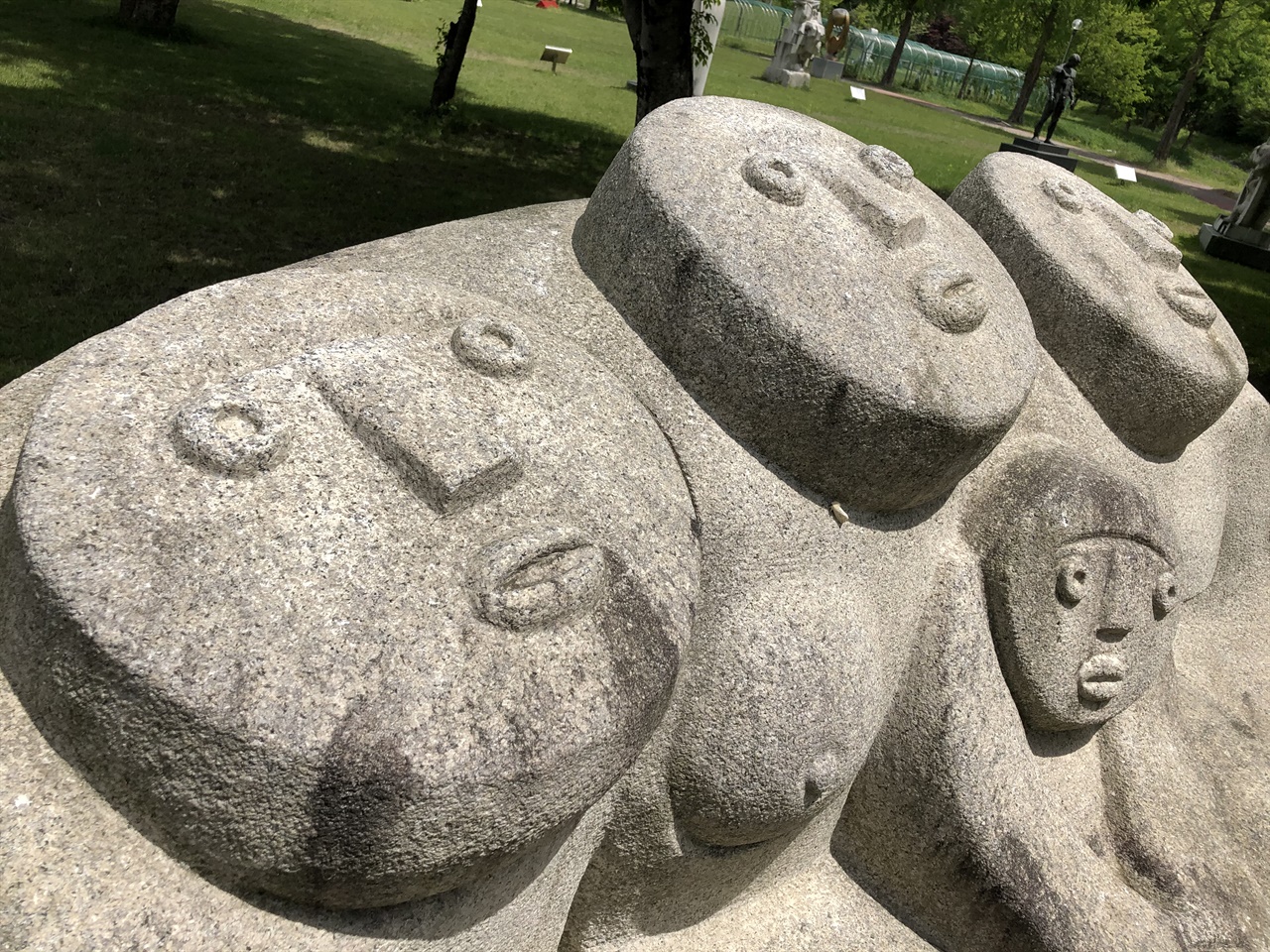
There is also a small playground near the sculpture park. However, viewing the works and using the playground are primarily outdoor activities, so it is more suitable to plan an itinerary for walking around the lawn and sculptures rather than expecting a particular exhibition room or an indoor audio guide.
The Owoncheon Stream Seen from Unseojeong Pavilion, Built in 1928
Unseojeong Pavilion is located in the forest on the hill above Saseondae. It was built in 1928 by Kim Seung-hui, the second son of Kim Yang-geun, to commemorate the virtue of his father, a wealthy local man in the Gwanchon area during the Japanese colonial period.
From Unseojeong, visitors can look down over the scenery of Saseondae. The flat riverside park area and the pavilion on the hill can be connected in one outing, but unlike the level paths inside the tourist site, the surrounding trails include slopes, so wheelchair users should consider assistance from a companion.
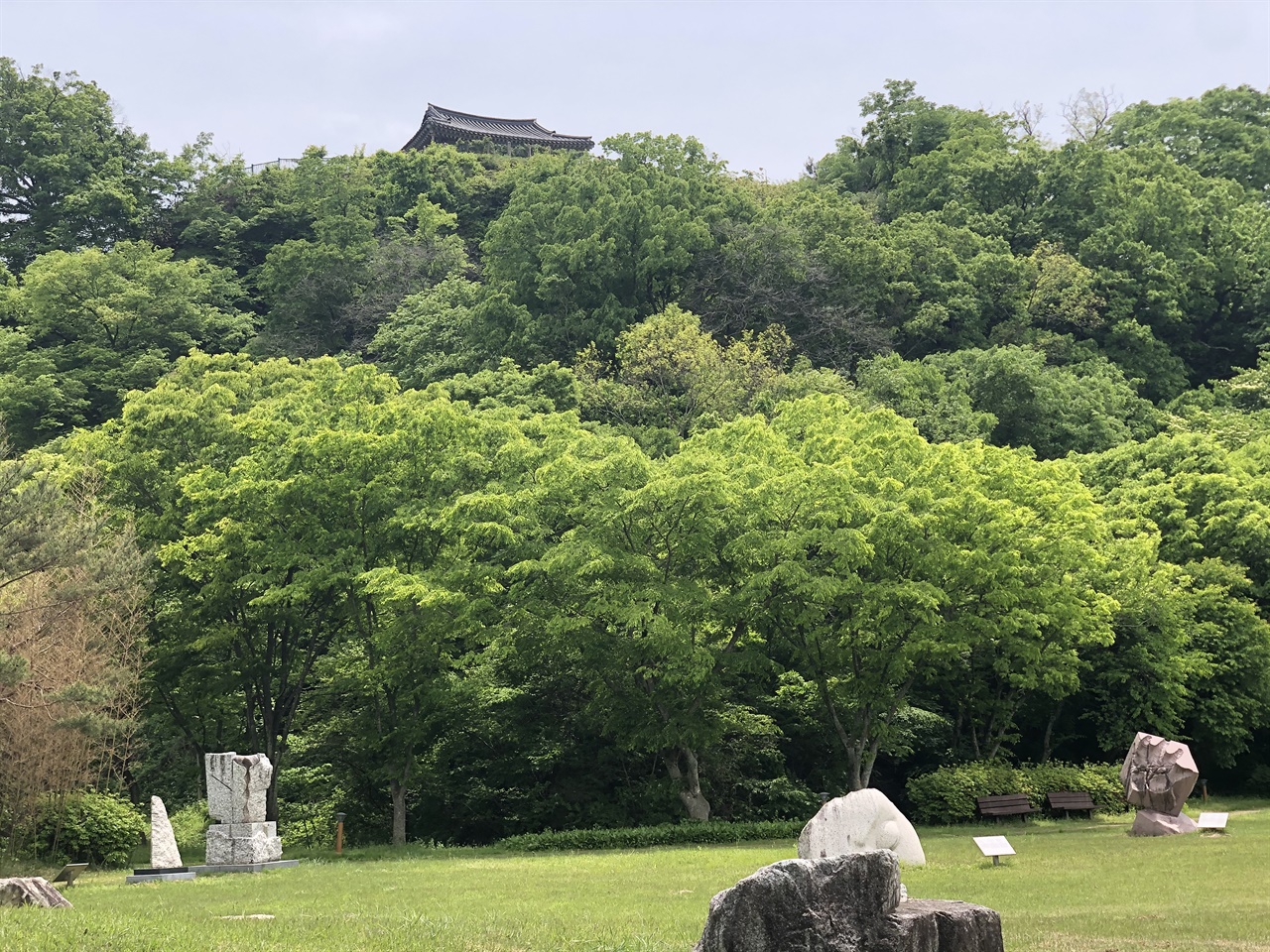
Owoncheon Walking Trail and the Deokcheon-ri Oriental Whitebeam Grove
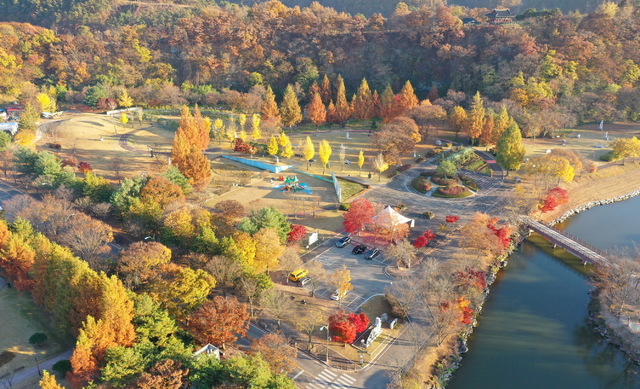
A walking trail runs along the Owoncheon Stream, allowing visitors to see both the lawn and the riverside. Walking paths for healthy exercise are also provided around Saseondae Plaza, so taking a large loop along the riverside rather than visiting only a particular viewpoint better suits the layout of the site.
A grove of oriental whitebeam trees is located around Unseojeong in Deokcheon-ri. Oriental whitebeam trees produce white flowers in May and fruit in September, so these months are worth remembering if vegetation is part of your visit.
How to Travel from Seoul to Imsil Station or Imsil Bus Terminal
If you travel by train, Mugunghwa trains run five times a day from Yongsan Station to Imsil Station. Operating hours are 05:43–19:14, and the journey takes approximately four hours. After arriving at Imsil Station, walk about 100 meters to the Imsil Station bus stop and transfer to a rural bus.
Buses run 15 times a day from Seoul Nambu Bus Terminal to Imsil. Operating hours are 06:00–17:45, and the journey takes approximately three and a half hours. Travel about 145 meters from the terminal to the bus stop in front of Imsil Public Bus Terminal, then take the Imsil–Gwanchon, Imsil–Gwanchon–Unam, or rural buses 201, 202, or 203, and get off at the Saseondae bus stop.
It takes about 10 minutes to walk from the Saseondae bus stop to the tourist site. Local rural buses cannot be assumed to run as frequently as urban buses, so it is safest to coordinate your arrival time in Imsil from Seoul with a departure toward Gwanchon first.
Free and Open Year-Round, with No Need to Look for a Ticket Office
Saseondae National Tourist Site is listed as open year-round, and admission is free. Therefore, visitors do not need to purchase a separate ticket at a paid ticket office before proceeding to the destination; instead, they can enter the open-air tourist site directly.
Parking is available, and accessible parking spaces are located in the parking lot at the Saseondae entrance, the parking lot beside the rest area, and the parking lot in front of the Wood Culture Experience Center. Information on the number of standard parking spaces, parking fees, photography restrictions, cash-only policies, English information, and audio-guide availability is not included in the available guidance, so this article does not make definitive claims about them.
The inquiry phone number is 063-640-2921. Korea Tourism Organization travel articles also introduce 063-640-2922 as an inquiry number for Saseondae National Tourist Site, so visitors who need operational information may wish to note both numbers. The official Imsil-gun tourism website is https://www.imsil.go.kr/tour/index.imsil.
Level Inner Paths and a Sloped Route to Unseojeong
The walking paths inside the tourist site are level, while the surrounding trails include slopes. Accessible restrooms are provided at the parking lot at the Saseondae entrance, in front of Saseonru Pavilion, in front of the sculpture park, and in front of the Wood Culture Experience Center.
The rest area has picnic tables suitable for both wheelchair users and other visitors. Accessibility is good when moving through the level park area and facilities, but reaching locations on upper hills, such as Unseojeong, is more difficult under the same conditions.
The recommended viewing time was not confirmed in the available materials. The itinerary varies depending on whether you visit the Owoncheon walking trail, sculpture park, lawn, and Unseojeong, so visitors using public transportation should decide their return bus time in advance.
Days When the Saseon Cultural Festival Is Held and Seasonal Scenery
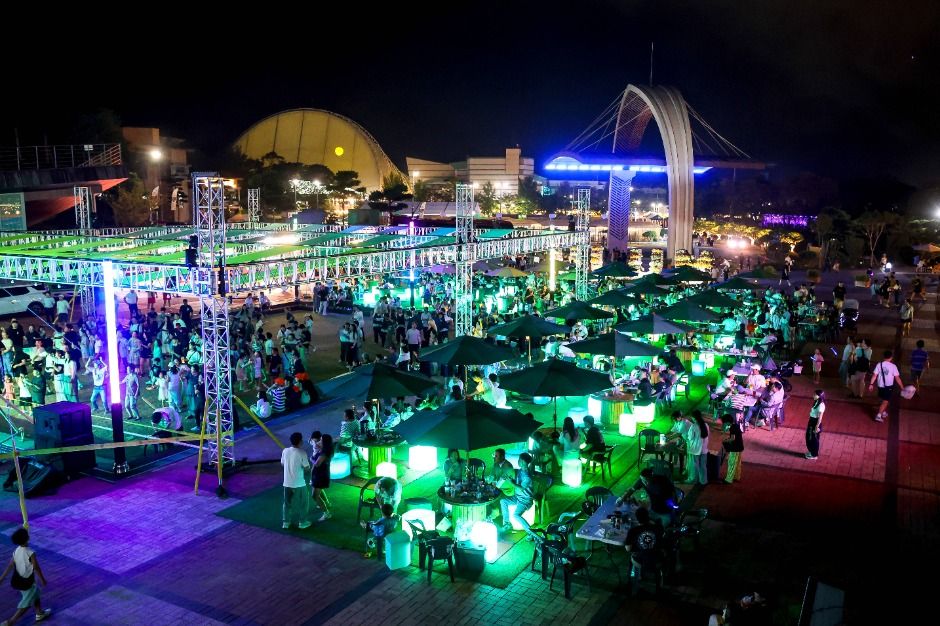
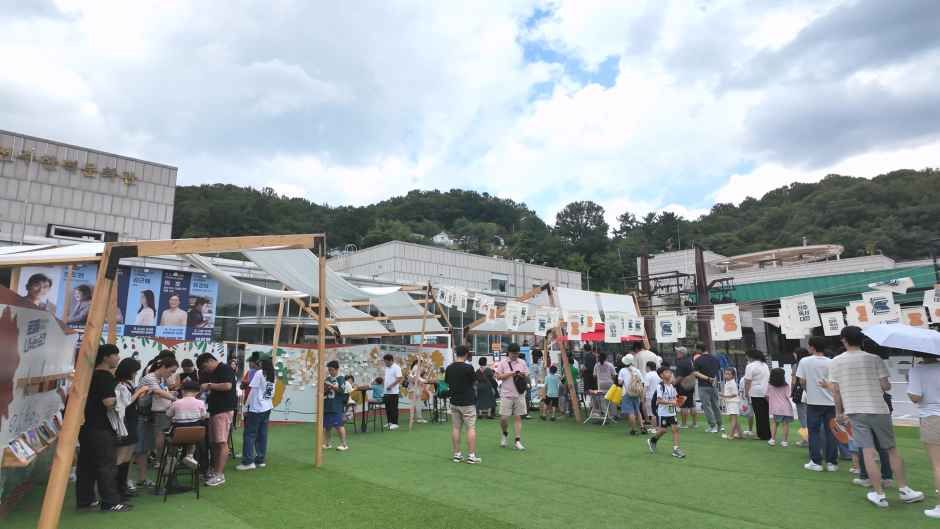
The Saseon Cultural Festival is held every year at Saseondae Plaza. The festival includes a national competition to select the Saseon Fairies and the National Jwado Nongak Competition, which continues the tradition of Honam Jwado Nongak.
The attractions vary by season. Cherry blossoms are featured in spring, water activities in summer, autumn foliage in fall, and snowy scenery in winter. However, information on areas where water activities are permitted, usage restrictions, and seasonal event schedules was not available, so visitors whose main purpose is water recreation should separately confirm whether it is available on site.
The white flowers of the oriental whitebeam can be seen in May, and its fruit in September. If you want to combine a riverside walk with plant observation, May best highlights the characteristics of the site; for autumn foliage, fall is the ideal season.
An Itinerary Combining the Youth Training Center and Saseondae Plaza
Saseondae contains a youth training center where cultural education programs and various events are held. Rest facilities and a small performance venue have also been established around the center, allowing visitors to explore the area where local public facilities are gathered rather than ending their itinerary with only the sculpture park and riverside walk.
For first-time foreign visitors, the simplest sequence is to take a bus toward Gwanchon from Imsil Station or Imsil Public Bus Terminal, get off at the Saseondae bus stop, walk about 10 minutes, and find the entrance and lawn. Then proceed in order to the Owoncheon walking trail, the sculpture park north of the lawn, and Unseojeong on the hill to distinguish the level and sloped areas.
Saseondae is an outdoor destination where the riverside, lawn, sculptures, and pavilion are connected directly, rather than a place centered on indoor exhibitions or a fixed viewing route. Free admission and parking availability are clear, but standard parking fees, the number of parking spaces, English explanations, and photography regulations have not been provided, so actual conditions may differ from expectations for travelers for whom these details are essential.
Before You Go
- Address
- 511-1 Deokcheon-ri, Gwanchon-myeon, Imsil-gun, Jeonbuk State
- Hours
- Open year-round
- Closed
- Open year-round
- Admission
- Free
- Phone
- 063-640-2921
- Official site
- https://www.imsil.go.kr/tour/index.imsil
- Transport
- Buses from Seoul Nambu Bus Terminal to Imsil run 15 times daily (06:00–17:45), taking approximately 3 hours 30 minutes. From Imsil Public Bus Terminal, take the Imsil–Gwanchon, Imsil–Gwanchon–Unam, 201, 202, or 203 rural bus, get off at the Saseondae bus stop, and walk approximately 10 minutes to the tourist site. Mugunghwa trains from Yongsan Station to Imsil Station run five times daily (05:43–19:14), taking approximately four hours. Take a rural bus from Imsil Station.
- Parking
- Parking available. Accessible parking spaces are located in the parking lot at the Saseondae entrance, the parking lot beside the rest area, and the parking lot in front of the Wood Culture Experience Center.
- Accessibility
- The paths inside the tourist site are level, while the surrounding trails include slopes. Accessible parking and restrooms are available, and the rest area has picnic tables suitable for wheelchair users.
The information above is current as of the time of writing. Check the official guidance again before visiting.

Places
Nearby Attractions 3
-
 1
1
-
 2
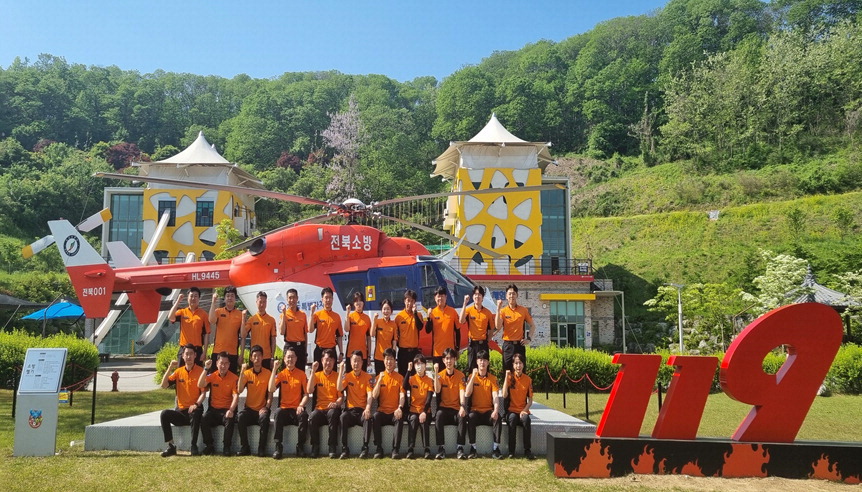
Jeonbuk State 119 Safety Experience CenterA place where visitors can experience responding to disasters such as fires, earthquakes, and medical emergencies.
2
Jeonbuk State 119 Safety Experience CenterA place where visitors can experience responding to disasters such as fires, earthquakes, and medical emergencies. -
 3
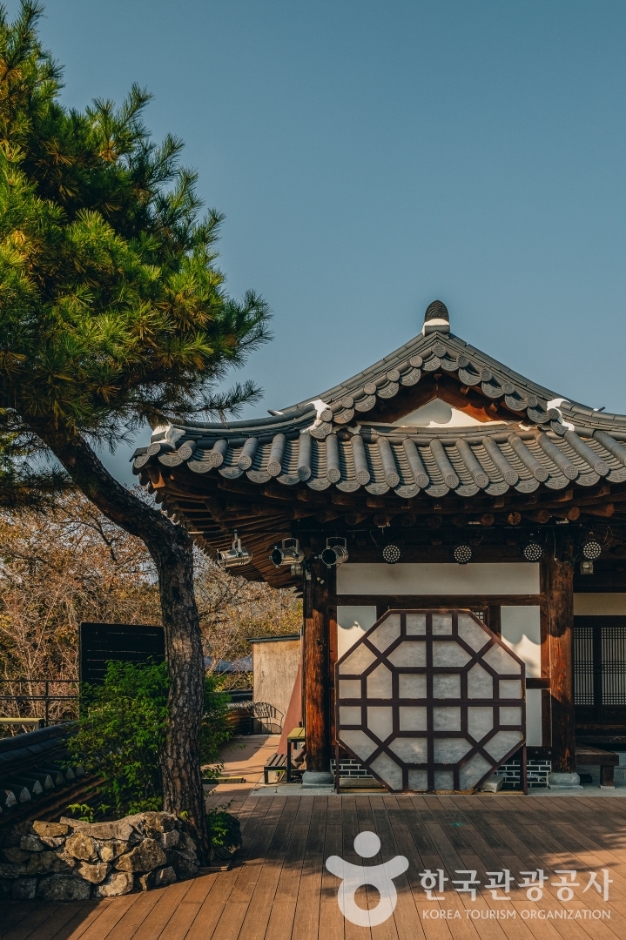
Pilbong Cultural VillageA place to enjoy Pilbong Nongak performances and traditional Korean cultural experiences, including hanok stays and activities.
3
Pilbong Cultural VillageA place to enjoy Pilbong Nongak performances and traditional Korean cultural experiences, including hanok stays and activities.
Food & Dining 3
-
 4
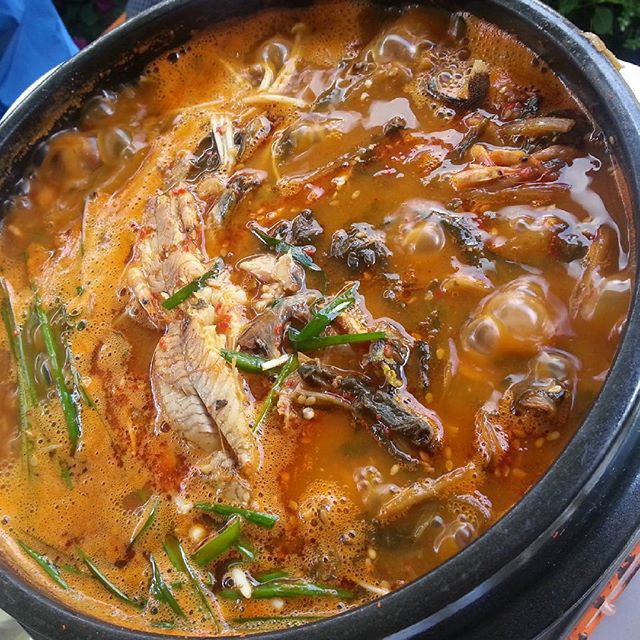
HosujeongA riverside Korean restaurant serving catfish stew, freshwater spicy fish stew, and other local dishes.
4
HosujeongA riverside Korean restaurant serving catfish stew, freshwater spicy fish stew, and other local dishes. -
 5
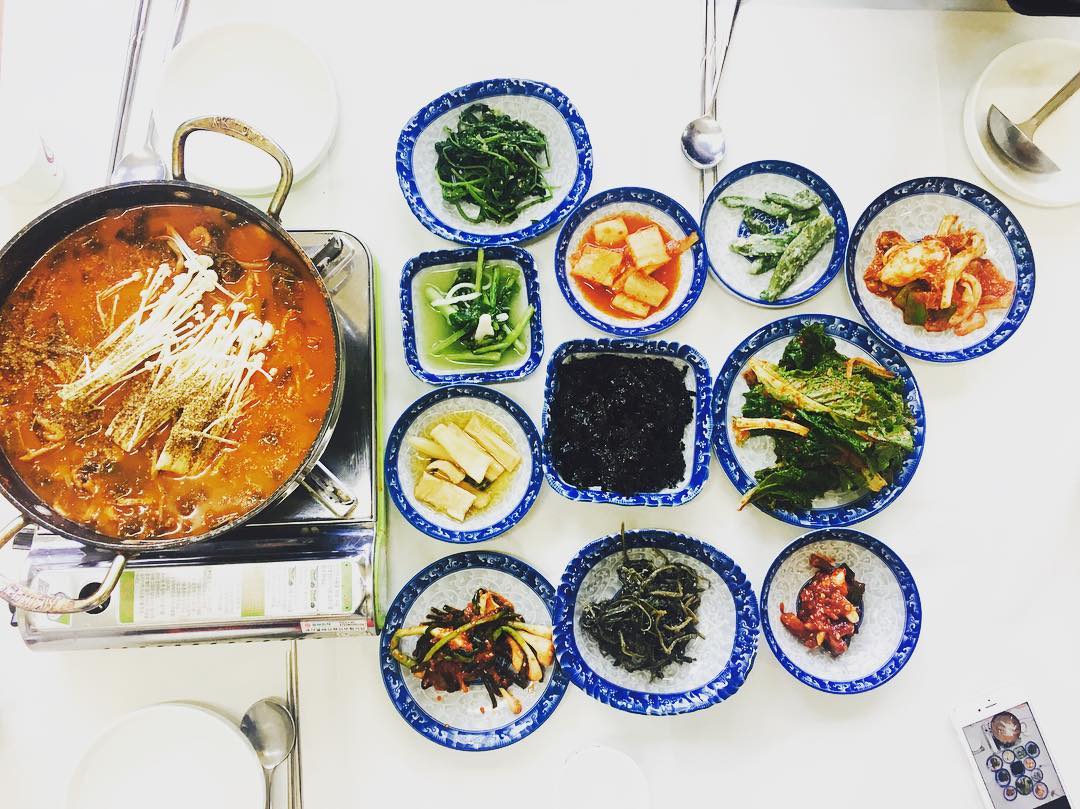
ChowonjangA Korean restaurant serving spicy freshwater fish stews, including catfish and bagarius catfish stew.
5
ChowonjangA Korean restaurant serving spicy freshwater fish stews, including catfish and bagarius catfish stew. -
 6
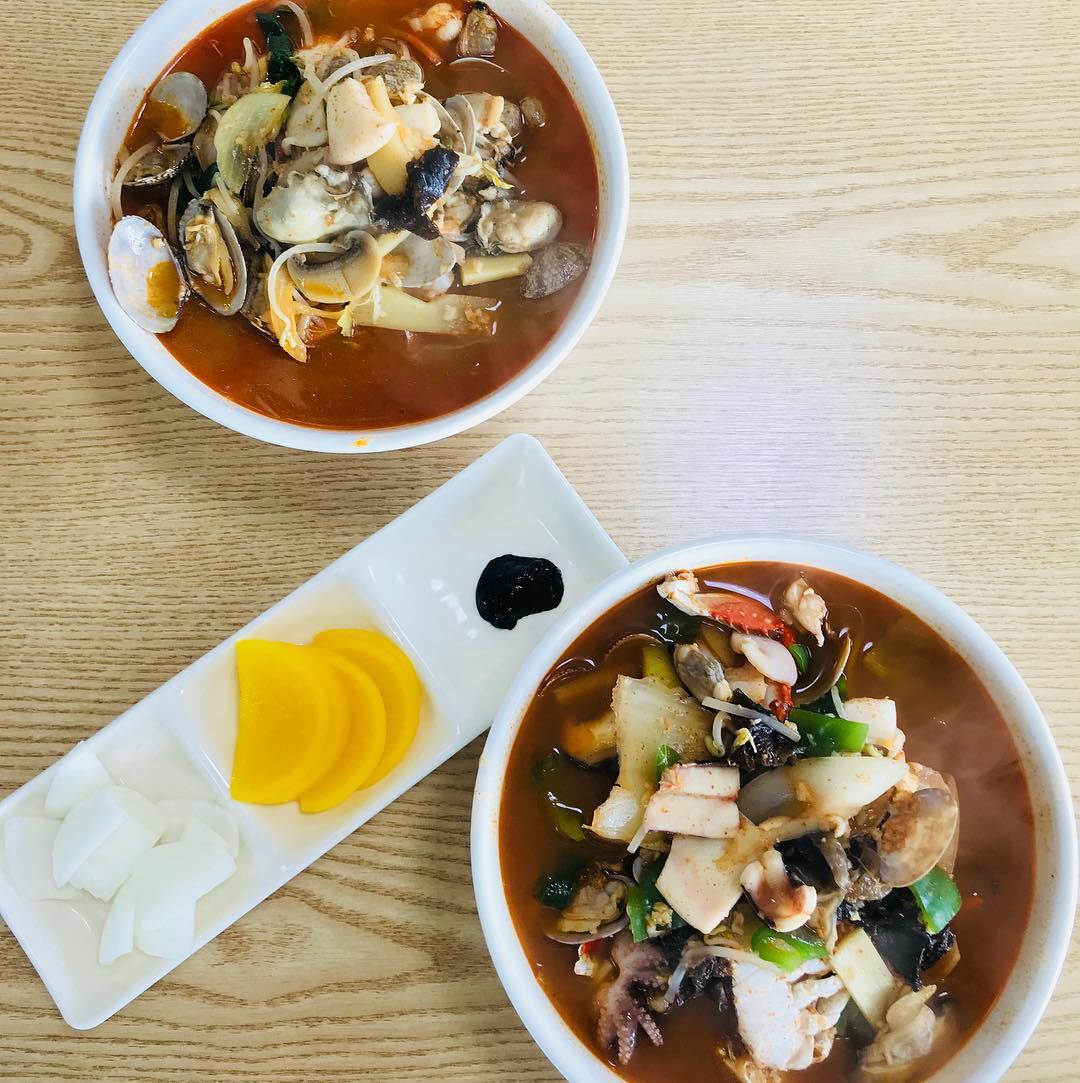
SaseongakA restaurant serving Chinese dishes such as jjajangmyeon, jjamppong, and tangsuyuk.
6
SaseongakA restaurant serving Chinese dishes such as jjajangmyeon, jjamppong, and tangsuyuk.
Events in This Area

Festivals in This Area

More Travel Guides in This Area
 Travel Guide
Imsil Cheese Village, Born from Father Ji Jeong-hwan’s Two Goats
 Travel Guide
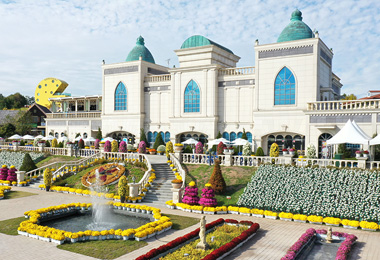
A Cheese Castle on the Prairie: How to Time Your Activities at Imsil Cheese Theme Park
 Travel Guide
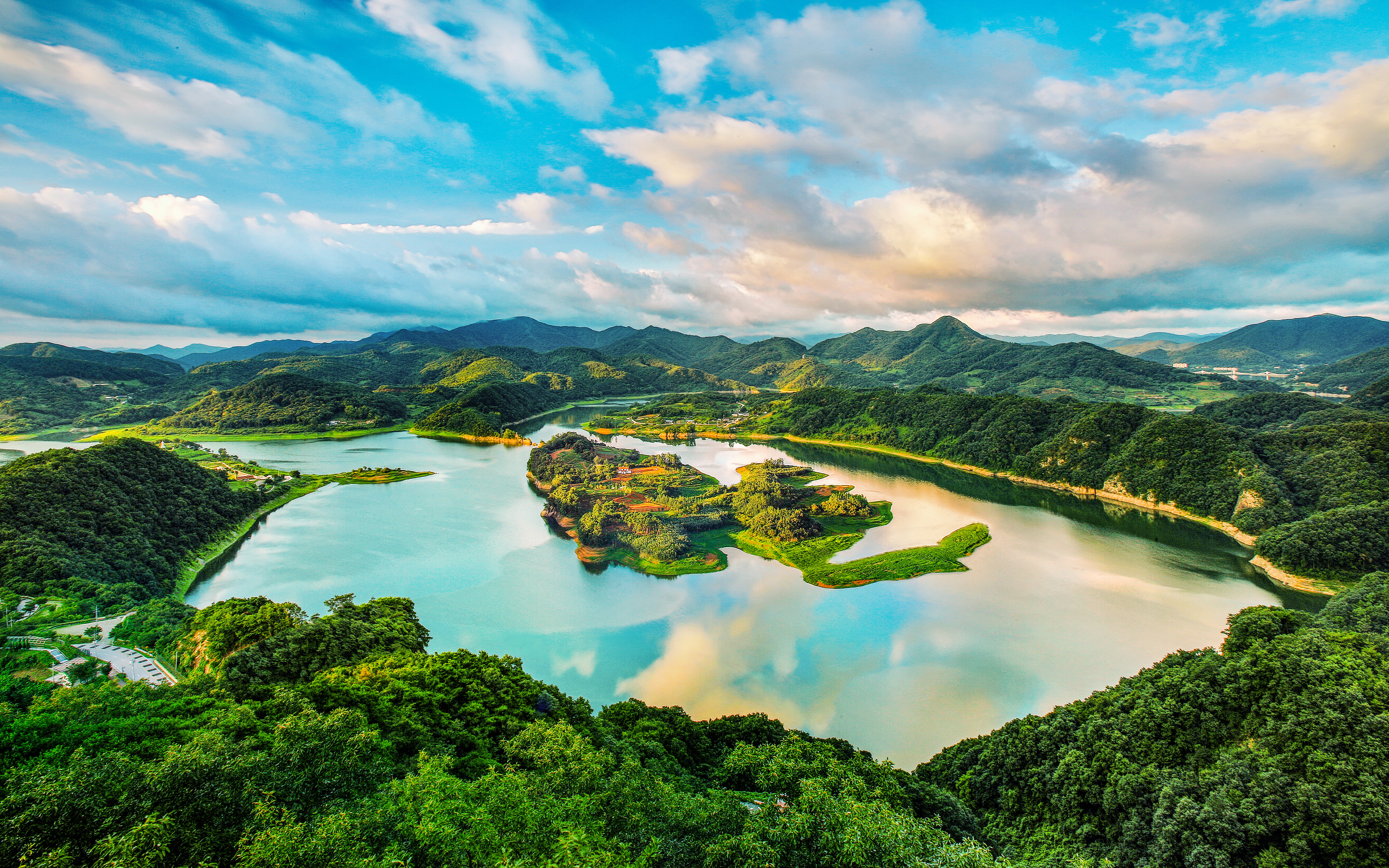
Cross 420 m of Water to Reach Carp Island via Okjeongho Suspension Bridge
 Travel Guide
![Han So-hee, Radiant Beauty After Going Blonde… Unmatched Aura [N Shot]](https://kotourlive-images.s3.ap-northeast-1.amazonaws.com/news/1788056981544_83c8b0b3_news_66e33b45-cf84-4724-87d9-d1340820437d.jpg)
![BOYNEXTDOOR’s Sungho selected as the new MC of ‘Show! Music Core’ [Official Statement]](https://kotourlive-images.s3.ap-northeast-1.amazonaws.com/news/1787908108799_a3cc378e_news_9a3cd086-931c-4b58-b977-4a5ac371238a.jpg)
![[Photo] KISS OF LIFE’s Natty Shows Off Her Glamorous Figure](https://kotourlive-images.s3.ap-northeast-1.amazonaws.com/news/1787908133694_557864f4_news_016e92e2-55c1-4838-9702-eb03b2ad56ec.jpg)
![Hyeri “Cute Wink” [★Photo]](https://kotourlive-images.s3.ap-northeast-1.amazonaws.com/news/1787908093800_c9b7529f_news_9274613b-0b8f-4076-a430-25a1545a679d.jpg)