A Hot Bowl of Ssanghwa-tang on Saeam-ro in Jeongeup
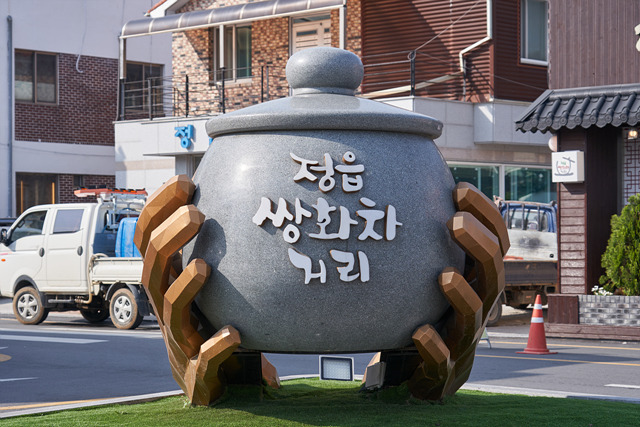
Jeongeup’s Ssanghwa Tea Street is lined with traditional tea houses along Saeam-ro, between Jeongeup Police Station and Jeongeup Tax Office. Enjoy a hot bowl of ssanghwa-tang made with herbal ingredients, chestnuts, jujubes, and nuts, then learn more about the street’s history and experience programs at the Ssanghwa Tea Community Lounge.

I’ve been here?
Your check-in helps the next traveler.
21 people viewed this week Be the first
One tap — no writing needed
How to find the 350–450 m stretch between Jeongeup Police Station and the Tax Office
Jeongeup Ssanghwa Tea Street is not a single building or paid facility, but a street of teahouses along Saeam-ro, extending from Jeongeup Police Station to Jeongeup Tax Office. Depending on the source, its length is described as approximately 350 m or 450 m. The official Jeongeup tourism page directs visitors to 147 Jungang 1-gil, Jeongeup-si, around the Jangmyeong-dong Administrative Welfare Center.
The representative address listed on tourism information pages is 173 Jungang 1-gil (Jangmyeong-dong), Jeongeup-si, Jeonbuk State, while the destination provided by the visitor is Ihwadam, 62 Uam-ro, Jeongeup-si, Jeonbuk State. Since the addresses cover multiple locations, if you have reserved a specific teahouse, it is safest to enter the shop name and address together in a map app.
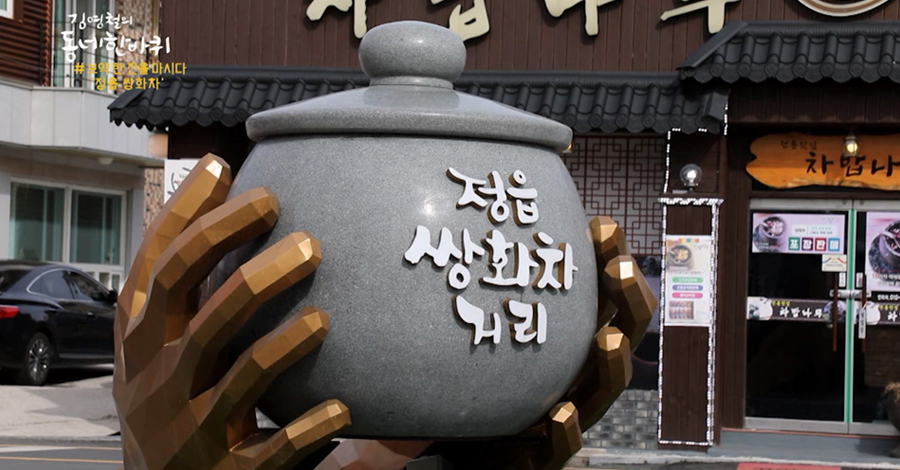
A street that began around Jeongeup Police Station in the 1980s
Jeongeup is introduced as a region with a long tea culture, to the extent that tea was recorded as a local specialty in old documents. Traditional teahouses specializing in ssanghwa tea naturally increased along Saeam-ro, and gradually expanded toward the area near the Jangmyeong-dong Community Service Center as ssanghwa tea came to be regarded as a health food.
Reports state that 12 traditional teahouses specializing in ssanghwa tea opened near Jeongeup Police Station beginning in the 1980s. Modurang opened in 1980, and Jeongeup’s Ongdong-myeon is described as a major growing area for rehmannia root, a key ingredient in ssanghwa tea, once accounting for 70% of national production.
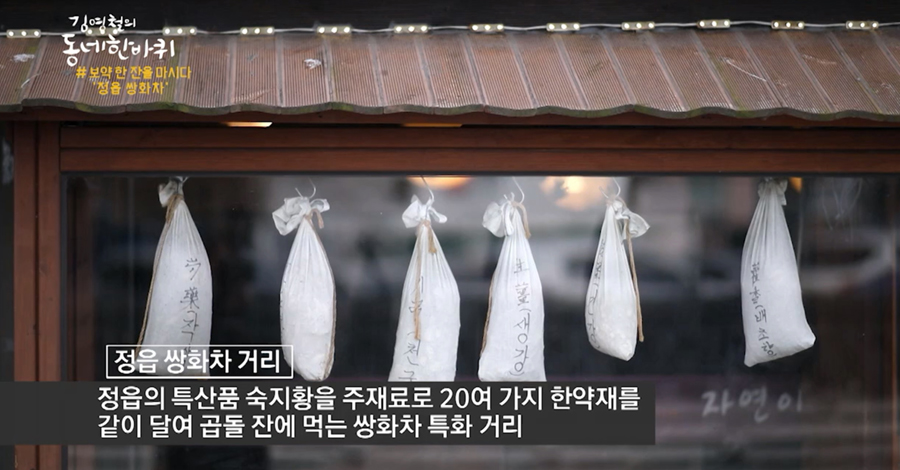
Different estimates of the current size: about 20 or about 40 establishments
The number of teahouses varies according to the date and scope of each source. A 2019 Korea Tourism Organization travel article introduced about 10 ssanghwatang teahouses on the street and about 50 throughout downtown Jeongeup, while a 2026 article stated that there were about 20 ssanghwa teahouses on both sides of the street.
Open Tourism information from the Korea Tourism Organization says that about 40 large and small ssanghwatang teahouses are thriving. Names such as Insadong, Modurang, Jayeonirae, Gung, Yeon, Beotnim, Chomo, Chabat, and Dasom-i are mentioned, but current operating status and locations may vary by shop, so visitors should check the signs along the street.
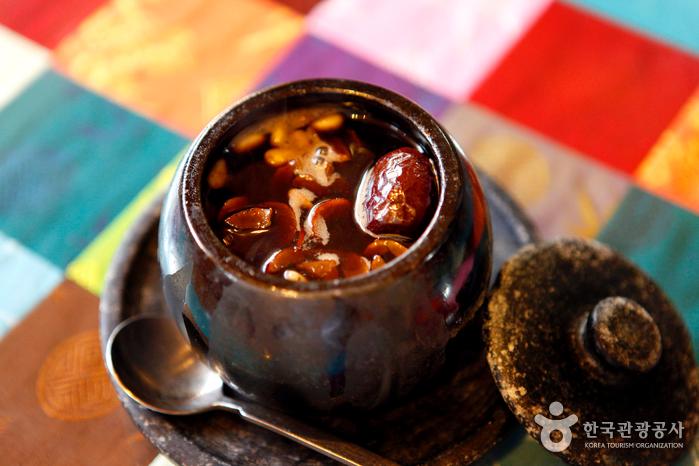
Hot ssanghwatang eaten with a spoon from a stone bowl
Jeongeup ssanghwa tea is introduced as a traditional medicinal herbal soup made with about 20 ingredients, including medicinal herbs, chestnuts, ginger, jujubes, prepared rehmannia root, and nuts. It is sometimes served in a heavy teacup made of soapstone, a method designed to keep it warm until the very last spoonful.
Because it is served boiling hot in the same cup in which it is cooked, it is extremely hot. A 2020 visitor review explains that the cup was too hot to hold by hand, so the drink was eaten with a spoon. Depending on the shop, it may be served with grilled garaetteok, seasonal fruit, sikhye, or omija tea. Yeon Teahouse introduced ssanghwatang containing chestnuts, jujubes, pine nuts, ginkgo nuts, and sunflower seeds, as well as assorted ssanghwatang topped with walnuts, almonds, and rice cake.
Longstanding menu records from Yeon, Modurang, and Insadong
According to a 2019 Korea Tourism Organization article, ssanghwatang at Insadong cost 6,000 won, while ssanghwatang at Modurang and Yeon each cost 7,000 won. The same article listed jujube tea at Insadong at 5,000 won and sweet-potato latte at 5,000 won; jujube extract and red ginseng at Modurang at 6,000 won each; and jujube tea at Yeon at 7,000 won and omija tea at 6,000 won.
Insadong is described as using 21 ingredients, including peony root, hawthorn, ginger, cnidium, and astragalus, along with four garnishes, and boiling the drink in a traditional onggi vessel. Modurang uses 17 medicinal ingredients and two or three secret ingredients, accompanied by seasonal fruit such as bananas or tangerines.
- Modurang: 140-5 Jungang 1-gil, Jeongeup-si, Jeonbuk State, 063-531-9635
- Insadong: 140-3 Jungang 1-gil, Jeongeup-si, Jeonbuk State, 063-532-7742
- Yeon: 166 Jungang 1-gil, Jeongeup-si, Jeonbuk State, 063-532-6262
Opening hours vary by shop, from 09:00 to 23:30
There are no unified operating hours or common closing days for the entire street. Tourism information generally lists 10:00–22:00, with a note that hours vary by business. Admission to the street is free; the actual cost is the amount of the menu order at the teahouse you choose.
According to 2019 information, Insadong was open year-round from 10:30–23:30, while Modurang and Yeon were each open year-round from 09:00–23:00. Other information lists Dasoni as open from 10:30–20:00 and Sowol Ssanghwa Tea as open daily from 10:00–21:00. Visitors arriving early in the morning or late at night should therefore confirm each shop’s operating status by phone.
The Jeongeup City Hall Tourism Division can be contacted at 063-539-5231, and the contact number for the person in charge of the official Jeongeup tourism page is 063-539-6881. The official website is the Jeongeup City website: https://www.jeongeup.go.kr/.
Parking route extending to the Ssanghwa Tea Community Lounge
Parking facilities are reported to be available. The parking lot for the Jeongeup Ssanghwa Tea Community Lounge is at 699-4 Suseong-dong, Jeongeup-si, about 174 m from the street, or approximately a three-minute walk. Parking fees and the number of available spaces were not confirmed in the available information.
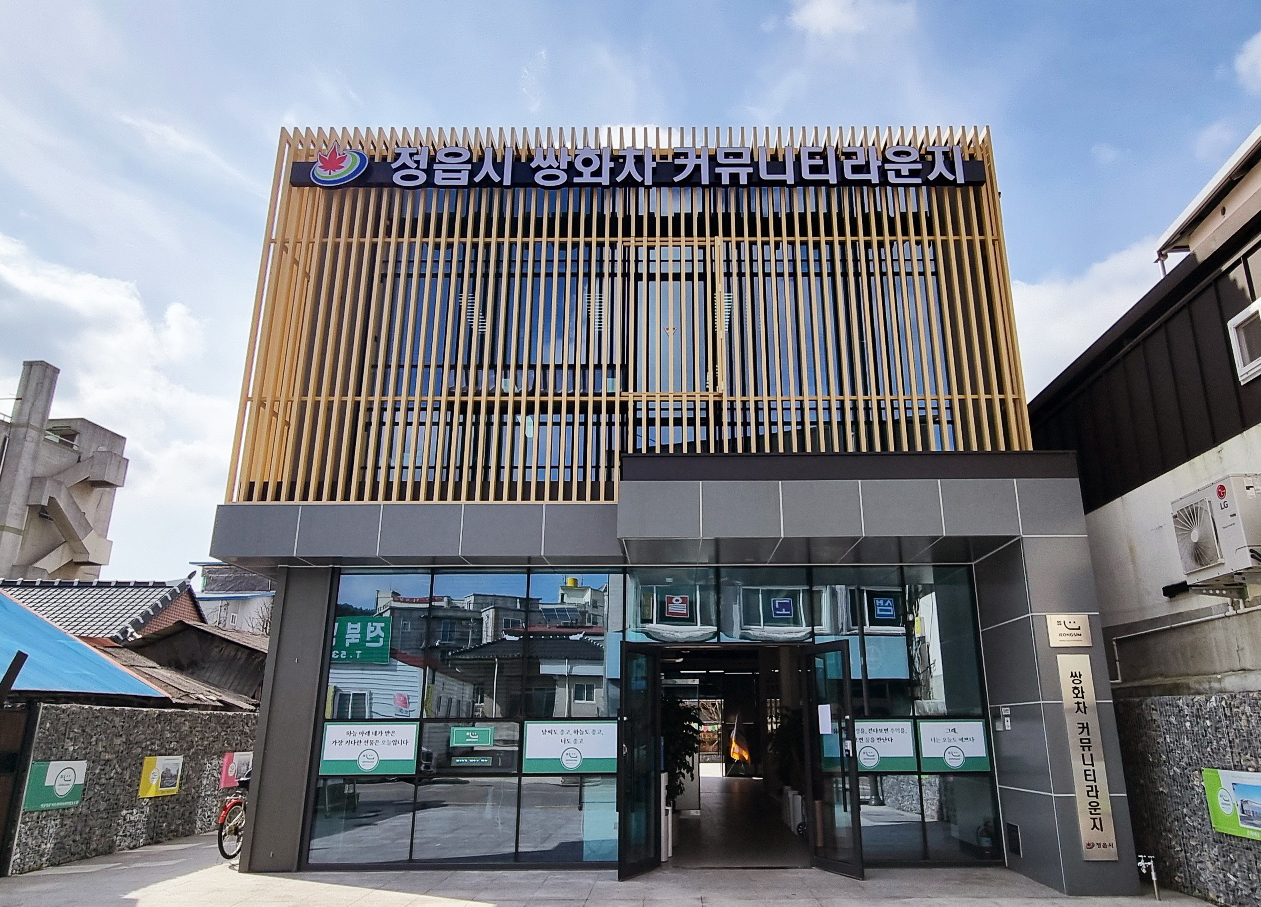
The Ssanghwa Tea Community Lounge is located at 124 Jungang 1-gil, Jeongeup-si, and is operated by the Jeongsim Village Management Social Cooperative. It is introduced as a multipurpose cultural space hosting ssanghwa tea history and cultural experiences, ssanghwa tea expert training courses, hands-on programs, and community gatherings, making it suitable for travelers who want to add a local interpretation experience to a simple tea-drinking itinerary.
No confirmed information is available about bus routes, stops, or exit numbers from Jeongeup Station or Jeongeup Bus Terminal. For first-time foreign visitors, the clearest method is to search for “Jeongeup Ssanghwa Tea Street” or the reserved teahouse’s road-name address in a map app, then follow Saeam-ro between Jeongeup Police Station and Jeongeup Tax Office after arrival.
A busy season coinciding with Naejangsan’s autumn foliage in late October
A 2019 travel article introduced the street as becoming busier with visitors during the late-October autumn foliage season at Naejangsan. Other reports explain that the street is crowded from the time cold winds begin and Naejangsan’s leaves start to fall through April of the following year.
Therefore, travelers seeking a quiet tea experience may benefit from avoiding weekends during the foliage season and colder months, although this is a scheduling judgment based on seasonal visit reports rather than official congestion data. A 2020 review recorded a teahouse stay of about 30 minutes; visiting several shops or adding an experience at the Community Lounge will take longer.
The main access route and entrance passage to the street were found to have no steps up to the entrance, making them wheelchair accessible. However, information was not confirmed regarding seating space, restrooms, stroller accessibility, English information or audio guides, photography restrictions, or cash-only payment at individual teahouses.
Before You Go
- Address
- Representative address: 173 Jungang 1-gil (Jangmyeong-dong), Jeongeup-si, Jeonbuk State; official Jeongeup tourism page: around the Jangmyeong-dong Administrative Welfare Center at 147 Jungang 1-gil, Jeongeup-si; user-provided address: Ihwadam, 62 Uam-ro, Jeongeup-si, Jeonbuk State.
- Hours
- Varies by establishment. Confirmed teahouse hours: Insadong 10:30–23:30, Modurang 09:00–23:00, and Yeon 09:00–23:00. Other reviews list Dasoni as 10:30–20:00 and Sowol Ssanghwa Tea as daily 10:00–21:00. Confirm individually with the teahouse you plan to visit.
- Closed
- No common closing day for the entire street was confirmed. In a 2019 article, Insadong, Modurang, and Yeon were all introduced as open year-round.
- Admission
- Free admission to the street.
- Phone
- Jeongeup City Hall Tourism Division 063-539-5231; person in charge of the official Jeongeup tourism page 063-539-6881. Individual teahouses: Modurang 063-531-9635, Insadong 063-532-7742, Yeon 063-532-6262.
- Official site
- https://www.jeongeup.go.kr/
- Transport
- The Saeam-ro section extending from Jeongeup Police Station to Jeongeup Tax Office. Approximately a three-minute walk (174 m) from the Ssanghwa Tea Community Lounge parking lot to Ssanghwa Tea Street. Bus numbers, station names, and exit numbers were not confirmed.
- Parking
- Parking facilities available. Ssanghwa Tea Community Lounge parking lot: 699-4 Suseong-dong, Jeongeup-si, approximately a three-minute walk (174 m) to the street. Parking fees were not confirmed.
- Time needed
- About 30 minutes according to reviews, reflecting time spent drinking ssanghwa tea at a teahouse. It may take longer if you visit several teahouses or include a walk along the street.
- Accessibility
- The main access route and entrance passage were found to have no steps up to the entrance and to be wheelchair accessible. Accessibility of seating and restrooms inside individual teahouses was not confirmed.
The information above is accurate as of the writing date. Check official information again before visiting.

Places
Nearby Attractions 3
-
 1
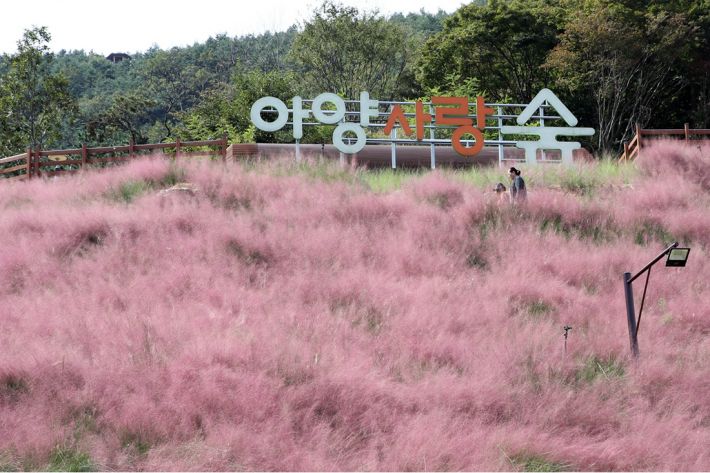
Jeongeupsa ParkA park for strolling around the Statue of the Waiting Wife and the Jeongeupsa Monument
1
Jeongeupsa ParkA park for strolling around the Statue of the Waiting Wife and the Jeongeupsa Monument -
 2
2
-
 3
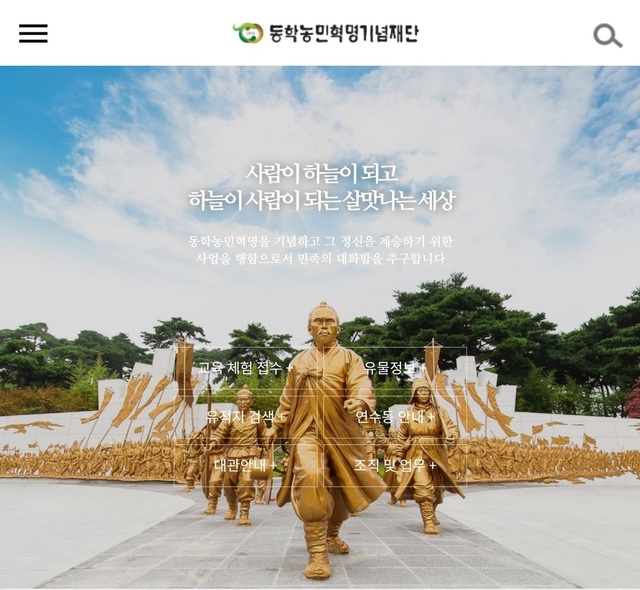
Donghak Peasant Revolution Memorial HallA memorial hall showcasing historical materials and exhibitions on the Donghak Peasant Revolution
3
Donghak Peasant Revolution Memorial HallA memorial hall showcasing historical materials and exhibitions on the Donghak Peasant Revolution
Food & Dining 3
-
 4
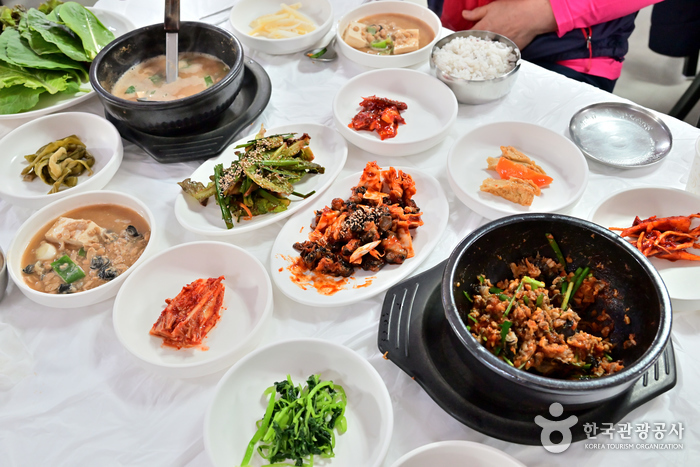
Gukhwa HoegwanA local Korean restaurant serving dishes such as freshwater snail ssambap and cheonggukjang
4
Gukhwa HoegwanA local Korean restaurant serving dishes such as freshwater snail ssambap and cheonggukjang -
 5
5
-
 6
6
Events in This Area

Festivals in This Area

More Travel Guides in This Area
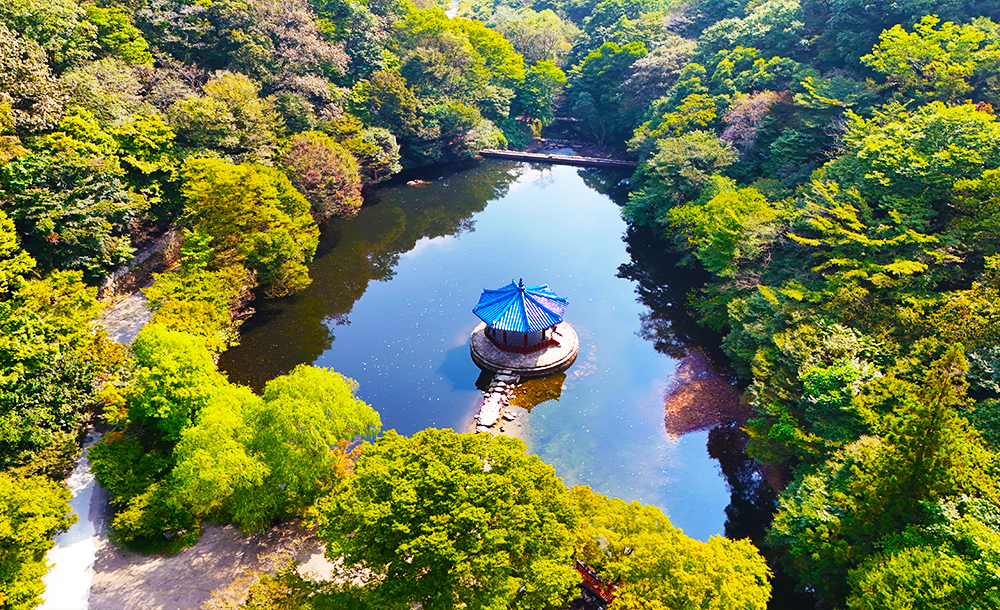 Travel Guide
From the 108-Tree Maple Tunnel to Sinseonbong Peak: A Walking Route through Jeongeup’s Naejangsan
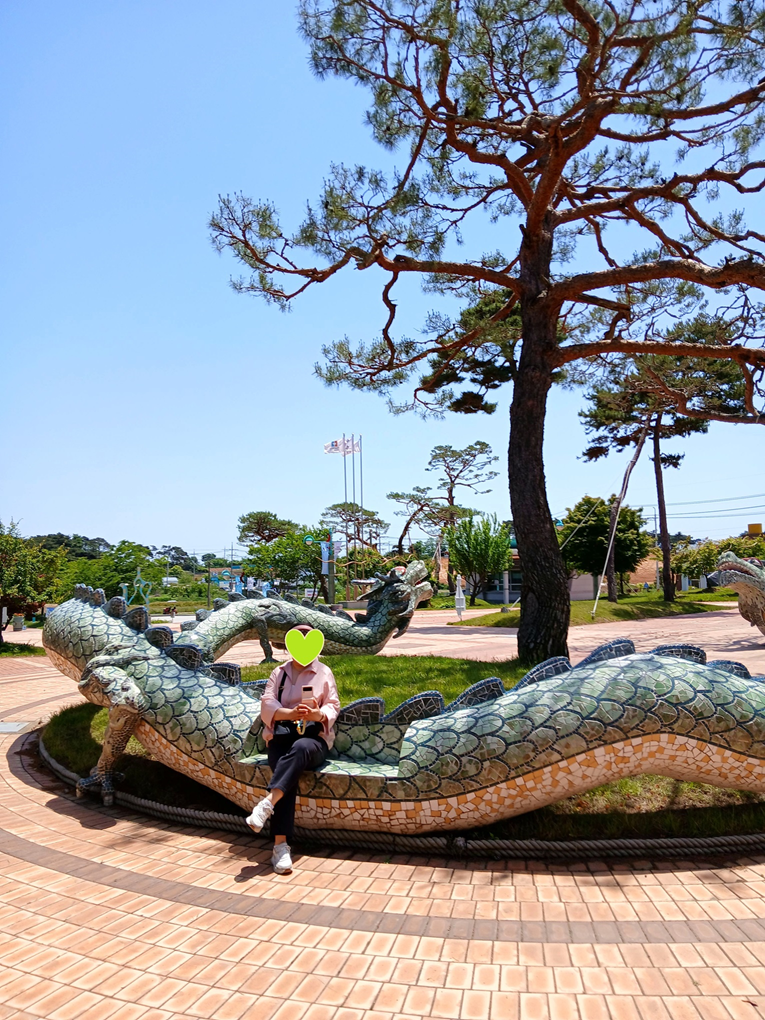 Travel Guide
Reading a Thousand Years of Celadon Color, Beginning at the Yucheon-ri Kiln Site
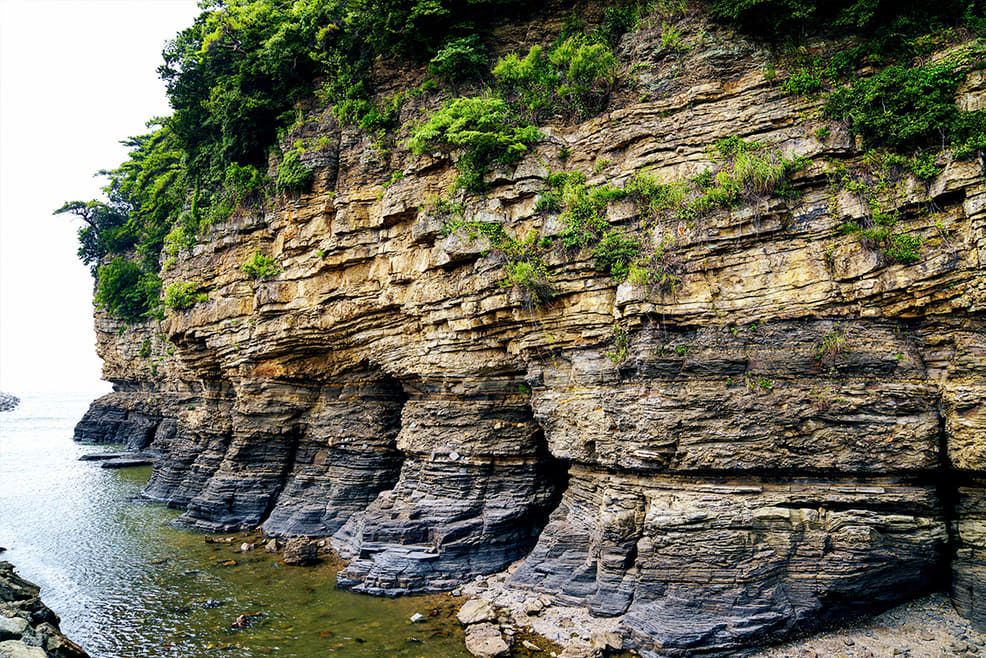 Travel Guide
How to Safely Visit the Chaeseokgang Cliffs and Sea Caves at Low Tide
 Travel Guide
Reading the Map of Exploitation in Jo Jeong-rae’s Arirang amid the Fields of Juksan-myeon, Gimje
Korea News
 News
News
‘NewJeans Expulsion’ Danielle Releases Her First YouTube Video… “We Don’t Know What Will Happen Next”
![aespa’s North American Tour Has Remaining Seats Despite ‘$49’ Bargain Prices… A Stark Popularity Gap with KATSEYE [TEN Starfield]](https://kotourlive-images.s3.ap-northeast-1.amazonaws.com/news/1788485037424_a59b1932_naver_rank_thumb_0000774618_1788485037424.jpg) News
News
aespa’s North American Tour Has Remaining Seats Despite ‘$49’ Bargain Prices… A Stark Popularity Gap with KATSEYE [TEN Starfield]
![[Photo] TWICE’s Dahyun attends a film festival red carpet as an actress](https://kotourlive-images.s3.ap-northeast-1.amazonaws.com/news/1788485316508_edd43ecd_news_870a60a6-6f11-4d73-aa7c-48d91318a0f7.jpg) News
News
[Photo] TWICE’s Dahyun attends a film festival red carpet as an actress
![[On-Site Video] “We’re Departing Separately Together”… BIGBANG Begins ‘COSMOS’ World Tour](https://kotourlive-images.s3.ap-northeast-1.amazonaws.com/news/1788485226518_c5719641_news_fdd4764a-0f4e-4968-8e4e-e98a02872f88.jpg) News
News