From Baekundongseowon in 1542 to a UNESCO Seowon: Yeongju Sosuseowon
Yeongju Sosuseowon began in 1542 as a shrine for An Hyang, established by Ju Sebung on the site of Suksusa Temple. It was the first royally chartered seowon in Korea. This guide covers practical visitor information, including seasonal opening hours, admission fees, bus route 27 from Yeongju Intercity Bus Terminal and Punggi Station, and key sites such as the Lecture Hall and Munseonggongmyo Shrine.
I’ve been here?
Your check-in helps the next traveler.
18 people viewed this week Be the first
One tap — no writing needed
A 1542 Confucian Academy Beside Jukgyecheon Stream at Sobaeksan Mountain
Yeongju Sosuseowon Confucian Academy is located at 2740 Sobaek-ro, Sunheung-myeon, Yeongju-si, Gyeongsangbuk-do, at 152-8 Naejuk-ri. It sits on level ground beside Jukgyecheon Stream, which flows down from Sobaeksan Mountain, so it is best understood as an educational and ritual space arranged on flat terrain rather than as a historic site requiring a mountain climb.
It began in 1542 when Ju Se-bung, the county magistrate of Punggi, built a shrine for An Hyang on the former site of Suksusa Temple. Baegundongseowon was established in 1543 and accepted its first three resident scholars. The key point is that the present site is a historic complex formed through the overlap of a Buddhist temple site and an educational space for Neo-Confucianism during the Joseon period.>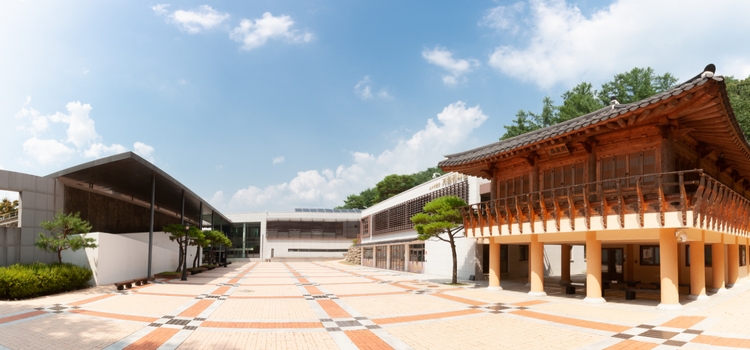
How It Became a Royally Chartered Academy in 1550 with the “Sosu” Signboard
Ju Se-bung established academy regulations in 1544 and enshrined the brothers An Chuk and An Bo. In 1549, Toegye Yi Hwang, who had been appointed county magistrate of Punggi, requested a royal charter for Baegundongseowon. In 1550, King Myeongjong granted it the name “Sosu” and a signboard bearing words written personally by the king.
Thus, Sosuseowon became more than simply an old lecture site: it acquired its current name as an academy officially recognized by the state through the granting of its name and signboard. From 1543 to 1888, more than 4,300 scholars graduated from the academy. After being designated a Historic Site in 1962, it was inscribed as “Seowon, Korean Neo-Confucian Academies” on the UNESCO World Heritage List in 2019.
Understanding the Academy’s Route through Ganghakdang and Munseonggongmyo Shrine
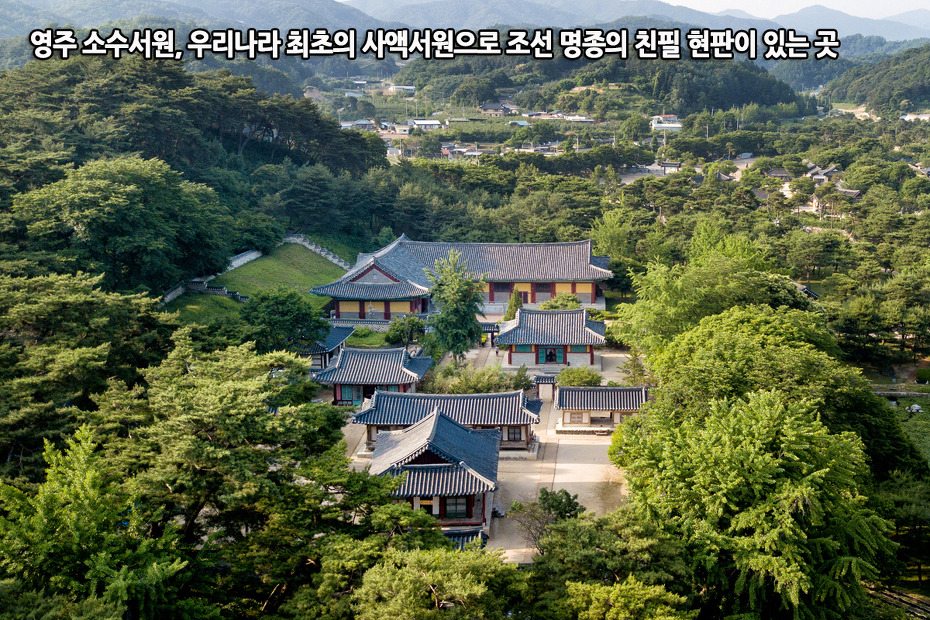
The central buildings within the grounds are Ganghakdang and Munseonggongmyo Shrine. Ganghakdang is a building with raised wooden verandas on all four sides and columns in the entasis style, revealing the open structure of the space where lectures were held. Ganghakdang and Munseonggongmyo Shrine are designated Treasures, but the available materials do not make it possible to verify their respective official designation dates separately.
Munseonggongmyo Shrine enshrines An Hyang, An Chuk, An Bo, and Ju Se-bung. Behind Ganghakdang are Jikbangjae and Ilsinjae, the teachers’ quarters, while Hakgujae and Jirakjae, where the resident scholars lived, stand beside them. Following the route through Jeonsacheong, Jangseogak, Gyeongnyeomjeong, Gojiksa, the Historical Materials Hall, Yeongjeonggak, and Chwihandae makes it easy to understand how the educational, ritual, and residential functions were separated.>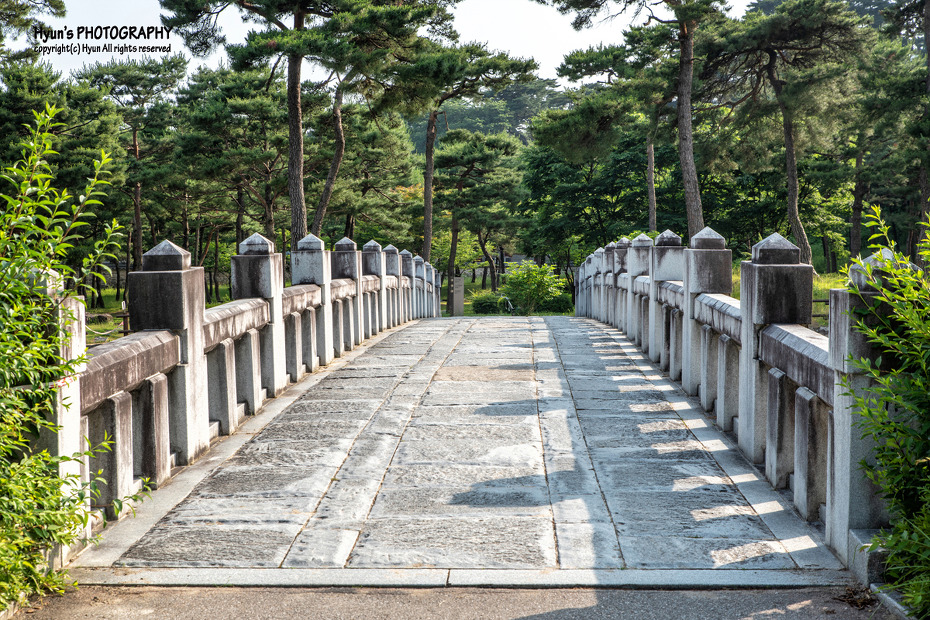
About 150 Pine Trees at the Entrance and the Jukgyecheon Landscape
About 150 of the approximately 1,000 pine trees said to have been planted by Ju Se-bung in honor of An Hyang remain at the entrance. Since this section offers views of both the old woodland and the buildings, taking in the arrangement of the trees and the flat terrain from the entrance, rather than quickly checking only the buildings, helps visitors understand the character of the site.
Reviews mention Sosuseowon as a pleasant place to explore at a leisurely walking pace, and some also praise the harmony between the old woodland and the buildings. However, the precise recommended viewing time and the walking distance from the ticket booth to the main buildings have not been confirmed. It is therefore safer to plan ample time for the academy grounds and adjacent facilities rather than scheduling photography or transfers down to the minute.>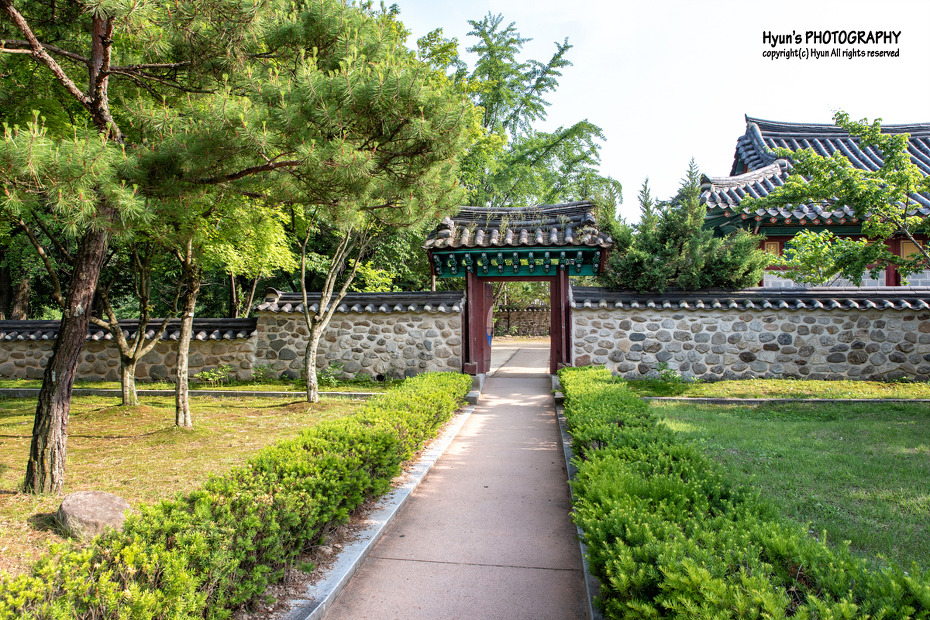
Getting There by Bus 27 from Yeongju Intercity Bus Terminal
When departing from Seoul, you can take an express bus to Yeongju from Dong Seoul Bus Terminal. There are 32 services per day, and the journey takes approximately 2 hours and 10 minutes. After arriving at Yeongju Intercity Bus Terminal, the recommended route is to take Bus 27 from the terminal stop and get off at the Sosuseowon stop.
The bus ride from the Yeongju Intercity Bus Terminal stop to Sosuseowon takes approximately 55 minutes, followed by about a 2-minute walk from the bus stop to Sosuseowon. The local bus ride from Yeongju to Sunheung is listed as approximately 30 minutes, with buses bound for Baejeom and Cheongguri covering this section. Because the bus information is based on material updated in December 2019, international travelers should be prepared to tell the terminal staff that their destination is “Sosuseowon Bus Stop.”>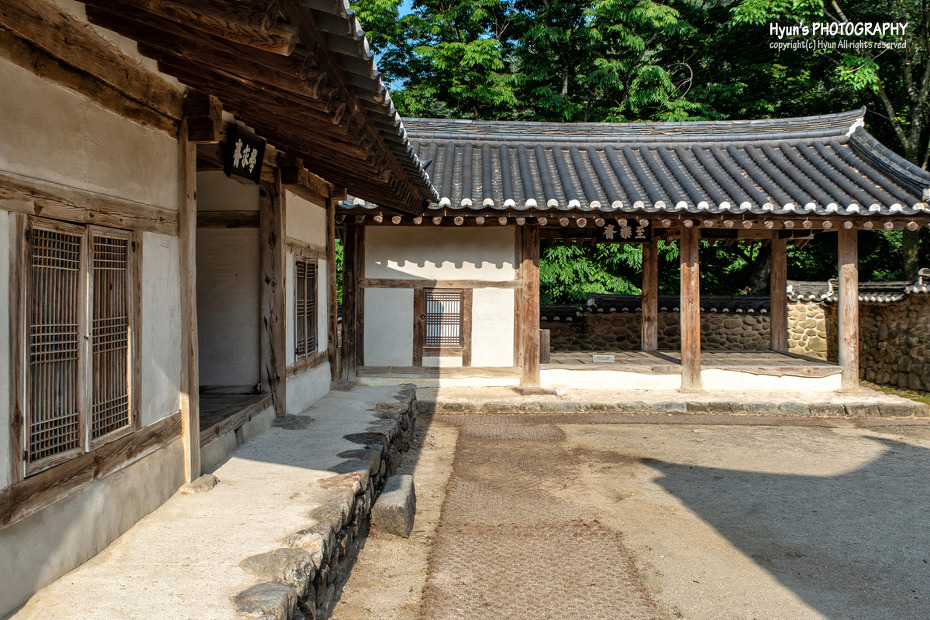
Options for Taking Bus 27 from Punggi Station
If you are arriving by train, you can take Bus 27 from the Punggi Station stop to the Sosuseowon stop. The journey from Punggi Station to Sosuseowon is listed as approximately 30 minutes, offering an option that avoids traveling to Yeongju Intercity Bus Terminal.
Parking for visitors arriving by car is available for 134 vehicles: 38 large vehicles, 102 small vehicles, and 8 accessible spaces. Parking fees could not be confirmed on the official website, and precise wheelchair and stroller accessibility information was also unavailable. Public transportation users and visitors using mobility aids may contact the Sosuseowon management office before departure. The management office telephone number is 054-634-3310.
Applying Seasonal Hours and Admission Fees on Site
Sosuseowon is open year-round. From March to May and September to October, it is open from 09:00 to 18:00; from June to August, from 09:00 to 19:00; and from November to February, from 09:00 to 17:00. Admission is allowed until one hour before closing. Therefore, arrivals after 16:00 in winter, after 17:00 in spring and autumn, or after 18:00 in summer may be too late for entry.
Individual admission is 2,000 won for adults, 1,330 won for teenagers, and 660 won for children. Groups of 20 or more paying visitors pay 1,660 won per adult, 1,000 won per teenager, and 530 won per child. Children aged 6 and under and adults aged 65 and over are admitted free. Bicycles and pets are not permitted, and it has not been confirmed whether photography is restricted, whether payment is cash-only, or whether English information and an audio guide are available.
A Baegungyo Connection Course That Goes Beyond Sosuseowon
Crossing Baegungyo or Jukgyegyo from Sosuseowon leads to the Sosu Museum and Seonbichon Village. Within the academy, visitors can also view the portrait of An Hyang, the Sosuseowon signboard bearing King Myeongjong’s calligraphy, and cultural heritage associated with the flagpole supports at the former Suksusa Temple site. The portrait of An Hyang was designated a National Treasure on December 20, 1962.
National heritage associated with Sosuseowon consists of one National Treasure, five Treasures, one Historic Site, and one National Folklore Cultural Heritage item, for a total of eight items. Visitors can tour Sosuseowon, the Sosu Museum, and Seonbichon Village with a professional guide. For interpretation reservations, contact the Sosuseowon Tourist Information Center at 054-639-5852. The official website is https://www.yeongju.go.kr/open_content/sosuseowon/index.do.
Before You Go
- Address
- 2740 Sobaek-ro, Sunheung-myeon, Yeongju-si, Gyeongsangbuk-do (152-8 Naejuk-ri)
- Hours
- Open year-round; March–May and September–October 09:00–18:00 / June–August 09:00–19:00 / November–February 09:00–17:00; admission until one hour before closing
- Closed
- Open year-round
- Admission
- Individuals: adults 2,000 won / teenagers 1,330 won / children 660 won; groups of 20 or more: adults 1,660 won / teenagers 1,000 won / children 530 won
- Phone
- Sosuseowon Management Office: 054-634-3310; Tourist Information Center: 054-639-5852
- Official site
- https://www.yeongju.go.kr/open_content/sosuseowon/index.do
- Transport
- Take Bus 27 from the Yeongju Intercity Bus Terminal stop, get off at the Sosuseowon stop, approximately 55 minutes; about a 2-minute walk from the stop to Sosuseowon. Approximately 30 minutes by Bus 27 from Punggi Station
- Parking
- 134 spaces (38 large, 102 small, 8 accessible); parking fees could not be confirmed on the official website
- Time needed
- Reviews mention that it is pleasant to explore at a leisurely walking pace, but no specific viewing duration could be confirmed
- Accessibility
- Bicycles and pets are not permitted; specific wheelchair and stroller accessibility could not be confirmed
The information above is current as of the time of writing. Check the official guidance again before visiting.

Places
Nearby Attractions 3
-
 1
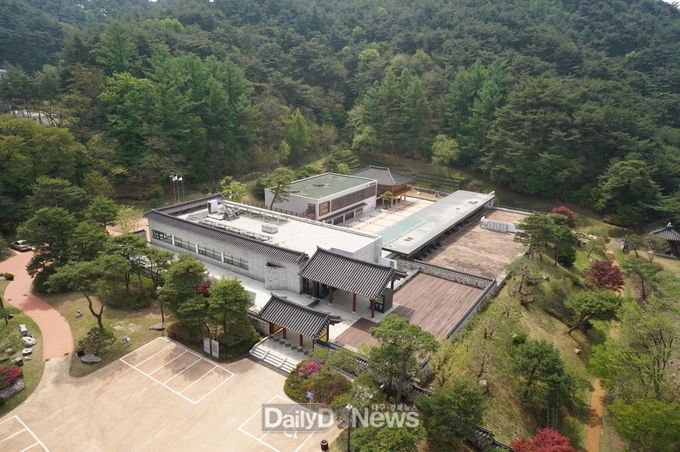
Sosu MuseumThe museum exhibits artifacts related to Confucianism and cultural heritage from the Yeongju region.
1
Sosu MuseumThe museum exhibits artifacts related to Confucianism and cultural heritage from the Yeongju region. -
 2
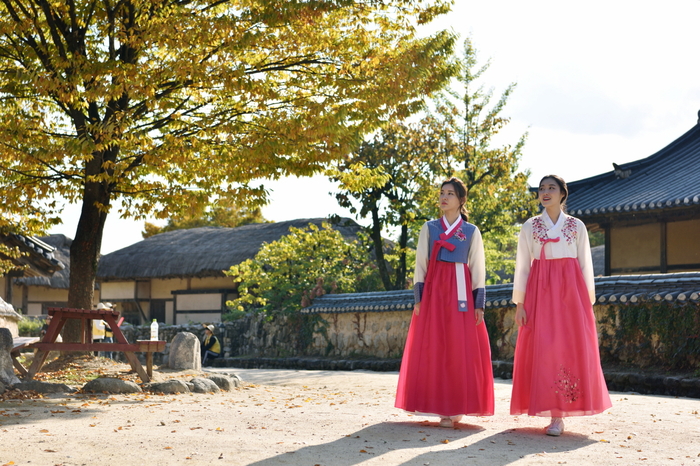
Seonbichon VillageExplore traditional hanok houses and experience the lifestyle and culture of scholars of old.
2
Seonbichon VillageExplore traditional hanok houses and experience the lifestyle and culture of scholars of old. -
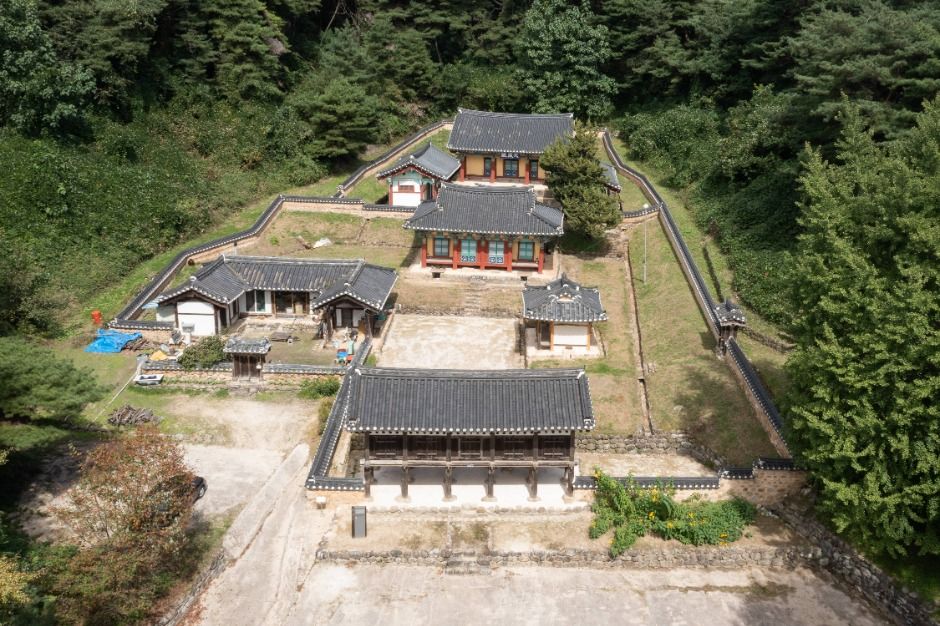 3
Sunheung HyanggyoExplore Joseon-era hyanggyo architecture and spaces dedicated to Confucian education.
3
Sunheung HyanggyoExplore Joseon-era hyanggyo architecture and spaces dedicated to Confucian education.
Food & Dining 3
-
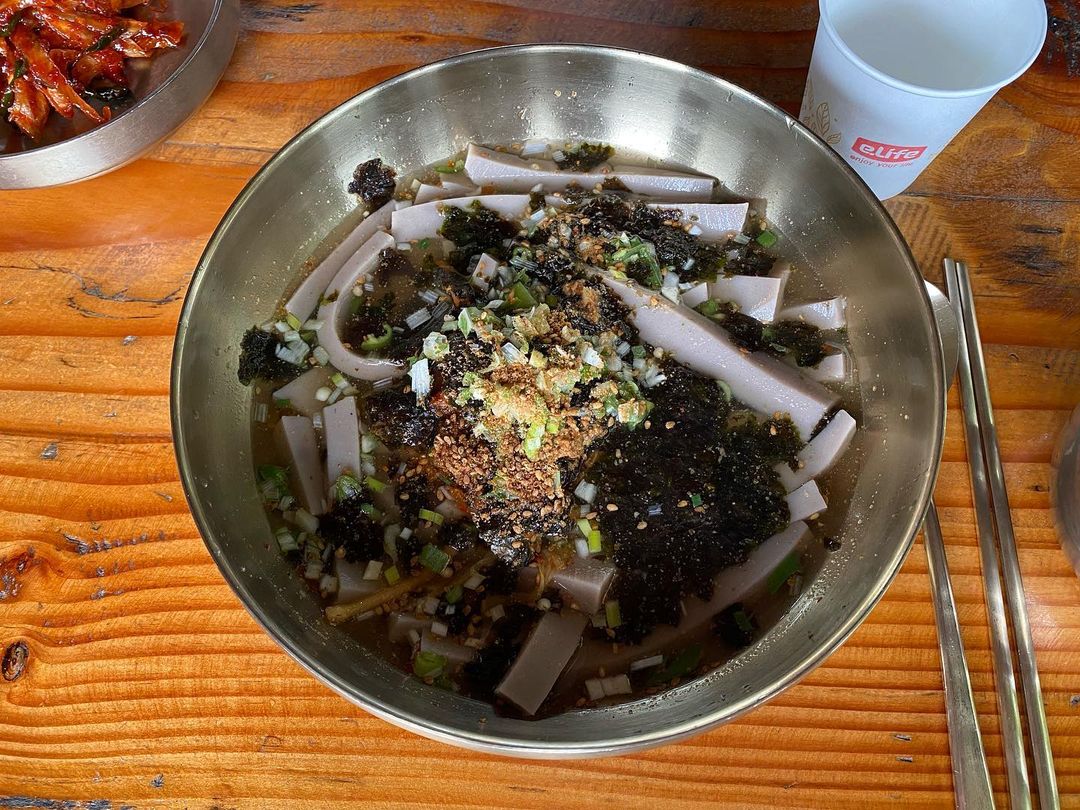 4
Sunheung Traditional MukjipEnjoy Sunheung’s local specialties, including buckwheat jelly and mukjor bap, rice mixed with muk.
4
Sunheung Traditional MukjipEnjoy Sunheung’s local specialties, including buckwheat jelly and mukjor bap, rice mixed with muk. -
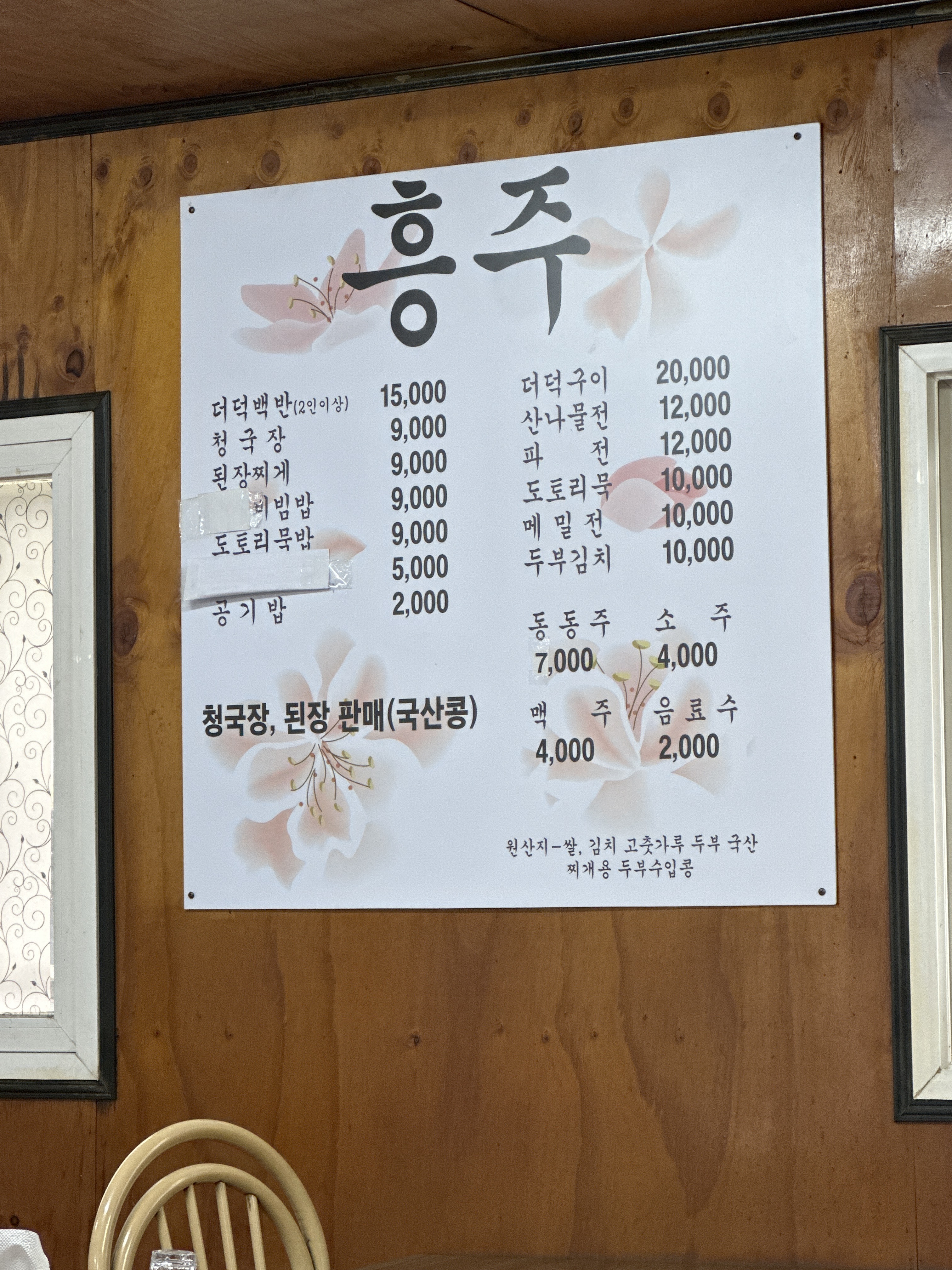 5
5
-
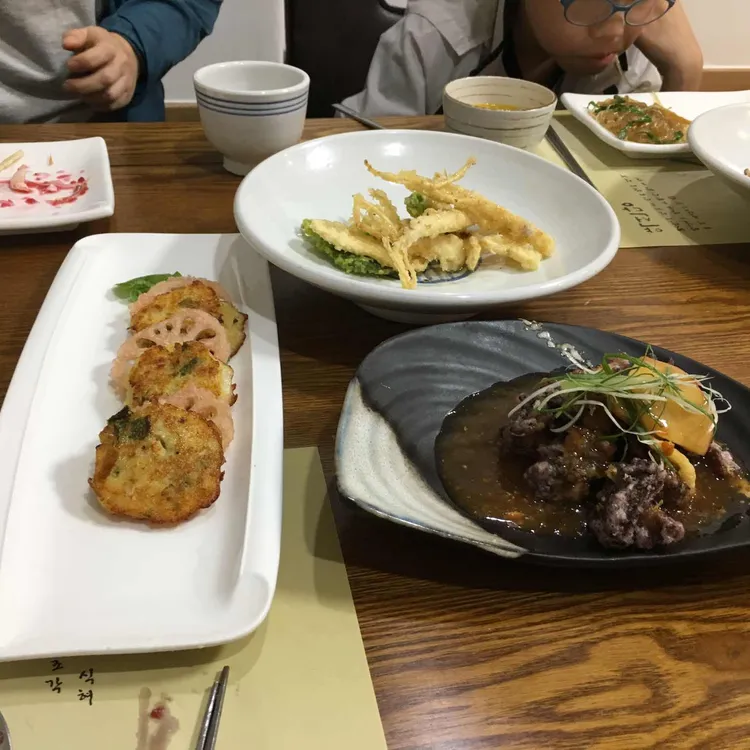 6
Yakseondang RestaurantEnjoy Korean royal cuisine, including ginseng set meals and medicinal herb set meals.
6
Yakseondang RestaurantEnjoy Korean royal cuisine, including ginseng set meals and medicinal herb set meals.
Events in This Area
Festivals in This Area
More Travel Guides in This Area
 Travel Guide
Reading Goryeo Architecture at Yeongju Buseoksa Temple, Between the Entasis Columns and the Western Buddhist Altar
 Travel Guide
Andong Hahoe Village, the 600-Year-Old Village of the Pungsan Ryu Clan Shaped by the Nakdong River’s S-Curved Meanders
 Travel Guide
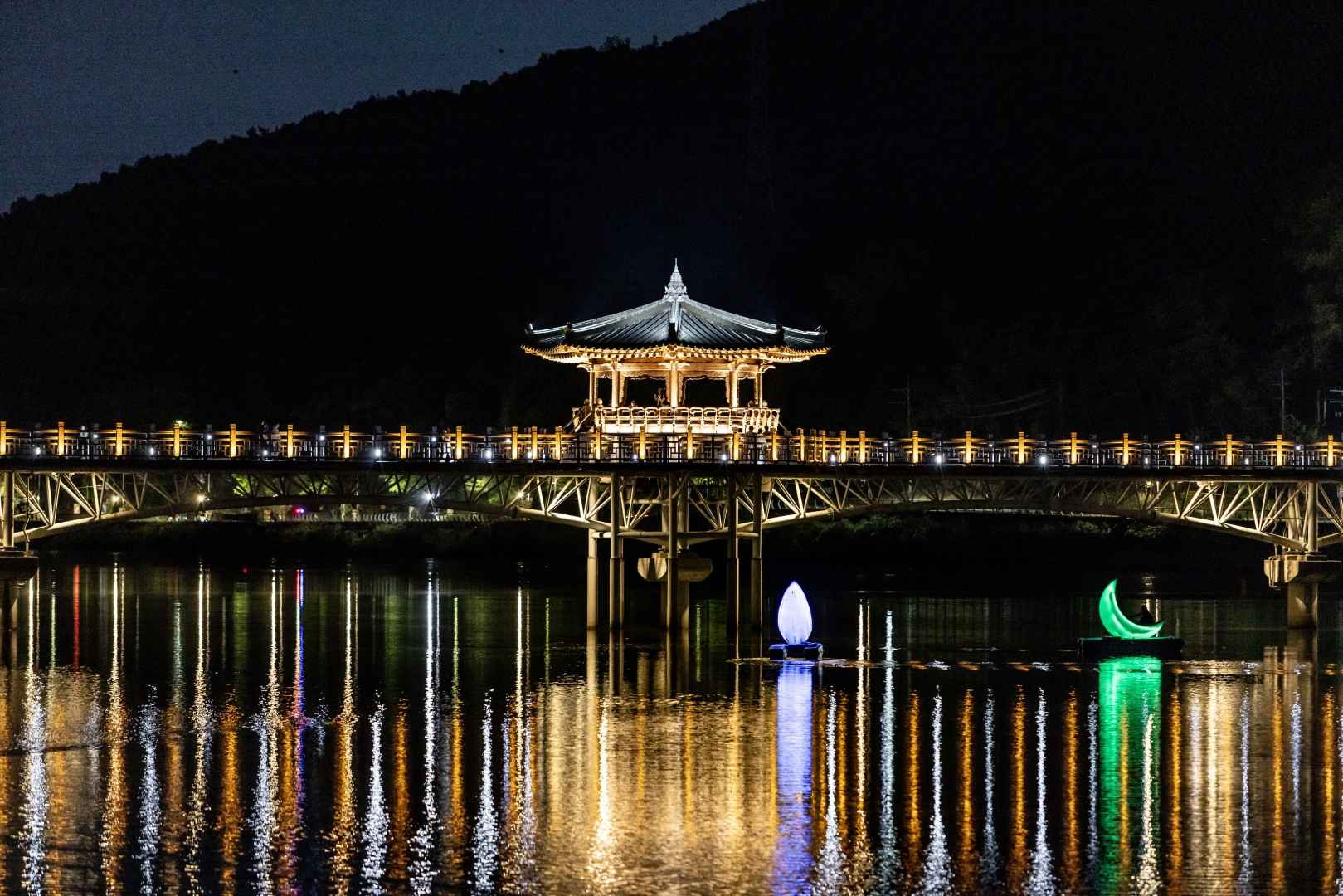
Andong Wolyeonggyo Bridge, 387 m, Connecting the Stories of Moonlight and Straw Shoes
 Travel Guide
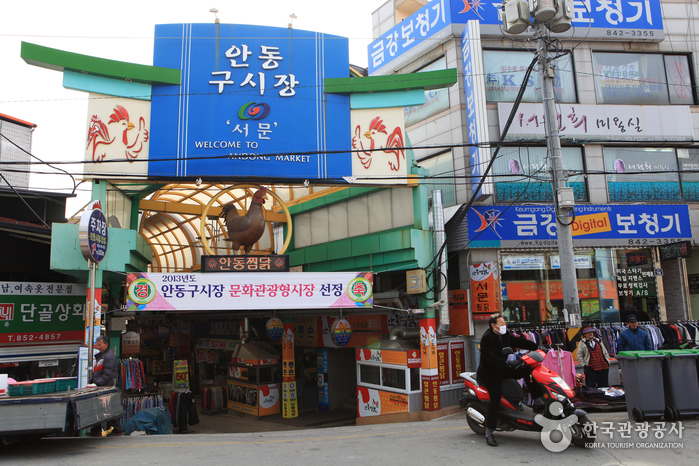
Andong Old Market’s Jjimdak Alley and the Market’s Present Day, 1970
Korea News
 News
News
‘NewJeans Expulsion’ Danielle Releases Her First YouTube Video… “We Don’t Know What Will Happen Next”
![aespa’s North American Tour Has Remaining Seats Despite ‘$49’ Bargain Prices… A Stark Popularity Gap with KATSEYE [TEN Starfield]](https://kotourlive-images.s3.ap-northeast-1.amazonaws.com/news/1788485037424_a59b1932_naver_rank_thumb_0000774618_1788485037424.jpg) News
News
aespa’s North American Tour Has Remaining Seats Despite ‘$49’ Bargain Prices… A Stark Popularity Gap with KATSEYE [TEN Starfield]
![[Photo] TWICE’s Dahyun attends a film festival red carpet as an actress](https://kotourlive-images.s3.ap-northeast-1.amazonaws.com/news/1788485316508_edd43ecd_news_870a60a6-6f11-4d73-aa7c-48d91318a0f7.jpg) News
News
[Photo] TWICE’s Dahyun attends a film festival red carpet as an actress
![[On-Site Video] “We’re Departing Separately Together”… BIGBANG Begins ‘COSMOS’ World Tour](https://kotourlive-images.s3.ap-northeast-1.amazonaws.com/news/1788485226518_c5719641_news_fdd4764a-0f4e-4968-8e4e-e98a02872f88.jpg) News
News