North Gyeongsang Province

庆北荣州 浮石寺无量寿殿 观千年木建筑与佛教史

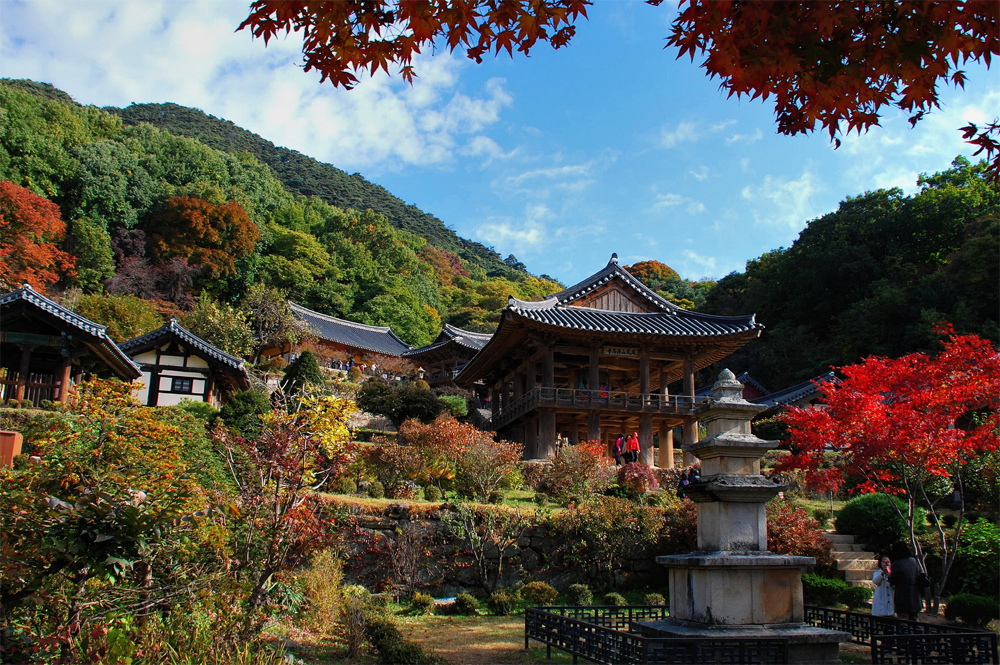
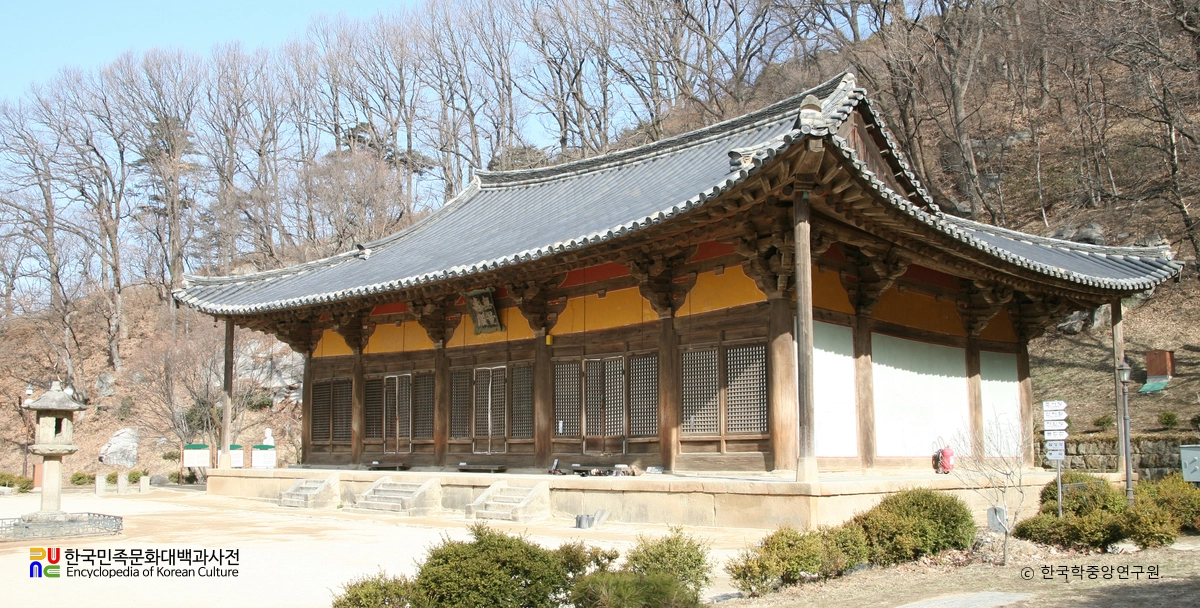
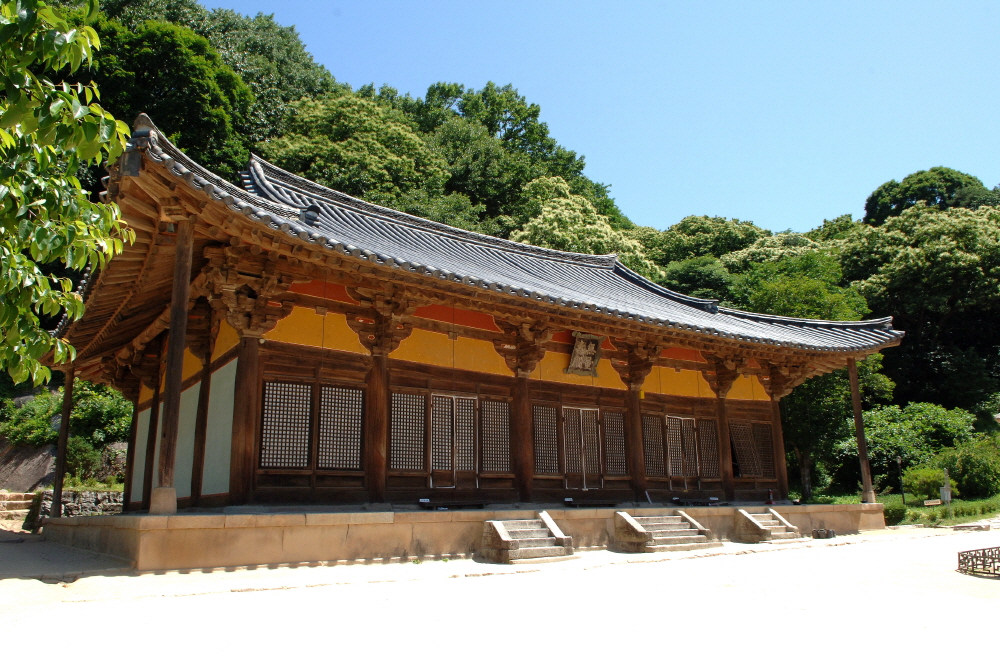
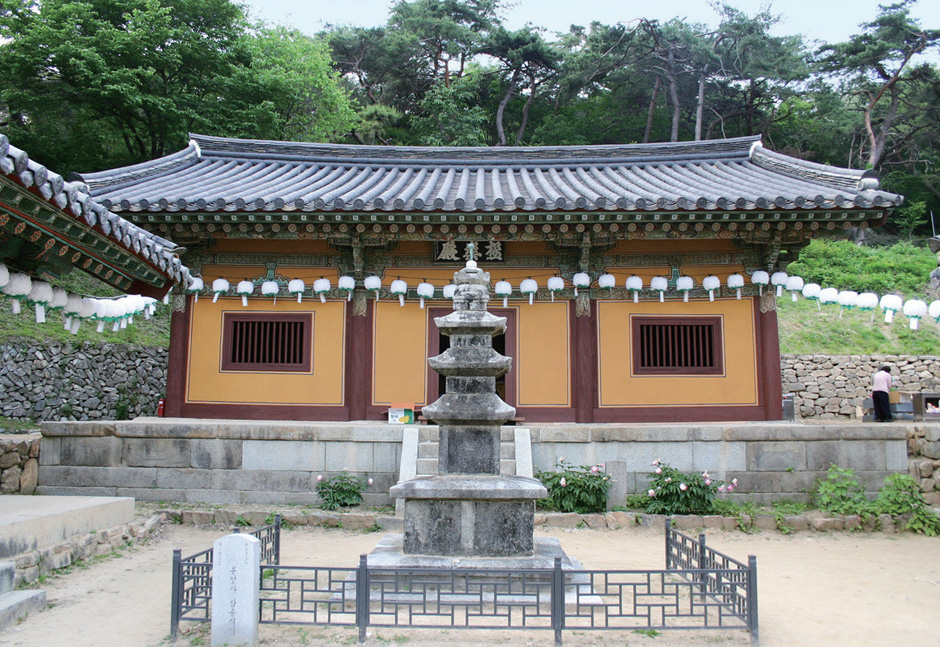
荣州浮石寺是位于韩国庆尚北道荣州市的、代表性的新罗时期寺院,由义相大师于公元676年创建,是重要的华严宗寺院。这里在韩国佛教建筑与历史上具有重大意义,尤其以国宝第18号“无量寿殿”而闻名。无量寿殿被认为是韩国最古老的木结构建筑之一,具有极高的文化遗产价值。韩国的传统寺院建筑与深厚佛教

由 KOTourLive 编辑团队撰写 更新: 2026年6月18日 16 min 354
庆北荣州 浮石寺无量寿殿 观千年木建筑与佛教史

概览

Gyeongbuk Yeongju Buseoksa

Yeongju Buseoksa is a representative Silla-dynasty temple in Yeongju, Gyeongsangbuk-do, and an important Hwaeom Buddhist temple founded in 676 by Monk Uisang. It holds great significance in Korean Buddhist architecture and history, and is especially well known for Muryangsujeon, National Treasure No. 18. Muryangsujeon is regarded as one of the oldest wooden buildings in Korea, giving it very high cultural heritage value. It is a highly worthwhile destination for foreign travelers who want to experience Korean traditional temple architecture and deep Buddhist history together.

精彩亮点

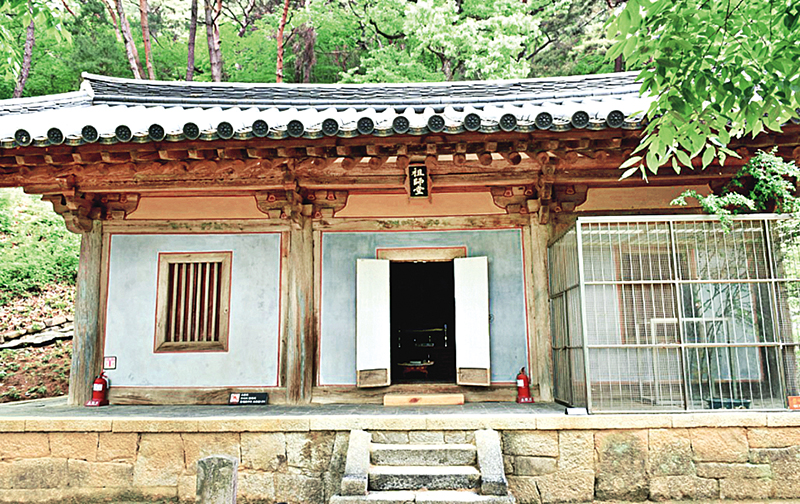
  • Muryangsujeon
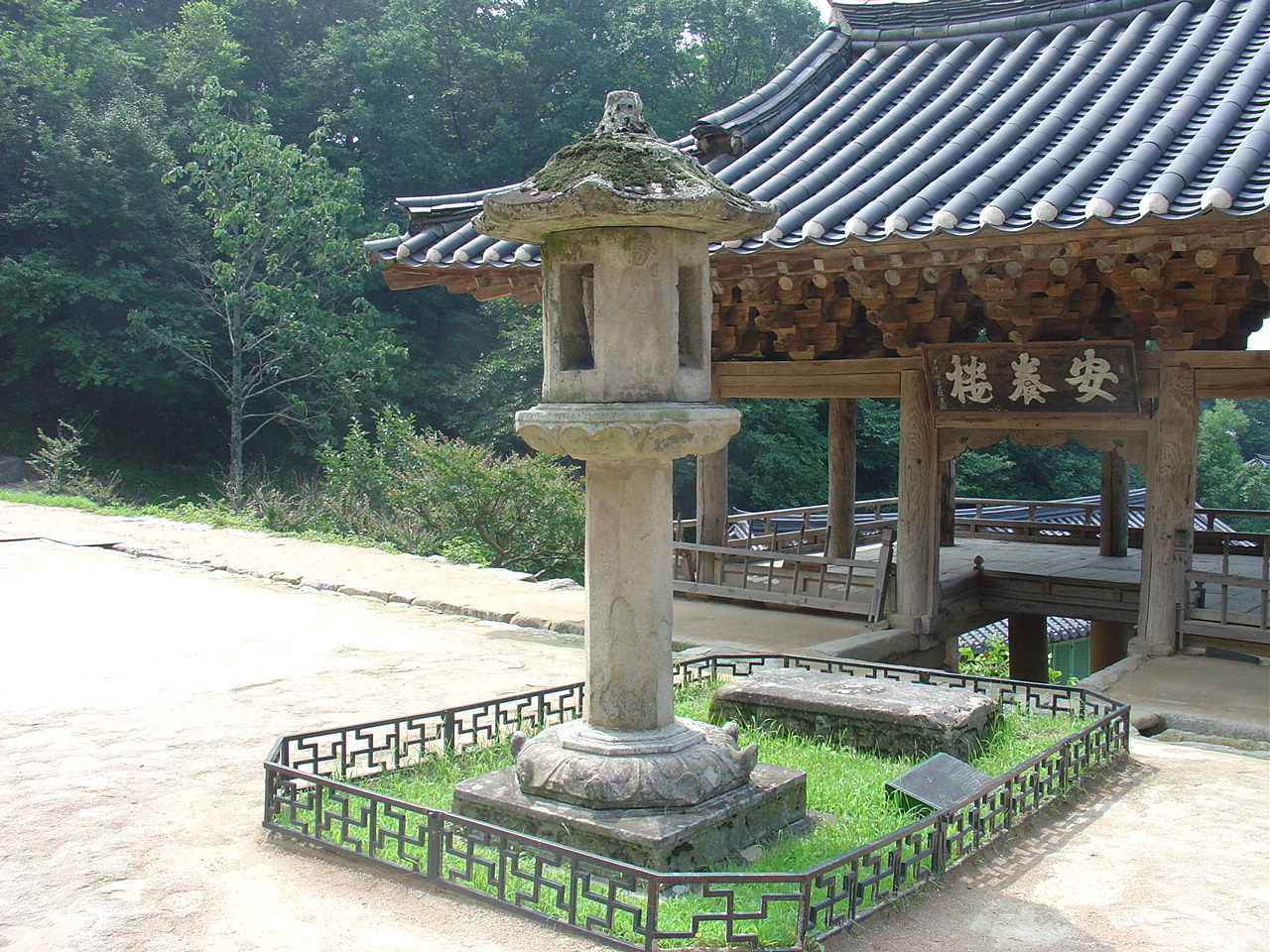
  • Anyangru
  • 108 Steps
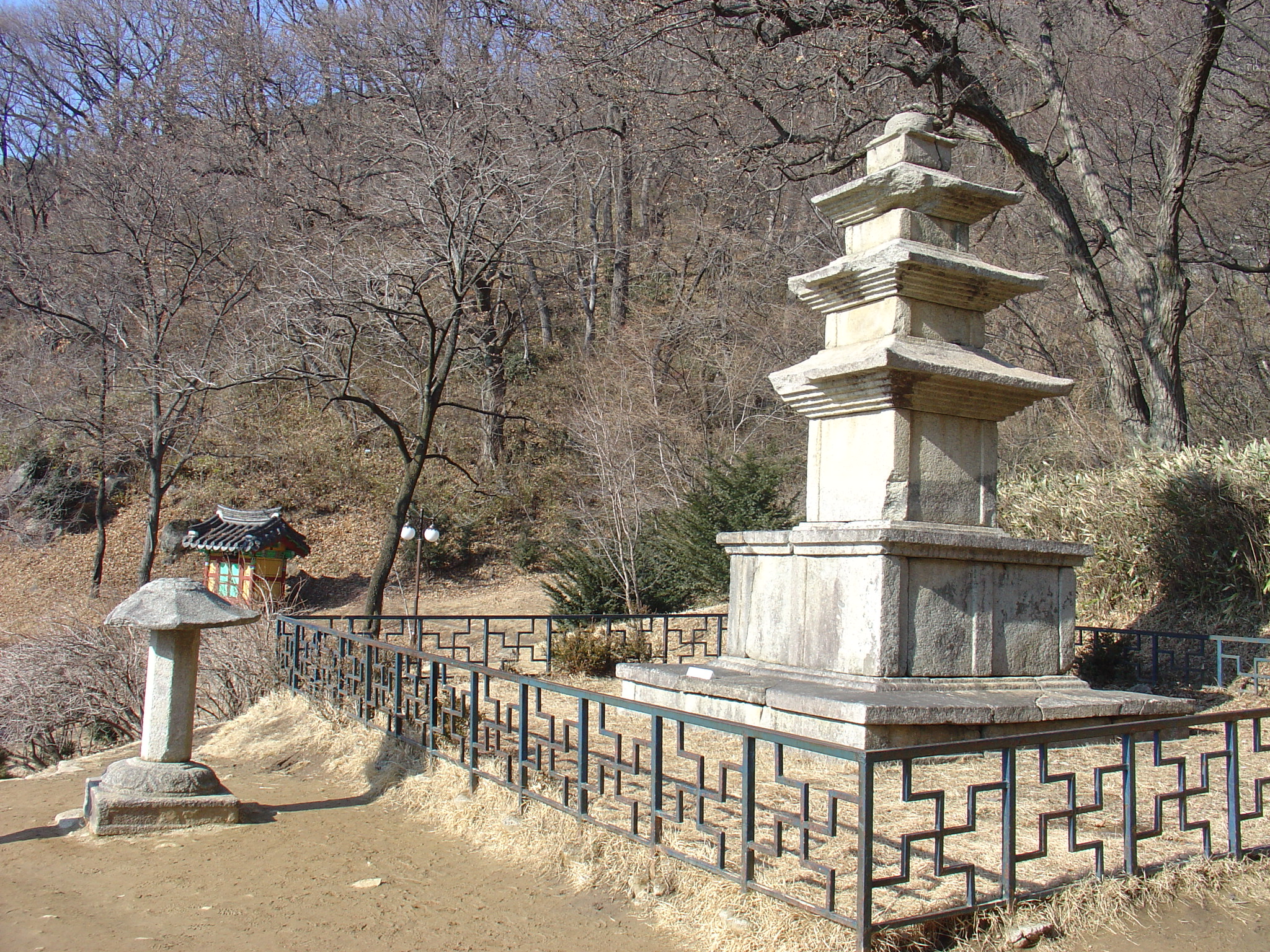
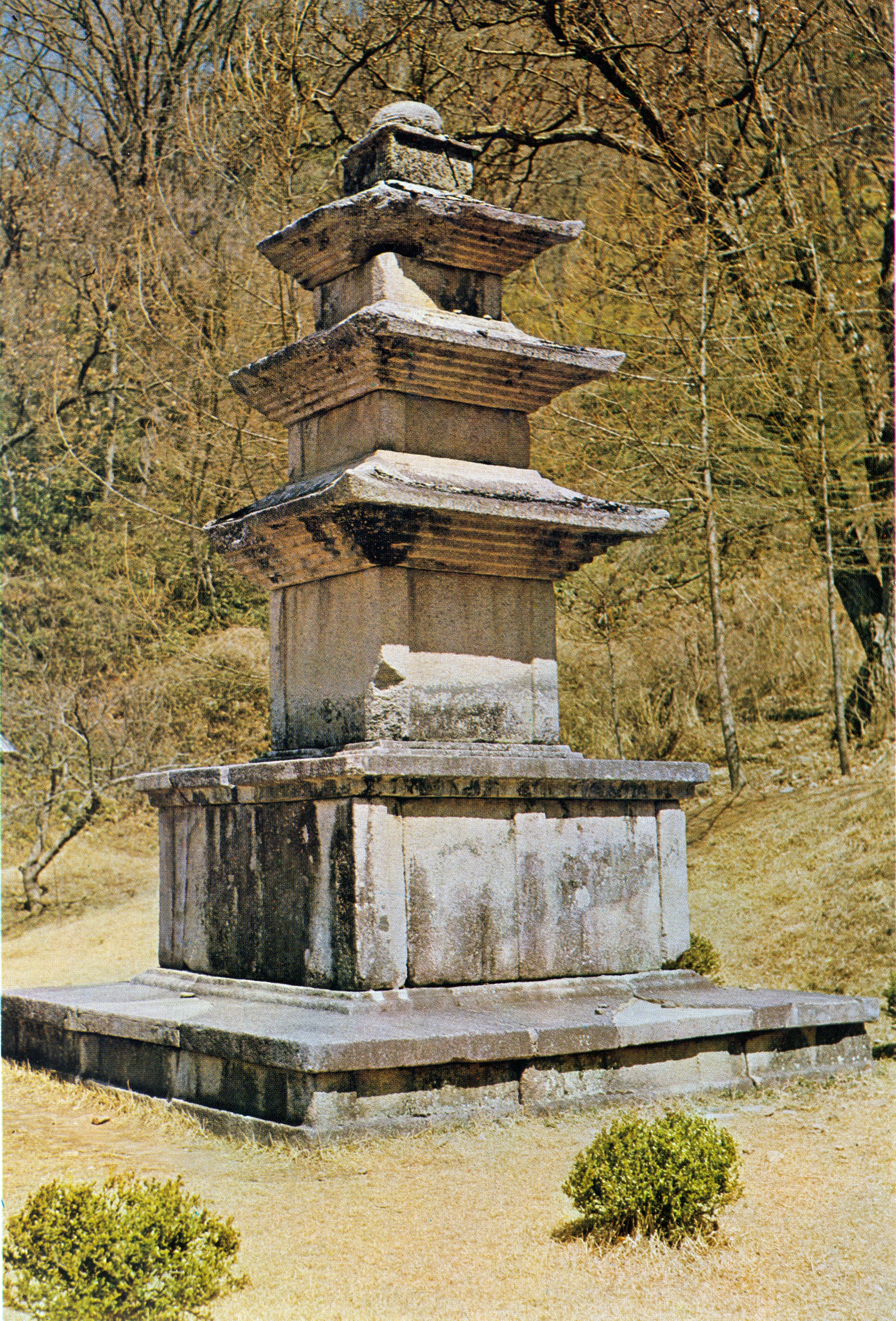
  • Three-Story Stone Pagoda
  • History of Monk Uisang's Founding

最佳游览时间

Gyeongbuk Yeongju Buseoksa 계절 봄 가을

Buseoksa can be visited year-round, but the most recommended period is from late October to late November, near the end of autumn. During this time, the air is clear and cool, making it comfortable to walk around the temple grounds, and the overall atmosphere feels especially serene.

Within the day, an early morning visit is best. Buseoksa is open from 7:00 a.m. to 6:00 p.m., and the morning hours are relatively quiet, making it ideal for a peaceful visit. Late afternoon also has a calm atmosphere, but since it can get dark early depending on the season, visiting in the morning is more practical.

For weekdays, a weekday visit is recommended. Weekends and public holidays can be busier with domestic visitors, but weekday mornings are relatively relaxed for sightseeing. The quietest combination is a weekday morning.

In short, the most comfortable time to visit Buseoksa is a weekday morning in autumn.

建议游览时长

If you tour quickly, about 1 hour is enough to see the main area, and in general it is better to allow about 2 hours since the grounds are fairly large. If you plan to visit nearby attractions such as Sosuseowon or Museom Village as well, it is convenient to plan for a half-day to one-day itinerary.

交通指南

Buseoksa is usually visited via public transportation through Yeongju Station or Punggi Station. Since there is no direct subway connection, the most practical way is to use a train together with a city bus.

By Subway / Train

If departing from Seoul, take a train from Cheongnyangni Station to Punggi Station or Yeongju Station, then transfer to a bus. From Daegu and Busan, you can also use trains bound for the Yeongju area. After getting off at the station, follow the bus guidance below.

By Bus

Via Punggi Station: Take the city bus to Buseoksa from the Punggi Bus Stop in front of Punggi Station. For foreign travelers, this is one of the simplest methods.

Via Yeongju Station: Take Bus No. 3 from the Yeongju Station opposite stop (Yeongju Station across the road) toward Yeongju Passenger Bus Garage (Citizen), then transfer to a bus bound for Buseoksa. On the return trip, you can take the No. 55 seat bus toward Yeongju from the Buseoksa Parking Lot.

Bus frequency may not be high, so be sure to check the latest timetable before visiting.

On Foot

After getting off the bus, you will usually arrive near the Buseoksa Parking Lot. From here, you need to walk to the temple entrance, and there is a fairly steep uphill path. Comfortable shoes are recommended, and bring water in summer.

For reference, the original information provided does not include subway station names or exit numbers, and this area cannot be reached directly by subway.

拍照地点

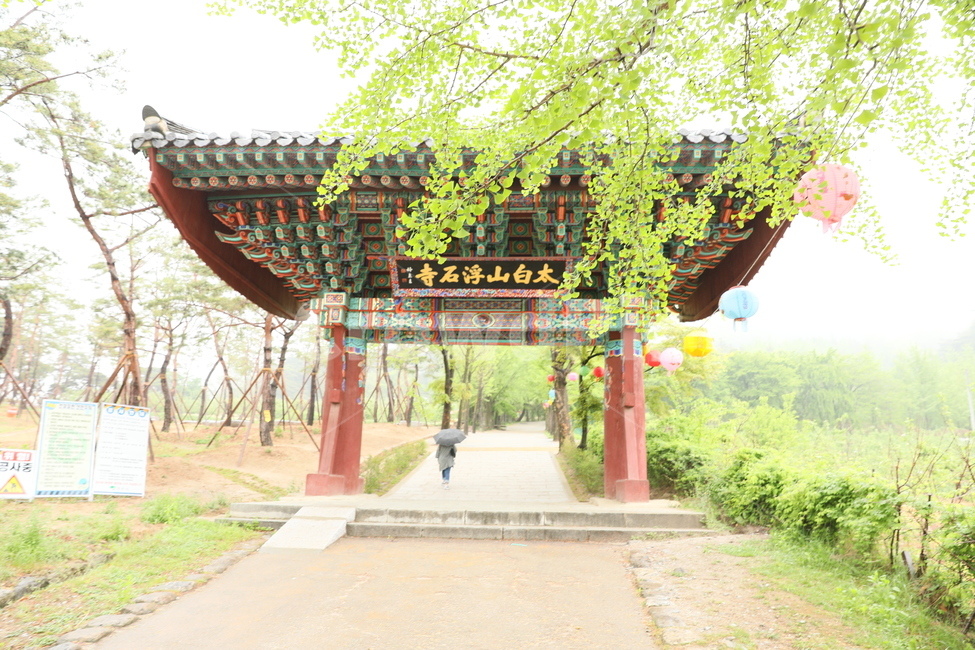
  • Entrance courtyard and stone steps: From inside the grounds, photograph from below looking upward so the stone steps appear together with the first courtyard. A frontal or slightly angled composition brings out the depth of the landscaping and steps well. Soft morning light or late afternoon is best.
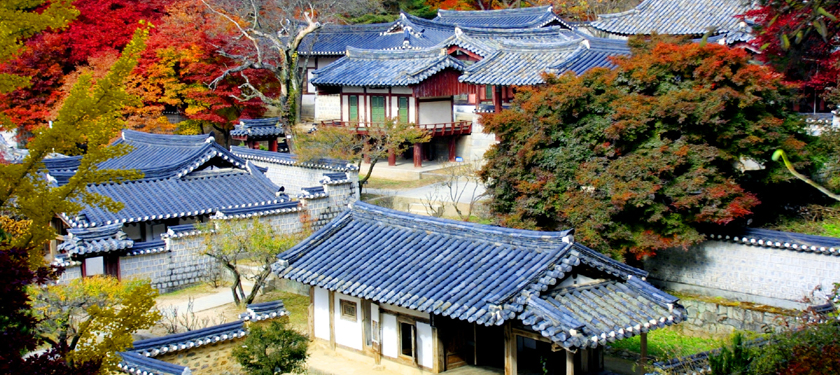
  • Building exterior covered with vines: At the exterior wall near the entrance, shoot straight on to the wall to make the texture and colors stand out clearly. For portraits, standing at a 45-degree angle with the wall as the background looks natural. Autumn afternoons are especially beautiful.
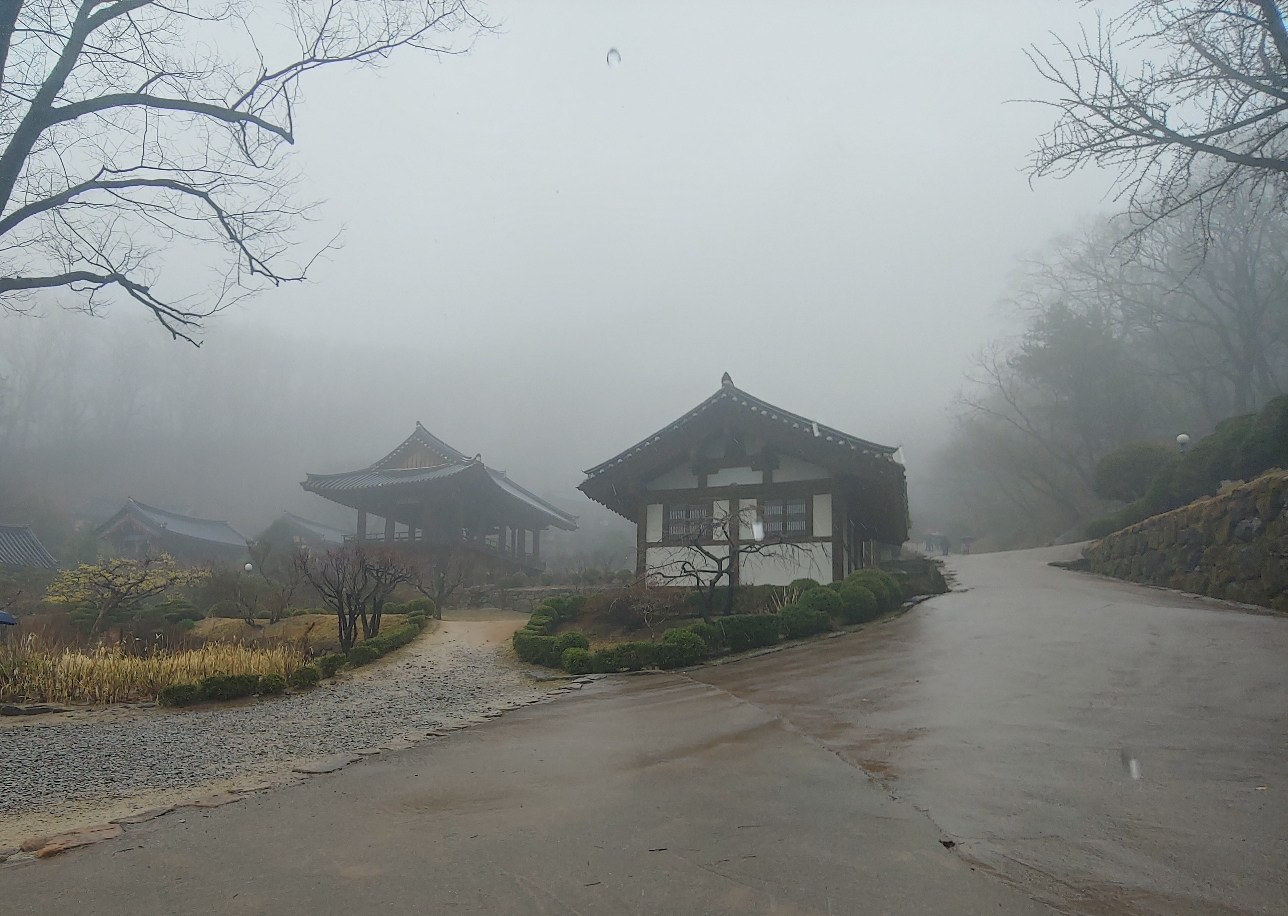
  • Full view of the courtyard with landscaping: From the center or edge of the courtyard, look toward the temple and take a wide shot. It is good to frame the image so that the stone steps, trees, and buildings all fit together. A clear morning gives crisp results, and in autumn the colors are especially nice around sunset.
  • Autumn foliage point: During the foliage season, photograph around the paths and steps inside the grounds so that red leaves enter the frame. If you shoot upward from below with the building in the background, you can capture Buseoksa's distinctive autumn atmosphere well. The best time is late afternoon.

夜景

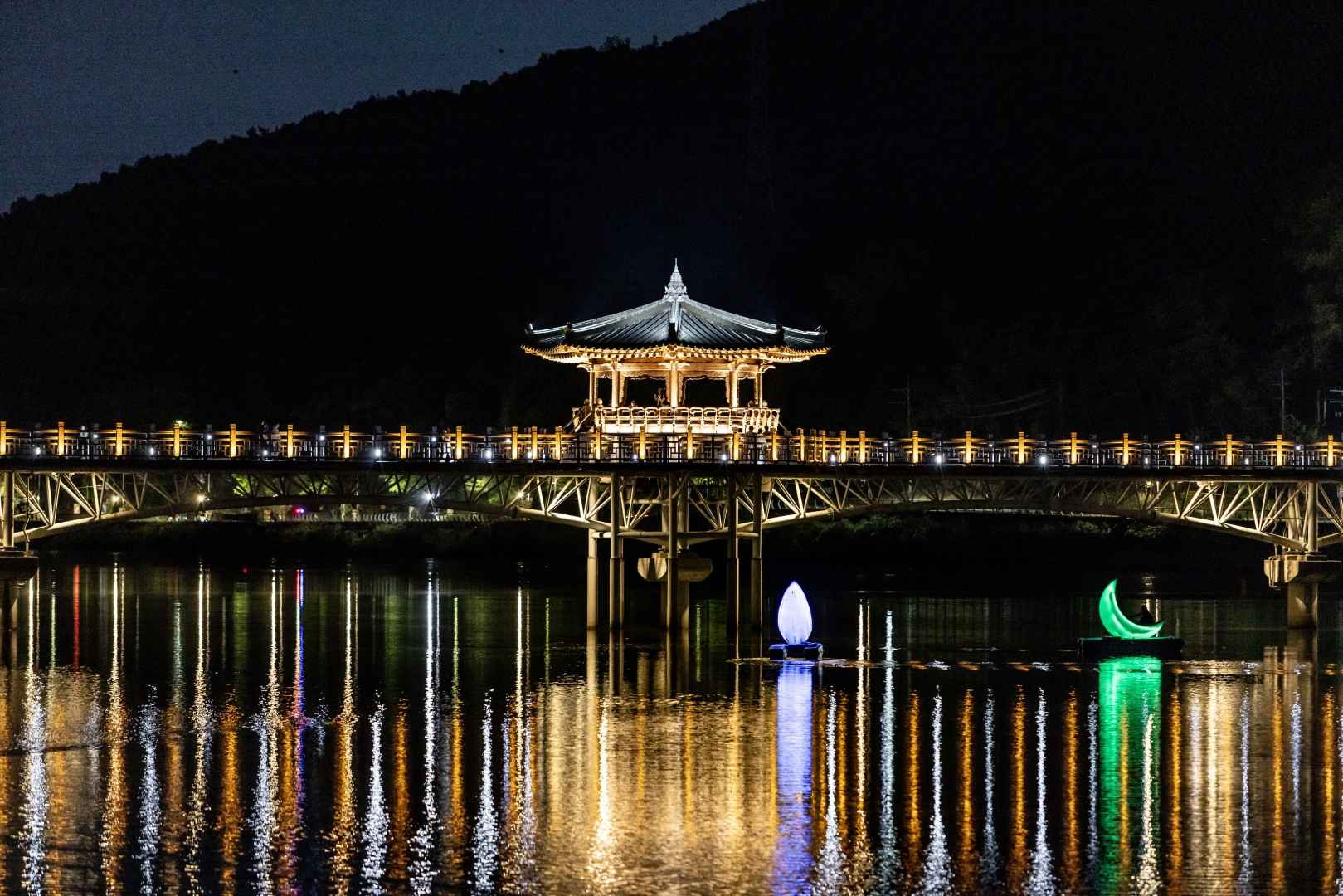
Gyeongbuk Yeongju Buseoksa 야경

Buseoksa is known as a place where the quiet atmosphere of a mountain temple and the night sky scenery are especially impressive. Rather than flashy lighting, it is better to expect subtle nighttime scenery that blends with the temple's calm mood.

At night, it becomes much quieter than during the day, allowing peaceful walks and appreciation without crowded tourists. On clear days, the stars are often easy to see, making it a great place to enjoy the atmosphere created by the temple buildings and the night sky together.

The recommended time is from just after sunset to early evening. Since it may become inconvenient to move around too late, visiting within 1 to 2 hours after sunset is the most practical.

In the Yeongju area, night-tour programs may be operated, and Buseoksa is sometimes introduced as part of night tour itineraries. However, since it is often not a permanent nighttime opening, be sure to check Yeongju City's tourism information or official operating status before visiting.

四季指南

Gyeongbuk Yeongju Buseoksa 벚꽃 단풍

Buseoksa is quiet and beautiful in all four seasons, but it is especially famous for its autumn scenery. Since the atmosphere changes distinctly by season, you can enjoy different charms depending on when you visit.

  • Spring: New buds emerge and the temple grounds feel fresh. It is not best known as a cherry blossom spot, but it is a good place to enjoy the mountain temple scenery in mild weather.
  • Summer: Deep greenery and flowers come together to create a lively landscape. On bright, hot days, it is good to bring a hat and water.
  • Autumn: The most recommended season. When the maple leaves reach their peak, the grounds and surrounding mountain scenery turn red and yellow, creating a very striking view. The ginkgo tree path may lose its leaves earlier than the maple season depending on timing, so check your visit date.
  • Winter: When it snows, the serene atmosphere becomes even deeper. It is well suited for quiet snow scenery rather than flashy winter lights. Roads can be slippery, so warm gear and anti-slip shoes are useful.

The most popular time is the foliage season, but if you want to avoid crowds, spring or early summer is also a good choice.

本地贴士

Before visiting Buseoksa, check the address as 345 Buseoksa-ro, Yeongju-si, Gyeongsangbuk-do.

The original material shows entrance hours information, but since no specific time is provided, it is a good idea to check the latest opening hours separately before visiting.

Nearby, the Soybean World Science Museum (23 Yeongbu-ro, Buseok-myeon) and the Yeongju Apple Promotion Center are also introduced, so if you have extra time in your schedule, you can include them in a nearby course.

景点信息