Donggosa Temple and Hanok Village Views on the Slopes of Seungamsan Mountain in Jeonju
Donggosa Temple is located on the western mid-slope of Seungamsan Mountain in Wansan-gu, Jeonju. It is said to have been founded by State Preceptor Doseon in 876. The site is free and open year-round, but it has no dedicated parking lot; visitors access it from the parking lot at Chimeongjasan Martyrdom Shrine via a forest path and a fork in the trail.
I’ve been here?
Your check-in helps the next traveler.
29 people viewed this week Be the first
One tap — no writing needed
What is Donggosa, located on the western mid-slope of Seungamsan Mountain?
Donggosa is a Buddhist temple located at 103-100 Naksujeong 2-gil, Wansan-gu, Jeonju, Jeonbuk State (Gyodong), on the western mid-slope of Seungamsan Mountain. Its name is written 東固寺 in Chinese characters, and it is said to have been named Donggosa because it is located east of Jeonju. It is introduced as a temple of the Taego Order of Korean Buddhism and was designated Cultural Heritage Material No. 2 of Jeollabuk-do on April 1, 1984.
Jeonju tourism information describes Donggosa as one of the temples traditionally believed to have guarded Jeonju from the east, west, south, and north. This is connected to the story that Gyeon Hwon, who founded Later Baekje and established its capital in Jeonju, built Donggosa, Seogosa, Namgosa, and Bukgosa to guard the four directions, although this is presented as a tradition. The location visitors encounter today is related to the terrain rising along the mountain ridge close to downtown Jeonju.
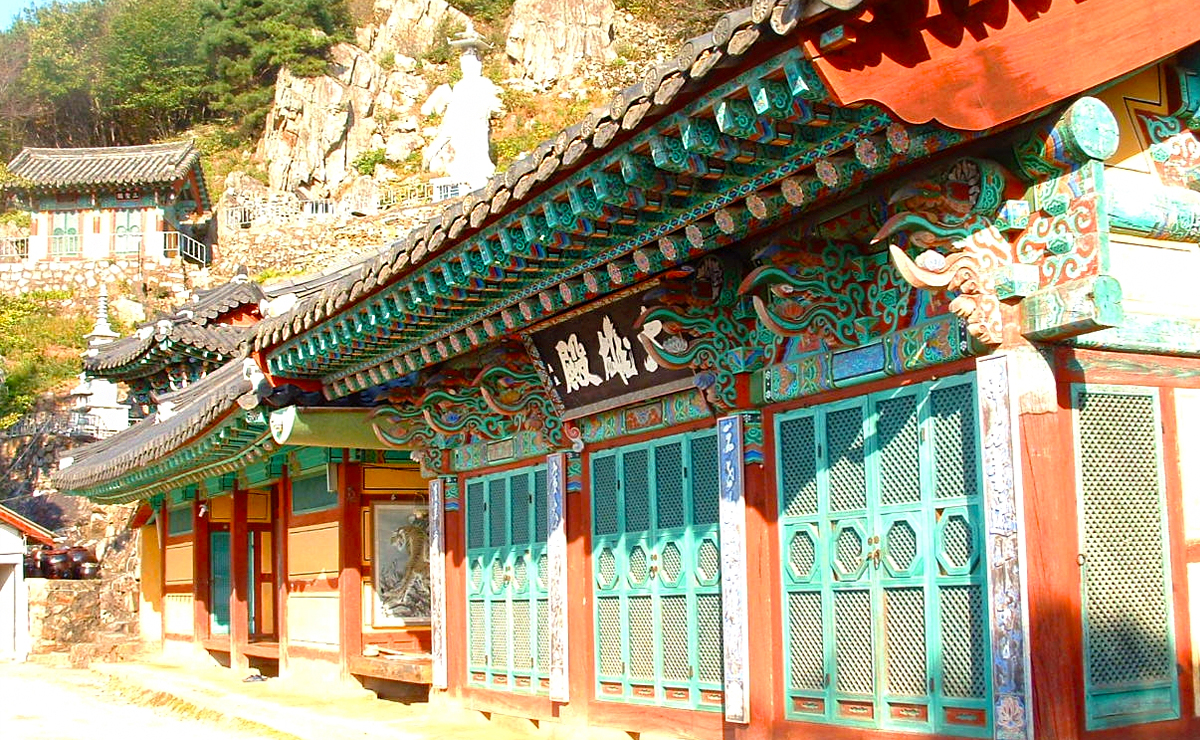
The founding tradition of 876 and the reconstruction of 1844 explain the present buildings
Donggosa is said to have been founded in 876, the second year of the reign of King Heongang of Silla, by the monk Doseon (道先), at a site above the present temple. There is also a tradition that the second prince of King Gyeongsun, who entered the Buddhist faith after the king surrendered to Goryeo's King Taejo in 935, came here to ease his sorrow over losing his kingdom. The temple is therefore also said to have been called Gimbu Daewang Temple or Jinbul Daewang Temple (眞佛大王).
The temple was completely destroyed during the Japanese invasions of Korea in 1592, the 25th year of King Seonjo's reign, but in 1844, the 10th year of King Heonjong's reign, Heoju moved it to its present location and rebuilt it. In 1946, the main hall and monks' quarters were constructed. Thus, present-day Donggosa is not a building explained solely by the tradition of its founding in 876; it was moved and rebuilt in 1844 after being destroyed by war, with additional buildings added in 1946.
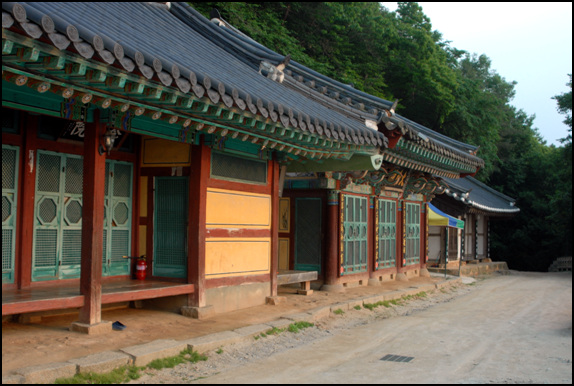
What can you see, from the Daeungjeon Hall to the Maitreya Buddha and stone pagoda?
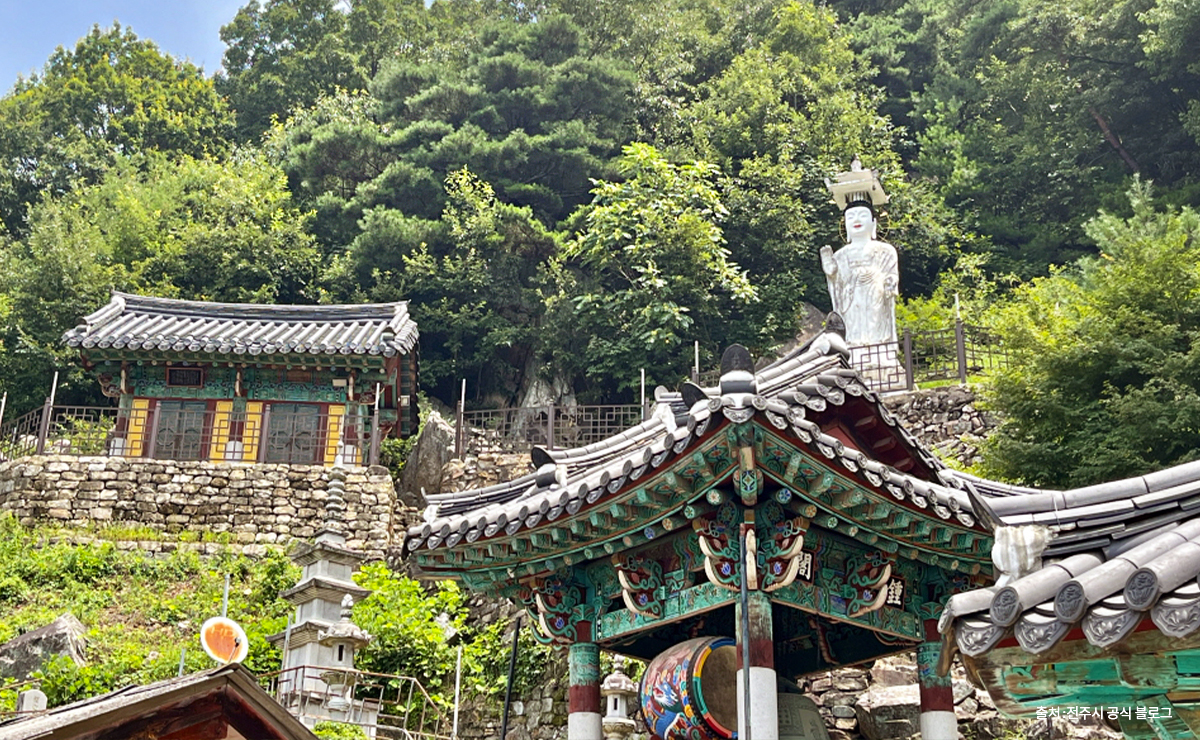
The temple buildings include Daeungjeon Hall, Yeombulwon, Samseonggak, and the bell pavilion. The buildings are arranged along the curve of the mountain with Daeungjeon Hall at the center, so it is suitable to tour the various halls around it together. Donggosa is not a place where visitors proceed through exhibition rooms like a museum; it is a place to walk through the temple grounds while taking in the buildings and mountain scenery together.
The cultural heritage features introduced here include a Maitreya Buddha statue, a stone pagoda, and the Donggosa Historic Monument. Official information explains that, when visitors look uphill from the fork in the path, they can see the temple, stone pagoda, and huge Buddha statue against the mountain slope. Since information on photography restrictions and controlled-access areas within the grounds has not been confirmed, it is safest to follow on-site guidance regarding the interior of the worship halls and practice areas.
The entrance follows a bamboo forest path from the Chimyeongjasan Martyrs' Shrine parking lot
Donggosa's own parking facilities are listed as unavailable. Visitors from outside the area should enter the address 103-100 Naksujeong 2-gil, Wansan-gu, Jeonju, Jeonbuk State (Gyodong) into their navigation system, while also checking the Chimyeongjasan Martyrs' Shrine parking lot, which official information mentions as an access point. The exact number of available parking spaces and fees at the Chimyeongjasan Martyrs' Shrine parking lot have not been confirmed in the available information.
A short climb from the Chimyeongjasan Martyrs' Shrine parking lot leads to an approach lined with dense trees on both sides and a bamboo forest path. At the fork, go toward the hill on the left to reach Donggosa; going up toward the stairs leads to an observatory. The exact walking distance and time to Donggosa, as well as the numbers and names of bus routes and stops providing a direct connection, have not been confirmed. Rather than relying solely on buses, it is better to first set the parking lot or a taxi drop-off point as your destination.
It is free and open year-round, but mountain-path access conditions require separate consideration
According to information available as of 2026, Donggosa is open at all times and does not close during the year. Admission is free, and the inquiry telephone number is 063-288-1626. Since no separate ticket office or admission-ticket purchasing procedure is indicated, visitors do not need to walk from a ticket office to the destination.
Restrooms are indicated as available, but monthly or seasonal operating hours and the admission closing time have not been confirmed. The approach includes a bamboo forest path and a fork, while the route toward Jungbawi has many rocks and is described as somewhat steep when climbed from the direction of downtown Jeonju. Accessibility for wheelchairs and strollers within the grounds, as well as the availability of English signage or an audio guide, has not been confirmed. Travelers using mobility aids should call ahead to ask about the route conditions.
How to find Jeonju Hanok Village, Jeonj||||cheon, and Moaksan from the observatory stairs
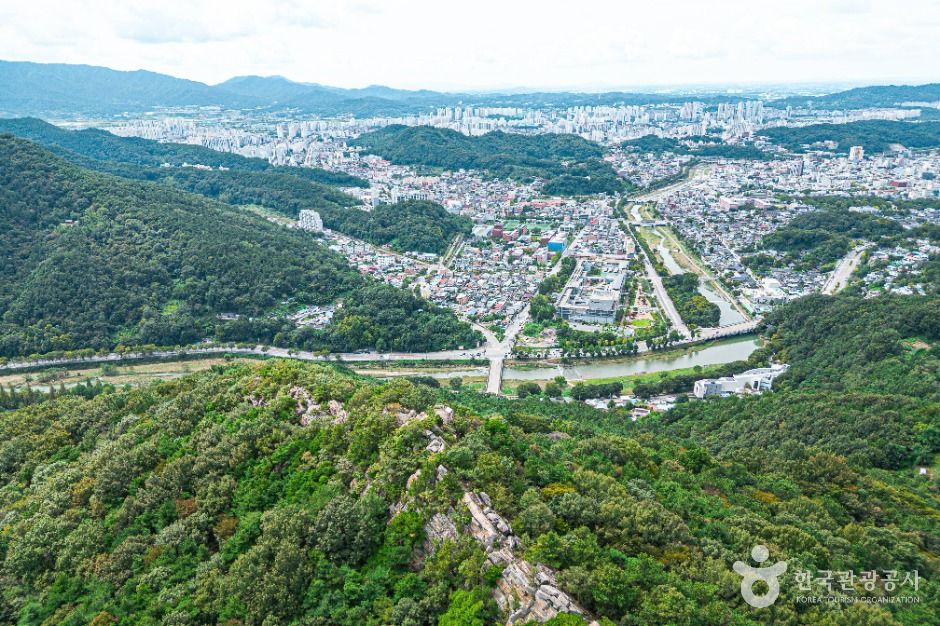
Going up toward the stairs at the fork leads to an observatory. From the observatory, visitors can see Jeonju Hanok Village and the cityscape, as well as Girinbong Peak, Jeonj||||cheon, and Hanbyeokdang Pavilion. On clear days, Moaksan Mountain may also be visible, so it is worth allowing time for the stairs at the fork rather than simply viewing the temple buildings and leaving.
The night view, including downtown Jeonju and Jeonju Hanok Village, is introduced as one of Donggosa's main sightseeing highlights. Other information also mentions reddish sunsets and night scenery, but unlike the information that the site is always open, the lighting and safety conditions on the mountain path at night have not been confirmed. Since the area is described as a forest environment with mountain-bird calls and leaves rustling in the wind, it is safer to enter while it is light and plan your return route in advance if you are visiting for the view.
Choosing whether to combine the 1,712 m Donggosanseong Fortress course with Donggosa
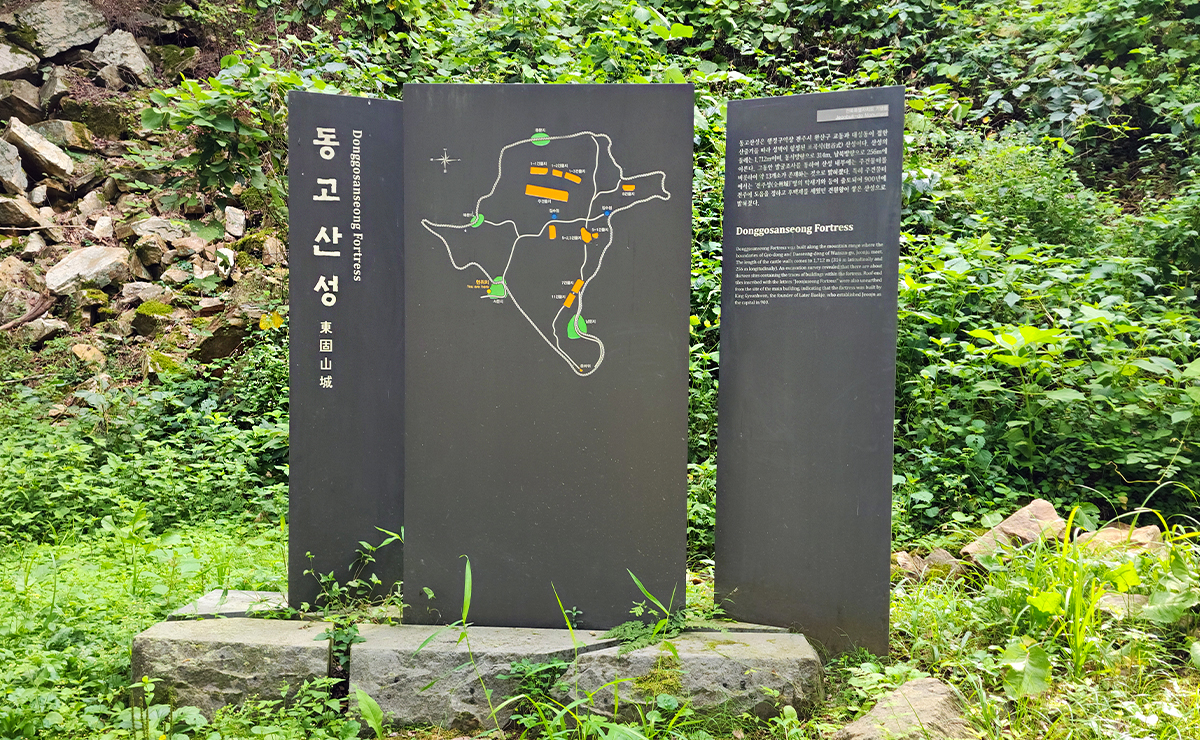
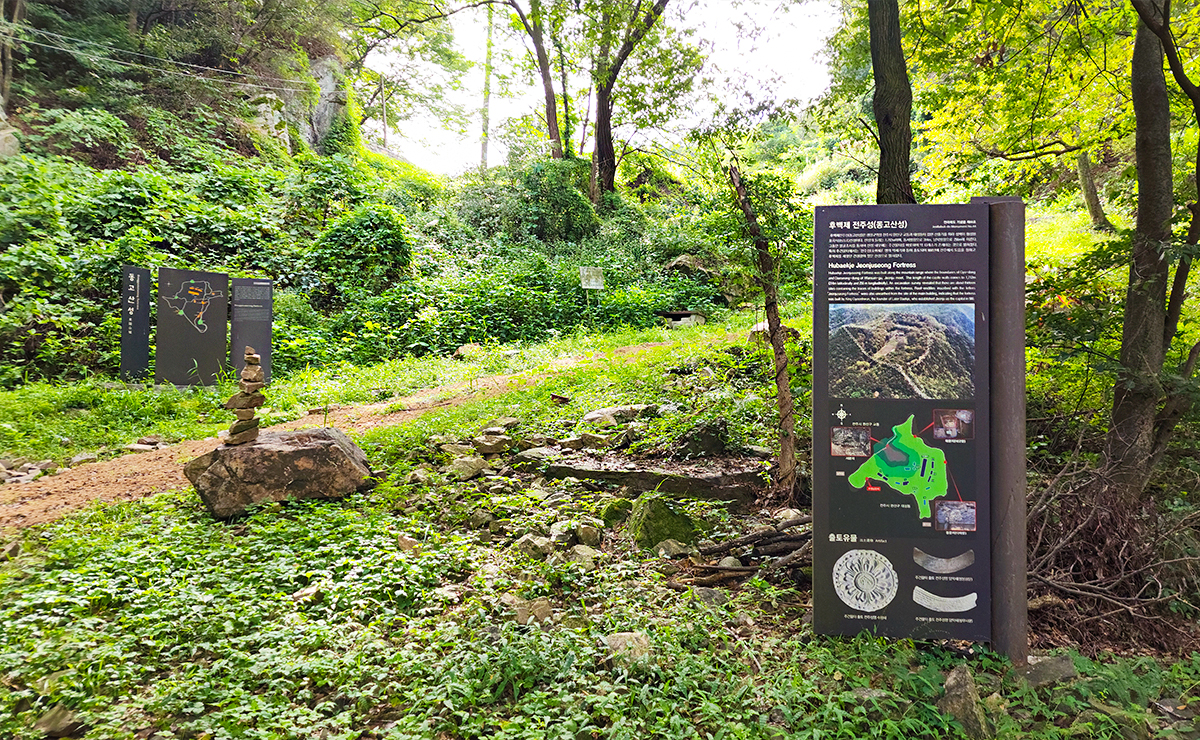
Donggosanseong Fortress follows the mountain ridge where Gyodong and Daeseong-dong in Wansan-gu, Jeonju, meet. The fortress has a circumference of 1,712 m, measuring 314 m from east to west and 256 m from north to south. Roof-end tiles decorated with lotus patterns bearing the inscription “Jeonjuseong (全州城)” were excavated at the royal palace site, and building remains totaling 188 rooms were discovered at the Later Baekje capital site.
Starting at the western gate site of Donggosanseong Fortress and passing the main building site, visitors reach a signpost. For an open view, go toward Jungbawi; for a light hike, go toward Girinbong Peak. Jungbawi is also called Jungbau. The name comes from the rocks at the mountain summit resembling a monk chanting Buddhist prayers, and “bau” is a Jeolla-do dialect word meaning rock.
An itinerary connecting Jeonju Hanok Village and the Chimyeongjasan Martyrs' Shrine
The path on the right along the hiking trail around Donggosa leads to the Chimyeongjasan Martyrs' Shrine. The shrine is introduced as a burial site for Catholic believers persecuted in the late Joseon period. The fact that a Buddhist temple and a Catholic shrine can be visited along the same mountain ridge reveals the area's religious and everyday-life landscape.
Later materials introduce a winter outing route linking Jeonju Hanok Village, Jeonhyanggyo Confucian School, Seungamsan Mountain, and Munhakdae to Namcheongyo Bridge and Hanbyeokgul Tunnel. After viewing Hanok Village, Jeonj||||cheon, and Hanbyeokdang Pavilion from the Donggosa observatory, visitors can either retrace the mountain path or continue toward the Chimyeongjasan Martyrs' Shrine. The Korea Tourism Organization's 1330 Travel Hotline supports Korean, English, Japanese, and Chinese, and Donggosa's inquiry number is 063-288-1626.
Before You Go
- Address
- 103-100 Naksujeong 2-gil, Wansan-gu, Jeonju, Jeonbuk State (Gyodong)
- Hours
- Open at all times
- Closed
- Open year-round
- Admission
- Free
- Phone
- 063-288-1626
- Official site
- https://tour.jeonju.go.kr/board/view.jeonju?boardId=BBS_0000003&contentsSid=1738&dataSid=10118&menuCd=DOM_000000101006001000&paging=ok&startPage=1
- Transport
- From the Chimyeongjasan Martyrs' Shrine parking lot, follow the approach and bamboo forest path, then go toward the hill on the left at the fork to reach Donggosa. Going up toward the stairs at the fork leads to the observatory.
- Parking
- Donggosa's own parking facilities are listed as unavailable; official information mentions the Chimyeongjasan Martyrs' Shrine parking lot as an access point.
- Accessibility
- The approach includes a bamboo forest path and a fork; the route toward Jungbawi has many rocks and is somewhat steep when climbed from the direction of downtown Jeonju.
The information above is current as of the time of writing. Check the official information again before visiting.

Places
Nearby Attractions 3
-
 1
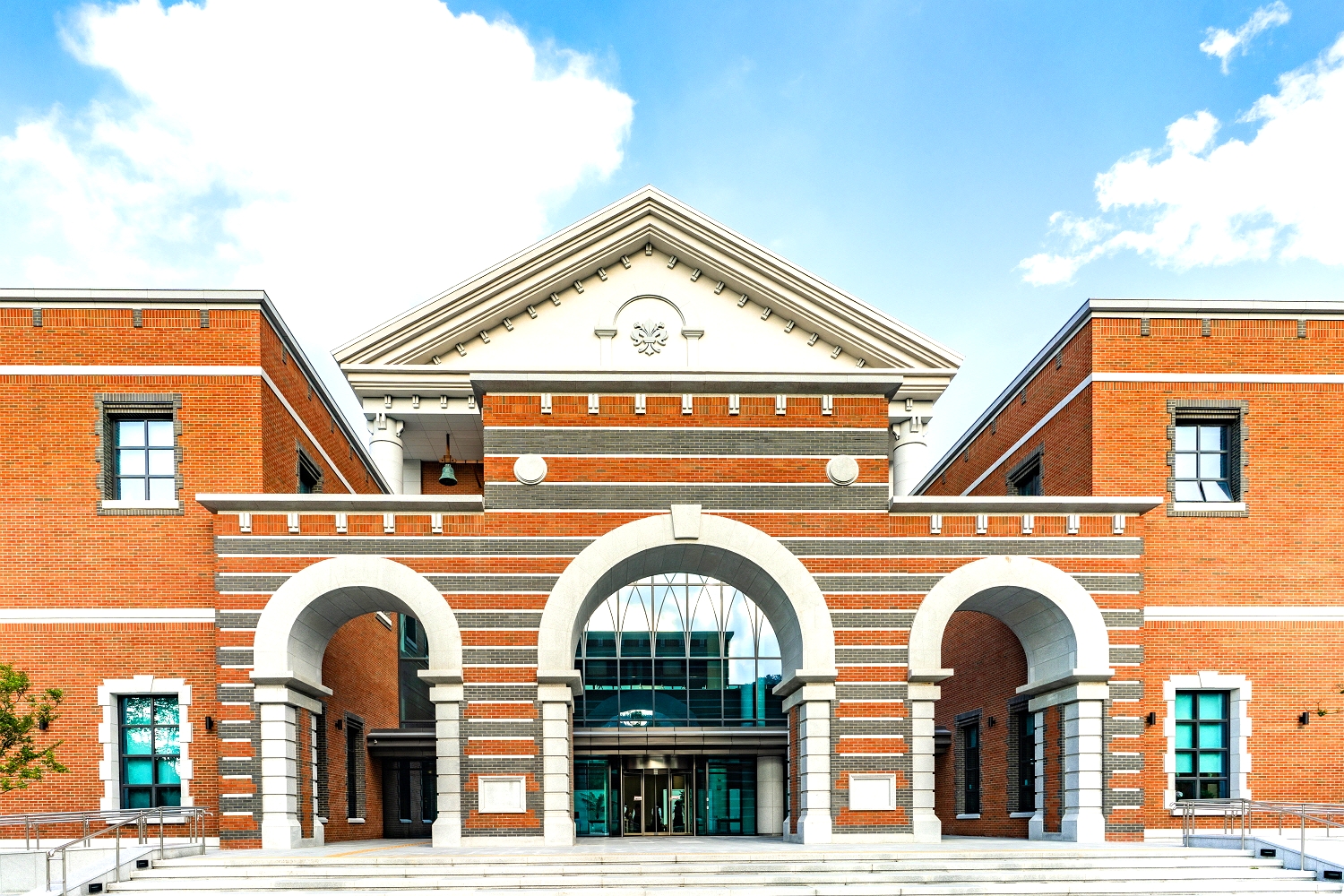
Donggosanseong FortressTake a historical walk along the ruins of the Later Baekje royal palace site and mountain fortress.
1
Donggosanseong FortressTake a historical walk along the ruins of the Later Baekje royal palace site and mountain fortress. -
 2
2
-
 3
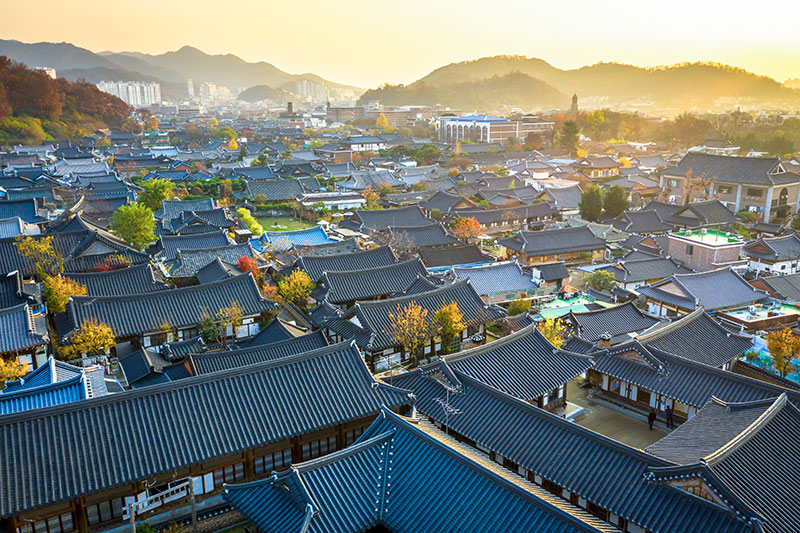
Jeonju Hanok VillageExplore the hanok-lined streets and traditional cultural spaces on foot.
3
Jeonju Hanok VillageExplore the hanok-lined streets and traditional cultural spaces on foot.
Food & Dining 3
-
 4
4
-
 5
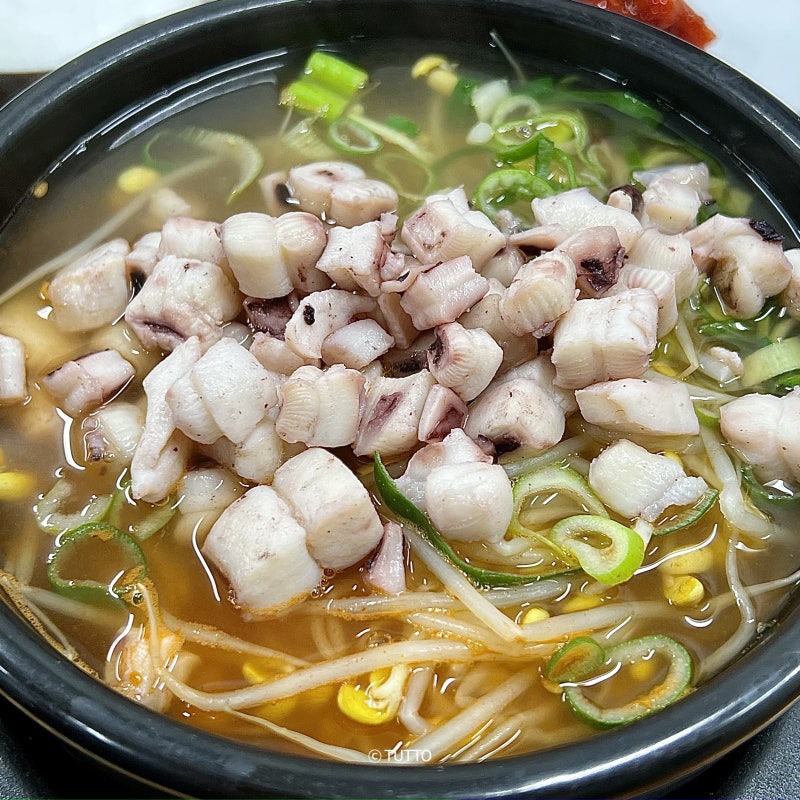
Waengi Kongnamul GukbapEnjoy Nam bu Market-style bean sprout soup with rice and poached eggs.
5
Waengi Kongnamul GukbapEnjoy Nam bu Market-style bean sprout soup with rice and poached eggs. -
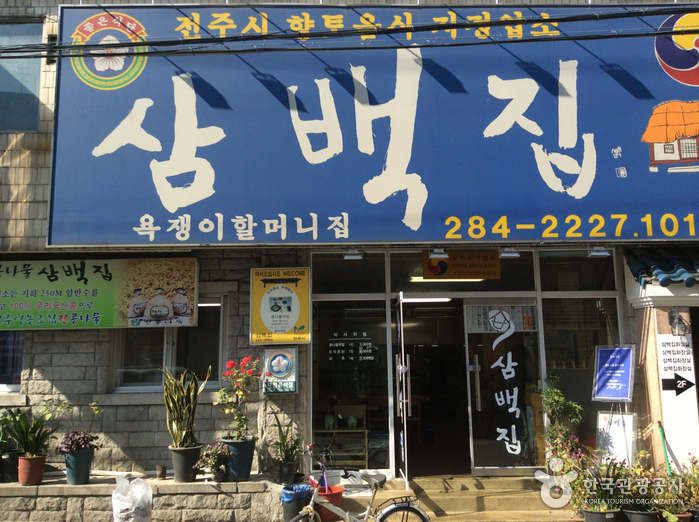 6
Sambaekjip (Jeonju Main Branch)Enjoy Jeonju-style bean sprout soup with rice and blood sausage soup.
6
Sambaekjip (Jeonju Main Branch)Enjoy Jeonju-style bean sprout soup with rice and blood sausage soup.
More Travel Guides in This Area
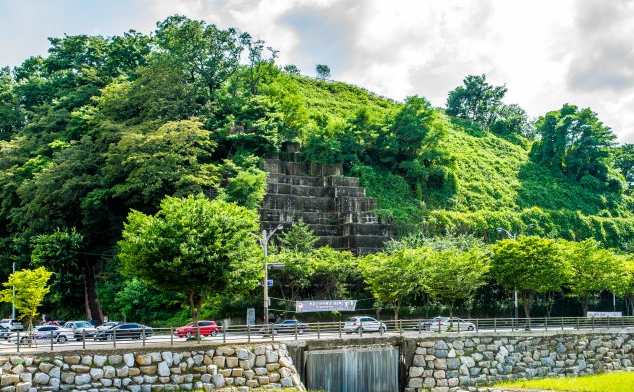 Travel Guide
The Seven Martyrs at the Summit of Seungamsan Mountain and the 200 m Golgotha Way: Chimyongjasan Shrine
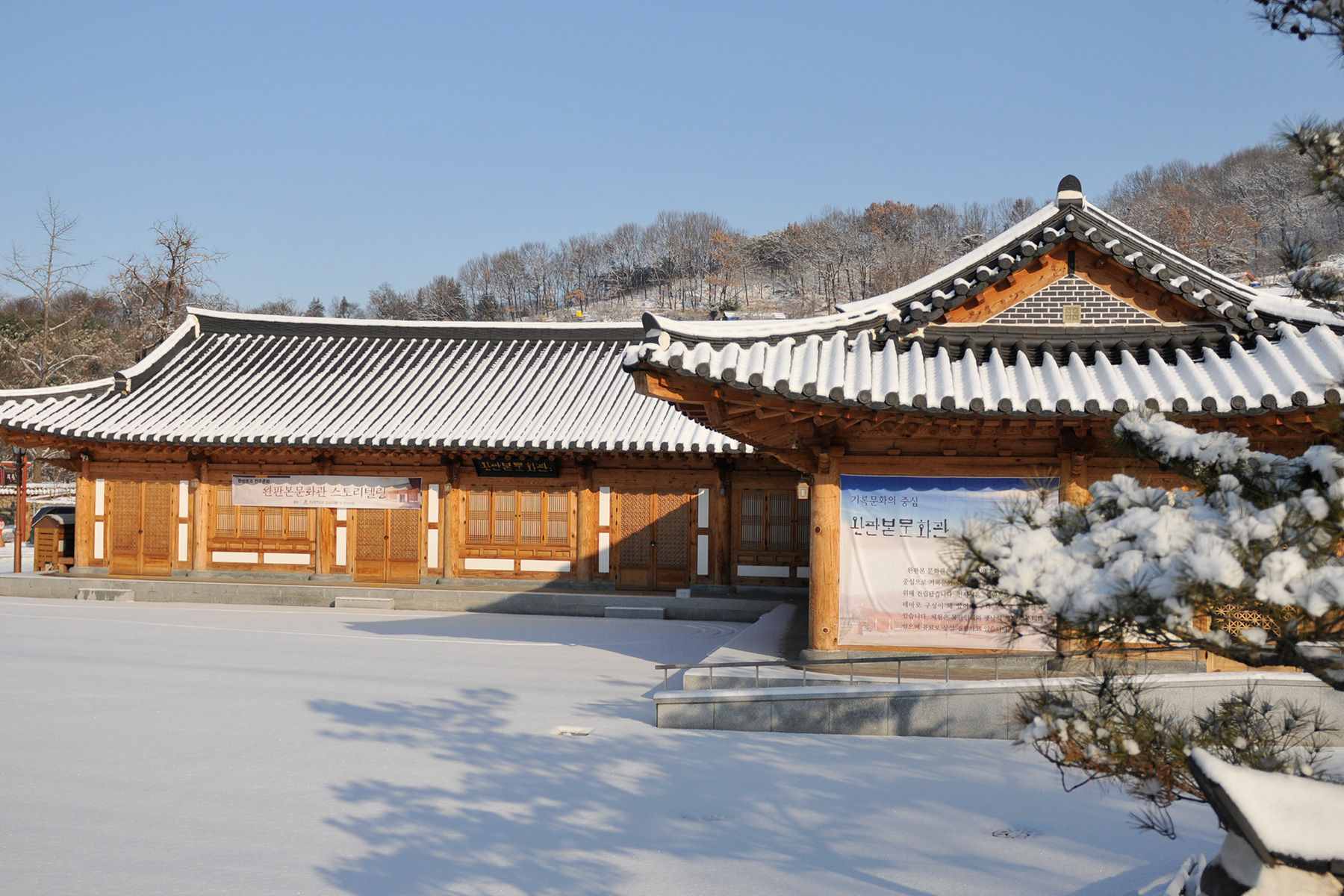 Travel Guide
Joseon Publishing and Woodblock Printing at the Jeonju Wanpanbon Culture Center
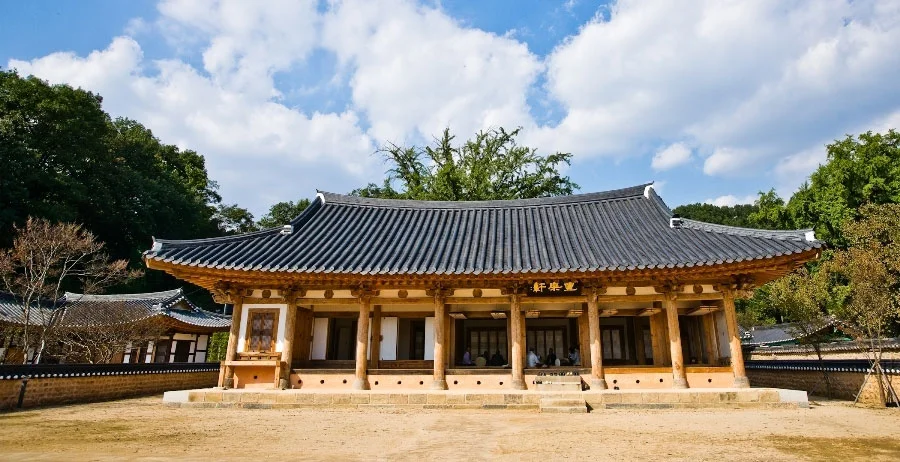 Travel Guide
Learning Traditional Culture at Jeonju Dongheon and Five Hanok Houses
 Travel Guide
How to Make Your Own Wanpan Edition Print at the Jeonju Woodblock Printing and Calligraphy Experience Center
Korea News
 News
News
‘NewJeans Expulsion’ Danielle Releases Her First YouTube Video… “We Don’t Know What Will Happen Next”
![aespa’s North American Tour Has Remaining Seats Despite ‘$49’ Bargain Prices… A Stark Popularity Gap with KATSEYE [TEN Starfield]](https://kotourlive-images.s3.ap-northeast-1.amazonaws.com/news/1788485037424_a59b1932_naver_rank_thumb_0000774618_1788485037424.jpg) News
News
aespa’s North American Tour Has Remaining Seats Despite ‘$49’ Bargain Prices… A Stark Popularity Gap with KATSEYE [TEN Starfield]
![[Photo] TWICE’s Dahyun attends a film festival red carpet as an actress](https://kotourlive-images.s3.ap-northeast-1.amazonaws.com/news/1788485316508_edd43ecd_news_870a60a6-6f11-4d73-aa7c-48d91318a0f7.jpg) News
News
[Photo] TWICE’s Dahyun attends a film festival red carpet as an actress
![[On-Site Video] “We’re Departing Separately Together”… BIGBANG Begins ‘COSMOS’ World Tour](https://kotourlive-images.s3.ap-northeast-1.amazonaws.com/news/1788485226518_c5719641_news_fdd4764a-0f4e-4968-8e4e-e98a02872f88.jpg) News
News