The Three Waterfalls and Seonimgyo Bridge of Jungmun’s Cheonjeyeon Falls, Clearer After the Rain
Cheonjeyeon Falls is a natural attraction in the Jungmun Tourist Complex where the 1st, 2nd, and 3rd waterfalls and Seonimgyo Bridge can all be enjoyed along one route. In the dry season, the cascade at the 1st waterfall may be weak, so it is best to allow 40 to 60 minutes, taking into account all three waterfalls and the stairway walks.
I’ve been here?
Your check-in helps the next traveler.
20 people viewed this week Be the first
One tap — no writing needed
Jeongjeoyeon Falls, where the "Pond of God" meets the legend of the Seven Fairies: the First Waterfall
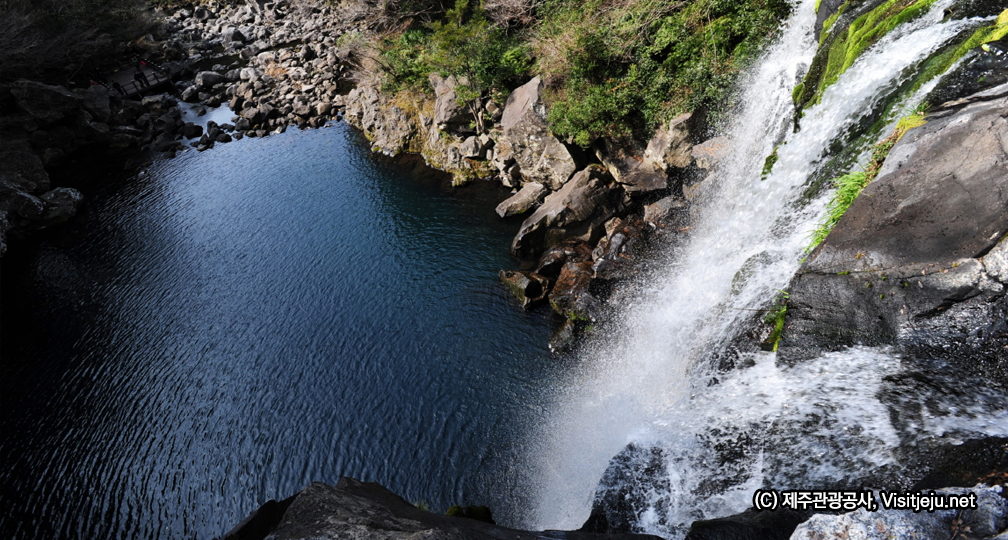
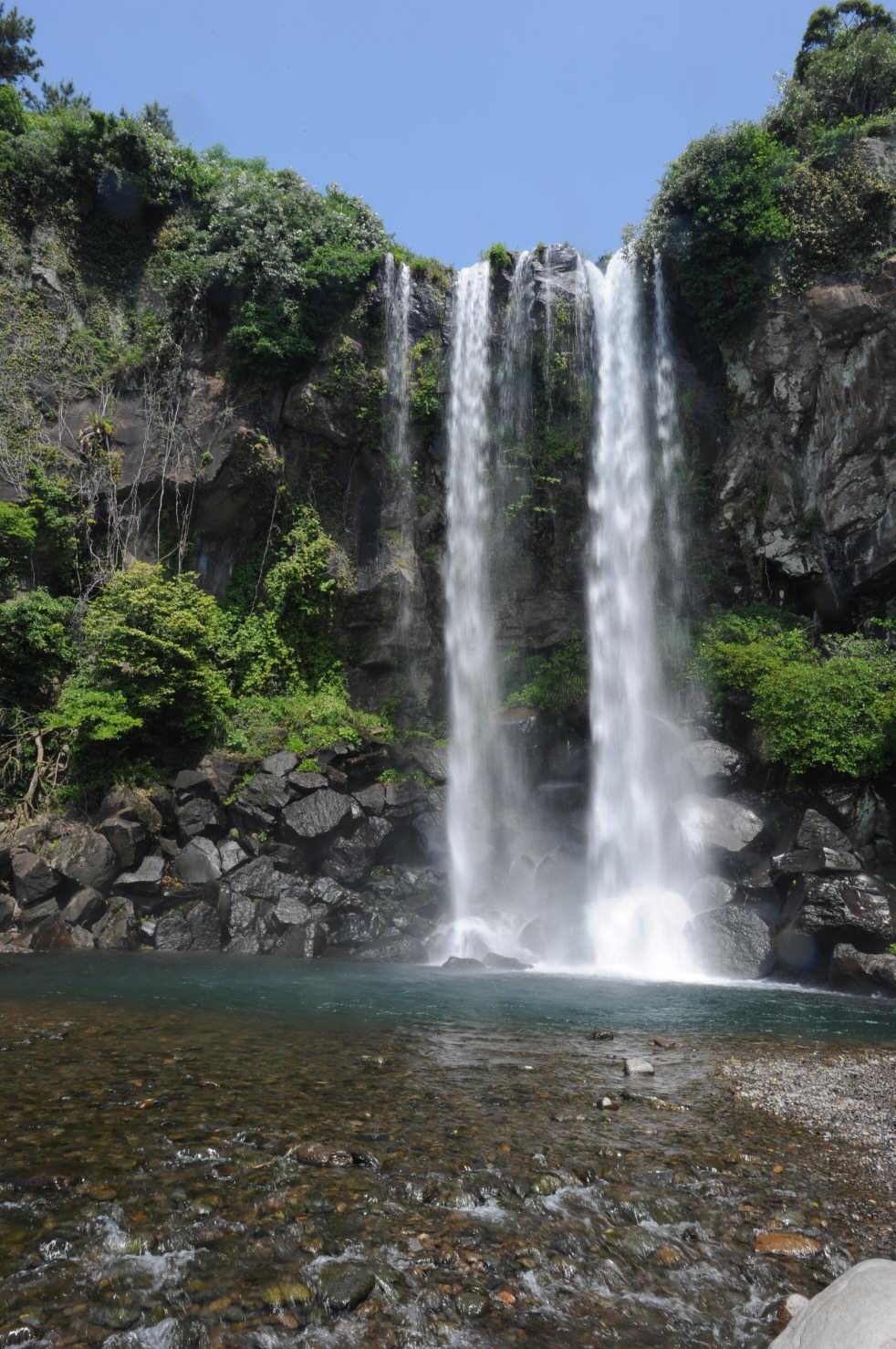
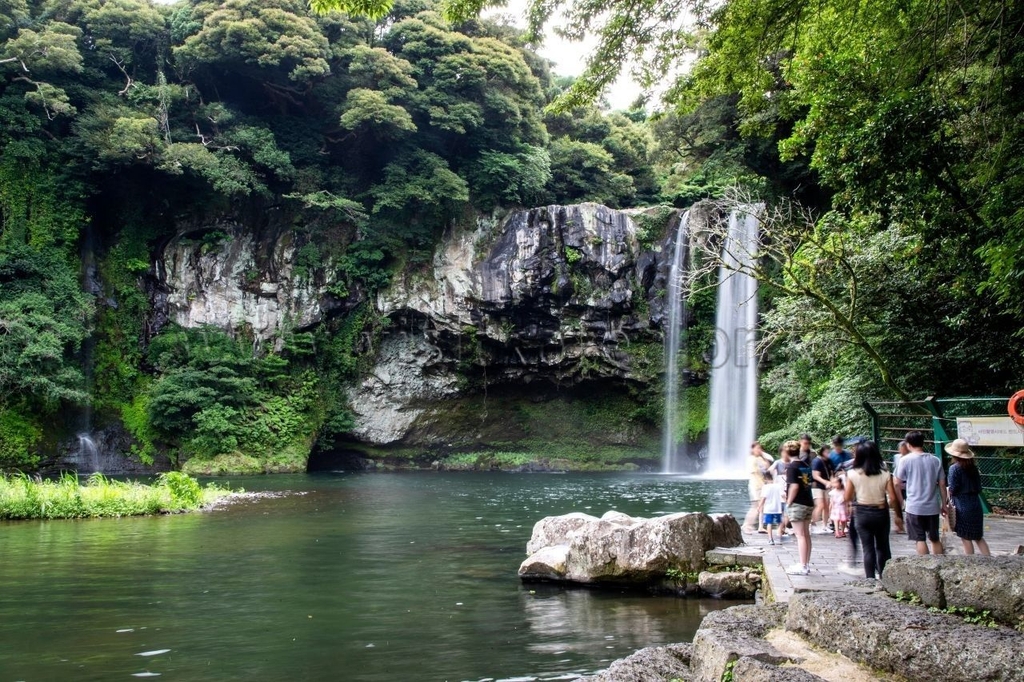
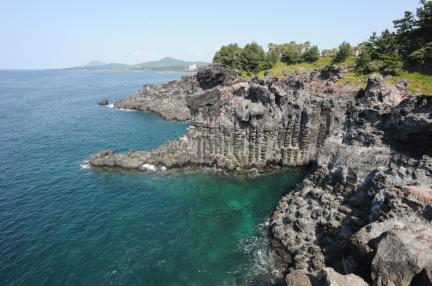
Jeongjeoyeon (Heavenly Emperor's Abyss) means the "Pond of God," and its name comes from the legend that seven fairies serving the Jade Emperor descended at night to bathe here. Jeongjeoyeon Falls is a three-tier waterfall located in the Jungmuncheon Valley in Jungmun-dong, Seogwipo-si, and the First Waterfall leads into a pond with a depth of 21 m beneath a 22 m-high columnar-joint cliff.
The First Waterfall only becomes clearly visible when a large amount of rain falls on Hallasan. Therefore, if you are hoping for a strong flow of water, it is better to visit after rainfall, while during the dry season it is more realistic to plan the visit as a place to appreciate the water, cliffs, and pond itself. Although the cave ceiling east of the First Waterfall is said to have multiple streams of cold groundwater dripping down, swimming and water play are prohibited.
The stairway leading to the Second and Third Waterfalls: why you should allow 40 to 60 minutes
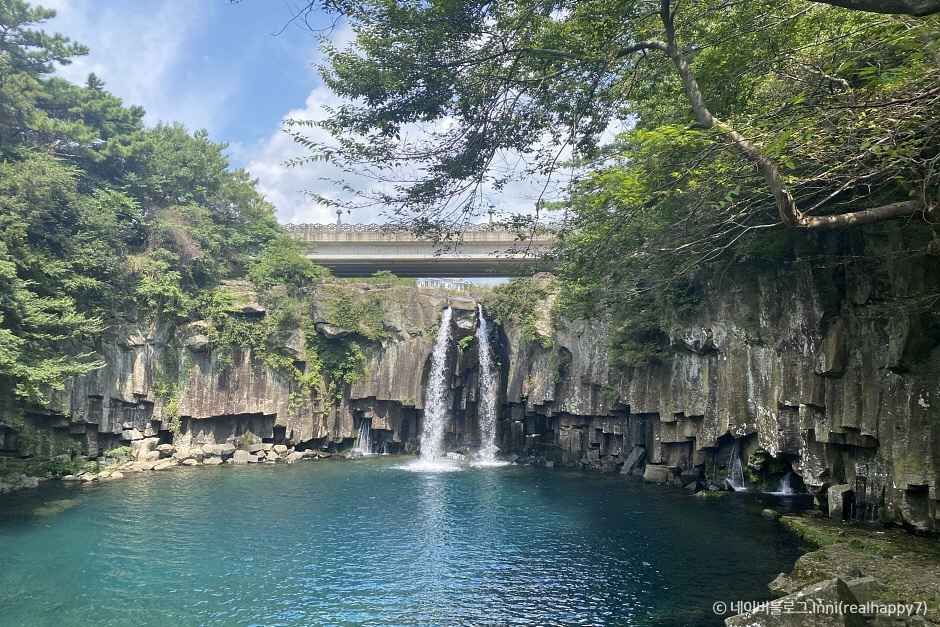
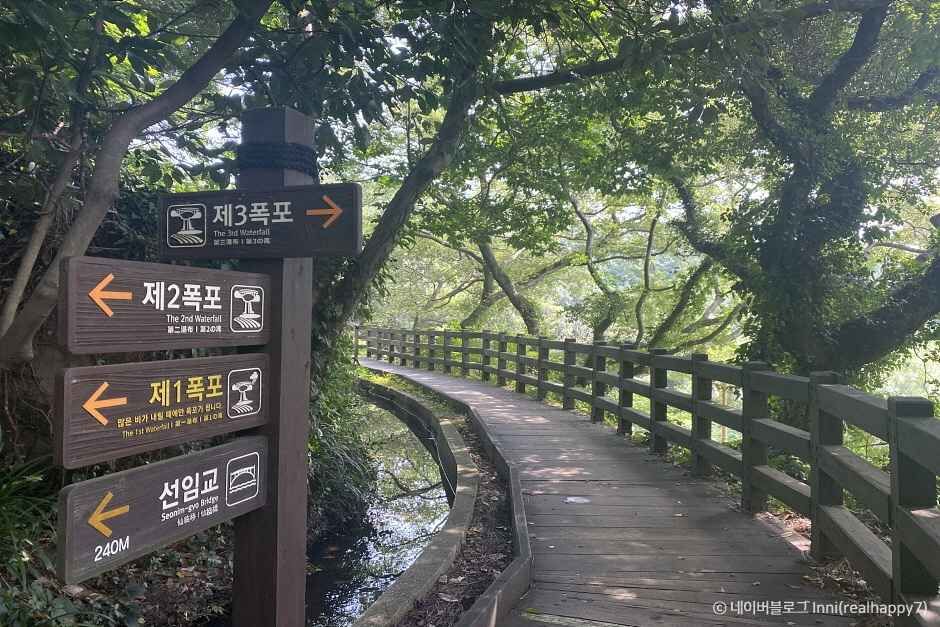
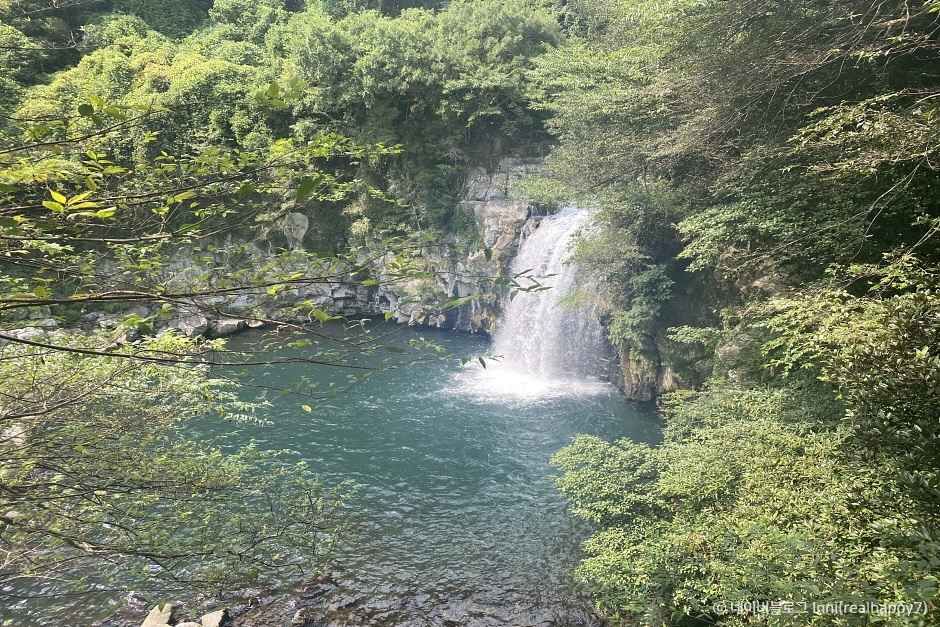
Water flowing down from the First Waterfall continues on to the Second and Third Waterfalls and then heads toward the sea. The official guide describes the Second Waterfall as a front-drop type with a width of 30 m, and to see all three waterfalls, you need to include the time spent going up and down the observatory and stairs.
The recommended time on site is around 40 minutes if you are only taking photos, and about 60 minutes if you visit the First, Second, and Third Waterfalls along with Seonim Bridge and Cheonje-ru Pavilion. Because there are stairs and sloped walking sections, it is quite difficult to view all three waterfalls in the same way with a wheelchair or stroller, and shoes that support the ankles are recommended. Reviews from 2025 also repeatedly noted that seeing all three waterfalls takes more than 30 minutes.
- If your goal after entering is only the First Waterfall, the visit can end quickly, but if you plan to go to the Second and Third Waterfalls, you should leave time for the round-trip stairs.
- After rain, the walking surface may be wet, so hold the handrail while moving.
- Because closing time may change depending on sunset, if you enter late in the afternoon, check the on-site closing time first.
The Seven Fairy sculptures on Seonim Bridge, completed in 1984, and the view from Cheonje-ru Pavilion
The arched Seonim Bridge over the Jeongjeoyeon Valley was completed in 1984. It is also called the Seven Fairies Bridge, and Seven Fairy sculptures are placed on both sides of the bridge to visually connect the Jeongjeoyeon legend. Since Seonim Bridge is a point overlooking the Second Waterfall and the valley from above, it is a good place to sense the depth of the landscape rather than the sound of water close to the falls.
Crossing Seonim Bridge leads to Cheonje-ru Pavilion. Even if you are on a quick itinerary that only stops by the waterfalls, you should include Seonim Bridge to understand the scale of the three-tier waterfall and the subtropical forest valley at a glance. However, the bridge and pavilion area is a midpoint on the stair route, so if you are traveling with someone who has difficulty walking, it is better to decide the viewing range at the entrance.
Why the subtropical forest, Natural Monument No. 378, surrounds the waterfall
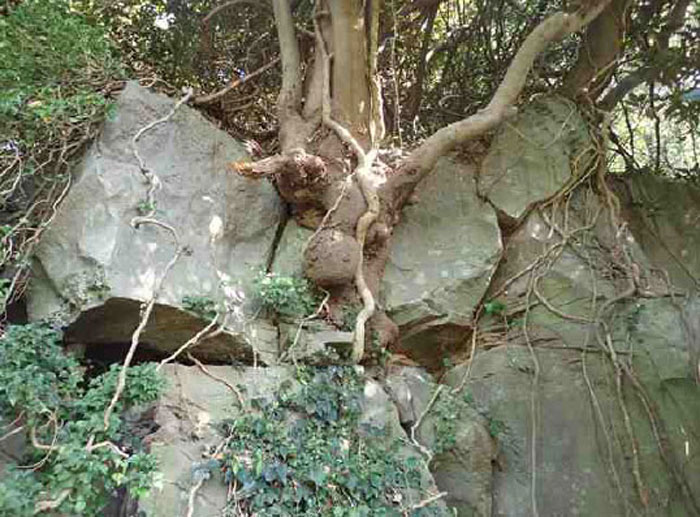
The area around Jungmuncheon, which flows through the Jeongjeoyeon Valley, is protected as Natural Monument No. 378, "Jeju Jeongjeoyeon Subtropical Forest." The valley, filled with evergreen broadleaf trees, is not only a backdrop to the waterfall but also a vegetated space shaped by the warm climate and valley moisture environment of southern Jeju. The reason subtropical plants such as pine needle orchid, manila palm, castanopsis, tree form of Hwangchil, and Japanese cinnamon tree are mentioned lies in this environment.
In the subtropical forest section, it is important not to leave the designated walking path. In 2021, reports highlighted a rockfall risk caused by tree growth and loosening bedrock, so if there are barriers, warning signs, or detour instructions, safety guidance should take priority over the view. Actions such as going down toward the bedrock or valley to get a closer look at the waterfall should be avoided.
The place-based memory of Jeju 4.3 that remains behind the scenery of Jungmun Tourist Complex
Jeongjeoyeon Falls was developed as a tourist site in connection with the 1970s development of the Jungmun Tourist Complex. Today's trails, Seonim Bridge, and observatory route are the result of linking the natural valley into a tourism path, and because Yeomiji Botanical Garden is right next door, it is easy to combine them into a half-day itinerary in the Jungmun area.
However, this area is also connected to the painful history of Jeju 4.3. According to the Jeju Tourism Organization, during the Japanese colonial period the area around the Jeongjeoyeon Falls parking lot was used as a cattle and pig slaughterhouse, and during 4.3 several massacres took place here. Rather than consuming the scenery only as a pretty view, it is necessary to move through the site with awareness of its historical layers, together with the guide to the Jungmun-dong 4.3 Trail.
Admission, fees, and parking information starting at the Cheonjeyeon-ro 132 ticket office
The road address of Jeongjeoyeon Falls is 132 Cheonjeyeon-ro, Seogwipo-si, Jeju Special Self-Governing Province (Jungmun-dong), and the management inquiry number is 064-760-6331. According to the Korea Tourism Organization, operating hours are 09:00 to 17:50, the final admission time is 17:10, and it is open year-round. However, since there is guidance that closing time may change depending on sunset, it is safer to call in advance and confirm the closing time on the day of your visit if you plan to go late.
Admission is 2,500 won for adults and 1,350 won for teenagers and children. On-site parking is available, and restrooms are provided. Official tourism information can be checked on the VisitJeju page and the Seogwipo E-Ticket page, and it is a good idea to reconfirm any variable items such as admission fees and operating hours before departure.
- Operating hours: 09:00 to 17:50
- Final admission: 17:10
- Closed days: none, open year-round
- Adult: 2,500 won
- Teenager/child: 1,350 won
- Inquiry: 064-760-6331
- Parking: available
Bus routes from Jeju Airport and the Jungmun area to Jeongjeoyeon Falls
By public transportation, you can access the site via the Jeongjeoyeon Falls stop. The Jeju Island tourist bus guide says that Airport Limousine No. 600, which connects the airport, Jungmun, and Seogwipo, runs about every 15 minutes and takes about 45 minutes from Jeju Airport to the Jungmun area. Actual travel time may vary depending on traffic and the location of the stop.
A route using Express Bus No. 182 from Jeju Airport has also been introduced, and routes and intervals may be adjusted frequently. If you are driving a rental car, set the navigation destination to "Jeongjeoyeon Falls" or "132 Cheonjeyeon-ro," enter the parking lot, and then begin your visit at the ticket office. Since it is close to Yeomiji Botanical Garden within the Jungmun Tourist Complex, you can combine the two, but if you plan to visit both facilities, it is better to allow at least 2 to 3 hours.
A visit decision for travelers who find the stairs more burdensome than the waterfall
Jeongjeoyeon Falls is not a place where you view a waterfall on flat ground right next to the coast; rather, it is a place where the First, Second, and Third Waterfalls and Seonim Bridge are connected along the stairs of a subtropical forest valley. For travelers with knee pain, travelers who have difficulty climbing stairs, or families trying to see all three waterfalls while pushing a stroller, it may be more suitable to narrow the viewing range to the First Waterfall and Seonim Bridge.
On the other hand, for travelers who want to compare the landscape divided into three tiers and how it changes between the dry season and after rainfall, this is a dense and rewarding course. If you enter right after the 09:00 opening or in the early afternoon with time to spare before closing, it is easier to secure time for stair travel and photography. The amount of water at the First Waterfall depends heavily on the weather, so the most accurate approach is to check both the rainfall history on the day of your visit and the on-site guidance.
Before You Go
- Address
- 132 Cheonjeyeon-ro, Seogwipo-si, Jeju Special Self-Governing Province (Jungmun-dong)
- Hours
- 09:00 to 17:50 (final admission 17:10, may vary depending on sunset)
- Closed
- Open year-round
- Admission
- Adult 2,500 won / Teenager and child 1,350 won
- Phone
- 064-760-6331
- Official site
- https://www.visitjeju.net/kr/detail/view?contentsid=CNTS_200000000015366
- Transport
- Use the Jeongjeoyeon Falls stop. From Jeju Airport to the Jungmun area, Airport Limousine No. 600 is listed at about 45 minutes with service about every 15 minutes, but routes and intervals should be checked before departure.
- Parking
- Parking available
- Time needed
- Recommended 40 to 60 minutes; include stair movement if viewing the First, Second, and Third Waterfalls and Seonim Bridge
- Accessibility
- Because there are stairs and sloped walking sections, there are limitations to viewing all three waterfalls with a wheelchair or stroller. Foreign-language guidance is provided on the Korea Tourism Organization's English page.
The information above is current as of the time of writing. Please check the official guidance again before visiting.

Places
Nearby Attractions 5
-
 1
1
-
 2
2
-
 3
3
-
 4
4
-
 5
5
Food & Dining 5
-
 6
6
-
 7
7
-
 8
8
-
 9
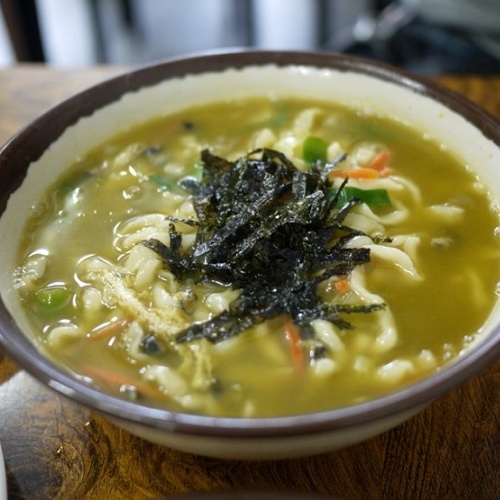
Cheonjiyeon Restaurant
9
Cheonjiyeon Restaurant -
 10
10
Events in This Area
Festivals in This Area
More Travel Guides in This Area
 Travel Guide
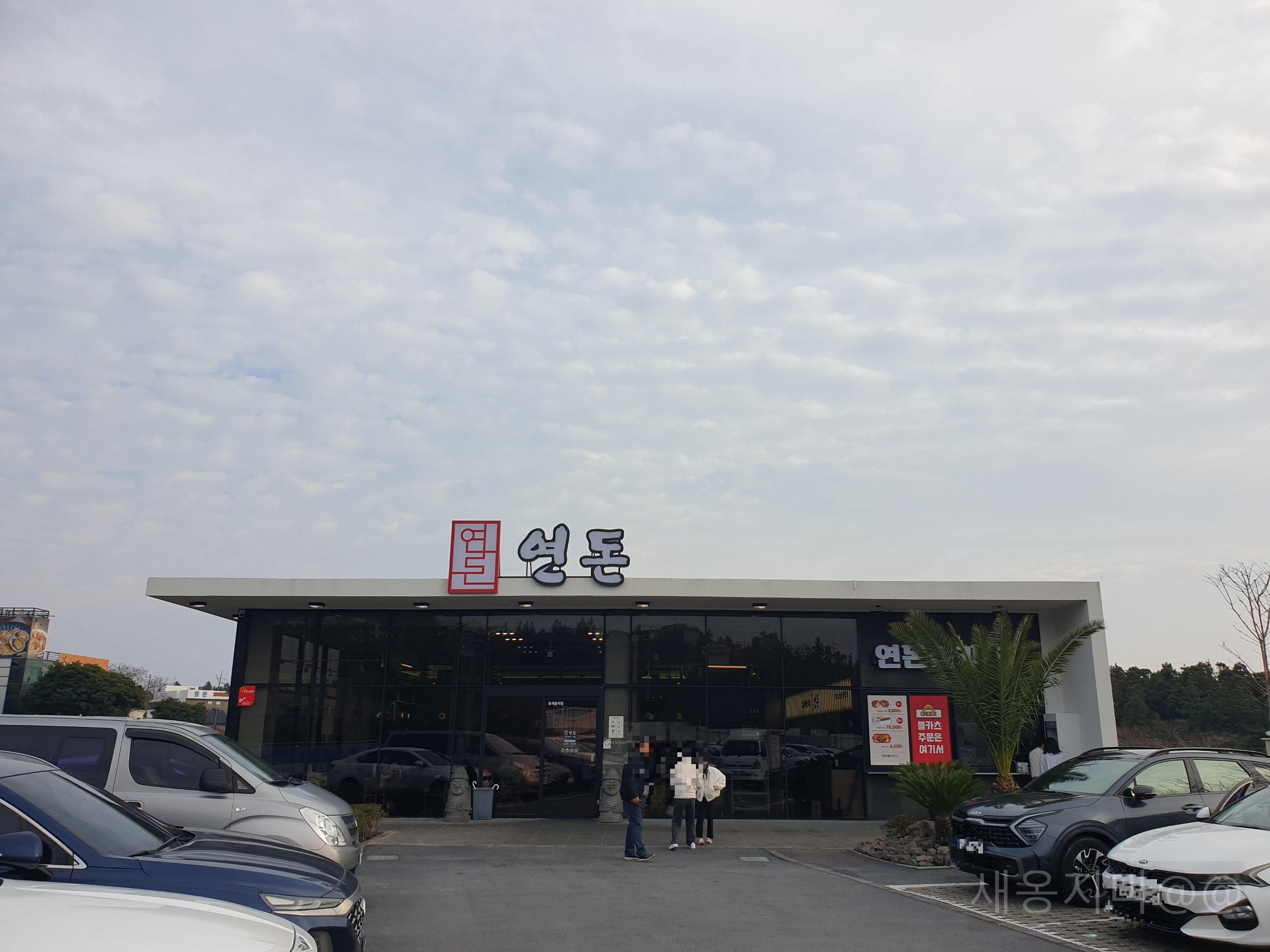
Yeondon Jeju’s Day Is Decided Before the Doors Open at Noon
 Travel Guide
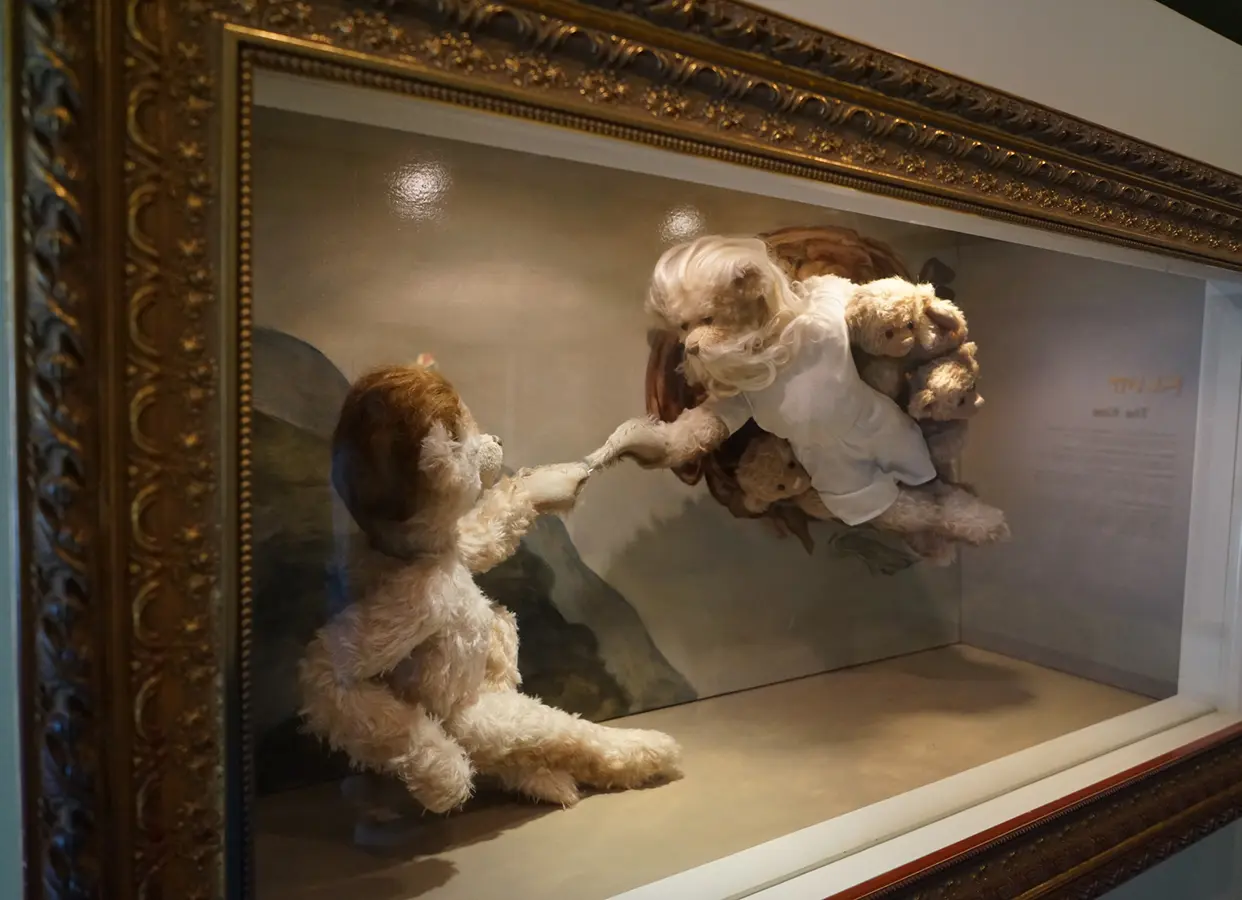
A Century-Old Teddy Bear’s Stage Overlooking Jungmun Saekdal Beach
 Travel Guide
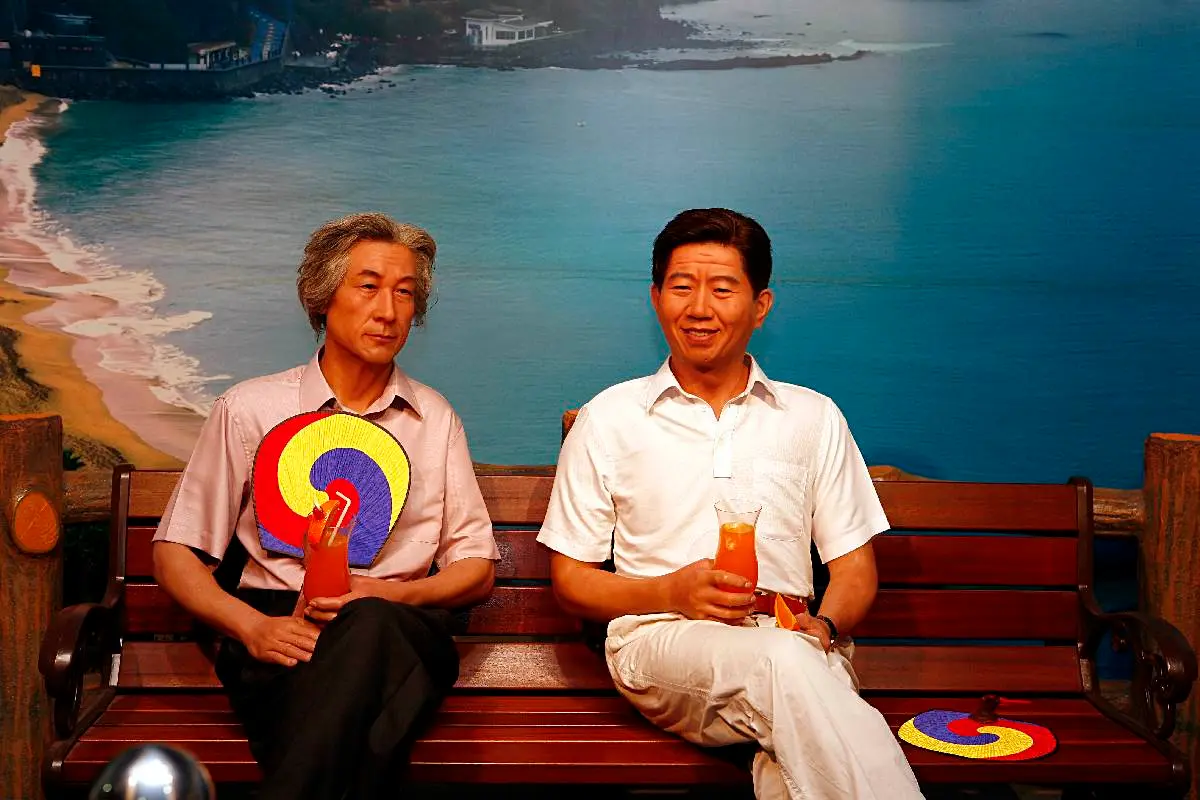
Jeju International Peace Center: The 'Island of World Peace' Exhibition Hall Opened in 2006
 Travel Guide
Jeju’s Largest 1 km Columnar-Jointed Cliff Seen from Above the Jisakkae Sea Cliff
Korea News
 News
News
‘NewJeans Expulsion’ Danielle Releases Her First YouTube Video… “We Don’t Know What Will Happen Next”
![aespa’s North American Tour Has Remaining Seats Despite ‘$49’ Bargain Prices… A Stark Popularity Gap with KATSEYE [TEN Starfield]](https://kotourlive-images.s3.ap-northeast-1.amazonaws.com/news/1788485037424_a59b1932_naver_rank_thumb_0000774618_1788485037424.jpg) News
News
aespa’s North American Tour Has Remaining Seats Despite ‘$49’ Bargain Prices… A Stark Popularity Gap with KATSEYE [TEN Starfield]
![[Photo] TWICE’s Dahyun attends a film festival red carpet as an actress](https://kotourlive-images.s3.ap-northeast-1.amazonaws.com/news/1788485316508_edd43ecd_news_870a60a6-6f11-4d73-aa7c-48d91318a0f7.jpg) News
News
[Photo] TWICE’s Dahyun attends a film festival red carpet as an actress
![[On-Site Video] “We’re Departing Separately Together”… BIGBANG Begins ‘COSMOS’ World Tour](https://kotourlive-images.s3.ap-northeast-1.amazonaws.com/news/1788485226518_c5719641_news_fdd4764a-0f4e-4968-8e4e-e98a02872f88.jpg) News
News