Following the Departure of 121 People from Jemulpo at the Museum of Korean Immigration History
The Museum of Korean Immigration History on Wolmido Island in Incheon explores the journey of the first official Korean immigrant group to Hawaii, which left Jemulpo in Incheon in 1902, as well as the lives of Koreans living abroad around the world. This guide also covers free admission, regular guided-tour times, how to get there by Bus 45 from Incheon Station, and wheelchair and stroller rental information.

I’ve been here?
Your check-in helps the next traveler.
No one has checked in yet Be the first
One tap — no writing needed
An Exhibition Beginning in Jemulpo on December 22, 1902
The Museum of Korean Immigration History is Korea’s first immigration history museum, established in 2003 through the shared efforts of Incheon Metropolitan City residents and overseas Koreans to commemorate the centennial of Korean immigration to the Americas. It is operated as part of the Incheon Metropolitan City Museum and is located at 329 Wolmi-ro, Jemulpo-gu, Incheon (Bukseong-dong), postal code 22304.
The exhibition begins with the fact that Incheon was the starting point for overseas migration. On December 22, 1902, the first group of 121 immigrants to Hawaii boarded the Japanese-owned steamship Genzan Maru at Jemulpo, Incheon, and sailed for two days to Nagasaki, Japan.
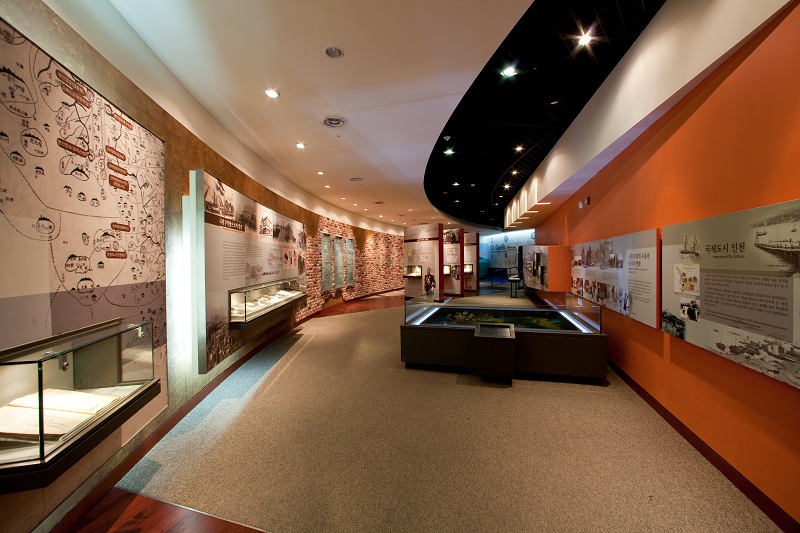
See the Gallik Ship Model First in Exhibition Room 1
Exhibition Room 1 explains the circumstances in Incheon and Hawaii at the time of the opening of the port, the domestic political situation, and the process that led to the first official immigration. The Imo Incident took place in 1882, the Gapsin Coup in 1884, and the Russo-Japanese War in 1904; the situation in the latter half of the 19th century is presented as the background to the exhibition.
After undergoing medical examinations in Nagasaki, 19 members of the first immigrant group were disqualified, leaving only 102 to board the Gallik. They arrived in Honolulu, Hawaii, on January 13, 1903, so it is important in the exhibition to follow the sequence from departure from Incheon through the vessel transfer to arrival.
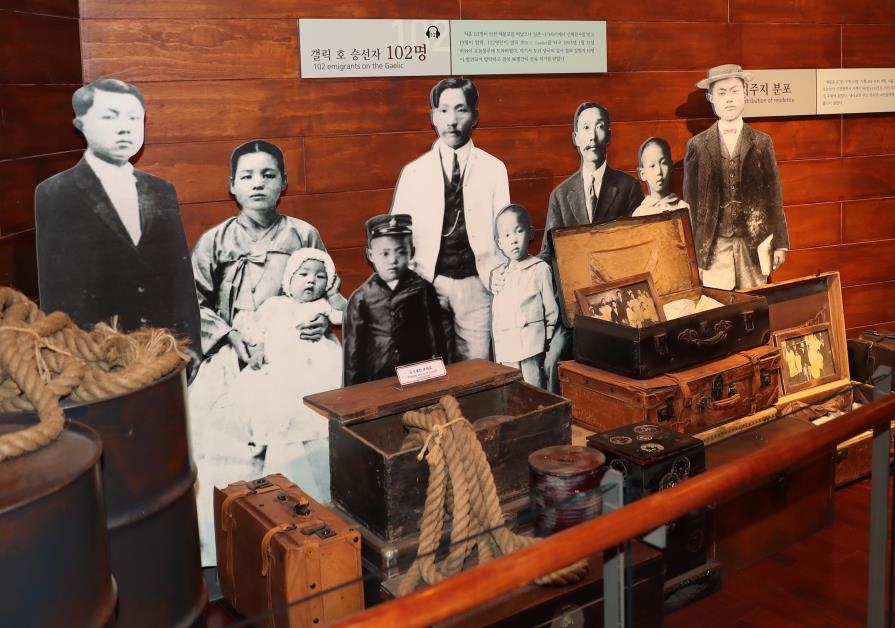
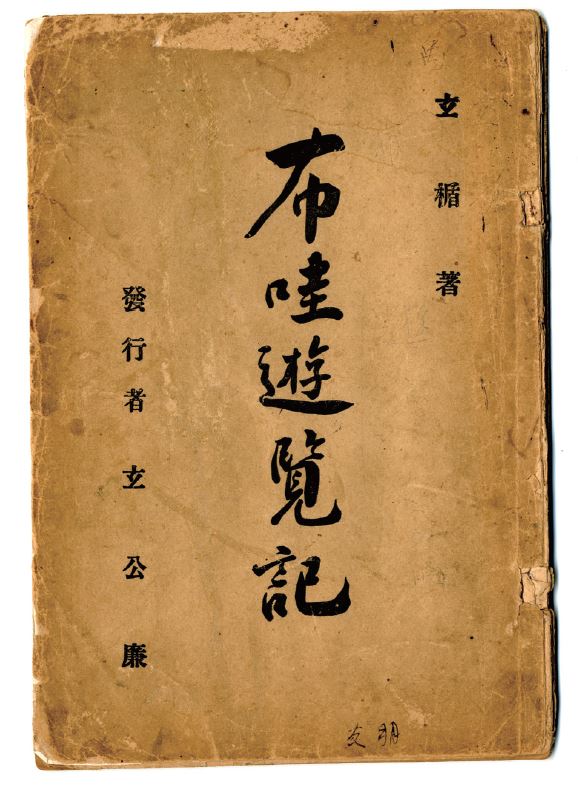
Immigrant Life Revealed Through Powayuramgi and Jipjo
The museum’s list of major artifacts includes Powayuramgi (布哇遊覽記), a water container, a nickel-silver lunchbox, and a leather whip. These objects present immigration not as an abstract movement of people but as an exhibition topic involving records, meals, labor, and travel.
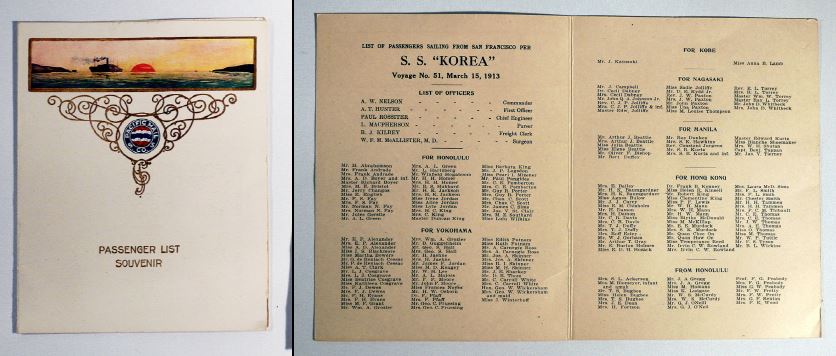
Other major artifacts include the S.S.KOREA passenger list, a stereoscope, the onboard menu of the Korea Maru, Bango (番號札), and Jipjo (passport). Viewing the onboard menu together with the passenger list helps distinguish two aspects: the people who boarded the ship and the everyday life of the voyage.
Expand Your Perspective to the 7 Million Overseas Koreans in Exhibition Room 4
The exhibition does not end with the first immigration to Hawaii. Exhibition Room 4 covers the current circumstances, activities, and aspirations of 7 million overseas Koreans who have settled in countries around the world. Connecting the departure narrative of Exhibition Room 1 with the present-day overseas Korean communities of Exhibition Room 4 makes it easier to understand the museum’s scope.
The exhibition descriptions also connect to the history of Inha University. Inha Engineering College opened in April 1954 and was elevated to university status in March 1972. This is where the history of Korean immigration overseas is discussed together with Incheon’s educational and urban development.
Free Admission from 09:00 to 18:00; Entry Until 17:30
As of August 26, 2026, visiting hours are 09:00–18:00, and visitors may enter until 30 minutes before closing. Admission is free, so there is no ticket cost, but entry is not possible after 17:30.
The regular closing day is every Monday, except when Monday is a public holiday, and the museum is also closed on January 1. The visitor information telephone number is 032-440-4710, the main telephone number is 032-440-4710~1, and the fax number is 032-440-8821. Official information is available on the Museum of Korean Immigration History page of the Incheon Metropolitan City Museum website.
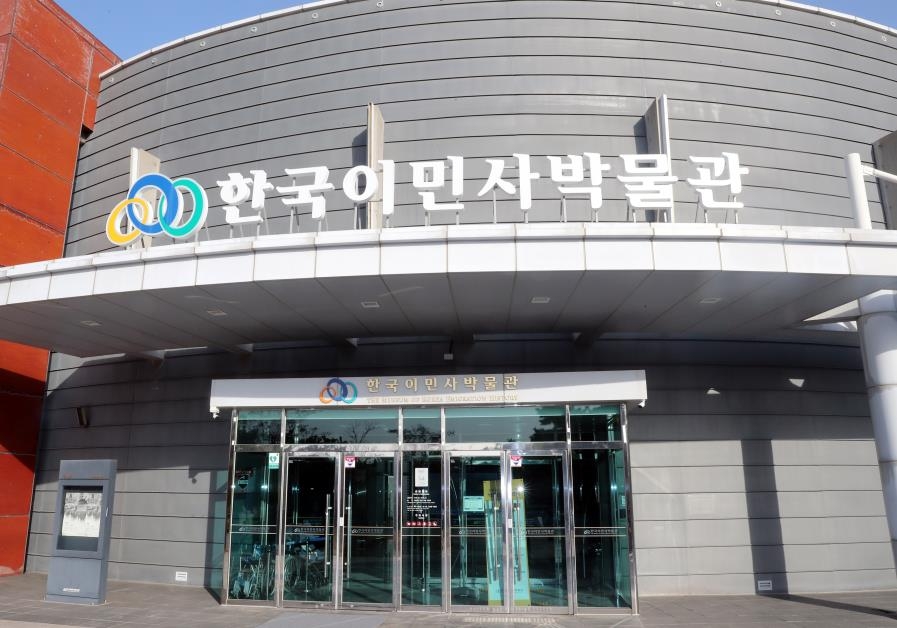
Arrive for the Regular Guided Tours at 10:30, 13:30, or 15:00
Interpretive tours by cultural tourism guides are offered from 10:00 to 17:00, with regular tours scheduled at 10:30, 13:30, and 15:00. Rather than first skimming the exhibits, international visitors can arrive at one of these times to hear the departure context of Exhibition Room 1 in one session.
The 2026 program includes “Immigration Stories Learned Through Travel and Moving,” an educational program for children aged 5 to 7 at daycare centers and kindergartens in Incheon, as well as immigrant food stories and apron decorating for families accompanied by elementary school students. Family education sessions were announced for May 30, June 20, July 18, August 22, September 19, October 24, and November 21.
Take Bus 45 from Incheon Station to 329 Wolmi-ro
Visitors arriving in Incheon for the first time can get off at Incheon Station on the Incheon Subway, take Bus 45, and get off at the Incheon Maritime High School stop. The official information does not specify Incheon Station’s exit number, the exact walking time to the museum, or the bus interval, so these details are not stated definitively here.
When traveling by car, routes via the First Gyeongin Expressway or Second Gyeongin Expressway are provided. The driving route proceeds in the order of the expressway terminal, the underground passage at the main gate of Incheon Port, Suin Intersection, Incheon Jungbu Police Station, Incheon Port Pier 8, and Wolmi Park. Two visitor parking spaces are available, and parking is free.
Wheelchairs and Strollers Are Available to Borrow, but Plan Visiting Time Separately
There is an accessible route at the main entrance and inside the exhibition area, and the main entrance has automatic doors that allow wheelchairs to pass through. Two wheelchairs are available to borrow free of charge, and the museum has an elevator that can accommodate two wheelchairs, as well as accessible restrooms on the first and second floors.
Tactile paving and guidance lines, Braille promotional materials and signs in the lobby, assistance dogs, and audio guide devices are provided, and two strollers can also be borrowed free of charge. The recommended visiting duration, whether photography is prohibited, whether payment is cash-only, and the availability of English information and an audio guide could not be confirmed in the public information, so this article does not state them definitively.
Reports of a 2029 Reopening and the Significance of Visiting Now
A report dated February 9, 2026, stated that the Museum of Korean Immigration History plans to reopen in 2029 after a comprehensive renovation costing 25 billion won. The same report described a site of 10,792㎡ and a total floor area of 4,027㎡.
The materials making up the current exhibition are accumulated through the donation and permanent preservation of materials considered valuable to the museum in relation to the history, culture, and daily lives of overseas Korean immigrants, after which they are used as exhibits and research materials. Therefore, when visiting during the period in which the reopening plan has been reported, it is necessary to check the museum’s operating status on the official website beforehand.
Before You Go
- Address
- 329 Wolmi-ro, Jemulpo-gu, Incheon (Bukseong-dong), postal code 22304
- Hours
- 09:00–18:00; entry permitted until 30 minutes before closing
- Closed
- Every Monday, except when Monday is a public holiday; January 1
- Admission
- Free
- Phone
- 032-440-4710~1
- Official site
- https://www.incheon.go.kr/museum/MU040102
- Transport
- Get off at Incheon Station, take Bus 45, and get off at Incheon Maritime High School
- Parking
- Visitor parking available (2 spaces), free
- Accessibility
- Accessible routes at the main entrance and inside the exhibition area. Two wheelchairs available to borrow free of charge; the automatic main entrance doors allow wheelchair access; elevator accommodates two wheelchairs. Accessible restrooms on the first and second floors; tactile paving and guidance lines; assistance dogs permitted; audio guide devices; Braille promotional materials and signs in the lobby; two strollers available to borrow free of charge.
The information above is current as of the time of writing. Check the official information again before visiting.

Places
Nearby Attractions 3
-
 1
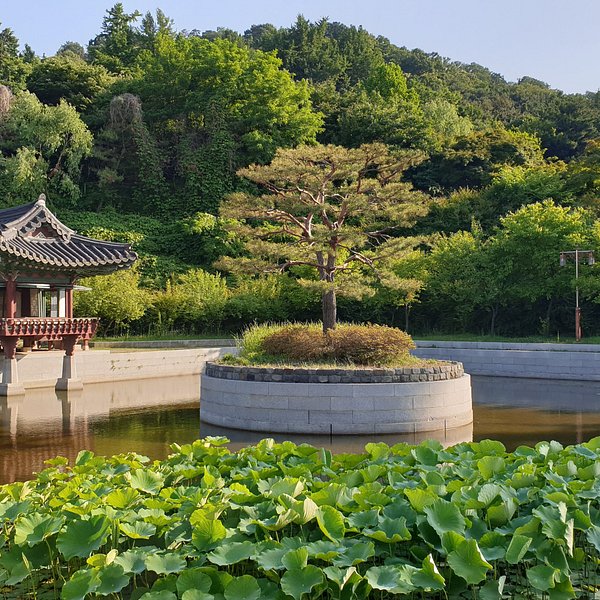
Wolmi ParkA park where you can explore the Wolmisan walking trails, traditional garden, and observatory.
1
Wolmi ParkA park where you can explore the Wolmisan walking trails, traditional garden, and observatory. -
 2
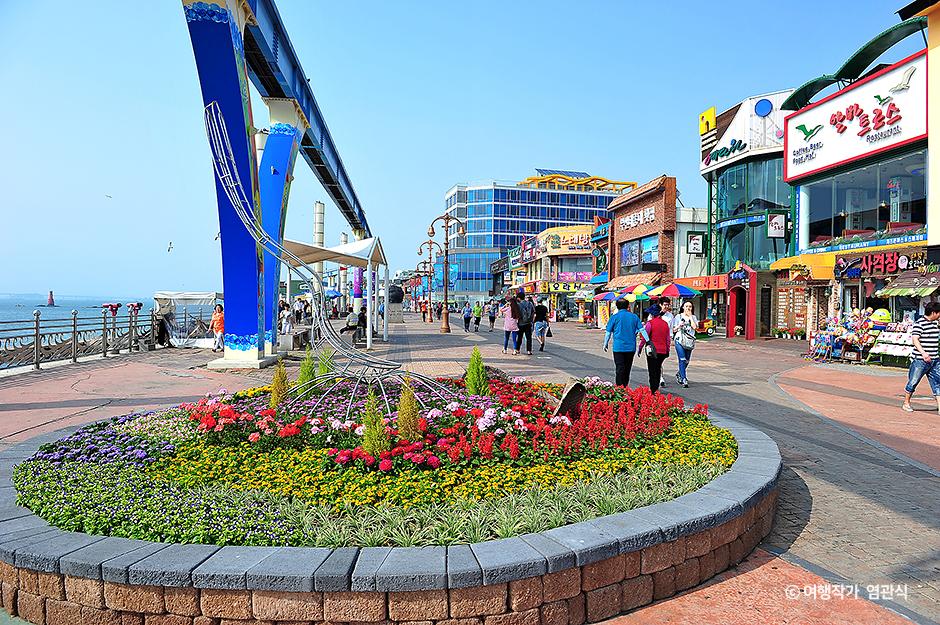
Wolmido Culture StreetA waterfront promenade where you can enjoy a seaside stroll, views of Incheon Port, and a musical fountain.
2
Wolmido Culture StreetA waterfront promenade where you can enjoy a seaside stroll, views of Incheon Port, and a musical fountain. -
 3
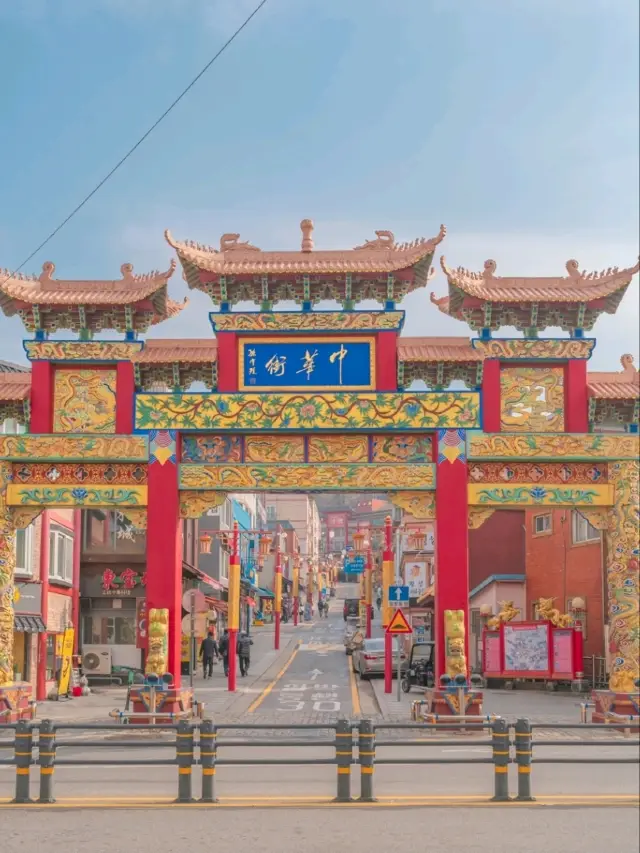
Incheon ChinatownA tourist destination where you can experience Chinese-style streetscapes and food culture.
3
Incheon ChinatownA tourist destination where you can experience Chinese-style streetscapes and food culture.
Events in This Area


Festivals in This Area

More Travel Guides in This Area
 Travel Guide
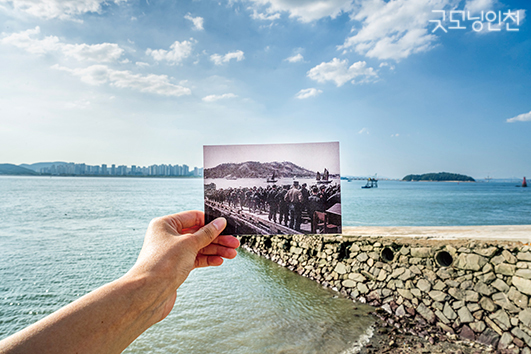
Wolmido, Reading the Time of Incheon Port Through the 2.3 km Wolmi Dulle-gil and the Sea Train
 Travel Guide
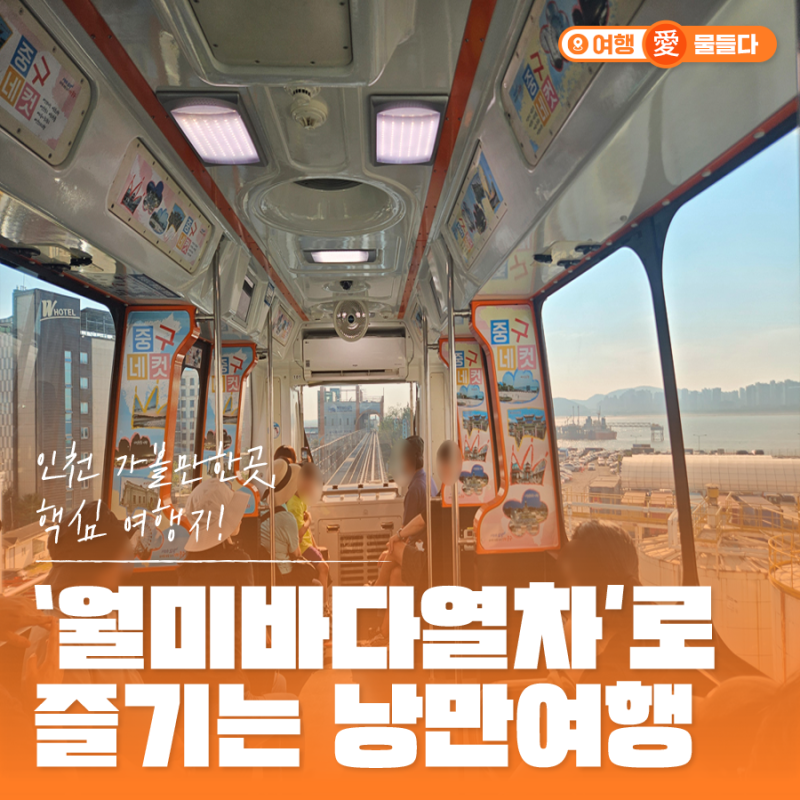
Wolmi Sea Train: 6.1 km Loop and Boarding Guide for Each of the 4 Stations
 Travel Guide
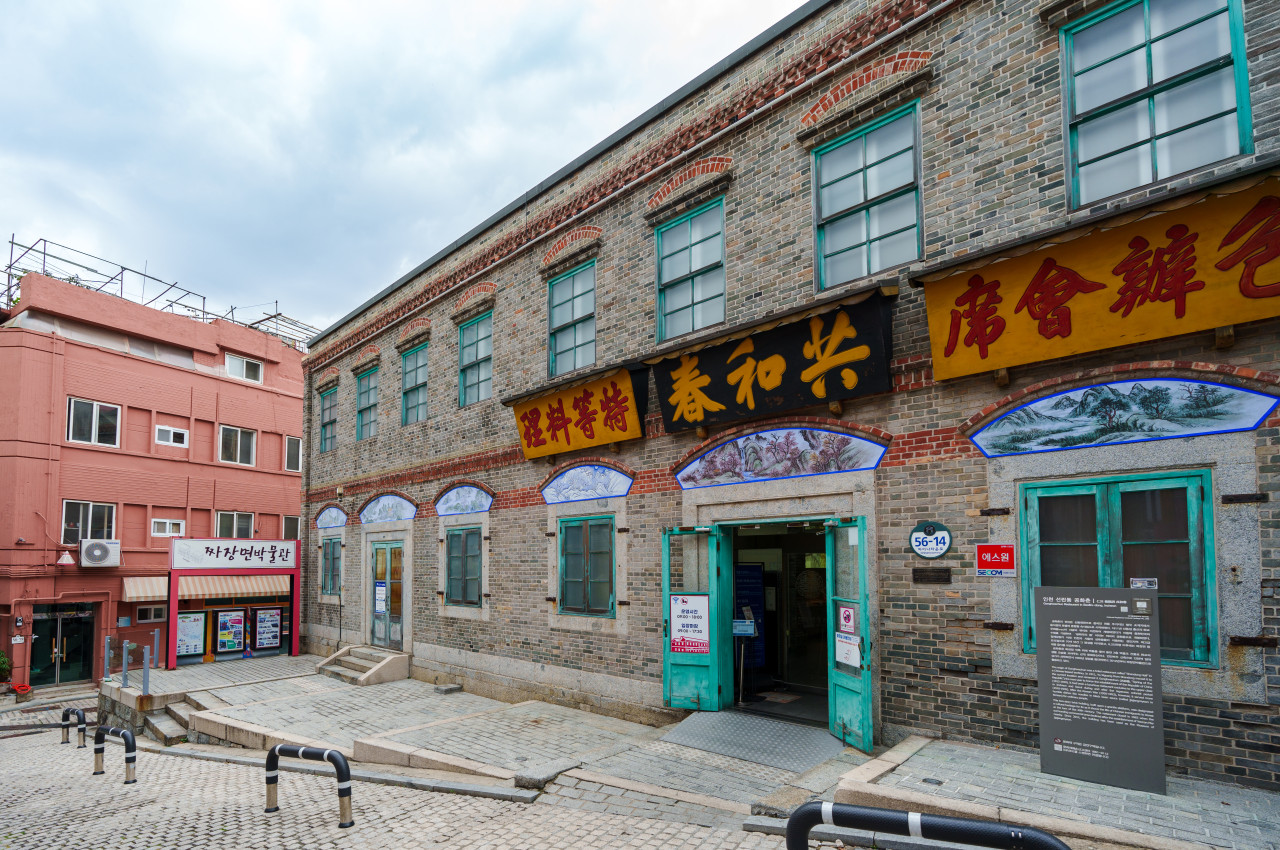
The Birth of Incheon Jajangmyeon and Six Exhibition Rooms at the Gonghwachun Building
 Travel Guide
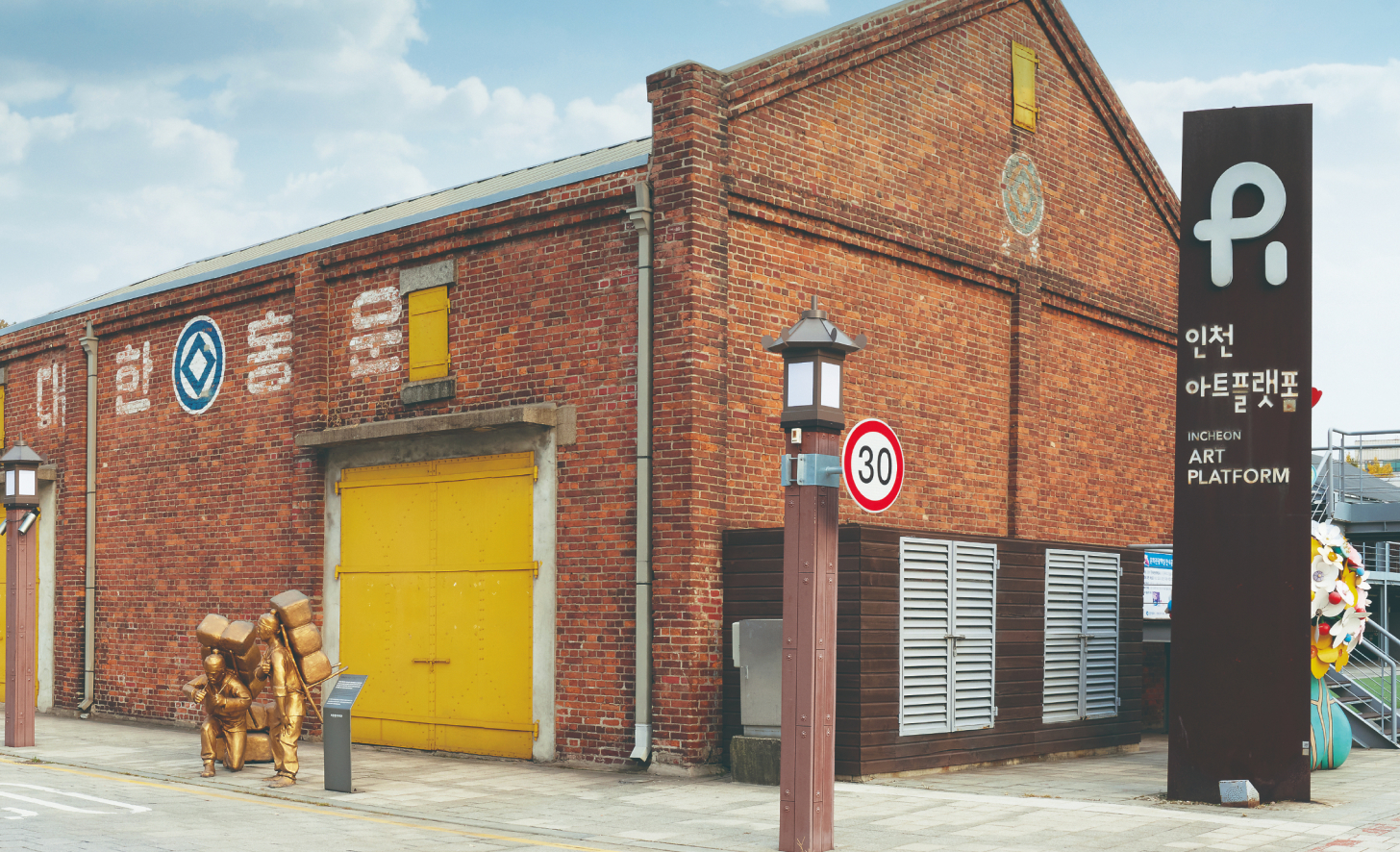
Walking Among the Red-Brick Warehouses of Incheon Art Platform
Korea News
 News
News
'Rami Controversy' NewJeans' Hyein Has Grown More Mature, Yet Is Still Adorable… A Cat Draped in Luxury Brands
 News
News
“If you get too close, I’ll bite”… BTS’s V issues a chilling warning to Jungkook
 News
News
“BTS No Longer Needs the Grammys”… Kim Tae-hoon Assesses the ‘Grammys Boycott’
![[Exclusive] Oh My Girl’s YooA, who switched to acting, parts ways with Saram Entertainment after just one year](https://kotourlive-images.s3.ap-northeast-1.amazonaws.com/news/1787658671060_036c47f7_news_8a403746-8bba-4e3c-8827-19d99be6d4fb.jpg) News
News