Anyang Art Park Where the Valley and Public Art Intersect
Anyang Art Park is a former Anyang amusement park developed in a valley between Gwanaksan and Samseongsan Mountains. Since APAP1 in 2005, it has become a walking space featuring public art installations. This guide covers free outdoor viewing, paid artwork tours, exhibitions at Anyang Pavilion, and how to use the public parking lot.

I’ve been here?
Your check-in helps the next traveler.
14 people viewed this week Be the first
One tap — no writing needed
2005, when Anyang Recreation Area became Anyang Art Park
Anyang Art Park is located in a valley between Gwanaksan Mountain and Samseongsan Mountain. In the past, it was called Anyang Recreation Area and served as a metropolitan-area resort featuring valley waters and forests, traditional temples such as Anyangsa Temple and Yeombulam Hermitage, and nearby cultural assets.
As the number of visitors increased after the 1950s, unauthorized houses and restaurants were haphazardly built around the valley, damaging the natural environment. Later, land development, roads, water and sewer systems, and stream improvements were undertaken, along with the demolition of aging buildings. A small dam was also built upstream.
The turning point came in November 2005 with the first Anyang Public Art Project, APAP1. Its theme was ‘Tipping the Balanced,’ and the artistic director was Lee Young-cheol. Following the launch of APAP, Anyang Recreation Area was renamed Anyang Art Park.
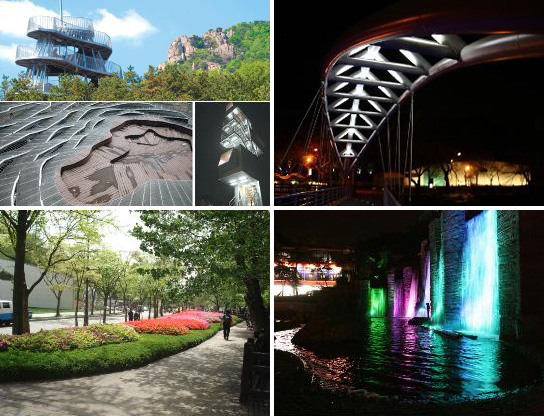
54 public artworks along a 2.3 km walking trail
The park covers 262,686㎡, and the walking trail is 2.3 km long. The wooden deck covers 2,743㎡ and extends 745.8 m, while the park contains 114,710 landscaping trees of 37 species, including zelkova trees.
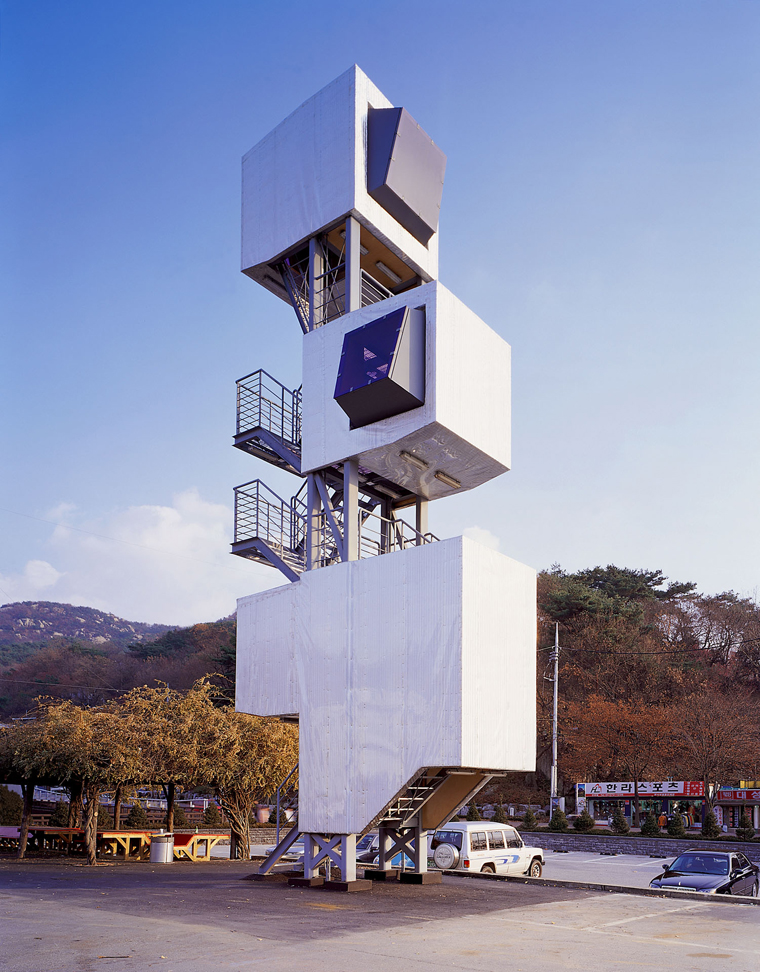
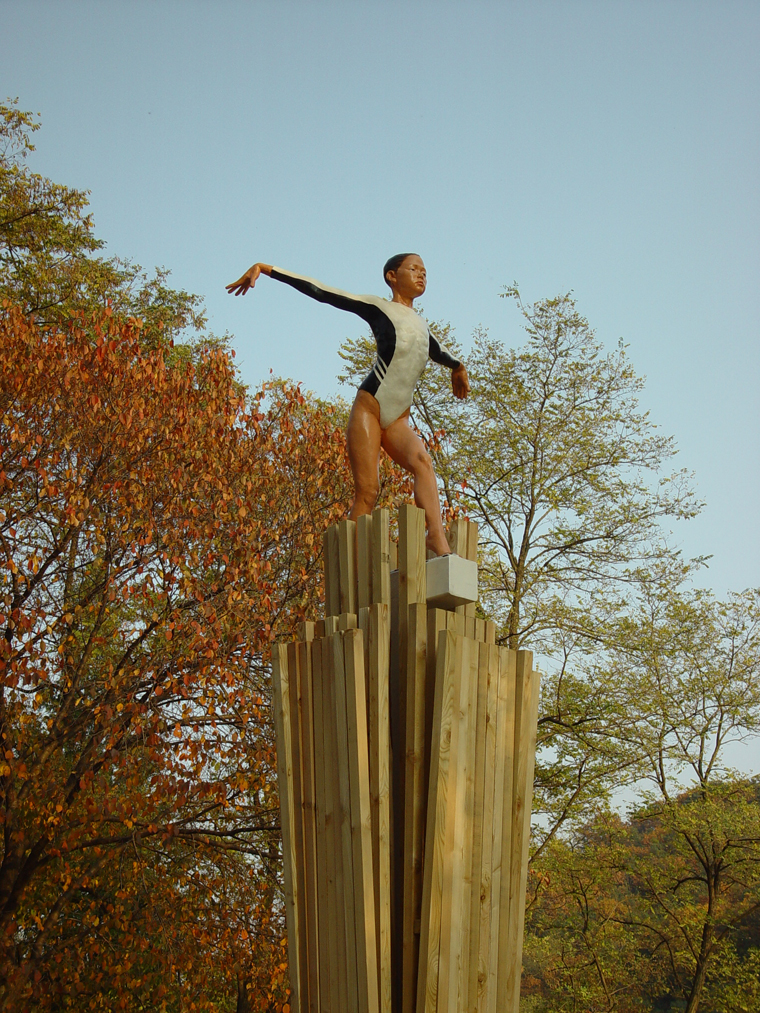
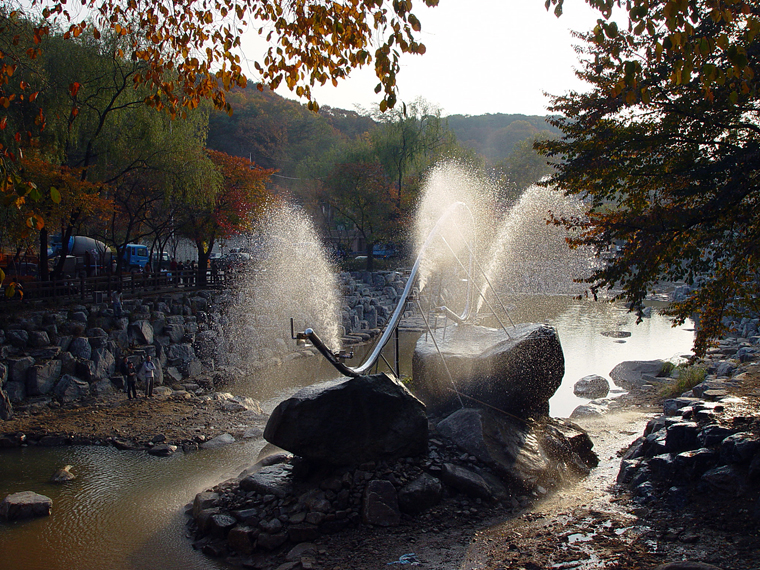
The official facilities inventory lists 54 artworks and 203 other items. Representative works include the Observatory, One-Pyeong Tower, Sky Attic, and ‘Fish Tears Falling into the Lake.’ There is one outdoor stage and 58 convenience facilities.
Among the park facilities, the Observatory is 28.4 m high and covers 380㎡; the exhibition hall covers 780㎡; the artificial waterfall is 12 m high and 40 m long; and the wall fountain is 4.1 m high and 18.5 m long. Rather than seeking out only one or two works, walking 2.3 km along the valley suits the layout of this place.
Free exhibitions at Anyang Pavilion differ from paid art tours
The permanent APAP Archive exhibition at Anyang Pavilion operates from Tuesday through Sunday, 10:00–18:00, with admission closing at 17:00. Admission is free. The venue is closed every Monday, January 1, the Lunar New Year holiday, Labor Day, election days, the Chuseok holiday, and other listed holidays. The address is 180 Yesulgongwon-ro, Manan-gu, Anyang.
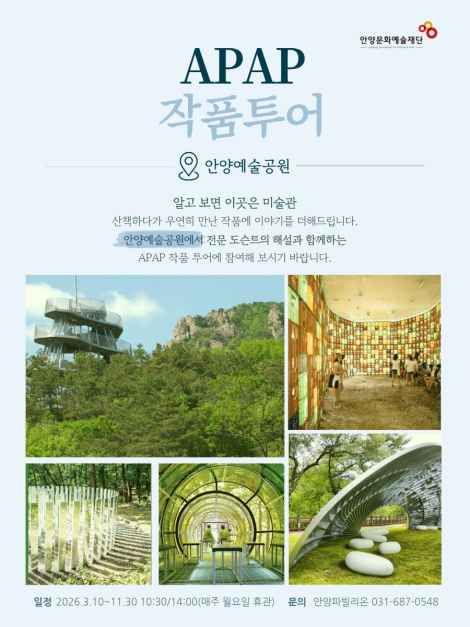
In 2026, Anyang Art Park artwork tours operate from March 10 through November 30, Tuesday through Sunday, twice daily at 10:30 and 14:00. Tours depart from Anyang Pavilion and last approximately 60–90 minutes. The fee is 3,000 won for adults and 1,000 won for youths aged 19 or younger.
Artwork tours can be reserved by searching for ‘Anyang Pavilion’ on Naver, and on-site reservations and payments are by card only. For reservations, call 031-687-0548. Therefore, the free exhibition and the paid tour that includes commentary should not be considered the same program.
APAP night tours on the last Wednesday of the month
In 2026, APAP night tours operate from May through October on the last Wednesday of each month, ‘Culture Day,’ and do not operate during the July heatwave period. Tours depart at 20:00 in May, June, and August, and at 19:00 in October.
Night tours last approximately 80 minutes. The fee is 5,000 won for both adults and youths aged 19 or younger, differing from the daytime artwork tour fees of 3,000 won for adults and 1,000 won for youths.
The night tour is not a daily program and should be distinguished from ordinary walks. Visitors who only walk through the park during the day have no separately confirmed admission fee, but night-tour participants must arrive on the specified date and at the designated departure time.
Access starting from Exit 2 of Gwanak Station
For first-time foreign visitors, the simplest rail access point is Exit 2 of Gwanak Station. Anyang City information states that Anyang Art Park is a 10-minute walk from Exit 2. From Anyang Station, you can take Village Bus No. 2.
If traveling by bus, Branch Buses 5624, 5625, 5626, 5530, and 5713, as well as City Buses 1, 5-1, 51, and 703, are listed. Village Bus 6-2 requires getting off at Yesulgongwon Intersection and walking for five minutes.
Official information does not provide bus intervals or route-change details. Showing the driver ‘Yesulgongwon Intersection’ or ‘Anyang Art Park’ as the destination makes it easier to explain where you wish to get off. The address of the Tourist Information Center is 7 Yesulgongwon-ro 131beon-gil, Manan-gu, Anyang-si, Gyeonggi-do.
168-space public parking lot with usage hours of 09:00–19:00
The off-street public parking lot at Anyang Art Park has 168 spaces and is classified as Zone 2. Operating hours are 09:00–19:00 on weekdays, Saturdays, and Sundays. Anyang Pavilion has no separate parking lot, so visitors must use the public parking lot.
Standard fees are 400 won for the first 30 minutes; 200 won per 10 minutes up to one hour; 400 won per 10 minutes up to two hours; 600 won per 10 minutes up to three hours; and 800 won per 10 minutes after three hours. Reference fees are 1,000 won for one hour, 3,400 won for two hours, and 7,000 won for three hours.
The daily maximum is 25,000 won, and a one-day prepaid pass costs 9,000 won. If you plan to stay for more than three hours, the guidance recommends purchasing the prepaid pass during operating hours. The provided parking information does not specify whether cash or card payments are accepted.
Assistance available at the 09:00–18:00 Tourist Information Center
The Tourist Information Center operates from 09:00–18:00 and is closed every Monday. It provides information about nearby attractions, food-specialty areas, shopping and commercial districts, cultural events, national heritage sites, and traditional temples.
The center’s address is 7 Yesulgongwon-ro 131beon-gil, Manan-gu, Anyang-si, Gyeonggi-do (Seoksu-dong), and the contact numbers are 031-687-0932 and 031-687-0945. For inquiries about visiting the art park, call 031-8045-5552; for artwork inquiries, call 031-8045-5551.
Whether English-language information or audio guides are available has not been separately confirmed for the park as a whole. Wheelchair users are informed that they may participate in the 2026 Barrier-Free Sharing Trail artwork tour, but wheelchair and stroller accessibility throughout the park needs to be checked by section.
Combining a valley walk with nearby cultural heritage
Several hiking trails have developed through the forests around Anyang Art Park. Reviews mention an itinerary of walking for about an hour and then viewing several artworks for visitors making a brief visit; choosing the official APAP artwork tour takes 60–90 minutes.
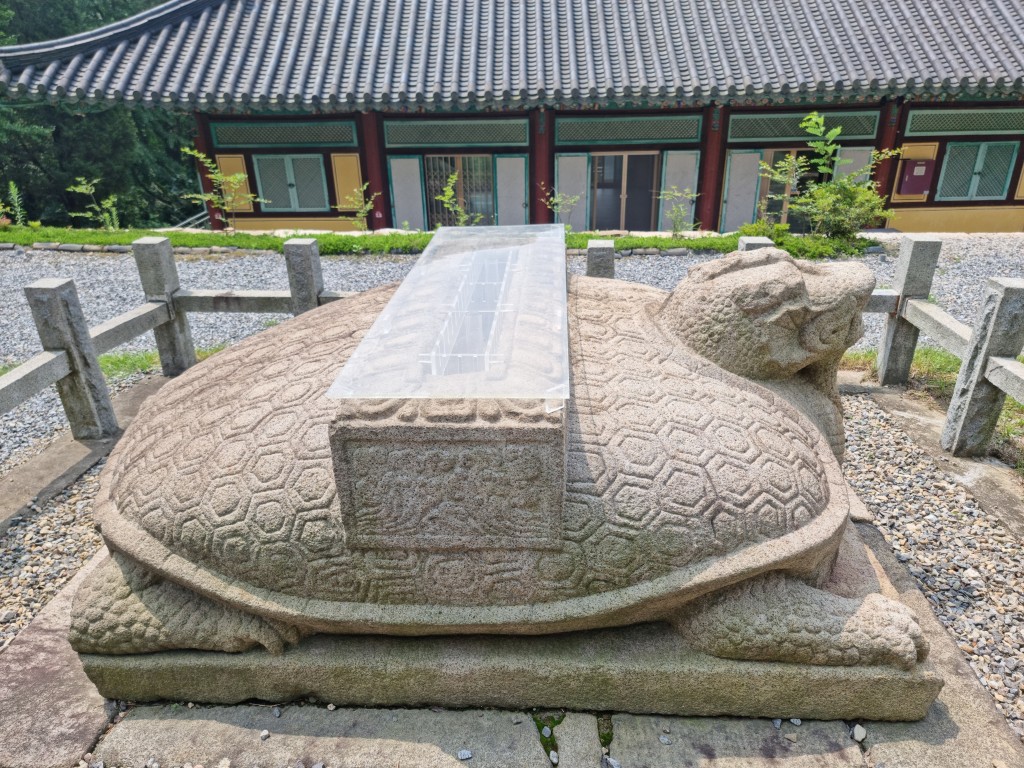
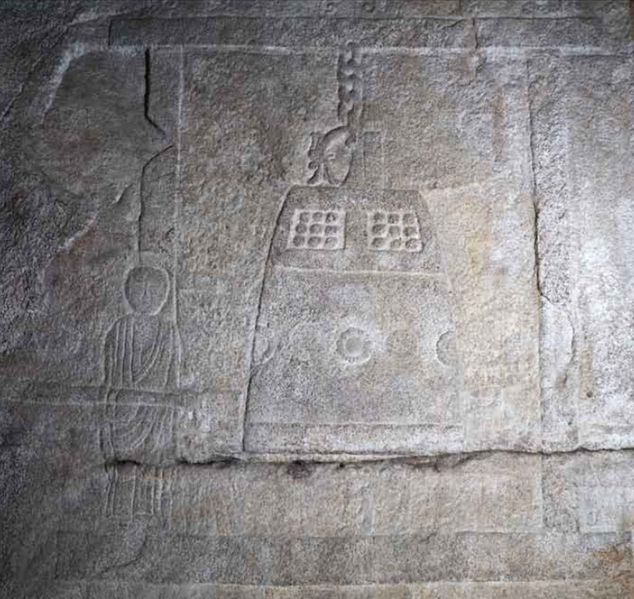
Cultural heritage sites that can be visited together with the park include the Flagpole Supports at Jungchosa Temple Site, Treasure No. 4; the Seoksu-dong Rock-carved Bell, Gyeonggi-do Tangible Cultural Heritage No. 92; the Tortoise Pedestal at Anyangsa Temple, Gyeonggi-do Tangible Cultural Heritage No. 93; and the three-story stone pagoda at Jungchosa Temple Site, Gyeonggi-do Tangible Cultural Heritage No. 164. The traditional temples listed are Anyangsa Temple and Yeombulam Hermitage.
Summer reviews mention that the walking path beside the valley is relatively cool, making morning or after-sunset visits an option. However, comfortable shoes are necessary when using both the walking and hiking trails, and no separate guidance has been confirmed regarding photography restrictions or cash-only payment throughout the park.
Before You Go
- Address
- 5 Sammak-ro, Manan-gu, Anyang-si, Gyeonggi-do, 1st floor
- Hours
- The park’s own operating hours have not been separately confirmed on the official page. Anyang Pavilion APAP Archive permanent exhibition: January 1–December 31, 2026, Tuesday–Sunday, 10:00–18:00 (last admission at 17:00). Closed: every Monday, January 1, the Lunar New Year holiday, Labor Day, election days, the Chuseok holiday, and other listed holidays. Tourist Information Center: 09:00–18:00. Anyang Art Park off-street public parking lot: weekdays, Saturdays, and Sundays, 09:00–19:00.
- Closed
- The park’s own closing days have not been confirmed on the official page. Anyang Pavilion: every Monday, January 1, the Lunar New Year holiday, Labor Day, election days, the Chuseok holiday, and other listed holidays. Tourist Information Center: every Monday.
- Admission
- No admission fee for the park itself has been confirmed. The APAP Archive permanent exhibition is free. APAP artwork tours cost 3,000 won for adults and 1,000 won for youths aged 19 or younger. APAP night tours cost 5,000 won for adults and youths.
- Phone
- Art park visit inquiries: 031-8045-5552; art park artwork inquiries: 031-8045-5551; APAP artwork tour reservations: 031-687-0548.
- Official site
- https://www.anyang.go.kr/manan/contents.do?key=1052
- Transport
- Village Bus No. 2 from Anyang Station. A 10-minute walk from Exit 2 of Gwanak Station. Branch Buses 5624, 5625, 5626, 5530, and 5713; City Buses 1, 5-1, 51, and 703; and Village Bus 6-2 are available. Bus 6-2 requires getting off at Yesulgongwon Intersection and walking for five minutes.
- Parking
- The Anyang Art Park off-street public parking lot is available (168 spaces, Zone 2). Operating hours: weekdays, Saturdays, and Sundays, 09:00–19:00. Daily maximum: 25,000 won; one-day prepaid pass: 9,000 won. Standard fees are 400 won for the first 30 minutes; 200 won per 10 minutes up to one hour; 400 won per 10 minutes up to two hours; 600 won per 10 minutes up to three hours; and 800 won per 10 minutes after three hours. Reference fees are 1,000 won for one hour, 3,400 won for two hours, and 7,000 won for three hours. If using the lot for more than three hours, purchasing a one-day prepaid pass in advance during operating hours may be cheaper. Anyang Pavilion has no separate parking lot, so use the public parking lot.
- Time needed
- No official recommended viewing time for walking through the park itself has been confirmed. The official APAP artwork tour takes approximately 60–90 minutes, and the night tour takes approximately 80 minutes.
- Accessibility
- Official information states that a Barrier-Free Sharing Trail artwork tour, which wheelchair users can join, operates as part of the 2026 APAP artwork tours; however, wheelchair and stroller accessibility throughout the park requires separate confirmation.
The information above is current as of the time of writing. Check the official information again before visiting.

Places
Nearby Attractions 2
-
 1
Anyangsa TempleExplore the traditional temple at the foot of Samseongsan Mountain and relics from the Goryeo period.
1
Anyangsa TempleExplore the traditional temple at the foot of Samseongsan Mountain and relics from the Goryeo period. -
 2
2
Food & Dining 3
-
 3
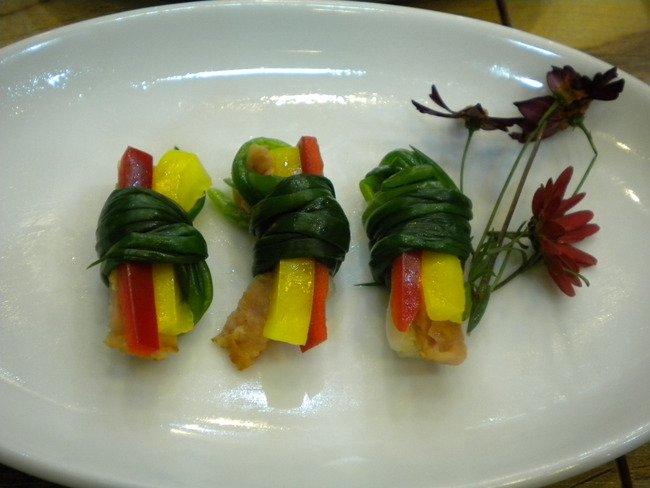
MatgoeulEnjoy Korean dishes such as boiled chicken and spicy freshwater fish stew beside a valley stream.
3
MatgoeulEnjoy Korean dishes such as boiled chicken and spicy freshwater fish stew beside a valley stream. -
 4
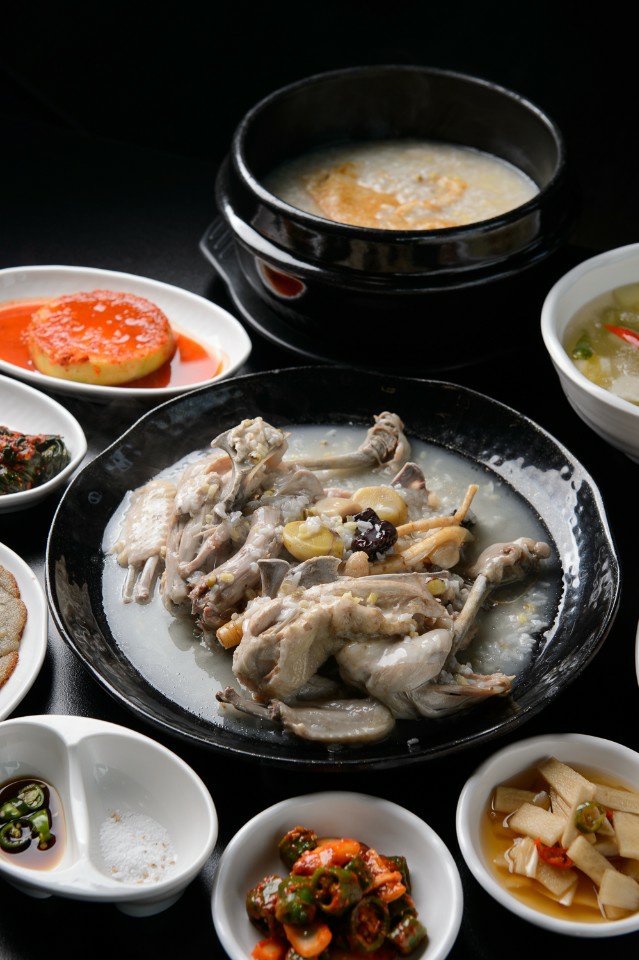
Isanchal Nurungji Chicken & Duck BaeksukA Korean restaurant serving chicken and duck baeksuk with nurungji.
4
Isanchal Nurungji Chicken & Duck BaeksukA Korean restaurant serving chicken and duck baeksuk with nurungji. -
 5
5
Events in This Area


Festivals in This Area


More Travel Guides in This Area
 Travel Guide
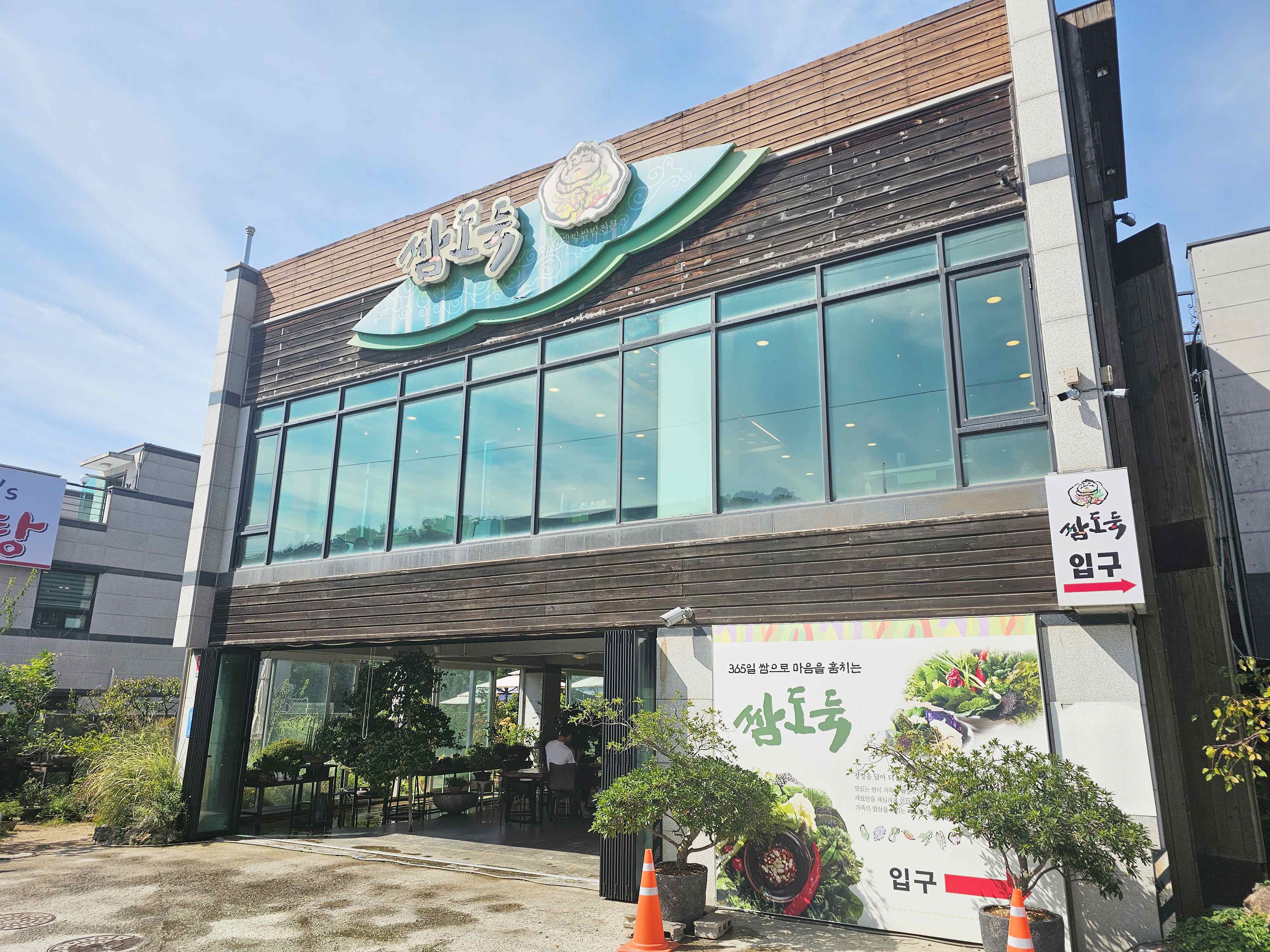
A Meal Selecting Wraps at the Entrance to Sammaksa Temple, Anyang Ssamdoduk
 Travel Guide
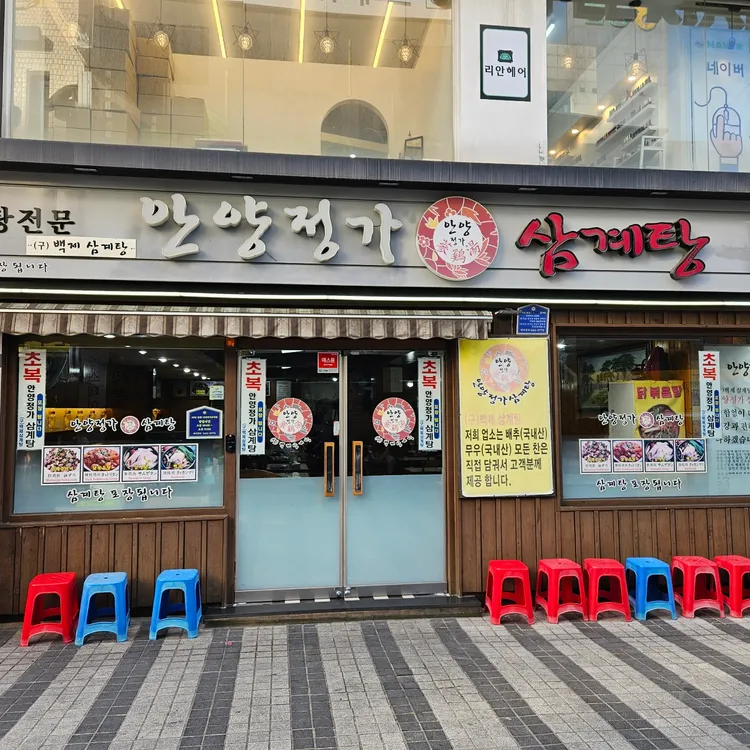
Anyang Jeongga Samgyetang, continuing for over 40 years in the alley of Anyang 1st Street
 Travel Guide
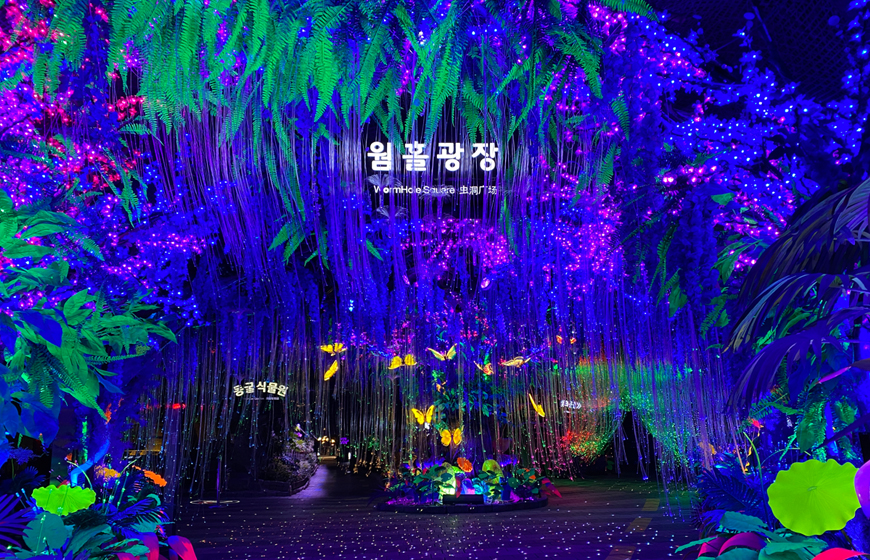
From a 1912 Gold Mine to a 2 km Cultural Cave: Exploring Gwangmyeong Cave in 60 Minutes
 Travel Guide
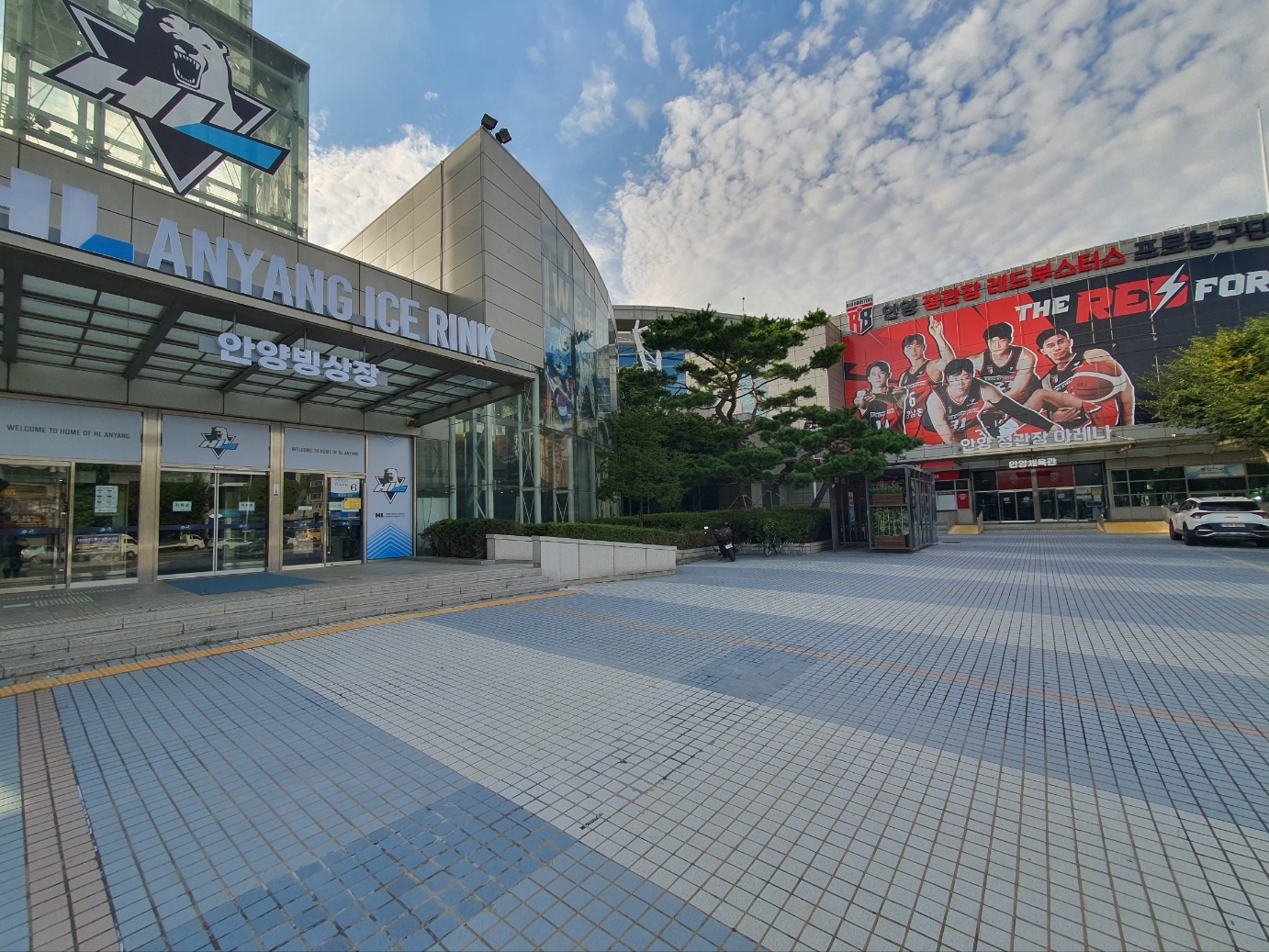
Anyang City Corporation Ice Rink Located on B1 of Anyang Sports Complex
Korea News
![BLACKPINK’s Lisa Dominates the VMA Red Carpet in a Sheer Corset Dress and Red Fur [Star Issue]](https://kotourlive-images.s3.ap-northeast-1.amazonaws.com/news/1790557894714_010e956a_news_94409db1-fab6-40bf-bc7b-4b985b1fbac7.jpg) News
News
BLACKPINK’s Lisa Dominates the VMA Red Carpet in a Sheer Corset Dress and Red Fur [Star Issue]
![BLACKPINK’s Jisoo Spotted by Surprise with BIGBANG in London… Their Special Loyalty as Labelmates [IS High Cut]](https://kotourlive-images.s3.ap-northeast-1.amazonaws.com/news/1790557854683_6ea979f5_news_caab62e5-8462-43c8-8622-da794f3df9de.png) News
News
BLACKPINK’s Jisoo Spotted by Surprise with BIGBANG in London… Their Special Loyalty as Labelmates [IS High Cut]
 News
News
Tattoos All Over Her Body… AOA’s Jimin Draws Shocked Attention After Kwon Mina’s ‘Bullying’ Allegations
![You’ll Have to Look Twice… Choi Min-a-soo Perfectly Pulls Off Everything from a Daring Illusion Dress at the Awards Ceremony to Long Braided Hair [RE:STAR]](https://kotourlive-images.s3.ap-northeast-1.amazonaws.com/news/1790492384850_1f293dad_news_d834c50e-0685-43ef-9aa5-6995cd6d8848.jpg) News
News