Punghwaru Pavilion at Anseong Hyanggyo in 1532: Reading Joseon’s Local Education from an 11-Bay Pavilion
Founded in 1532, Anseong Hyanggyo is a local educational institution from the Joseon period, where spaces for rituals honoring Confucius and other sages stand alongside spaces once used to teach students. Centered on the 11-bay Punghwaru Pavilion, Daeseongjeon Shrine, and Myeongnyundang Lecture Hall, it is easy to explore while taking a short route connecting Anseong’s old downtown with the foothills of Bibongsan Mountain.

I’ve been here?
Your check-in helps the next traveler.
12 people viewed this week Be the first
One tap — no writing needed
The Site Where Anseong’s Public Educational Institution Was Established in 1532, the 27th Year of King Jungjong’s Reign
Anseong Hyanggyo is a Joseon-period hyanggyo founded in 1532, the 27th year of King Jungjong’s reign, to enshrine the spirit tablets of Confucian scholars and educate and enlighten local residents. A hyanggyo was a public educational institution established by the state in local areas. Unlike today’s schools and shrines, it was responsible for both ancestral rites and education in the same space.
After its buildings were destroyed during the Japanese invasions of Korea, they were rebuilt, and repairs were carried out in 1932, 1986, and 1988. It was designated a Gyeonggi-do Cultural Heritage Resource on September 19, 1983. The owner is the Gyeonggi-do Hyanggyo Foundation, and the management organization is registered as the Hyanggyo Foundation.
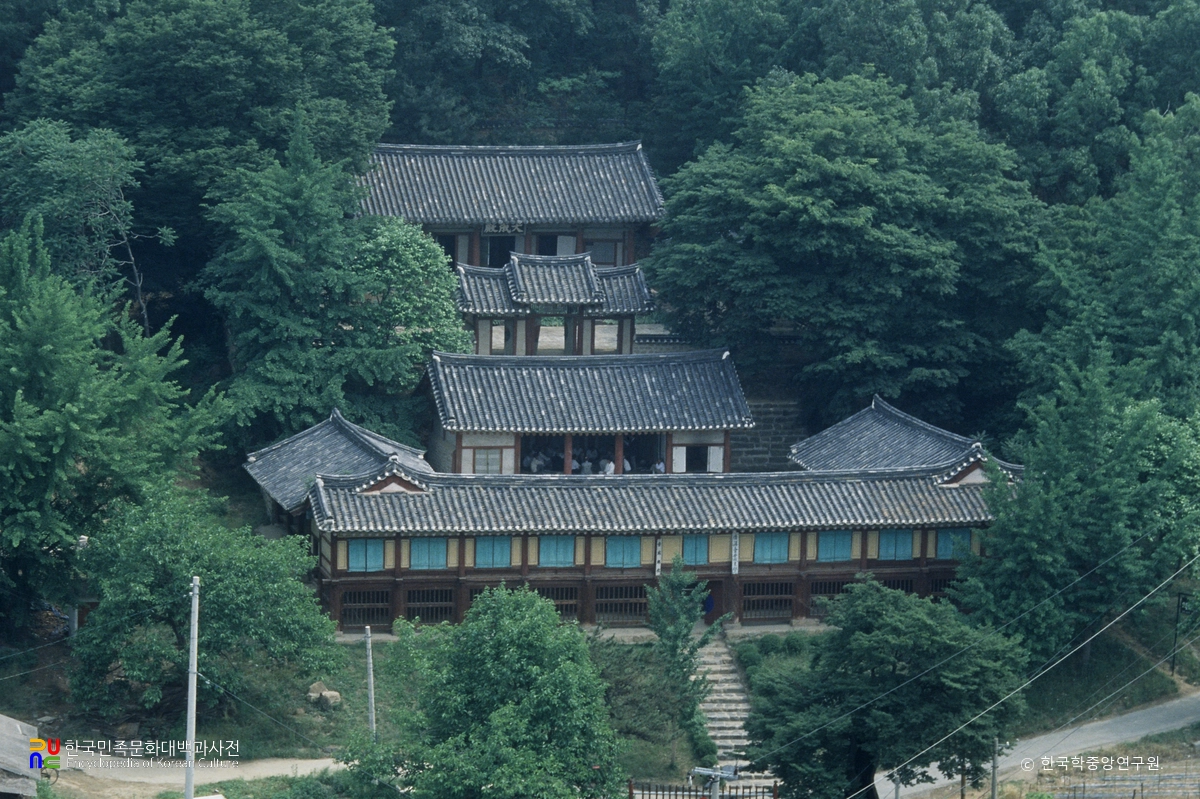
The Significance of the 33 Spirit Tablets in Daeseongjeon and Myeongnyundang, with Rites and Learning Divided in a Front-Learning, Rear-Ritual Layout
The site follows a front-learning, rear-ritual layout, with the lecture area in front and the ritual area at the back. The arrangement leads from Myeongnyundang, where students studied, and the East and West Dormitories to Daeseongjeon farther inside. When visiting, it is therefore easy to understand the site by following the sequence from the educational area to the ritual area.
Daeseongjeon enshrines the spirit tablets of the Five Sages, including Confucius, the Ten Philosophers, the Six Worthies of the Song Dynasty, and the Eighteen Worthies of Korea. Anseong’s tourism information describes this as a Seokjeonje ritual for 33 figures. Seokjeonje is conducted on the first Jeong day of the second and eighth lunar months. Incense-offering rites are also held on the first and fifteenth days of every lunar month.
- Daeseongjeon: Ritual space enshrining the spirit tablets of Confucius and other sages
- Myeongnyundang: Lecture space where Confucian students studied
- East and West Dormitories: Residence buildings where students stayed
- Inner and Outer Sammun Gates: Gates separating the lecture and ritual areas
The Significance of the 11-Bay Punghwaru Pavilion, Said to Survive Only in Anseong and Namwon
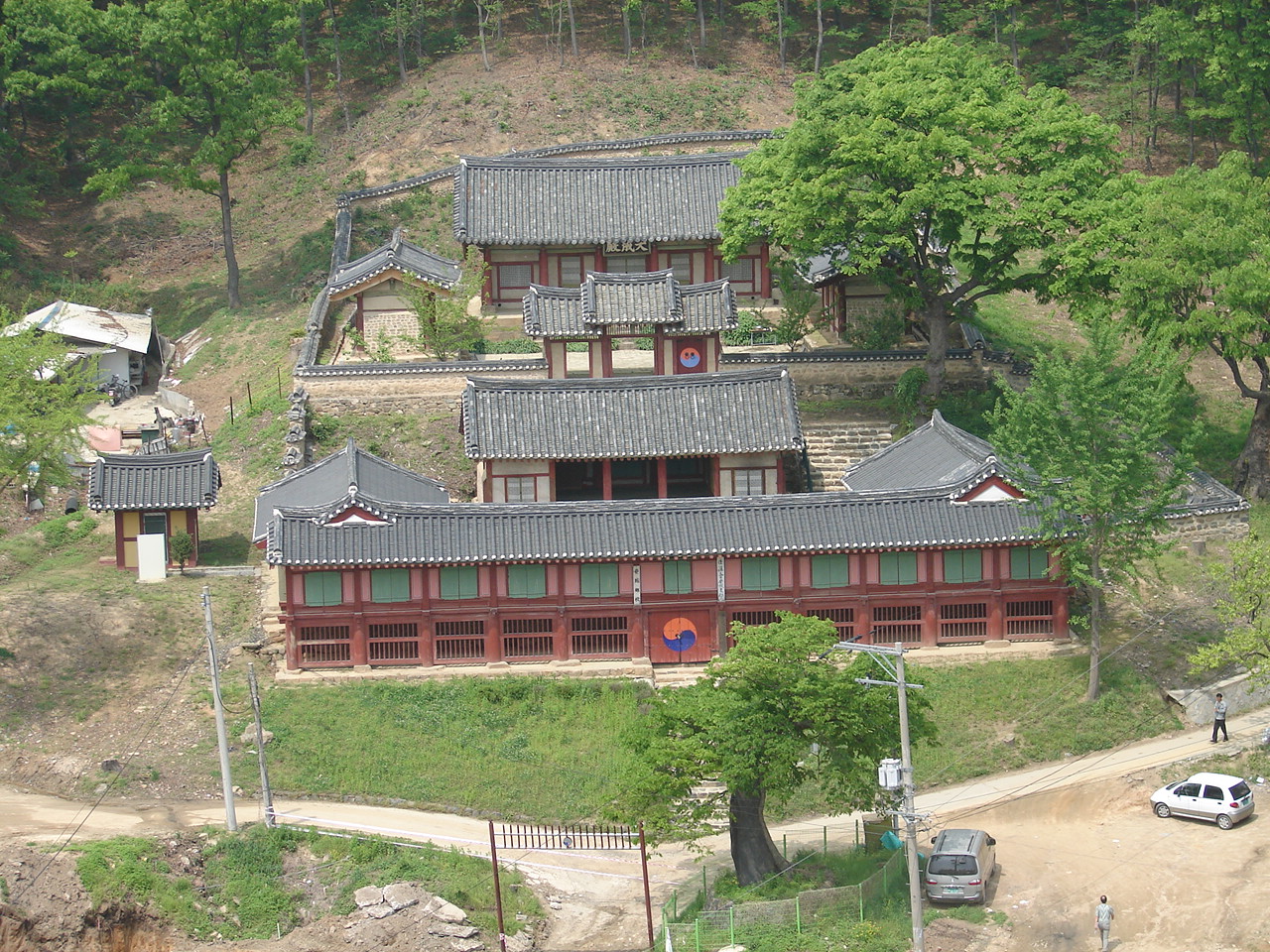
The most striking building at Anseong Hyanggyo is Punghwaru. According to Anseong’s guide, Punghwaru is presented as a form surviving only in Anseong and Namwon nationwide. It is a two-story pavilion with 11 bays across the front and one bay on the side. As a pavilion-style building larger than a simple entrance gate, it reveals the scale of the hyanggyo from outside.
The Encyclopedia of Korean Culture records Punghwaru as a two-story pavilion with 11 bays across the front and one bay on the side. Daeseongjeon and Myeongnyundang are each described as ikgong-style buildings with gabled roofs, measuring five bays across the front and two and a half bays on the side. This allows visitors to compare how the floor plans and roof forms differ according to the functions of pavilions, lecture halls, and shrines within the same hyanggyo.
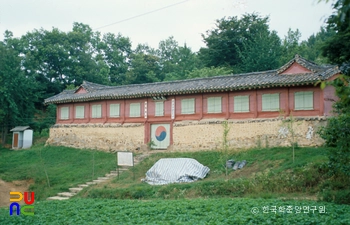
75 Hyanggyo-gil and 90-4 Hyanggyo-gil: How to Avoid Address Confusion Before Setting Out
Anseong’s tourism page lists the visiting address as 75 Hyanggyo-gil, Anseong-si, Gyeonggi-do (Myeongnyun-dong), while the Encyclopedia of Korean Culture and the National Heritage Digital Service list it as 90-4 Hyanggyo-gil, Anseong-si, Gyeonggi-do (Myeongnyun-dong). Since different addresses referring to the same Anseong Hyanggyo can be found, it is safest to enter both the name “Anseong Hyanggyo” and the coordinates 37.013941, 127.276415 into your navigation system.
The contact number provided in the official tourism information is 031-675-0027. Anseong’s page lists the website, hours of use, and days closed as “-,” so no regular opening hours or paid admission fees can be officially confirmed. Since a separate admission fee has also not been confirmed, do not assume admission is free; instead, call this number on the day of your visit to ask about access hours and events.
- Tourism information address: 75 Hyanggyo-gil, Anseong-si, Gyeonggi-do (Myeongnyun-dong)
- National heritage and encyclopedia listing: 90-4 Hyanggyo-gil, Anseong-si, Gyeonggi-do (Myeongnyun-dong)
- Contact: 031-675-0027
- Official tourism page: Anseong Hyanggyo entry under “Themed Tourist Attractions” on the Anseong City Hall tourism website
From Anseong Medical Center Bus Stop on Routes 88 and 88-1 to Geumsan Rotary
The public transportation route provided by Anseong is to take bus route 88 or 88-1 from the Anseong Medical Center bus stop, get off at Geumsan Rotary, and then head toward the Bibongsan hiking trail. Since the tourism information does not provide a walking time, it is better to check the final walking route in a map app after getting off the bus.
For visitors arriving by car, the official tourism information also does not list the location or fees of a dedicated parking lot. Therefore, do not plan on parking inside the hyanggyo grounds or on nearby roads without confirmation. On event days in particular, check parking availability by calling 031-675-0027. Information on wheelchair and stroller routes and foreign-language assistance is also not confirmed in the official guide.
- Bus: Anseong Medical Center bus stop → Route 88 or 88-1 → Get off at Geumsan Rotary
- Walking direction: From Geumsan Rotary toward the Bibongsan hiking trail
- Parking: No information on a dedicated parking lot or fees in the official guide
- Accessibility: Information on wheelchair, stroller, and foreign-language assistance not confirmed
Why the Ritual Route Should Take Priority Over Sightseeing on Seokjeonje Dates
Anseong Hyanggyo conducts Seokjeonje in spring and autumn, and Anseong’s guide identifies the ritual dates as the first Jeong days of the second and eighth lunar months. The first Jeong day is the first day marked “Jeong” to occur in that month, so its Gregorian date changes every year. If you wish to observe the ritual, you should inquire in advance about the schedule for the relevant year and whether visitors may attend.
In addition to Seokjeonje, incense-offering rites take place on the first and fifteenth days of every lunar month. If you are visiting to quietly examine the architecture, first check whether your visit coincides with a ritual day. If a ritual is in progress, follow on-site instructions regarding photography and the areas you may enter. No official material specifies a recommended duration for a general visit, but if your goal is to compare the layout and exteriors of Daeseongjeon, Myeongnyundang, and Punghwaru, it is best to allow plenty of time.
How to Combine Anseong Cathedral, Jungang Market, and Bibongsan in One Itinerary
Anseong’s tourism guide lists Anseong Cathedral, Anseong Matchum Brassware Workshop, Anseong Nakwŏn History Park, Anseong Market, Jungang Market, Bibongsan, and the Taepyeongmu Training Center as nearby attractions around Anseong Hyanggyo. Since the hyanggyo itself is a ritual and educational heritage site, visitors who want to explore Anseong’s urban history can combine it with the markets and Nakwŏn History Park, while those who also want to see the local terrain can add Bibongsan as a separate part of their itinerary.
However, the actual walking times between the sites, operating hours, and closing days are not included in Anseong Hyanggyo’s official information. In particular, the experience of visiting Anseong Market or Jungang Market may vary depending on market days and individual store hours. It is therefore safest to check the day’s map route from the hyanggyo and the operating information for each facility again.
- History and urban route: Anseong Hyanggyo → Anseong Cathedral → Anseong Nakwŏn History Park
- Everyday culture route: Anseong Hyanggyo → Anseong Market or Jungang Market
- Walking route: Anseong Hyanggyo → Toward Bibongsan
- Traditional arts route: Add the Anseong Matchum Brassware Workshop or Taepyeongmu Training Center
Before You Go
- Address
- 75 Hyanggyo-gil, Anseong-si, Gyeonggi-do (Myeongnyun-dong)
- Phone
- 031-675-0027
- Official site
- https://www.anseong.go.kr/tour/themeTourist/view.do?idx=192&mId=0104000000
- Transport
- Take bus route 88 or 88-1 at the Anseong Medical Center bus stop, get off at Geumsan Rotary, and proceed toward the Bibongsan hiking trail
The information above is current as of the time of writing. Check the official information again before your visit.

Places
Nearby Attractions 4
-
 1
1
-
 2
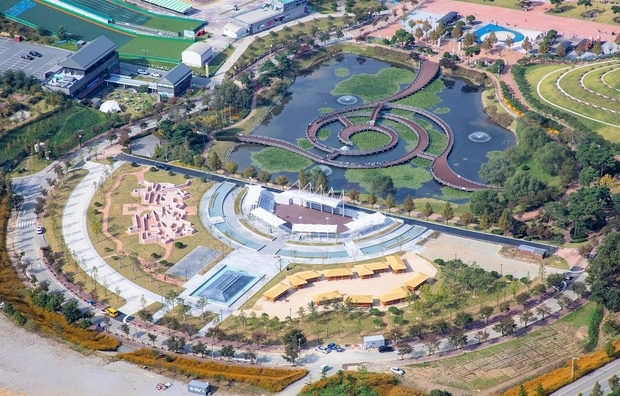
Anseong Mat-chum Land
2
Anseong Mat-chum Land -
 3
3
-
 4
4
Food & Dining 5
-
 5
5
-
 6
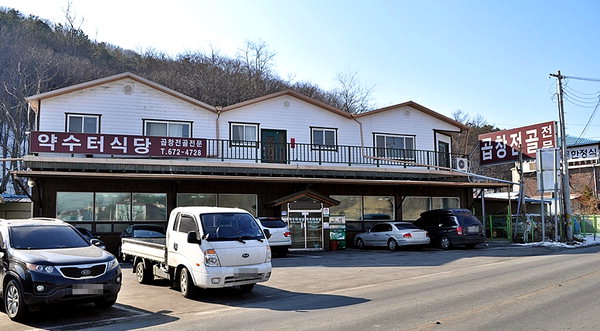
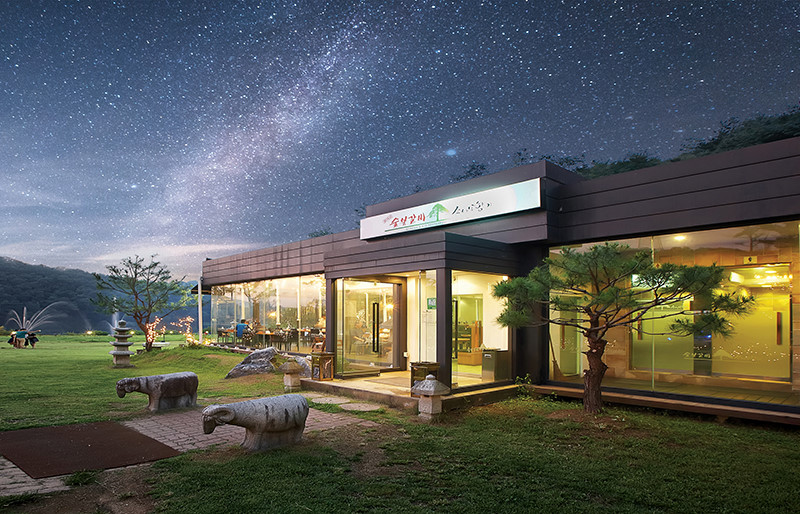
Solhyanggi
6
Solhyanggi -
 7
7
-
 8
8
-
 9
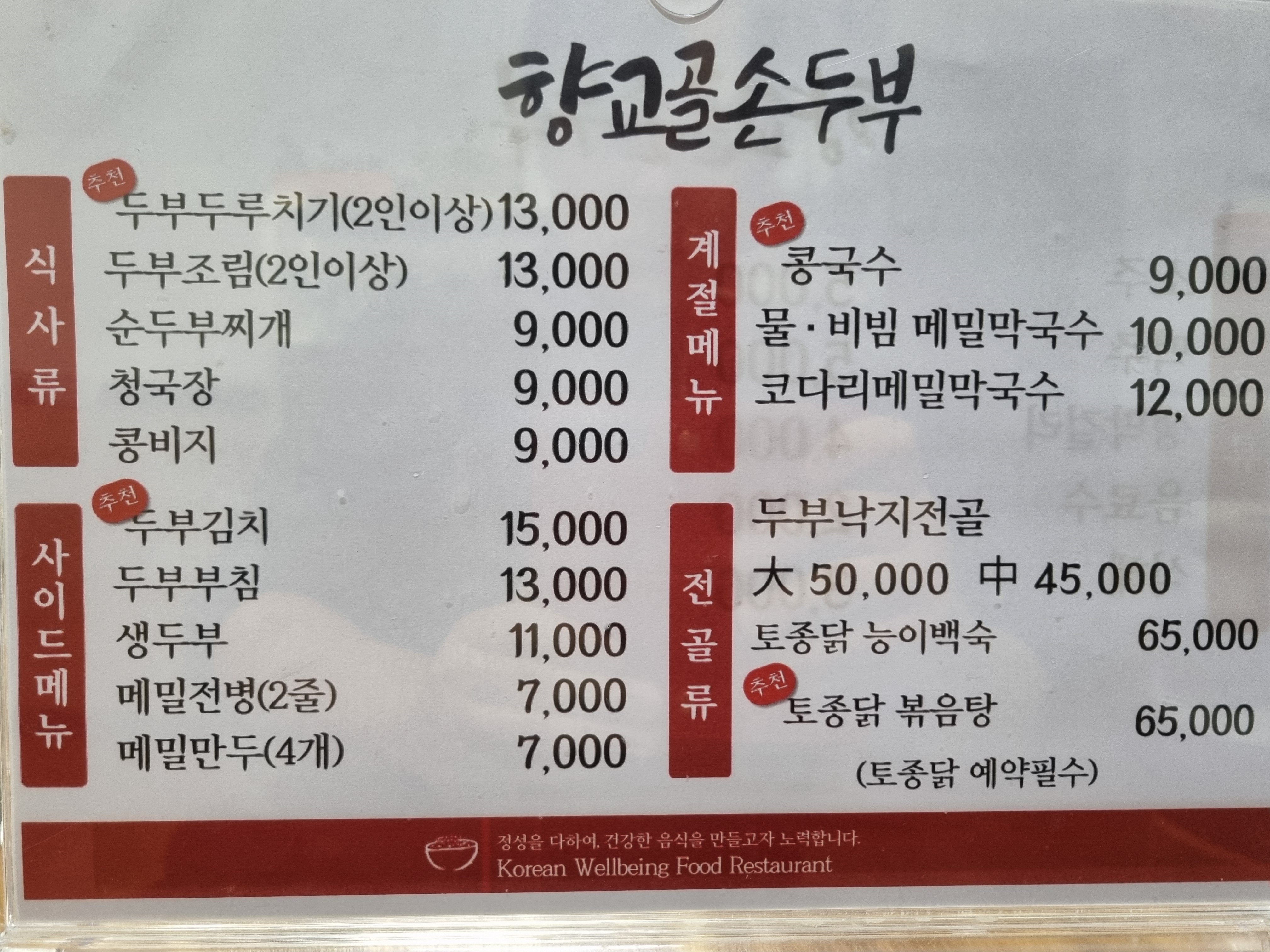
Hyanggyo-gol Sundubu
9
Hyanggyo-gol Sundubu
Events in This Area


Festivals in This Area


More Travel Guides in This Area
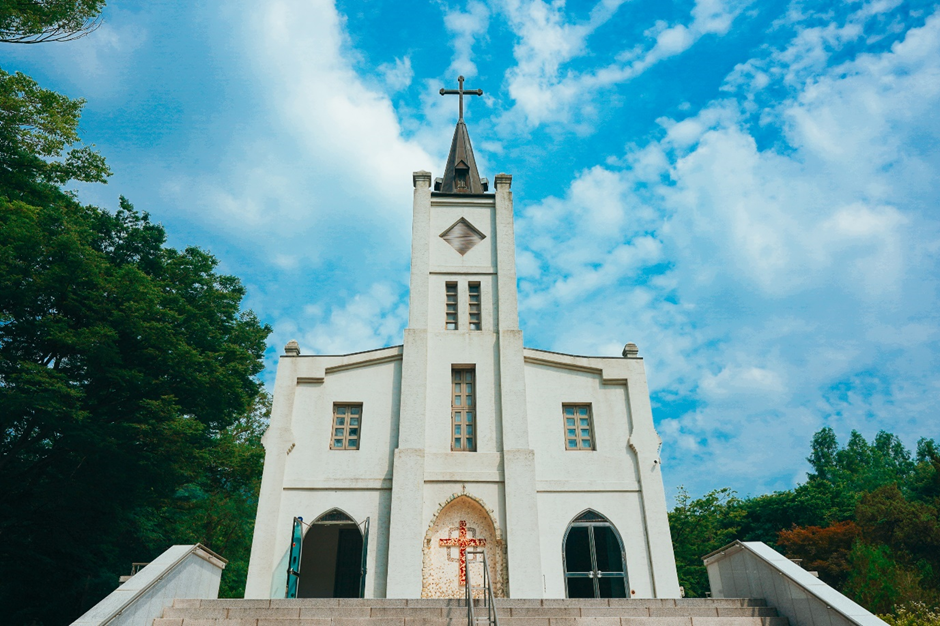 Travel Guide
Bogae Baram in Anseong, Where Half of an NH Rice Warehouse Became a Cafe
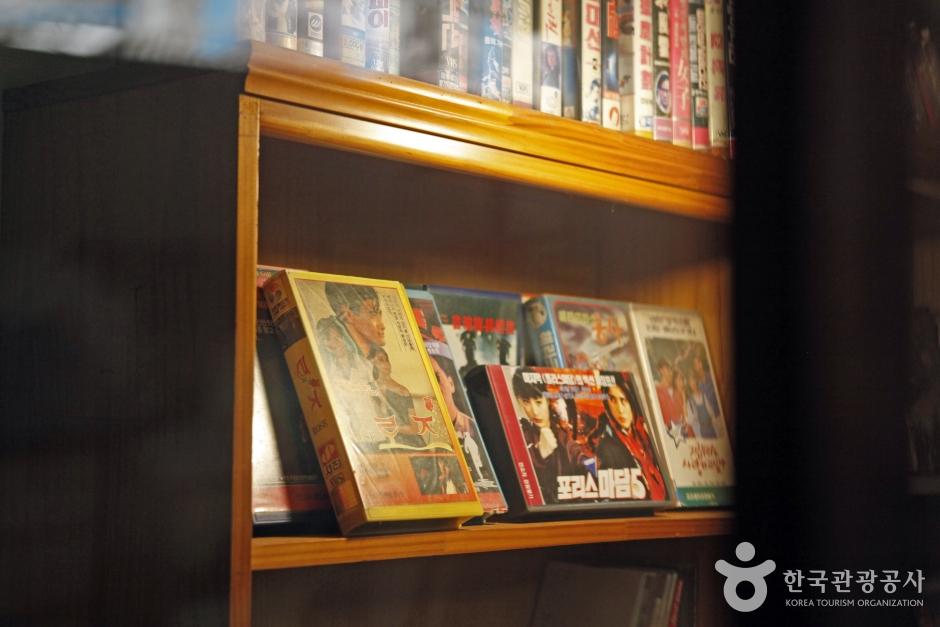 Travel Guide
Old Time: Everyday Life in Anseong’s Gongdo-eup from the 1960s to the 1990s
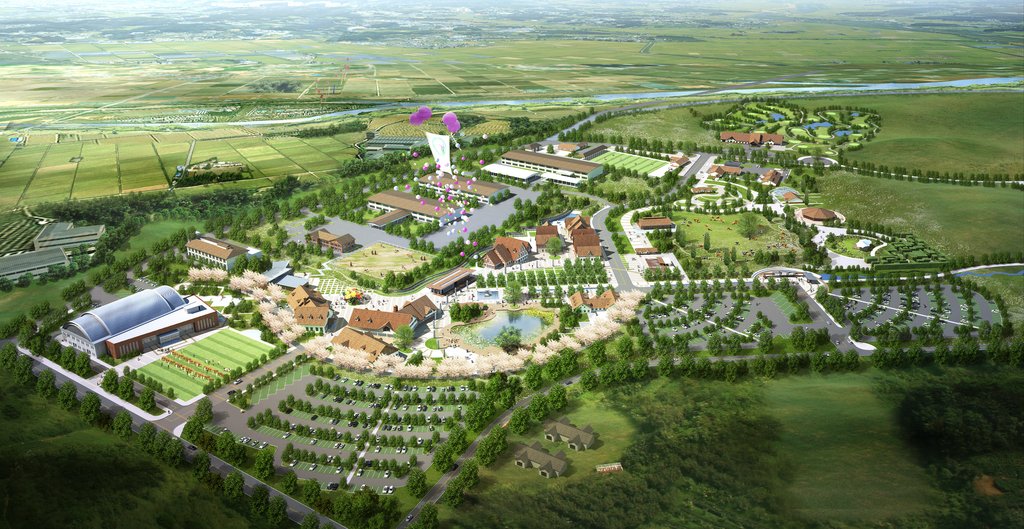 Travel Guide
Meet Animals and Meadows at Anseong Farmland, the Former 1.29-Million-Square-Meter Handok Pilot Ranch
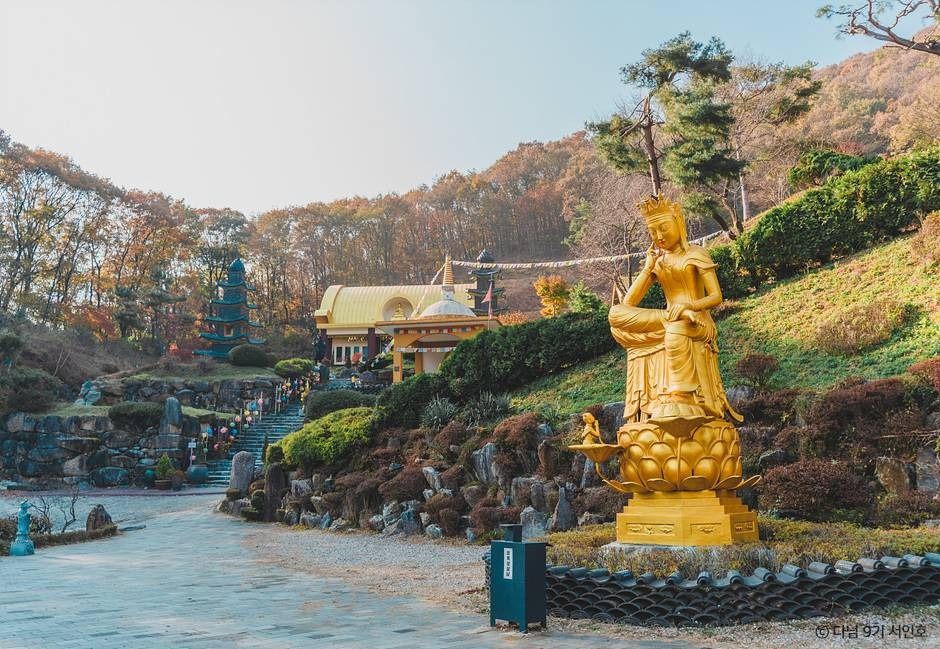 Travel Guide
How to Read Yongin’s Wawoojeongsa Temple, Between Yeonhwasan’s 48 Peaks and a 12-Meter Reclining Buddha
Korea News
 News
News
‘NewJeans Expulsion’ Danielle Releases Her First YouTube Video… “We Don’t Know What Will Happen Next”
![aespa’s North American Tour Has Remaining Seats Despite ‘$49’ Bargain Prices… A Stark Popularity Gap with KATSEYE [TEN Starfield]](https://kotourlive-images.s3.ap-northeast-1.amazonaws.com/news/1788485037424_a59b1932_naver_rank_thumb_0000774618_1788485037424.jpg) News
News
aespa’s North American Tour Has Remaining Seats Despite ‘$49’ Bargain Prices… A Stark Popularity Gap with KATSEYE [TEN Starfield]
![[Photo] TWICE’s Dahyun attends a film festival red carpet as an actress](https://kotourlive-images.s3.ap-northeast-1.amazonaws.com/news/1788485316508_edd43ecd_news_870a60a6-6f11-4d73-aa7c-48d91318a0f7.jpg) News
News
[Photo] TWICE’s Dahyun attends a film festival red carpet as an actress
![[On-Site Video] “We’re Departing Separately Together”… BIGBANG Begins ‘COSMOS’ World Tour](https://kotourlive-images.s3.ap-northeast-1.amazonaws.com/news/1788485226518_c5719641_news_fdd4764a-0f4e-4968-8e4e-e98a02872f88.jpg) News
News