
Walking the Route of the 7,000 Righteous Soldiers’ Departure from Pochungsa Shrine, Gwangju
Pochungsa Shrine in Nam-gu, Gwangju, is a royally designated shrine honoring Jebong Go Gyeong-myeong, who led the Honam righteous armies during the Imjin War, along with his two sons, Yu Paeng-ro, and An Yeong. Its layers of history—from its founding in 1601 and royal designation as “Pochung” in 1603 to its designation as a Gwangju Metropolitan City monument in 1974—can be read through the route connecting the Old Shrine, New Shrine, and Jeonggwan Hall.
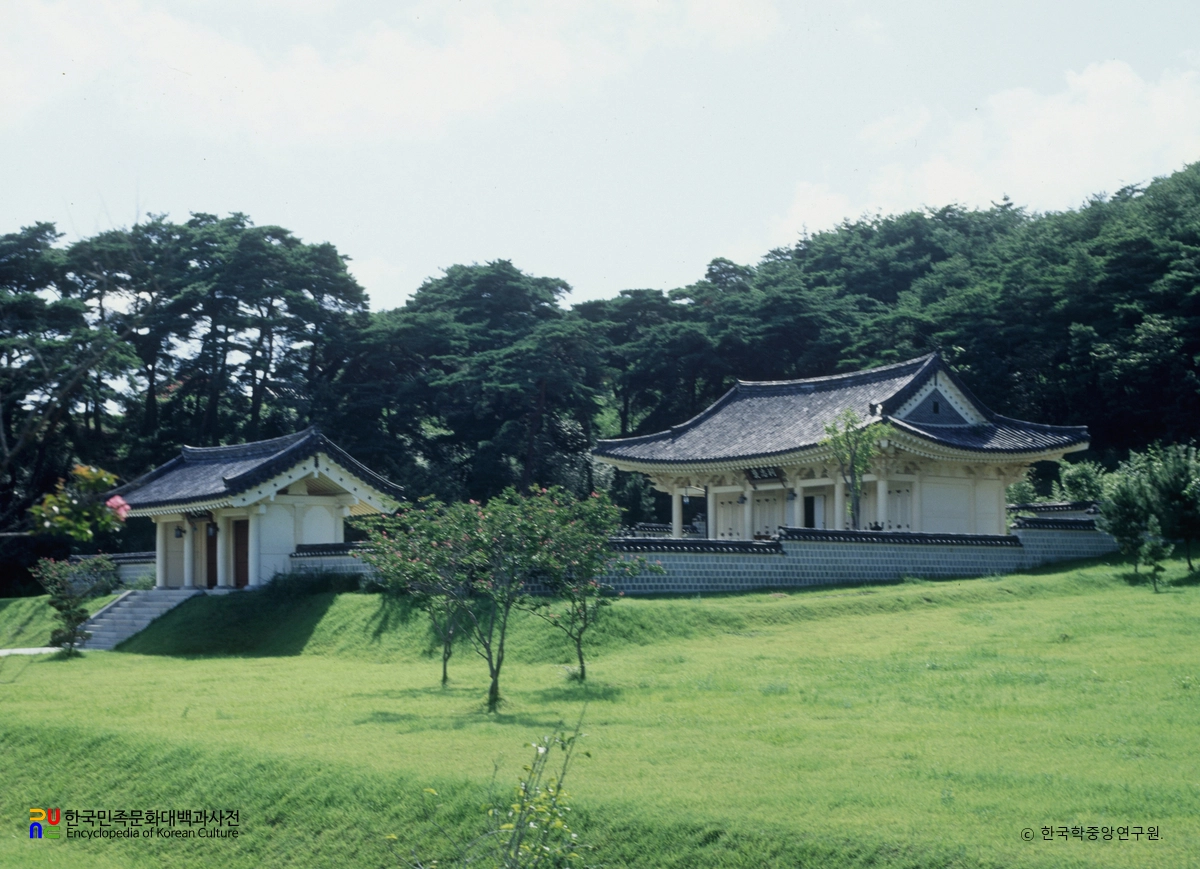

The Meaning of ‘Honoring Loyalty,’ Established Below Jebongsan Mountain in 1601
Pochungsa Shrine (Pochungsa) is a shrine that enshrines Je Bong Go Gyeong-myeong (1533–1592), who died in loyalty during the Japanese invasions of Korea, his eldest son Go Jong-hu (1554–1593), his second son Go In-hu (1561–1592), staff officers Yu Paeng-ro (1554–1592) and An Yeong (1564–1592). ‘Honoring Loyalty’ means commemorating loyalty and integrity. After the shrine was established in 1601 by order of King Seonjo, the king bestowed the plaque name ‘Pochung’ in 1603.
After passing the civil service examination with the highest honors in 1558, Go Gyeong-myeong served in positions including Jeonjeok at Seonggyungwan, Jeongeon at the Office of the Inspector-General, magistrate of Sunchang County, and magistrate of Dongnae. When the Japanese invasions began in 1592, he gathered a volunteer army; official Pochungsa records state that the total number of volunteers reached 7,000 on July 6. This site is not a memorial hall for one person, but a place in the history of the Honam volunteer army that commemorates the deaths of a father and son and three fellow volunteers together.
Volunteer Army Organization Begun at Chuseonggwan in Damyang on May 29, 1592
According to Pochungsa records, Go Gyeong-myeong established a volunteer army office at Chuseonggwan in Damyang on May 29, 1592, and appointed Yu Paeng-ro, An Yeong, and Yang Dae-bak as staff officers. He arrived in Jeonju on June 13 and sent proclamations to each local district. On June 27, after reporting the possibility of Japanese forces invading Honam, he changed his plan to march north and chose to defend Honam.
This decision was connected to protecting the grain-producing region of Honam and its military food-supply base. Go Gyeong-myeong, Go In-hu, Yu Paeng-ro, and An Yeong died in the Battle of Geumsan in 1592, while Go Jong-hu threw himself into the Namgang River after the Second Battle of Jinjuseong Fortress in 1593. Therefore, when viewing the five enshrined figures inside the shrine, it helps to distinguish their different ends: ‘four from the Battle of Geumsan and one from Jinjuseong Fortress.’
- Main enshrined figure: Go Gyeong-myeong
- East position: Go Jong-hu and An Yeong
- West position: Go In-hu and Yu Paeng-ro
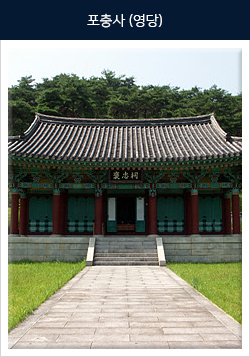
The 20-Meter Axis of the Old Shrine That Survived the Daewongun’s Seowon Abolition Order
The old Pochungsa shrine is described as one of two shrines in the Gwangju and Jeonnam region that were not abolished during Heungseon Daewongun’s abolition of seowon academies, the other being Pilamseowon in Jangseong. It was designated Local Monument No. 7 on May 22, 1974, and the National Heritage Portal classifies it as a monument of Gwangju Metropolitan City.
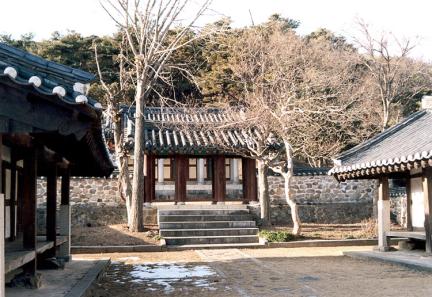
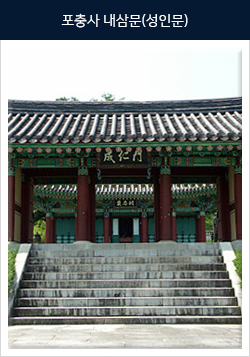
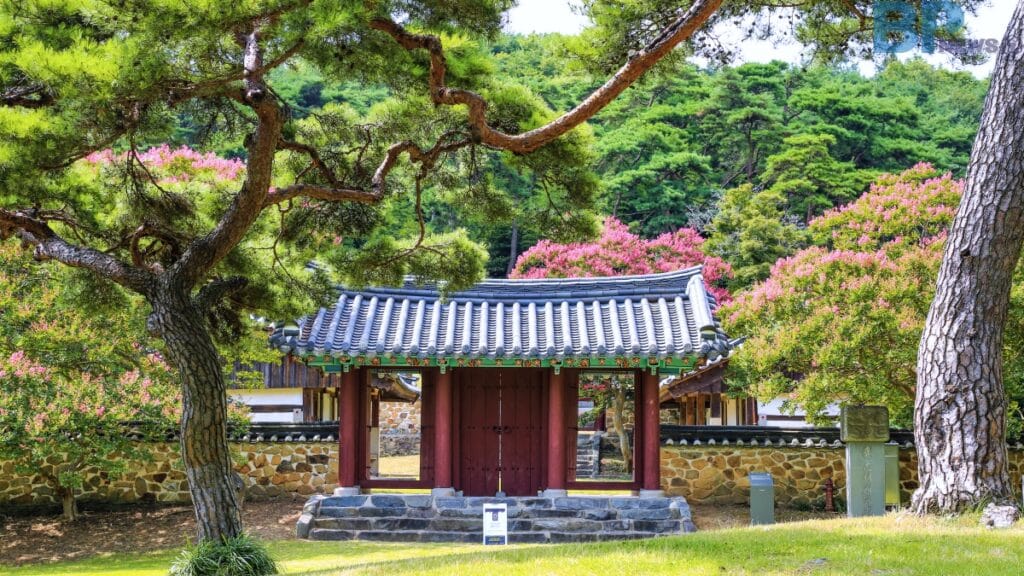
The route begins at the outer gate. The outer and inner gates stand on the same axis, about 20 meters apart, with the eastern and western study quarters symmetrically arranged between them. The shrine stands at the exact center inside the inner gate, while the old shrine is situated southeast-facing on a high hill to the left of the new shrine. Although the space is compact, walking in the order of gates, study quarters, and shrine is the best way to understand the architectural order of this shrine.
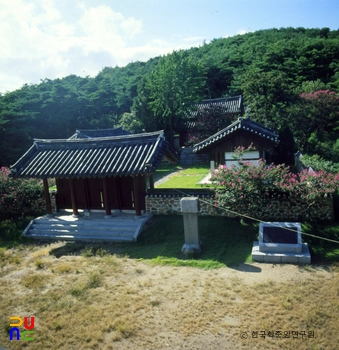
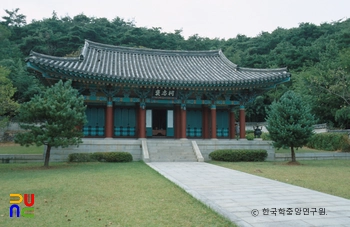
The New Shrine and 7,000-Pyeong Lawn Created by the 1978–1980 Restoration Project
Today’s Pochungsa is not limited to the old shrine. A restoration project carried out over three years, from 1978 to 1980, created the new shrine and Jeonggigwan, with the project cost recorded as 1.379 billion won at the time. The new shrine includes the shrine hall, Jeonggigwan, inner gate, and outer gate; in front are a central plaza, management office, rest area, and parking lot.
Official information describes the lawn area within the grounds as more than 7,000 pyeong. Seeing the old shrine, where historic architecture is concentrated, first and then descending to the new shrine and broad forecourt makes it easier to follow the changes in terrain. Since the areas open to the public inside the buildings and whether Jeonggigwan can be viewed may vary according to events and management conditions, it is safest to contact the management office at 062-613-3471~4 before setting out.
The 1558 Royal Appointment Document and 493 Woodblocks at Jeonggigwan
Jeonggigwan is a heritage exhibition hall established to preserve and display Go Gyeong-myeong’s personal artifacts and materials related to Pochungsa. It preserves four royal appointment documents, including Go Gyeong-myeong’s 1558 document recognizing his success in the civil service examination and his 1607 posthumous honorary appointment, as well as Go In-hu’s 1629 and Go Jong-hu’s 1688 posthumous honorary appointment documents.
There are 493 woodblocks in total. The recorded collection consists of 252 blocks for Collected Works of Jebong, 71 for Jeonggirok, 7 for draft proclamations, 10 for Yusanrok, 2 blocks for the four-character teachings of Sedokchungjeong, 7 for military texts and calligraphy, 54 for Collected Works of Cheongsa, 59 for Collected Works of Wolbong, and 31 for Collected Works of Sinbaekrok. A 160 × 40 cm plaque titled ‘Pochungsa Uga,’ written by Kim Sang-heon in 1614, and a 1592 document concerning Pochungsa’s land and privileges are also preserved, highlighting how memories of the battles continued through documents, woodblocks, and plaques.
- Three painted records at Jeonggigwan: Painting of the Righteous Army’s Raising of Troops, Painting of the Bloody Battle for National Salvation at Geumsan, and Painting of the Troops Setting Out for National Salvation
- Stele of the loyal servants Bongi and Gwiin: a monument engraved on natural stone in front of the old shrine’s red-spiked gate
- Pochungsa Tomb Garden Stele: erected in 1933 and located outside the old shrine’s outer gate
Avoid the April 15 Memorial Rite, and See the Crape Myrtles at the Old Shrine in August
Pochungsa is open from 09:00 to 18:00 in summer and from 09:00 to 17:00 in winter, with no admission fee. It is generally open year-round, but it is closed every April 15 for the memorial rite, so visits on this date should be avoided. The official information does not specify the dates used to define each season, so visitors planning to come in winter or near closing time should reconfirm by phone.
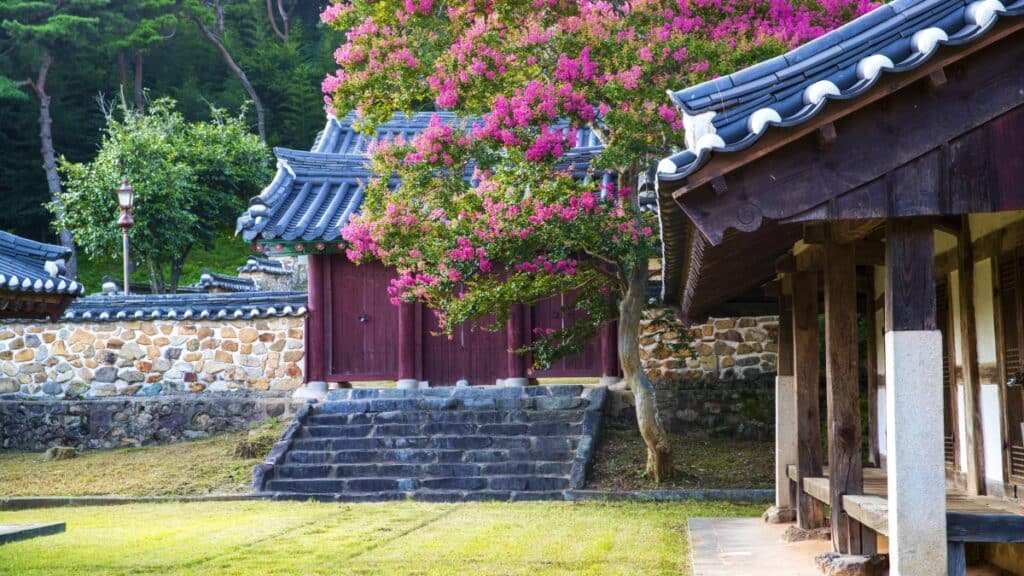
A local visit review written on August 5, 2024, recorded that the crape myrtles on both sides of the old shrine’s outer gate and around Seonginmun were in full bloom. Flowering varies each year according to the weather, but if crape myrtles are your main interest, check the blooming conditions separately for late July through August and aim to enter in the morning. For a history-focused visit, 60–90 minutes is recommended to see the old shrine and Jeonggigwan in sequence.
Buses 70, 99, and 170 at the ‘Pochungsa Front’ Stop and Free Parking
The road-name address is 767 Pochung-ro, Nam-gu, Jeonnam Gwangju Integrated Special City (Wonsan-dong). The management office telephone number is 062-613-3471~4, and the fax number is 062-613-3499. The official website is https://www.gwangju.go.kr/pochungsa/. By public transportation, take Gwangju city buses 70, 99, or 170 and get off at the ‘Pochungsa Front’ stop.
By car, follow National Route 1 from central Gwangju toward Naju, turn right at Yanggwadong, and continue approximately 2.5 km to reach the road leading into Pochungsa. Parking within the grounds is free. However, the official information does not specify whether wheelchair and stroller routes, accessible restrooms, or foreign-language interpretation are routinely available. Since the old shrine is on a hill and may have thresholds and stairs, visitors using mobility aids should contact the management office before visiting to ask which areas are accessible.
- Admission: Free
- Parking: Free
- Recommended duration: 60–90 minutes
- Inquiries: 062-613-3471~4
Before You Go
- Address
- 767 Pochung-ro, Nam-gu, Jeonnam Gwangju Integrated Special City (Wonsan-dong)
- Hours
- 09:00–18:00 (summer) / 09:00–17:00 (winter)
- Closed
- Open year-round / Closed every April 15 for the memorial rite
- Admission
- Free
- Phone
- 062-613-3471~4
- Official site
- https://www.gwangju.go.kr/pochungsa/
- Transport
- Take Gwangju city buses 70, 99, or 170; get off at the Pochungsa Front stop
- Parking
- Free parking lot
- Time needed
- 60–90 minutes
- Accessibility
- The official information does not confirm whether wheelchair and stroller routes or regular foreign-language assistance are available. Since the old shrine is on a hill, contacting the management office before visiting is recommended.
The information above is current as of the time of writing. Check the official information again before visiting.

Places
Nearby Attractions 3
-
 1
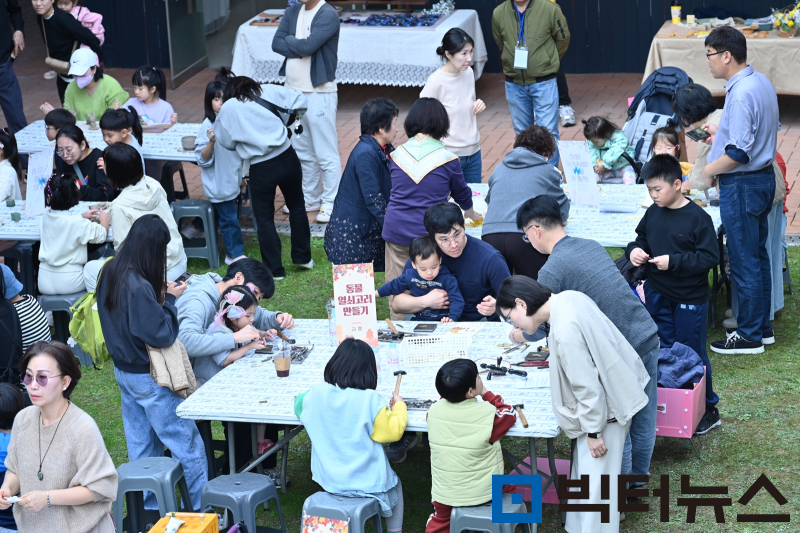
Bitgoeul Craft Creative VillageA place where you can view traditional folk materials and experience hanji and pottery crafts.
1
Bitgoeul Craft Creative VillageA place where you can view traditional folk materials and experience hanji and pottery crafts. -
 2
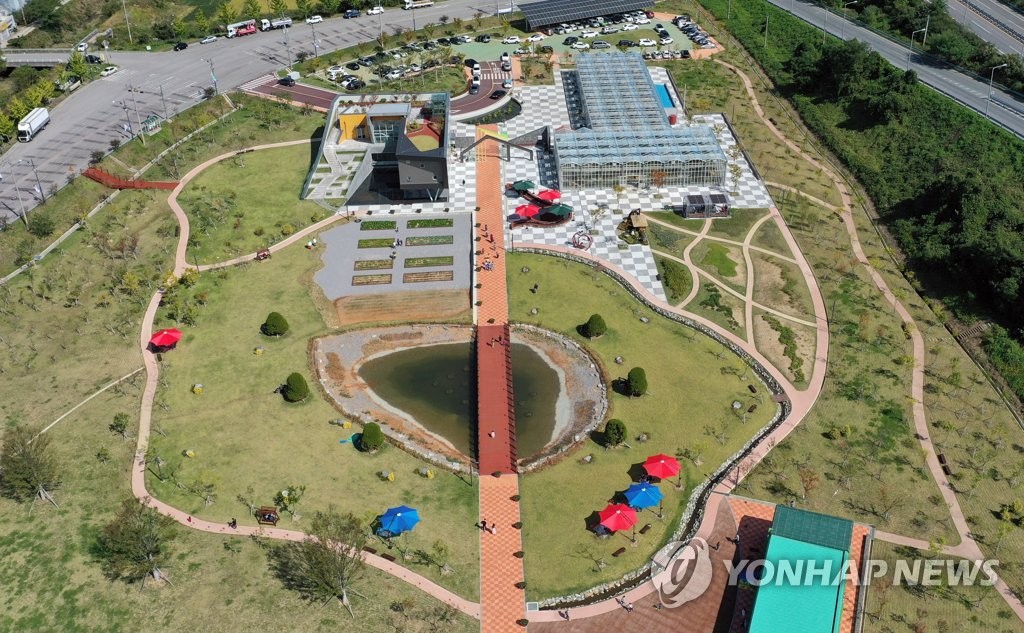
Bitgoeul Rural Theme ParkA park featuring an agricultural exhibition hall, greenhouses, an insect museum, and more.
2
Bitgoeul Rural Theme ParkA park featuring an agricultural exhibition hall, greenhouses, an insect museum, and more. -
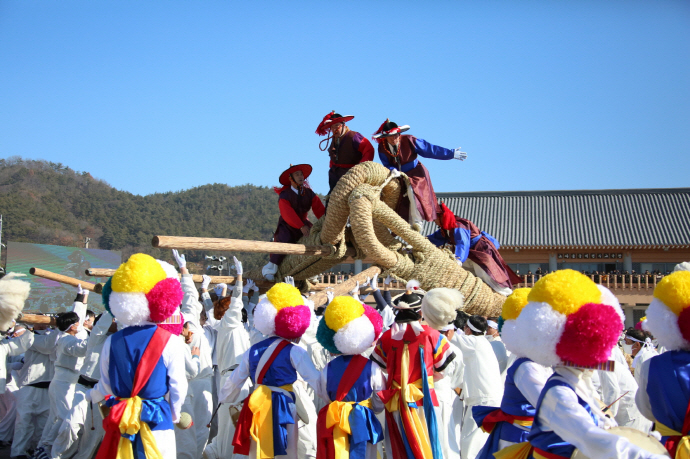 3
Gossaum Nori Theme ParkA place to watch the Gossaum Nori video experience center and world folk exhibitions
3
Gossaum Nori Theme ParkA place to watch the Gossaum Nori video experience center and world folk exhibitions
Food & Dining 3
-
 4
4
-
 5
5
-
 6
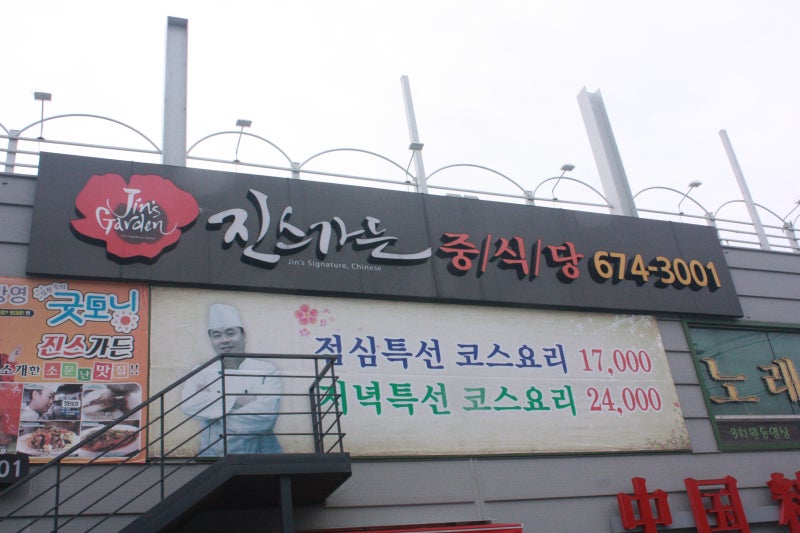
Jinseu GardenA Chinese restaurant serving dishes such as jjajangmyeon and sweet-and-sour pork.
6
Jinseu GardenA Chinese restaurant serving dishes such as jjajangmyeon and sweet-and-sour pork.
Events in This Area

Festivals in This Area


More Travel Guides in This Area
 Travel Guide
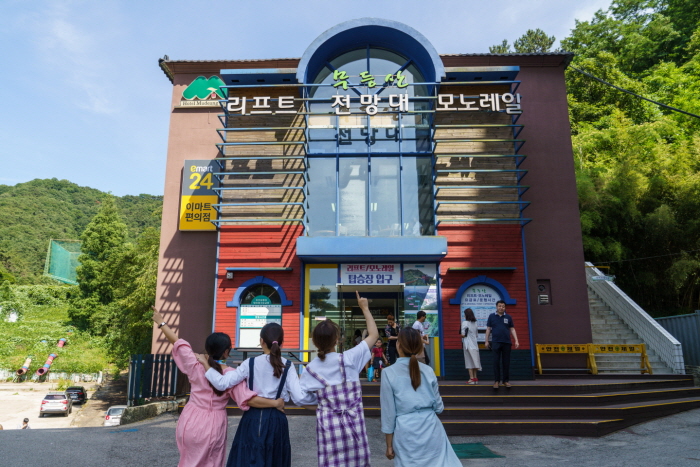
The Jisan Amusement Park Lift Car That Has Crossed the Mudeungsan Forest Since 1978: How to Reach Palgakjeong
 Travel Guide
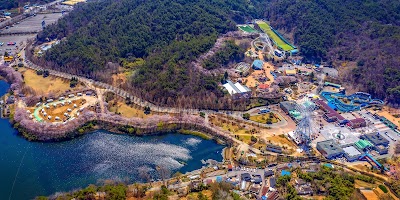
Gwangju Family Land, Where Uchi Park’s Forest Meets a 1991 Amusement Park
 Travel Guide
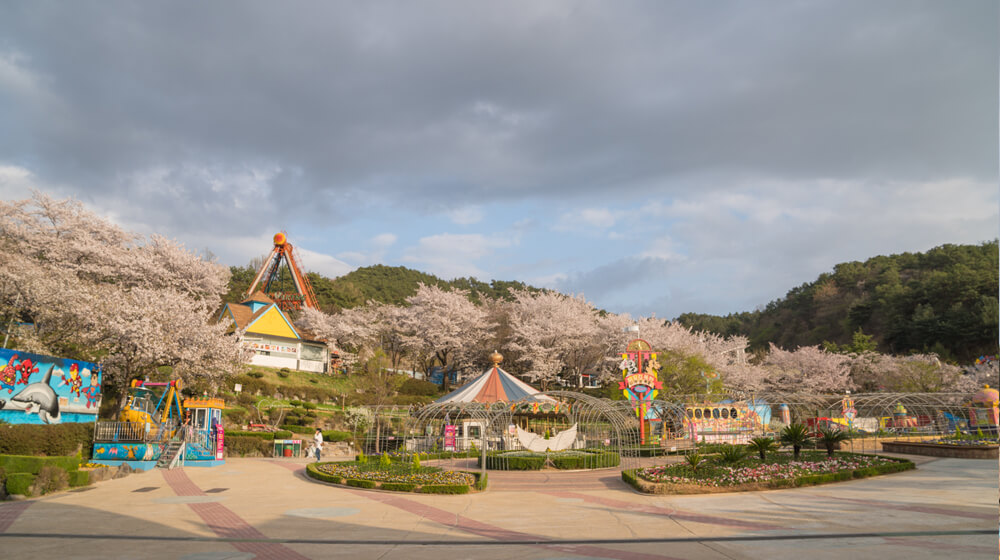
From the 1992 Zoo to the 2002 Golf Practice Range: A One-Day Route through 960,000㎡ Uchi Park
 Travel Guide
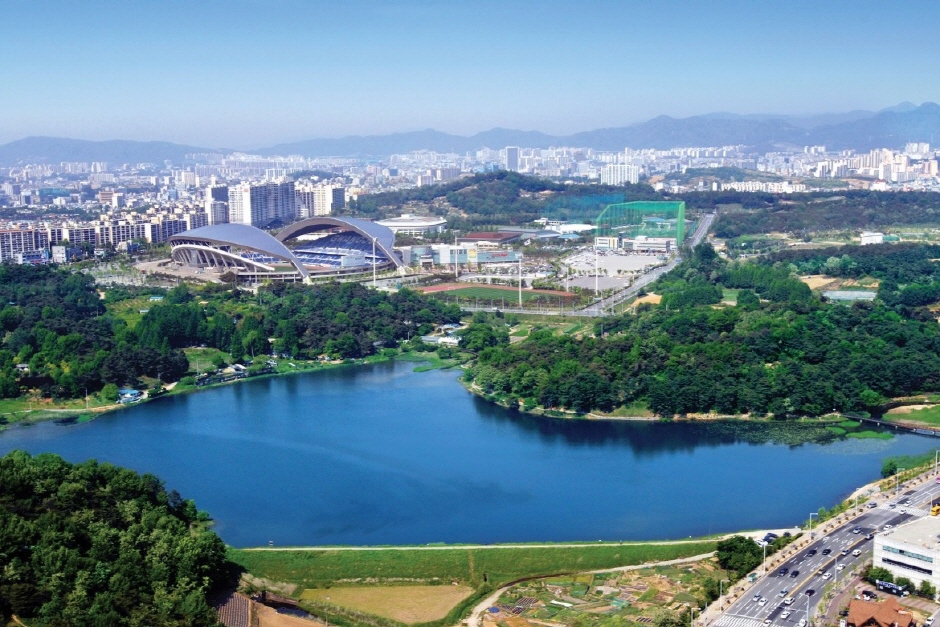
From a 1956 Reservoir to a Rose Garden with 140 Varieties: Pungam Lake Park
Korea News
![ZEROBASEONE ‘ZEROBASEONE Shining Even at Night!’ [★Video]](https://kotourlive-images.s3.ap-northeast-1.amazonaws.com/news/1786629298196_13d8a4bb_news_075face7-fb4e-402c-b833-25ccaf88cf8f.jpg) News
News
ZEROBASEONE ‘ZEROBASEONE Shining Even at Night!’ [★Video]
 News
News
Kwon Eun-bi, First Comeback Since Moving from Woollim to RBW: “Aiming for a September Release”
 News
News
“Did Jungkook’s connection continue?” Pop star Usher spotted warmly hugging BTS’s RM and J-Hope
 News
News