Obaekjeon Hall from 1443 at Jeungsimsa Temple on Mudeungsan Mountain’s Western Foothills, Gwangju
Jeungsimsa Temple, Gwangju’s representative Buddhist temple on the western foothills of Mudeungsan Mountain, was founded in 860 and took its present form after several fires and reconstructions. Centered around the 1443 Obaekjeon Hall, the seated iron Vairocana Buddha, and a three-story stone pagoda from the late Silla period, it is easy to explore in about an hour and also offers temple stays.
I’ve been here?
Your check-in helps the next traveler.
14 people viewed this week Be the first
One tap — no writing needed
Jeungsimsa, Founded by Master Cheolgam Seonsa Doyun on the Western Side of Mudeungsan in 860
Jeungsimsa is a temple of the Jogye Order of Korean Buddhism located at 177 Jeungsimsa-gil, Dong-gu, Gwangju, on the western foothills of Mudeungsan. Gwangju tourism materials record that it was founded in 860 by Master Cheolgam Seonsa Doyun, during the fourth year of the reign of King Heonan of Silla, and rebuilt in 1094 by National Preceptor Hyeso, during the eleventh year of the reign of King Seonjong of Goryeo. Because the temple is located near the entrance to a hiking trail leading toward the mountain summit, it is easy to combine a temple visit and the start of a Mudeungsan hike into one route.
Most of the buildings visible today are not in their original ancient form. Gim Bang, the Jeolla provincial governor, rebuilt them in 1443, during the twenty-fifth year of King Sejong of Joseon, and after they were destroyed during the Japanese invasions of Korea, the three generations of Seon masters Seokgyeong, Sujang, and Dogwang renovated them in 1609. The temple suffered another major fire during the Korean War, destroying all buildings except Obaekjeon and Nojeon, while many halls, including Daeungjeon, were restored in the 1970s. Accordingly, it is more accurate to understand Jeungsimsa not as a complete architectural complex from a single era, but as a place where the layers of Silla, Goryeo, Joseon, and postwar restoration overlap.
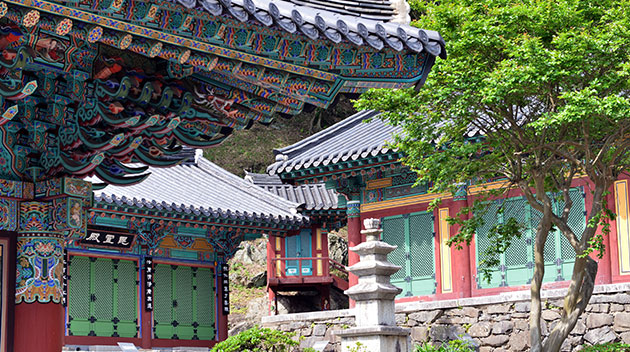
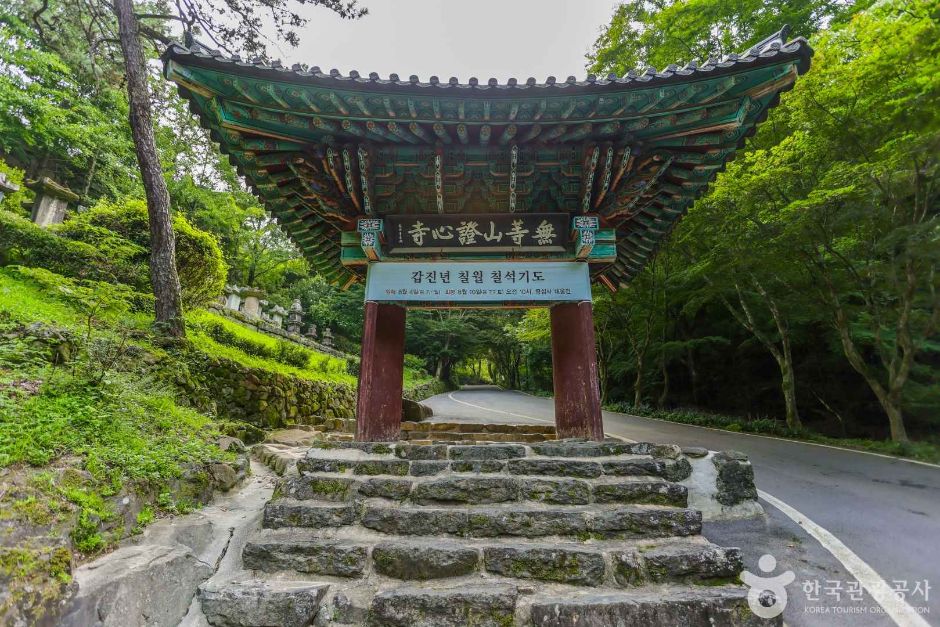
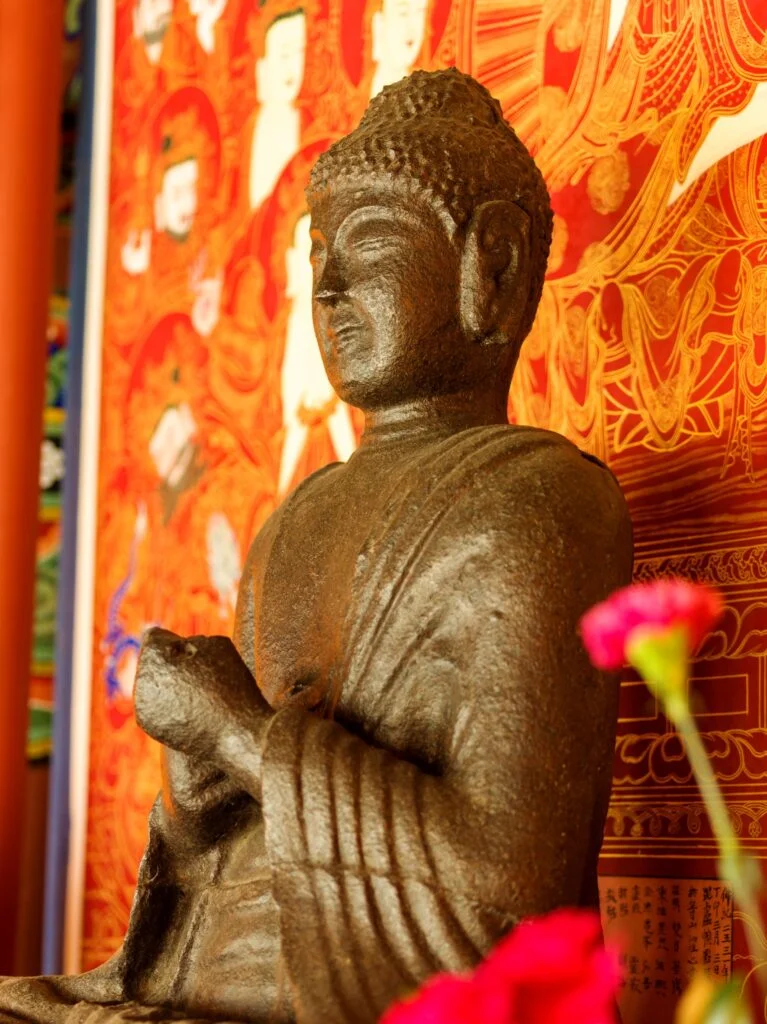
60 Minutes Focused on Obaekjeon, Built in 1443, and the Treasure: Iron Vairocana Buddha Seated Statue
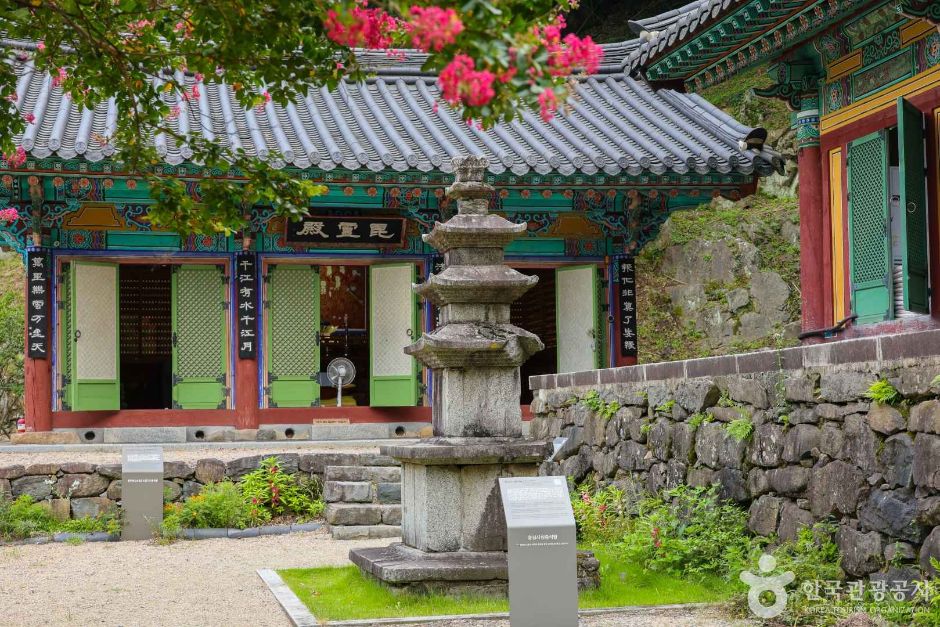
Within the temple grounds, it is best to begin with Obaekjeon. Jeungsimsa’s Obaekjeon was built by Gim Bang in 1443, rebuilt in 1609 after being burned during the Second Japanese Invasion of Korea, and survived the fire during the Korean War. It is introduced as the oldest surviving early Joseon temple building on Mudeungsan, and the temple states that Jeungsimsa is the only known example in Jeolla Province of an Obaekjeon built during the Joseon period.
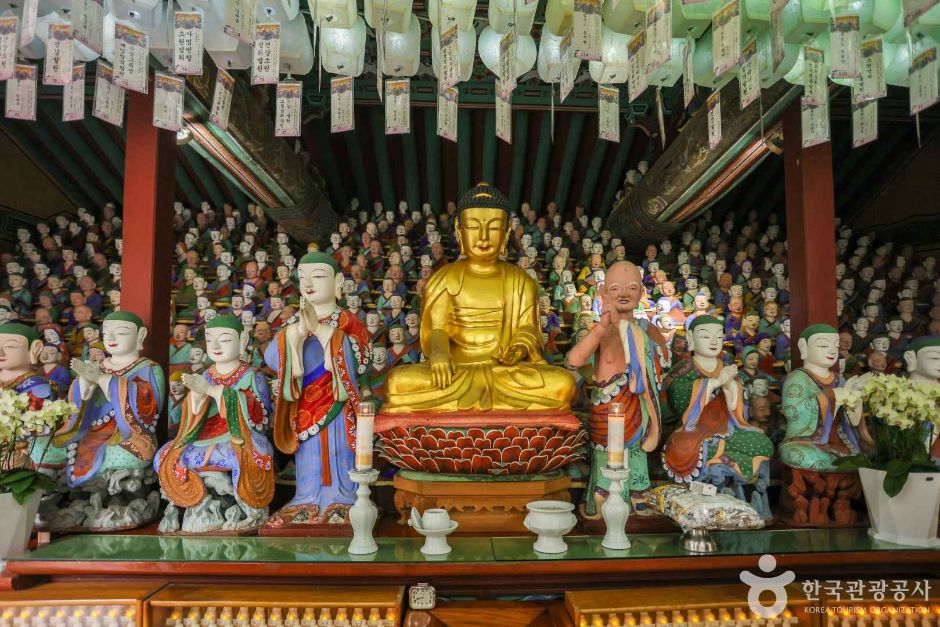
Obaekjeon is a single-story building with three bays at the front and three bays at the side, topped by a gable roof, and enshrines 500 arhats. Next, in Birojeon, visitors can see the Iron Vairocana Buddha Seated Statue, National Treasure No. 131. The statue is believed to have been made from the late ninth to the early tenth century and was moved to Jeungsimsa in the early 1930s from Daehwangsa Temple Site behind the former South Jeolla Provincial Government Office. A key detail to observe is that, unlike the typical hand gesture, the right hand wraps around the index finger of the left hand, reversing the usual hand position.
The three-story stone pagoda behind Daeungjeon is a late Silla stone pagoda reportedly standing 3.2 meters high. Allow approximately 45–60 minutes to view Obaekjeon, Birojeon, and the three-story stone pagoda at a leisurely pace, and 60–90 minutes if you include photography and quiet viewing during worship services.
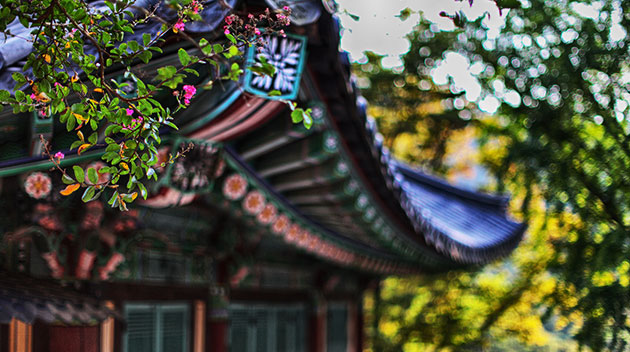
04:30–17:00: Etiquette to Know Before Year-Round, Free Admission
According to the English-language guide of the Korea Tourism Organization, Jeungsimsa is open from 04:30 to 17:00, every day of the year, with no regular closing days, and admission is free. The temple office telephone number is 062-226-0108, and the Temple Stay inquiry number is 062-226-0107. Before setting out, it is advisable to contact the temple office to confirm whether on-site routes may change because of ceremonies, events, or weather conditions.
The temple is both a tourist attraction and a religious space where worship and practice take place. Inside worship halls, remove your hat and avoid loud phone calls, tripod photography, and stepping on thresholds. The temple’s official guidance asks visitors to refrain from using strongly scented perfume or cosmetics when seeking counseling or attending ceremonies. For photography of indoor Buddha statues and Buddhist paintings, follow the instructions for each hall and requests made on site.
Because 04:30–08:00 is when the daily activities of the mountain temple and monastery begin, especially quiet behavior is required. First-time visitors may find it easiest to arrive between 09:00 and 11:00 or between 14:00 and 16:00, when viewing the halls is relatively convenient, and plan to finish exploring the grounds before 17:00.
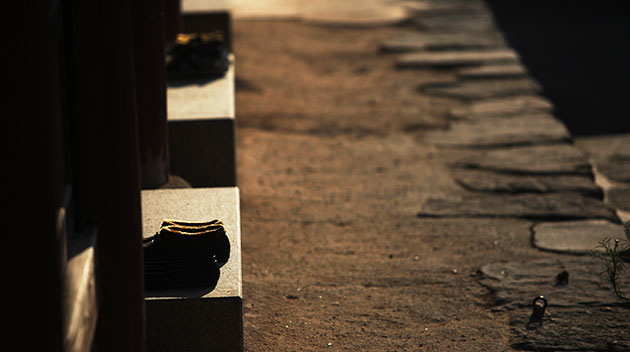
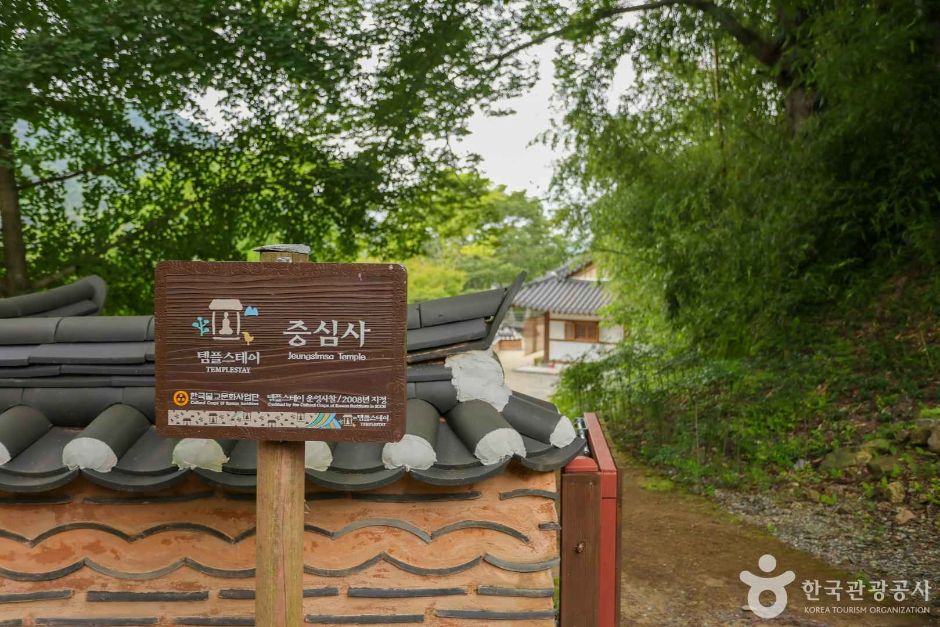
177 Jeungsimsa-gil, Connected by Bus from Hakdong–Jeungsimsa Entrance Station
The address is 177 Jeungsimsa-gil, Dong-gu, Gwangju Metropolitan City, postal code 61493. Since the temple cannot be reached directly by subway alone, the practical option is to transfer to a bus at Hakdong–Jeungsimsa Entrance Station on Gwangju Metro Line 1. Routes Provided to the Mudeungsan National Park (Jeungsimsa) terminal or toward Jeungsimsa include Jwaseok 02, Suwan 12 and Suwan 49, Unrim 35, Unrim 50, Unrim 51, and Unrim 54, and Bongseon 76.
Bus intervals and routes may change frequently, so immediately before departure it is best to search for the “Mudeungsan National Park (Jeungsimsa)” stop as the destination through the Gwangju Bus Information System or the Gwangju Transportation Information Center. The public transportation information telephone number for the Gwangju Transportation Information Center is 062-120. If you have a lot of luggage or are traveling with a stroller, prioritize a route that runs to the terminal to reduce the walking distance on mountain roads.
For cars, tourism guidance recommends approaching from Donggwangju Interchange via the Second Ring Road toward Jeungsimsa. Parking is available at the temple and in the Jeungsimsa district, but full capacity is possible on weekends, during the autumn foliage season, and on busy spring hiking days. Korea Tourism Organization materials list parking as available, but detailed fees and real-time availability are not fixed information, so it is more accurate to follow on-site signs and guidance from staff.
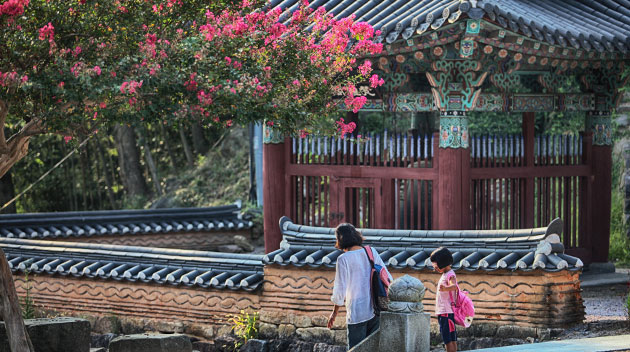
A Mudeungsan Cultural Route from Jeungsimsa to Samae Tea Garden and Uijae Museum of Korean Art
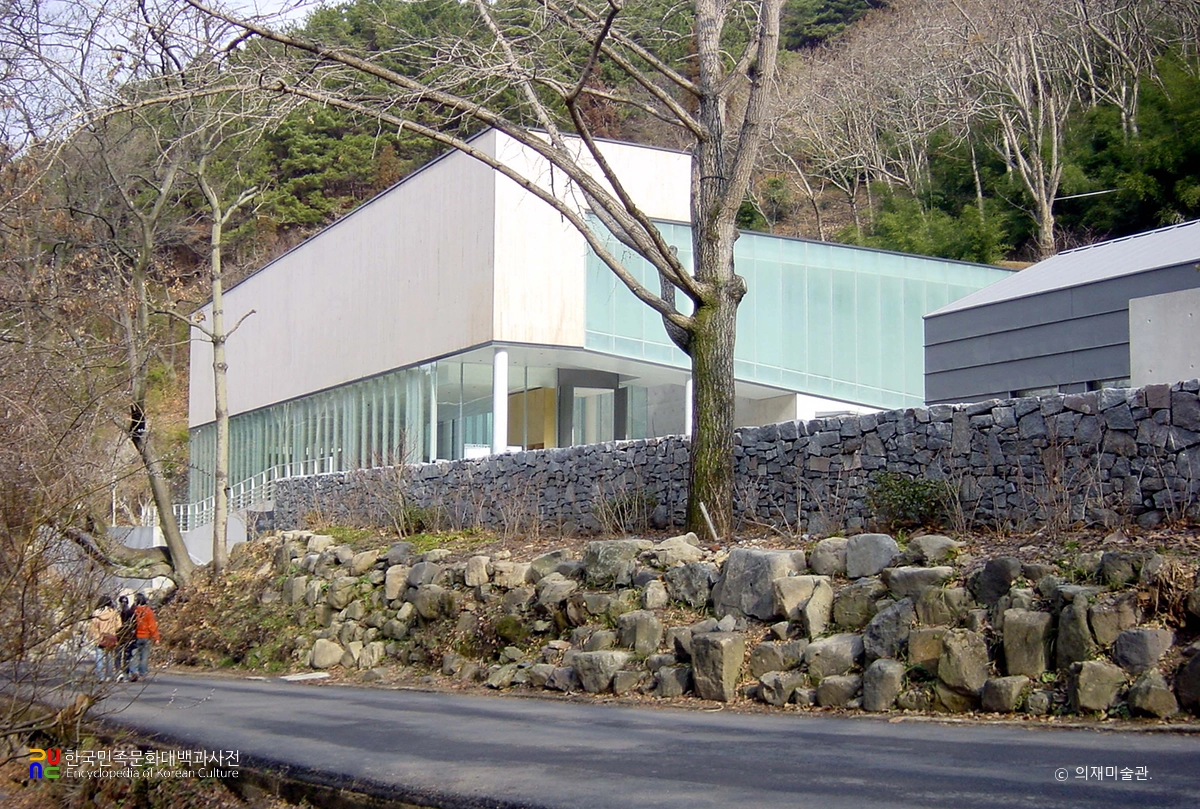
Rather than returning after seeing only Jeungsimsa, combining it with the Uijae Museum of Korean Art and Samae Tea Garden makes it possible to understand the religious, tea, and art history of the Mudeungsan foothills as one continuous story. According to tourism guidance, the tea fields on the mountain path to the left of Jeungsimsa were created during the Japanese colonial period, and after liberation, Namjong literati painter Uijae Heo Baek-ryeon took charge of them and named them “Samae Tea Garden.” Heo Baek-ryeon produced “Chunseol” green tea here and taught students at Gwangju Agricultural High Technical School.
The Uijae Museum of Korean Art is located in the Jeungsimsa entrance area, and the Korea Tourism Organization introduces a tourism course combining Jeungsimsa, Samae Tea Garden, and the Uijae Museum of Korean Art. With 60 minutes for the temple grounds plus the tea fields and museum, it is best planned as a half-day itinerary. Since the museum’s closing days, exhibitions, and admission fees may change, check separately before departing from Jeungsimsa.
If you also plan to hike Mudeungsan, it is better to prepare sneakers or hiking shoes with slip-resistant soles rather than ordinary shoes for temple sightseeing. Conversely, if your goal is solely to explore cultural heritage, the short route around Obaekjeon and Birojeon is enough to see the main heritage sites, making this itinerary suitable even for travelers who cannot manage a long hike.
From Monthly Weekend One-Day Classes to a One-Night, Two-Day Temple Stay
In addition to ordinary sightseeing, Jeungsimsa operates reservation-based Temple Stay programs. According to guidance for 2026, the one-day class featuring tea and meditation runs for approximately three hours at 2 p.m. on the first and third Saturdays of each month, while the self-guided meditation one-day class is scheduled for the second Saturday and fourth Sunday. Since the dates, capacity, and fees for these programs may change, check the remaining seats and prices by date on the official Temple Stay reservation page.
The one-night, two-day “Jeollo~ Jeollo~ Restorative Stay” is advertised as allowing stays of up to three nights and four days, and includes communal meals and tea conversations with monks. “Temple Stay with Yoga” is announced as operating from Friday to Saturday during the first and third weeks of each month. If you will arrive late after making a reservation, it is best to inquire with the temple in advance about check-in availability, food allergies, and room assignments.
Unlike ordinary sightseeing, Temple Stay programs require advance reservations, and some youth-oriented events have age requirements of 19–34 and require identification. The YouTube search tool did not return results because its query limit had been exceeded on August 11, 2026, so no video link was added arbitrarily.
Check Before Your Visit
| Address | 177 Jeungsimsa-gil, Dong-gu, Gwangju Metropolitan City |
|---|---|
| Hours | 04:30–17:00 |
| Closing days | Open year-round |
| Admission | Free |
| Recommended time | 45–60 minutes for the key heritage sites on the grounds; 60–90 minutes including photography and worship |
| Public transportation | Transfer to a bus at Hakdong–Jeungsimsa Entrance Station on Gwangju Metro Line 1. Toward Mudeungsan National Park (Jeungsimsa): Jwaseok 02, Suwan 12 and 49, Unrim 35, 50, 51, and 54, and Bongseon 76. Service may change. |
| Parking | Available. Check detailed fees and real-time availability on site. |
| Inquiries | Temple office 062-226-0108 / Temple Stay 062-226-0107 |
| Official website | https://jeungsimsa.org/ |
| Accessibility | Tourism guidance indicates accessible restrooms, designated parking spaces, and no level difference at the main entrance, but on-site confirmation is recommended for slopes within the grounds and access conditions inside the halls. |
The information above is accurate as of the time of writing. Check the official guidance again before visiting.

Places
Nearby Attractions 3
-
 1
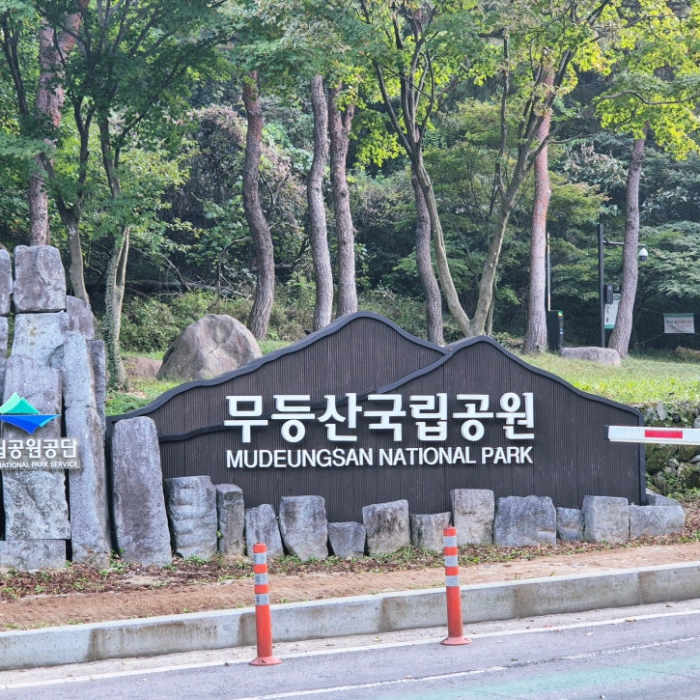
Mudeungsan National ParkA national park where visitors can explore Mudeungsan’s mountain trails and natural scenery
1
Mudeungsan National ParkA national park where visitors can explore Mudeungsan’s mountain trails and natural scenery -
 2
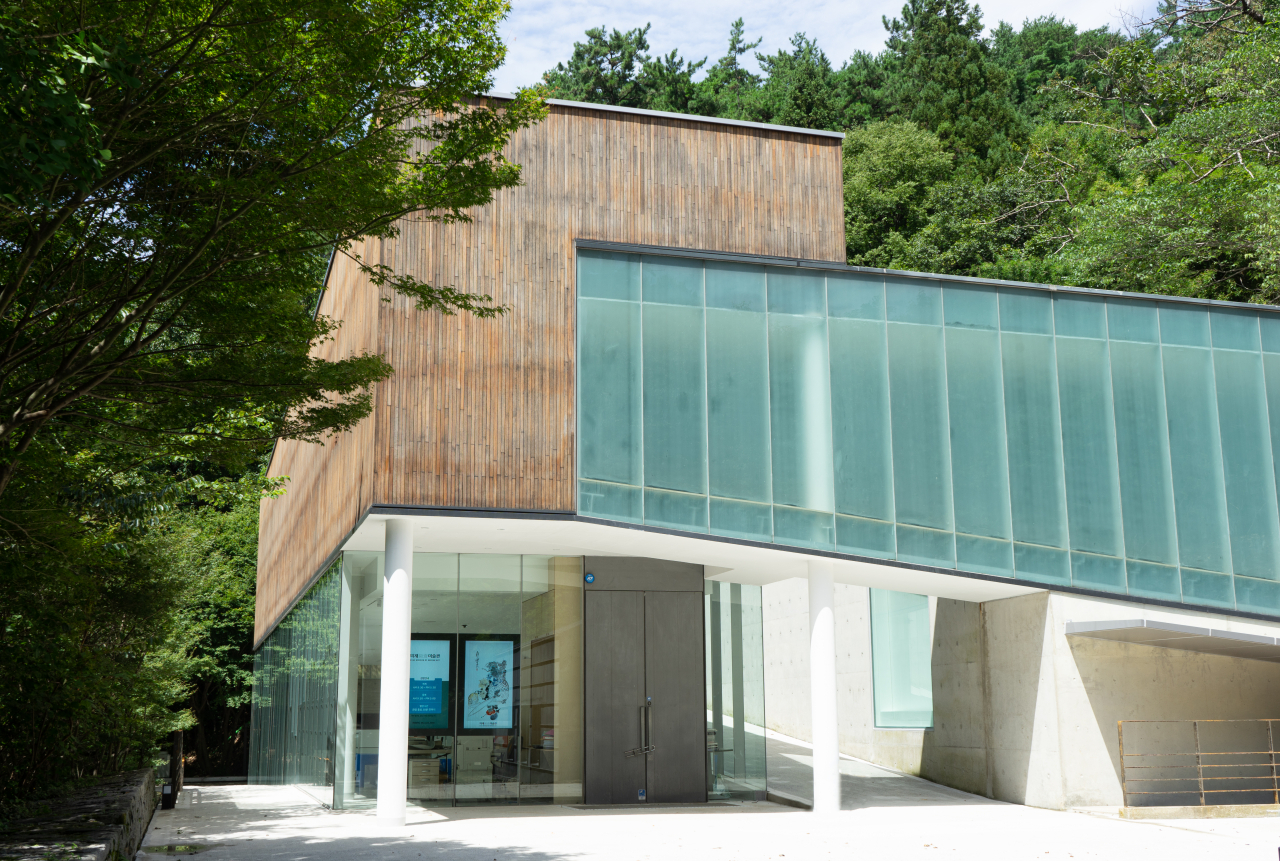
Uijae Art MuseumAn art museum that exhibits and researches the works of Heo Baek-ryeon and Korean painting.
2
Uijae Art MuseumAn art museum that exhibits and researches the works of Heo Baek-ryeon and Korean painting. -
 3
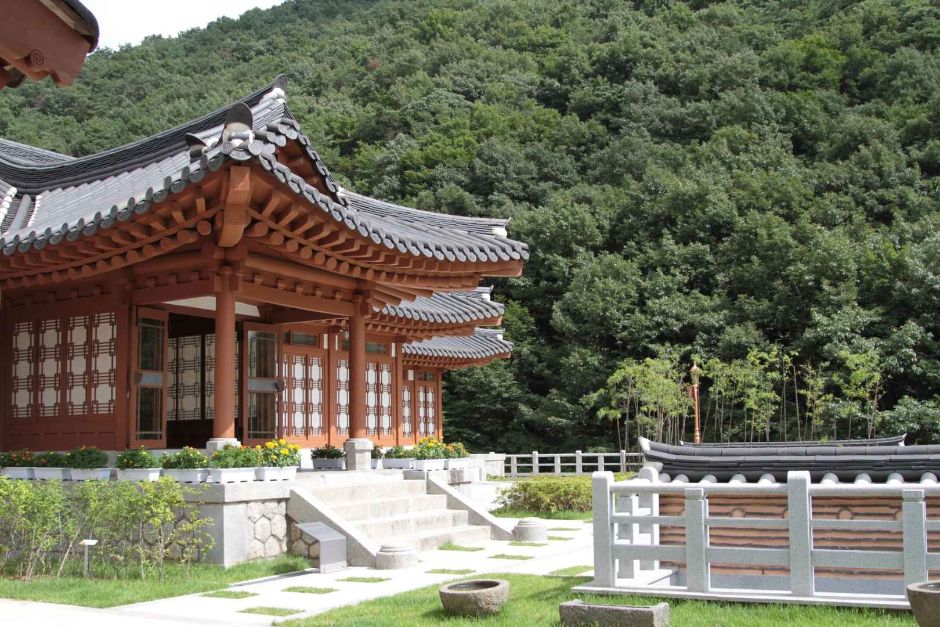
Gwangju Traditional Culture CenterA space dedicated to preserving the traditional culture of Namdo and offering performances and hands-on experiences
3
Gwangju Traditional Culture CenterA space dedicated to preserving the traditional culture of Namdo and offering performances and hands-on experiences
Food & Dining 2
-
 4
4
-
 5
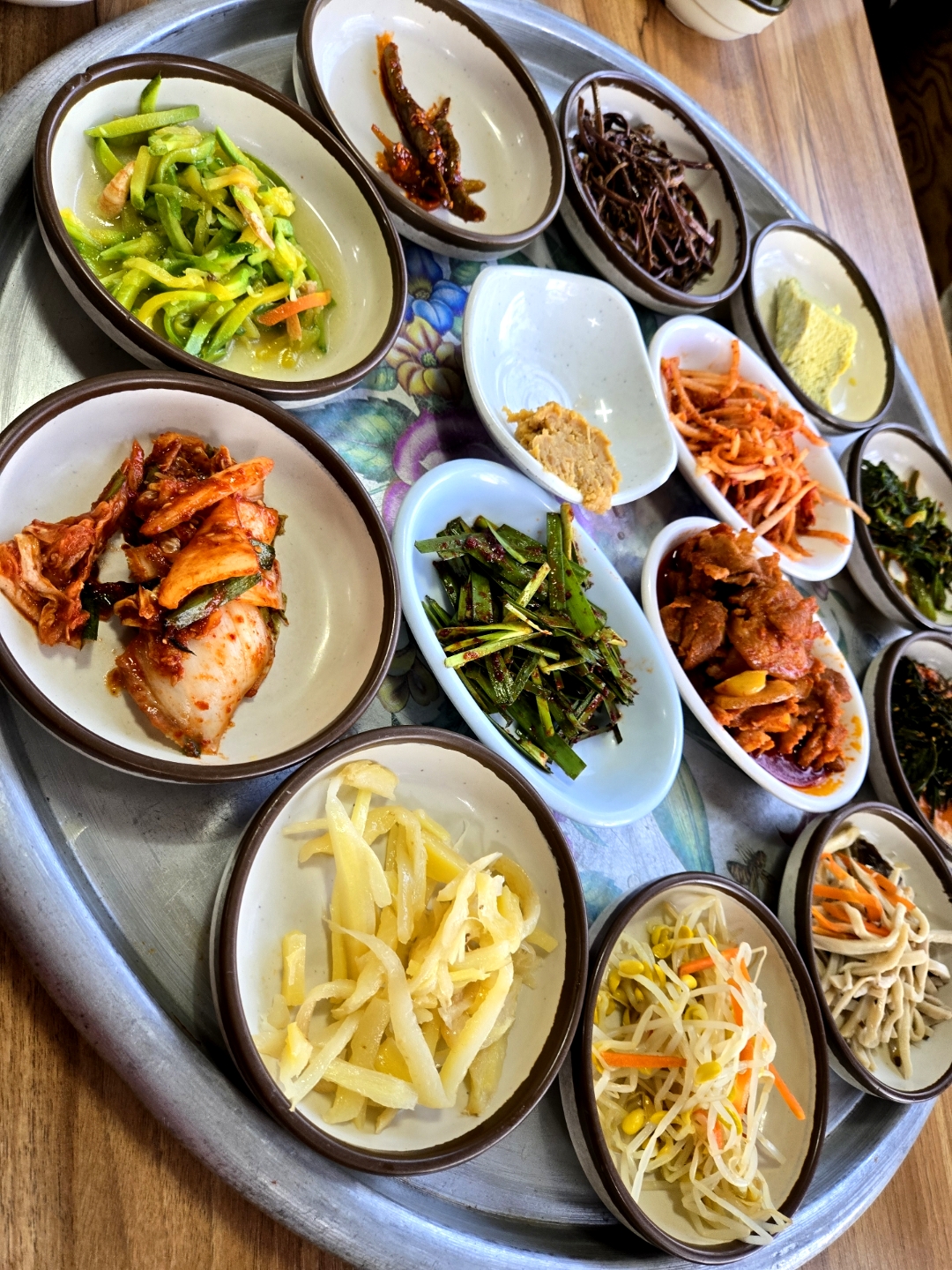
PaldogangsanA restaurant serving Mudeungsan-style barley rice and rustic free-range chicken dishes
5
PaldogangsanA restaurant serving Mudeungsan-style barley rice and rustic free-range chicken dishes
Events in This Area

Festivals in This Area

More Travel Guides in This Area
 Travel Guide
Heo Baek-ryeon’s Ink Wash Paintings and Tea Fields Along Mudeungsan’s Jeungsimsa Trail
 Travel Guide
The Jisan Amusement Park Lift Car That Has Crossed the Mudeungsan Forest Since 1978: How to Reach Palgakjeong
 Travel Guide
Wonhyosa Temple and the Terminus of Bus 1187 on the Northern Slopes of Mudeungsan Mountain
 Travel Guide
Namgwangju Market, Where Dawn Seafood and the Traces of Old Namgwangju Station Meet
Korea News
 News
News
‘NewJeans Expulsion’ Danielle Releases Her First YouTube Video… “We Don’t Know What Will Happen Next”
![aespa’s North American Tour Has Remaining Seats Despite ‘$49’ Bargain Prices… A Stark Popularity Gap with KATSEYE [TEN Starfield]](https://kotourlive-images.s3.ap-northeast-1.amazonaws.com/news/1788485037424_a59b1932_naver_rank_thumb_0000774618_1788485037424.jpg) News
News
aespa’s North American Tour Has Remaining Seats Despite ‘$49’ Bargain Prices… A Stark Popularity Gap with KATSEYE [TEN Starfield]
![[Photo] TWICE’s Dahyun attends a film festival red carpet as an actress](https://kotourlive-images.s3.ap-northeast-1.amazonaws.com/news/1788485316508_edd43ecd_news_870a60a6-6f11-4d73-aa7c-48d91318a0f7.jpg) News
News
[Photo] TWICE’s Dahyun attends a film festival red carpet as an actress
![[On-Site Video] “We’re Departing Separately Together”… BIGBANG Begins ‘COSMOS’ World Tour](https://kotourlive-images.s3.ap-northeast-1.amazonaws.com/news/1788485226518_c5719641_news_fdd4764a-0f4e-4968-8e4e-e98a02872f88.jpg) News
News