Wonhyosa Temple and the Terminus of Bus 1187 on the Northern Slopes of Mudeungsan Mountain
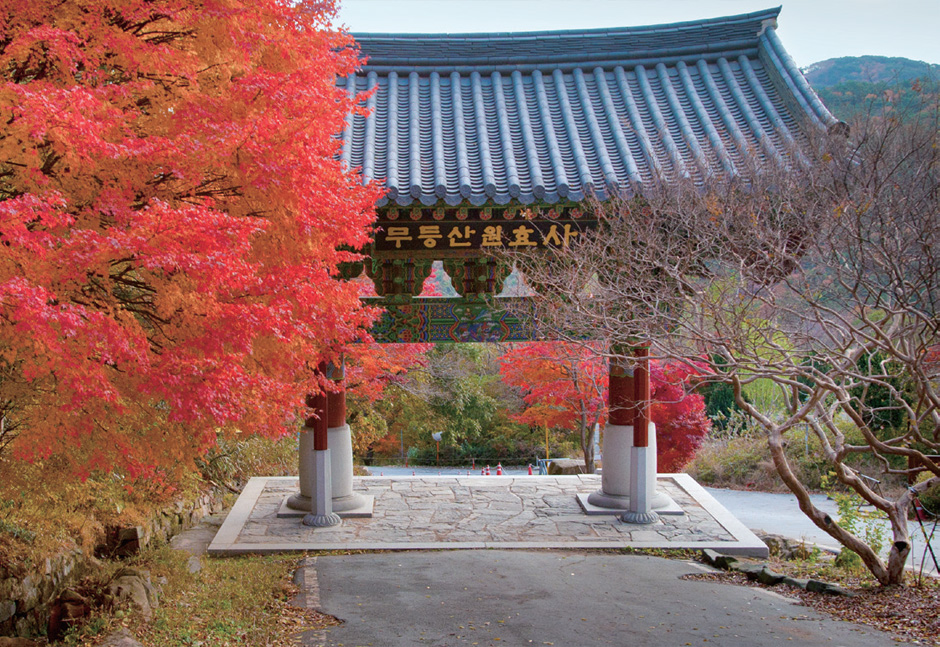
Wonhyosa Temple is a Jogye Order Buddhist temple located at the northern foothills of Mudeungsan Mountain in Buk-gu, Gwangju, within the Wonhyogyegok Valley area. If you plan to combine a temple visit with a walk around the Wonhyosa District, it is best to check the first and last departure times of Bus 1187 and the weather along the mountain trails in advance.
I’ve been here?
Your check-in helps the next traveler.
No one has checked in yet Be the first
One tap — no writing needed
Traces of the 1980 Excavation Remaining in Wonhyo Valley on the Northern Side of Mudeungsan
Wonhyosa Temple is a Jogye Order Buddhist temple in Geumgok-dong, Buk-gu, Gwangju Metropolitan City, within the Wonhyo Valley area on the northern foothills of Mudeungsan. It is introduced as a branch temple of Songgwangsa Temple. Its road-name address is 1514-35 Mudeung-ro, Buk-gu, Gwangju Metropolitan City, and the temple’s main telephone number is 062-266-0326.
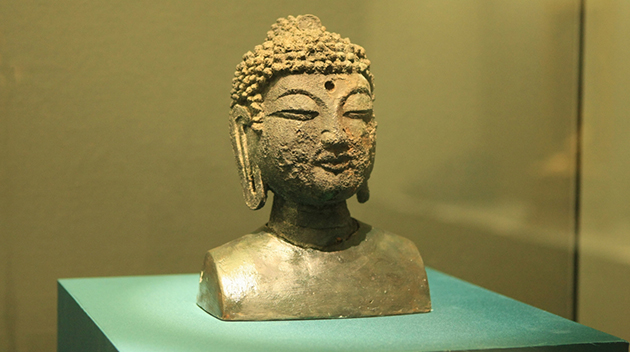
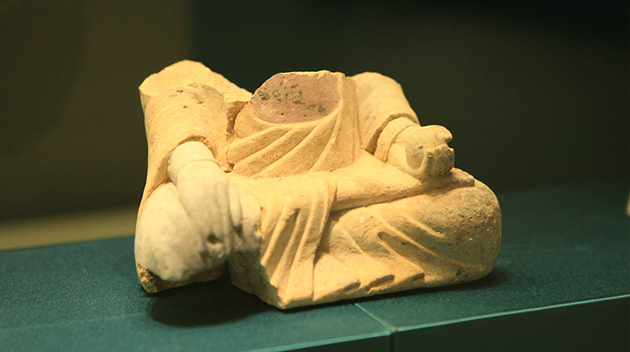
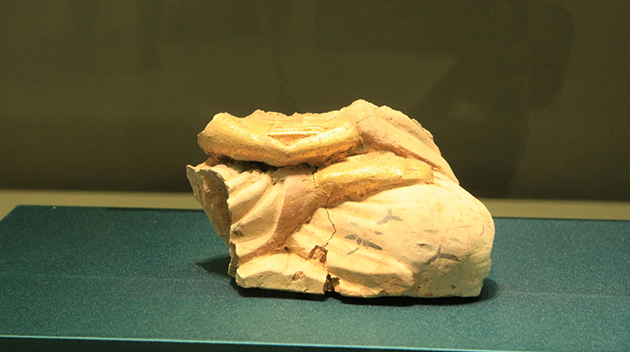
Rather than definitively attributing its founding to Wonhyo, it is more accurate to understand the temple’s history through the excavation results obtained during the construction of a new Daeungjeon Hall in 1980. More than 100 items, including Bronze Age artifacts, a gilt-bronze standing Buddha, bronze mirrors, and molded clay Buddhas, were identified at the time. Celadon fragments with a halo-shaped foot dating from the 8th to 9th centuries support the possibility that the site existed at least by the late Unified Silla period.
Wonhyosa East Stupa and Mansusa Temple Bell: Two Heritage Items Not to Miss on the Grounds
Wonhyosa Temple preserves Wonhyosa East Stupa, Gwangju Metropolitan City Tangible Cultural Heritage No. 7, and the Mansusa Temple Bell held by Wonhyosa, Gwangju Metropolitan City Tangible Cultural Heritage No. 15. Materials on traditional mountain temple cultural heritage present these two items as Wonhyosa’s representative designated cultural properties.
Thirty-two excavated artifacts are separately designated as Gwangju Metropolitan City Tangible Cultural Heritage No. 8, “Excavated Artifacts from Wonhyosa Temple.” Gwangju tourism materials explain that more than 100 molded clay Buddhas were among the excavated objects, so rather than returning after viewing only the building’s exterior, it is worthwhile to consider the context of the cultural property excavations as part of your visit.
Wonhyosa Bus Terminal Reached Directly by Route 1187
The key public transportation option is feeder route 1187. According to the temple’s official information, the route connects Gwangcheondong, Gwangju Bus Terminal, Gwangju Station (East), Geumnam-ro, the courthouse, and Wonhyosa Temple (Mudeungsan). From Gwangcheondong, the first bus departs at 06:20, the last bus at 22:00, and buses run approximately every 20–25 minutes.
According to estimated travel times provided for the Mudeungsan UNESCO Global Geopark area, route 1187 takes 54 minutes from Gwangju Station (East). From Gwangju Songjeong Station, take Subway Line 1 to the National Asian Culture Center and transfer to route 1187; the journey takes 1 hour 5 minutes. The estimated time is 1 hour 9 minutes from Gwangju Bus Terminal and 1 hour 10 minutes from Gwangju Airport, including transfers at Airport Station and the National Asian Culture Center.
- Alighting stop: Mudeungsan National Park (Wonhyosa)
- From Gwangju Songjeong Station: Subway Line 1 → transfer at the National Asian Culture Center → route 1187
- From Gwangju Station: board route 1187 at Gwangju Station (East)
- After the last bus, the stop is a mountain terminal, so separate transportation home must be arranged.
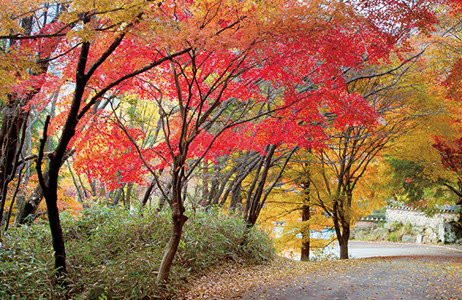
Wonhyosa Parking Lot and the Mudeungsanjang Area: Guidelines for Arriving by Car
For drivers, the temple’s official directions recommend entering Wonhyosa via Donggwangju Interchange on the Honam Expressway, Munheung Junction, Duam Intersection, and Mudeung-ro. The Wonhyosa parking lot is currently operated, and the Ministry of Environment announced a public restroom improvement project in the area of 809-8 Geumgok-dong on April 1, 2024.
The site area specified in the improvement announcement is 659 m², the building area is 109.20 m², and there is one building. However, official sources did not confirm parking fees or the number of spaces, so visitors arriving by car should prioritize the National Park’s guidance and on-site signage regarding operating conditions on the day of their visit.
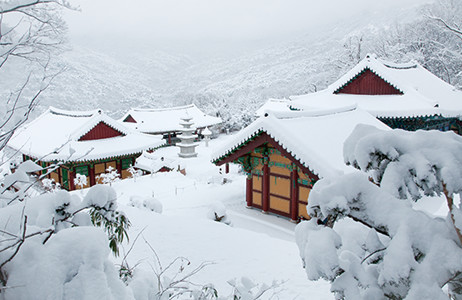
Temple Worship Is Free, but Confirm Regular Opening Hours by Phone
No source was found announcing a separate admission fee for ordinary worship at Wonhyosa Temple, and admission to Mudeungsan National Park is listed as free. Accordingly, admission can be summarized as “free,” while temple stays, cultural events, and lodging-related programs may involve separate fees and different advance-registration requirements.
The temple’s regular worship hours and fixed weekly closing days are not published as fixed information on its official website. For dawn or nighttime visits, visits on Buddhist service days, or group visits, it is safest to inquire first by calling 062-266-0326. The official website is https://www.wonhyosa.org.
- Admission: Free
- Regular worship hours: No fixed published hours confirmed
- Regular closing days: No fixed published closing days confirmed
- Inquiries: 062-266-0326
- Recommended duration: Approximately 30–60 minutes for the temple grounds alone, or 1–2 hours with a walk around the Wonhyosa area
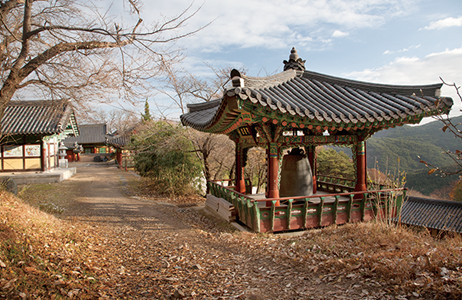
Time Slots for the “Sound of the Mountain Temple Bell” Program, Held from August to October
Materials on traditional mountain temple cultural heritage include an example of the “Sound of the Mountain Temple Bell” concert at Wonhyosa, planned for Culture Days from August to October, from 18:00 to 20:00, for approximately 100 tourists and citizens. Another program, “Remembering Chungjang-gong!”, was recorded as operating in April, July, and October from 09:00 to 15:00 for 80 participants in and around Wonhyosa and Mudeungsan National Park.
The overnight two-day, one-night program “Embracing the Moon and Counting the Stars” was previously held from 14:00 until 14:00 the following day during July and August for approximately 20 families. Since these are schedules for past programs, the actual 2026 hosting status, participation fee, and registration date should be reconfirmed through Wonhyosa announcements; event information should not be mistaken for general opening hours.
The Wonhyosa Area Extending Toward Neutjae and Tokkideung: Preparation Before Walking After Worship
The Wonhyosa bus terminal is also a starting point for hiking the northern slopes of Mudeungsan and exploring the Wonhyosa area. An exploration-education schedule from a local environmental organization lists the Wonhyo Area Ecological and Cultural Exploration Information Center, Neutjae, Deoksan Tunnel, Neodeolgeong Mineral Spring, and the Hwajeonmin Restoration Site as exploration points within the same area.
If you continue onto the mountain trails, temple-visiting clothing alone may not be sufficient. Prepare water, slip-resistant shoes, and a windproof outer layer. Before departure, it is advisable to check with the Mudeungsan National Park Office at 062-227-1187 regarding rain, strong winds, and trail access restrictions. Public sources did not confirm which areas of the temple grounds are accessible to wheelchairs and strollers or whether foreign-language guidance is available, so advance phone inquiries are necessary.
- Wonhyosa area bus terminal: Route 1187
- Wonhyosa area exploration hubs: Ecological and Cultural Exploration Information Center, Neutjae, Neodeolgeong Mineral Spring
- National Park inquiries: 062-227-1187
- When combining the visit with a hike, plan backward from the last return bus at 22:00.
Before You Go
- Address
- 1514-35 Mudeung-ro, Buk-gu, Gwangju Metropolitan City
- Admission
- Free
- Phone
- 062-266-0326
- Official site
- https://www.wonhyosa.org
- Transport
- Take feeder route 1187 and alight at “Mudeungsan National Park (Wonhyosa).” Approximately 54 minutes from Gwangju Station (East); approximately 1 hour 5 minutes from Gwangju Songjeong Station, including a transfer from Subway Line 1 to the National Asian Culture Center; approximately 1 hour 9 minutes from Gwangju Bus Terminal.
- Parking
- The Wonhyosa parking lot is available. Parking fees and capacity could not be confirmed.
- Time needed
- Approximately 30–60 minutes for worship on the temple grounds; approximately 1–2 hours including a walk around the Wonhyosa area.
- Accessibility
- Accessible areas for wheelchairs and strollers, and the availability of foreign-language guidance, could not be confirmed in public sources; calling 062-266-0326 before visiting is recommended.
The information above is accurate as of the time of writing. Check the official guidance again before visiting.

Places
Nearby Attractions 3
-
 1
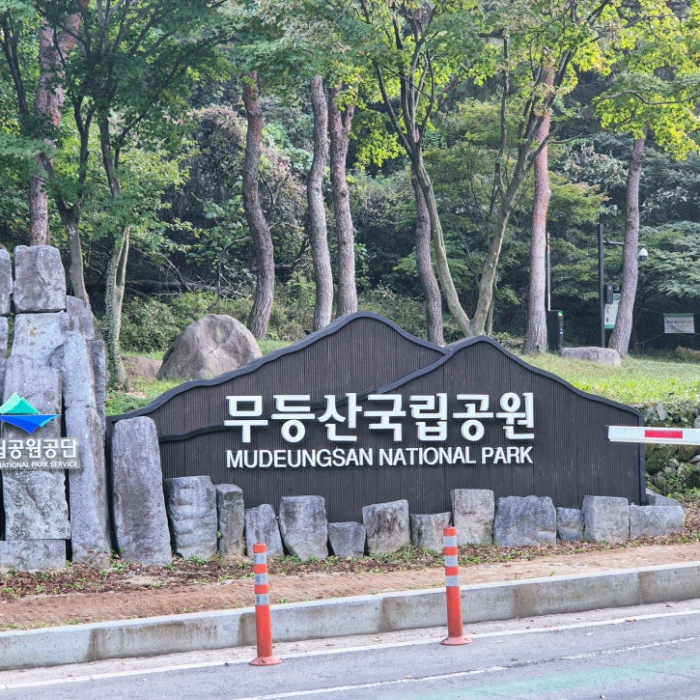
Mudeungsan National ParkA national park where you can walk along Mudeungsan’s valleys and forest trails and explore geological attractions.
1
Mudeungsan National ParkA national park where you can walk along Mudeungsan’s valleys and forest trails and explore geological attractions. -
 2
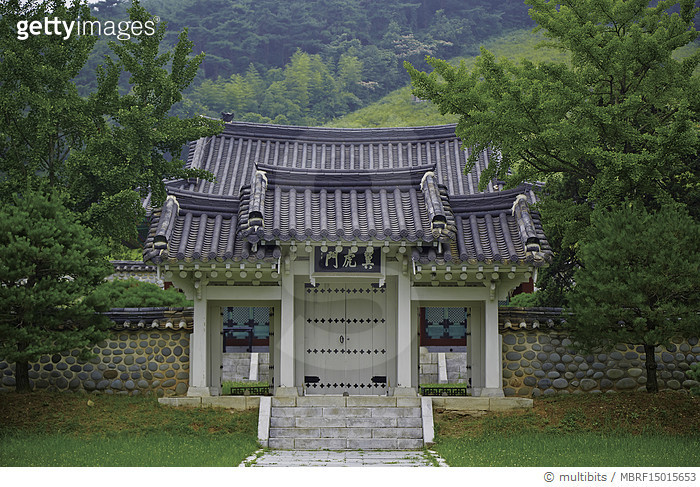
Chungjangsa ShrineA place to visit the shrine and historical sites commemorating Kim Deok-ryeong, a militia leader during the Imjin War.
2
Chungjangsa ShrineA place to visit the shrine and historical sites commemorating Kim Deok-ryeong, a militia leader during the Imjin War. -
 3
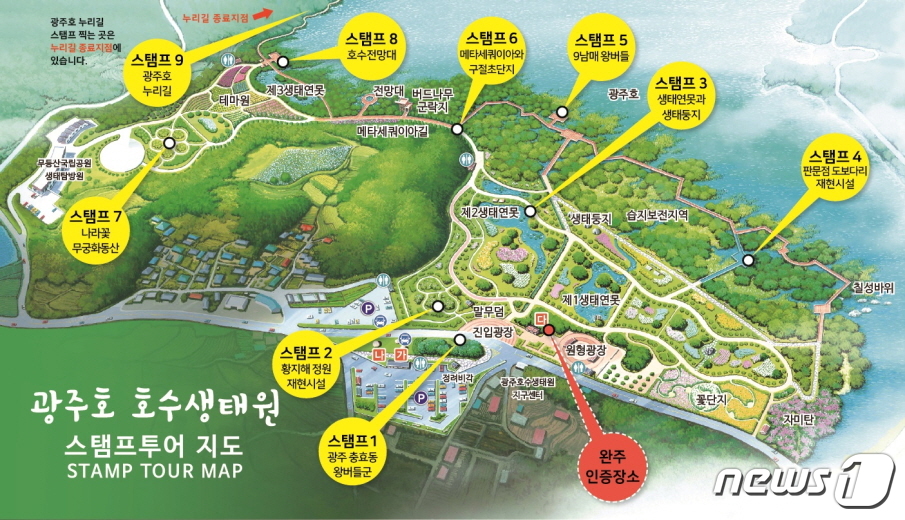
Gwangjuho Lake Ecological ParkAn ecological park where you can explore walking trails around Gwangjuho Lake and observe aquatic plants.
3
Gwangjuho Lake Ecological ParkAn ecological park where you can explore walking trails around Gwangjuho Lake and observe aquatic plants.
Food & Dining 1
-
 4
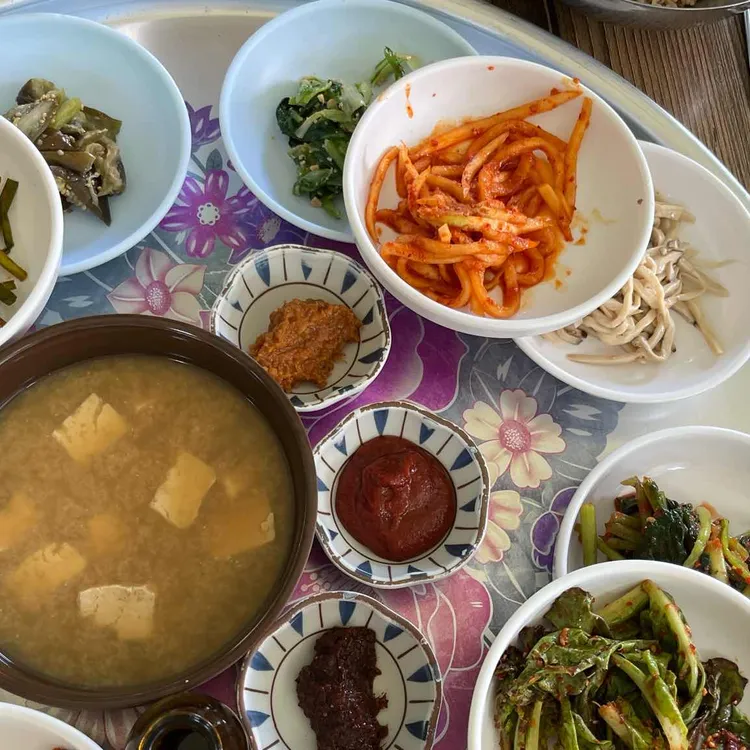
Jisangol Oncheon BoribapA restaurant serving Mudeungsan barley rice with seasoned wild greens and soybean paste soup.
4
Jisangol Oncheon BoribapA restaurant serving Mudeungsan barley rice with seasoned wild greens and soybean paste soup.
Events in This Area

Festivals in This Area


More Travel Guides in This Area
 Travel Guide
Heo Baek-ryeon’s Ink Wash Paintings and Tea Fields Along Mudeungsan’s Jeungsimsa Trail
 Travel Guide
Obaekjeon Hall from 1443 at Jeungsimsa Temple on Mudeungsan Mountain’s Western Foothills, Gwangju
 Travel Guide
The Jisan Amusement Park Lift Car That Has Crossed the Mudeungsan Forest Since 1978: How to Reach Palgakjeong
 Travel Guide
A Walk Through Gwangjuho Lake Eco Park Connecting the Giant Willows, Seven-Star Rock, and Jamitan
Korea News
![BLACKPINK’s Lisa Dominates the VMA Red Carpet in a Sheer Corset Dress and Red Fur [Star Issue]](https://kotourlive-images.s3.ap-northeast-1.amazonaws.com/news/1790557894714_010e956a_news_94409db1-fab6-40bf-bc7b-4b985b1fbac7.jpg) News
News
BLACKPINK’s Lisa Dominates the VMA Red Carpet in a Sheer Corset Dress and Red Fur [Star Issue]
![BLACKPINK’s Jisoo Spotted by Surprise with BIGBANG in London… Their Special Loyalty as Labelmates [IS High Cut]](https://kotourlive-images.s3.ap-northeast-1.amazonaws.com/news/1790557854683_6ea979f5_news_caab62e5-8462-43c8-8622-da794f3df9de.png) News
News
BLACKPINK’s Jisoo Spotted by Surprise with BIGBANG in London… Their Special Loyalty as Labelmates [IS High Cut]
 News
News
Tattoos All Over Her Body… AOA’s Jimin Draws Shocked Attention After Kwon Mina’s ‘Bullying’ Allegations
![You’ll Have to Look Twice… Choi Min-a-soo Perfectly Pulls Off Everything from a Daring Illusion Dress at the Awards Ceremony to Long Braided Hair [RE:STAR]](https://kotourlive-images.s3.ap-northeast-1.amazonaws.com/news/1790492384850_1f293dad_news_d834c50e-0685-43ef-9aa5-6995cd6d8848.jpg) News
News