Heo Baek-ryeon’s Ink Wash Paintings and Tea Fields Along Mudeungsan’s Jeungsimsa Trail
The Uijae Art Museum is a private museum in Gwangju devoted to the works, personal effects, and philosophy of Uijae Heo Baek-ryeon (1891–1977), a master of the Southern School literati painting tradition. Located 1.4 km on foot from the entrance to Jeungsimsa Temple in Mudeungsan National Park, it is best to plan your route to include the museum, Chunsulheon, the tea fields, and Jeungsimsa Temple.
I’ve been here?
Your check-in helps the next traveler.
15 people viewed this week Be the first
One tap — no writing needed
An Art Museum Commemorating Heo Baek-ryeon (1891–1977), Opened in November 2001
Uijae Museum of Korean Art is a private museum established to preserve the artistic legacy and philosophy of Uijae Heo Baek-ryeon (1891–1977), a 20th-century Southern School literati painter. The Uijae Cultural Foundation was established in February 1998, and the museum opened in November 2001 with its inaugural exhibition, “Uijae—Love of Heaven, Love of Earth, Love of People.”
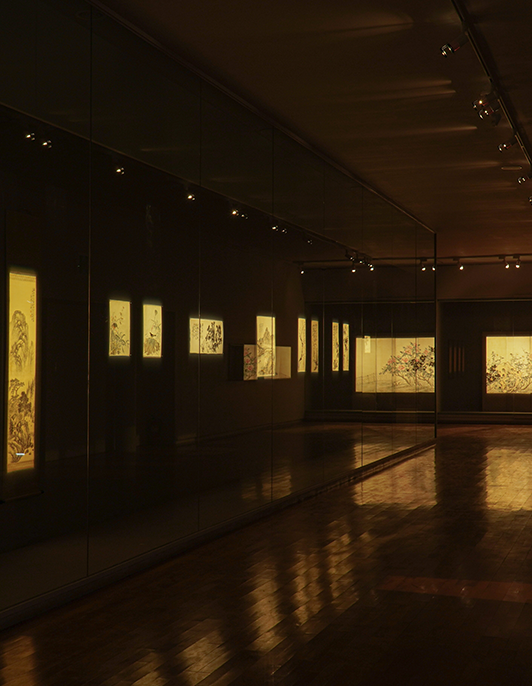
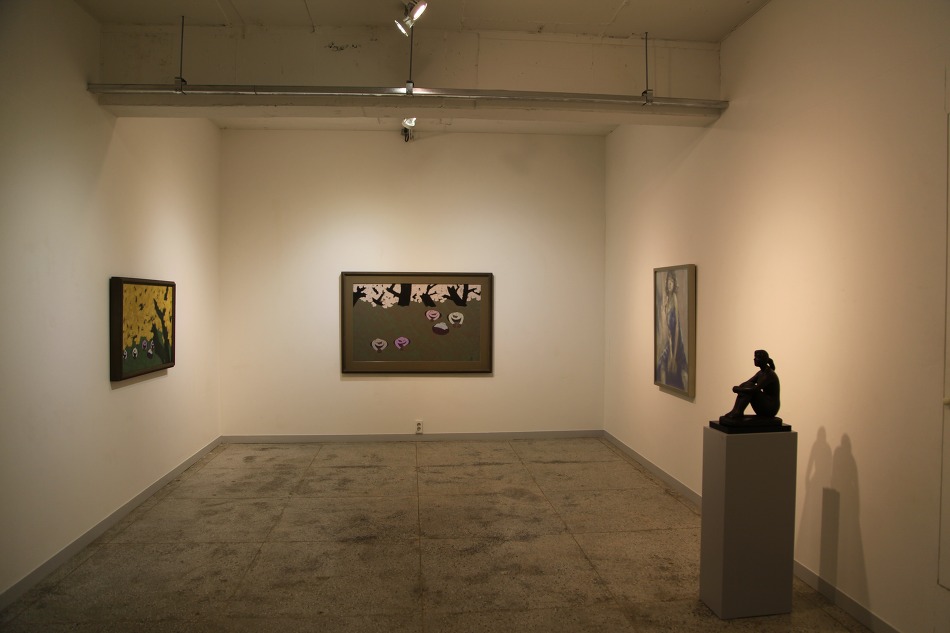
The focus here is not limited to paintings. It is a place to explore Heo Baek-ryeon’s “Three Loves”—a love of heaven, a love of people, and a love of earth—as well as his life as a painter, educator, and tea practitioner. The permanent exhibition gallery displays not only his works but also personal effects such as painting tools, tea utensils, photographs, and letters, which are rotated periodically.
- Opened: November 2001
- Purpose: Preservation of Heo Baek-ryeon’s legacy, continuation of the Southern School painting tradition, exhibitions, education, and research
- Permanent exhibition: Centered on representative works and personal effects of Heo Baek-ryeon
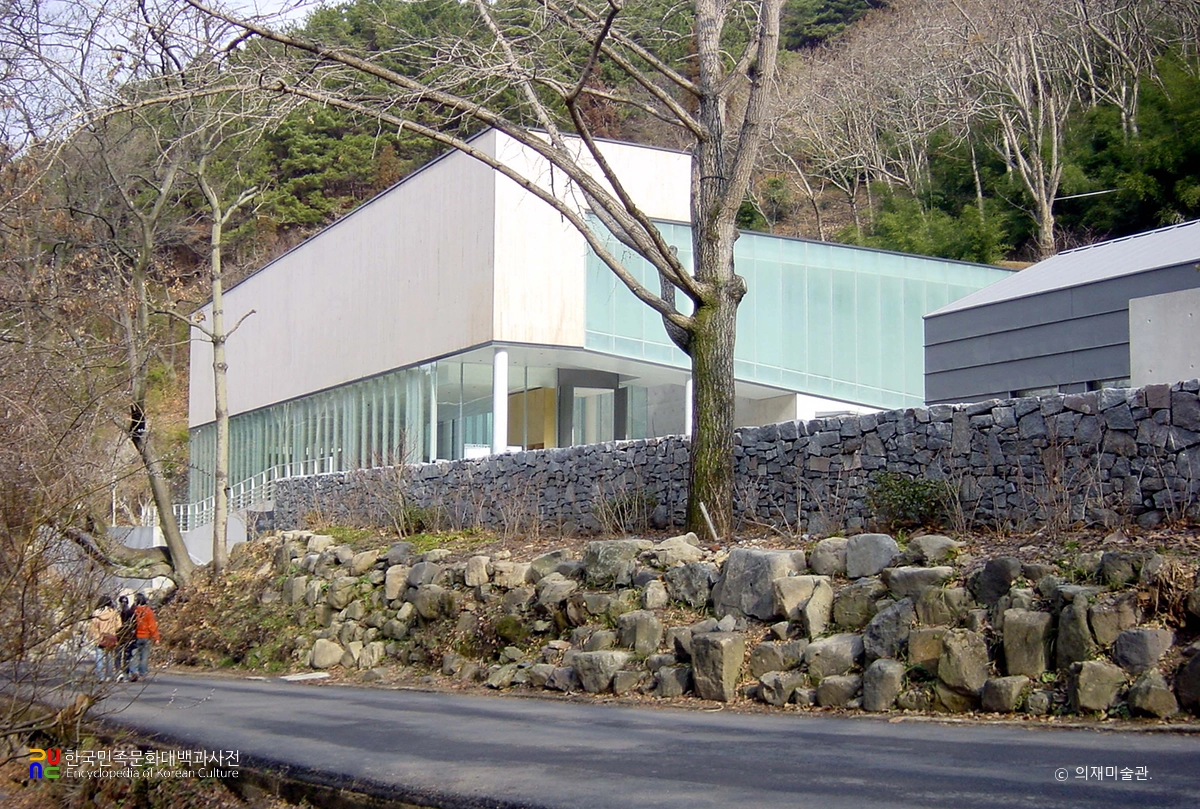
Three Buildings—Exhibition Hall, Samaeheon, and Administration Building—on a 6,029.8㎡ Site
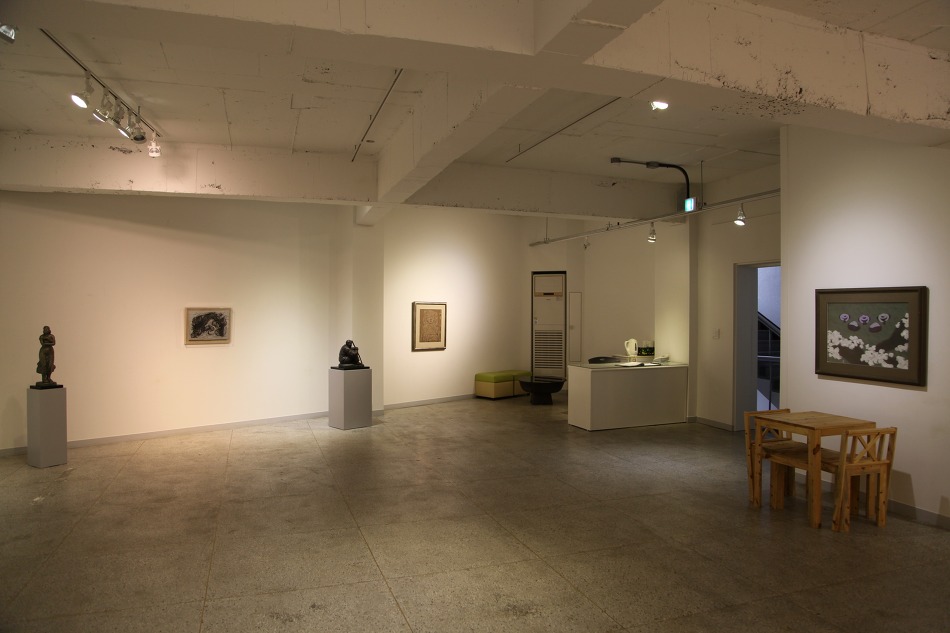
The site covers 6,029.8㎡, with a building area of 813.2㎡, and consists of three buildings: the exhibition hall, Samaeheon, and the administration building. The exhibition hall contains two special exhibition galleries and a permanent exhibition gallery. On the day of your visit, it is advisable to check the official exhibition schedule to see whether a special exhibition, which may carry a separate admission fee, is being held alongside the permanent exhibition.
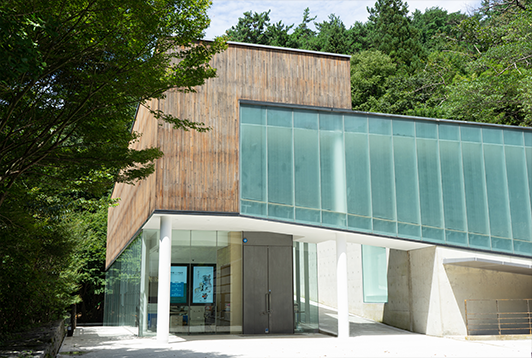
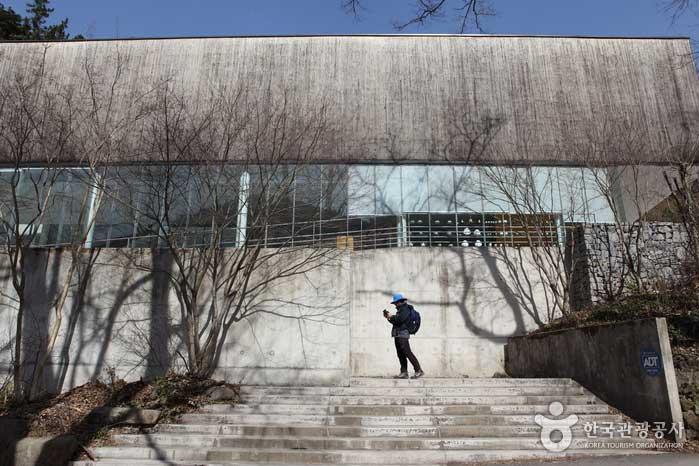
The buildings were jointly designed by Seongnyong Cho and Jong-gyu Kim of Josungnyong Urban Architecture, and received the Presidential Award at the 2001 Korean Architecture Culture Awards. The contrasts among exposed concrete, wood, and glass, together with the slope of the foothills of Mudeungsan Mountain, are important elements to appreciate. Rather than rushing through the artworks, allow 60–90 minutes, including the outdoor paths.
- Building area: 813.2㎡
- Exhibition space: 1 permanent exhibition gallery and 2 special exhibition galleries
- Architecture award: Presidential Award, 2001 Korean Architecture Culture Awards
Admission Begins at 09:30; Tickets Must Be Purchased by 16:30 or 17:00
Operating hours are 09:30–17:30 during the summer season from April to September, and 09:30–17:00 during the winter season from October to March. Admission ends 30 minutes before closing, so tickets must be purchased by 17:00 in summer and by 16:30 in winter. As of August 2026, the summer schedule is currently in effect.
The museum is closed every Monday, Lunar New Year, and Chuseok. General individual admission is 2,000 won, while admission for individual youths is 1,000 won. For groups of 20 or more, admission is 1,000 won for general visitors and 500 won for youths. Special exhibitions may have separate fees, so if you are visiting for a particular exhibition, it is best to inquire in advance by calling 062-222-3040.
- Summer season: 09:30–17:30, admission closes at 17:00
- Winter season: 09:30–17:00, admission closes at 16:30
- Closed: Every Monday, Lunar New Year, and Chuseok
- General individual: 2,000 won / Youth individual: 1,000 won
A 1.4 km Route from Exit 1 of Hakdong–Jeungsimsa Temple Entrance Station to a Bus for Jeungsimsa Temple
For public transportation, use Exit 1 of Hakdong–Jeungsimsa Temple Entrance Station on Gwangju Subway Line 1. Walk 150 m, or about 2 minutes, from the exit to the Hak 2 Maeul Apartment bus stop, then take whichever of the following buses is suitable: Suwan 12, Unnim 50, Unnim 51, Unnim 54, Suwan 49, Unnim 35, Jwaseok 02, Bongseon 76, or Cheomdan 09.
After getting off at the Mudeungsan National Park (Jeungsimsa Temple) bus stop, walk 1.4 km, or about 20 minutes, toward the Mudeungsan hiking trail to reach the museum. Since it is not an urban museum visible immediately from the bus, prepare comfortable walking shoes and water, and check the return bus schedule again at the stop. From Gwangju Bus Terminal, a taxi ride to the entrance of Jeungsimsa Temple takes about 25 minutes; the journey takes about 20 minutes from Gwangju Station and about 30 minutes from Gwangju Songjeong Station.
- Subway: Exit 1, Hakdong–Jeungsimsa Temple Entrance Station, Line 1
- Transfer stop: Hak 2 Maeul Apartment, 150 m on foot, about 2 minutes
- Get off at: Mudeungsan National Park (Jeungsimsa Temple) bus stop
- Final walk: 1.4 km, about 20 minutes
2.8 km from Hakun IC; Walk from the Jeungsimsa Temple Entrance Parking Lot
For drivers, the official route is to turn toward Jeungsimsa Temple at Hakun IC on the Second Ring Road and continue straight for 2.8 km. After parking at the Jeungsimsa Temple entrance parking lot, visitors must walk about 20 minutes to the museum. Those carrying large luggage or traveling with companions who have difficulty walking should inquire with the museum about access options before setting out.
Accessibility information indicates that a ramp connects the main access route to the entrance and that an accessible restroom is available. However, the 1.4 km walking section along the mountain foothills remains. Visitors with wheelchairs or strollers should call 062-222-3040 before visiting to confirm the route from the bus stop and from the parking lot.
- Car access: 2.8 km toward Jeungsimsa Temple from Hakun IC
- Parking: Use the Jeungsimsa Temple entrance parking lot, followed by about a 20-minute walk
- Barrier-free facilities: Access ramp to the entrance and accessible restroom
- Foreign-language information: Must be confirmed separately
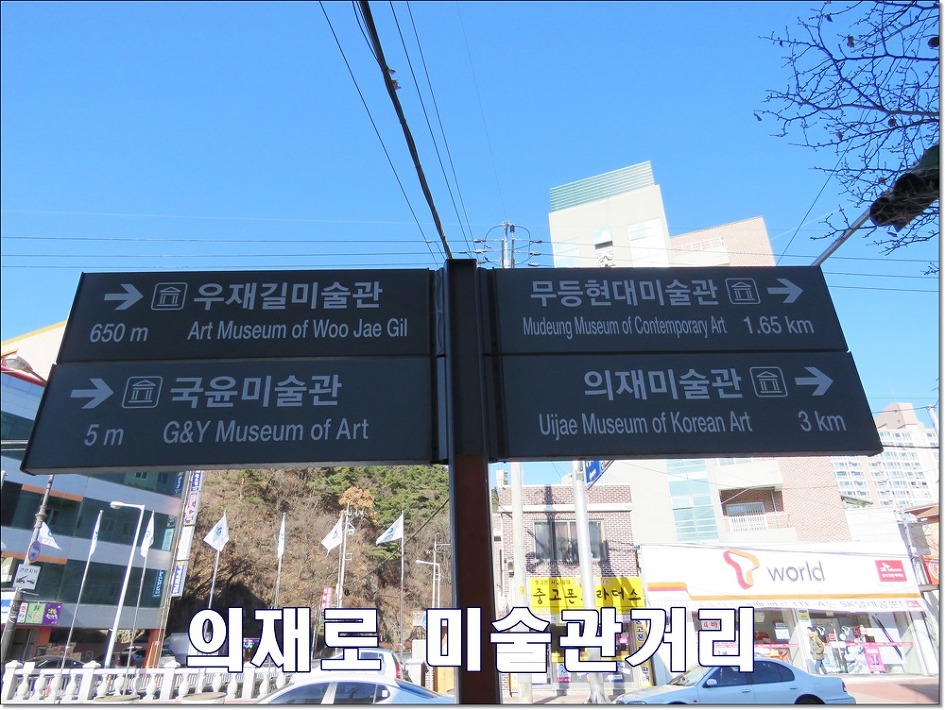
How to Visit Chunsulheon, Gwanpungdae, Munhyangjeong, and Heo Baek-ryeon’s Tea Fields Together
After visiting the museum, you can continue to Chunsulheon, where Heo Baek-ryeon lived, Gwanpungdae, Munhyangjeong, which was once a livestock building at an agricultural school, and the tea fields and tea factory on the slopes of Mudeungsan Mountain. These nearby sites help visitors understand Heo Baek-ryeon not simply as an ink-wash painter but also as an agricultural school administrator and practitioner of tea culture.
In particular, the tea fields behind Jeungsimsa Temple are introduced as a place that Heo Baek-ryeon acquired from Japanese owners and cultivated shortly after liberation. If you walk through the surrounding area after viewing the tea utensils and letters in the permanent exhibition, you can understand the natural scenery that inspired his landscape paintings together with his everyday world. Since access to Chunsulheon may vary, it is best not to plan an itinerary that assumes the interior will be open to visitors.
- Nearby connections: Chunsulheon, Gwanpungdae, Munhyangjeong, tea fields, and tea factory
- Tea field background: A site acquired and cultivated by Heo Baek-ryeon shortly after liberation
- Recommended time: 60–90 minutes at the museum, excluding the round-trip walk to the Jeungsimsa Temple entrance
Exchanges Continuing from the 2002 Sister-Museum Agreement with Guanshanyue Art Museum to Exhibitions in 2025
In December 2002, Uijae Museum of Korean Art established a sister-museum relationship with Guanshanyue Art Museum in Shenzhen, China, and has continued ink-painting exchanges and seminars between Korea and China. The first Korea–China Ink Painting Exchange Exhibition was held in 2004, and in 2006 the museum began the Uijae Creative Studio program, a residency program for Asian cultural and artistic professionals.
Exhibitions recorded in the museum’s history for 2025 include “When Flowers Bloom and Water Flows—The Uijae Mokjae Brothers Exhibition,” “Jikheon Heo Dal-jae Literati Painting Exhibition,” and “As Much as Our Sky, As Much as Our Earth.” Because these exhibitions change independently of the permanent exhibition of Heo Baek-ryeon’s works, check the exhibitions menu and notices on the official website before visiting. The official website is https://www.uijae.org, and the main telephone number is 062-222-3040.
- December 2002: Sister-museum agreement with Guanshanyue Art Museum in China
- June 2004: First Korea–China Ink Painting Exchange Exhibition
- June 2006: Uijae Creative Studio program launched
- September 2021: Reopened after renovation of aging facilities
Before You Go
- Address
- 155 Jeungsimsagil, Dong-gu, Gwangju Metropolitan City (Unnim-dong, Uijae Museum of Korean Art)
- Hours
- Summer season (April–September) 09:30–17:30; winter season (October–March) 09:30–17:00; admission closes 30 minutes before closing
- Closed
- Every Monday, Lunar New Year, and Chuseok
- Admission
- General individual 2,000 won; youth individual 1,000 won; groups of 20 or more: general 1,000 won and youth 500 won; special exhibitions charged separately
- Phone
- 062-222-3040
- Official site
- https://www.uijae.org
- Transport
- Gwangju Line 1, Exit 1 of Hakdong–Jeungsimsa Temple Entrance Station → 150 m walk to Hak 2 Maeul Apartment bus stop (about 2 minutes) → Suwan 12, Unnim 50, Unnim 51, Unnim 54, Suwan 49, Unnim 35, Jwaseok 02, Bongseon 76, or Cheomdan 09 → get off at Mudeungsan National Park (Jeungsimsa Temple) → 1.4 km walk (about 20 minutes)
- Parking
- 2.8 km toward Jeungsimsa Temple from Hakun IC on the Second Ring Road. Use the Jeungsimsa Temple entrance parking lot, followed by about a 20-minute walk; parking fees must be confirmed
- Time needed
- 60–90 minutes for the exhibition; allow an additional approximately 20-minute one-way walk from the Jeungsimsa Temple entrance bus stop and parking lot
- Accessibility
- A ramp is installed from the main access route to the entrance, and an accessible restroom is available. Because a walking section along the mountain foothills remains, advance telephone inquiries are recommended for wheelchair and stroller routes; foreign-language assistance must be confirmed
The information above is current as of the time of writing. Check the official information again before visiting.

Places
Nearby Attractions 3
-
 1
1
-
 2
2
-
 3
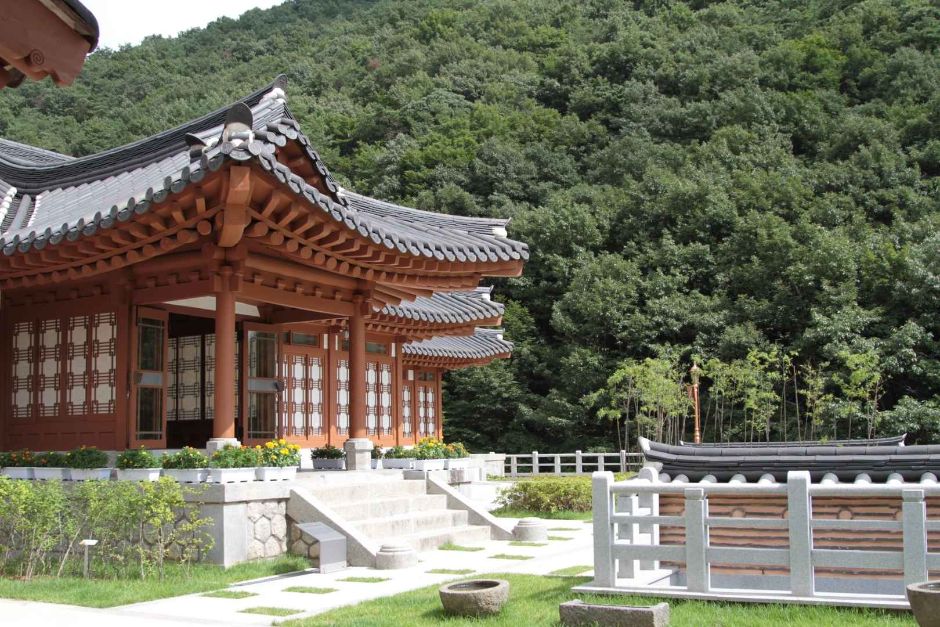
Traditional Culture CenterEnjoy performances and hands-on experiences of Namdo traditional culture.
3
Traditional Culture CenterEnjoy performances and hands-on experiences of Namdo traditional culture.
Food & Dining 2
-
 4
4
-
 5
5
Events in This Area

Festivals in This Area

More Travel Guides in This Area
 Travel Guide
Obaekjeon Hall from 1443 at Jeungsimsa Temple on Mudeungsan Mountain’s Western Foothills, Gwangju
 Travel Guide
Wonhyosa Temple and the Terminus of Bus 1187 on the Northern Slopes of Mudeungsan Mountain
 Travel Guide
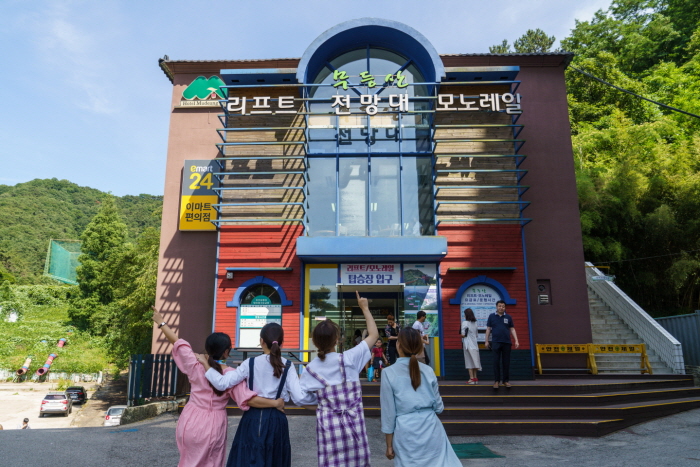
The Jisan Amusement Park Lift Car That Has Crossed the Mudeungsan Forest Since 1978: How to Reach Palgakjeong
 Travel Guide
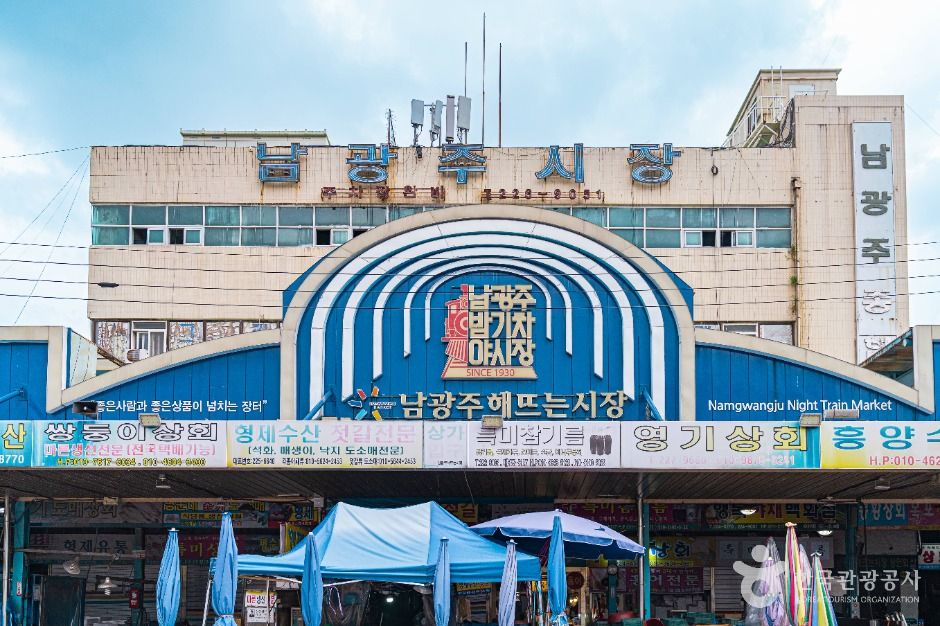
Namgwangju Market, Where Dawn Seafood and the Traces of Old Namgwangju Station Meet
Korea News
 News
News
‘NewJeans Expulsion’ Danielle Releases Her First YouTube Video… “We Don’t Know What Will Happen Next”
![aespa’s North American Tour Has Remaining Seats Despite ‘$49’ Bargain Prices… A Stark Popularity Gap with KATSEYE [TEN Starfield]](https://kotourlive-images.s3.ap-northeast-1.amazonaws.com/news/1788485037424_a59b1932_naver_rank_thumb_0000774618_1788485037424.jpg) News
News
aespa’s North American Tour Has Remaining Seats Despite ‘$49’ Bargain Prices… A Stark Popularity Gap with KATSEYE [TEN Starfield]
![[Photo] TWICE’s Dahyun attends a film festival red carpet as an actress](https://kotourlive-images.s3.ap-northeast-1.amazonaws.com/news/1788485316508_edd43ecd_news_870a60a6-6f11-4d73-aa7c-48d91318a0f7.jpg) News
News
[Photo] TWICE’s Dahyun attends a film festival red carpet as an actress
![[On-Site Video] “We’re Departing Separately Together”… BIGBANG Begins ‘COSMOS’ World Tour](https://kotourlive-images.s3.ap-northeast-1.amazonaws.com/news/1788485226518_c5719641_news_fdd4764a-0f4e-4968-8e4e-e98a02872f88.jpg) News
News