Walking through the time before Gwangju became a “city” at the Jungoe Park Museum
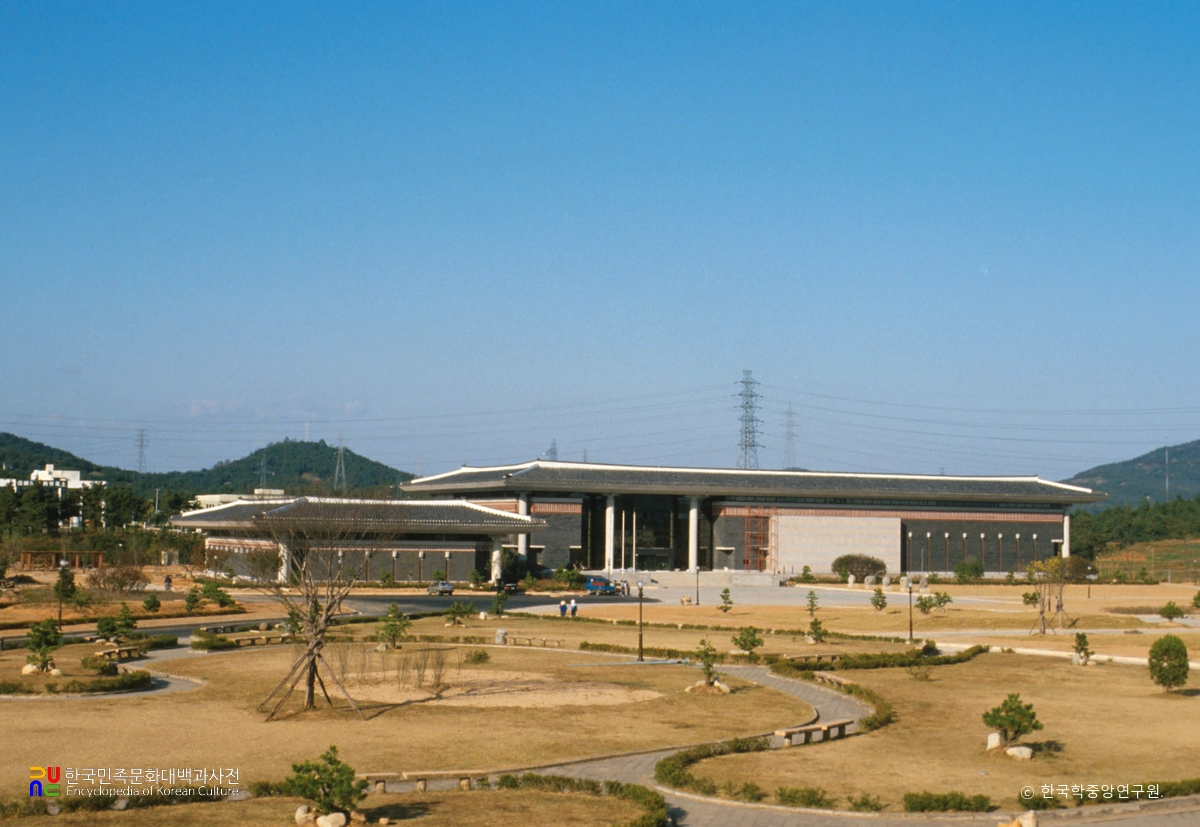
The Gwangju History & Folklore Museum began as the Provincial Gwangju Museum in 1963, opened at its current location in 1987, and reopened under its present name in 2020 as a municipal museum. To explore the life history of the southern region and Gwangju’s modern and contemporary history in one building, an efficient route is to start with the Southern Region Folklore Gallery on the first floor, continue to the Gwangju Modern History Gallery on the second floor, and finish with the stonework in the garden.
I’ve been here?
Your check-in helps the next traveler.
No one has checked in yet Be the first
One tap — no writing needed
From the Opening at Gwangju Park in 1963 to the 2020 Reopening as the History and Folk Museum
The starting point of the Gwangju History and Folk Museum was the Provincial Gwangju Museum, which opened at Gwangju Park in May 1963. The institution changed its name to the Gwangju Municipal Museum in April 1964, and after the National Gwangju Museum opened in 1979, it transferred its work managing buried cultural heritage and 102,158 artifacts in its collection. Gwangju City subsequently decided in May 1983 to absorb and integrate the municipal museum and expand and relocate it as a folk museum.
The current building broke ground at Gwangju Children's Grand Park on December 29, 1983. The first floor opened ahead of the rest on November 1, 1987, and the entire museum, including the second floor, opened on May 1, 1988. After being renamed the Gwangju Municipal Folk Museum in October 1995, it reopened as the Gwangju History and Folk Museum on March 31, 2020. In other words, this is not simply a facility that collects “old objects”; it is an institution that shows how Gwangju has expanded the scope of its records from exhibitions centered on regional folk culture to the history of the city.
Six Themes in the Namdo Folk Culture Gallery on the First Floor and Three Streets in the Gwangju Modern History Gallery on the Second Floor
The permanent exhibition is divided between the Namdo Folk Culture Gallery on the first floor and the Gwangju Modern History Gallery on the second floor. The first floor covers the everyday history of Jeolla Province through six themes—Namdo’s nature, agriculture, homes, fishing, markets, and art—and presents materials related to domestic life, clothing, food, agriculture, fishing, and folk crafts together. Re-created displays using mannequins, imitation food, and dioramas make it easy even for visitors encountering the history of traditional Korean life for the first time to compare how different tools were used.
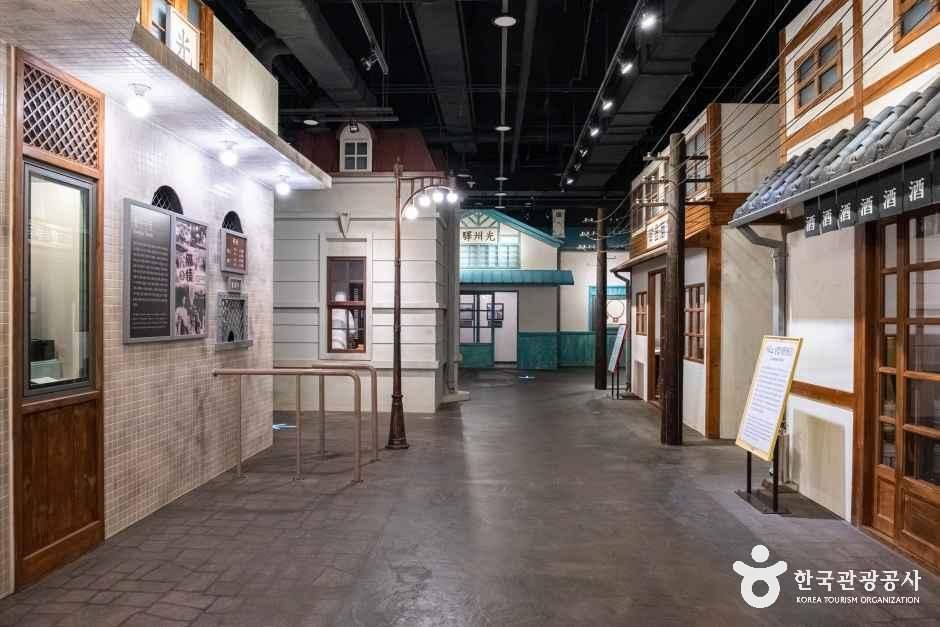
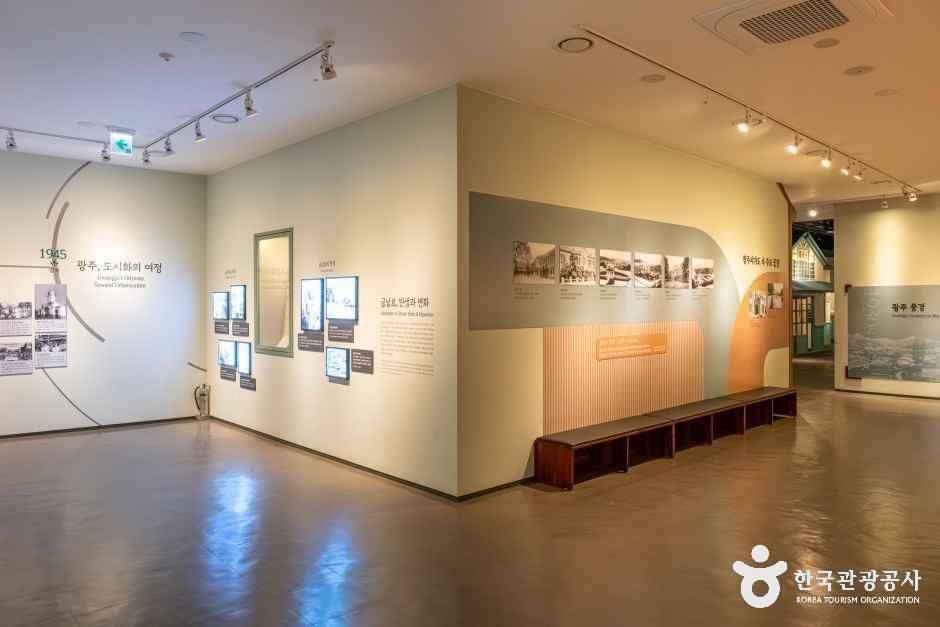
The Gwangju Modern History Gallery on the second floor covers Gwangju during the Joseon period, the Japanese colonial period, and after liberation. It is organized around three spaces—Gwangju Fortress, Chungjang-ro, and Geumnam-ro—and includes a model reconstruction of Gwangju Fortress, which disappeared in the 1900s, as well as a recreation of Chungjang-ro in the 1920s and 1930s. Rather than rushing through the exhibitions, allow about 40 minutes for the first floor, 40 minutes for the second floor, and 20 minutes for the outdoor stone artifacts. A total of 1.5 to 2 hours will help you avoid missing the connections between the themes.
8,966 Artifacts, General Jeong Ji’s Armor, and the Gangjin Gimhae Kim Clan Bier
According to the holdings listed in the Encyclopedia of Korean Culture, the museum has 8,966 items, including 99 items in seven categories designated as national heritage. These include the armor of General Jeong Ji, designated as a Treasure, and the bier of the Gimhae Kim clan of Gangjin, designated as a folk cultural heritage of South Jeolla Province. The key point is that the exhibits are folk materials from the Gwangju area, collected mainly to document the lives of middle-class farming households from the late 19th to the early 20th century.
The building itself also conveys its scale. It is a concrete structure combining traditional Korean and Western-style architecture, with one basement level and two above-ground floors. Records indicate that the site covers 22,000 pyeong and that the total floor area is 2,120 pyeong. With 768 pyeong allocated to the permanent exhibition galleries, 311 pyeong to the special exhibition galleries, and 142 pyeong to storage, it is best to see both the permanent and special exhibitions rather than focusing on a single special exhibition.
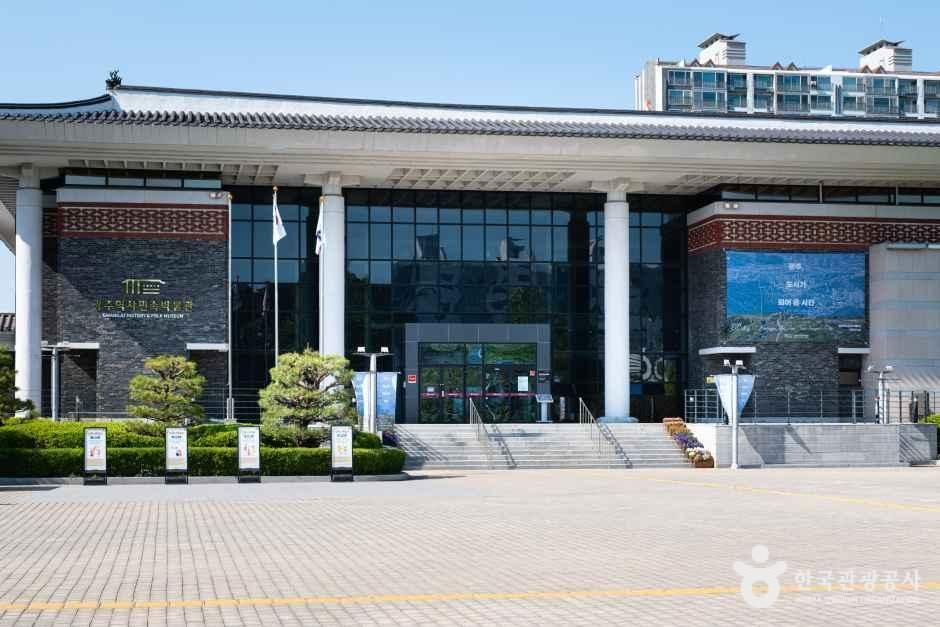
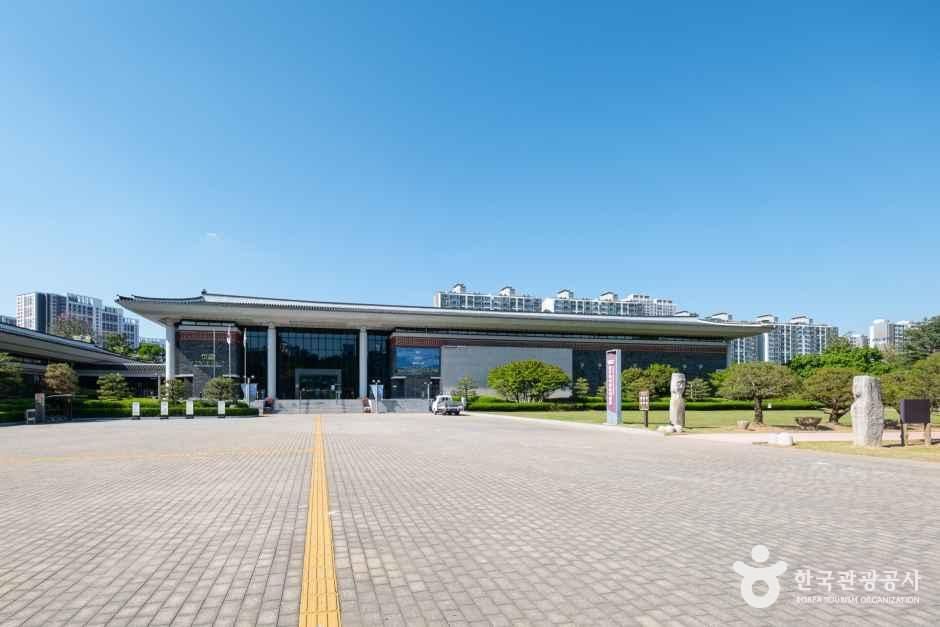
Seoha-ro 48-25, 09:00–18:00, Last Admission at 17:30
The address is 48-25 Seoha-ro, Buk-gu, Gwangju Metropolitan City, and the main visitor information telephone number is 062-613-5378. The official website is https://www.gwangju.go.kr/gjhfm. Visiting hours are Tuesday through Sunday, 09:00–18:00, with last admission at 17:30. The museum is closed on Mondays; when Monday is a public holiday, it opens that day and closes on the first weekday afterward.
Admission to the permanent exhibitions is free for adults, youths, and children. Since admission closes after 17:30, visitors planning to spend 90 minutes or more at the exhibitions should arrive by 16:00 at the latest. Some special exhibitions, such as “Gwangju, the Time It Took to Become a City,” held from May 12 to August 9, 2026, have extended hours until 20:00 on Wednesdays, so check the operating hours in the website announcements again when visiting a special exhibition.
- Hours: Tuesday–Sunday, 09:00–18:00; last admission 17:30
- Closed: Every Monday, January 1, and the day after a public holiday, as announced
- Admission: Free
- Inquiries: 062-613-5378
A Half-Day Linking Jungoe Park’s Culture Belt with the National Gwangju Museum
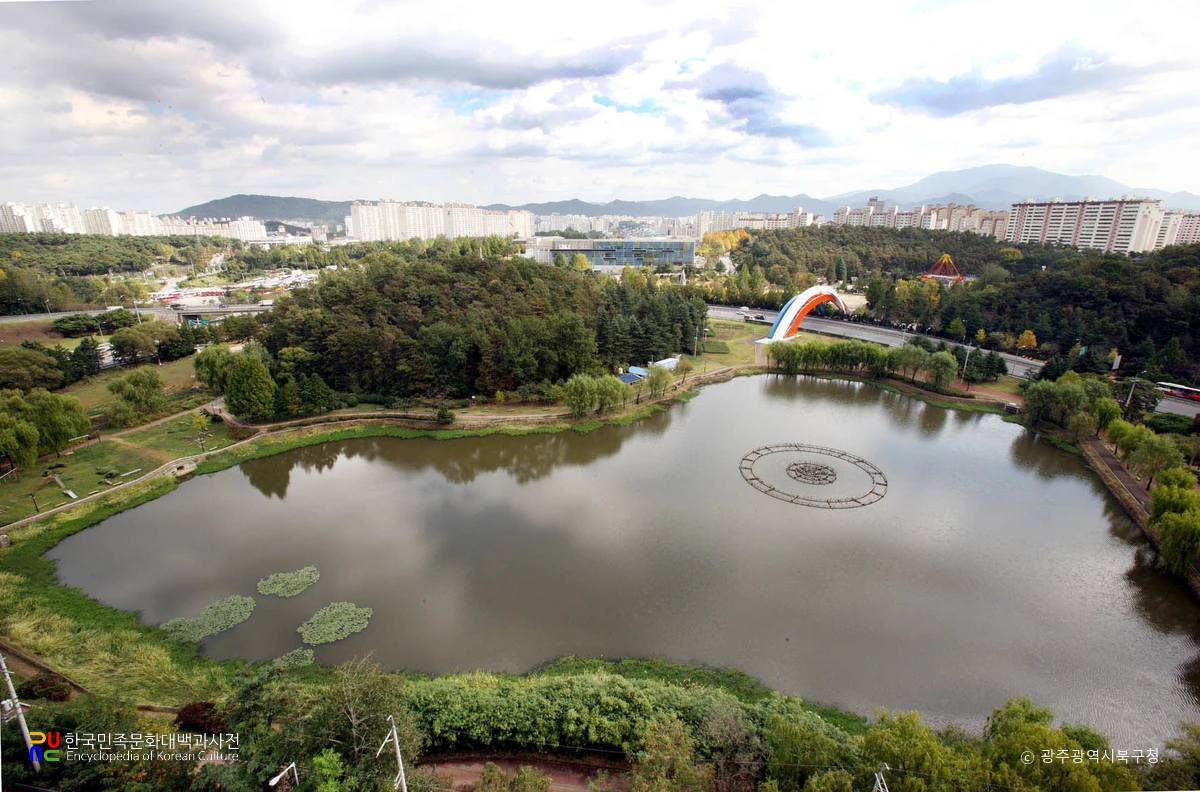
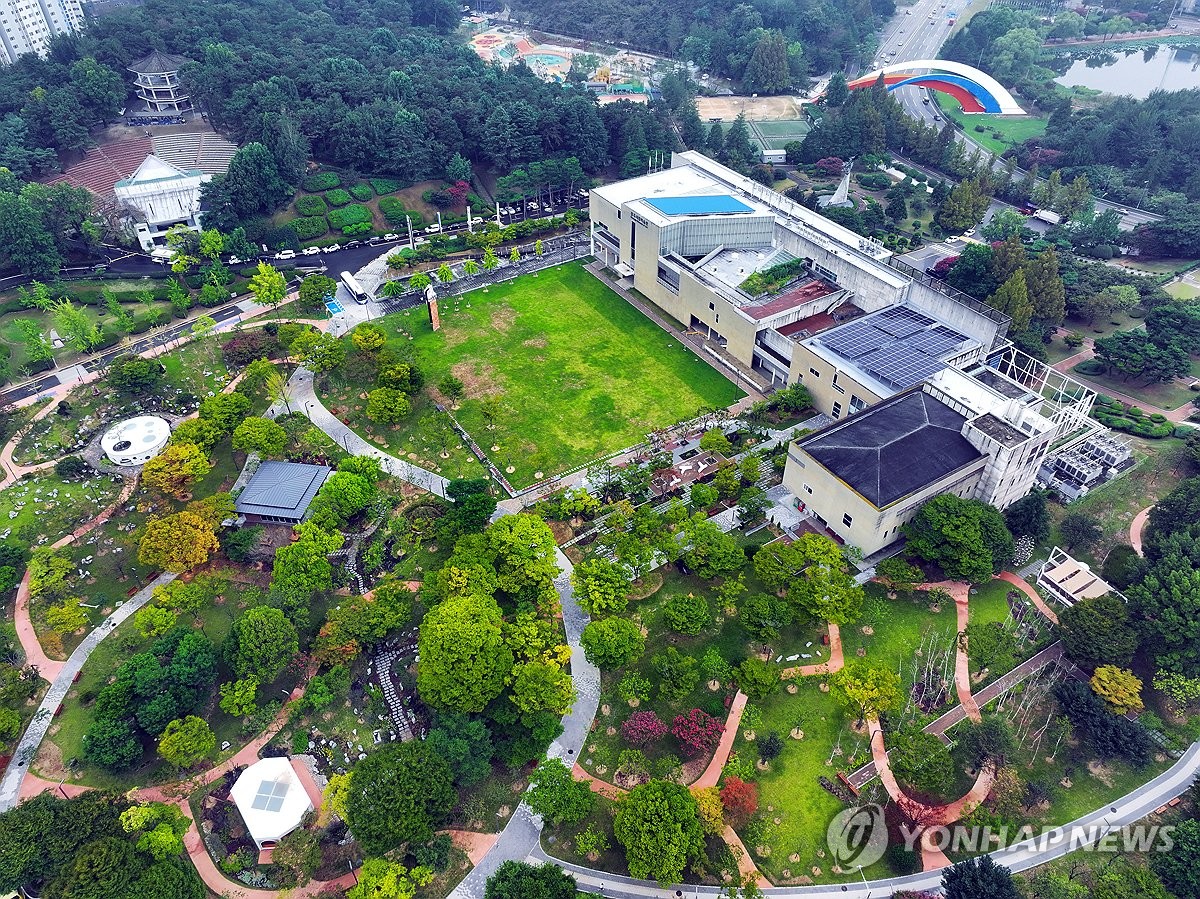
The museum is located within the Jungoe Park Culture Belt. Completed in August 1981, Jungoe Park covers approximately 710,000 pyeong and brings together the Gwangju History and Folk Museum, National Gwangju Museum, Gwangju Municipal Museum of Art, Gwangju Biennale Exhibition Hall, and Gwangju Culture and Arts Center in one area. Rather than briefly visiting only one place, a more efficient itinerary is to see the history and folk museum and its outdoor exhibitions in the morning, then check the day’s exhibitions at the nearby cultural facilities in the afternoon.
The Gwangju cultural tourism interpreter’s “Gwangju Uiridan-gil” begins at the outdoor stone artifacts in the museum garden and continues to the Jo family memorial gate, the March 1st Movement Tower, the Memorial Monument to Ahn Jung-geun, and the statue of Ha-seo Kim In-hu. Walking tours require reservations at least one week in advance, accept groups of 1 to 20 people, and operate by telephone at 062-611-3624 or by email reservation. The museum’s regular interpretation service is available Tuesday through Sunday from 10:00 to 17:00, with scheduled tour times at 10:30, 13:30, and 15:30.
Foreign-Language Tours Require Seven Days’ Notice; Groups of Ten or More Must Request in Advance
For foreign visitors coming to Gwangju for the first time, it may be difficult to follow the relationship between Gwangju Fortress, Chungjang-ro, and Geumnam-ro simply by reading the exhibition panels. Gwangju’s cultural tourism interpretation service is free and can be booked through the integrated reservation system, by telephone, or on site. Foreign-language tours and group tours for 10 or more people must be requested at least one week before the preferred date.
Specific information about stroller or wheelchair access, the location of accessible parking, and the operating conditions of the museum’s own parking lot was not available in the official guidance, so it is best to call 062-613-5378 before visiting. The museum’s first-floor lobby is also used as a distribution point for traditional folk-play equipment. Tug-of-war equipment, tuho, yutnori, and jegi can be rented once a year for up to five days, but only for nonprofit events held by social service facilities, schools, or public institutions. Individual tourists are not eligible to rent them.
The 130-Year Question Raised by “Gwangju, the Time It Took to Become a City” in 2026
The special exhibition “Gwangju, the Time It Took to Become a City,” held in the first half of 2026, was prepared to mark the 130th anniversary of Gwangju being designated as the seat of the South Jeolla Provincial Government and the 40th anniversary of its promotion to direct-controlled city status. The exhibition was divided into four sections covering the formation of the city during the periods of Mujinju, Muju, and Gwangjumok; the dismantling of the fortress and traces of the colonial modern city; expansion from liberation through 1995; and the spatial reorganization centered on the Sangmu, Cheomdan, and Suwan districts. This direction most directly demonstrates why “history” was added to the museum’s name in 2020.
Such a special exhibition becomes more meaningful when viewed together with the permanent folk culture exhibition. After examining the foundations of daily life, such as agriculture, markets, and housing, on the first floor, visitors can follow the urban changes connected by Gwangju Fortress, Chungjang-ro, and Geumnam-ro on the second floor. This reveals that Gwangju was not merely a city whose administrative boundaries grew, but one whose living areas and the character of its streets changed. Special exhibition schedules and extended Wednesday hours may vary by exhibition, so check the latest announcement on the official website before setting out.
Before You Go
- Address
- 48-25 Seoha-ro, Buk-gu, Gwangju Metropolitan City
- Hours
- Tuesday–Sunday, 09:00–18:00 (last admission 17:30)
- Closed
- Every Monday, January 1, and the day after a public holiday, as announced
- Admission
- Free
- Phone
- 062-613-5378
- Official site
- https://www.gwangju.go.kr/gjhfm
- Transport
- A Gwangju cultural tourism interpreter is stationed here regularly, with service available Tuesday–Sunday from 10:00 to 17:00. Scheduled tours: 10:30, 13:30, and 15:30; tour inquiries: 062-611-3624
- Time needed
- Allow 1.5 to 2 hours
- Accessibility
- Advance reservations at least one week ahead are recommended for foreign-language tours and group tours of 10 or more people. Contact the museum for details about wheelchair and stroller access and accessible parking.
The information above is current as of the time of writing. Check the official guidance again before visiting.

Places
Nearby Attractions 2
-
 1
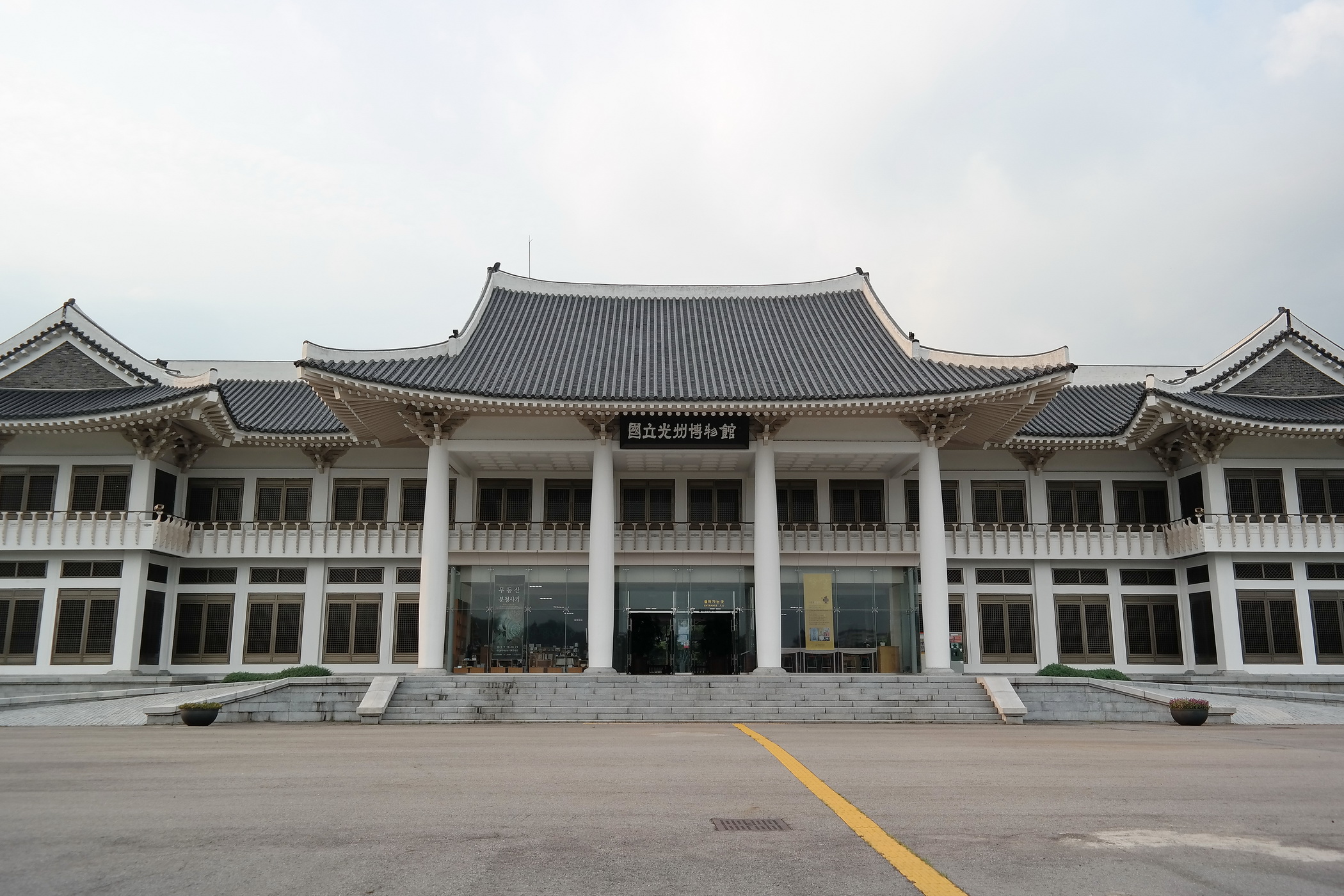
National Gwangju MuseumExhibits cultural heritage and ancient artifacts from Gwangju and Jeonnam.
1
National Gwangju MuseumExhibits cultural heritage and ancient artifacts from Gwangju and Jeonnam. -
 2
2
Food & Dining 2
-
 3
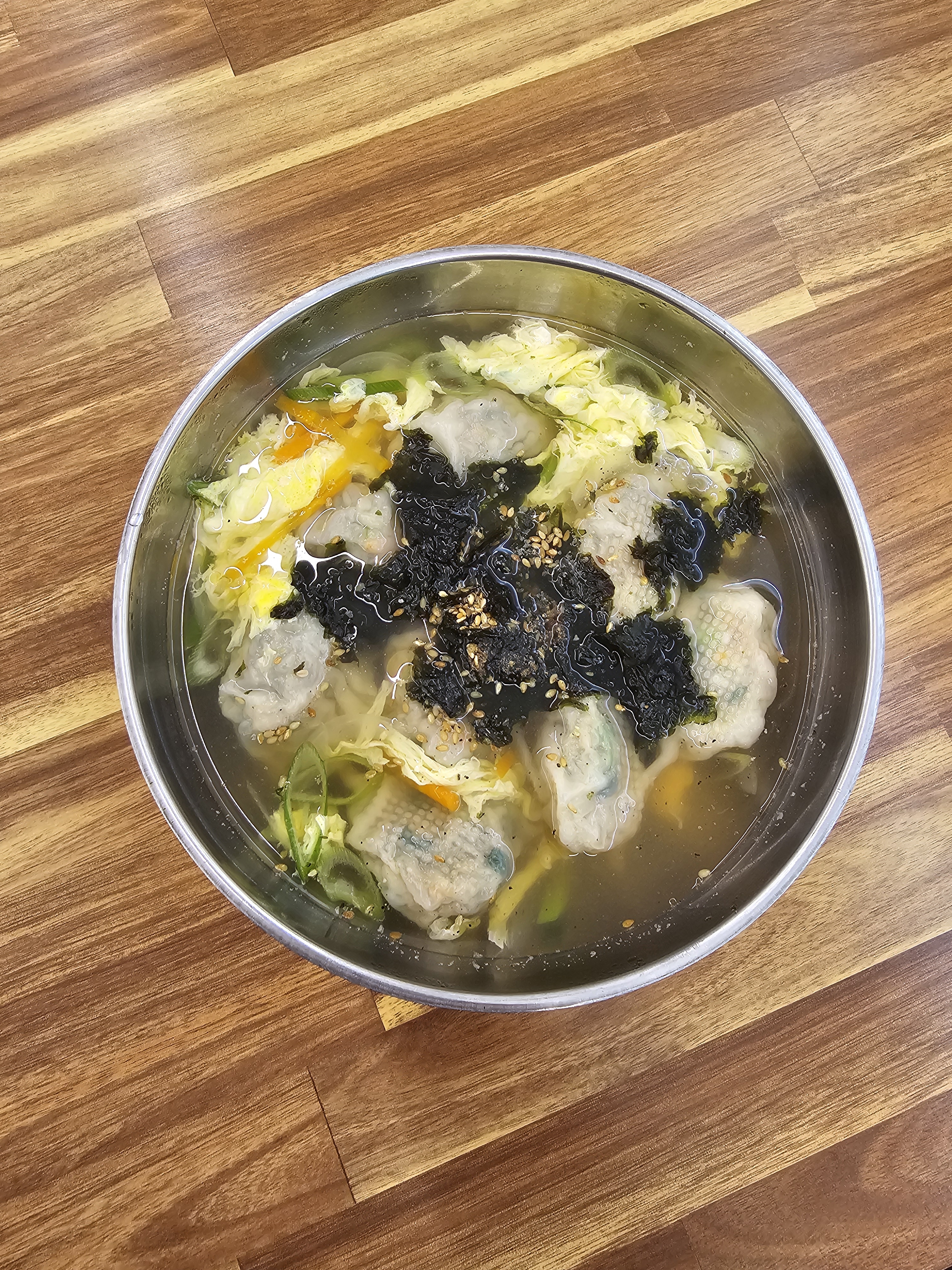
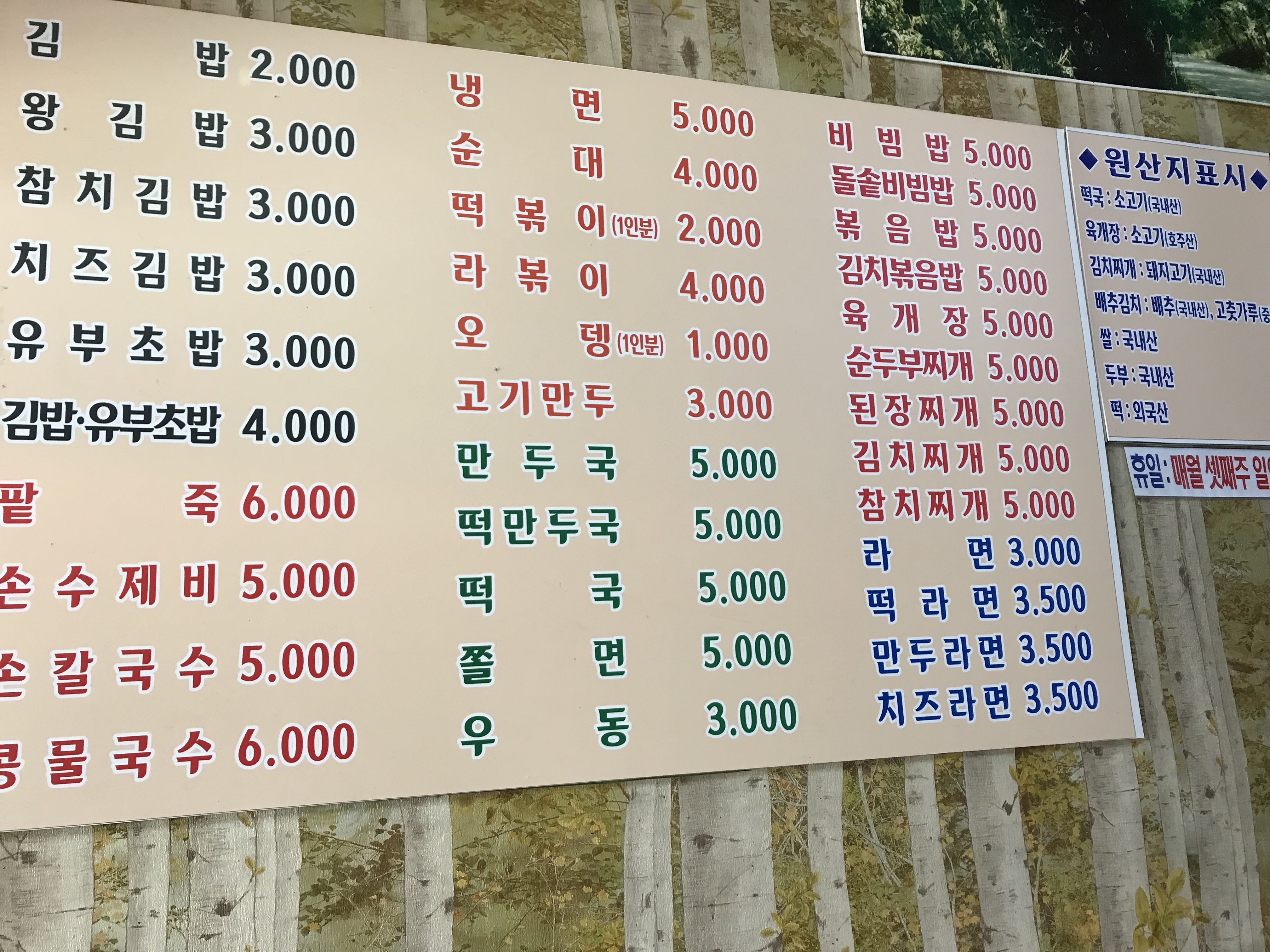
Mugunghwa ManduA bunsik restaurant where you can enjoy a simple meal of dumplings and dumpling soup.
3
Mugunghwa ManduA bunsik restaurant where you can enjoy a simple meal of dumplings and dumpling soup. -
 4
4
Events in This Area
Festivals in This Area

More Travel Guides in This Area
 Travel Guide
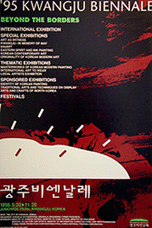
How to Read the Gwangju Biennale Exhibition Hall: From “Beyond the Boundaries” in 1995 to the 16th Edition in 2026
 Travel Guide
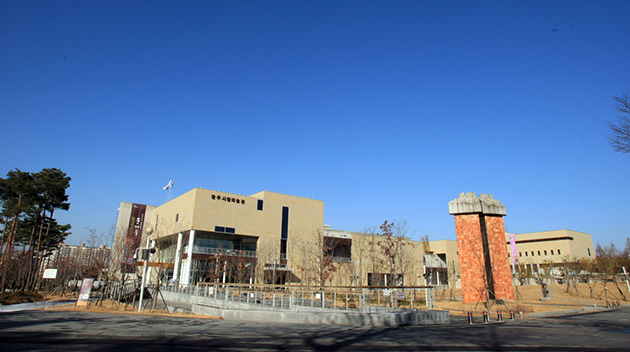
Reading the Gwangju Museum of Art Since 1992 in the Jungoe Park Cultural District
 Travel Guide
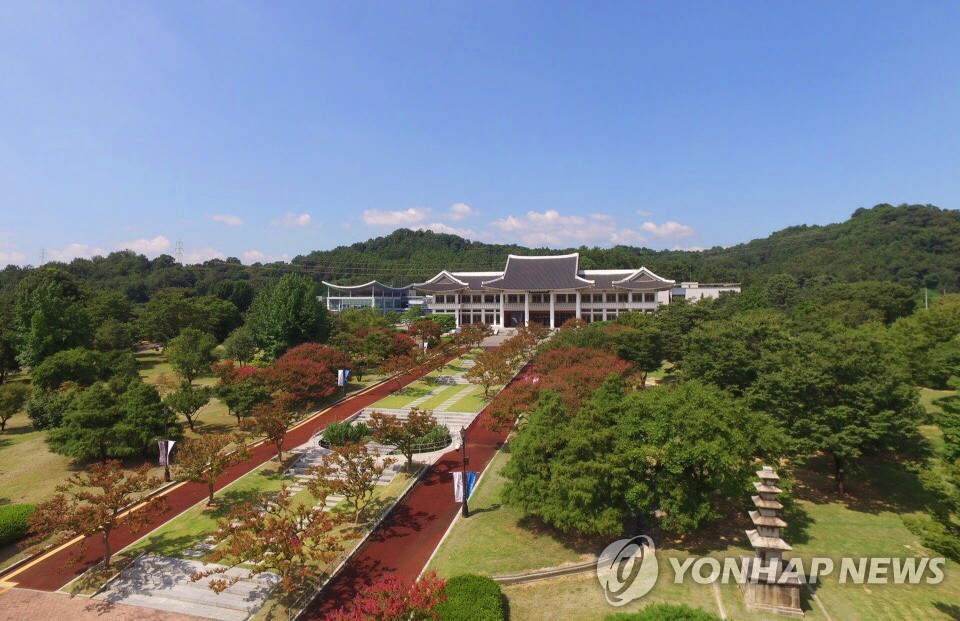
From the Sinan Underwater Ship to the Ceramic Culture Hall: Reading the National Gwangju Museum in Two Hours
 Travel Guide
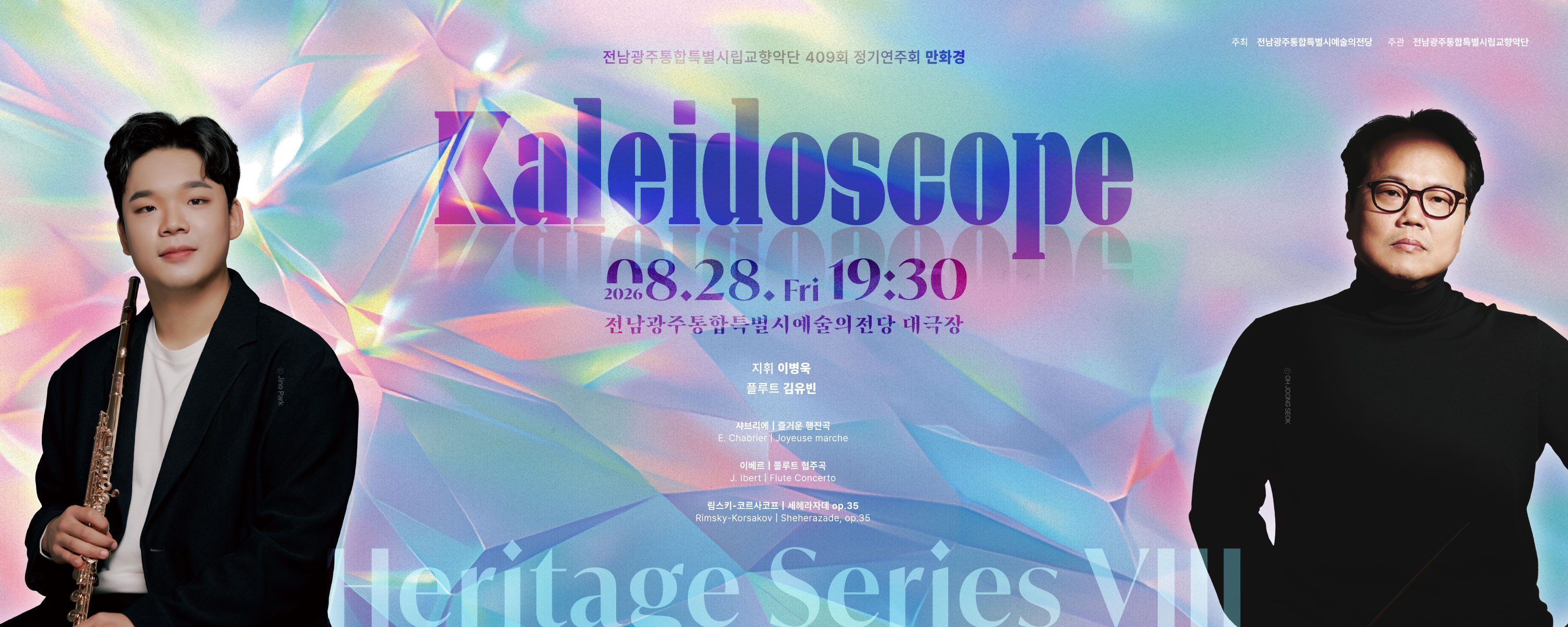
What to Know Before a Performance at Gwangju Arts Center’s Grand Theater: Seating, Tickets, and Bus Routes
Korea News
 News
News
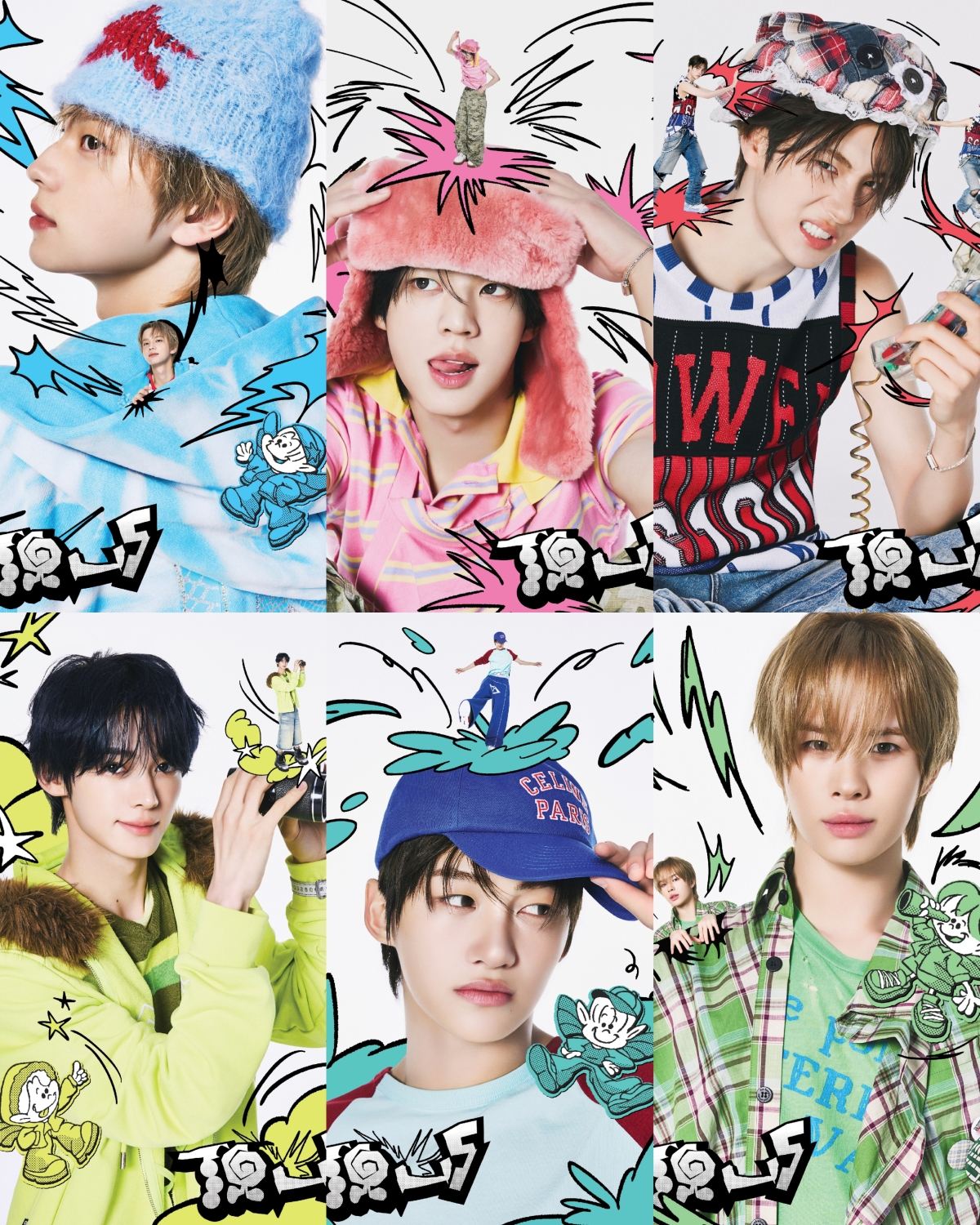
TWS heightens comeback excitement with kitschy charm… Anticipation for “plot twist” rises
 News
News
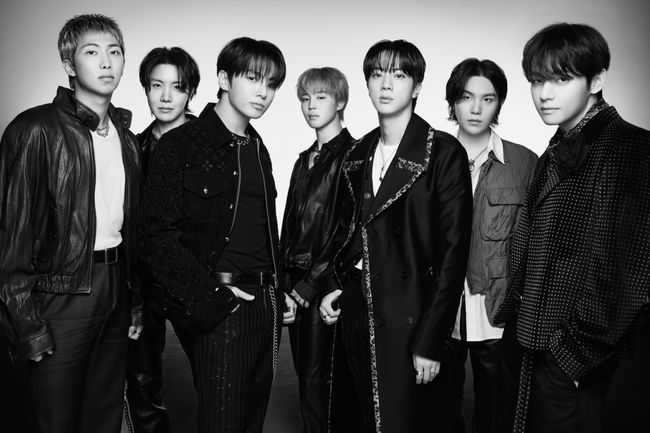
BTS, Six Months After Its Release… ‘Arirang’ Climbs the U.S. Billboard 200
 News
News
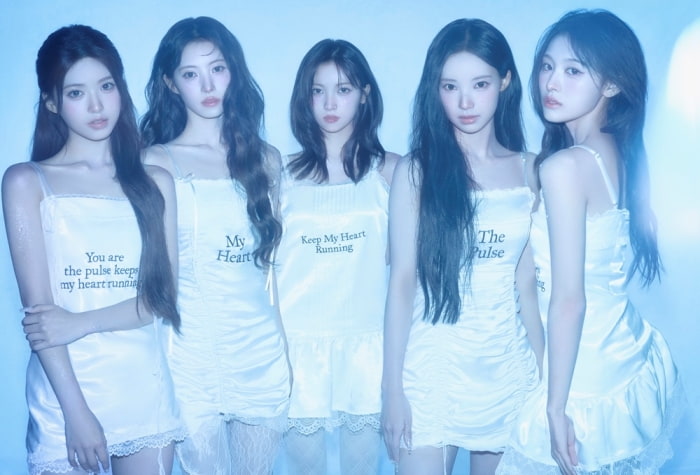
'The Nation's Girl Group' RESCENE, Five Girls Transformed into Guardians… Additional Concept Photos for Their 4th Mini Album Revealed
 News
News