From the Sinan Underwater Ship to the Ceramic Culture Hall: Reading the National Gwangju Museum in Two Hours
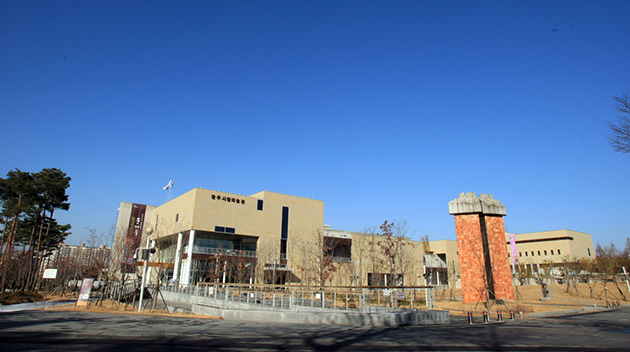
The National Gwangju Museum, opened on December 6, 1978, is a leading national museum serving Gwangju and the Jeonnam region. Its establishment was prompted by the need to investigate the Sinan underwater cultural heritage and study artifacts excavated in the region. By connecting the History and Culture Gallery in the main building, the Ceramic Culture Hall, and the outdoor stone artifacts, visitors can follow a single narrative from prehistoric times through 14th-century maritime trade in East Asia to Goryeo and Joseon ceramics.

I’ve been here?
Your check-in helps the next traveler.
No one has checked in yet Be the first
One tap — no writing needed
December 6, 1978: The National Museum of Gwangju Created by the Sinan Underwater Cultural Heritage
The National Museum of Gwangju was the first provincial national museum built by Koreans after liberation, opening on December 6, 1978, to promote the traditional culture of Gwangju and Jeonnam. The direct background to its establishment was the Sinan Underwater Cultural Heritage, discovered off the coast of Jeungdo, Sinan-gun, Jeonnam, in 1975, with full-scale underwater excavations beginning in 1976.
The Sinan shipwreck is a 14th-century merchant vessel believed to have sunk in 1323, and the Sinan underwater heritage includes approximately 25,000 pieces of ceramics, 28 tons of coins, metal products, red sandalwood, and onboard household items. Since the museum began as a regional hub for preserving, researching, and exhibiting this heritage, a visit is not simply an itinerary for viewing Gwangju’s artifacts; it is a journey through the maritime trade of East Asia at the end of the Goryeo period, traced from Gwangju.
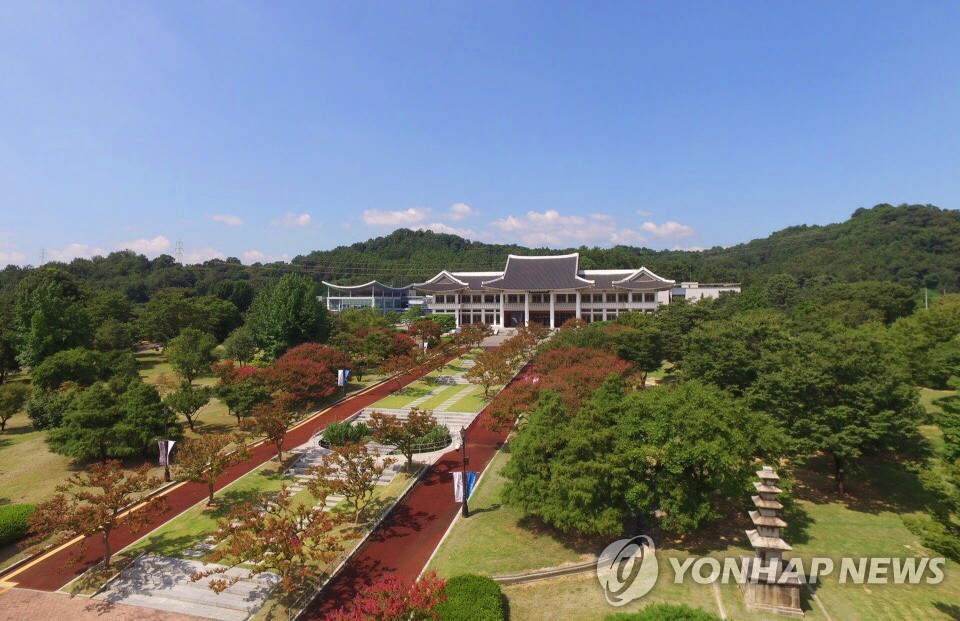
Recommended Route from the Main Building’s History and Culture Galleries to the Ceramics Museum
The permanent exhibitions are divided among History and Culture Galleries 1 and 2 in the main building; the Korean Ceramics Gallery, Sinan Underwater Ceramics Gallery, and Digital Art Zone in the Ceramics Museum; and the outdoor exhibits. The route suggested by the museum begins with the main building before moving to the Ceramics Museum, allowing visitors to follow the progression from prehistoric and ancient artifacts through Goryeo and Joseon ceramics to Asian ceramics.
If you have 90 minutes, a realistic plan is 45 minutes in the main building, 35 minutes in the Ceramics Museum, and 10 minutes for the outdoor stone artifacts. The Sinan Underwater Ceramics Gallery is key to understanding the maritime network linking China, Korea, and Japan represented by the Sinan ship, while the Digital Art Zone is an immersive space using a 60-meter-long panoramic screen.
- Recommended starting point: Main Building History and Culture Gallery 1
- Midway highlights: Main Building History and Culture Gallery 2 and the Sinan Underwater Ceramics Gallery
- Final stops: Korean Ceramics Gallery, Digital Art Zone, and outdoor stone artifacts
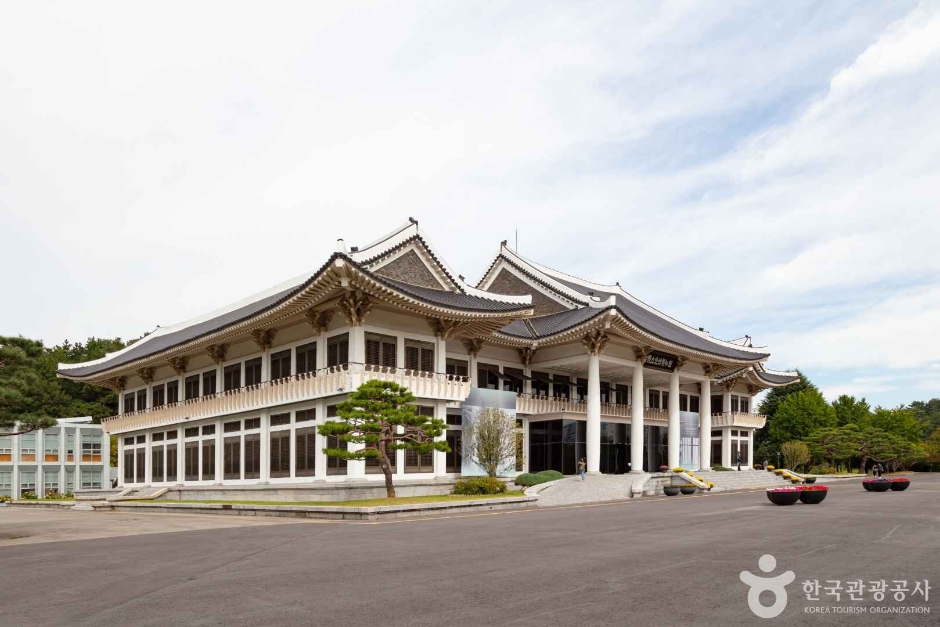
The Sinan Underwater Ceramics Gallery: The 1323 Sinan Ship and a 700-Year Maritime Route
The Sinan Underwater Ceramics Gallery explores the logistics and tastes of 14th-century East Asia, centered on the Sinan shipwreck, which sank in 1323. When the museum opened in 1978, it selected and exhibited approximately 230 representative Chinese ceramics from the Sinan ship, including pieces associated with the Yue ware, Jingdezhen, Jian ware, and Jun ware traditions.
The current exhibition has expanded beyond simply displaying ceramics, incorporating the recovery process, life aboard the ship, and the context of trade. The virtual reality experience “A 700-Year Journey Through Time—In Search of Sinan Ceramics” is available from 10:00 to 17:30, with maintenance from 12:00 to 13:00. The touch-based mapping experience operates continuously and accommodates up to six people; the XR experience is available for up to two people through advance reservations on the website.
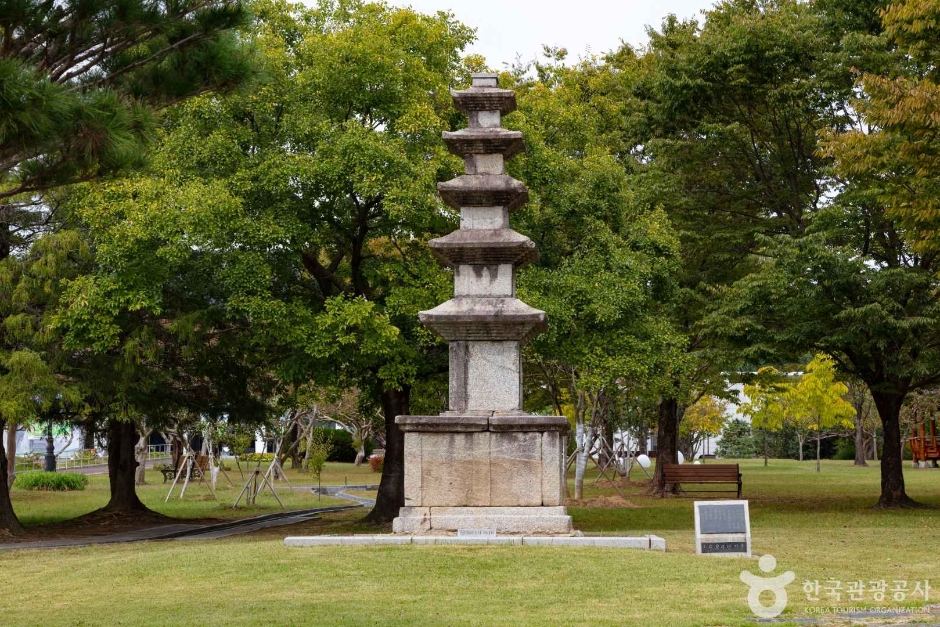
The Korean Ceramics Gallery Following Jeonnam’s Kiln Sites and the 60-Meter Digital Art Zone
Jeonnam is a region with widely distributed kiln sites ranging from Goryeo celadon to Joseon buncheong ware and white porcelain. The Korean Ceramics Gallery presents the thousand-year history of ceramics from three perspectives: changes in production technology, Korean aesthetic sensibilities, and the history of everyday vessels, covering Goryeo celadon, Joseon buncheong ware, and white porcelain.
The Ceramics Museum’s Digital Art Zone combines a 60-meter-long panoramic screen with sound. Its first program, “Memories of Earth, Blooming in Light,” connects the natural landscapes of Gwangju and Jeonnam with clay, water, and fire as the materials and processes of ceramic production. Visitors interested only in viewing artifacts can finish in about an hour by focusing on the main building, but those who want to see the videos and interactive experiences should allow at least two hours.
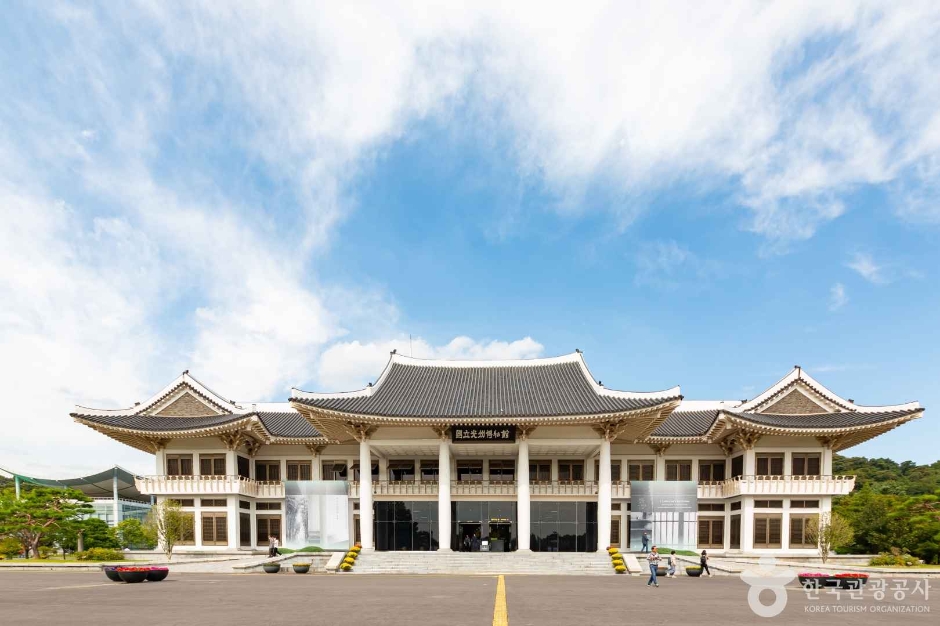
Beyond the Galleries: Buddhist Stone Art, Including the Five-Story Pagoda of Jangun-dong Restored in 1984
The outdoor exhibition area includes Buddhist stone art, dolmens, and a stone-artifact courtyard. In particular, the five-story pagoda of Jangun-dong, Gwangju, was discovered in 1982 while farmland was being reclaimed at the site of an old temple in Jangun-dong, Buk-gu. After being moved to the National Museum of Gwangju, it was restored and put on display on October 10, 1984.
At the time of its discovery, only 13 pieces remained, including the base, parts of the pagoda body, and roof stones. Based on precise measurements, the museum restored the base stones and some of the body stones of the second through fifth stories. Seeing this pagoda after leaving the galleries reveals that the museum is more than a place that stores artifacts: it has also accumulated records of surveys and restoration work concerning buried cultural heritage in the Gwangju area.
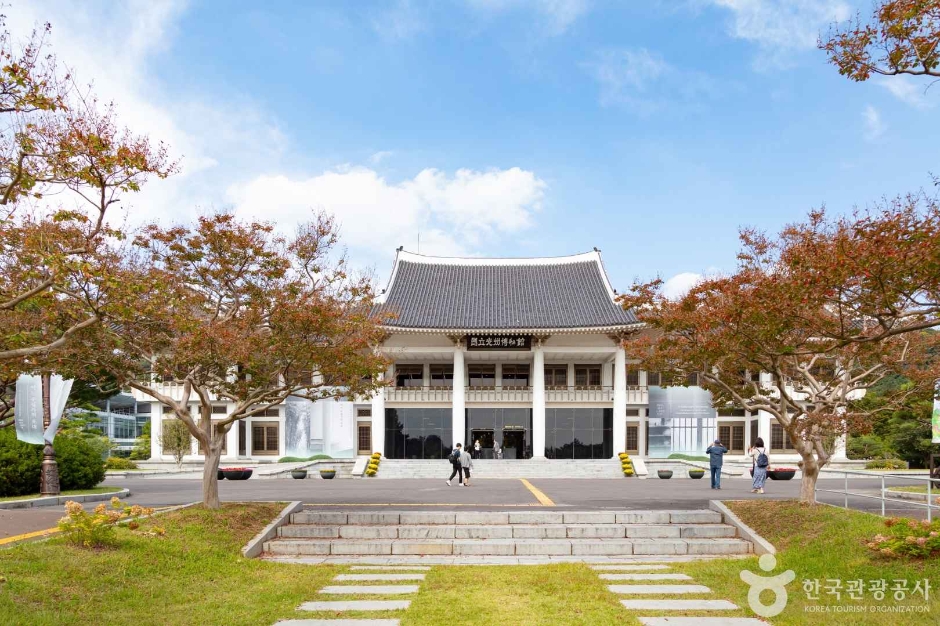
Free Admission from 10:00 to 18:00; Entry Closes at 17:30
The permanent exhibitions are open from 10:00 to 18:00, with last admission at 17:30. Admission is free, while separately priced tickets apply only to special exhibitions. Regular closure days are January 1, Lunar New Year’s Day, Chuseok Day, and the first Monday of April and November, so it is best to check the date before making a long trip.
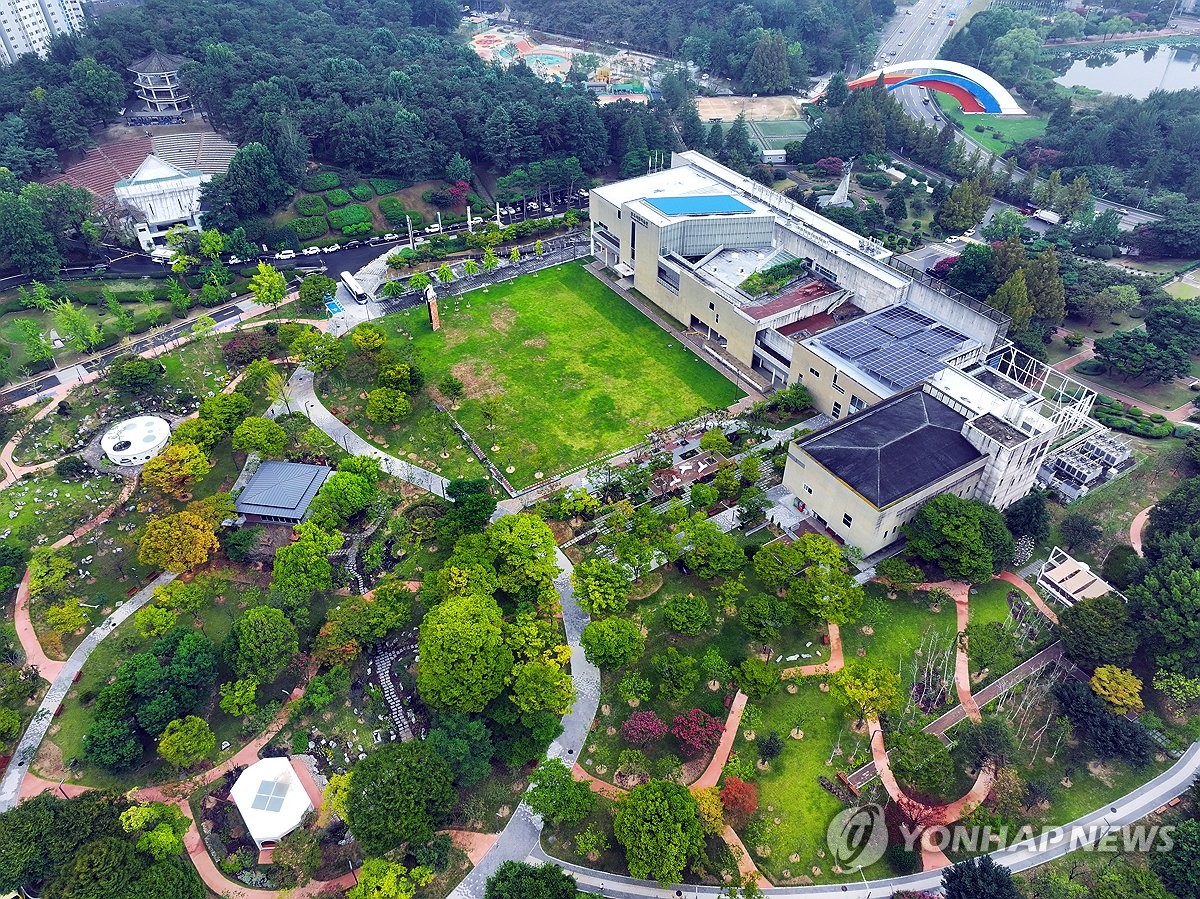
The museum garden is open from 08:00 to 20:00, allowing visitors to explore the outdoor stone artifacts and garden before or after visiting the galleries. The main telephone number is 062-570-7000, and group exhibition-tour inquiries can be directed to 062-570-7050. The official website is https://gwangju.museum.go.kr/kor/index.do. The address is 110 Haseo-ro, Buk-gu, Gwangju (430 Maegok-dong).
- Permanent exhibitions: 10:00–18:00
- Last admission: 17:30
- Admission: Free, excluding paid special exhibitions
- Garden hours: 08:00–20:00
- Main telephone: 062-570-7000
Parking from 08:00 to 20:00: Calculate the First Three Free Hours First
Visitors arriving by car should plan their schedule around the museum parking lot’s operating hours, 08:00 to 20:00; vehicles cannot enter outside these hours. Parking is free for the first three hours, after which a fee of 500 won per 10 minutes applies. If you plan to see the main building, Ceramics Museum, and outdoor exhibitions, you can determine in advance whether you can finish your visit within the three free hours.
By public transportation, visitors can take Gwangju city bus routes Geumnam 51 or Songjeong 17 and get off at the National Museum of Gwangju stop. The museum is not directly adjacent to a subway station, so combining a bus transfer or taxi ride after traveling by subway is more convenient. Located in the Jungoe Park cultural facilities area, the museum is well suited to combine with the Gwangju Museum of Art and Gwangju Folk Museum on the same day.
Children’s Museum: Five Sessions a Day, 100 Visitors per Session, and Guardian Reservation Rules
The Children’s Museum operates from 10:00 to 17:00 and is divided into five daily sessions: 10:00–10:50, 11:10–12:00, 13:00–14:00, 14:30–15:30, and 16:00–17:00. Each session has a capacity of 100 people, with 70 places available for online advance reservations and 30 for on-site reservations.
Individual visitors may register on-site depending on availability, but groups must make an online advance reservation and can reserve for up to 70 people, including supervisors. The Children’s Museum inquiry number is 062-570-7048. Children aged five or younger must be accompanied by a guardian. Strollers should generally be left in the storage area and may enter only when the number of visitors in a session is 10 or fewer, subject to safety rules.
Free Wheelchair and Stroller Rentals and Six Accessible Parking Spaces
The National Museum of Gwangju offers free stroller and wheelchair rentals; rental inquiries can be made at 062-570-7050. Barrier-free tourism information lists six accessible parking spaces inside and outside the facility, ramps to the entrances, an accessible elevator, and an accessible restroom on the first floor.
The main entrance is wheelchair accessible via a ramp, and visitors can use an elevator in the exhibition areas. Pets are not permitted except guide dogs, and bringing food or beverages into the galleries is prohibited. Photography using flash or tripods, as well as photography for commercial purposes, is restricted; visitors wishing to record the artifacts should follow the no-flash photography policy.
Before You Go
- Address
- 110 Haseo-ro, Buk-gu, Gwangju (430 Maegok-dong)
- Hours
- Permanent exhibitions 10:00–18:00 (last admission 17:30), Children’s Museum 10:00–17:00, garden 08:00–20:00
- Closed
- January 1, Lunar New Year’s Day, Chuseok Day, and the first Monday of April and November
- Admission
- Free (excluding paid special exhibitions)
- Phone
- 062-570-7000
- Official site
- https://gwangju.museum.go.kr/kor/index.do
- Transport
- Gwangju city buses Geumnam 51 and Songjeong 17; get off at the National Museum of Gwangju stop
- Parking
- Open 08:00–20:00; first three hours free, then 500 won per 10 minutes
- Time needed
- 1 hour 30 minutes to 2 hours 30 minutes for the main building, Ceramics Museum, and outdoor exhibitions
- Accessibility
- Free wheelchair and stroller rentals; six accessible parking spaces; ramps, an accessible elevator, and an accessible first-floor restroom
The information above is current as of the time of writing. Check the official information again before visiting.

Places
Nearby Attractions 2
-
 1
1
-
 2
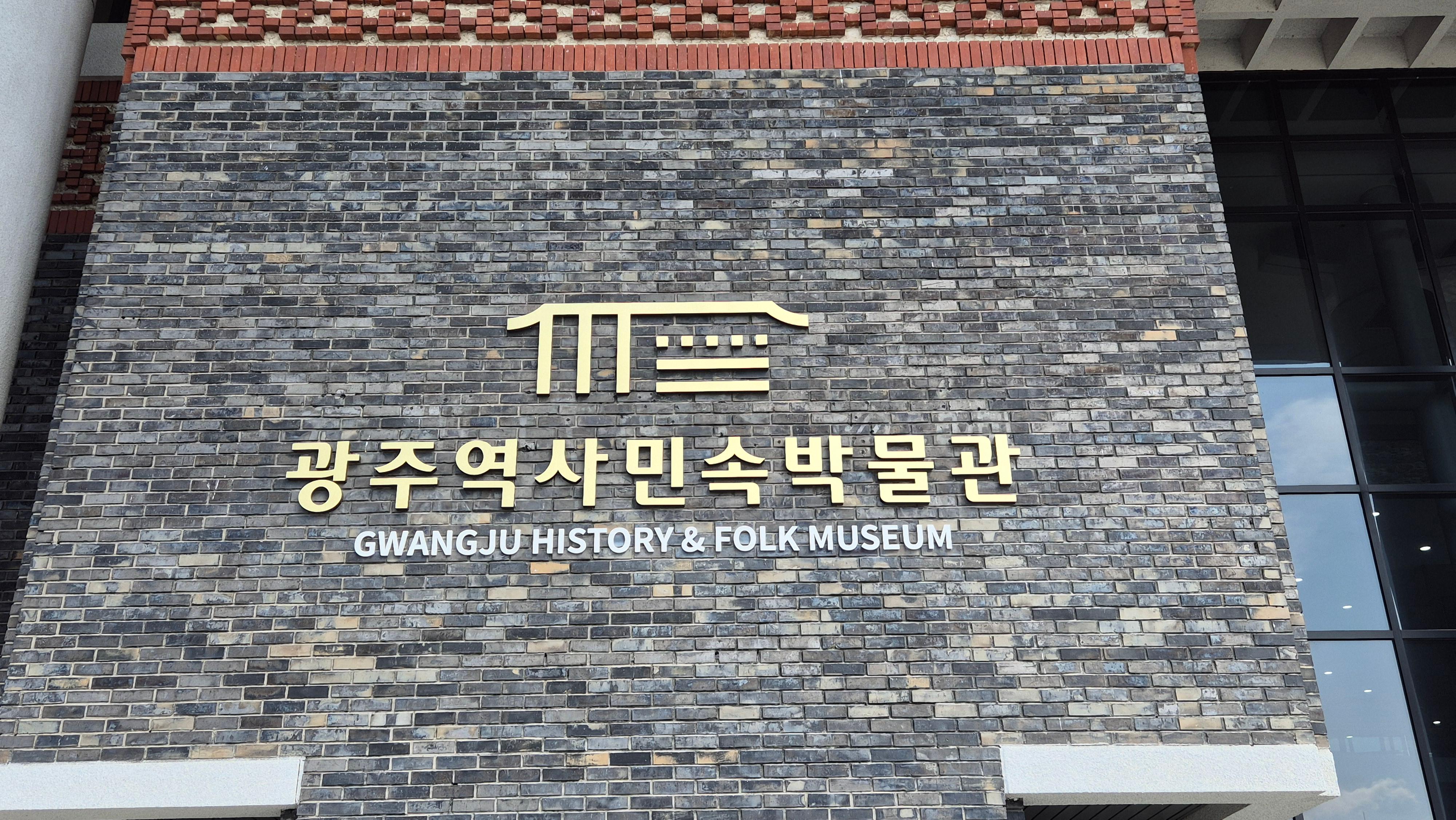
Gwangju History & Folk MuseumExhibits the everyday culture and folk materials of Gwangju and Jeonnam.
2
Gwangju History & Folk MuseumExhibits the everyday culture and folk materials of Gwangju and Jeonnam.
Food & Dining 3
-
 3
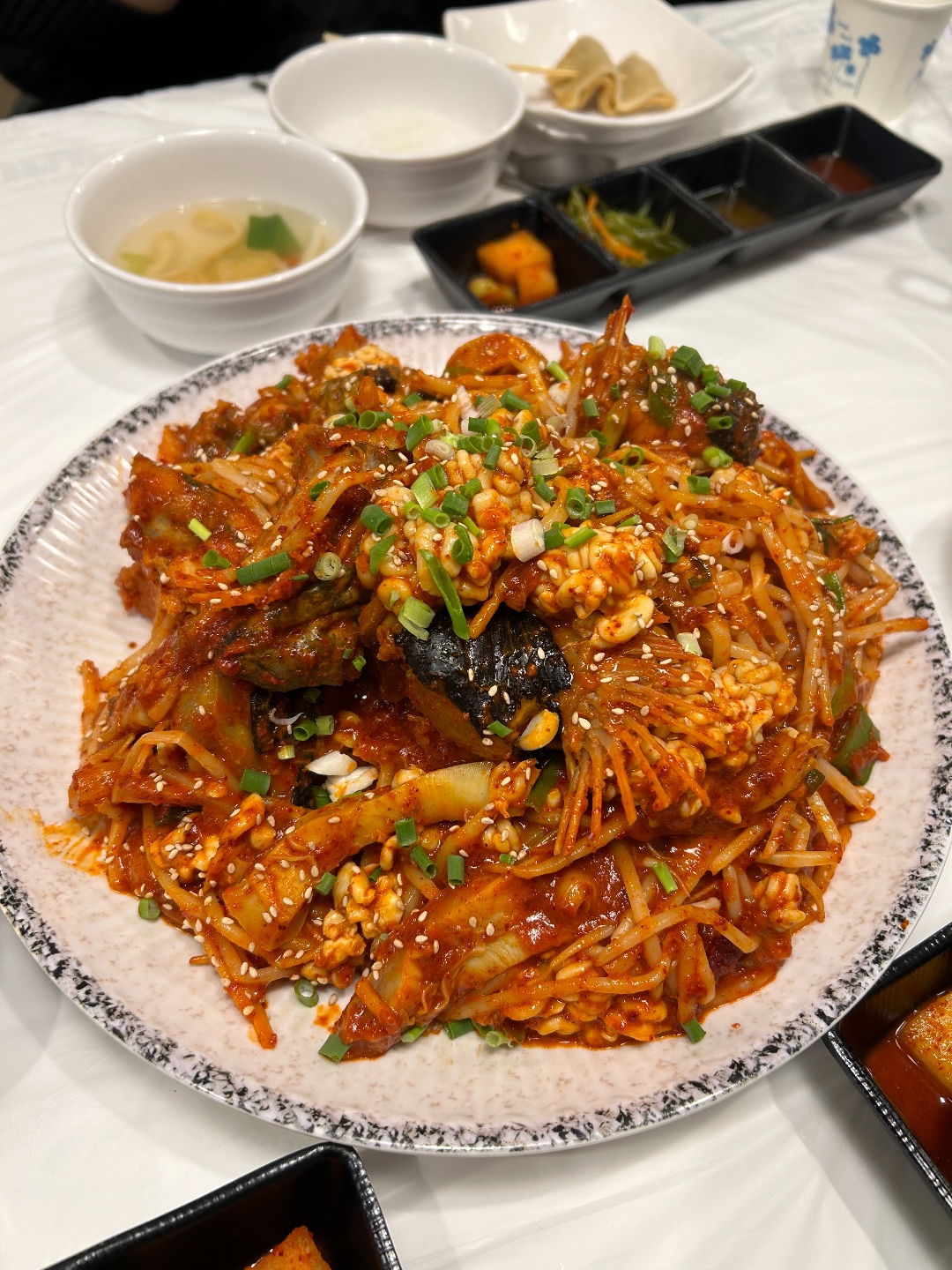
InsaengyeokjeonA Korean restaurant serving assorted jeon and pork stew with Korean zucchini.
3
InsaengyeokjeonA Korean restaurant serving assorted jeon and pork stew with Korean zucchini. -
 4
4
-
 5
5
Events in This Area

Festivals in This Area
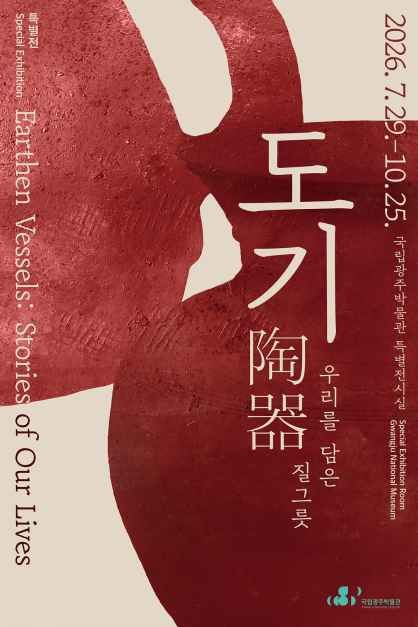
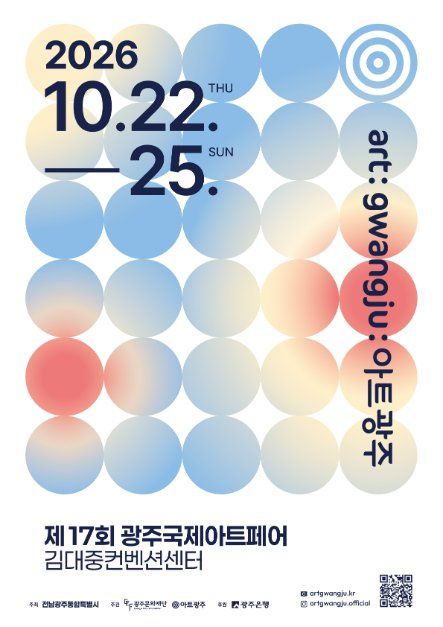

More Travel Guides in This Area
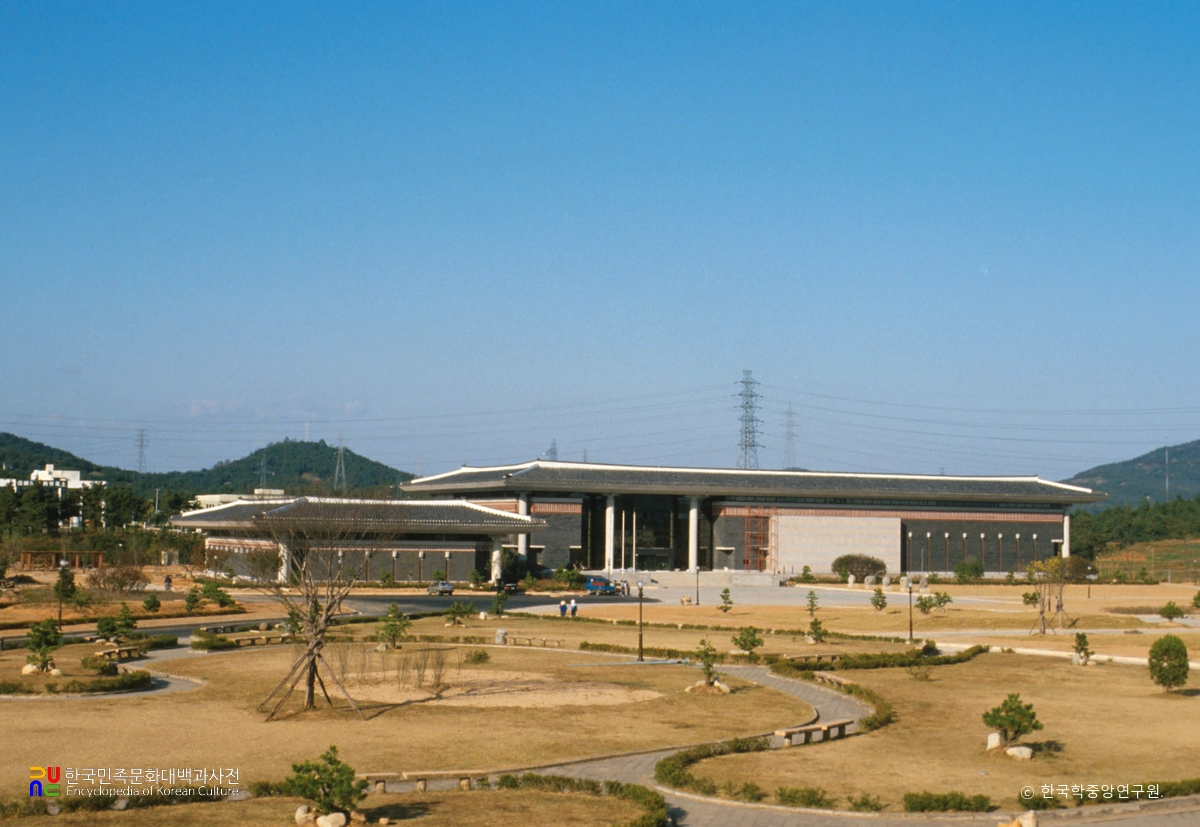 Travel Guide
Walking through the time before Gwangju became a “city” at the Jungoe Park Museum
 Travel Guide
How to Read the Gwangju Biennale Exhibition Hall: From “Beyond the Boundaries” in 1995 to the 16th Edition in 2026
 Travel Guide
Reading the Gwangju Museum of Art Since 1992 in the Jungoe Park Cultural District
 Travel Guide
What to Know Before a Performance at Gwangju Arts Center’s Grand Theater: Seating, Tickets, and Bus Routes
Korea News
 News
News
TWS heightens comeback excitement with kitschy charm… Anticipation for “plot twist” rises
 News
News
BTS, Six Months After Its Release… ‘Arirang’ Climbs the U.S. Billboard 200
 News
News
'The Nation's Girl Group' RESCENE, Five Girls Transformed into Guardians… Additional Concept Photos for Their 4th Mini Album Revealed
 News
News