Reading the Gwangju Museum of Art Since 1992 in the Jungoe Park Cultural District
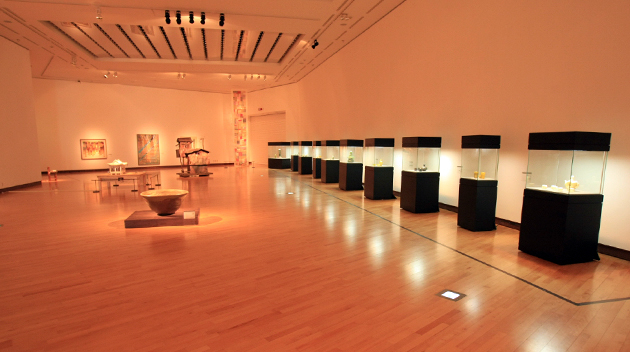
The main building of the Gwangju Museum of Art is a public art museum located at 52 Haseo-ro, Buk-gu, Gwangju, in the Jungoe Park Cultural District. Since opening in 1992, it has connected Gwangju’s modern art and collections from a location near the Gwangju Biennale Exhibition Hall, the National Gwangju Museum, and the Gwangju History & Folk Museum.
I’ve been here?
Your check-in helps the next traveler.
No one has checked in yet Be the first
One tap — no writing needed
Why the Main Building Opened in 1992 in the Jungoe Park Cultural District
The main building of the Gwangju Museum of Art opened in 1992. The area around Jungoe Park, where the main building is located, is a cultural facilities cluster that includes the Gwangju National Museum, Gwangju Folk Museum, Gwangju Arts Center, and Gwangju Biennale Exhibition Hall. Rather than visiting only the museum, connecting several institutions within the park provides a better understanding of the character of the area.
Gwangju has been called an “art city” because it produced figures such as Heo Baek-ryeon, Oh Ji-ho, and Im Bang-ul. The Gwangju Biennale began in 1995 with the aim of expanding into cultural values the 50th anniversary of Korea’s liberation, the “Year of Art,” and the democratic spirit of Gwangju, which had become known internationally after May 18. Located within the cultural sphere of the Biennale, the municipal museum is a public institution where visitors can explore local artists, modern and contemporary art, and contemporary special exhibitions depending on the exhibition schedule.
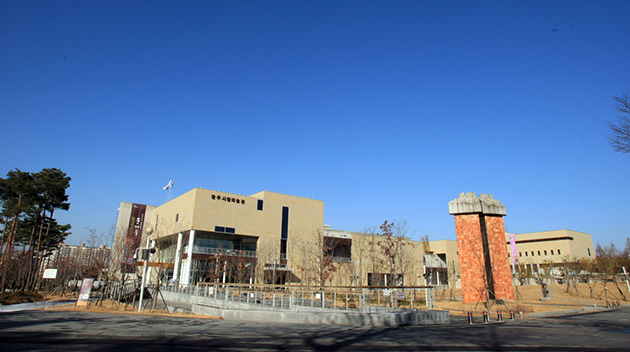
Visiting Hours of 10:00–18:00 to Observe at the Main Building at 52 Haseo-ro
According to the official information, visiting hours at the main building are 10:00–18:00 on weekdays, weekends, and public holidays. Even when a special exhibition requiring admission tickets is being held, ticket sales end 30 minutes before closing under the relevant ordinance. To allow enough time to view the galleries, it is safest to arrive by 16:30–17:00 at the latest.
The museum is closed every Monday, January 1, Lunar New Year’s Day, and Chuseok Day. Temporary closures for exhibition changes are announced separately. General exhibitions are free, but rental exhibitions, special exhibitions, and externally organized exhibitions may charge separate fees, so visitors should check the viewing conditions for the relevant exhibition on the current exhibitions page of the official website before visiting.
- Hours: 10:00–18:00
- Regular closing day: Every Monday
- Additional closures: January 1, Lunar New Year’s Day, and Chuseok Day; temporary closures for exhibition changes may occur
- General exhibition admission: Free
- Main telephone: 062-613-7100
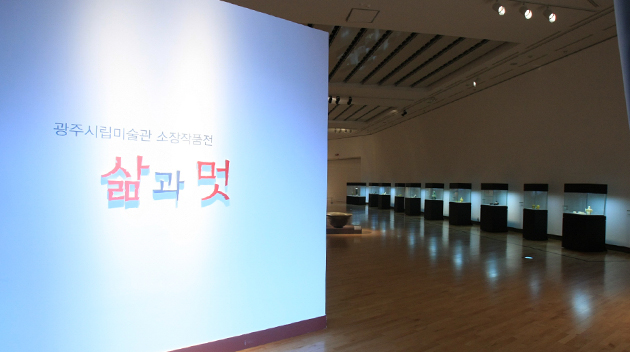
Main Building Galleries 1–6 and the Children’s Museum of Art: How to Choose the Day’s Exhibitions First
Official tourism information introduces the Gwangju Museum of Art’s exhibition spaces as the main building, the Photography Exhibition Hall, and the Children’s Museum of Art. The gallery configuration and areas actually open to the public may vary by exhibition, so it is advisable to check first at the information desk after arriving to see which galleries are open that day and whether docent tours or educational programs are available.
The museum website separates its menus for current exhibitions, upcoming exhibitions, past exhibitions, annual exhibition schedules, and online advance reservations. Do not confuse education programs and events requiring reservations with general exhibition visits. Check the venue, dates, and viewing conditions on the exhibition details page before proceeding. On days when several exhibitions are open, allowing 90–120 minutes makes it easier to take in the artwork explanations and move between galleries.
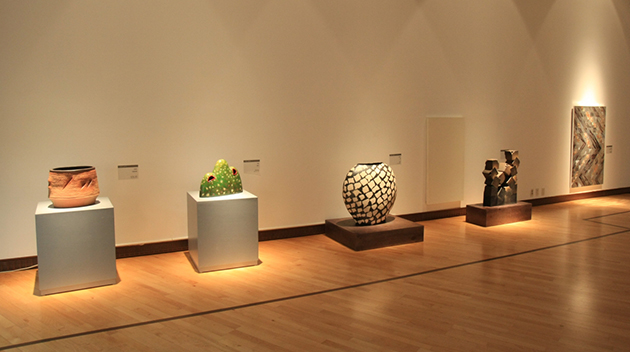
How the Ha Jung-ung Collection Connects Gwangju’s May with Zainichi Art
The Ha Jung-ung Collection accounts for more than half of the Gwangju Museum of Art’s holdings. It includes works dealing with the forced mobilization incident at Hanaoka Mine, 165 prints by Hong Seong-dam documenting the site of the May 18 Democratization Movement, 46 prints by Tomiyama Taeko created with Gwangju’s May as a motif, and 34 oil paintings and prints by Zainichi artist Kim Seok-chul.
Accordingly, viewing the works here can be more than an itinerary focused simply on painting styles; it can become a process of reading the relationship between colonial mobilization, the lives of Zainichi Koreans, the Gwangju Democratization Movement, and art. The Ha Jung-ung Art Museum is located elsewhere from the main building, so if you want to see an exhibition related to the Ha Jung-ung Collection at the main building, first check the exhibition details to confirm which venue is displaying the relevant works.
A Half Day in Jungoe Park, Continuing to the Gwangju Biennale Exhibition Hall and Gwangju National Museum
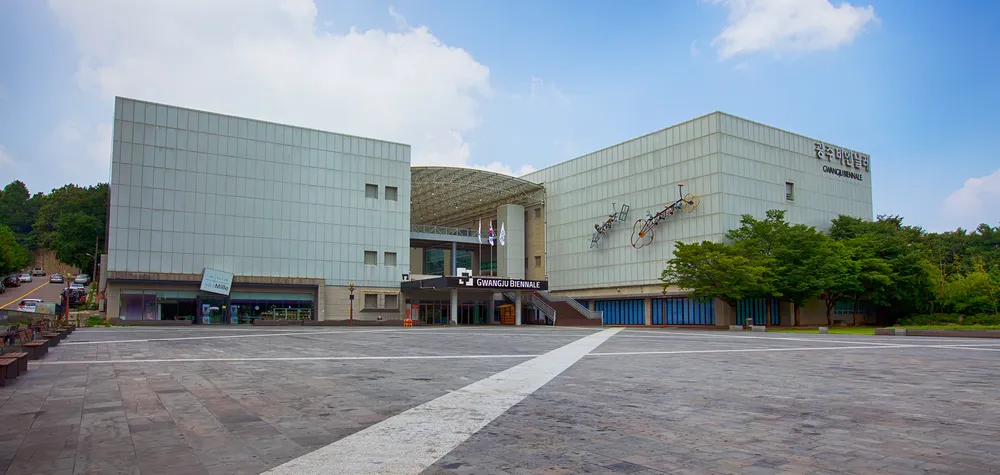
The main building is in the same Jungoe Park cultural district as the Gwangju Biennale Exhibition Hall, while the Gwangju National Museum is located at 110 Haseo-ro, Buk-gu. The Gwangju Folk Museum is at 48-25 Seoharo, Buk-gu, making it possible to create a half-day itinerary that connects contemporary art at the museum with the life history of the Jeonnam region and archaeological and historical materials at the museums.
During the Gwangju Biennale, visitors may concentrate at the exhibition hall. If you plan to visit all three institutions in one day, a realistic itinerary would be to enter the museum at 10:00, visit the Gwangju National Museum or Gwangju Folk Museum after lunch, and choose the Biennale Exhibition Hall for the remaining time. Since the Biennale is an international event held every two years, use separate official announcements as the basis for checking the year, venues, and reservation requirements.
How Not to Miss the Main Building When the Address Is Listed as “115 Biennale-ro”
The road-name address of the main building given on the official website and in Gwangju tourism information is 52 Haseo-ro, Buk-gu, Gwangju, postal code 61104. The telephone number is 062-613-7100, and the official website is https://artmuse.gwangju.go.kr/. Because the provided listing “115 Biennale-ro” may be confused with the address of a nearby cultural facilities district, entering “Gwangju Museum of Art Main Building” or “52 Haseo-ro, Buk-gu” into your navigation system is more accurate.
For public transportation, it is safest to check real-time routes and stops by departure point through Gwangju Bus Information. Specific bus numbers and walking times may change because of construction or route revisions, so it is advisable to reconfirm them on the day of your visit through Gwangju Bus Information or by calling 062-120. Official sources did not provide information on wheelchair and stroller routes, foreign-language assistance, parking fees, or operating conditions, so contact the main telephone number in advance if necessary.
Why You Should Check Exhibition Changes and Special Exhibition Fees Separately Even on Free Admission Days
The Gwangju Metropolitan City Museum of Art Management and Operation Ordinance sets gallery visiting hours at 10:00–18:00 and stipulates that general exhibition admission is free. However, rental exhibitions, special exhibitions, and externally organized exhibitions may charge separate admission fees, so you should not assume that “the museum is always free.”
Before visiting, check the exhibition name, dates, venue, and admission conditions together on the official website, and then confirm again whether the visit coincides with a Monday or a major holiday. In particular, Children’s Museum of Art programs and events requiring online advance reservations may have separate capacities and schedules, so it is better not to set out based only on general visiting hours.
A 90–120-Minute Standard for Visitors Expecting a Park Walk More Than Gallery Viewing
When visiting only the main building of the Gwangju Museum of Art, 90–120 minutes is recommended depending on the number of exhibitions. Even for a quick overview of the works, it is better to allow more than one hour when including checking the entrance information, moving between galleries, and visiting the Children’s Museum of Art or Photography Exhibition Hall.
Although this site is well suited to combining the cultural facilities of Jungoe Park, its galleries do not always operate with the same content. Rather than expecting a large permanent collection, it is better suited to visitors who check the theme and number of galleries in the day’s special exhibitions on the official schedule, as well as those who plan to include the Gwangju National Museum and Gwangju Biennale Exhibition Hall.
Before You Go
- Address
- 52 Haseo-ro, Buk-gu, Gwangju (Unam-dong)
- Hours
- Weekdays, weekends, and public holidays 10:00–18:00
- Closed
- Every Monday, January 1, Lunar New Year’s Day and Chuseok Day (temporary closures for exhibition changes announced separately)
- Admission
- General exhibitions free (rental exhibitions, special exhibitions, and externally organized exhibitions may charge separate fees)
- Phone
- 062-613-7100
- Official site
- https://artmuse.gwangju.go.kr/
- Transport
- Check stops and routes by departure point on the day of your visit through Gwangju Bus Information (bus.gwangju.go.kr) or Gwangju 120
- Time needed
- 90–120 minutes for the main building
- Accessibility
- Wheelchair and stroller routes and foreign-language assistance were not confirmed in official sources; advance inquiries at 062-613-7100 are recommended
The information above is current as of the time of writing. Check the official information again before visiting.

Places
Nearby Attractions 3
-
 1
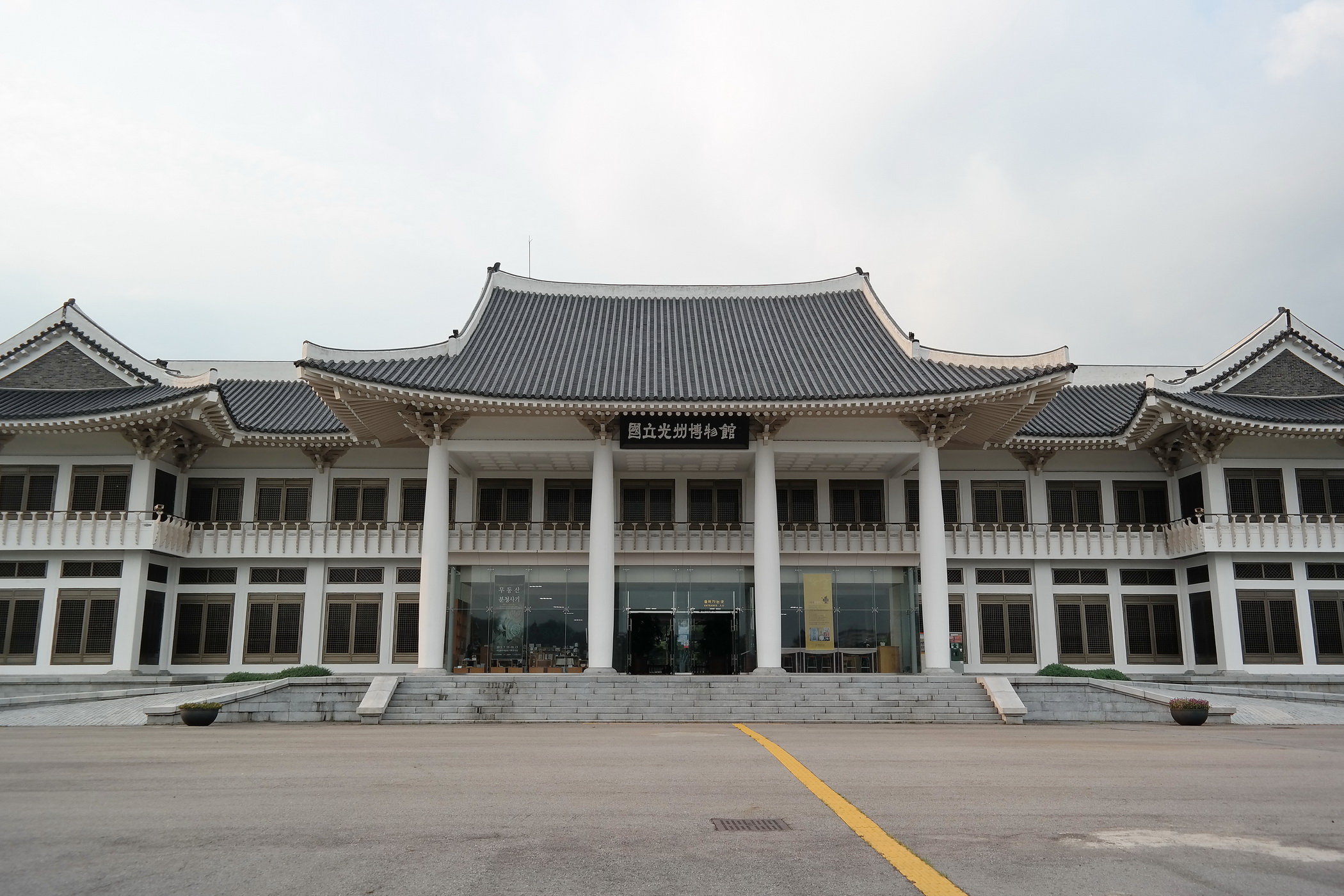
National Gwangju MuseumExhibits archaeological and historical artifacts from Gwangju and Jeonnam.
1
National Gwangju MuseumExhibits archaeological and historical artifacts from Gwangju and Jeonnam. -
 2
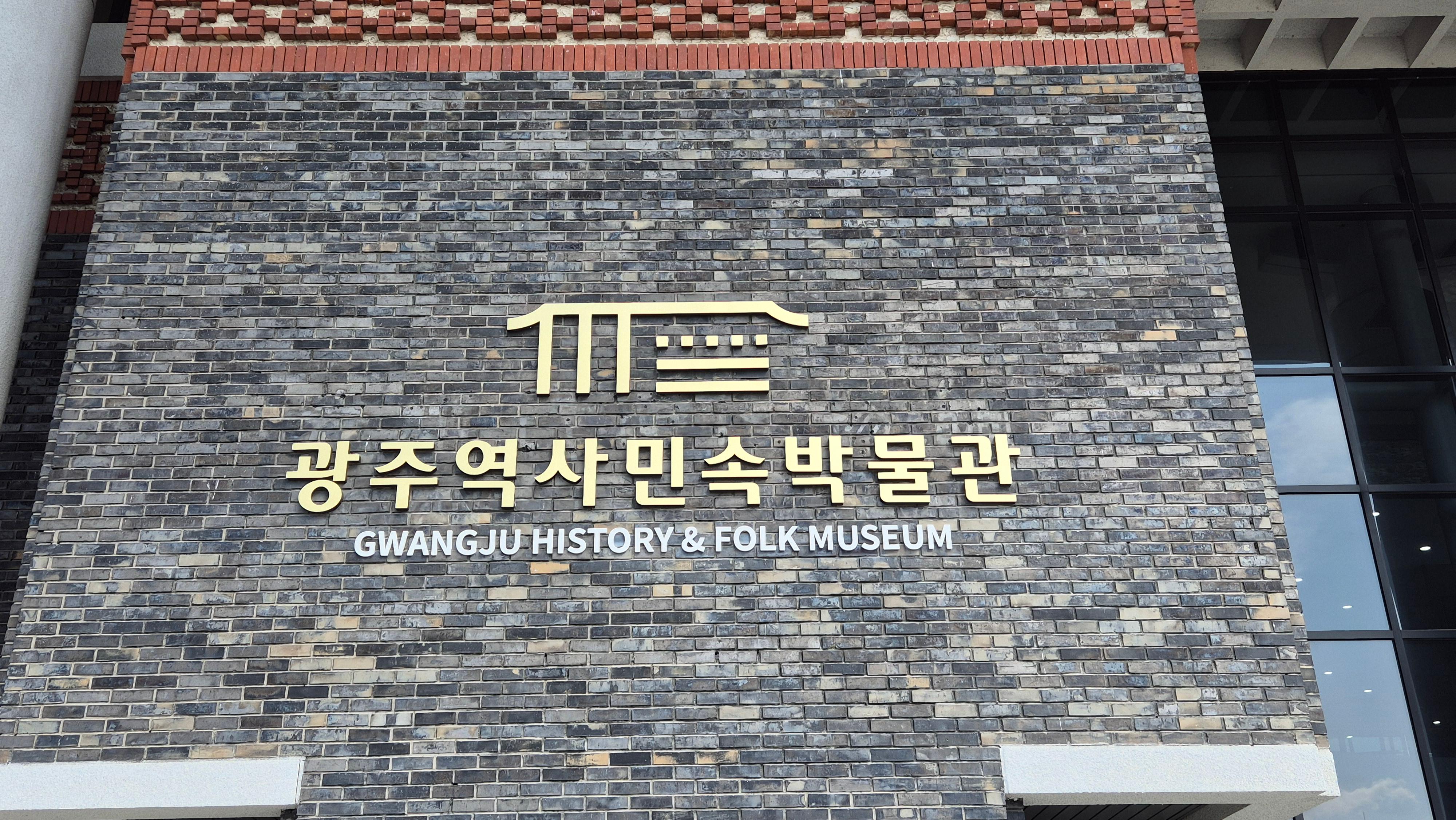
Gwangju History & Folk MuseumExplore the history of daily life and folk materials from the southern region.
2
Gwangju History & Folk MuseumExplore the history of daily life and folk materials from the southern region. -
 3
3
Food & Dining 2
-
 4
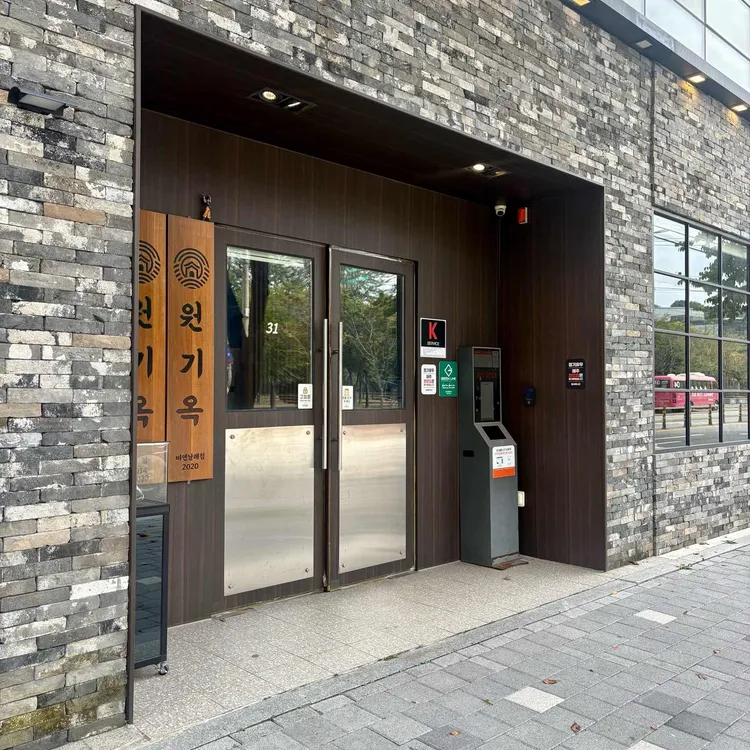
Wongiok Biennale BranchA Korean barbecue restaurant serving charcoal-grilled pork ribs and platter-style cold noodles.
4
Wongiok Biennale BranchA Korean barbecue restaurant serving charcoal-grilled pork ribs and platter-style cold noodles. -
 5
5
Events in This Area
Festivals in This Area
More Travel Guides in This Area
 Travel Guide
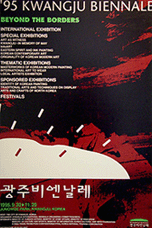
How to Read the Gwangju Biennale Exhibition Hall: From “Beyond the Boundaries” in 1995 to the 16th Edition in 2026
 Travel Guide
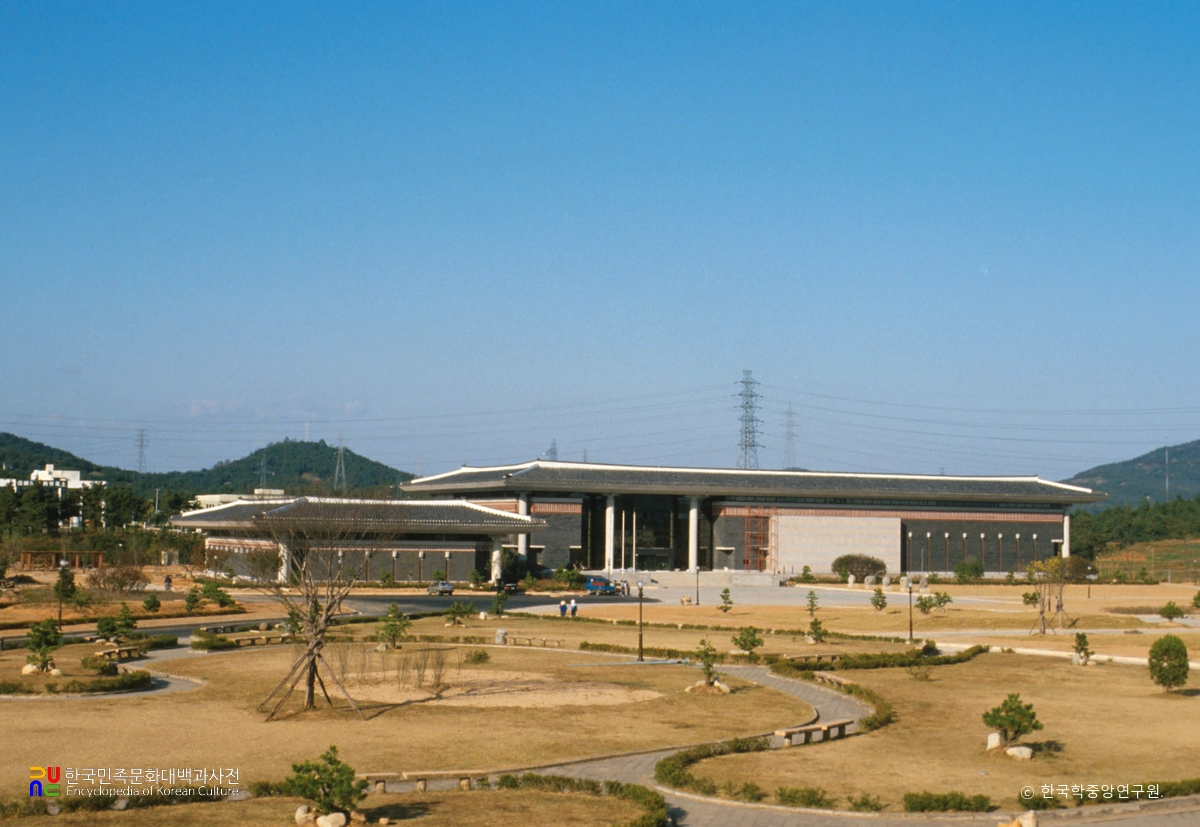
Walking through the time before Gwangju became a “city” at the Jungoe Park Museum
 Travel Guide
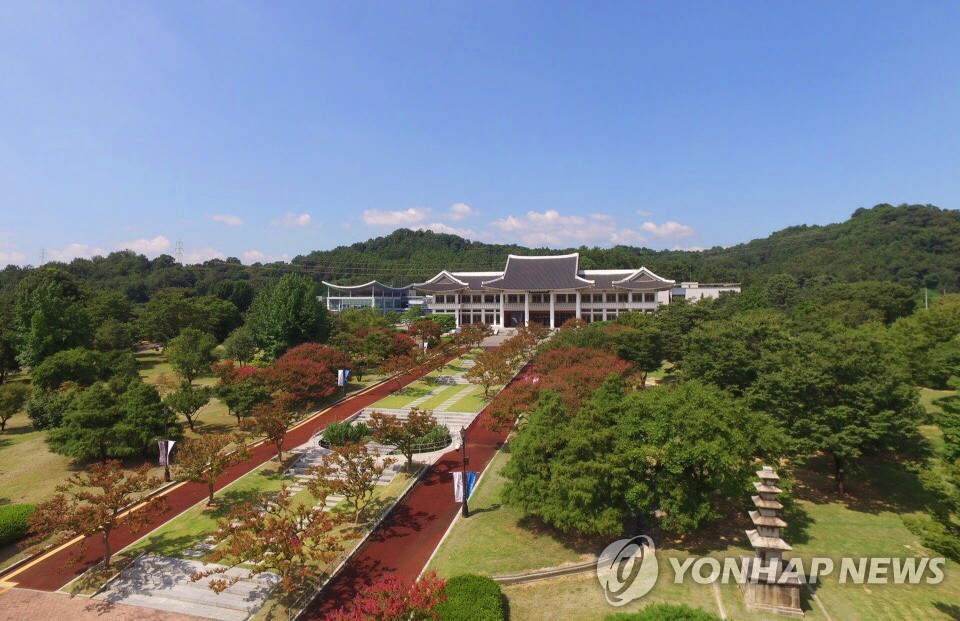
From the Sinan Underwater Ship to the Ceramic Culture Hall: Reading the National Gwangju Museum in Two Hours
 Travel Guide
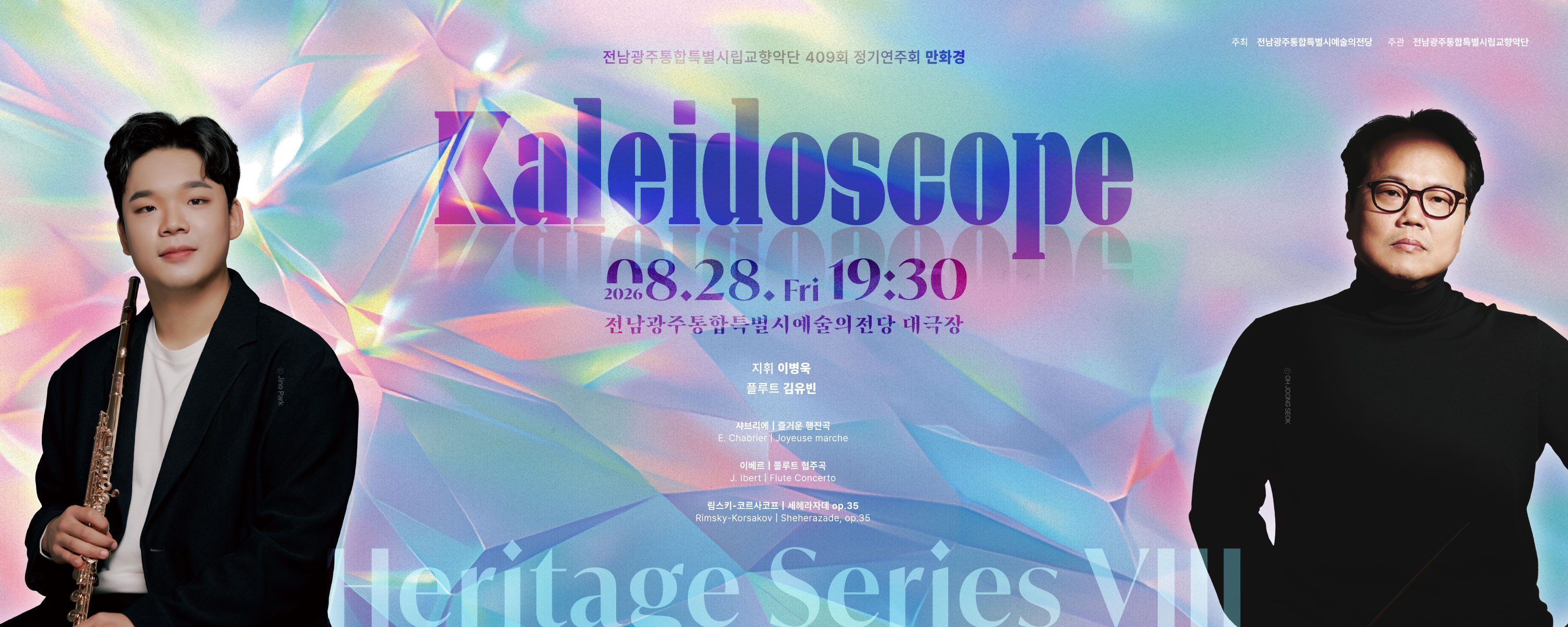
What to Know Before a Performance at Gwangju Arts Center’s Grand Theater: Seating, Tickets, and Bus Routes
Korea News
 News
News
TWS heightens comeback excitement with kitschy charm… Anticipation for “plot twist” rises
 News
News
BTS, Six Months After Its Release… ‘Arirang’ Climbs the U.S. Billboard 200
 News
News
'The Nation's Girl Group' RESCENE, Five Girls Transformed into Guardians… Additional Concept Photos for Their 4th Mini Album Revealed
 News
News