A Half-Day Walk Through Gwangju’s Advanced District, from Ssangam Park Lake to the Science Museum
Gwangju’s Advanced District is a planned urban area formed with its development in 1995, and a single route can take in Ssangam Park, the National Gwangju Science Museum, and the Wolgye-dong Janggo Tombs. It is most efficient to start at Maeunnal Cheomdan, the reference point, visit Ssangam Park and the commercial area first, then take a bus to connect the science museum and the tombs.

I’ve been here?
Your check-in helps the next traveler.
No one has checked in yet Be the first
One tap — no writing needed
Why the High-Tech District, Developed in 1995, Combines Industrial Complexes and Residential Areas
Gwangju Cheomdan District is an area where the Bia-dong Cheomdan Branch Office was established in 1991 and which began to be called “Cheomdan District” in 1995. In 2000, it was separated from Bia-dong and became Cheomdan-dong, and in 2003 it expanded into Cheomdan 1-dong and Cheomdan 2-dong. Therefore, it is more accurate to understand this area not as the alleys of an old urban center, but as a post-1990s new-town landscape of Gwangju, planned to combine research institutions, industrial complexes, apartment complexes, and neighborhood commercial areas.
Maeunnal Cheomdan, at the designated coordinates of 30 Cheomdanjungang-ro 106beon-gil, Gwangsan-gu, is located within the commercial district along Cheomdanjungang-ro. After a meal in this area, you can move to Ssangam Park, and by bus combine a visit to the National Gwangju Science Museum or Wolgye-dong Janggobun. This allows you to compare the science-and-industry-city character implied by the name “Cheomdan” with the area’s ancient ruins on the same day.

A 40-Minute First Look at Ssangam Park’s 146 Benches and Lake Island
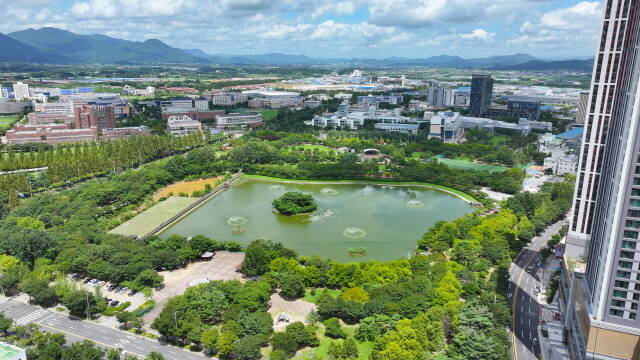
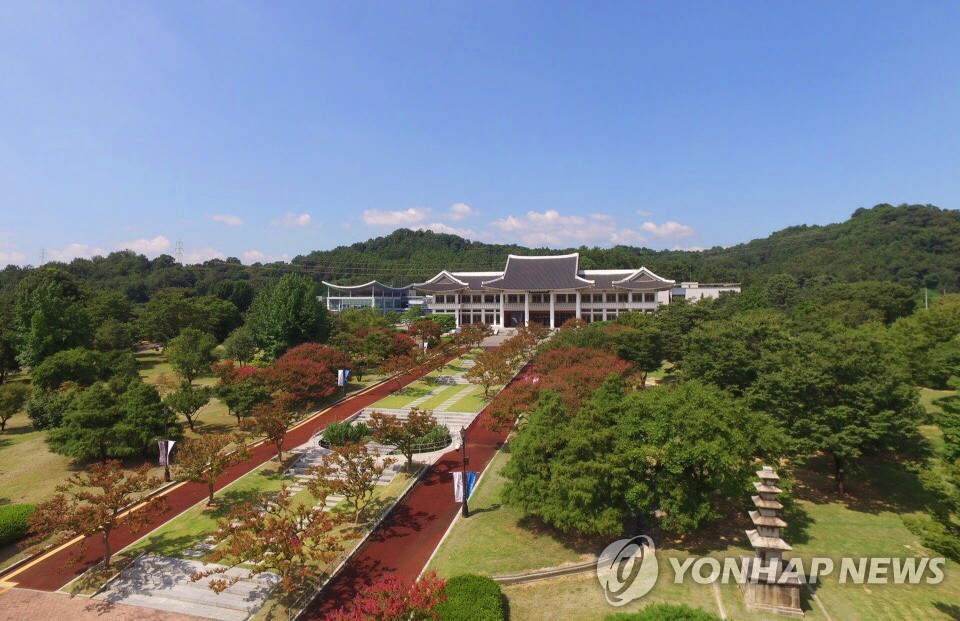
The outdoor reference point in Cheomdan District is Ssangam Park, at 39 Cheomdanjungang-ro 182beon-gil, Gwangsan-gu. According to Gwangju tourism information, the park is open at all times, has no holidays, and is free to enter. Management inquiries can be made to Gwangsan-gu Office at 062-960-8225, and the park also has parking facilities. Since this is an outdoor park without a timetable, allowing around 40 minutes before or after a meal to walk mainly along the lakeside, past the fountain, and around the island is a practical plan.
The park has 146 benches, three restroom facilities, three combination playgrounds, a lawn plaza, and fitness facilities. A total of 240 Yoshino cherry trees have been planted, so the number of visitors taking walks to see the blossoms may increase in spring. Pets are allowed, but the park’s notices, events, and fountain operations may vary according to the season and management schedule, so it is safer to contact Gwangsan-gu before setting out.
Buses Dividing Between Ssangam Park and Gwangju Design Center Stops
Around Ssangam Park, you need to choose the bus stop name according to your destination. At the Korea Electronics and Telecommunications Research Institute stop, routes Cheomdan 193, Unnim 51, Cheomdan 30, Cheomdan 23, and Maewol 16 stop. At the Gwangju Design Center stop, route Songjeong 33 stops, while at the GIST stop, routes Unnim 51, Songjeong 33, Cheomdan 193, Cheomdan 23, Cheomdan 30, and Maewol 16 stop.
At the Gwangju Traffic Broadcasting stop, you can take Munheung 39, Cheomdan 40, and Bongseon 27. If you are coming from Gwangju Songjeong Station, Songjeong 33 provides access to the Cheomdan area, while from U-Square Gwangju Bus Terminal, the Cheomdan 09 express bus connects toward Cheomdan. Bus intervals and detours may change, so immediately before departure, check the stop name and estimated arrival time again through Gwangju Bus information.
- Korea Electronics and Telecommunications Research Institute: Cheomdan 193 · Unnim 51 · Cheomdan 30 · Cheomdan 23 · Maewol 16
- Gwangju Design Center: Songjeong 33
- GIST: Unnim 51 · Songjeong 33 · Cheomdan 193 · Cheomdan 23 · Cheomdan 30 · Maewol 16
- Gwangju Traffic Broadcasting: Munheung 39 · Cheomdan 40 · Bongseon 27
National Gwangju Science Museum 09:30–17:30: Why to Avoid Mondays
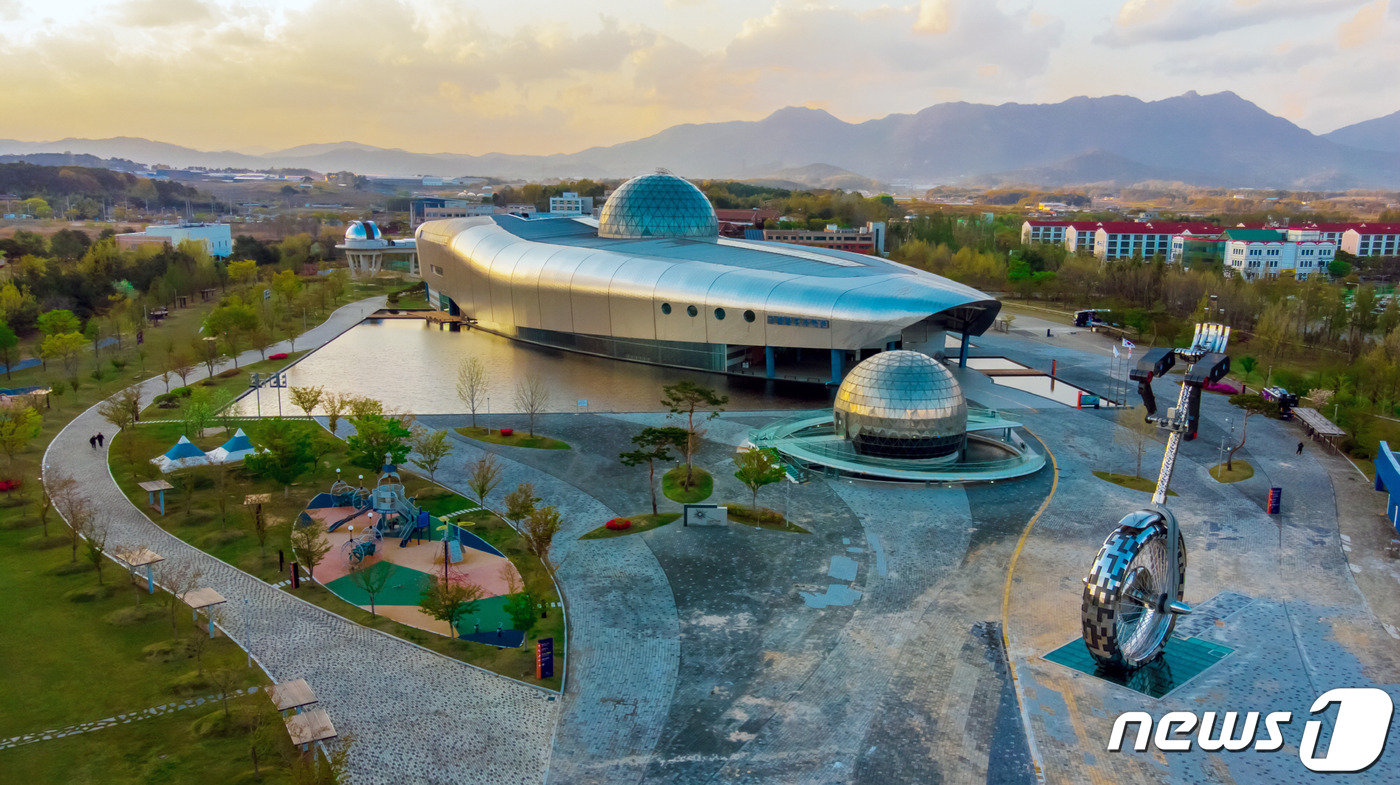
If you plan to include a science museum in your Cheomdan District itinerary, the National Gwangju Science Museum is located at 235 Cheomdangwagi-ro, Buk-gu, Gwangju. The main building is open from 09:30 to 17:30, ticket sales close at 16:30, and it is closed every Monday. The central information desk can be reached at 062-960-6210–1, and the official website is https://www.sciencecenter.or.kr. In addition to the permanent exhibitions, admission fees and session schedules for the planetarium, special exhibitions, and educational programs may differ, so after choosing your date, check the reservation page for the relevant program.
From the National Gwangju Science Museum stop, you can take Cheomdan 09, Cheomdan 30, Geumho 46, Unnim 51, Cheomdan 193, and Munheung 39. The Amkor Korea stop is served by Cheomdan 20, while the Cheomdan Samsung Electronics stop is served by Cheomdan 40, Cheomdan 92, and Cheomdan 94. The children’s playground is limited to 180 people per session and 130 people for groups, and group organizations must make advance reservations. Group-visit inquiries can be made at 062-960-6210.
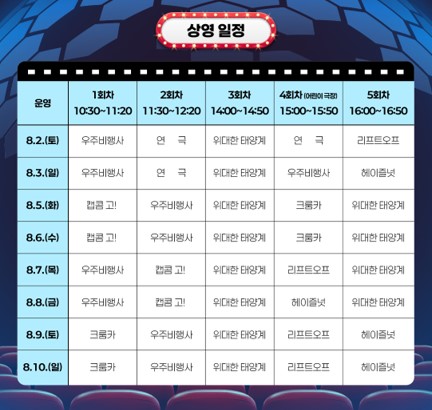
AI Exhibitions and a 12 m Dome: Easily Missed Visiting Conditions at the Science Museum
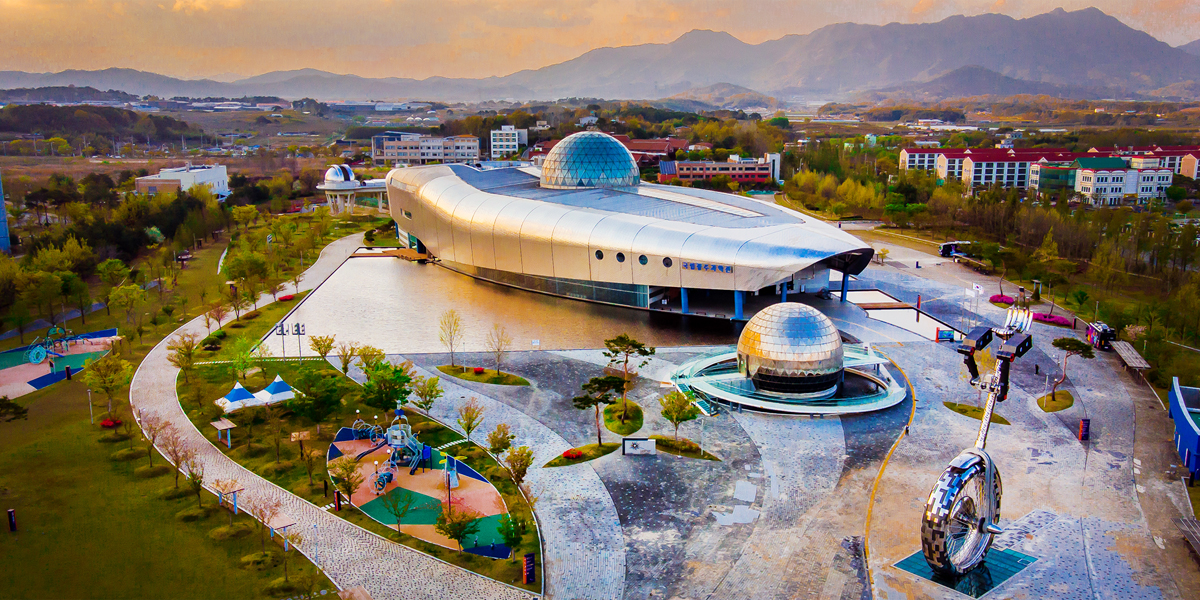
The Artificial Intelligence Hall at the National Gwangju Science Museum is presented as a space where visitors can experience immersive AI content created through the achievements of regional research institutions. It includes following an AI dancer, playing music with AI, “Urban Mission Mayhem,” an experience of autonomous-driving principles, and an AI baduk robot based on reinforcement learning. It is therefore better to leave time for these experiences rather than simply viewing the building’s exterior and leaving.
Viewing a planetarium dome film may be restricted unless you purchase a separate ticket for admission to the main building. In the 2025 dome film festival example, the conditions included a 12 m dome screen, a minimum height of 110 cm, an education fee of 2,000 won, and a capacity of 99 people. These were conditions for that event, not a permanent price list, so be sure to check the height restriction, screening time, and additional fee for the program on your visit date separately.

Wolgye-ro 155’s Janggobun: A Place to Encounter the Fifth and Sixth Centuries Before Cheomdan’s Development
The fact that Cheomdan District was developed in the 1990s becomes clearer when you also visit Wolgye-dong Janggobun. Janggobun is located at 155 Wolgye-ro, Gwangsan-gu, and materials from the Gwangju Cultural Foundation describe the tomb’s occupant as a person from the fifth or sixth century. The Encyclopedia of Korean Culture summarizes that Wolgye-dong Janggobun was designated a Gwangju Metropolitan City Monument in 1994.
The area around Janggobun was originally low hills beside the plains of the upper Yeongsan River, but after the Cheomdan Industrial Complex was developed, it came to lie in the middle of an urban district. Chonnam National University Museum conducted excavation surveys twice, in 1993 and 1995. Because an ancient tomb remains within a newly created residential area formed through urban development, it is easy to miss this historic site if you plan to see only the lake park and commercial district.
A Three-and-a-Half-Hour Route Starting at Maeunnal Cheomdan
For a first visit, a reliable approach is to set your meal time first at 30 Cheomdanjungang-ro 106beon-gil, where Maeunnal Cheomdan is located, then walk around Ssangam Park for about 40 minutes, move to a bus stop, and visit the National Gwangju Science Museum. Since admission to the main building closes at 16:30, it is best to aim to arrive at the science museum by around 15:30 at the latest when including the exhibitions in your itinerary.
Visitors using cars can find parking information for both Ssangam Park and the science museum, but the number of spaces, fees, and event-day controls could not be confirmed in this article. Visitors with strollers or wheelchairs can refer to information on the designated accessible parking spaces, accessible restrooms, main entrance access, and pedestrian-route assistance at Ssangam Park. The park is also accessible by public transportation, while the science museum has separate conditions for group and children’s-facility use, so families should check whether reservations are required first.
- Ssangam Park: Free · Open at all times · No holidays
- National Gwangju Science Museum: 09:30–17:30, ticket sales close at 16:30, closed Mondays
- Recommended time: Park 40 minutes, science museum 90–120 minutes, Janggobun 20–30 minutes
- Total recommended time: Approximately 3.5–5 hours, including travel
Before You Go
- Address
- Reference point: 30 Cheomdanjungang-ro 106beon-gil, Gwangsan-gu, Gwangju Metropolitan City / Ssangam Park: 39 Cheomdanjungang-ro 182beon-gil, Gwangsan-gu, Gwangju Metropolitan City
- Hours
- Ssangam Park open at all times / National Gwangju Science Museum main building 09:30–17:30, ticket sales close at 16:30
- Closed
- None for Ssangam Park / Every Monday for the National Gwangju Science Museum
- Admission
- Ssangam Park free / Check the official website for National Gwangju Science Museum main-building and program-specific fees
- Phone
- Ssangam Park management: 062-960-8225 / National Gwangju Science Museum: 062-960-6210–1
- Official site
- https://tour.gwangju.go.kr/home/tour/info/park/003.cs?act=view&category=003&infoId=266&pageIndex=3&searchCondition=&searchKeyword=
- Transport
- Korea Electronics and Telecommunications Research Institute stop: Cheomdan 193 · Unnim 51 · Cheomdan 30 · Cheomdan 23 · Maewol 16 / Gwangju Design Center: Songjeong 33 / GIST: Unnim 51 · Songjeong 33 · Cheomdan 193 · Cheomdan 23 · Cheomdan 30 · Maewol 16 / Gwangju Traffic Broadcasting: Munheung 39 · Cheomdan 40 · Bongseon 27
- Parking
- Parking facilities available at Ssangam Park / Parking lot operated at the National Gwangju Science Museum; check official information before visiting for fees and number of spaces
- Time needed
- Ssangam Park 40 minutes, National Gwangju Science Museum 90–120 minutes, Wolgye-dong Janggobun 20–30 minutes; approximately 3.5–5 hours total
- Accessibility
- Ssangam Park has designated accessible parking spaces, accessible restrooms, main entrance and pedestrian-route access support; accessible by public transportation
The information above is current as of the time of writing. Check the official information again before visiting.

Places
Nearby Attractions 5
-
 1
1
-
 2
2
-
 3
3
-
 4
4
-
 5
5
Food & Dining 5
-
 6
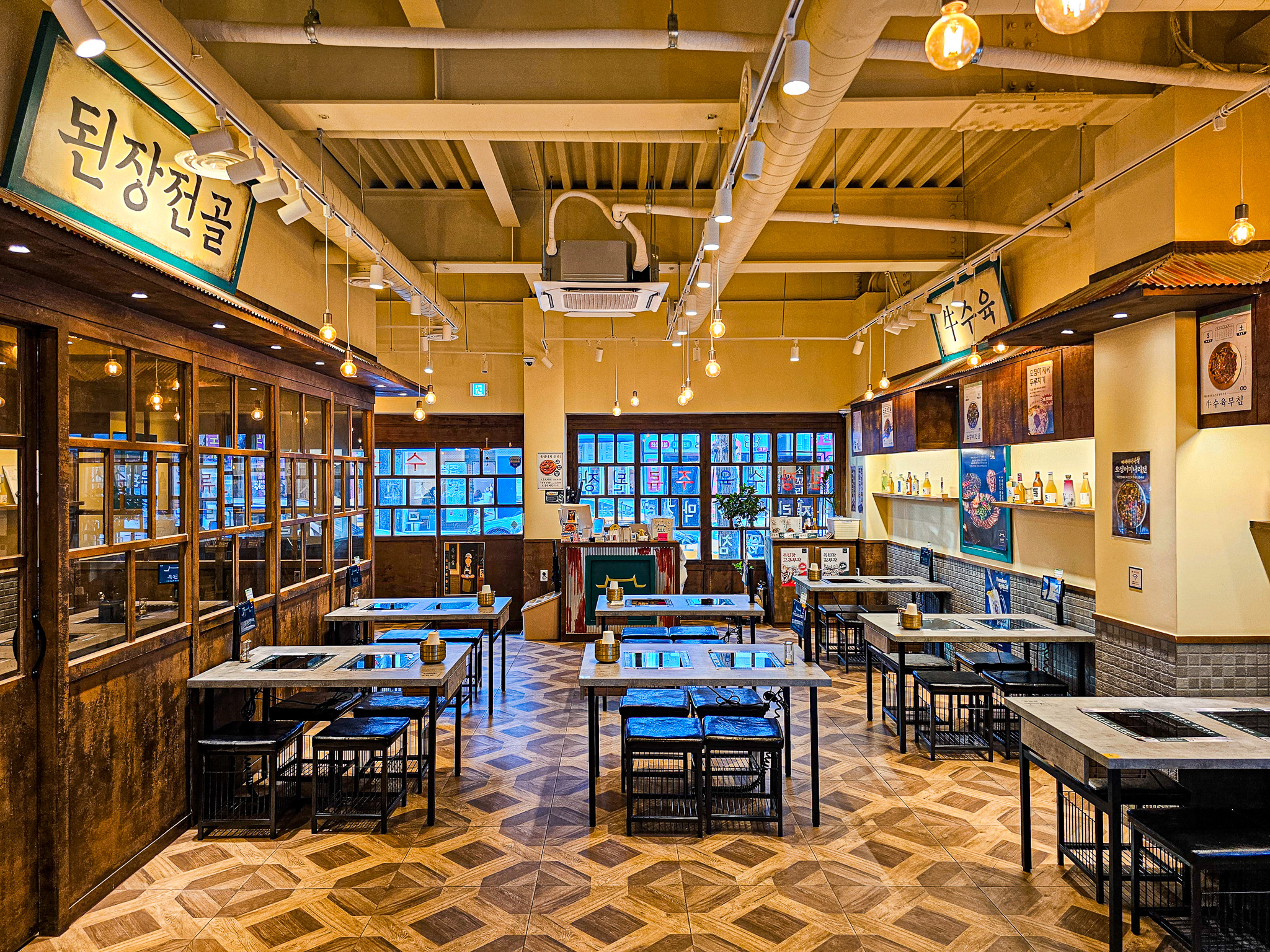
Ok-doenjang Cheomdan District Branch
6
Ok-doenjang Cheomdan District Branch -
 7
Misikga Imokase Cheomdan Jikyeongjeom
7
Misikga Imokase Cheomdan Jikyeongjeom -
 8
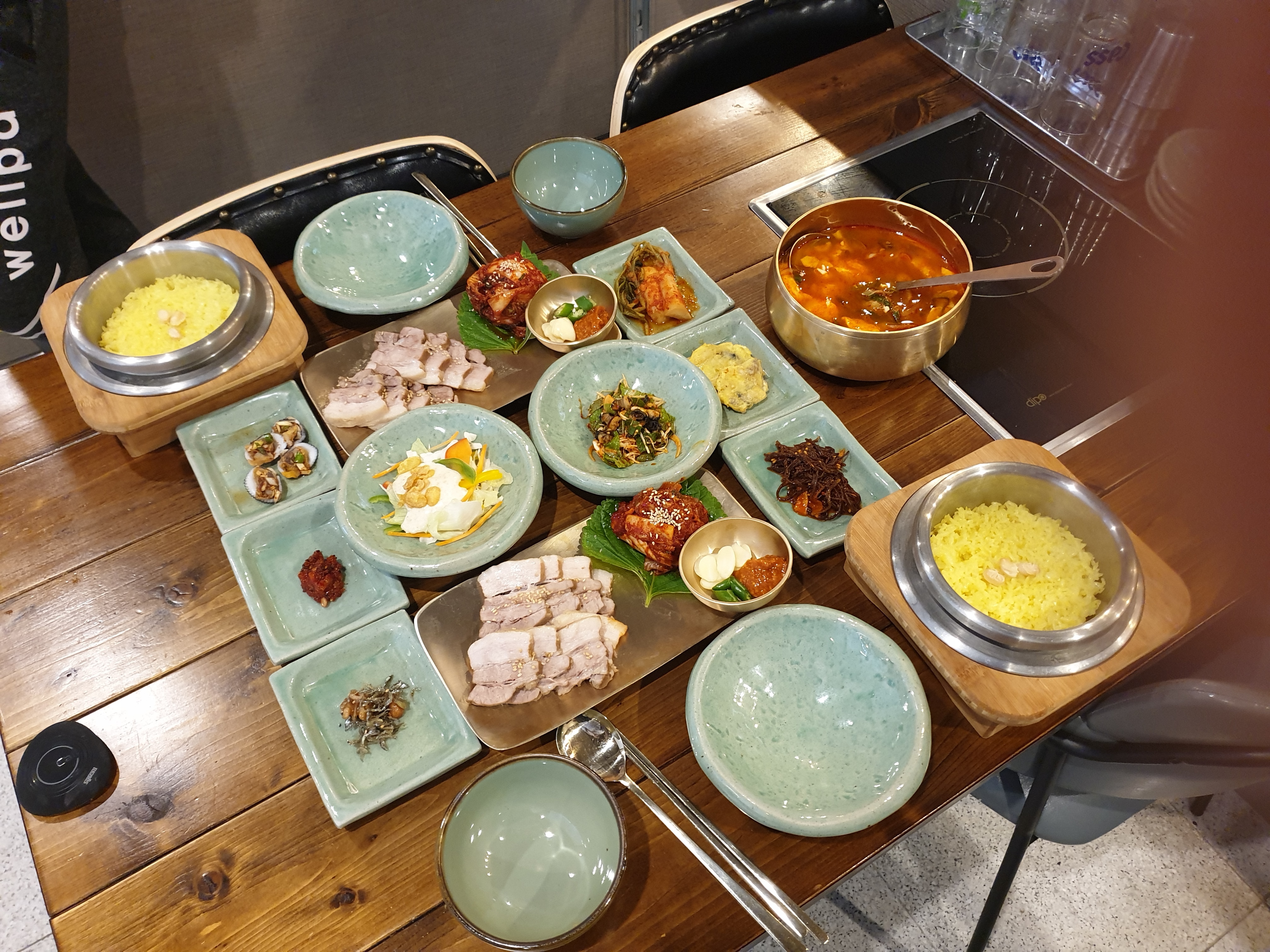
Haeriri Restaurant (첨단본점)
8
Haeriri Restaurant (첨단본점) -
 9
9
-
 10
10
Events in This Area


Festivals in This Area



More Travel Guides in This Area
 Travel Guide
From the Steps of Seonggeosan Mountain to the Korean War Memorial Tower: The Urban Memories Preserved by Gwangju Park
 Travel Guide
A National Science Museum Bringing Light, Dinosaurs, and Space Together Along One Route
 Travel Guide
From the Sinan Underwater Ship to the Ceramic Culture Hall: Reading the National Gwangju Museum in Two Hours
 Travel Guide
Gwangju Family Land, Where Uchi Park’s Forest Meets a 1991 Amusement Park
Korea News
 News
News
TWS heightens comeback excitement with kitschy charm… Anticipation for “plot twist” rises
 News
News
BTS, Six Months After Its Release… ‘Arirang’ Climbs the U.S. Billboard 200
 News
News
'The Nation's Girl Group' RESCENE, Five Girls Transformed into Guardians… Additional Concept Photos for Their 4th Mini Album Revealed
 News
News