A National Science Museum Bringing Light, Dinosaurs, and Space Together Along One Route
Gwangju National Science Museum is a national science museum near the Gwangju Advanced Science and Industrial Complex, presenting light, radio waves, everyday science, and space through hands-on exhibits. If you plan to visit the main building, Children's Science Museum, and special theater, it is best to check the ticket types, admission times, and closure days first.

I’ve been here?
Your check-in helps the next traveler.
No one has checked in yet Be the first
One tap — no writing needed
Why it opened on October 15, 2013, as a hub for science culture in the Honam region
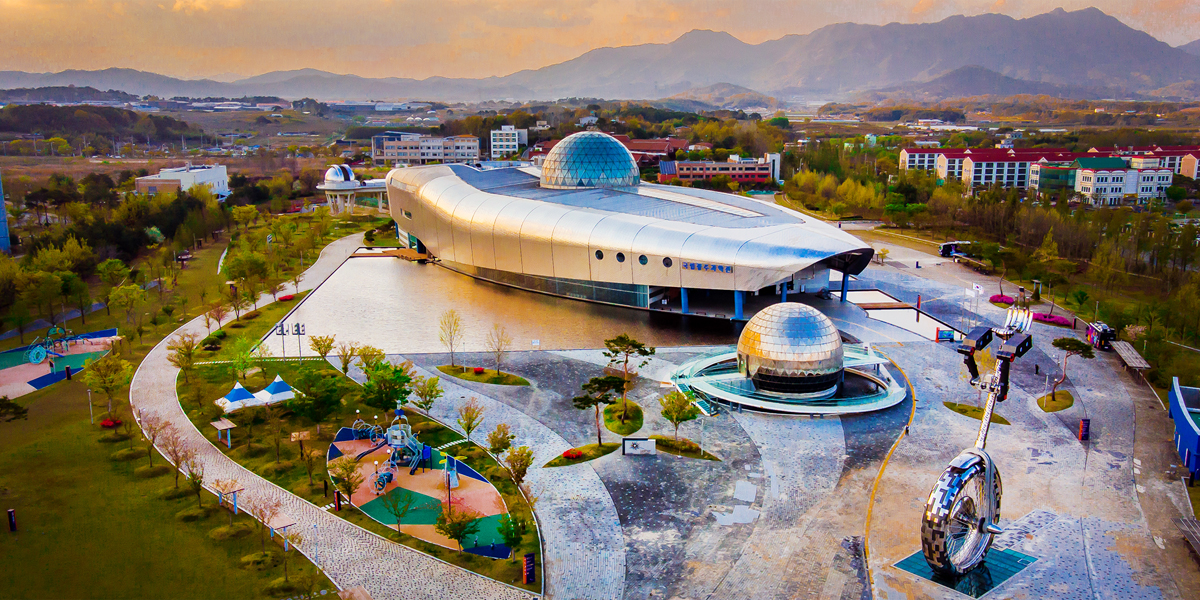
The National Gwangju Science Museum is a national science museum that opened on October 15, 2013. Established under the National Science Museum system of the Ministry of Science and ICT, it aims to popularize science and technology in the Honam region, foster local scientific talent, and spread science culture. It is located at 235 Cheomdangwagi-ro, Buk-gu, Gwangju.
Its location is noteworthy because it borders the living area of the Gwangju Advanced Science and Industrial Complex. Rather than simply viewing specimens, the permanent exhibitions emphasize directly operating and exploring phenomena involving light, radio waves, robots, space, and physics in daily life. The museum’s official slogan describes it as a space “where light, art, and science meet.”
- Opening date: October 15, 2013
- Address: 235 Cheomdangwagi-ro, Buk-gu, Gwangju
- Main information desk: 062-960-6210
Visit the main building from 09:30 to 17:30; tickets must be issued by 16:30
The main building is open from 09:30 to 17:30 Tuesday through Sunday, and ticket issuance closes at 16:30. It is closed every Monday, January 1, and the day of Lunar New Year and Chuseok. However, substitute closing days may be designated after public holidays or holiday periods, so it is safest to check the official notice on the day of your visit.
The Toddler Playground operates four 90-minute sessions daily at 10:00, 12:00, 14:00, and 16:00. If your child plans to use it, choosing the desired session first and arranging the remaining exhibitions around it will save more time than spending a long time in the main building before moving there.
- Open: Tuesday–Sunday
- Main building: 09:30–17:30
- Ticket issuance deadline: 16:30
- Regular closing day: Every Monday
- Toddler Playground: 10:00, 12:00, 14:00, and 16:00, 90 minutes each
How to combine the main building, Children's Science Museum, and Artificial Intelligence Museum with a KRW 5,000 Triple Pass
According to the official visitor information, the individual Triple Pass fee is KRW 5,000 for adults, KRW 4,000 for youths and children, and KRW 2,000 for toddlers. This pass covers admission to the main building, Children's Science Museum, and Artificial Intelligence Museum. For groups of 20 or more, the respective fees are KRW 4,000, KRW 3,500, and KRW 2,000.
Visitors aged 65 or older, people of national merit, people with disabilities, recipients of basic livelihood security, and people in the near-poverty category may enter free of charge upon presenting proof. Families with multiple children and single-parent families receive the group-discount rate, and discounts cannot be combined. Special theaters such as the Planetarium, 4D Theater, Dynamic Rider, and Space 360 may have different conditions and fees from the permanent exhibition pass, so check the session and fee again before purchasing tickets.
- Triple Pass adult individual: KRW 5,000
- Triple Pass youth/child individual: KRW 4,000
- Triple Pass toddler individual: KRW 2,000
- Group Standard: 20 or more people
- Senior discount Standard: Age 65 or older
A 90-minute route beginning with the Bitgoeul Tower and Dinosaur Park on the first floor
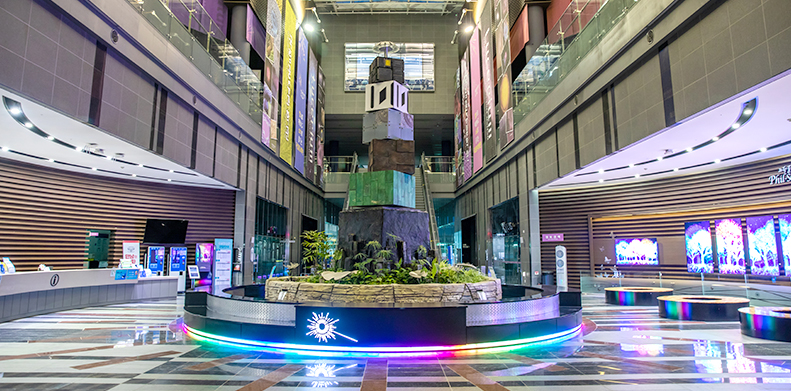
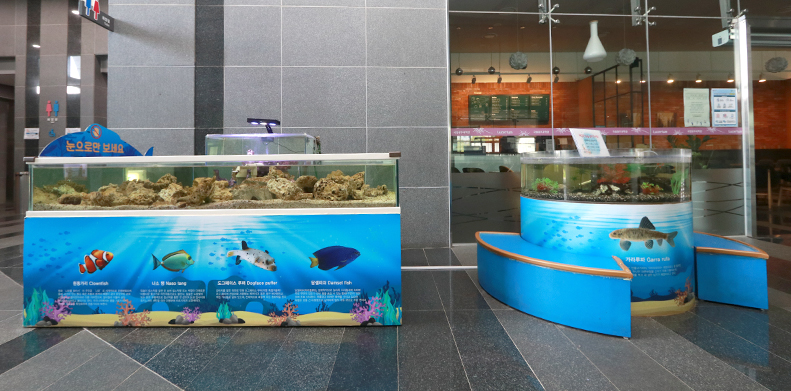
For first-time visitors, an easy-to-follow route begins with the Bitgoeul Tower in the central exhibition, the Marine Ecology Aquarium, the Feel Science Art Wall, and Dinosaur Park on the first floor. Dinosaur Park features a Cretaceous-period diorama including a Triceratops, Koreanosaurus from Boseong, Jeollanam-do, and Koreaceratops from Hwaseong, Gyeonggi-do.
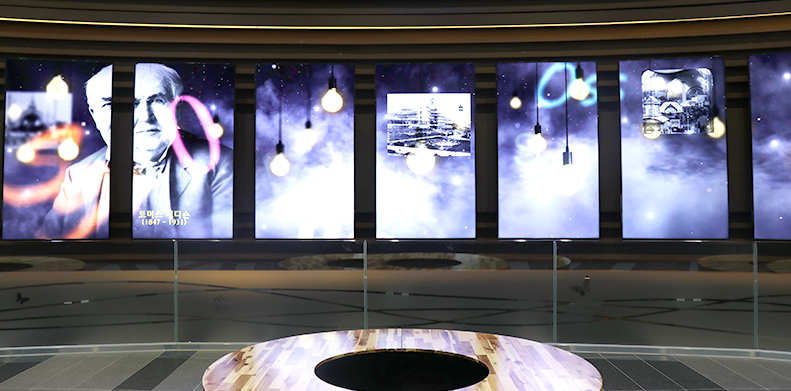
The Marine Ecology Aquarium is designed for observing marine plants and animals in connection with the outdoor ecological pond. The first-floor Light and Art Media Wall is an exhibition where visitors experience scientific issues such as carbon emissions, pandemics, and space through motion recognition. For visitors with toddlers, it is best to see Dinosaur Park and the aquarium first. Older elementary-school children who prefer reading and hands-on activities may want to go directly to the permanent exhibitions on the second floor.
Experiences easy to miss in the six second-floor zones covering light, radio waves, everyday science, and space
The second-floor permanent exhibition hall consists of zones for light, science and art, radio-wave experiences, sports, everyday science, and space. The Light Zone explains electromagnetic waves from gamma rays to radio waves by wavelength, while the Science and Art Zone connects light and sound with 3D holography.
In the Everyday Science Zone, visitors can investigate air flow, the Coriolis force, and Bernoulli’s principle through hands-on exhibits such as “Art Created by Wind,” “Curves Created by Straight Lines,” “The Path Changed by Rotation,” and “The Ball That Does Not Fall.” The Space Zone includes the 360-degree video “Science on the Globe,” a tornado exhibit, comparisons of weight on different planets, and a Mars base experience in which visitors take on roles related to atmosphere, architecture, energy, and agriculture.
The theremin in the Radio-Wave Experience Zone explores the principles of the contactless electronic instrument invented by Leon Theremin in the 1920s. A radio studio and rescue experience are also provided. The Eureka Zone covers manufacturing and artificial intelligence through 3D printing, drone flight principles, a Rubik’s Cube robot, an air-hockey robot, and a humanoid coding robot.
- Everyday science: Air flow, hyperbolic surfaces, Coriolis force, and Bernoulli’s principle
- Space: 360-degree Earth video, tornado, and Mars base
- Radio waves: Theremin, radio studio, and rescue experience
- Eureka: 3D printing, drones, robots, and coding
Check the day’s session schedule for Space 360 and exhibition tours first
The museum separately operates special theaters and attractions including Space 360, the Planetarium, Dynamic Rider, and the 4D Theater. A realistic estimate is about two hours for the permanent exhibitions alone, or three to four hours if you add the Toddler Playground or one special theater.
The permanent exhibition tour is a guided program that visits the exhibition zones in sequence. Participants gather at the meeting point five minutes before departure, and the tour begins on time. Since operating hours may change or the program may be suspended depending on the museum’s circumstances that day, ask about availability and the meeting point at the Central Information Desk on the first floor (062-960-6210) immediately after entering.
Bringing food and beverages into the exhibition halls is restricted, and smoking is prohibited throughout the museum. Small ride-on devices such as bicycles, kick scooters, inline skates, and electric cars are not permitted, and pets other than guide dogs are also prohibited. Lockers are available on the first floors of the main building, Children's Science Museum, and Artificial Intelligence Museum, as well as inside the Toddler Playground.
- Recommended visit duration: 2 hours for permanent exhibitions; 3–4 hours including special facilities
- Tour meeting time: 5 minutes before the start
- Lost-and-found inquiries: Central Information Desk on the first floor
- Food and beverages restricted inside exhibition halls
Choosing between the National Gwangju Science Museum bus stop and parking when visiting for the first time
The museum’s address is 235 Cheomdangwagi-ro, Buk-gu, Gwangju. Enter the venue name or this address into your car navigation system. The official information provides a 50% parking discount for eco-friendly vehicles and vehicles belonging to families with multiple children, as well as exemptions for vehicles used for official duties, partner-company vehicles, and volunteer vehicles. Discounted or exempt vehicles should use the call button on the unmanned payment machine.
For buses, searching for the “National Gwangju Science Museum” stop is convenient. Route Geumho 46 connects the National Gwangju Science Museum and Seogwangju Station, while Imgong 89 and Cheomdan 22 can also be used for nearby travel. However, departure locations, service intervals, and stop locations may vary by time and origin, so check real-time Gwangju bus information before leaving.
Wheelchair and stroller users can move between floors, as the guide map for the second-floor permanent exhibition hall indicates the locations of elevators and restrooms. An official English website is available for international visitors, but the languages supported for on-site tours and activity guidance may vary by schedule, so it is safest to contact the Central Information Desk in advance.
- Central Information Desk: 062-960-6210
- Education Information Office: 062-960-6232
- Parking discount: 50% for eco-friendly vehicles and vehicles of families with multiple children
- Nearby bus routes: Geumho 46, Imgong 89, and Cheomdan 22
Before You Go
- Address
- 235 Cheomdangwagi-ro, Buk-gu, Gwangju (1-6 Oryong-dong)
- Hours
- Tuesday–Sunday 09:30–17:30; ticket issuance closes at 16:30; Toddler Playground sessions at 10:00, 12:00, 14:00, and 16:00, 90 minutes each
- Closed
- Every Monday, January 1, and the day of Lunar New Year and Chuseok; check notices for substitute closing days
- Admission
- Triple Pass (main building, Children's Science Museum, and Artificial Intelligence Museum), individual: adults KRW 5,000, youths and children KRW 4,000, toddlers KRW 2,000
- Phone
- 062-960-6210
- Official site
- https://www.sciencecenter.or.kr/kor/main.do
- Transport
- Use the National Gwangju Science Museum stop. Check real-time service information before departure for routes such as Geumho 46, Imgong 89, and Cheomdan 22
- Parking
- Parking available. 50% discount for eco-friendly vehicles and vehicles of families with multiple children; discounted or exempt vehicles should use the call button on the unmanned payment machine
- Time needed
- About 2 hours for permanent exhibitions; 3–4 hours including the Toddler Playground or a special theater
- Accessibility
- The permanent exhibition hall guide map indicates elevator and restroom locations. An official English website is available; advance inquiries are recommended regarding the scope of on-site foreign-language assistance
The information above is current as of the time of writing. Check the official information again before visiting.

Places
Nearby Attractions 2
-
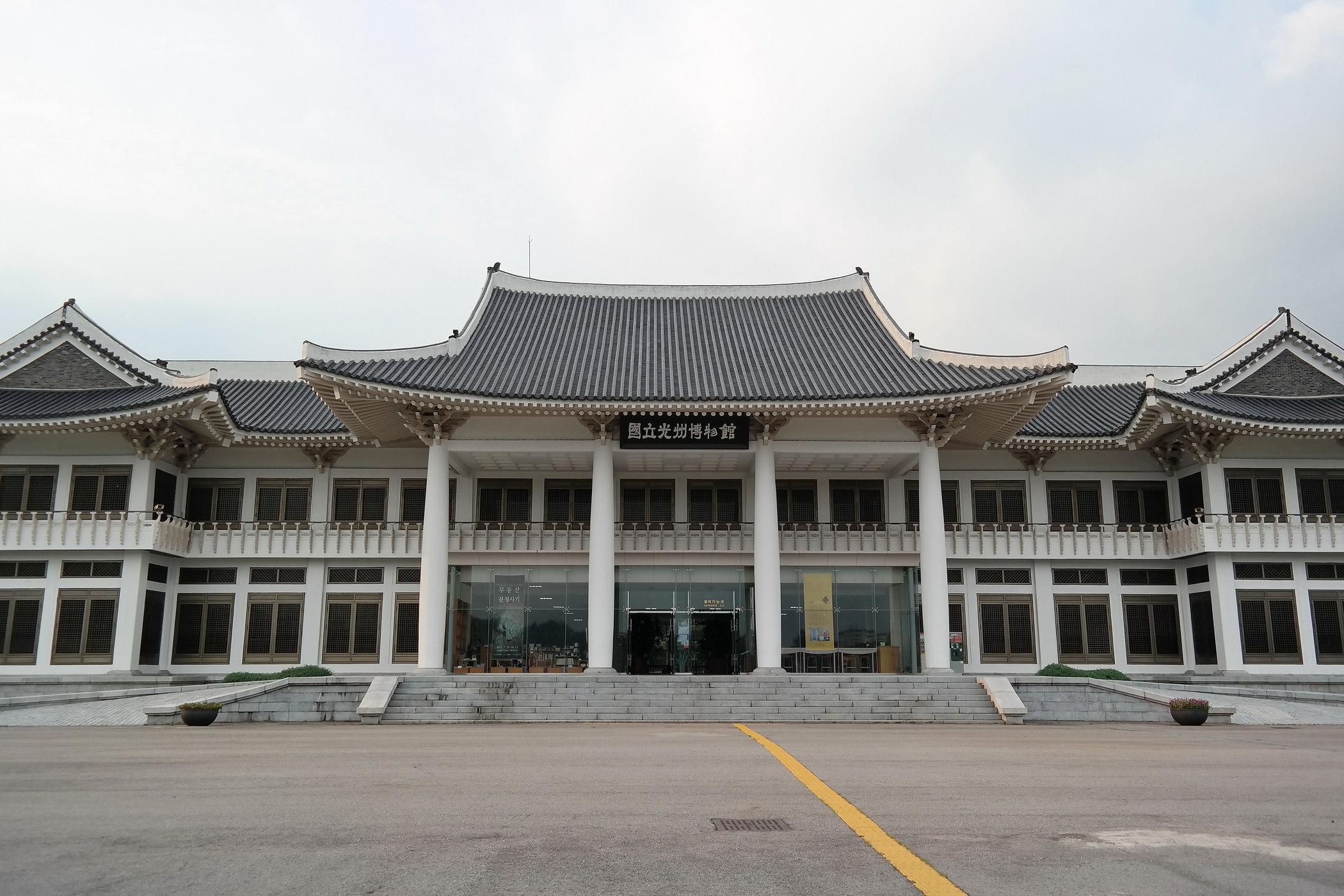 1
Gwangju National MuseumExhibits cultural heritage and archaeological and art artifacts from the Honam region.
1
Gwangju National MuseumExhibits cultural heritage and archaeological and art artifacts from the Honam region. -
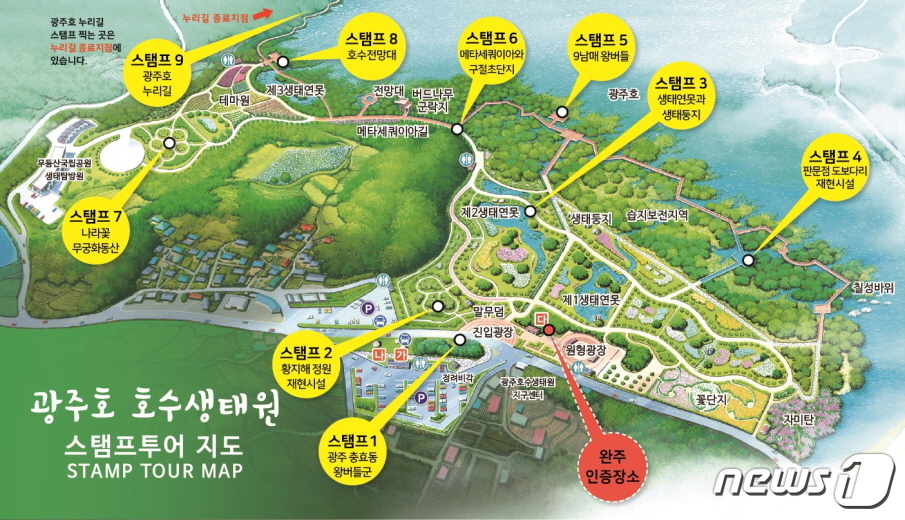 2
Gwangjuho Lake Eco ParkObserve flora and fauna along lakeside walking trails and in ecological spaces.
2
Gwangjuho Lake Eco ParkObserve flora and fauna along lakeside walking trails and in ecological spaces.
Food & Dining 2
-
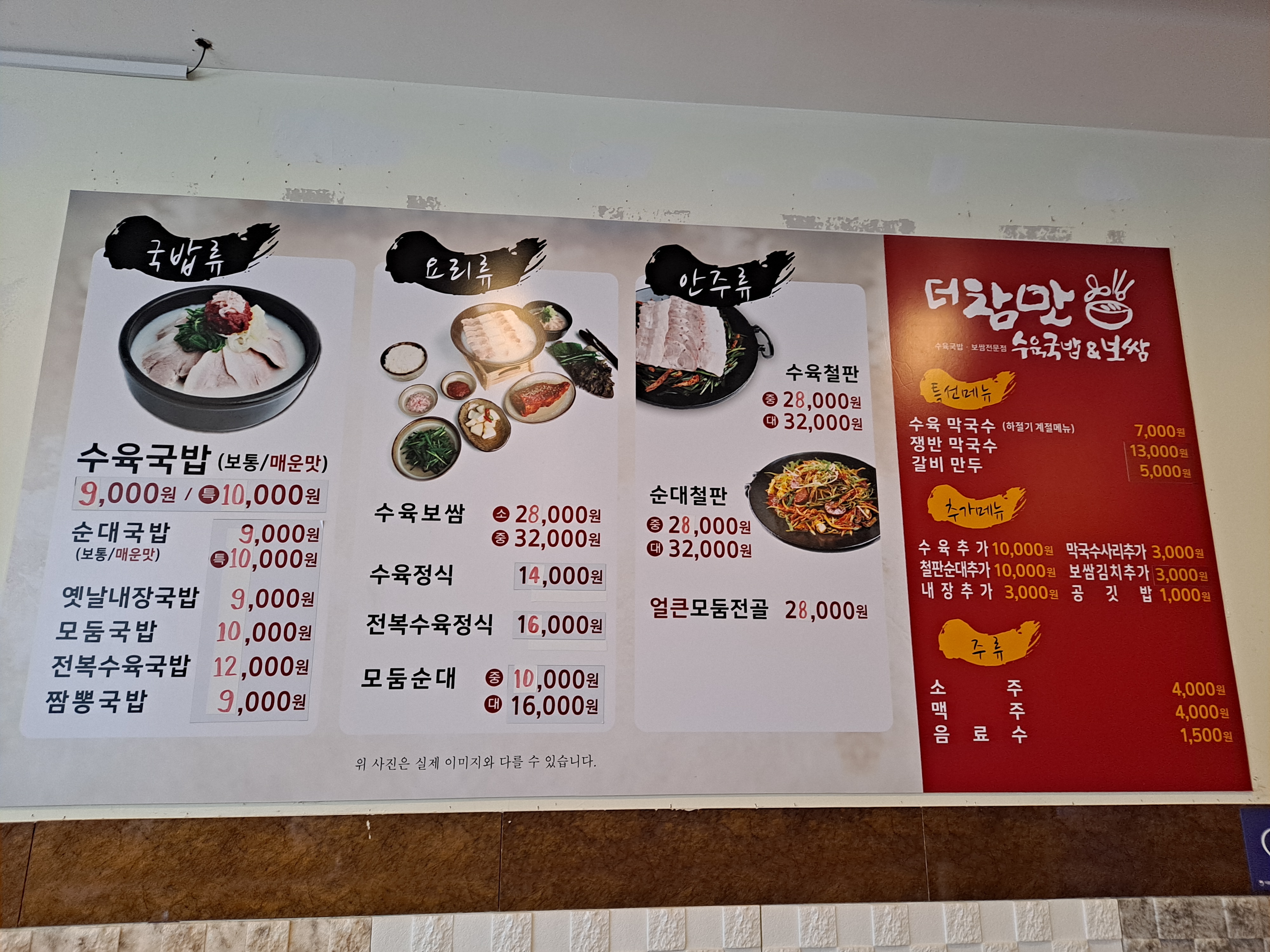 3
The Chammat Suyuk Gukbap – Cheomdan BranchA gukbap specialty restaurant serving suyuk gukbap and bossam.
3
The Chammat Suyuk Gukbap – Cheomdan BranchA gukbap specialty restaurant serving suyuk gukbap and bossam. -
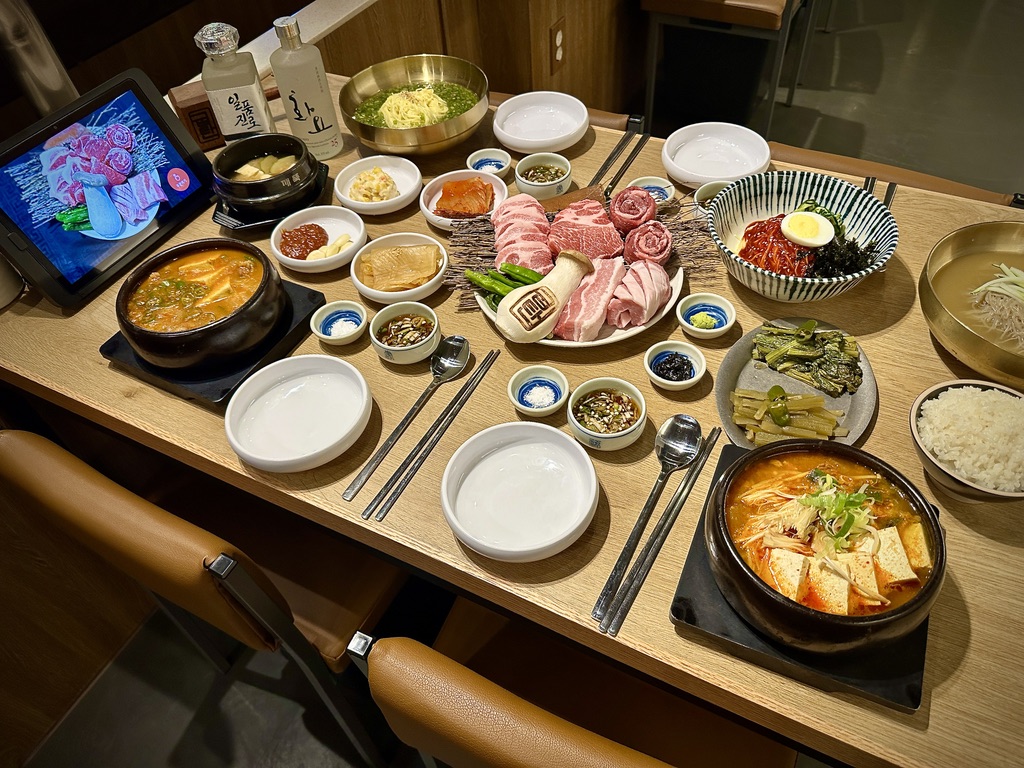 4
Gup Tan Cheomdan Company-Operated BranchA Korean barbecue restaurant where you grill and enjoy samgyeopsal (pork belly) and moksal (pork neck).
4
Gup Tan Cheomdan Company-Operated BranchA Korean barbecue restaurant where you grill and enjoy samgyeopsal (pork belly) and moksal (pork neck).
Events in This Area


Festivals in This Area

More Travel Guides in This Area
 Travel Guide
From the Steps of Seonggeosan Mountain to the Korean War Memorial Tower: The Urban Memories Preserved by Gwangju Park
 Travel Guide
A Half-Day Walk Through Gwangju’s Advanced District, from Ssangam Park Lake to the Science Museum
 Travel Guide
Gwangju Family Land, Where Uchi Park’s Forest Meets a 1991 Amusement Park
 Travel Guide
From the 1992 Zoo to the 2002 Golf Practice Range: A One-Day Route through 960,000㎡ Uchi Park
Korea News
 News
News
TWS heightens comeback excitement with kitschy charm… Anticipation for “plot twist” rises
 News
News
BTS, Six Months After Its Release… ‘Arirang’ Climbs the U.S. Billboard 200
 News
News
'The Nation's Girl Group' RESCENE, Five Girls Transformed into Guardians… Additional Concept Photos for Their 4th Mini Album Revealed
 News
News