Naksansa Temple, Where the East Sea Cliffs Meet Master Uisang of 671
Naksansa Temple is a Buddhist sanctuary dedicated to Avalokitesvara in Yangyang, founded in 671 by Master Uisang. Along one route, you can see the Haesu Gwaneum Statue, the Seven-Story Stone Pagoda, Uisangdae Pavilion, and Hongnyeonam Hermitage. Since the path from the entrance’s Rainbow Gate to Uisangdae on the East Sea cliffs includes some slopes, it is best to allow 1.5 to 2 hours and take your time.
I’ve been here?
Your check-in helps the next traveler.
14 people viewed this week Be the first
One tap — no writing needed
Why Master Uisang Chose the Eastern Cliff of Obongsan Mountain in 671
Naksansa Temple was founded in 671, the 11th year of the reign of King Munmu of Silla, by Master Uisang (625–702), who had returned from Tang China after studying Huayan Buddhist thought. “Naksan” refers to Potalaka Mountain, believed to be the abode of Avalokitesvara Bodhisattva. The eastern cliff of Obongsan Mountain facing the East Sea, combined with faith in Avalokitesvara, established the temple as one of Korea’s leading Avalokitesvara Buddhist sanctuaries.
Along with Bomunsa Temple on Ganghwa Island and Boriam Hermitage in Namhae, it is considered one of Korea’s three major Avalokitesvara sacred sites. The coastal cliffs extending from the temple grounds through Uisangdae Pavilion to Hongryeonam Hermitage were also counted among the Eight Scenic Views of Gwandong, connecting visitors on site with the cultural backdrop of the East Sea scenery described in Jeong Cheol’s Gwandong Byeolgok.
Naksansa Temple Through Time, Rebuilt After the 2005 Yangyang Wildfire
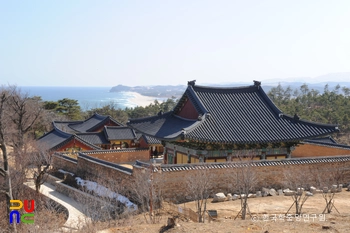
Naksansa Temple suffered extensive damage when many of its halls and facilities were destroyed in the Yangyang wildfire in April 2005. The Encyclopedia of Korean Culture explains that a comprehensive excavation survey was carried out for approximately one year and six months from 2005 after the fire. The present temple grounds are not simply a place to view old buildings; they are also a space where visitors can understand the process of restoring cultural heritage after a disaster.
The Seven-Story Stone Pagoda at Naksansa Temple in Yangyang, which survived the wildfire, is designated a Treasure. The Haesugwaneum Airborne Reliquary Stupa and Stele are also designated Treasures. Near Hongyemun Gate in the direction of the exit, there is an exhibition space covering materials related to the fire, so visitors who want to understand the changes before and after restoration should take their time along this route.
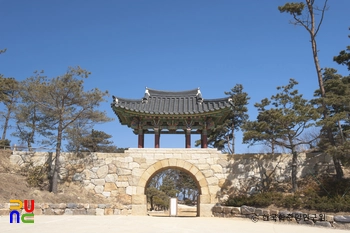
From Hongyemun Gate at the Entrance to the Haesugwaneum Statue: A Route Starting at 4,000 Won
The address of Naksansa Temple is 100 Naksansa-ro, Ganghyeon-myeon, Yangyang-gun, Gangwon Special Self-Governing Province, and the main inquiry telephone number is 033-672-2447~8. The official website is https://www.naksansa.or.kr. According to guidance from the Korea Tourism Organization, visitor admission is from 06:00 to 17:30, visitors must leave the temple grounds by 18:30, and the temple is open year-round.
Individual admission fees are 4,000 won for adults, 1,500 won for teenagers, and 1,000 won for children. The parking lot at the entrance is paid parking, with rates of 4,000 won for passenger cars and 6,000 won for buses. After passing through Hongyemun Gate, visitors who continue past the Haesugwaneum Statue, Wontongbojeon Hall, and Seven-Story Stone Pagoda to Uisangdae Pavilion and Hongryeonam Hermitage should allow approximately 1.5 to 2 hours, including uphill sections and stairs.
- Admission: 06:00–17:30; exit by 18:30
- Closing days: Open year-round
- Adult admission: 4,000 won
- Parking: Passenger cars 4,000 won; buses 6,000 won
- Inquiries: 033-672-2447~8
The East Sea Seen Between the 16-Meter Haesugwaneum Statue and the Seven-Story Stone Pagoda
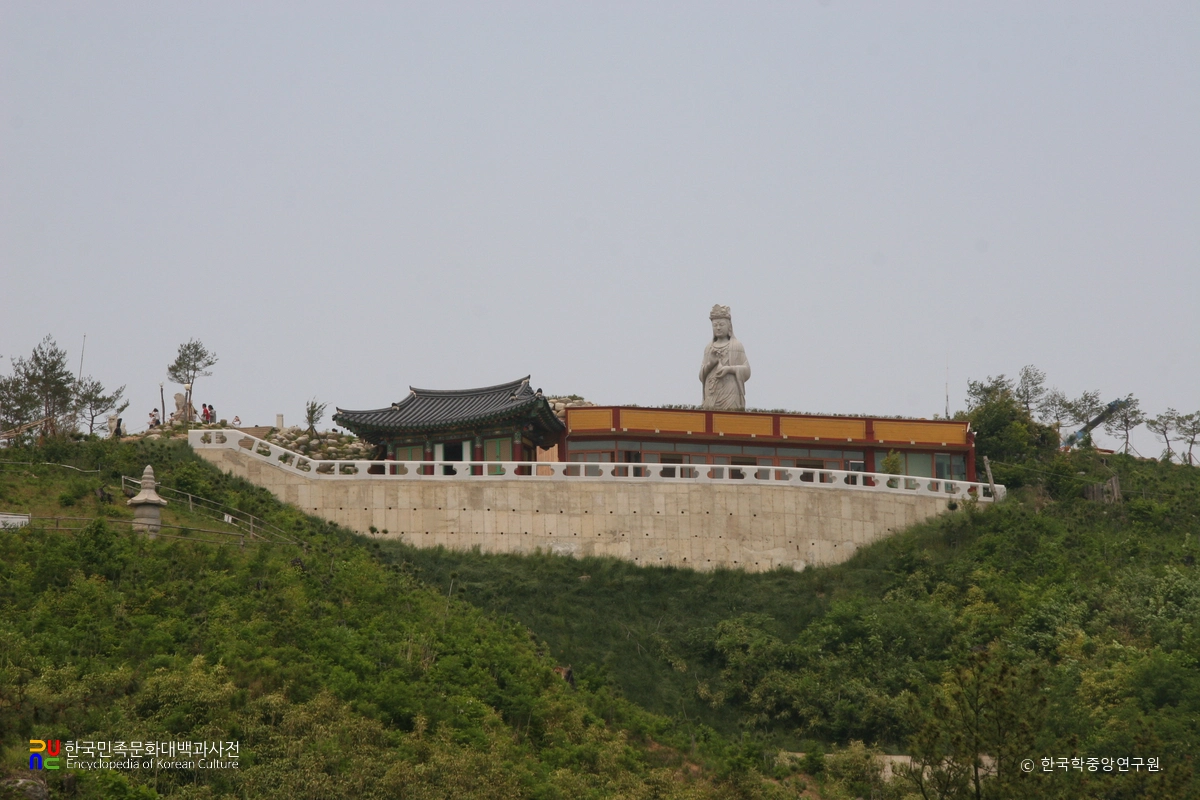
The Haesugwaneum Statue is a large standing image of Avalokitesvara Bodhisattva listed as 16 meters high. It stands on a ridge facing the East Sea rather than directly toward the ocean, making it easy to locate from one of the higher points within the temple grounds. A Korea Tourism Organization travel article records that it was created by sculptor Gwon Jeong-hak and completed over six years and six months beginning in 1971.
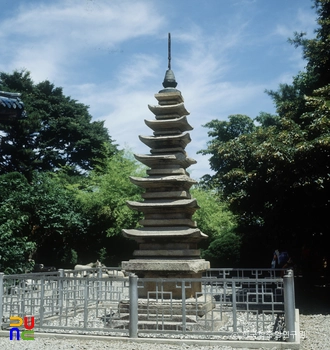
The path from the Haesugwaneum Statue toward Wontongbojeon Hall and the Seven-Story Stone Pagoda is a good section for viewing Naksansa’s Buddhist cultural heritage together. The Seven-Story Stone Pagoda at Naksansa Temple in Yangyang is Treasure No. 499. Rather than simply viewing the East Sea and returning, visitors who observe the pagoda’s tiers and the arrangement of the temple grounds as they walk can better understand why the temple took its present form through repeated expansions and restorations.
Approximately 200 Meters of Coastal Cliff from Uisangdae Pavilion to the Avalokitesvara Cave at Hongryeonam Hermitage
Uisangdae Pavilion is a hexagonal pavilion on the coastal cliff above the descent from Naksansa Temple to the Avalokitesvara Cave at Hongryeonam Hermitage. Yangyang County states that the present pavilion was restored in August 1995, and this area is included among the Ten Scenic Views of Yangyang. Since the distance from Uisangdae Pavilion to Hongryeonam is approximately 200 meters, visitors approaching the end of the visiting hours should make this section a priority.
Hongryeonam Hermitage is connected to the founding legend that Master Uisang saw Avalokitesvara Bodhisattva inside a red lotus. It is known that, in the Avalokitesvara Cave inside the main prayer hall, the sound of waves can be heard through a small opening facing the sea. However, the narrow cliffside route and stairs make it difficult to travel the entire section by wheelchair or stroller. Yangyang County’s tourism guide lists wheelchair rental among the available facilities for visitors with disabilities.
Choosing Bus Routes 9 and 9-1 to Reach Naksansa from Sokcho and Yangyang
By public transportation, many visitors take city bus No. 9 or 9-1 from the direction of Sokcho Express Bus Terminal and get off at the Naksansa stop. Although travel time varies depending on traffic, the journey from Sokcho Express Bus Terminal to the Naksansa stop is generally described as taking about 30 minutes, followed by a walk from the stop to the entrance.
By car, visitors can approach via the Yangyang Interchange on the Seoul–Yangyang Expressway and use the paid parking lot at the temple entrance. Arriving early in the morning makes it easier to avoid backlighting and crowded routes at the Haesugwaneum Statue and Uisangdae Pavilion. Those wishing to see the sunrise should check seasonal access hours and weather conditions with Naksansa by telephone in advance. Since visitor information states that pets are restricted, travelers accompanied by pets should confirm the policy again before departure.
A Two-Hour Visit Combining the 2001 Uisang Memorial Hall Exhibition and the Fire Materials Exhibition Hall
The Uisang Memorial Hall began construction in 2000 and was completed in 2001 to honor the achievements of Master Uisang, the founder of Naksansa Temple. Its displays include a portrait of Master Uisang, eight panels of Buddhist paintings depicting his life, and ten folding screens containing the Diagram of the Dharma Realm of the One Vehicle of Huayan and the Prayer for the Establishment of the White Lotus Buddhist Sanctuary. These exhibits supplement the Huayan Buddhist thought and founding background that cannot be fully understood from the legends of Uisangdae Pavilion and Hongryeonam Hermitage alone.
There is an exhibition space related to Uisang approximately 200 meters from Uisangdae Pavilion, and another exhibition space covering materials related to the Naksansa fire is located approximately 40 meters toward the exit from Hongyemun Gate. A visit focused only on photography and views of the East Sea can be completed in about an hour, but visitors including both exhibitions and Hongryeonam Hermitage should allow at least two hours.
Six Things First-Time Foreign Visitors Often Miss at Naksansa
Naksansa is a temple close to the sea, but it is not easy to navigate like a flat museum. Slopes and stairs continue beyond Hongyemun Gate, and the Uisangdae–Hongryeonam section follows the edge of a cliff, so nonslip walking shoes are suitable. Wheelchair rental information is available, but this does not mean that the entire coastal cliff section is barrier-free. Visitors traveling with companions should first ask at the entrance which sections are accessible.
Tourism inquiries in English, Japanese, and Chinese can be made through the tourism information telephone number 1330, and the Temple Stay inquiry number is 033-672-2417. Naksansa also operates Temple Stay programs, so those considering an overnight experience should check the official website’s reservation information before relying on same-day decisions at the site. Visiting information and fees may change, so it is especially advisable to reconfirm details at 033-672-2447~8 before visiting for sunrise or during the peak season.
Before You Go
- Address
- 100 Naksansa-ro, Ganghyeon-myeon, Yangyang-gun, Gangwon Special Self-Governing Province
- Hours
- Admission 06:00–17:30; exit by 18:30
- Closed
- Open year-round
- Admission
- Adults 4,000 won / Teenagers 1,500 won / Children 1,000 won
- Phone
- 033-672-2447~8
- Official site
- https://www.naksansa.or.kr
- Transport
- Take bus No. 9 or 9-1 from the direction of Sokcho Express Bus Terminal, get off at the Naksansa stop; approximately 30 minutes
- Parking
- Paid parking available: passenger cars 4,000 won; buses 6,000 won
- Time needed
- Core temple grounds: 1.5–2 hours; at least 2 hours including exhibitions
- Accessibility
- Yangyang County’s tourism guide states that wheelchair rental is available. However, the coastal cliff section from Uisangdae Pavilion to Hongryeonam Hermitage includes stairs and slopes, making wheelchair and stroller access difficult along the entire route. Foreign-language tourism information is available through 1330.
The information above is current as of the time of writing. Please check the official information again before visiting.

Places
Nearby Attractions 5
-
 1
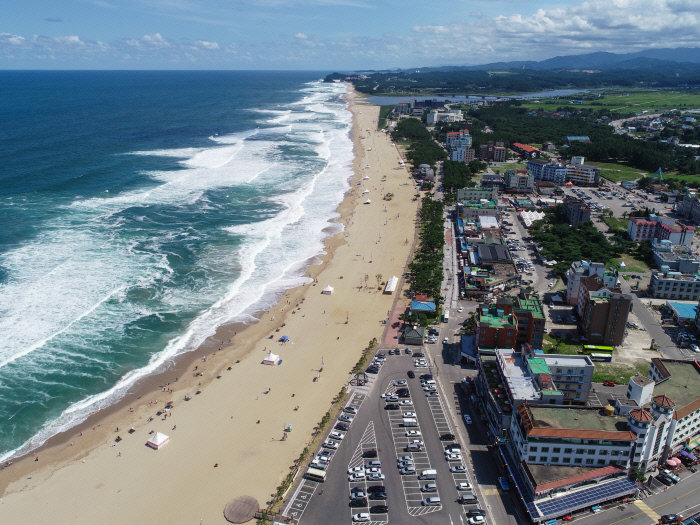
Naksan BeachA beach where you can stroll along the white sandy shore and enjoy swimming and marine leisure activities.
1
Naksan BeachA beach where you can stroll along the white sandy shore and enjoy swimming and marine leisure activities. -
 2
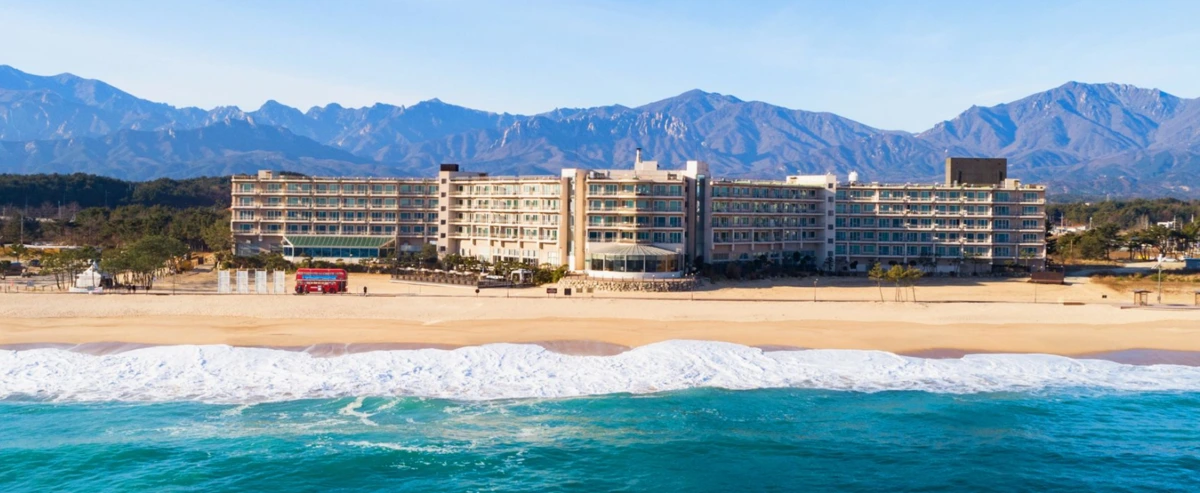
Seorak BeachA place to watch the sunrise over the East Sea, take a stroll along the beach, and enjoy surfing.
2
Seorak BeachA place to watch the sunrise over the East Sea, take a stroll along the beach, and enjoy surfing. -
 3
3
-
 4
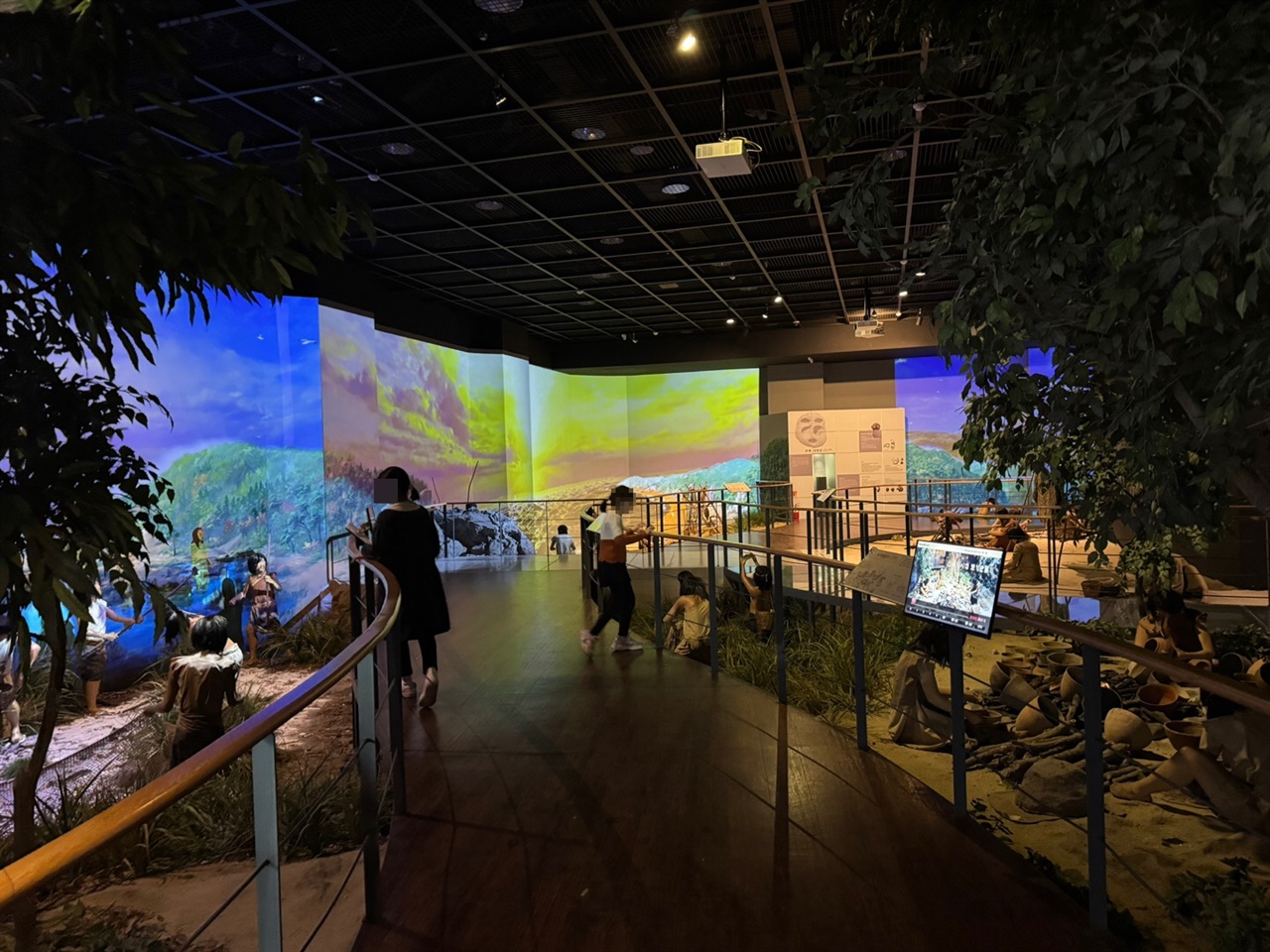
Osan-ri Prehistoric Site MuseumA museum where visitors can explore Neolithic artifacts, pit-house remains, and the Ssangho Trail.
4
Osan-ri Prehistoric Site MuseumA museum where visitors can explore Neolithic artifacts, pit-house remains, and the Ssangho Trail. -
 5
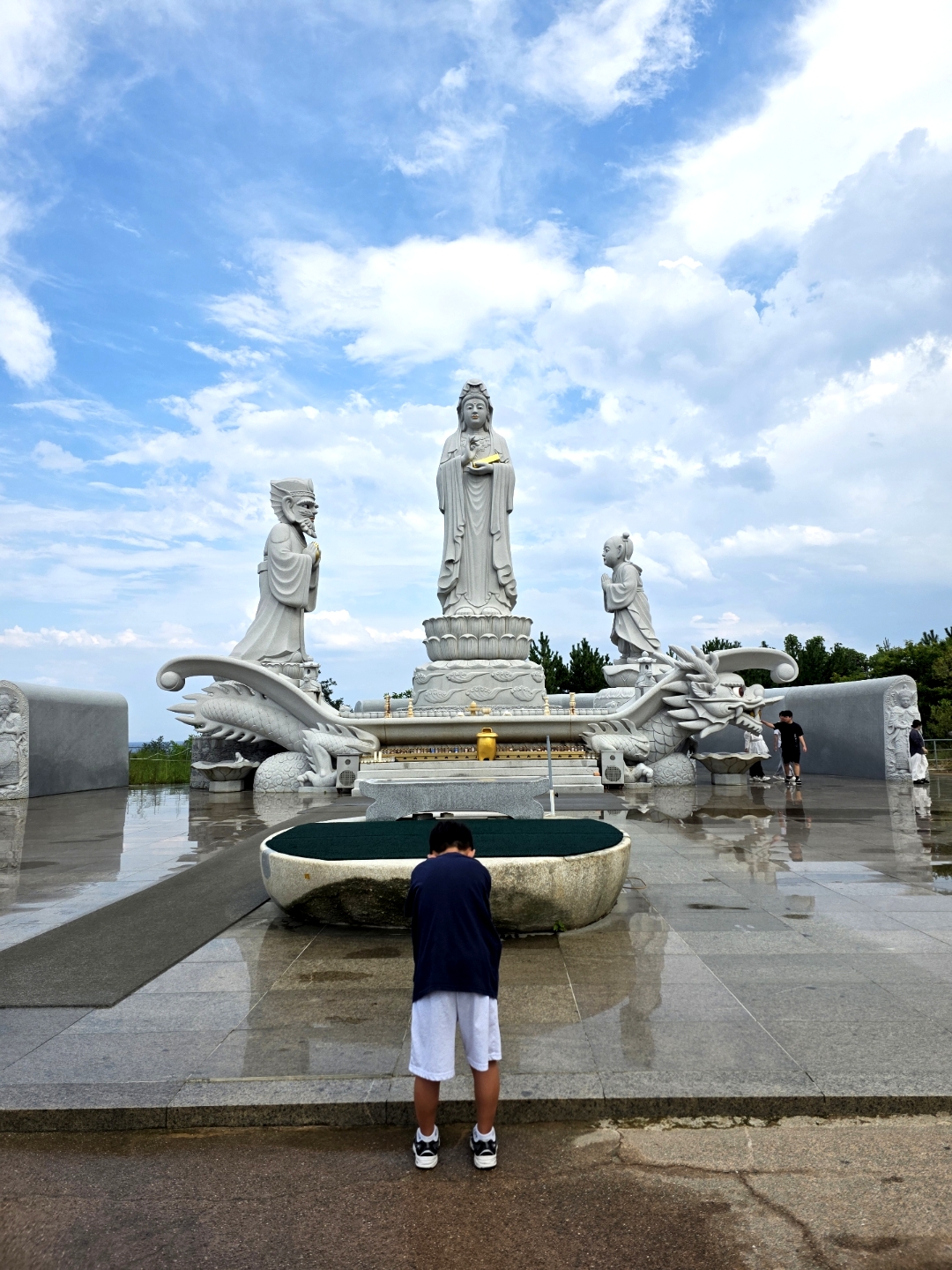
Hyuhyuam HermitageA place where you can tour the temple while admiring the coastal rock formations and the sea.
5
Hyuhyuam HermitageA place where you can tour the temple while admiring the coastal rock formations and the sea.
Food & Dining 1
-
 6
6
Events in This Area



Festivals in This Area

![Gyecchon [休] Book & Music Festival](https://kotourlive-images.s3.ap-northeast-1.amazonaws.com/festivals/1785034475211_b0405b05_ecc6a367-4861-4f67-91c1-fd73c11e0052_4.jpg)
More Travel Guides in This Area
 Travel Guide
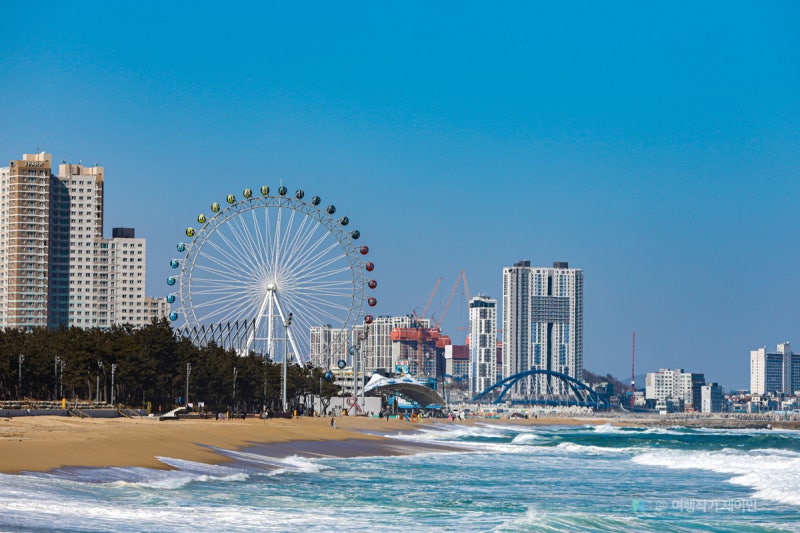
Sokcho Beach, Where the 940m White Sand Beach Meets the 'Sea of Light'
 Travel Guide
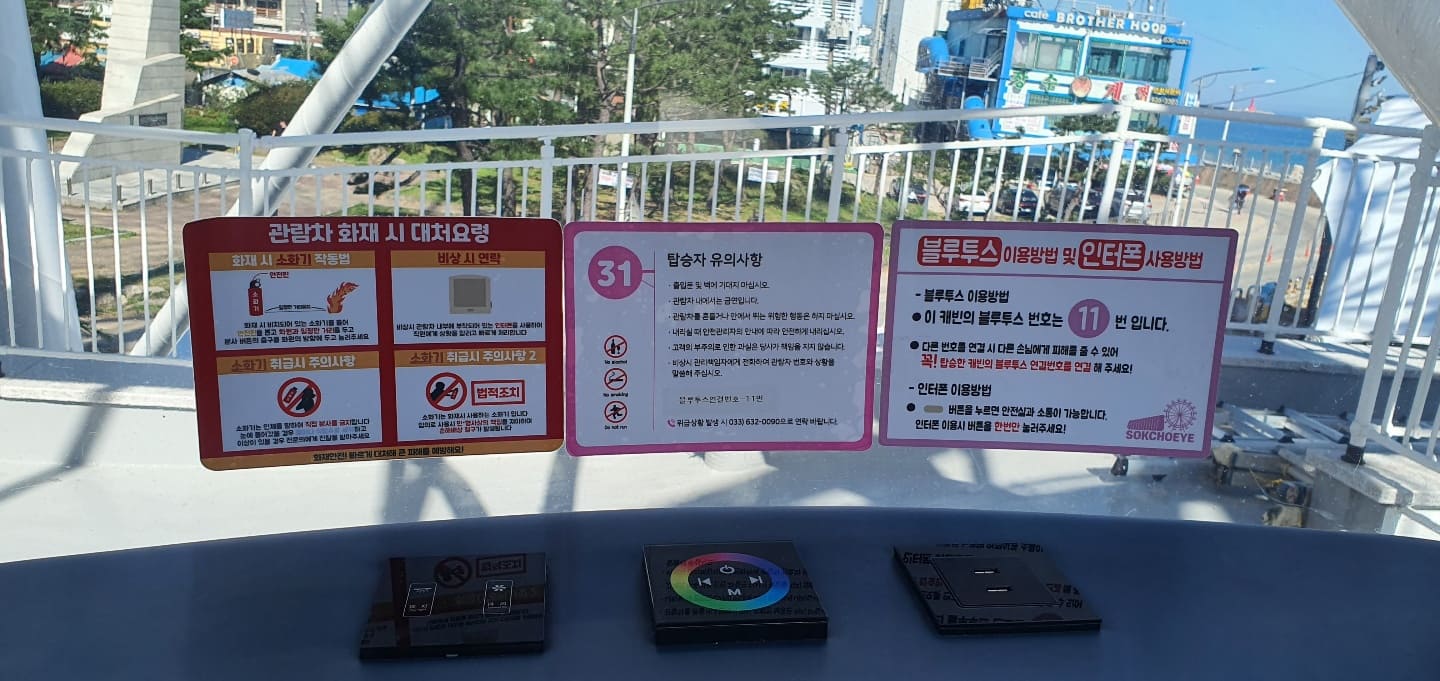
How to See the Sea and Seoraksan Together from the Sokcho Eye Ferris Wheel
 Travel Guide
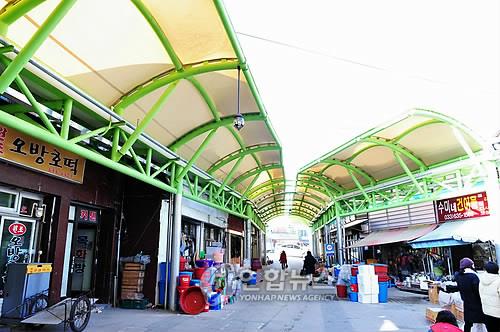
From a Refugee Market in 1953 to a Car-Free Street in 2026: How to Read Sokcho Tourist & Fishery Market
 Travel Guide
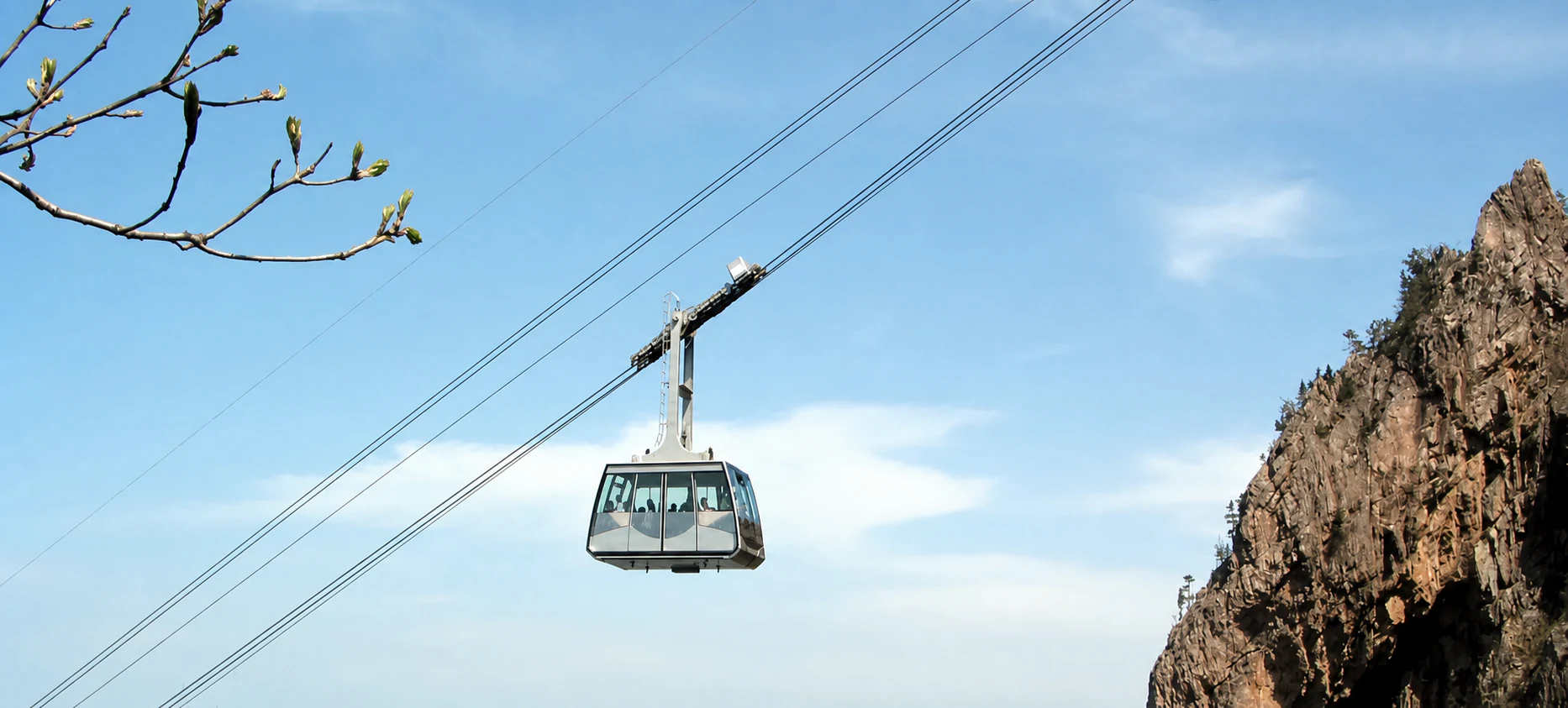
Sokcho Seoraksan Cable Car to Gwongeumseong at 699 m Above Sea Level
Korea News
 News
News
‘NewJeans Expulsion’ Danielle Releases Her First YouTube Video… “We Don’t Know What Will Happen Next”
![aespa’s North American Tour Has Remaining Seats Despite ‘$49’ Bargain Prices… A Stark Popularity Gap with KATSEYE [TEN Starfield]](https://kotourlive-images.s3.ap-northeast-1.amazonaws.com/news/1788485037424_a59b1932_naver_rank_thumb_0000774618_1788485037424.jpg) News
News
aespa’s North American Tour Has Remaining Seats Despite ‘$49’ Bargain Prices… A Stark Popularity Gap with KATSEYE [TEN Starfield]
![[Photo] TWICE’s Dahyun attends a film festival red carpet as an actress](https://kotourlive-images.s3.ap-northeast-1.amazonaws.com/news/1788485316508_edd43ecd_news_870a60a6-6f11-4d73-aa7c-48d91318a0f7.jpg) News
News
[Photo] TWICE’s Dahyun attends a film festival red carpet as an actress
![[On-Site Video] “We’re Departing Separately Together”… BIGBANG Begins ‘COSMOS’ World Tour](https://kotourlive-images.s3.ap-northeast-1.amazonaws.com/news/1788485226518_c5719641_news_fdd4764a-0f4e-4968-8e4e-e98a02872f88.jpg) News
News