Song Jung-gil’s Detached Residence and the Three Ponds of Dongchundang Park
Dongchundang Park is a 55,579㎡ historical park in Songchon-dong, Daedeok-gu, Daejeon. It includes Treasure No. 209, Dongchundang, as well as the Dongchundang Head House and the traditional residences of Sodaeheon and Hoyeonjae. It is best to plan time separately for strolling through the park and visiting the historic residences, and to note in advance that access to some areas is restricted.

I’ve been here?
Your check-in helps the next traveler.
17 people viewed this week Be the first
One tap — no writing needed
What is gathered inside the 55,579㎡ historic park
Dongchundang Park is a historic park in Songchon-dong, Daedeok-gu, Daejeon Metropolitan City. The park covers 55,579㎡ and was officially designated on December 8, 1993. It is managed by the Daedeok-gu Office of Daejeon Metropolitan City.
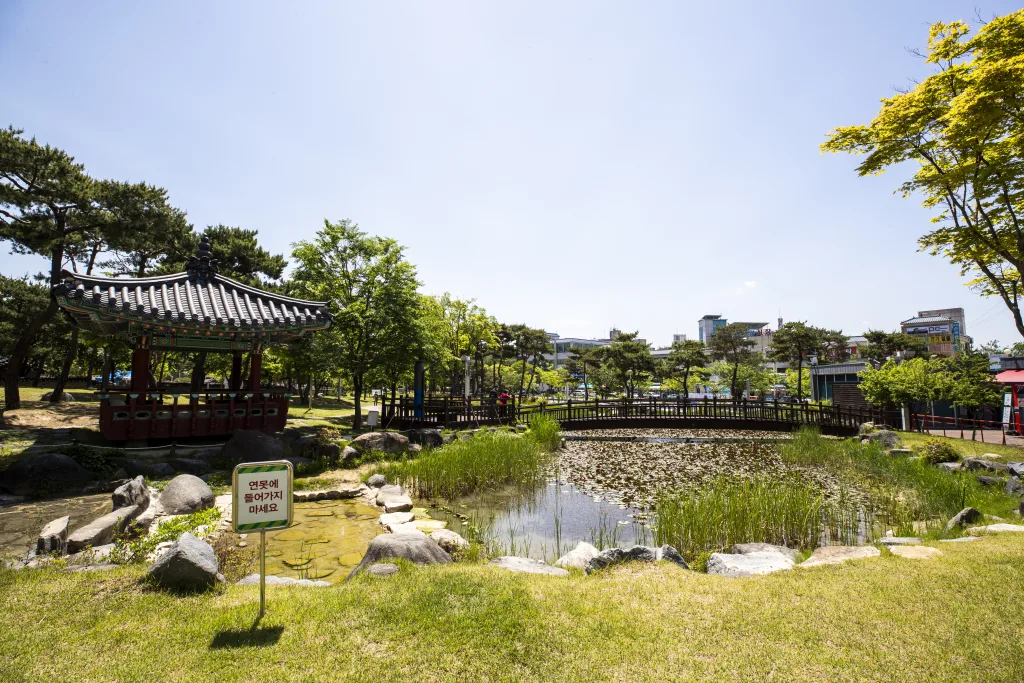
The park contains Dongchundang, the Dongchundang Head House, the Sodaeheon and Hoyeonjae Historic Houses, the Daejeon Intangible Cultural Heritage Transmission Education Center, and the Songchon Small Library. It also has three ponds, a folk swing, an octagonal pavilion, walking paths, gardens, benches, and drinking fountains. Exercise facilities, a multipurpose plaza, restrooms, a parking lot, and a management office are also listed among the park facilities.
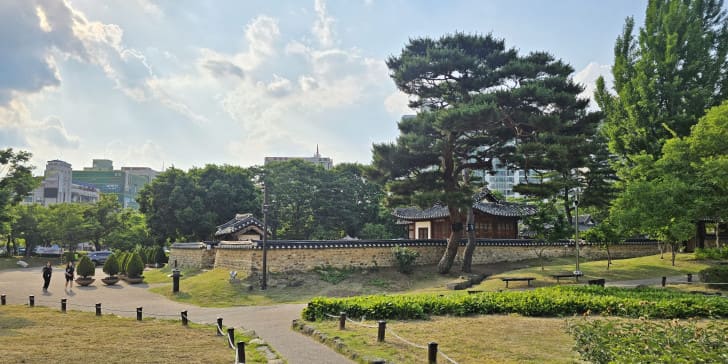
How Song Jun-gil’s six-bay detached hall became today’s Dongchundang
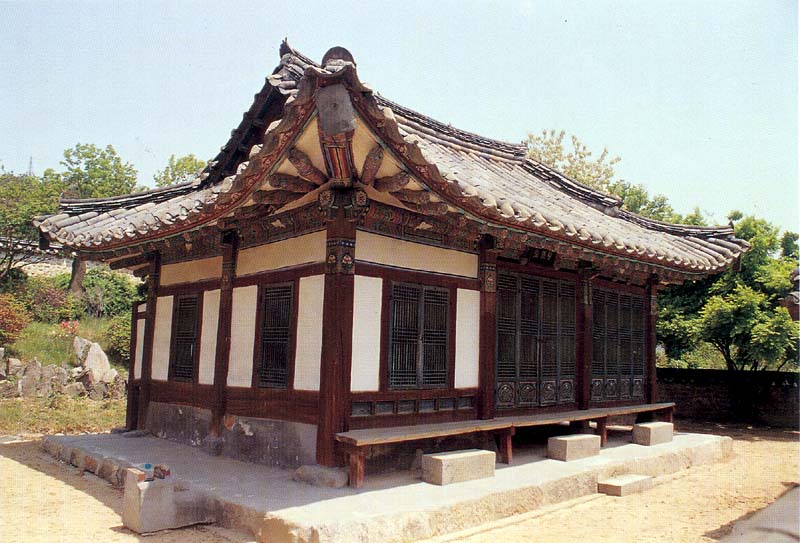
Dongchundang was the detached hall of Song Jun-gil (1606–1672), who served as Chief Royal Secretary, Minister of Personnel, and Minister of War during the reign of King Hyojong of Joseon. “Dongchun” means “always like spring,” and the calligraphic plaque was written by Uam Song Si-yeol in 1678, the fourth year of King Sukjong’s reign, six years after Song Jun-gil’s death.
The building is a type of detached-hall architecture from the Joseon period, with three bays at the front and two bays at the sides. Of its six bays, the four on the right are a wooden-floored hall, while the two on the left are ondol rooms. Narrow wooden verandas run along the front, sides, and rear of the hall. During roof repairs in 2012–2013, records were found noting the raising of the roof frame in 1617, relocation in 1649, and another roof-frame raising during major repairs in 1709, revealing the building’s changes over time.
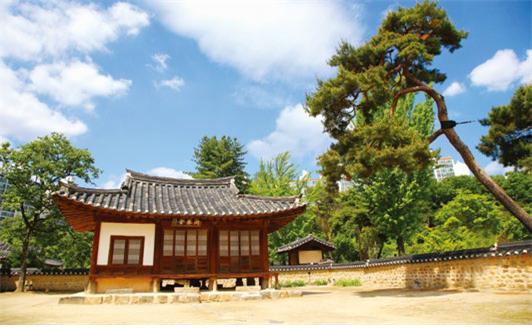
A structure easy to overlook in front of Treasure No. 209
Dongchundang is a cultural heritage property designated as Treasure No. 209. The lifting doors at the front and rear of the wooden-floored hall can all be raised, reducing the distinction between the interior and exterior. The doors between the hall and the ondol rooms can also be lifted open.
Another distinctive feature is the absence of a separate chimney. Smoke holes were made beneath the ondol room on the left at the same height as the foundation stones. Rather than viewing this as a large palace building, it is best understood as a detached hall designed so that the wooden-floored hall and ondol rooms could be used as one space when needed.
What you can actually enter at 80 Dongchundang-ro
Dongchundang’s address is 80 Dongchundang-ro, Daedeok-gu, Daejeon Metropolitan City, and its hours are 10:00–17:00. Admission is free, and the tourist information page lists 042-608-6574 as the contact number. The official information page is Dongchundang’s page on the official Daejeon tourism website.
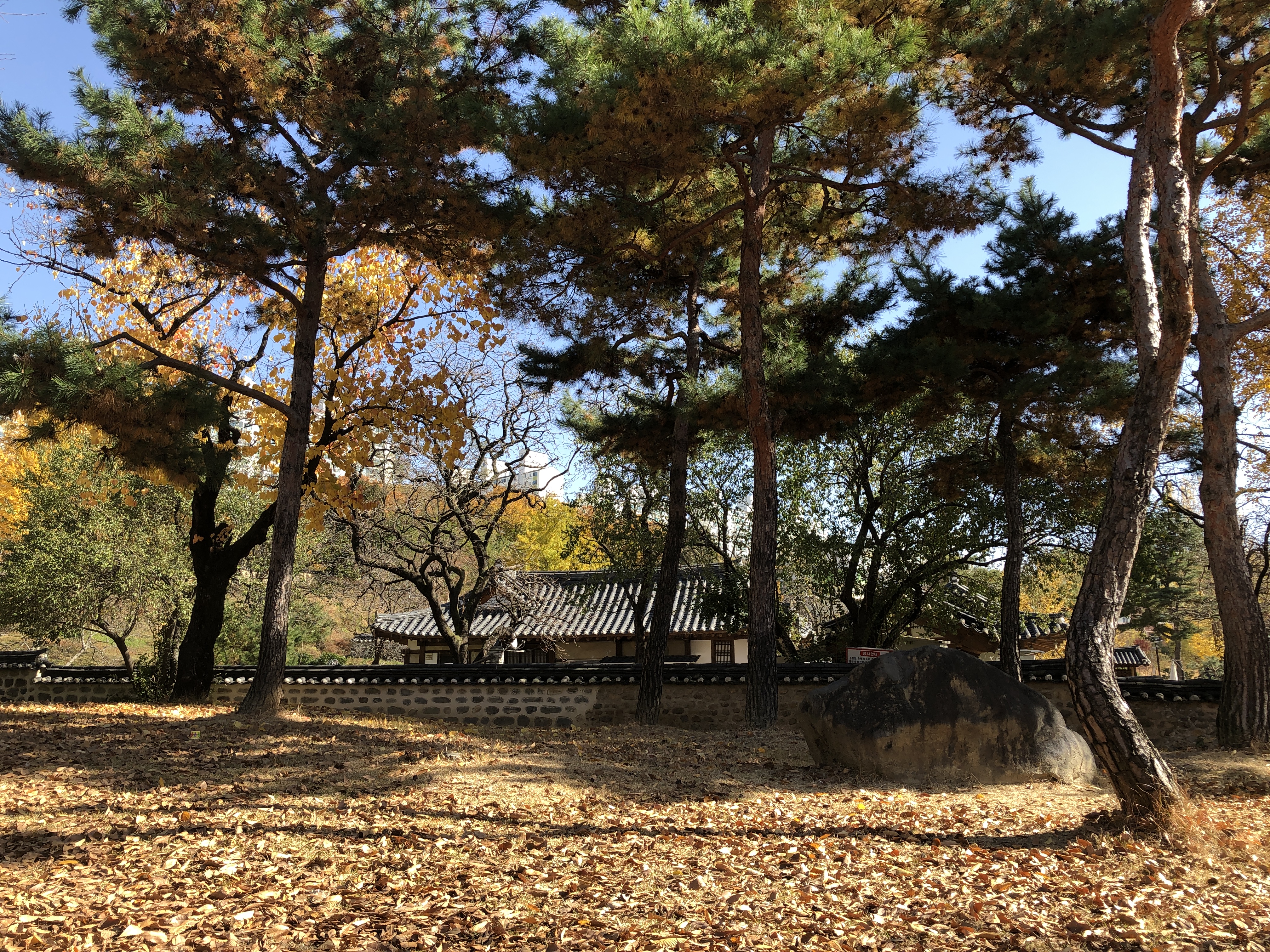
The Dongchundang Head House is the residential area of the Eunjin Song clan’s head family, including the women’s quarters, men’s quarters, and ancestral shrine, but public access is restricted except on special days. The Dongchundang detached hall can instead be viewed over the low wall, so it should not be considered a place where visitors can freely enter the head house’s interior.
Starting from Daejeon Station with a 15–20-minute drive
Dongchundang Park is about a 15–20-minute drive from Daejeon Station. For travelers visiting Daejeon for the first time, the simplest approach is to use Daejeon Station as the departure point and enter Dongchundang Park or 90 Dongchundang-ro into a taxi or vehicle navigation system.
The urban park data lists the park address as 90 Dongchundang-ro, Songchon-dong, Daedeok-gu, Daejeon Metropolitan City, with the lot number address 463 Songchon-dong, Daedeok-gu, Daejeon Metropolitan City. The park is listed as having a parking lot, but the available number of spaces and parking fees could not be confirmed in publicly available materials. Since Dongchundang’s own address, 80 Dongchundang-ro, differs from the park address, 90 Dongchundang-ro, enter the appropriate address according to your destination.
09:00–18:00: Sodaeheon, Hoyeonjae, and the Intangible Heritage Transmission Education Center
The Sodaeheon and Hoyeonjae Historic Houses are located at 70 Dongchundang-ro, Daedeok-gu. They are open daily from 09:00 to 18:00 and closed on the day of major holidays. Sodaeheon is the name of the large men’s quarters where Song Yo-hwa (1682–1764) lived, while Hoyeonjae was the literary name of his wife, Kim Ho-yeon-jae of the Andong Kim clan (1681–1722).
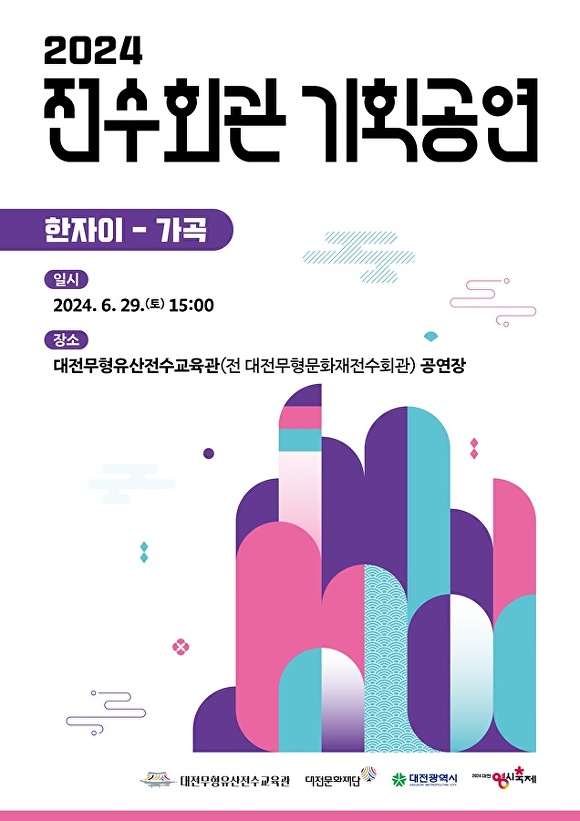
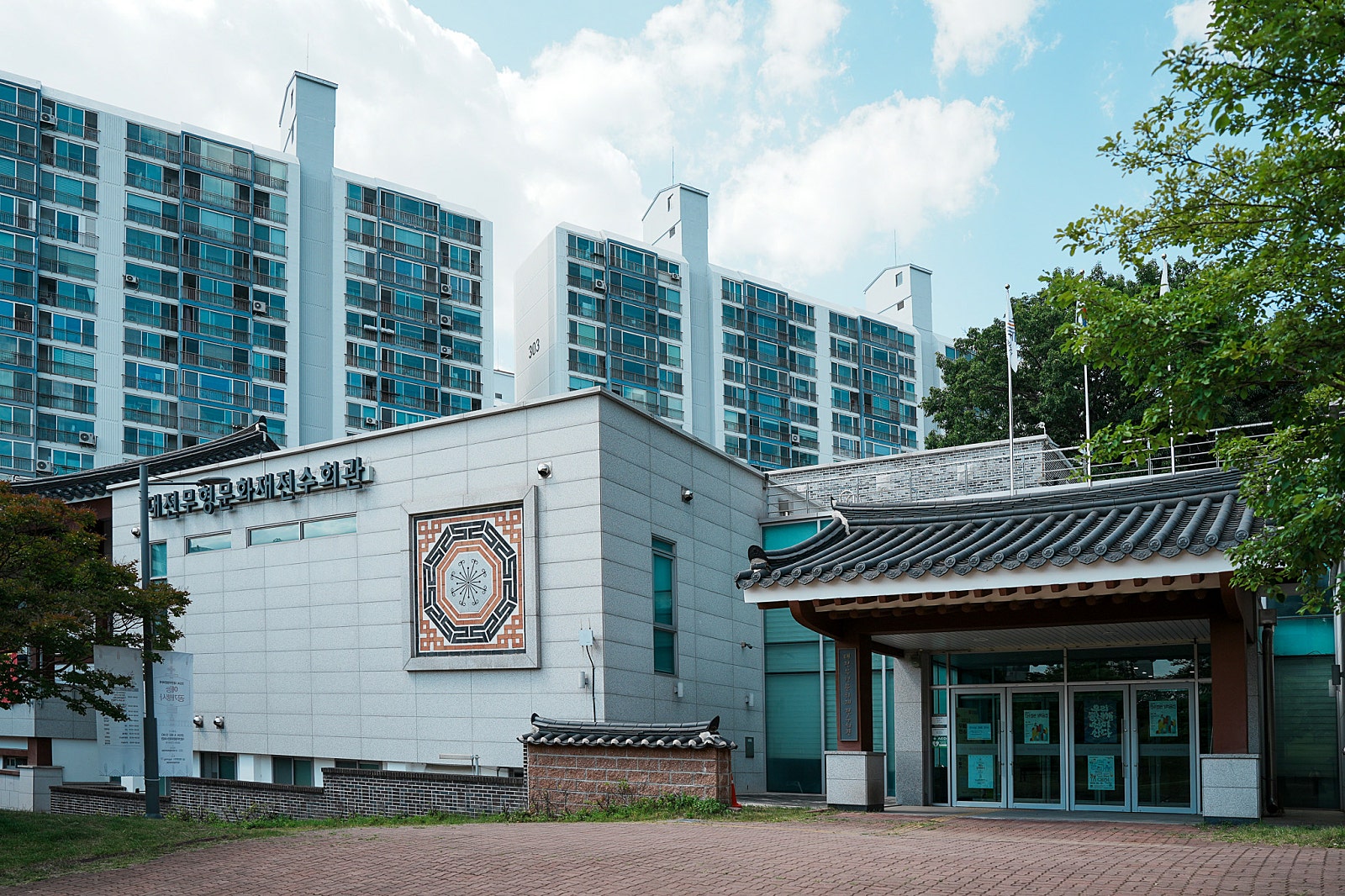
This historic residence is an example of a layout with large and small men’s quarters arranged side by side; the small men’s quarters are called Osukjae. The Daejeon Intangible Cultural Heritage Transmission Education Center is located at 50 Dongchundang-ro 94beon-gil, Daedeok-gu. It operates from 09:00 to 18:00, has a break from 12:00 to 13:00, and is closed on Mondays. It includes a performance hall, permanent exhibition hall, and transmission education rooms. The permanent exhibition introduces Seated shamanic ritual, Upper Gyeongsang farmers’ percussion ensemble music, Deulmal Dure Sori, Daejeon Hyangje Julpungnyu, pansori, and gagok; the lobby has practice zones for drums and janggu as well as a photo zone.
Commentary available with two days’ advance booking and the October cultural festival
The cultural tourism interpreter program can be reserved two days in advance, and the waiting location for the commentary is the Dongchundang Park management office. The recommended time required to tour the entire park and whether English information or an audio guide is available could not be confirmed in public materials. If you plan to use the commentary service, arrange the reservation and waiting location separately.
The Dongchundang Cultural Festival has been held in October since 2011, together with a residents’ festival. Events include the Dongchundang Confucian Studies Academic Seminar, an ancestral memorial rite, a calligraphy contest, a classical Chinese poetry competition, tuho, and swing riding. Kim Ho-yeon-jae is introduced as a representative female poet of late Joseon who left 134 classical Chinese poems. Visiting the historic houses and festival together can help connect the site’s Confucian culture with its literary context.
Who Dongchundang Park suits—and who it may not
It suits travelers who want to visit a free historic park, see its three ponds and walking paths, and explore Dongchundang, the historic houses, and the Intangible Cultural Heritage Transmission Education Center separately. The park has restrooms, a parking lot, benches, and drinking fountains, while nearby restaurants and bakeries make it possible to plan a route before or after sightseeing.
On the other hand, it may not suit travelers who want to freely explore the head house’s interior or who need transportation information specifying fixed public transit routes, stops, and walking times. Public materials also did not confirm the park-wide closing days, seasonal hours, photography restrictions, cash-only policies, or specific accessibility provisions for wheelchairs and strollers.
Before You Go
- Address
- 80 Dongchundang-ro, Daedeok-gu, Daejeon Metropolitan City
- Hours
- Dongchundang: 10:00–17:00
- Closed
- None
- Admission
- Free
- Phone
- 042-608-6574
- Official site
- https://daejeontour.co.kr/sights_djt/4
- Transport
- 15–20 minutes by car from Daejeon Station
- Parking
- Listed as having a parking lot, but the number of spaces and fees could not be confirmed
- Accessibility
- Public access to the Dongchundang Head House is restricted except on special days; the Dongchundang detached hall can be viewed over the low wall
The information above was current at the time of writing. Check the official information again before visiting.

Places
Nearby Attractions 2
-
 1
Daejeon Intangible Heritage Training CenterA space for Daejeon intangible heritage performances, exhibitions, and transmission training
1
Daejeon Intangible Heritage Training CenterA space for Daejeon intangible heritage performances, exhibitions, and transmission training -
 2
2
Food & Dining 3
-
 3
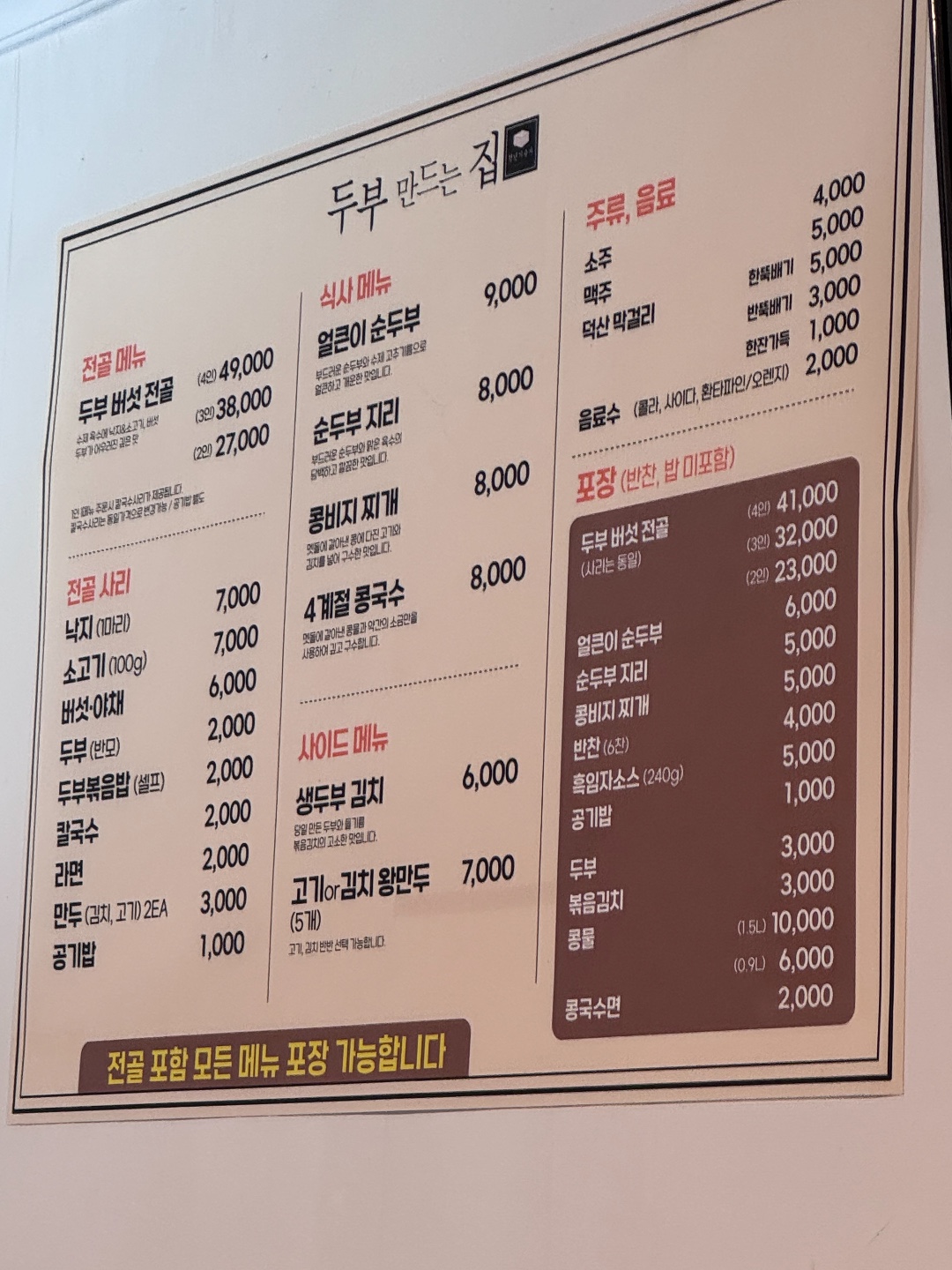
Kongmani Handmade TofuA Korean restaurant serving handmade tofu, tofu hot pot, and cheonggukjang (fermented soybean stew).
3
Kongmani Handmade TofuA Korean restaurant serving handmade tofu, tofu hot pot, and cheonggukjang (fermented soybean stew). -
 4
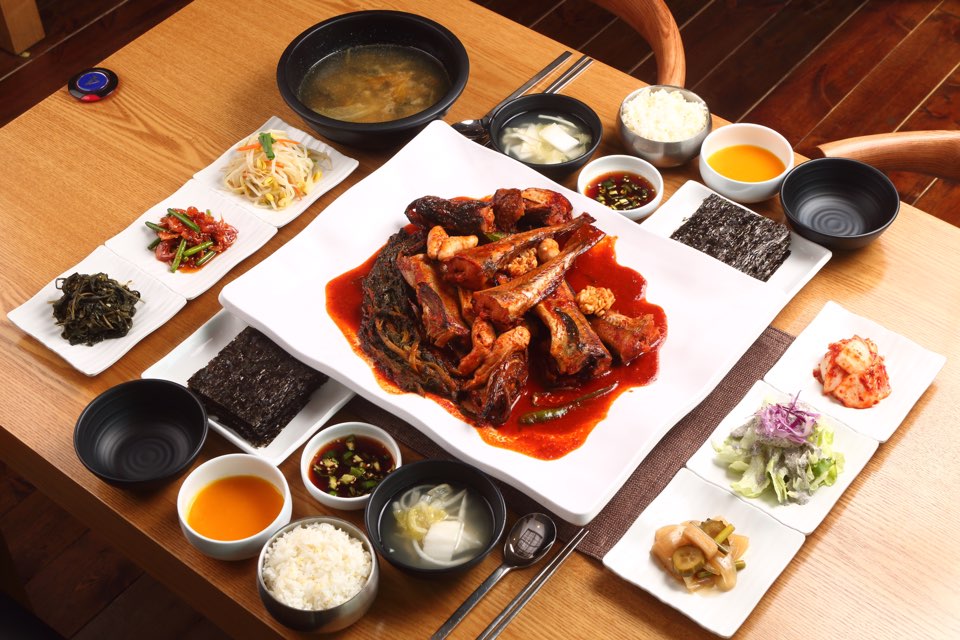
Kodari BapsangA Korean restaurant specializing in braised pollock and braised semi-dried pollock dishes.
4
Kodari BapsangA Korean restaurant specializing in braised pollock and braised semi-dried pollock dishes. -
 5
5
Events in This Area
Festivals in This Area
More Travel Guides in This Area
 Travel Guide
Discovering 25 Intangible Cultural Heritages of Daejeon at the Daejeon Intangible Cultural Heritage Transmission Center
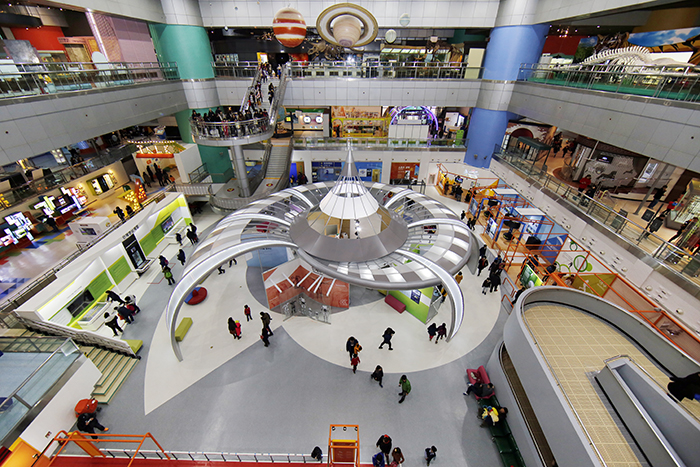 Travel Guide
Natural Monument Center, Where You Can Encounter Dinosaur Footprints and a Mammoth Skeleton
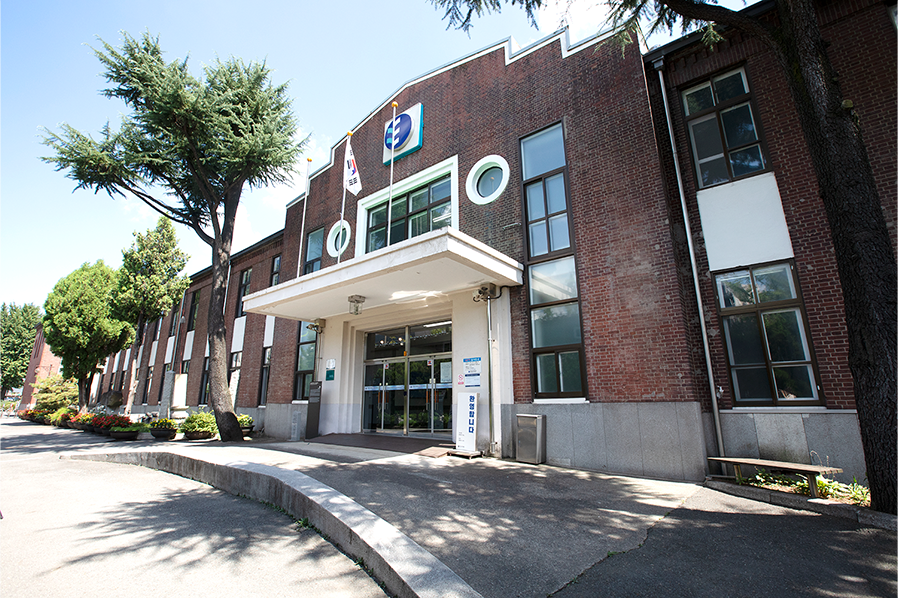 Travel Guide
Discover Daejeon’s School History in a 1938 School Building: Hanbat Education Museum
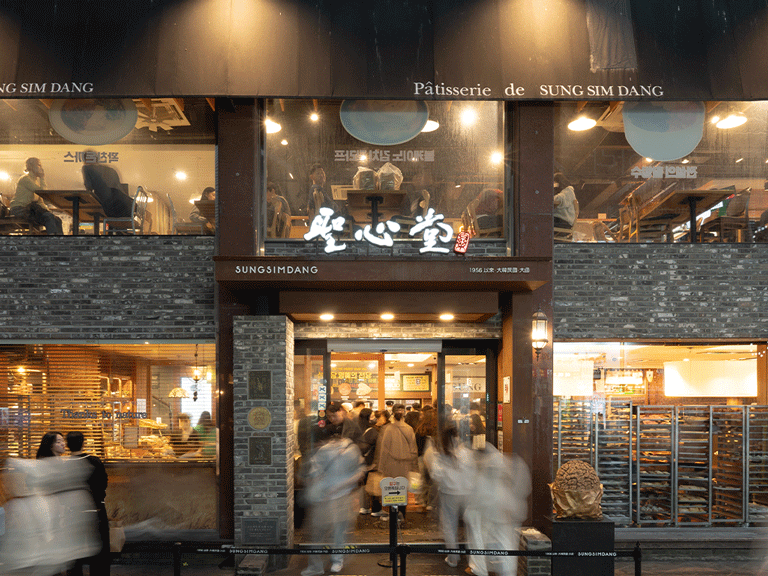 Travel Guide
Sungsimdang DCC Branch on the First Floor of the Daejeon Convention Center
Korea News
 News
News
‘NewJeans Expulsion’ Danielle Releases Her First YouTube Video… “We Don’t Know What Will Happen Next”
![aespa’s North American Tour Has Remaining Seats Despite ‘$49’ Bargain Prices… A Stark Popularity Gap with KATSEYE [TEN Starfield]](https://kotourlive-images.s3.ap-northeast-1.amazonaws.com/news/1788485037424_a59b1932_naver_rank_thumb_0000774618_1788485037424.jpg) News
News
aespa’s North American Tour Has Remaining Seats Despite ‘$49’ Bargain Prices… A Stark Popularity Gap with KATSEYE [TEN Starfield]
![[Photo] TWICE’s Dahyun attends a film festival red carpet as an actress](https://kotourlive-images.s3.ap-northeast-1.amazonaws.com/news/1788485316508_edd43ecd_news_870a60a6-6f11-4d73-aa7c-48d91318a0f7.jpg) News
News
[Photo] TWICE’s Dahyun attends a film festival red carpet as an actress
![[On-Site Video] “We’re Departing Separately Together”… BIGBANG Begins ‘COSMOS’ World Tour](https://kotourlive-images.s3.ap-northeast-1.amazonaws.com/news/1788485226518_c5719641_news_fdd4764a-0f4e-4968-8e4e-e98a02872f88.jpg) News
News