How to Read the Traces of Confucian Rituals and Joseon Education at Daegu Hyanggyo
Daegu Hyanggyo is a local educational institution founded in 1398. After the Japanese invasions of Korea in 1592 and several relocations and reconstructions, it settled at its current location in 1932. Admission is free, but access to each building and guided-tour operations may vary on site, so first-time visitors are advised to call ahead to confirm the opening hours and visitor route.

I’ve been here?
Your check-in helps the next traveler.
16 people viewed this week Be the first
One tap — no writing needed
From the Founding in Gyodong in 1398 to 112 Myeongnyun-ro in 1932
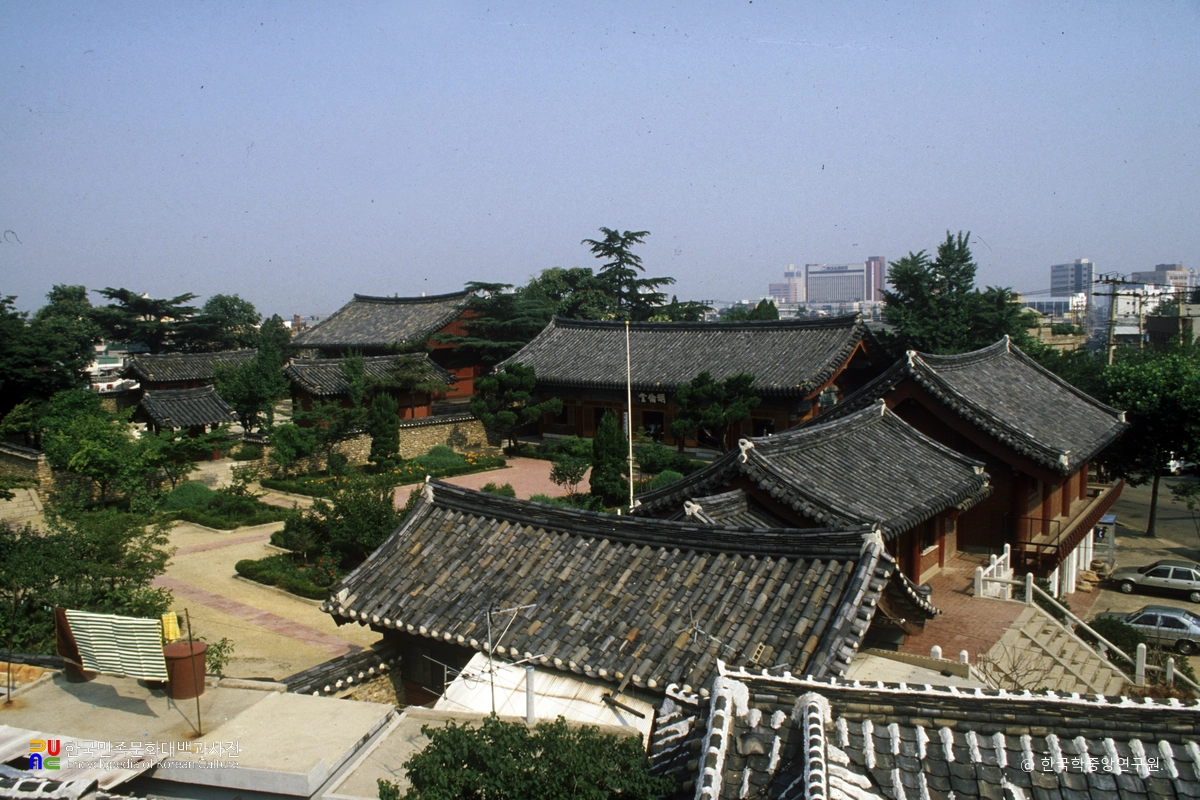
Daegu Hyanggyo was established in Gyodong, Jung-gu, Daegu, in 1398, the seventh year of King Taejo’s reign in the Joseon Dynasty, to enshrine the spirit tablets of revered sages and educate and guide local residents. After being destroyed during the Imjin War, it was relocated and rebuilt at the site of Dalseong Park in 1599, then returned to Gyodong in 1605.
The main buildings came to stand at the current address, 112 Myeongnyun-ro, Jung-gu, Daegu (Namsan-dong), in 1932. At that time, Daeseongjeon, Dongmu, Seomu, and Myeongnyundang were relocated to their present site. This was followed by the reconstruction of Myeongnyundang, Oesammun, and the office in 1974; the restoration of Dongjae, Seojae, and Nakyukjae in 1990; and the construction of the Yurim Hall in 1995.
Whose Spirit Tablets Are Enshrined Inside Daeseongjeon?
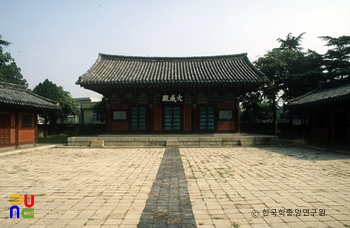
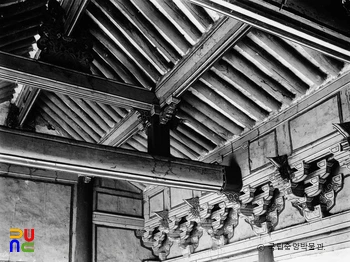
Daeseongjeon was designated Daegu Metropolitan City Cultural Heritage Materials No. 1 on March 4, 1982. The building is a single-story tiled structure with three bays across the front and three bays along the side, featuring a dapo-style structure in which bracket clusters are assembled above and between the pillars.
At the central altar of Daeseongjeon, Confucius is enshrined, while the Four Sages of China—Yan Hui, Zengzi, Zisi, and Mencius—are honored alongside him. The east and west halls enshrine the spirit tablets of two sages from the Song dynasty, two from Silla, two from Goryeo, and fourteen from Joseon. On the first and fifteenth days of each lunar month, Confucian scholars hold incense-offering rites at Daeseongjeon, so visitors should observe quietly while ceremonies are in progress.
How Myeongnyundang, Dongjae, and Seojae Illustrate Local Education
Myeongnyundang was a lecture space where Daegu’s Confucian scholars discussed learning and moral principles and cultivated local talent. Because the building had deteriorated, it was rebuilt in 1974 with a concrete tiled-roof structure, so it is useful to distinguish the educational function of the Joseon era from the traces of its modern reconstruction.
Dongjae and Seojae were dormitories for students attached to Myeongnyundang, and the current buildings were constructed in 1990 together with Nakyukjae. Nakyukjae was a government-run library established in Daegu in 1721. It selected and educated outstanding students from across Gyeongsang Province and provided scholarships. The official facility guide for the hyanggyo lists Daeseongjeon, Dongmu, Seomu, Naesammun, Dongsomun, Myeongnyundang, Dongjae, Seojae, Yangsajae, Nakyukjae, Yurim Hall, and Oesammun.
What Yangsajae, Founded in 1766, and Nakyukjae, Founded in 1721, Do Today
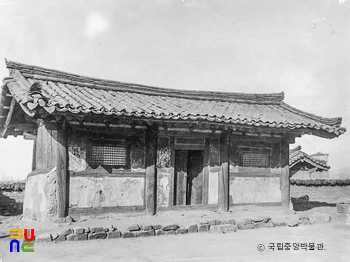
Yangsajae was an educational space established in 1766, during the reign of King Yeongjo of Joseon, by magistrate Kim No. The current building was restored on December 28, 1991, and rebuilt with an upper floor of 32 pyeong and a lower floor of 46 pyeong.
The lower floor of Yangsajae is used by the Daegu Hyanggyo Calligraphy Institute, while the upper floor is used as an educational center by the Women’s Confucian Association. Nakyukjae was rebuilt within Daegu Hyanggyo on October 7, 1990. The Yurim Hall, including one underground floor, two above-ground floors, and an underground parking area, has a total floor area of 687 pyeong; it was completed on September 30, 1995, and opened on October 19 of the same year. Therefore, visitors should not assume that every building is equally open to general tourists.
Free Admission from 09:00 to 19:00, but Check Which Interiors Are Open
According to Daegu tourism information, visiting hours are 09:00–19:00, it is open year-round, and admission is free. The recommended visit duration is approximately one hour. The official Daegu Hyanggyo website is http://www.daeguhyanggyo.org, and the main telephone number is 053-422-8700. Since the official information does not specify access by building, glass-wall or restricted-access areas, or whether photography is prohibited, it is best not to assume that visitors can immediately enter Daeseongjeon or the educational spaces.
A cultural tourism interpreter is listed as being available at the hyanggyo office, and Korean- and foreign-language information services are described in the same manner. However, publicly available information does not confirm whether an English audio guide is offered or whether an interpreter is always present. On days when incense-offering rites are held on the first and fifteenth days of the lunar month, or when spring and autumn Seokjeon ceremonies take place, the way visitors can view the ritual spaces may differ. For foreign visitors, the most practical option is to call 053-422-8700 before setting out and ask about the extent of access.
How to Get There from Banwoldang, Myeongdeok, and Geondeulbawi Stations
The official Daegu Hyanggyo transportation guide lists Banwoldang Station on subway lines 1 and 2, Myeongdeok Station on lines 1 and 3, and Geondeulbawi Station on line 3 as starting points. Bus routes 401 and 420-2 are also listed. However, the official information does not provide station exit numbers, walking distances or times from the stations to the hyanggyo, or bus stop names, directions, and intervals.
Travelers visiting Daegu for the first time should enter the address “112 Myeongnyun-ro, Jung-gu, Daegu” into a map app at the subway station to check the final walking section. When taking buses 401 or 420-2, do not determine the destination by route number alone; check the direction at the stop before boarding. This is not a tourist attraction requiring a separate ticket from a ticket office, and admission is free, but the general visitor route may change on event days.
The Reality of Parking for 30 Small Cars and Wheelchair Accessibility
Daegu tourism information states that parking is available for 30 small cars and two buses. The basic fee is 1,000 won for 30 minutes, followed by 500 won for every additional 10 minutes after the first 30 minutes; all-day parking costs 5,000 won. Since parking operation and current fees could not be separately confirmed on the official website, visitors arriving by car should first call the main number to check whether parking is available.
Accessibility facilities are listed as “no separate accessibility facilities,” and stroller rental is unavailable. Because the site may include traditional buildings and spaces with thresholds, wheelchair users and visitors with strollers may find it difficult to access all buildings. Although English information services are listed in Daegu tourism materials, no information is provided about stroller rental, step-free routes, or ramps for individual buildings.
When Visiting for Calligraphy, Tea Ceremony, or Bamboo Craft Experiences
Daegu tourism materials list calligraphy, tea ceremony, bamboo craft, and basic etiquette experiences as regularly available free activities, with participation open to elementary-school students and older. The official hyanggyo programs also include Myeongnyun University, the Etiquette University, character-building experience education, and the Filial Piety and Loyalty Class.
Visitors who want to participate should contact the hyanggyo office first rather than simply opening the gate and entering like general visitors. Public information does not state the operating hours, duration, reservation procedures, or whether activities are conducted in English. Traditional rites include the Seokjeon Grand Ceremony, coming-of-age ceremonies, Giroyeon banquets, traditional weddings, Sajik rites, and prayer rites. Since Seokjeon ceremonies are held in spring and autumn, schedules should distinguish between participating in an event and simply sightseeing. The telephone number for traditional weddings is 053-425-3912.
Who Should Make a Phone Call Before Visiting
Daegu Hyanggyo is suitable for people who want to explore both the spirit tablets at Daeseongjeon and the educational function of Myeongnyundang, but it is not a place where every interior can be freely entered like a modern museum. Items not confirmed in the official information include access by building, photography restrictions, whether payment is cash-only, queues, seasonal, rainy-weather, or event-day restrictions, and whether an English audio guide is available.
Plan for a visit of approximately one hour and proceed based on the basic information that it operates from 09:00–19:00, year-round, with free admission. However, quiet viewing takes priority during incense-offering rites and Seokjeon ceremonies. Calling 053-422-8700 before departure to ask whether Daeseongjeon can be entered and whether foreign-language interpretation is available can reduce the possibility of having to turn back on site.
Before You Go
- Address
- 112 Myeongnyun-ro, Jung-gu, Daegu (Namsan-dong)
- Hours
- 09:00–19:00
- Closed
- Open year-round
- Admission
- Free
- Phone
- 053-422-8700
- Official site
- http://www.daeguhyanggyo.org
- Transport
- Subway line 1–2, Banwoldang Station; subway line 1–3, Myeongdeok Station; subway line 3, Geondeulbawi Station. Officially listed bus routes: 401, 420-2
- Parking
- Parking available: 30 small cars and 2 buses. Basic fee: 1,000 won for 30 minutes; 500 won for every additional 10 minutes after 30 minutes; 5,000 won per day
- Time needed
- Approximately 1 hour
- Accessibility
- No separate accessibility facilities; stroller rental unavailable
The information above is current as of the time of writing. Check the official information again before visiting.

Places
Nearby Attractions 3
-
 1
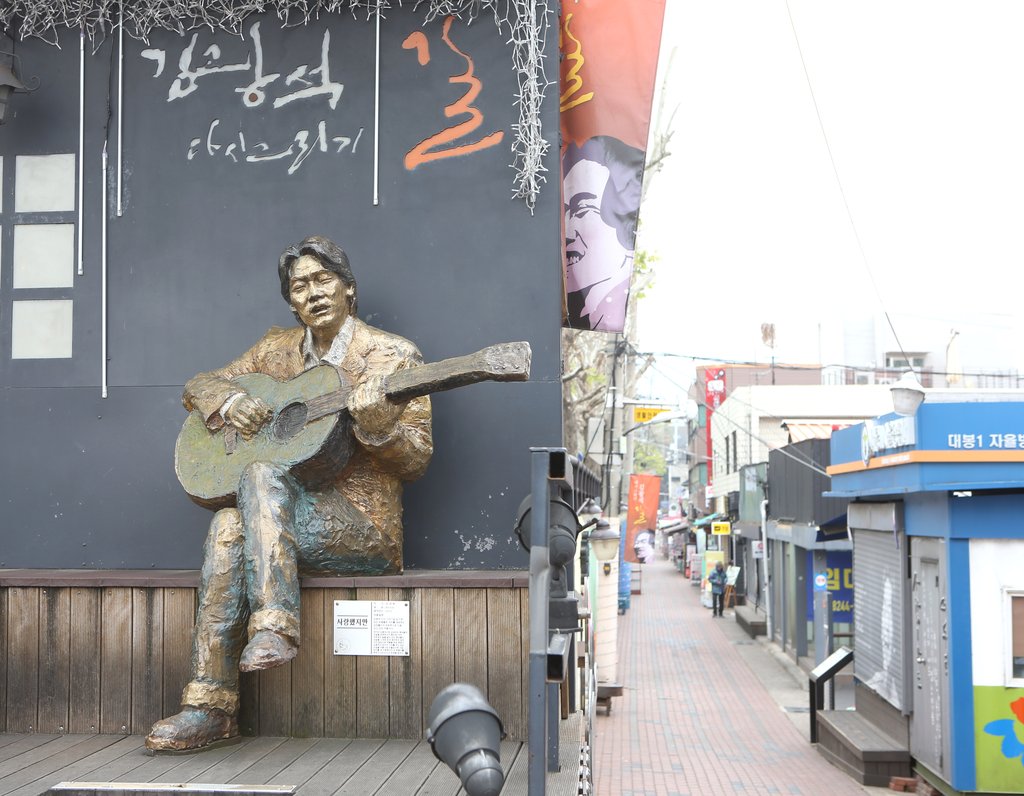
Kim Gwang-seok StreetA street of murals and alleys themed around the life and songs of Kim Gwang-seok.
1
Kim Gwang-seok StreetA street of murals and alleys themed around the life and songs of Kim Gwang-seok. -
 2
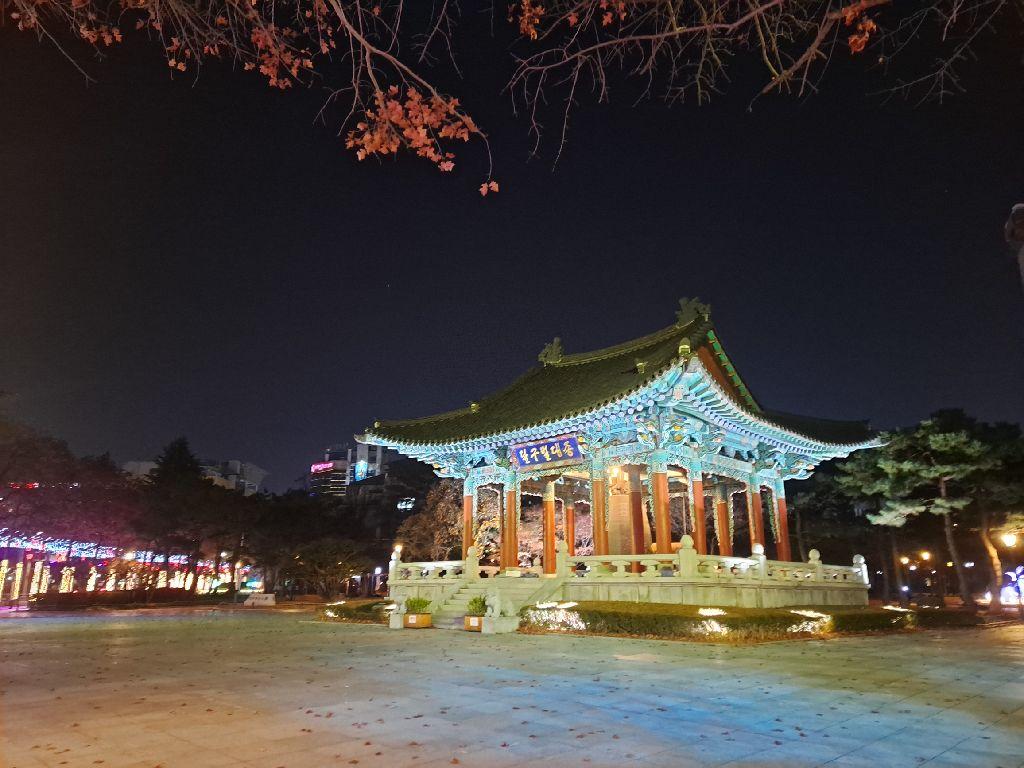
National Debt Repayment Movement Memorial ParkA park where you can explore the history of the National Debt Repayment Movement while enjoying a walk in the heart of the city
2
National Debt Repayment Movement Memorial ParkA park where you can explore the history of the National Debt Repayment Movement while enjoying a walk in the heart of the city -
 3
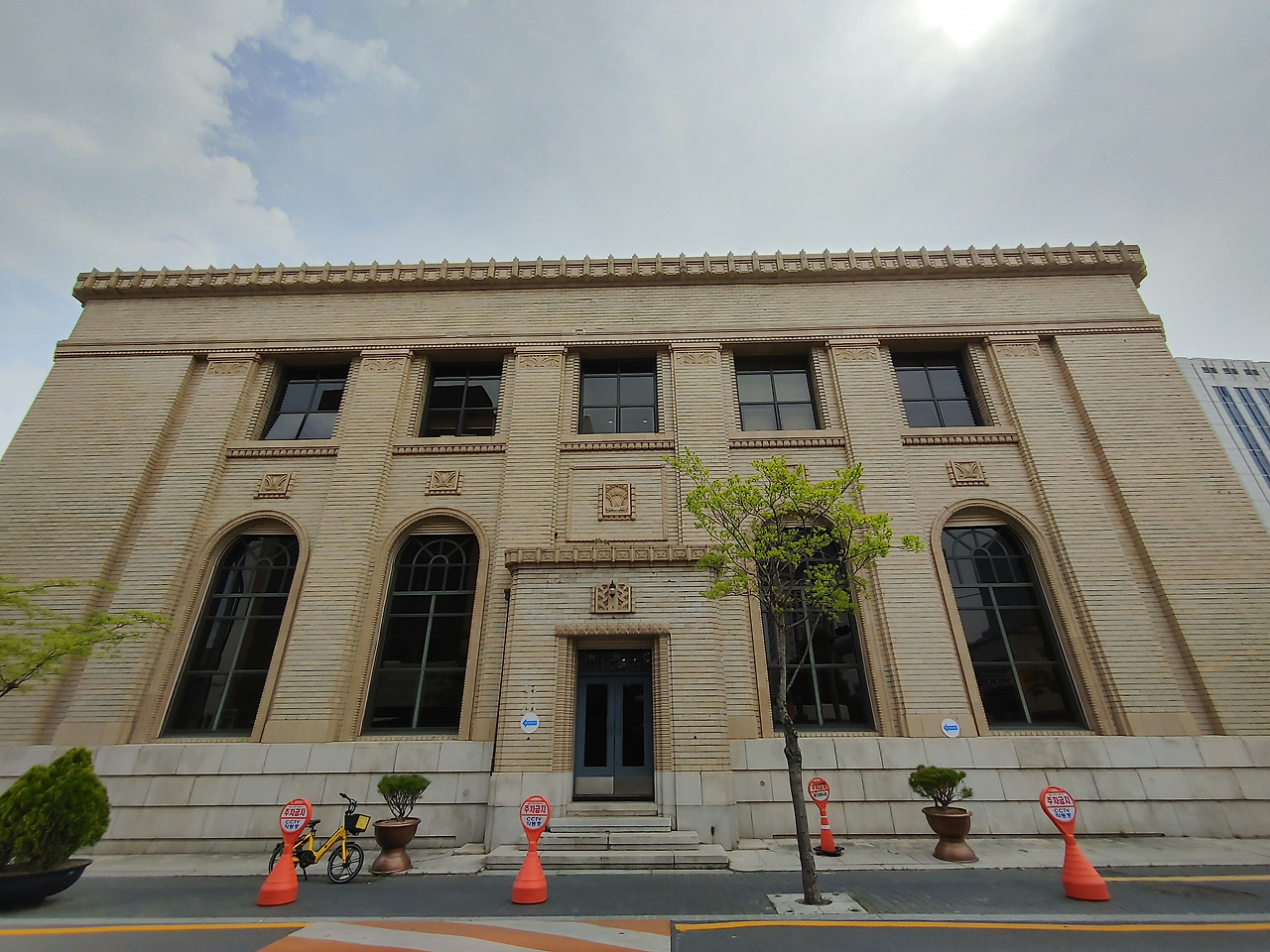
Daegu Modern History MuseumA museum showcasing modern artifacts and the transformation of Daegu as a city.
3
Daegu Modern History MuseumA museum showcasing modern artifacts and the transformation of Daegu as a city.
Food & Dining 3
-
 4
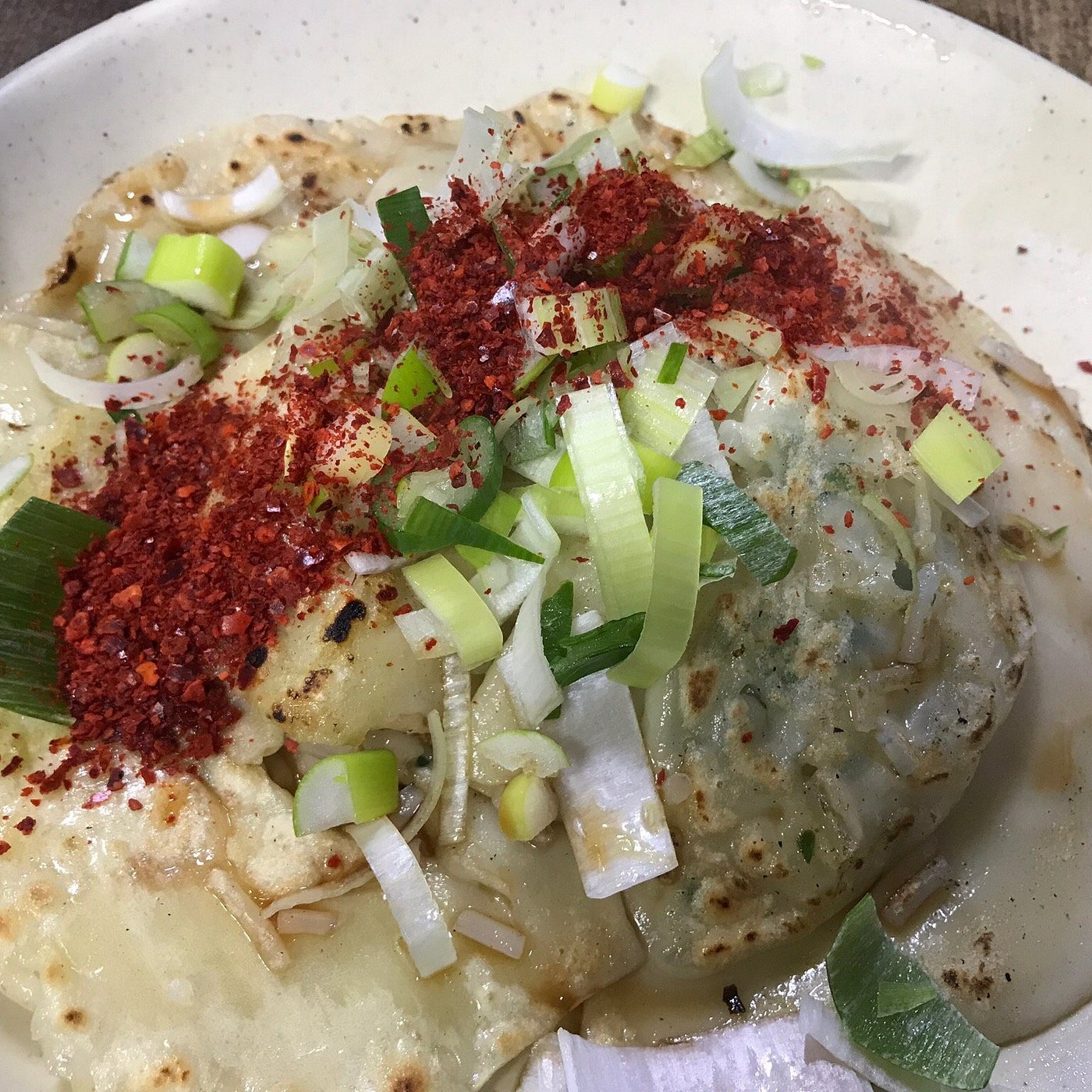
Miseongdang Napjak ManduA dumpling specialty restaurant serving Daegu-style flat dumplings and jjolmyeon
4
Miseongdang Napjak ManduA dumpling specialty restaurant serving Daegu-style flat dumplings and jjolmyeon -
 5
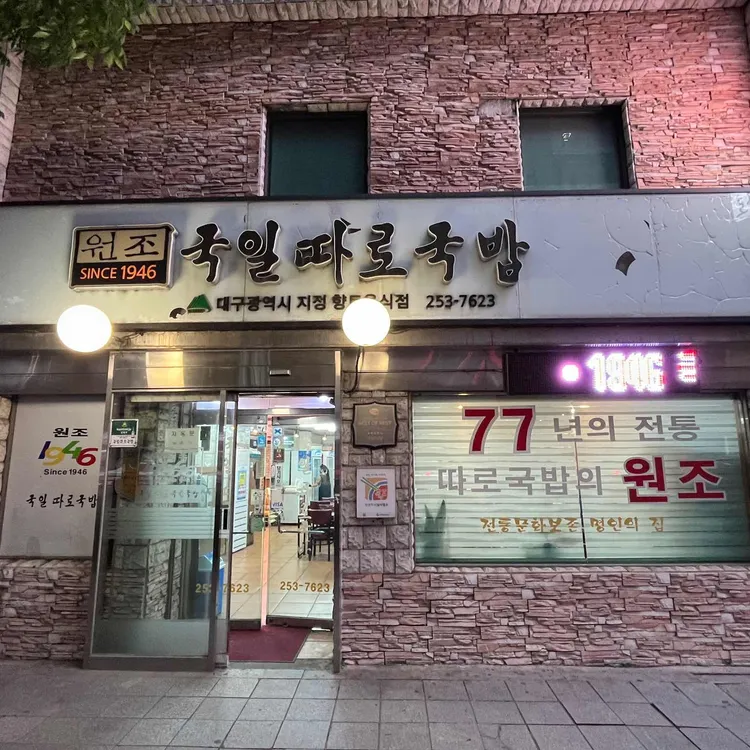
Gungil TtarogukbapA specialty restaurant serving Daegu-style ttarogukbap with beef and blood sausage
5
Gungil TtarogukbapA specialty restaurant serving Daegu-style ttarogukbap with beef and blood sausage -
 6
6
More Travel Guides in This Area
 Travel Guide
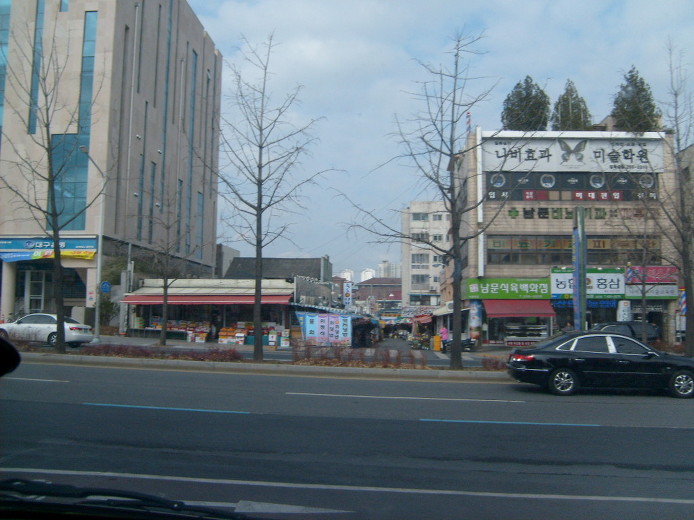
Nammun Market on Myeongnyun-ro 70, a 250-stall everyday market nestled between apartment complexes
 Travel Guide
How to Walk from the Sincheon Embankment to Kim Gwang-seok’s Street through Daegu’s Bangcheon Market
 Travel Guide
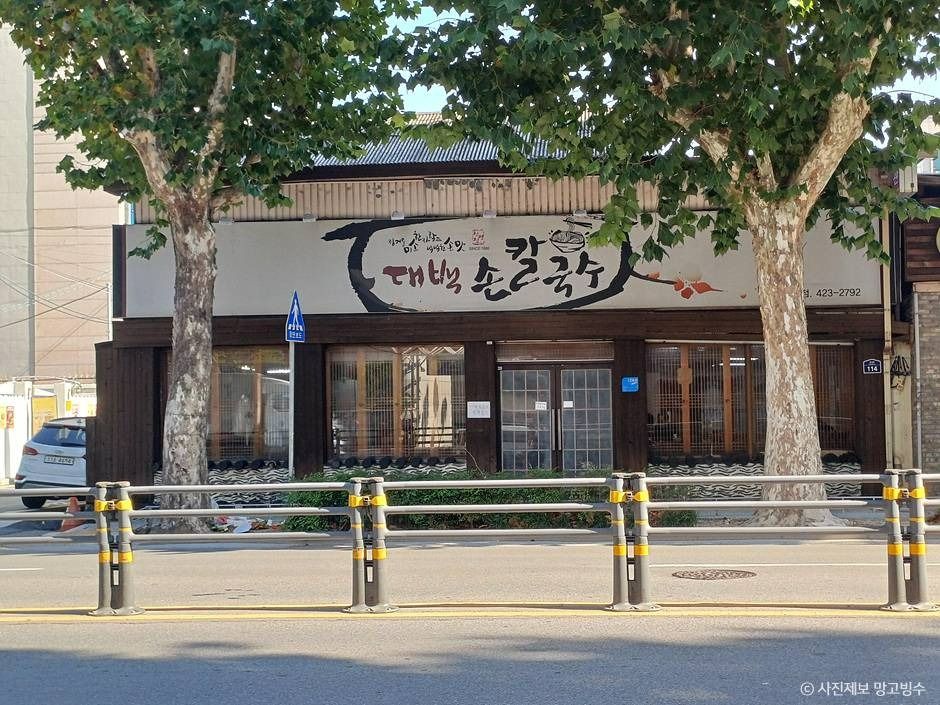
190 m from Exit 4 of Kyungpook National University Hospital Station, Daebaek Handmade Kalguksu with Barley Rice
 Travel Guide
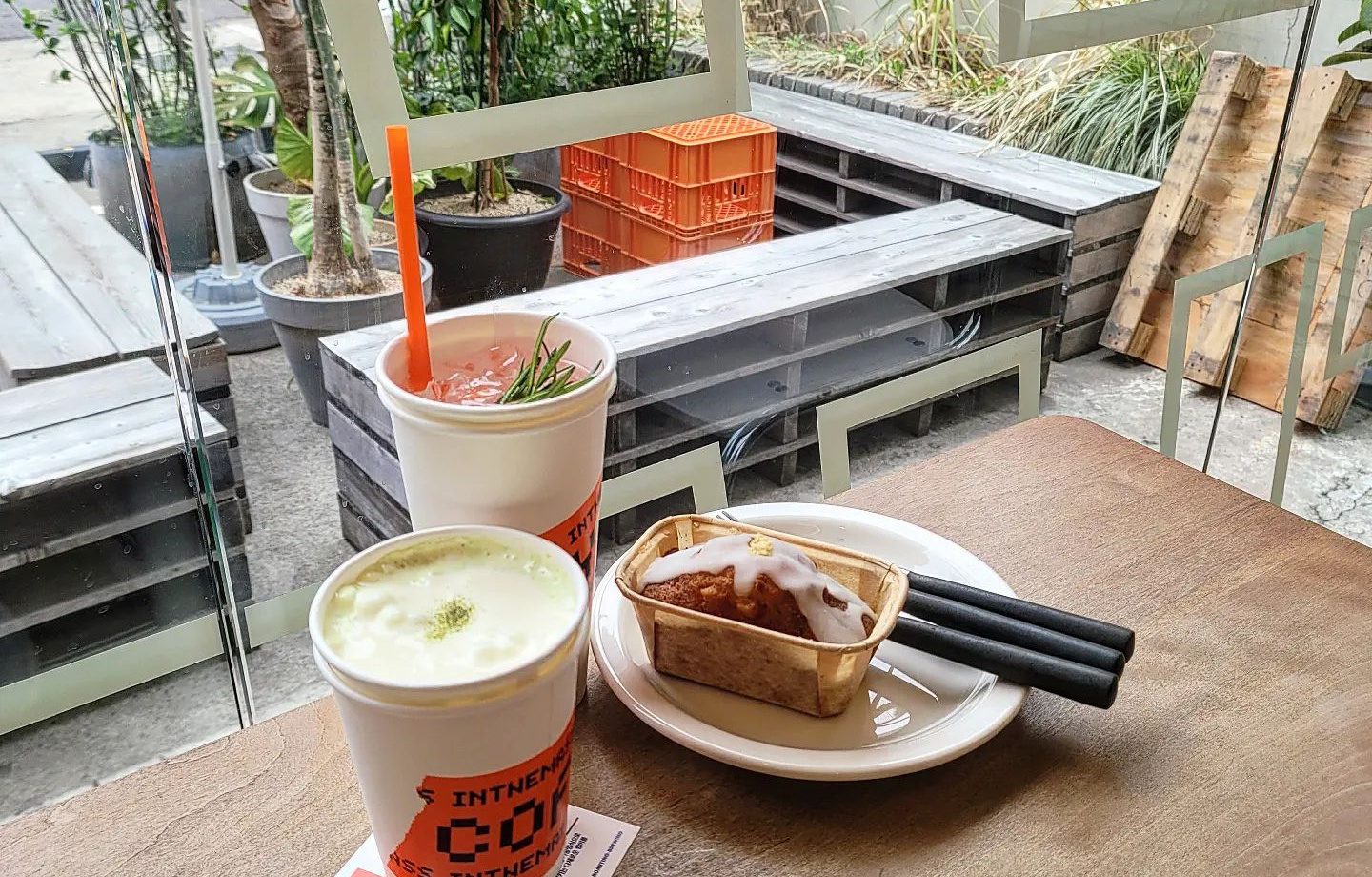
A Samdeok-dong Café Walk Starting in the Alleys by Kyungpook National University Hospital Station
Korea News
![BLACKPINK’s Lisa Dominates the VMA Red Carpet in a Sheer Corset Dress and Red Fur [Star Issue]](https://kotourlive-images.s3.ap-northeast-1.amazonaws.com/news/1790557894714_010e956a_news_94409db1-fab6-40bf-bc7b-4b985b1fbac7.jpg) News
News
BLACKPINK’s Lisa Dominates the VMA Red Carpet in a Sheer Corset Dress and Red Fur [Star Issue]
![BLACKPINK’s Jisoo Spotted by Surprise with BIGBANG in London… Their Special Loyalty as Labelmates [IS High Cut]](https://kotourlive-images.s3.ap-northeast-1.amazonaws.com/news/1790557854683_6ea979f5_news_caab62e5-8462-43c8-8622-da794f3df9de.png) News
News
BLACKPINK’s Jisoo Spotted by Surprise with BIGBANG in London… Their Special Loyalty as Labelmates [IS High Cut]
 News
News
Tattoos All Over Her Body… AOA’s Jimin Draws Shocked Attention After Kwon Mina’s ‘Bullying’ Allegations
![You’ll Have to Look Twice… Choi Min-a-soo Perfectly Pulls Off Everything from a Daring Illusion Dress at the Awards Ceremony to Long Braided Hair [RE:STAR]](https://kotourlive-images.s3.ap-northeast-1.amazonaws.com/news/1790492384850_1f293dad_news_d834c50e-0685-43ef-9aa5-6995cd6d8848.jpg) News
News