Discovering Busan’s Wartime Capital Records at the Provisional Capital Memorial Hall
The Provisional Capital Memorial Hall is a historic site showcasing both the building used as the presidential residence during the Korean War and everyday life in Busan as a wartime refuge. Located about 385 m from Toseong-dong Station, it offers free admission and an opportunity to explore the outdoor tent classroom in one visit.

I’ve been here?
Your check-in helps the next traveler.
24 people viewed this week Be the first
One tap — no writing needed
From the 1926 Gyeongnam Provincial Governor’s Residence to the Presidential Residence of the Temporary Capital
The current Temporary Capital Memorial Hall building is a two-story wooden tile-roofed structure completed on August 10, 1926. From 1926 to 1949, it was used as the residence of the Gyeongnam Provincial Governor. After Busan became the temporary capital during the Korean War, it became the presidential residence from August 18, 1950, to August 15, 1953.
After the war, it was used again as the residence of the Gyeongsangnam-do Provincial Governor from 1953 to 1983. The reason this building was transformed from a provincial administrative space into an exhibition space is to preserve its function as the presidential residence during the temporary-capital period and explain the history of Busan as a wartime refuge capital.
Two Restorations and Designations After Opening in 1984
The Temporary Capital Memorial Hall opened on June 25, 1984. Restoration of the presidential residence took place from April 10, 2000, to November 5, 2001, and the building was designated Busan Monument No. 53 on May 6, 2002.
The exhibition hall opened on September 19, 2012. Since the presidential residence was designated Historic Site No. 546 on November 6, 2018, visitors can see both the restored residence building and a separate permanent exhibition hall on the same site.
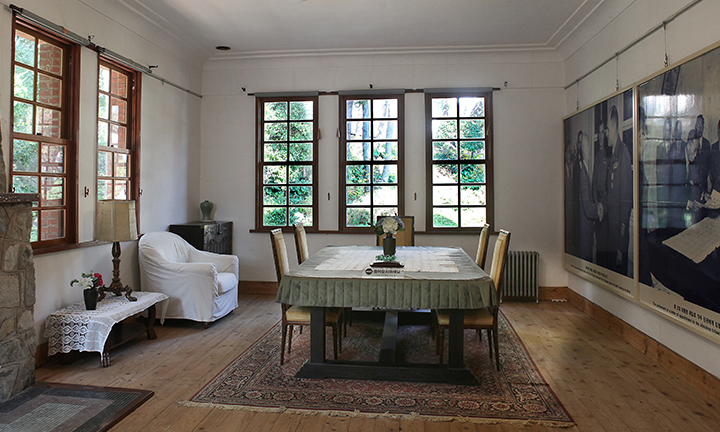
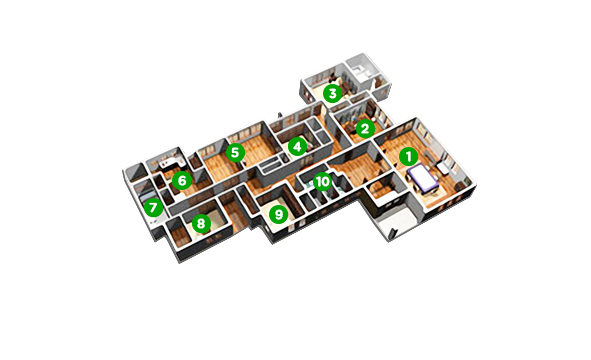
Eight Rooms You Can Actually See on the First Floor
The first floor of the presidential residence recreates eight rooms, including the reception room, study, private room, living room, dining room, kitchen, Testimony Room, and Reflection Room. The facility guide also indicates a bathroom and restroom, allowing visitors to understand the residence not merely as an exterior structure but as an arrangement of living spaces.
The reception room was where final decisions concerning Korean politics and external diplomatic affairs were made during the Korean War, and where key public officials such as vice presidents, ministers, and generals were appointed. The study was a small room adjoining the reception room, used to keep books and reference materials for official work.
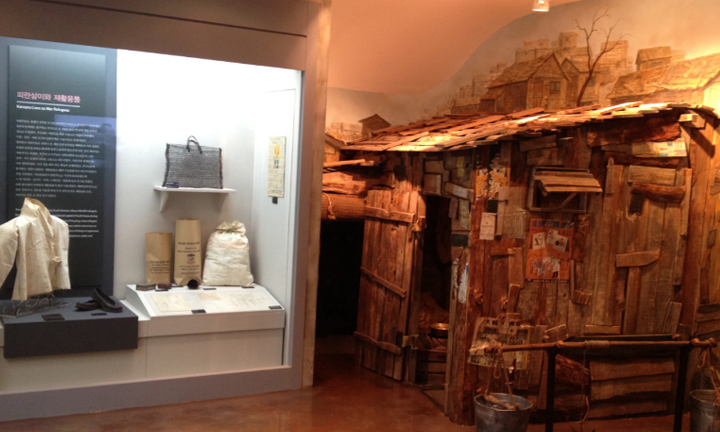
The Everyday History of the Residence Shown Through Hanbok and Miniatures
The private room displays hanbok worn by President Syngman Rhee and his wife, Francesca. The living room contains miniatures depicting political activities during the evacuation period, the lives of refugees, education, and markets, allowing visitors to connect the operation of the state inside the residence with the daily lives of Busan’s citizens.
The Testimony Room was originally a guard room and has been arranged as a space where visitors can hear the testimony of Lee Jeong-suk, who served as a special forces member during the Korean War. The Reflection Room was originally where the cook lived and contains books related to the Korean War and President Syngman Rhee.
The Story Continues in the Second-Floor Office and Exhibition Hall
The second floor of the residence contains an office and a Reminiscence Room. While the first-floor reception room presents official decisions and diplomacy, the second floor offers a route for examining the presidential residence’s working spaces and traces of daily life.
The separate exhibition hall includes exhibition rooms and storage facilities, as well as permanent galleries showing the outbreak of the Korean War, the lives of refugees, and Busan’s politics, economy, and culture during the temporary-capital period. The website provides menus for the presidential residence, exhibition hall, online exhibitions, collection information, and applications for group exhibition tours.
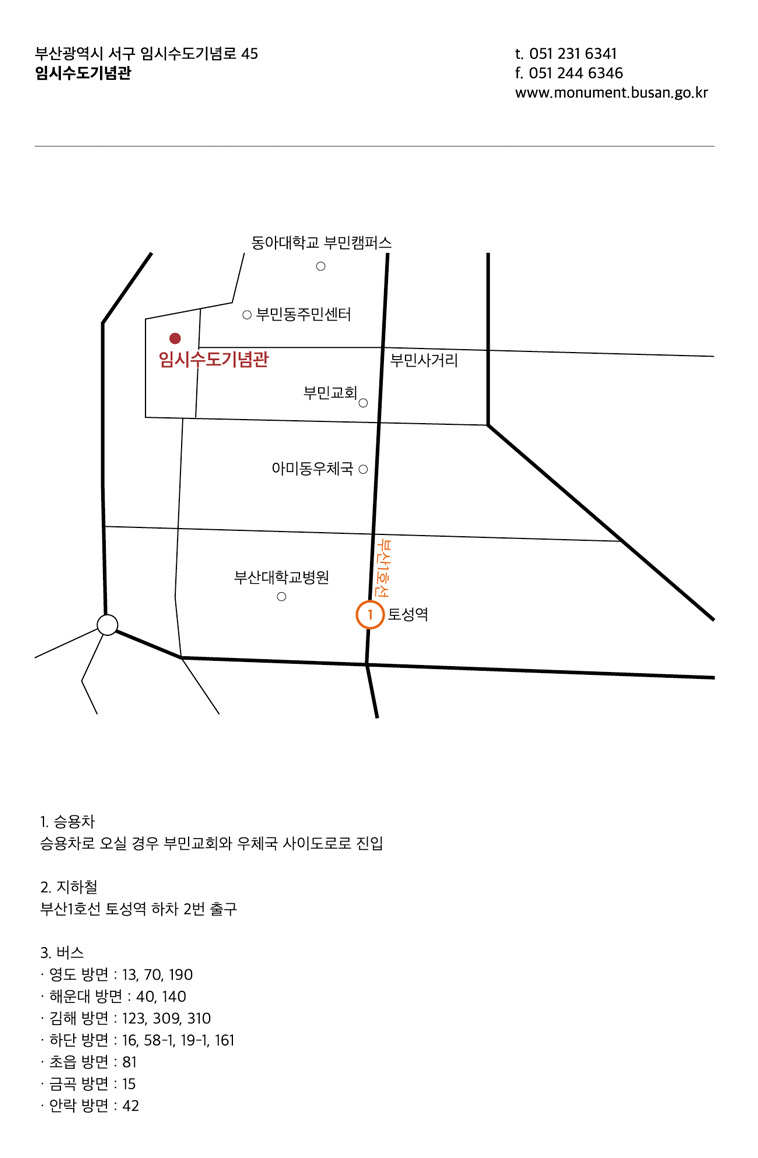
How to Walk 385 m from Toseong Station Exit 2
Foreign visitors departing from Busan Station or Haeundae should set Toseong Station on Metro Line 1 as their destination. Get off at Toseong Station and use Exit 2. According to tourist information, the memorial hall is approximately 385 m away, or about a 10-minute walk.
If you use the bus, check the route direction as well. Route 15 goes toward Geumgok and Sasang; Route 16 toward Eomgung and Hadan; Route 40 toward Haeundae, Gwangalli, and Busan Station; Routes 70 and 190 toward Yeongdo; Route 81 toward Choeup, Seomyeon, and Busan Station; Route 123 toward Gimhae and Gupo; and Route 161 toward Sasang and Jangnim.
Open from 09:00 to 18:00; Closed on Mondays
As of August 2026, visiting hours are 09:00–18:00 from Tuesday through Sunday, and admission is free. Closed days are January 1 and every Monday; if Monday is a public holiday, the facility is closed the following day.
The main inquiry telephone number is 051-244-6345. The curatorial research office can be reached at 051-231-6341, and the facilities information and materials-management department at 051-244-6344. Cultural tourism interpreters are available from 10:00 to 16:00 Tuesday through Sunday, so it is advisable to distinguish general visiting hours from interpretation-service hours when planning your visit.
Differences in Free Admission, Parking, and Accessibility
The Temporary Capital Memorial Hall has a dedicated parking lot, and tourist information states that one hour of parking is free. However, the officially available information does not confirm the number of parking spaces or official parking fees. If you plan to leave a vehicle for an extended period, it is safer to call 051-244-6345 in advance.
Visit Busan information lists accessible facilities, a wheelchair rental station, accessible parking, and an accessible restroom. However, the public information does not confirm the presence of slopes, stairs, or particular flooring conditions along the visitor route; entry restrictions or glass walls in each exhibition hall; photography restrictions; or the availability of English information and audio guides.
Leave After Visiting the Outdoor Tent Classroom
Rather than leaving after seeing only the residence and exhibition hall, be sure to look around the outdoor tent classroom as well. This space recreates the atmosphere of a refugee school, helping visitors continue understanding the stories of refugee life and education presented in the exhibition hall in an outdoor setting.
The official website is https://www.busan.go.kr/monument/index, and the address is 45 Imsisudo Ginyeom-ro, Seo-gu, Busan. The recommended viewing time is not specified in the public materials, so first decide whether you will see all of the first and second floors of the residence, the exhibition hall, and the outdoor tent classroom, then allocate your visiting time accordingly.
Before You Go
- Address
- 45 Imsisudo Ginyeom-ro, Seo-gu, Busan
- Hours
- 09:00–18:00 (Tuesday–Sunday)
- Closed
- January 1 and every Monday (if Monday is a public holiday, closed the following day)
- Admission
- Free
- Phone
- 051-244-6345
- Official site
- https://www.busan.go.kr/monument/index
- Transport
- Metro Line 1, Toseong Station Exit 2. Bus routes 15, 16, 40, 70, 81, 123, and 161 are available.
- Parking
- The Temporary Capital Memorial Hall has a parking lot. Parking fees could not be confirmed in the public materials.
- Accessibility
- Visit Busan information lists accessible facilities, a wheelchair rental station, accessible parking, and an accessible restroom.
The information above is current as of the time of writing. Check the official information again before your visit.

Places
Nearby Attractions 3
-
 1
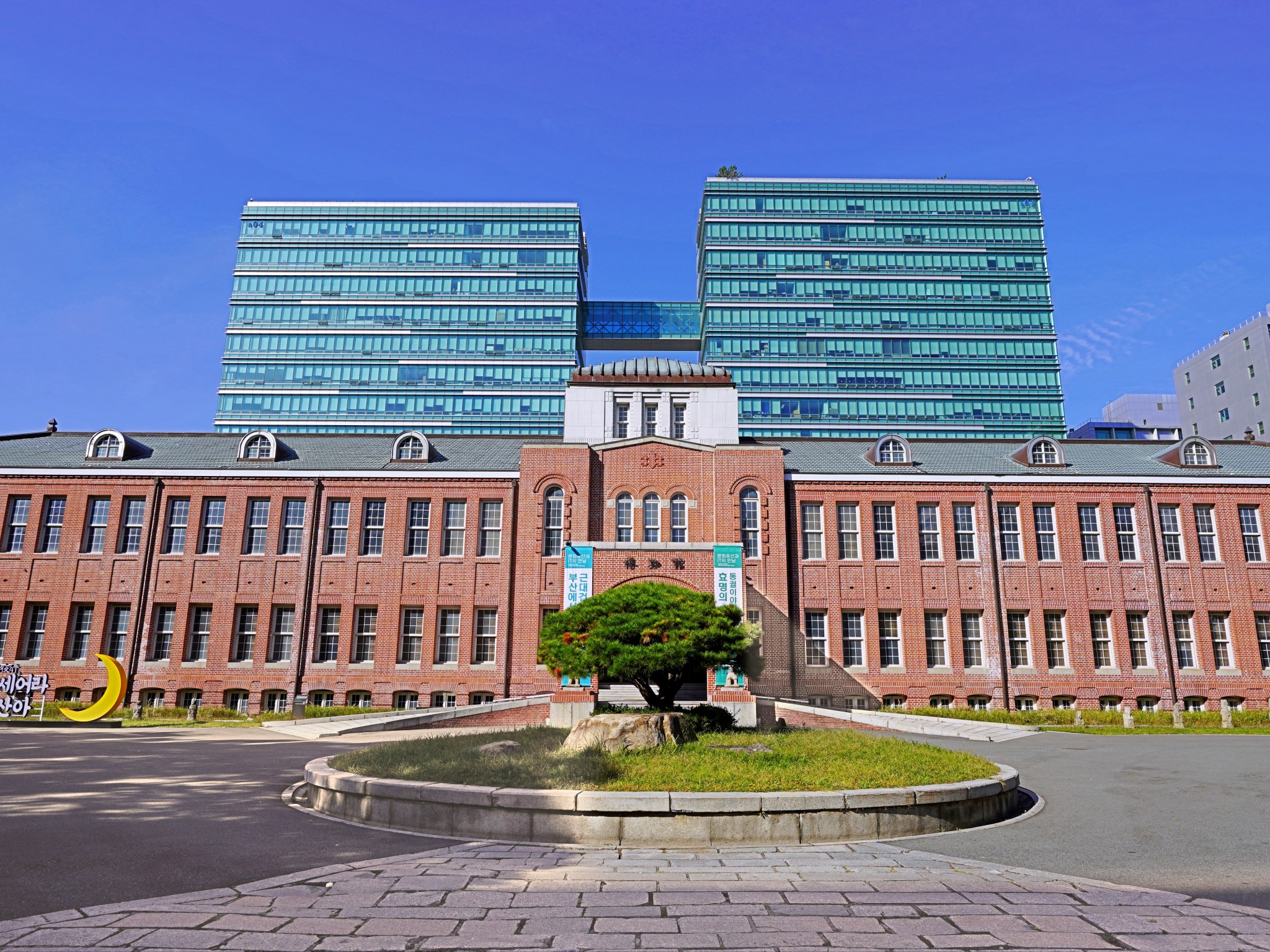
Dong-A University Seokdang MuseumView historical artifacts in a building that once served as the Government Office of the Temporary Capital.
1
Dong-A University Seokdang MuseumView historical artifacts in a building that once served as the Government Office of the Temporary Capital. -
 2
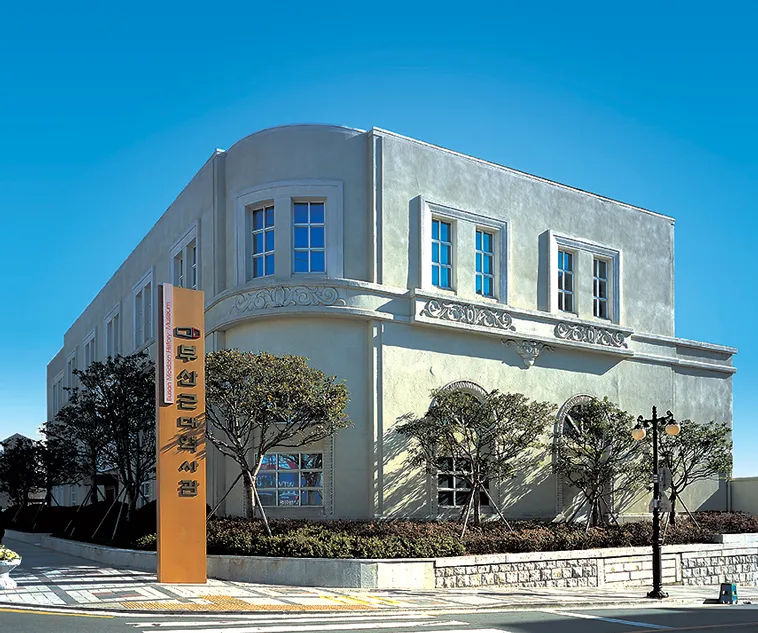
Busan Modern and Contemporary History MuseumA museum where you can explore Busan’s modern and contemporary history through exhibitions and historical materials.
2
Busan Modern and Contemporary History MuseumA museum where you can explore Busan’s modern and contemporary history through exhibitions and historical materials. -
 3
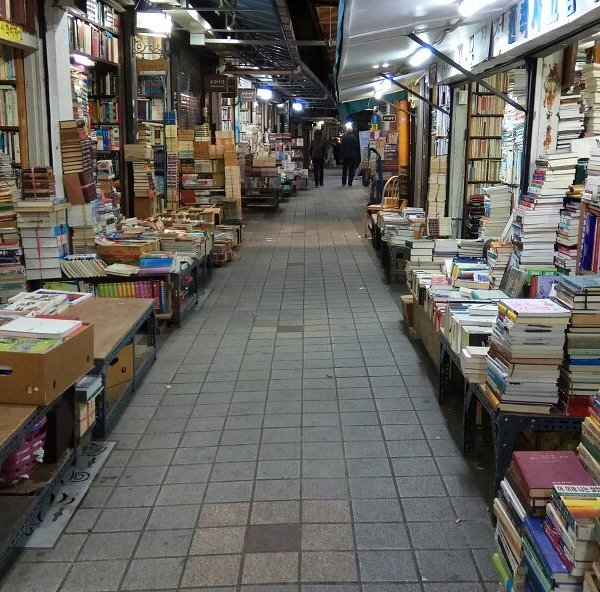
Bosu-dong Book StreetA street where you can browse used bookstores and enjoy the culture of books and alleyways.
3
Bosu-dong Book StreetA street where you can browse used bookstores and enjoy the culture of books and alleyways.
Food & Dining 2
-
 4
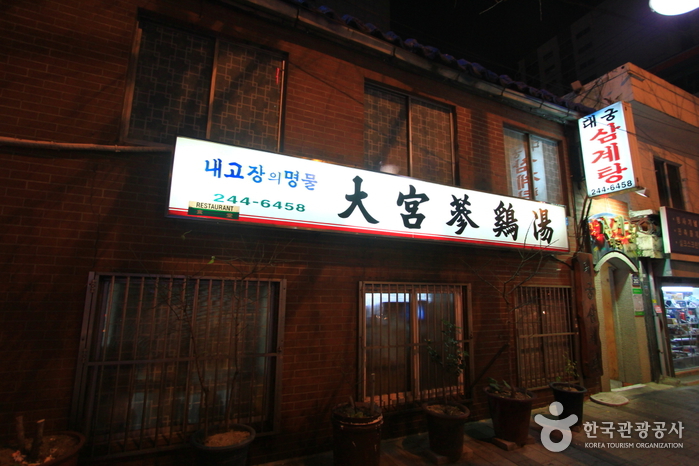
Daegung SamgyetangA specialty restaurant serving samgyetang made with glutinous rice, ginseng, and jujubes.
4
Daegung SamgyetangA specialty restaurant serving samgyetang made with glutinous rice, ginseng, and jujubes. -
 5
5
Events in This Area

Festivals in This Area

More Travel Guides in This Area
 Travel Guide
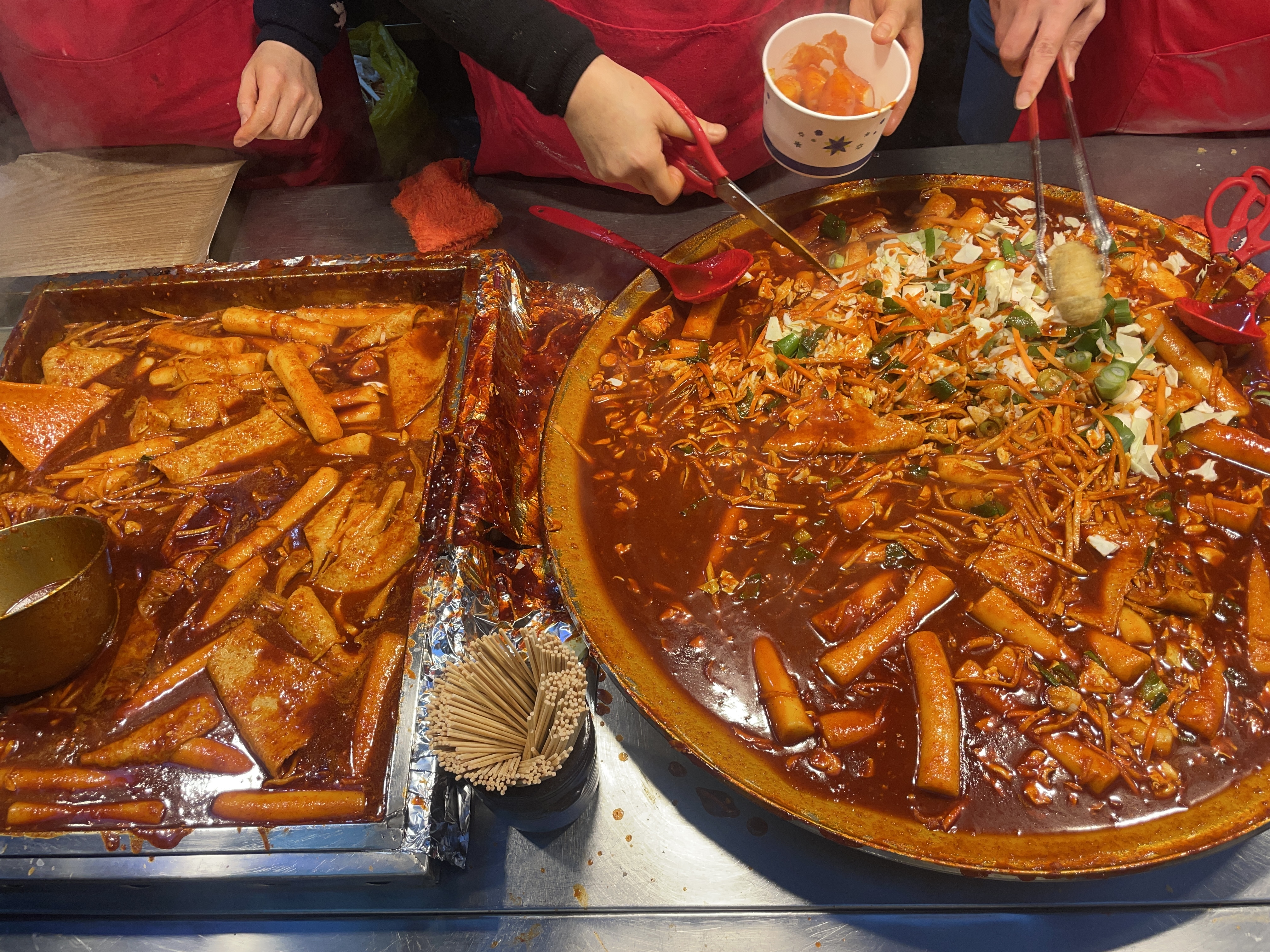
Thick Rice Cakes at Igane Tteokbokki in the Heart of Bupyeong Kkangtong Market
 Travel Guide
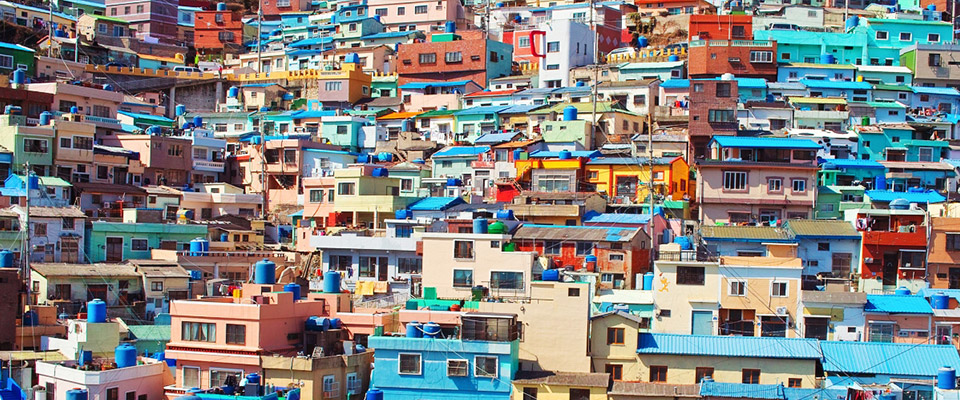
Gamcheon Culture Village: From Taegukdo’s Faith Community and Refugee Hillside to an Arts-Filled Alleyway
 Travel Guide
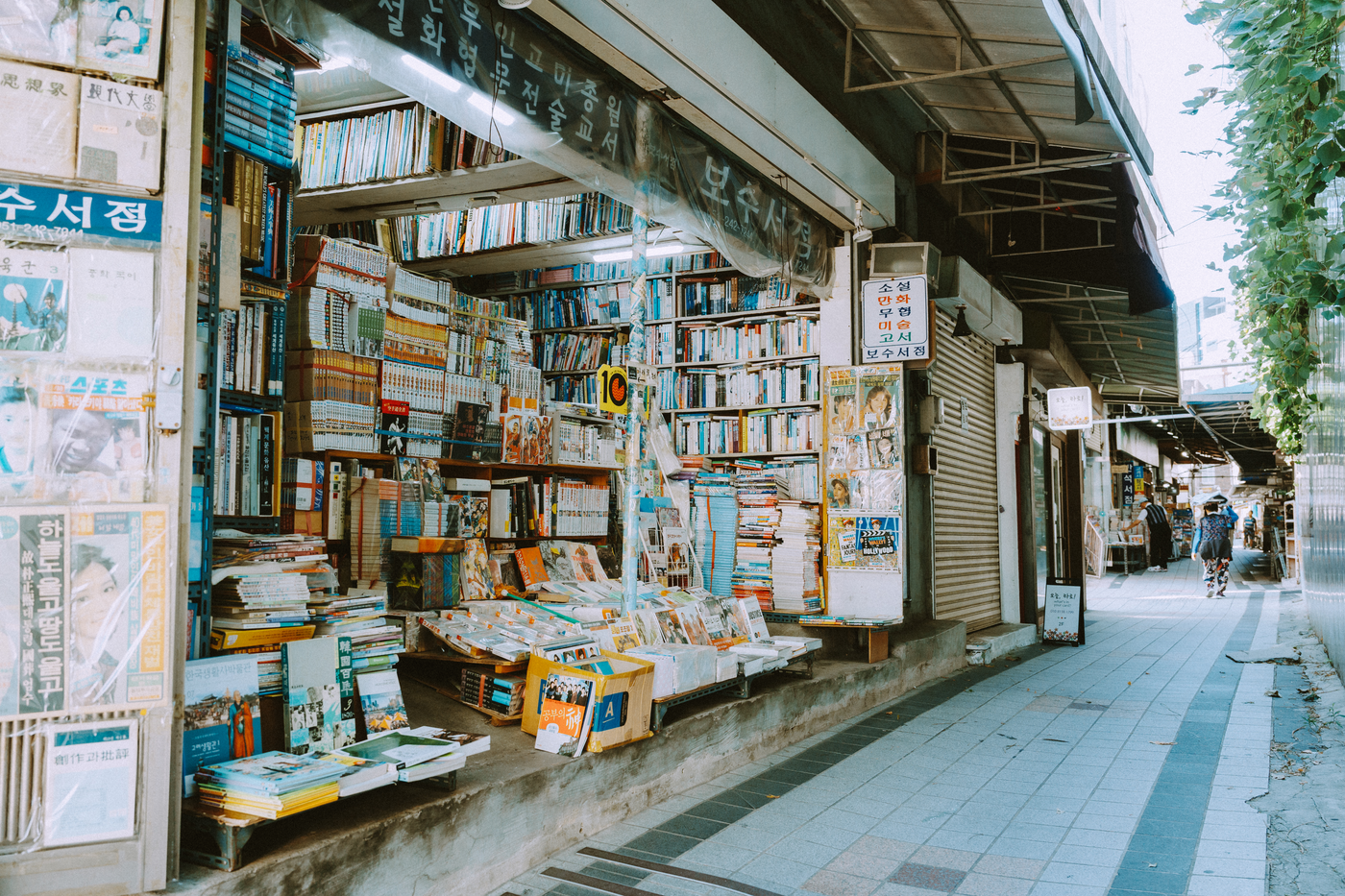
From Refugee Stalls to a 1950s Used-Book Street: Bosu-dong Book Alley
 Travel Guide
Busan Lighting Street, the alley for choosing lights inside Gukje Market
Korea News
 News
News
‘NewJeans Expulsion’ Danielle Releases Her First YouTube Video… “We Don’t Know What Will Happen Next”
![aespa’s North American Tour Has Remaining Seats Despite ‘$49’ Bargain Prices… A Stark Popularity Gap with KATSEYE [TEN Starfield]](https://kotourlive-images.s3.ap-northeast-1.amazonaws.com/news/1788485037424_a59b1932_naver_rank_thumb_0000774618_1788485037424.jpg) News
News
aespa’s North American Tour Has Remaining Seats Despite ‘$49’ Bargain Prices… A Stark Popularity Gap with KATSEYE [TEN Starfield]
![[Photo] TWICE’s Dahyun attends a film festival red carpet as an actress](https://kotourlive-images.s3.ap-northeast-1.amazonaws.com/news/1788485316508_edd43ecd_news_870a60a6-6f11-4d73-aa7c-48d91318a0f7.jpg) News
News
[Photo] TWICE’s Dahyun attends a film festival red carpet as an actress
![[On-Site Video] “We’re Departing Separately Together”… BIGBANG Begins ‘COSMOS’ World Tour](https://kotourlive-images.s3.ap-northeast-1.amazonaws.com/news/1788485226518_c5719641_news_fdd4764a-0f4e-4968-8e4e-e98a02872f88.jpg) News
News