![[Space Tone Gallery] Gosomi Solo Exhibition: Multiplicity](https://kotourlive-images.s3.ap-northeast-1.amazonaws.com/festivals/1779775432412_83e730fd_0506132538996-907c967fe3c24c4f91f5785d6412d2ee.png)
Real work encountered inside a round concrete building next to Danginri Power Plant
As you walk between Hapjeong and Danginri, a single round building suddenly catches your eye in the middle of a straight residential neighborhood. A curved facade, black ceramic tiles, and three pillars rising above the roof. This is Space Tone. At first I almost passed by thinking it was a cafe, but once I saw the works through the large glass windows on the first floor, I realized it was a gallery. Opened in September 2025, this is Seoul's first gallery dedicated to sculpture and installation art, and it was designed with Tate Modern in London as its model. The exhibition I went to see was the solo show

A day for foreign travelers to visit this place
First of all, you can just drop in and see this exhibition without a reservation. Since it is a small gallery, not a large museum where you have to worry about sold-out tickets, planning the route was actually easier. That said, because it is a small space, opening hours and closed days may change, so I recommend checking the official Instagram or information page once before you go to make sure it is open that day.
The easiest way to get there is by subway. Get off at Hapjeong Station on Lines 2 and 6, then walk toward Danginri Power Plant (Seoul Combined Heat and Power Plant). Since you have to turn into side streets once or twice from the main road, it is best to type "Space Tone" or "43-2 Tojeong-ro" into your phone map and walk from there. I relied only on a pin in Google Maps, and I had no trouble finding it. The surrounding area is residential, so the streets are quiet, and once you start seeing the power plant chimney in the distance, you are almost there.
Inside, the scale is compact, but each floor has a different atmosphere. Light comes in through the large windows on the first floor, and if you go down the curved stairs to the basement, the sunken structure lets daylight filter in even though you are underground. The second floor is bright enough with just the natural light falling from the circular skylight. Textile works change in feeling depending on the light, and because this space shifts the light throughout the day, the same piece looks different. I went in the late afternoon, and the moment when the slanting sunlight brought the outlines of the thread to life was my favorite.

Don't expect English guidance; just enjoy it visually
To be honest, this place is not really designed with foreign visitors as its main audience. It is better not to expect English audio guides or interpretation. Fortunately, textile installation as a genre can be understood through the senses even without text, so the language barrier did not feel like a big issue. Just glancing at a translation app for the work titles and materials is enough. In fact, it suits this exhibition better if you do not get tied up in explanations and instead slowly follow the texture, color, and the sagging, tangled forms of the thread.
The viewing atmosphere is free, but because it is a small gallery, it feels more appropriate to wander quietly alone or with one other person rather than in a large group. It is a good idea to ask at the entrance about how far photography is allowed. Since installation works usually should not be touched, it is safer to keep some distance when posing near the thread. The restroom is clean and available inside, so there is no need to go looking for a cafe just to use one.
Things to know before you go so you are less likely to be surprised
- Reservation/entry: Visit without a reservation. Since it is a small gallery, check the official notice once before leaving for possible changes in closing days or hours.
- Location: Walk from Hapjeong Station on Lines 2 and 6 toward Danginri Power Plant. Entering '43-2 Tojeong-ro' in a map app is the most reliable way.
- Viewing time: The scale is modest, so 30 minutes to 1 hour is enough. It is easy to fit into a Hapjeong or Yeonnam itinerary.
- Light: Because it is designed for natural light, the works look best on clear days from midday to afternoon.
I would recommend this exhibition not to people looking for flashy sights, but to travelers who want a quiet place to catch their breath while exploring Hapjeong and Yeonnam. The calm hour created by thread, light, and round concrete lingers in your memory longer than you might expect. Combine it with nearby cafes and a walk along the power plant path, and you get a half-day course that slows the pace for a moment in the middle of busy Seoul.
| Item | Score | Basis |
|---|---|---|
| Language accessibility | 2.5 | No English audio guide or interpretation, but the textile installation can be appreciated sensorially |
| Transportation accessibility | 3.5 | Within walking distance from Hapjeong Station, but an app map is necessary because it is in residential alleys |
| Facilities for foreign visitors | 2.5 | Dedicated guidance for foreign visitors is limited, but basic facilities such as the indoor restroom are clean |
| Local cultural experience | 3.5 | Contemporary textile works on view at Seoul's first gallery specializing in sculpture and installation |
| Value for money | 4.0 | A small exhibition that can be casually viewed for free |
| Cleanliness/Safety | 4.0 | A newly built space opened in 2025, with a tidy interior and safe circulation |
| Food/amenities | 3.5 | There is no food inside the gallery, but it is easy to combine the visit with cafes and restaurants in Hapjeong and Yeonnam |
This article was compiled by our editorial team from official announcements and coverage of previous editions; it is not a first-hand visit report. Please confirm the final schedule and fees on the official website.
Festival Details
-
Festival Period2/24/2026 ~ 8/20/2026
-
Festival VenueSpace Tone
-
Operating Hours13:00-18:00
-
Admission FeeFree
-
TagsSpace Tone Gallery Gosomi Solo Exhibition Multiplicity Fiber Installation Artist Art Exhibition
More Festivals

Popular Concerts
![EXO PLANET #6 - EXhOrizon [dot] -](https://kotourlive-images.s3.ap-northeast-1.amazonaws.com/concerts/1787215796640_ee65f451_thumbnail.jpg)


More Travel Guides in This Area
 Travel Guide
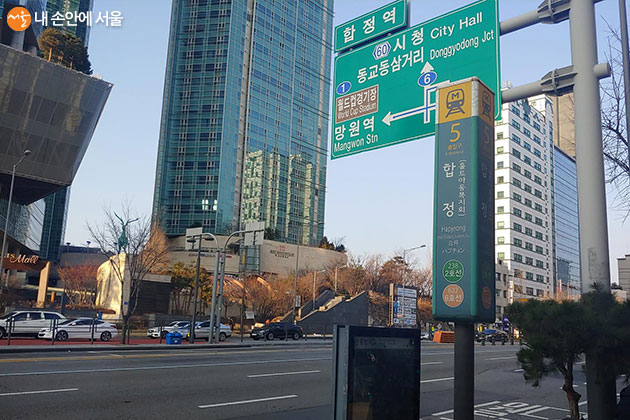
From Exit 7 of Hapjeong Station to Yanghwajin, a Half-Day Journey Linking the Memories of the Hangang Ferry and the Alleys of the Hongdae Area
 Travel Guide
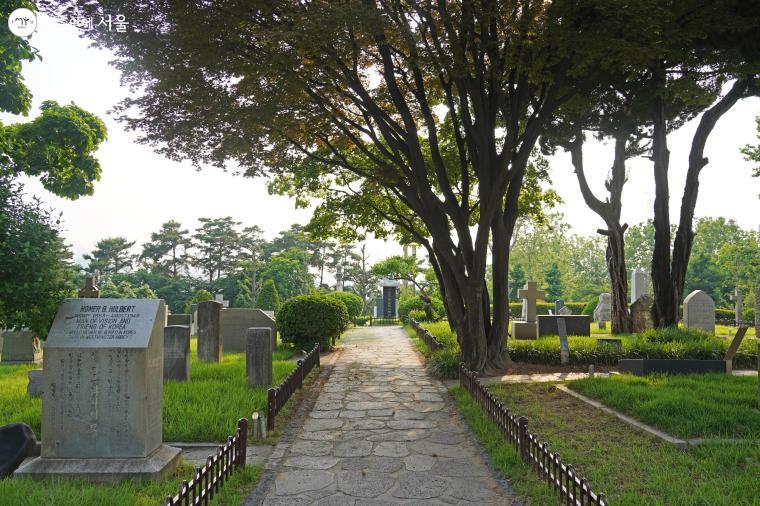
Yanghwajin, Begun with Heron’s Burial in 1890: A Modern History Cemetery 200 m from Exit 7 of Hapjeong Station
 Travel Guide
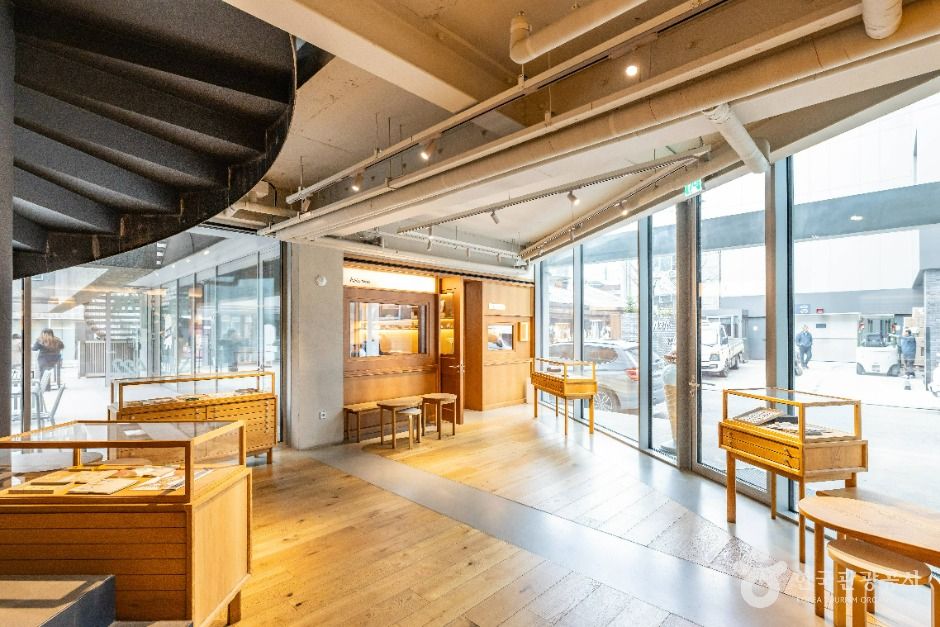
A Café and Performance Alley 2 Minutes from Exit 3 of Sangsu Station, Stretching Alongside the Danginri Power Plant
 Travel Guide