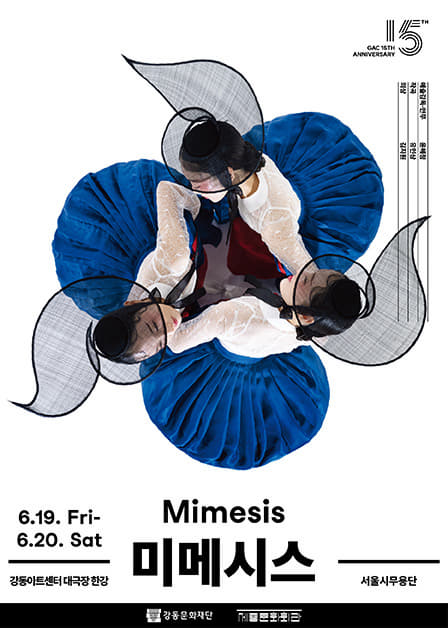
A stage that unfolds eight traditional dances in the colors of nature, 'Mimesis'
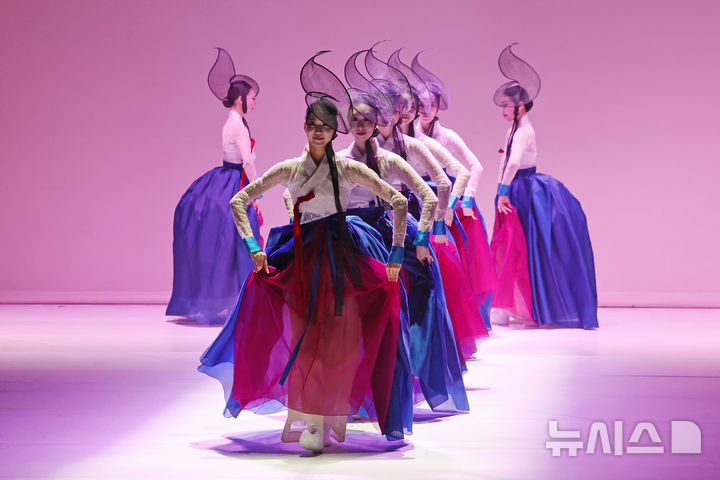
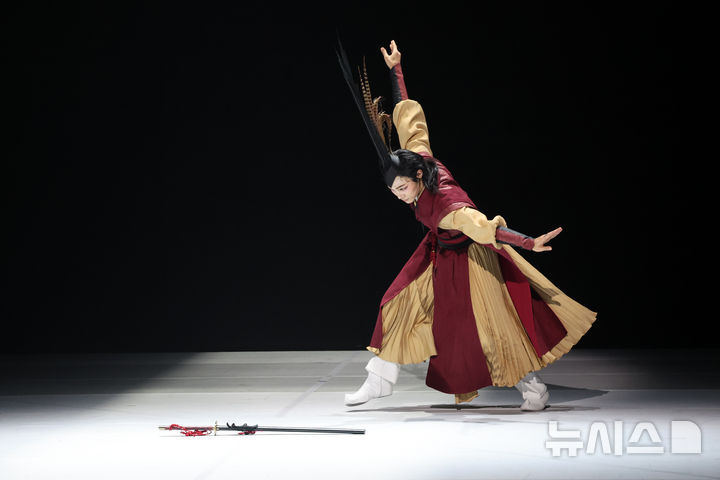
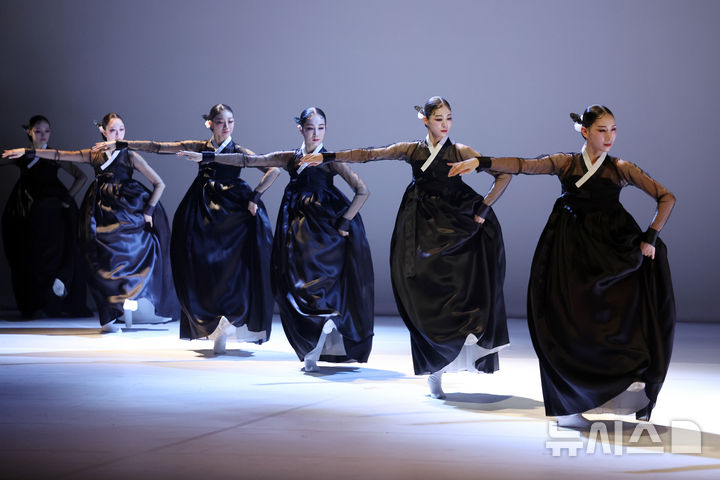
When people think of Korean dance, they often imagine slow, graceful movements, but Seoul Metropolitan Dance Theater's 'Mimesis' breaks that stereotype. This production is a modern reworking of eight traditional dances: Gyobangmu, Hallyangmu, Sogochum, Janggeommu, Salpurichum, Seungmu, Mudangchum, and Taepyeongmu. The title 'Mimesis' comes from the aesthetic concept introduced by the ancient philosopher Aristotle, meaning that art represents essence. Artistic director Yoon Hye-jeong built eight chapters by finding similarities between the fundamental movements of traditional dance and the flow of nature. From Gyobangmu like flowing water, Hallyangmu like a blowing wind, Sogochum that shakes the ground, Janggeommu that strikes down like lightning, Salpurichum that empties the void, Seungmu that soars into the sky, Mudangchum of blazing fire, to Taepyeongmu that holds light — each dance is paired with a scene from nature. Since its founding in 1974, Seoul Metropolitan Dance Theater has spent more than 50 years refining Korean dance, and it has gone so far beyond existing styles in music and costumes that it calls the work "New Retro K-Dance." The costume designer says the colors were drawn from water, sea, earth, rock, and flowers to create Mimesis's unique obangsaek palette.
This production will be staged in June 2026 at the Grand Theater Han River of Gangdong Arts Center. Gangdong Arts Center, celebrating its 15th anniversary, has placed Seoul Metropolitan Dance Theater alongside Kim Moon-jung, Sumi Jo, Universal Ballet, and Jang Han-na in its signature lineup for the year, which shows how substantial this event is.
The first thing to do is book your tickets — this really sells out fast
To be honest, if you want to see this performance, the first thing to worry about is not transportation but tickets. Seoul Metropolitan Dance Theater sold out all three of its productions in 2025, and the premiere of 'Mimesis' also sold out completely two weeks before opening. The fact that dancer Kim Mugan, who became widely known through Mnet's 'Stage Fighter,' appeared in every performance also drew attention. Tickets for the Gangdong Arts Center show are sold through Interpark (NOL Ticket), and if you are a foreign traveler, do not expect to buy them on-site; it is best to secure them online as soon as the dates are released. Prices vary depending on seat category, so you can choose by checking the seating chart during booking. Payment can be made by card or simple payment, so there is no need to bring cash.
The standard route is via Sangil-dong Station on Line 5. Gangdong Arts Center is a 850-seat grand theater located at 870 Dongnam-ro, Gangdong-gu, inside Myeongil Neighborhood Park. From Sangil-dong Station, you walk toward the park, and because the route goes through the park, you can reach it almost like taking a stroll. However, Line 5 splits toward Hanam Geomdansan and Macheon, so check the train destination before boarding. If the performance ends in the evening, getting home matters, but the last train from Sangil-dong Station on Line 5 runs until around midnight, so you probably will not have to worry much about missing the last train, given that a Korean dance performance usually lasts about an hour. If you come by car, the center has parking for about 210 vehicles, and performance guests pay 3,000 won within 5 hours. It is easier to leave if you pay in advance at the basement level 1 or first-floor lobby kiosk before exiting.
Why you can be fully absorbed even without understanding the language
The good thing about a dance performance is that there is almost no language barrier. Mimesis tells its story through movement, music, and the colors of the costumes rather than dialogue, so even if you do not know Korean, you can follow the flow of the eight chapters with your eyes. Chapter 7, 'Spontaneous Fire,' which reinterprets Mudangchum, drives energetic dance with rapid momentum, while Chapter 5, 'Trace in the Void,' based on Salpurichum, releases inner sorrow through restrained gestures. One dancer described Korean dance as not a dance of filling but one that moves audiences through emptiness; in reality, fast and slow sections alternate, and the audience's breathing sways along with them. If you go in already knowing the eight dance names and their associated nature themes — water, wind, earth, lightning, void, sky, fire, and light — it becomes much more enjoyable to guess which chapter is on stage at any given moment.
Gangdong Arts Center has a structure where the green lawns and plaza of Myeongil Neighborhood Park connect directly to the theater entrance, making it a pleasant place for a short walk before or after the performance. In addition to the Grand Theater, the building also includes a 250-seat small theater, an art gallery, and a cafe, so even if you arrive early, there are places to spend time.
Practical tips worth knowing in advance
There are three things I especially want to tell anyone preparing for this performance. First, Gangdong Arts Center is near the eastern edge of Seoul, close to the end of Line 5, so it is best to allow plenty of travel time from downtown. Second, the exact performance dates, start time, and seat prices will be posted on the official booking site closer to the season, so check them then. Third, it has not been confirmed in advance whether English subtitles or interpretation services will be provided, so it is safer to memorize the structure of the eight chapters before entering the venue.
- Booking: Online advance booking strongly recommended (high risk of selling out), card and simple payment available
- Transportation: Get off at Sangil-dong Station on Line 5 and walk through Myeongil Neighborhood Park; last train runs until around midnight
- Parking: About 210 spaces in the center, 3,000 won within 5 hours for performance guests
- Viewing tip: It is easier to understand the flow if you learn the eight dances and nature themes beforehand
We highly recommend this for travelers who want to experience Korean traditional body movement with a modern sensibility, offering a different texture from flashy K-pop stages. If you want to feel Korea's aesthetic through color and movement alone, even without understanding the language, this stage will stay in your memory for a long time.
| Item | Score | Basis |
|---|---|---|
| Language accessibility | 4.0 | It is dance without dialogue, so the language barrier is low. However, information on English subtitles or interpretation is limited |
| Transportation access | 3.5 | You can walk from Sangil-dong Station on Line 5, but it is on the far eastern side of Seoul, so travel time from the city center is long |
| Foreign visitor facilities | 3.5 | A comprehensive performance venue with a grand theater, gallery, cafe, and parking lot, but dedicated foreign visitor services are limited |
| Local cultural experience | 5.0 | A modern reinterpretation of eight traditional dances that offers a deep experience of the essence of Korean dance |
| Value for money | 3.5 | Prices vary by seat category, and performance fee information must be checked at booking |
| Cleanliness/Safety | 4.0 | A specialized performance venue with 850 seats located in a park; facility management is good |
| Food & amenities | 3.5 | There is a cafe inside the center and a nearby park path for walking, but the surrounding restaurant area is limited |
This article was compiled by our editorial team from official announcements and coverage of previous editions; it is not a first-hand visit report. Please confirm the final schedule and fees on the official website.
Festival Details
-
Festival Period6/19/2026 ~ 6/20/2026
-
Festival VenueGangdong Art Center
-
Operating Hours2026.06.19.(Fri) 19:30 2026.06.20.(Sat) 15:00
-
Admission FeeR Seat 50,000 won / S Seat 30,000 won
-
TagsSeoul Metropolitan Dance Company Mimēsis Korean original choreography Reinterpreting traditional dance K-style traditional costumes Contemporary stage performances
More Festivals

Popular Concerts
![EXO PLANET #6 - EXhOrizon [dot] -](https://kotourlive-images.s3.ap-northeast-1.amazonaws.com/concerts/1787215796640_ee65f451_thumbnail.jpg)
More Travel Guides in This Area
 Travel Guide
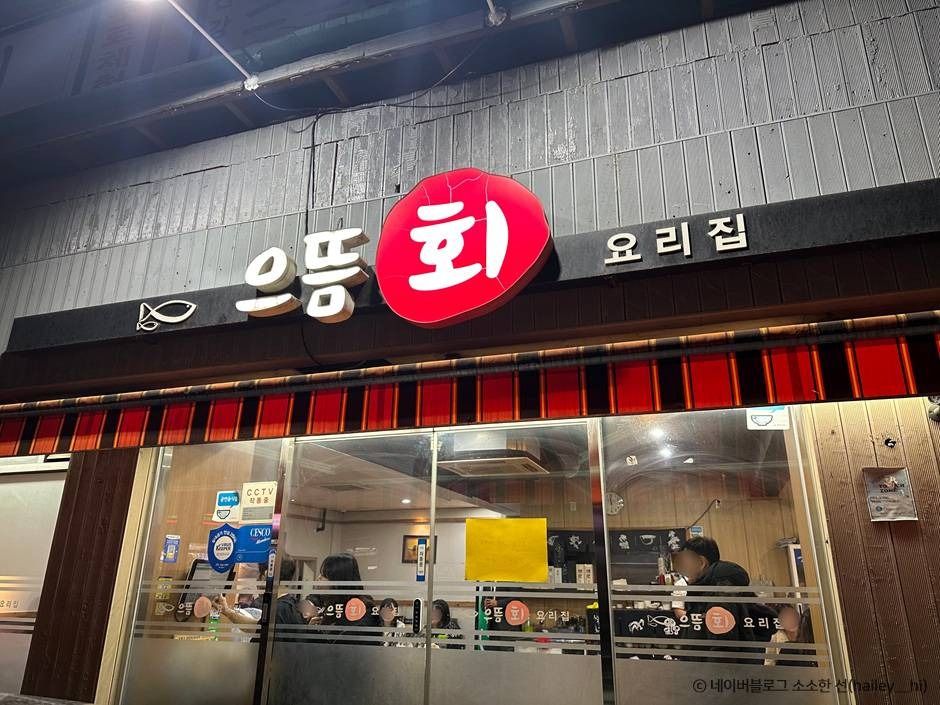
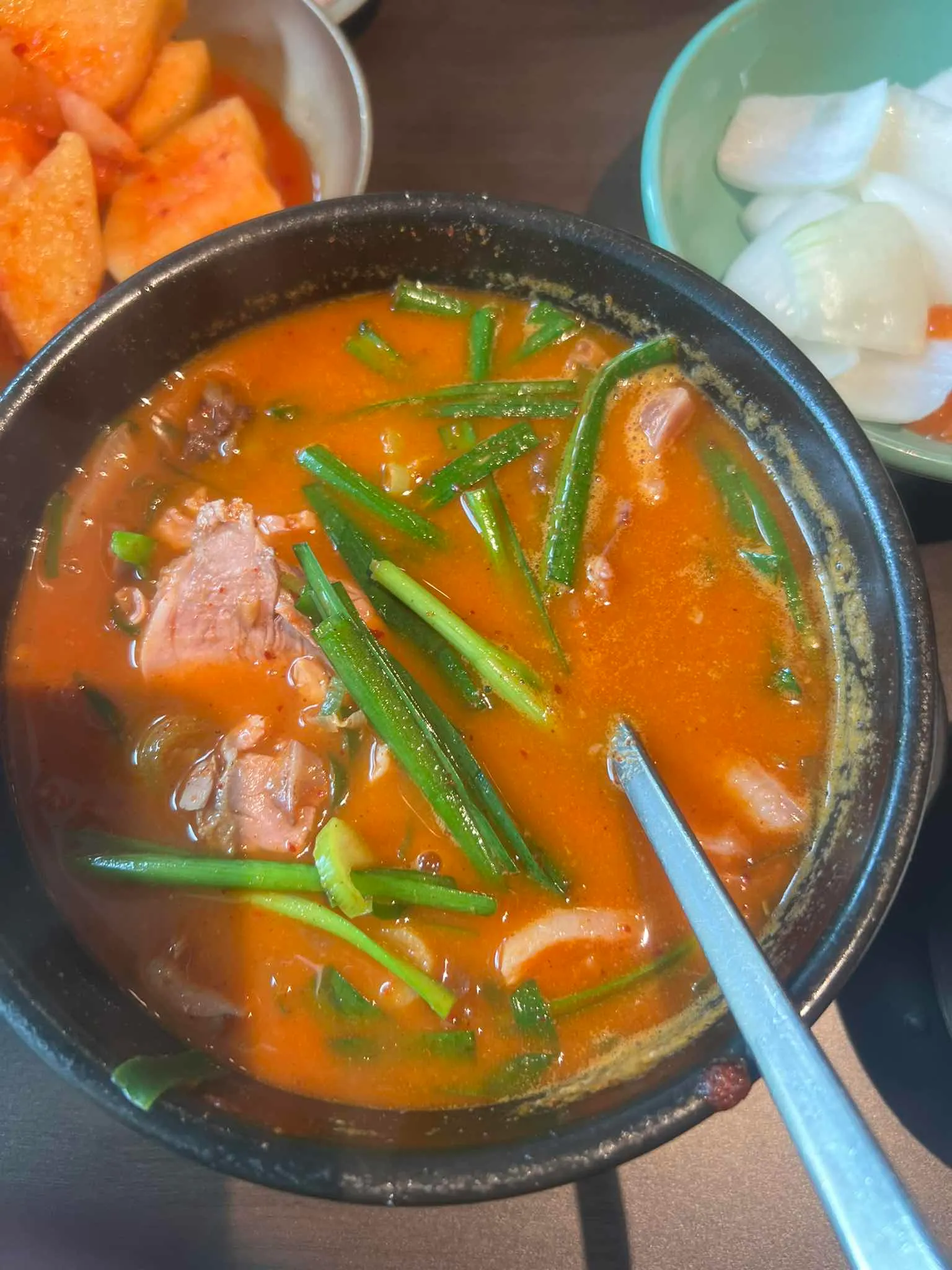
How to Choose a Course at Eutteum Sashimi Restaurant, 197 m from Exit 4 of Gubundari Station
 Travel Guide
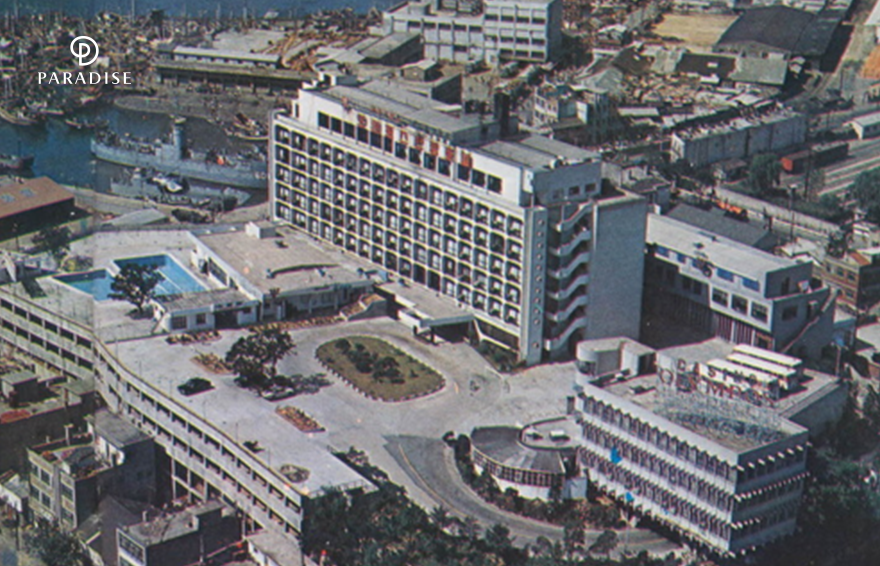
A Foreigners-Only Gaming Venue on the Han River Opened in 1968: Paradise Casino Walkerhill
 Travel Guide
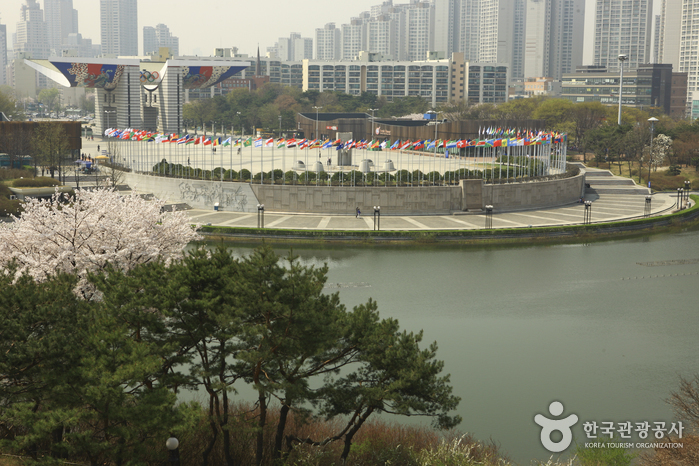
A Spacious Day in Songpa, Where Baekje Earthen Fortifications Meet the 1988 Seoul Olympics
 Travel Guide