Two Days That Begin at 6 PM, When the Lights Come On in Jeonju Hanok Village
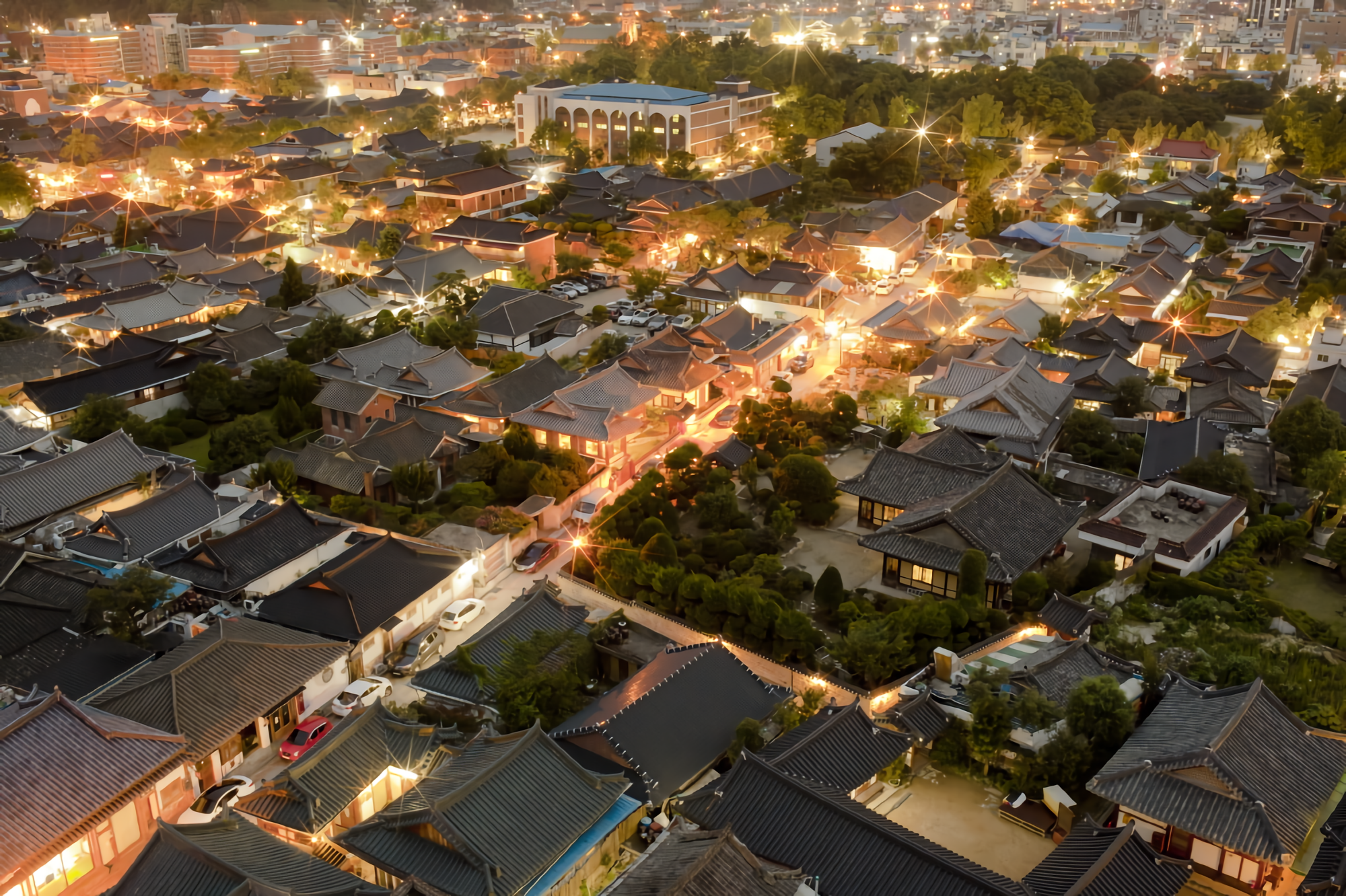
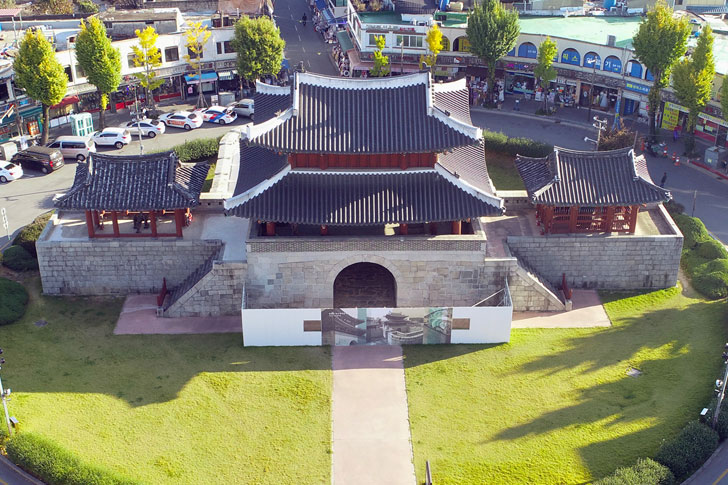
Friends who have only visited Jeonju during the day always say the same thing: "Too many people, and it was all just food stalls." That is true. But Jeonju after sunset becomes a completely different city. I went to see the 2026 Jeonju National Heritage Night Walk precisely because I wanted to experience Jeonju at night. This festival runs for just two days, Friday, June 5 and Saturday, June 6, 2026, every evening from 6 PM to 10 PM. The venues are not limited to one place; they are spread across the old downtown area, including Gyeonggijeon, Pungnammun Gate, Jeonjuhyanggyo Confucian School, and Jeollagamyeong. The slogan, "Jeonju, the Thousand-Year Old Capital, An Evening Stroll Through History," naturally comes to life as you walk, because the concept is to illuminate the city’s layered history, from Wansanju, the capital of the Later Baekje Kingdom, to Jeonjubu in the Joseon Dynasty and modern-day Jeonju. This year’s event is organized into 25 programs across 8 categories, grouped under themes called "sulsa," such as light, performance, stories, travel, and food.
The first thing to know is admission. The festival grounds cover Jeonju Hanok Village, Gyeonggijeon, Jeonjuhyanggyo Confucian School, Pungnammun Gate, and the Jeollagamyeong area, and admission is free. Since it is an official event hosted by the Korea Heritage Service, Jeonbuk State, and Jeonju City, and organized by the Culture and Arts Workshop, there were staff members stationed throughout the route, so I didn’t worry much about getting lost. But free admission does not mean everything is available without any conditions. I’ll come back to that later.

Arriving Before Sunset, Leaving Before 10 PM
I arrived in Hanok Village around 5:30 PM, intentionally before sunset. If you circle the stone walls of the hanok houses during the day and wait for it to get dark, you won’t miss the moment when the lights turn on. The most convenient way to reach Jeonju was by taxi from Jeonju Station on the KTX/SRT or from the express bus terminal. Since Hanok Village itself is mostly a car-free zone, driving your own car will be a hassle. In fact, the Jeollagamyeong and Hanok Village area experiences severe traffic congestion on weekends and during events, and parking is very limited. The Hanok Village public parking lot and the Nambu Market public parking lot fill up quickly, so if you do drive, it is better to park on the outskirts and walk in.
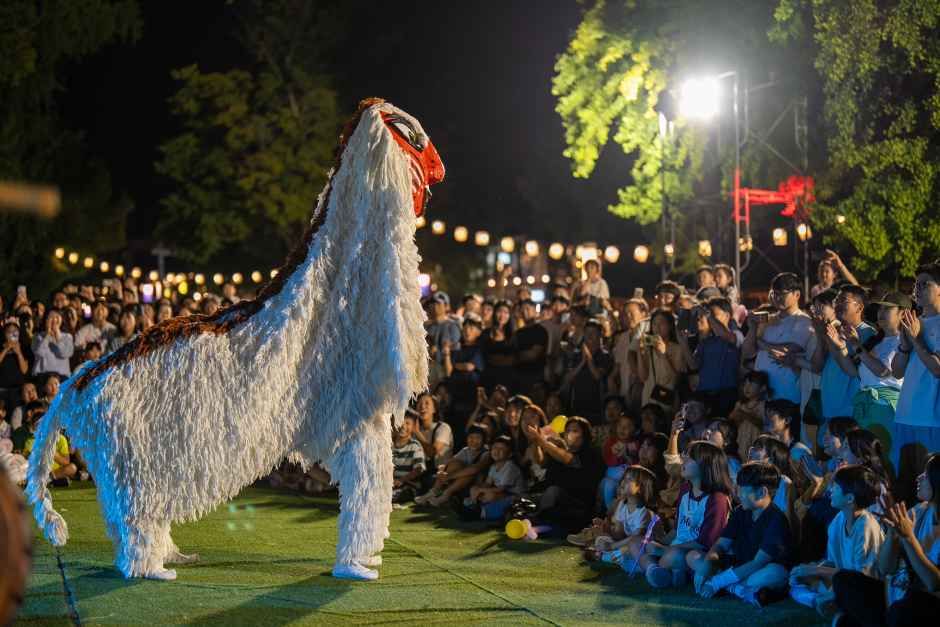
I hardly had to worry about payment on site. Whether it was a snack stall in Hanok Village or a cafe, cards and mobile payments worked well, but some street vendors prefer cash, so bringing a few 10,000-won bills will keep things easy. Dinner was not something I needed to think about. There were lines everywhere for octopus skewers topped generously with Imsil cheese, bean sprout soup rice, and bibimbap. As I moved from one spot to the next, trying programs like the horror experience "Zombie Annals" set against Gyeonggijeon, the Jeonjuhyanggyo mystery mission "Hyanggyo Ghost Story," the "Unexpected Gugak" performance in front of Pungnammun Gate, and the tea culture program "Moonlight Tea Gathering" enjoyed under the moonlight, time flew by. The Gyeonggijeon Zombie Annals in particular had you searching for the Annals of the Joseon Dynasty while avoiding zombies, and the tension of running through the alleys between the hanok walls was strangely addictive.
Because it is a nighttime event, it is best to decide your return route in advance. When the programs end at 10 PM, everyone suddenly starts looking for taxis at once. I watched the final performance around 9:30 PM and slowly headed out, catching a taxi on the main road; compared with the crowd leaving at the very end, it was much easier. If you are a foreign traveler, I recommend installing a ride-hailing app in advance.

Later Baekje and Gyeon Hwon, the Main Focus of This Year’s Night Walk
Many people think of Jeonju only as a "Joseon Hanok Village," but this year’s Night Walk explored an even older story. This year, content based on Later Baekje history was greatly expanded, with the stamp tour "Searching for the Lost Later Baekje," which tells the background of why Gyeon Hwon chose Jeonju as the Later Baekje capital, and the modern reinterpretation "King Gyeon Hwon Ssireum Tournament" as the representative programs. There was also "The Royal Palace and Fortress Trip of Later Baekje," a tour that explores Later Baekje ruins such as Donggosanseong with experts, which made the experience feel like more than just a night stroll; it felt like tracing the city’s roots. The stamp tour was especially good to do with a foreign friend. Even if you can’t fully understand the Korean explanations, the structure of collecting stamps and moving from place to place lets you understand it physically.
Let me be honest about the language environment. The Night Walk is centered on Korean storytelling, so not every program has interpretation or English guidance. Still, content you can simply watch and listen to, such as night scenery created with lighting, hanji lanterns and media signage, solo traditional instrument performances, and gugak stages, can be enjoyed regardless of language. For commentary tours or game-style programs that require explanation, it becomes much richer if you go with a friend who knows some Korean.

Two Things to Avoid Wasting Your Trip — Advance Reservations and the Weather
Even though it is a free festival, not every program can be enjoyed spontaneously on the day. Limited-capacity experiences such as the "National Heritage 1 Night 2 Days" stay in a hanok, Moonlight Tea Gathering, alleyway guided tours, and the trip to the fortress require competitive advance reservations. You can check the details on the Jeonju National Heritage Night Walk website (www.jeonjunight.com), so if there is a program you really want to attend, make sure you check reservation status and times before you depart. On the other hand, things like enjoying the illuminated scenery, street performances, and the flea market can be fully enjoyed just by walking around without a reservation.
The other thing is the weather. Early June nights in Jeonju are pleasant for walking, but this is also when the rainy season can begin, so be sure to check the forecast. Since the event is outdoors, it is safer to pack an umbrella or a thin raincoat. The route spreads widely across Gyeonggijeon, Hyanggyo, Jeollagamyeong, and Pungnammun Gate, with a mix of stone paths and inclines, so sneakers are the right choice. Restrooms and convenience stores were not a major inconvenience thanks to the tourist infrastructure in Hanok Village.
So who do I recommend it to? I confidently recommend it to anyone who wants to experience an old Korean city not as a daytime tourist spot but as a nighttime story, and to travelers who may not be strong in Korean but can still fully enjoy lights and performances with little stress. It is only a two-day festival, but the night I walked along the illuminated walls of Gyeonggijeon will stay with me for a long time.
| Item | Score | Basis |
|---|---|---|
| Language accessibility | 3.0 | Lights and performances can be enjoyed regardless of language, but commentary and game-style programs are mostly in Korean |
| Transportation access | 3.5 | Easy to reach from Jeonju Station and the terminal, but traffic jams and parking shortages are severe; public transit and taxis are recommended |
| Facilities for foreigners | 3.0 | Hanok Village’s tourism infrastructure is solid, but foreign-language-only guidance is limited |
| Local cultural experience | 4.5 | Rich content that turns Later Baekje and Joseon history into nighttime experiential programs |
| Value for money | 4.5 | Admission is free, with only some experiences requiring reservation or payment |
| Cleanliness/Safety | 4.0 | Route management with official hosts and staff, but preparation for nighttime crowds is needed |
| Food/Convenience facilities | 4.5 | Street food and popular eateries are concentrated in Hanok Village, with smooth card and mobile payment options |
This article was compiled by our editorial team from official announcements and coverage of previous editions; it is not a first-hand visit report. Please confirm the final schedule and fees on the official website.
Festival Details
-
Festival Period6/5/2026 ~ 6/6/2026
-
Festival Venue44 Taejo-ro, Wansan-gu, Jeonju-si, Jeollabuk-do, South Korea (Pungnam-dong 3-ga)
-
Admission FeeFree admission
-
TagsJeonju National Heritage Night (Jeonju Gukga Yusan Ya-haeng) Millennium-Old Capital Jeonju Hanok Village Night Scenery Gyeonggijeon Zombie Chronicles King Gyeonhwon Great King Cup Ssireum Tournament History of the Capital of Hubaekje (Later Baekje)
More Festivals

Popular Concerts
![EXO PLANET #6 - EXhOrizon [dot] -](https://kotourlive-images.s3.ap-northeast-1.amazonaws.com/concerts/1787215796640_ee65f451_thumbnail.jpg)

More Travel Guides in This Area
 Travel Guide
A Day’s Walking Route Through Jeonju Hanok Village, Beneath More Than 700 Roofs
 Travel Guide
A Timetable for Exploring the 800 Shops of Jeonju Nambu Market by Pungnammun Gate
 Travel Guide
Reading the Past of the Cinema District and the Jeonju International Film Festival Route on Jeonju Movie Street
 Travel Guide