Why I Went to Taebaek, a Mountain City in Gangwon-do, in the Height of Summer
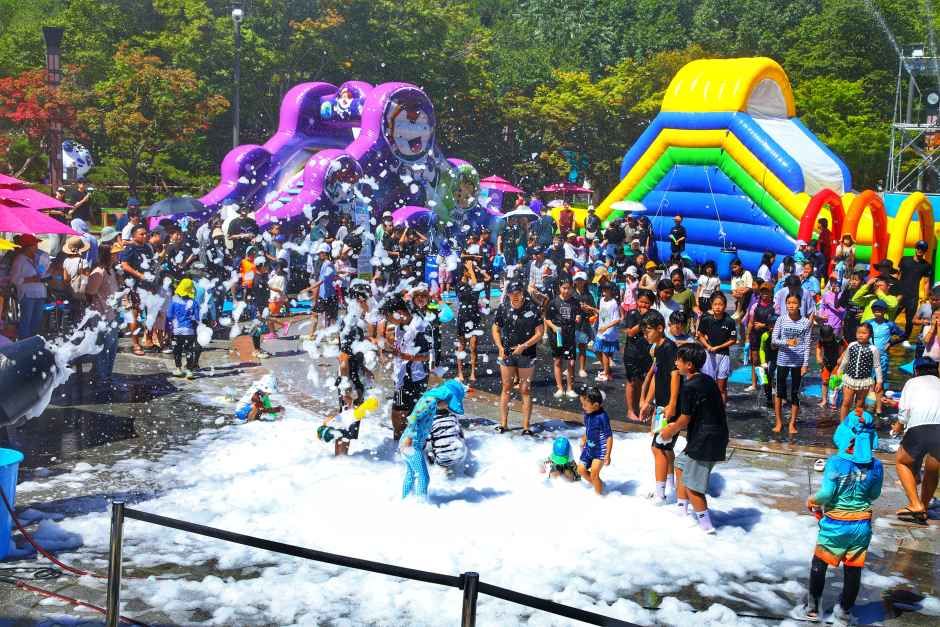
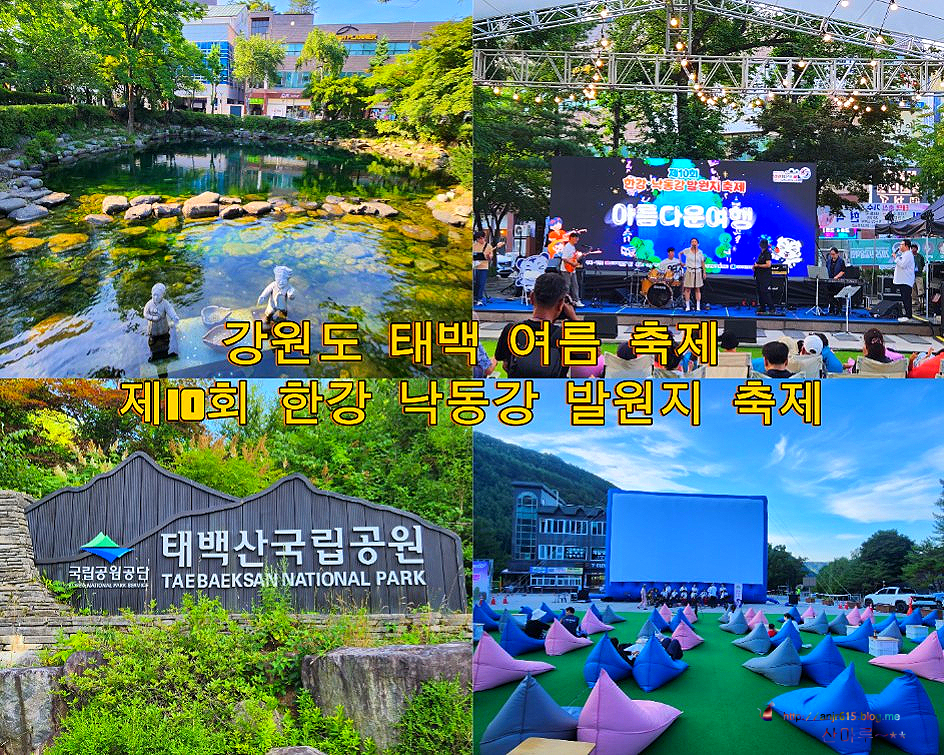
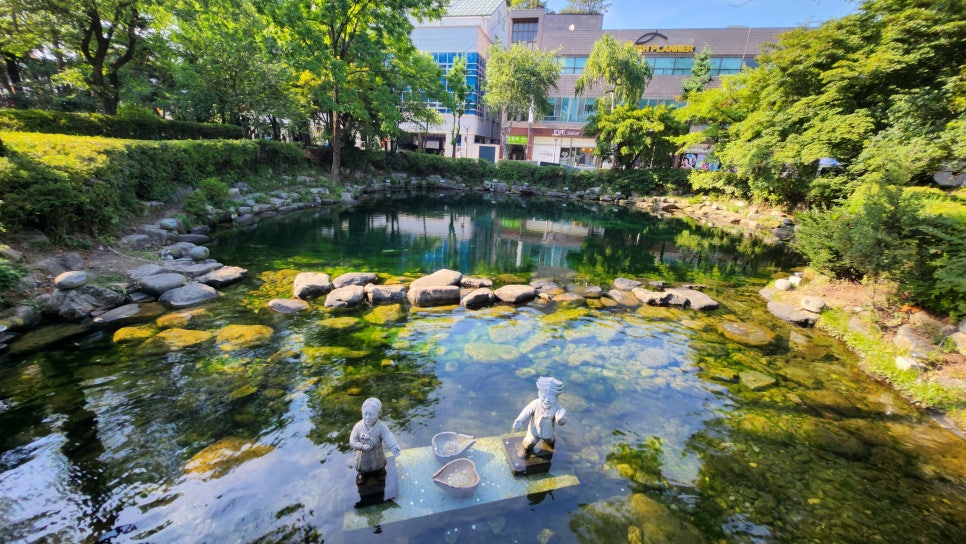
Even my Korean friends would ask, "Taebaek? Isn't that where they hold the snow festival in winter?" But I deliberately went to Taebaek at the very end of summer. The reason is simple. Both the Han River and the Nakdong River begin here. Gumryongso, the source of the Han River, lies on the slopes of Taebaeksan Geumdaebong, and Hwangji Pond, the spring of the Nakdong River, sits right in the middle of the city. It's fascinating that one city holds the starting points of two major rivers. The festival that turns that identity as a source into a celebration is the Han River & Nakdong River Source Festival. It is held for nine days every year from late July to early August around Hwangji Pond and the Taebaek Culture Plaza. During the day, you can cool off with water play, and at night, fireworks and performances continue with the pond as a backdrop.
The first thing I noticed when I arrived was the temperature. Taebaek is a highland area, so even in midsummer the air feels cool. Coming down from the city after suffering through a heat wave felt like stepping into another world. In fact, Taebaek City promotes itself as a "city without tropical nights," and that's no exaggeration. The amount of water that gushes out of Hwangji Pond in a day reaches 5,000 tons, and since it was once the city's water source, it's famous for tasting good; just walking around the pond area felt refreshing.
A Foreign Traveler's Day Route - Cheongnyangni to Taebaek Station, Then a 10-Minute Walk
The first thing to sort out is transportation. If you're coming from Seoul, one train from Cheongnyangni Station to Taebaek Station is enough. However, since there aren't many departures, I strongly recommend booking in advance. Trains from Cheongnyangni to Taebaek run only a few times a day, so if you try to move spontaneously on the same day, you're likely to run into trouble. If you're a foreign visitor, using the Korail Pass is convenient because it lets you ride trains such as Mugunghwa-ho and KTX-Eum unlimitedly for a set period.
Once you get off at Taebaek Station, the next part is surprisingly easy. Hwangji Pond is just a 10-minute walk from the station. As long as you don't have a heavy suitcase, it's walkable. There is a Taebaek bus stop across from the station, so transferring by bus is also convenient, but if you're only going to the festival site, walking is faster. There is no admission fee. It's a free festival, so you don't need to buy a ticket or make a reservation in advance; you can just go in.
My route on site was like this. During the day, I started with a foot bath experience in the cool water flowing from Hwangji Pond. It's free, so anyone can participate just by taking off their socks, and the water is so cold that it wakes you up instantly the moment you put your feet in. Children run around getting splashed in the "Hhmppoknoljaeng" water-play area, and random dance play takes place in the streets. After sunset, the atmosphere changes completely. Performances with the water-system city and the "Cool Water Night" continue, and fireworks and traditional nakhwa-nori with the pond as a backdrop fill the night sky. Popular singers such as Lee Chan-won have also appeared on the opening stage.

There was no need to worry about food either. Around Hwangji Pond, the "Hwangbuja Daughter-in-law Night Market" and a flea market operate throughout the event period, so you can sample plenty of Taebaek food. There was also a beer zone under a large shade canopy, making it a great place to cool off with local craft beer and snacks. The flow was natural: snack while watching stage performances, then wrap up the night with fireworks when it got late.
Practical Tips to Avoid a Wasted Trip
The most important thing is still train tickets. Since trains to Taebaek don't run very often, seats can be sold out if you don't book ahead, especially on weekends or during the festival period. Be sure to check the last return train time before you depart as well. If you want to stay until the end of the night events, I recommend spending one night in Taebaek. There are many accommodations near Hwangji Pond, so staying within walking distance is convenient.
The second is clothing. Since it's a midsummer festival, bring clothes suitable for water play, but at night you'll definitely need at least one long-sleeved layer because of the cool temperatures unique to the highlands. I was fine walking around in a short-sleeved shirt during the day, but by evening I felt chilly. If you're going to join the water-play program, bring a change of clothes and a towel too.
Honestly, the language environment is centered on local residents, so English guidance is not very abundant. However, most of the programs are visual and fun to watch, such as water play, dance, and fireworks, so even if you don't understand the language, you can still enjoy the atmosphere enough. Payment at places like the night market and beer zone may require cash, so carrying some small bills will make you feel more at ease. Restrooms were not difficult to use because fixed facilities were operating in the Taebaek Culture Plaza area.
So, Who Would I Recommend It To?
It is perfect for travelers who want to experience a Korean summer festival in a truly cool place while escaping the city's heat, and for those who want to enjoy the friendly atmosphere of getting splashed by locals and watching performances rather than a flashy large-scale festival. The story of being the birthplace of two rivers made it more than just a water-play event, and it stayed in my memory for a long time. If you're hesitant about traveling deep into the mountains of Gangwon-do in midsummer, I would say that the cool air alone is reason enough to go.
| Item | Score | Basis |
|---|---|---|
| Language Accessibility | 2.5 | As a festival centered on local residents, English guidance is limited, but since the programs are mainly for watching and enjoying, the language barrier is low. |
| Transportation Accessibility | 3.0 | It's close, only a 10-minute walk from Taebaek Station, but because there are few trains from Cheongnyangni, advance booking is essential. |
| Facilities for Foreign Visitors | 3.0 | It has the basics, such as free admission and fixed restrooms, but information on foreigner-specific conveniences is limited. |
| Local Cultural Experience | 4.5 | With its identity as the source of the Han River and Nakdong River, the legend of Hwangji Pond, and the citizen water-walking parade, the local character is very strong. |
| Value for Money | 4.5 | Admission is free, and there are many free experiences such as foot baths and water play, so you can enjoy it without burden. |
| Cleanliness/Safety | 4.0 | With fixed restrooms and a route centered on the urban plaza, the flow is relatively safe. |
| Food/Convenience Facilities | 4.0 | With the Hwangbuja Daughter-in-law Night Market, flea market, and beer zone operating throughout the event, there are plenty of food options. |
This article was compiled by our editorial team from official announcements and coverage of previous editions; it is not a first-hand visit report. Please confirm the final schedule and fees on the official website.
Festival Details
-
Festival Period7/25/2026 ~ 8/2/2026
-
Festival VenueHwangji Pond (Hwangji Pond Cultural Tourism Guide’s House), 12 Hwangjiyonnmot-gil, Hwangji-dong, Taebaek-si, Gangwon Special Self-Governing Province
-
Admission FeeFree
-
TagsHan River & Nakdong River Source Festival 11th Water Walking Parade Seonseon Water Night Hmeukkkeok Noljangg Fireworks
More Festivals



Popular Concerts

![[Play&Stay]ILLIT LIVE ‘PRESS START♥’ ENCORE in KOREA + Hotels](https://kotourlive-images.s3.ap-northeast-1.amazonaws.com/concerts/1790560840067_340ff0d2_thumbnail.gif)

More Travel Guides in This Area
 Travel Guide
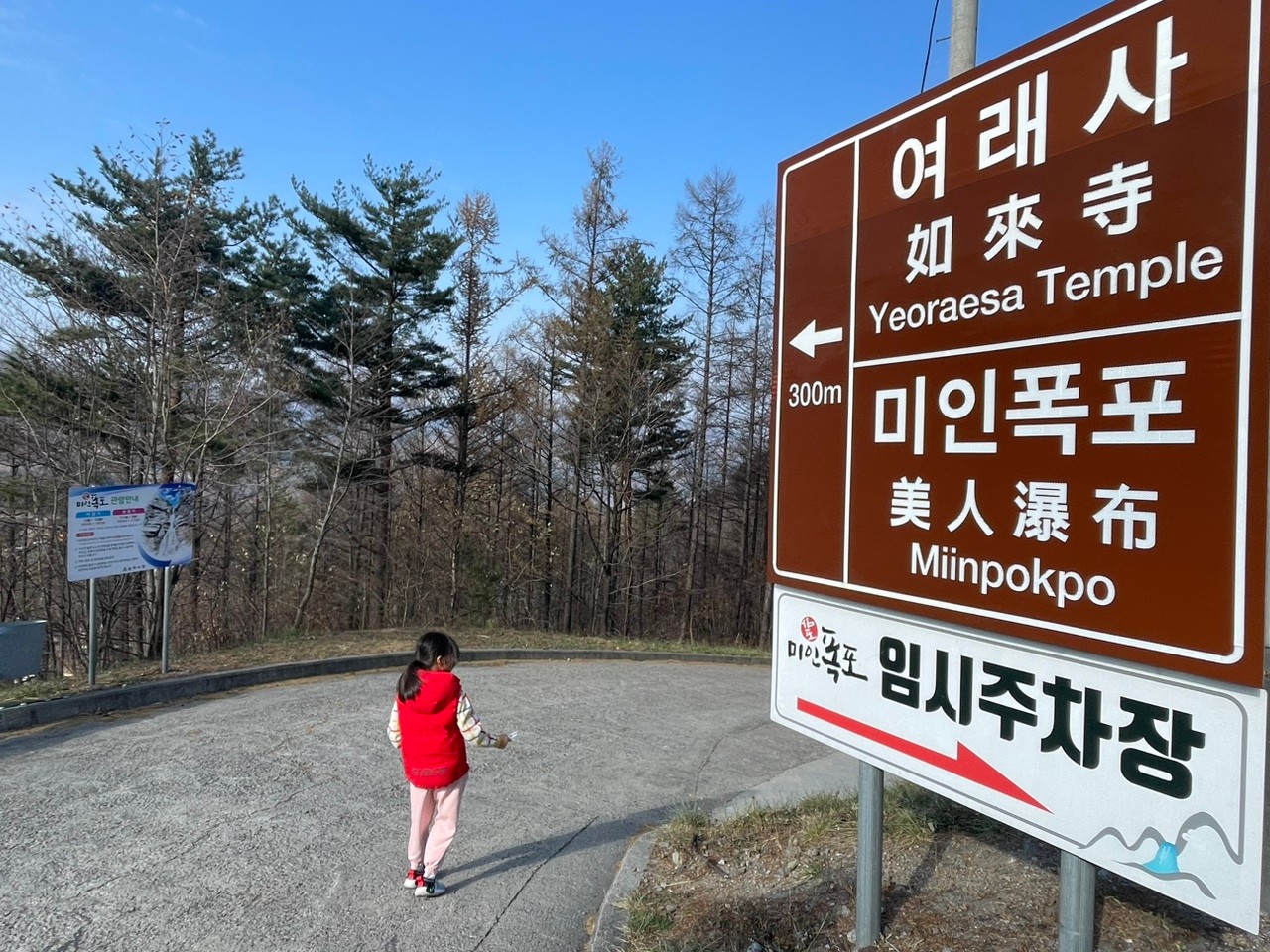
Samcheok Miin Waterfall, a 300 m access trail beneath an emerald valley
 Travel Guide
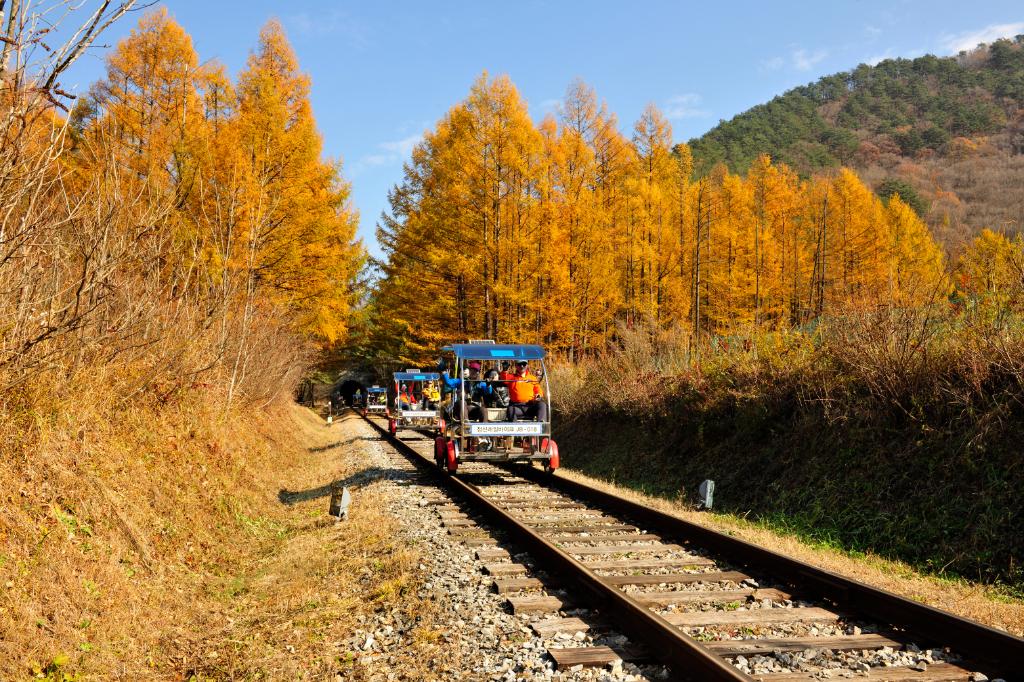
7.2 km from Gujeol-ri Station to Auraji: What to Know Before Riding the Jeongseon Rail Bike
 Travel Guide
Indoor and Outdoor Routes at High1 Water World in Gohan, 1,100 Meters Above Sea Level
 Travel Guide