From Taehwa Temple in 643 to the 2014 Restoration: Taehwaru on the Taehwagang Cliff
Taehwaru is said to have been a pavilion of Silla’s Taehwa Temple. After disappearing around the time of the Imjin War, it was restored in 2014 and is now a historic park in Jung-gu, Ulsan. Centered around the pavilion overlooking the Taehwagang River and its exhibition space, it is easy to combine with a walk through Taehwagang National Garden and the Tenri Bamboo Grove.

I’ve been here?
Your check-in helps the next traveler.
15 people viewed this week Be the first
One tap — no writing needed
The Pavilion of the 643-Year-Old Taehwasa Temple, Built on the Hwangnyongyeon Cliffs of the Taehwagang River
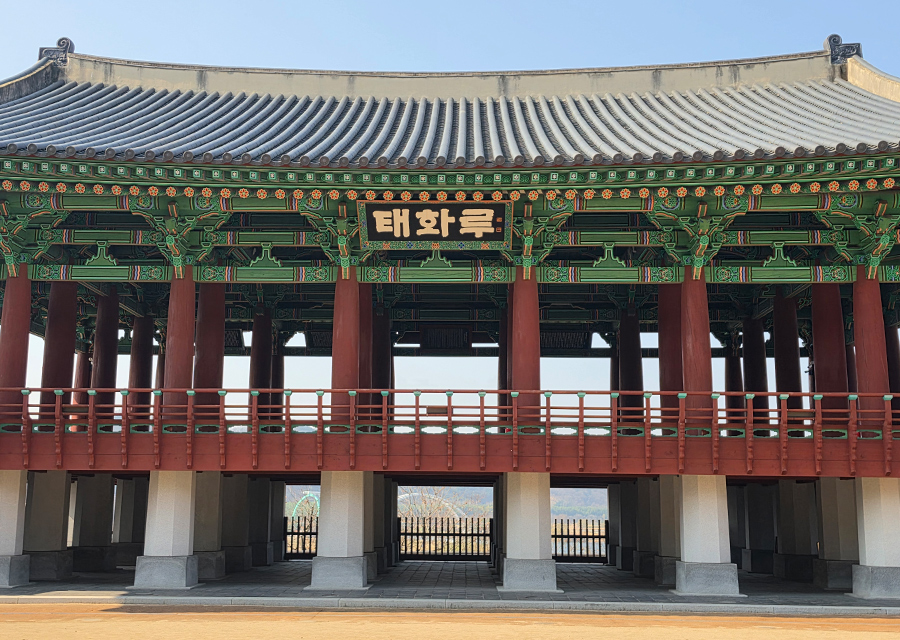
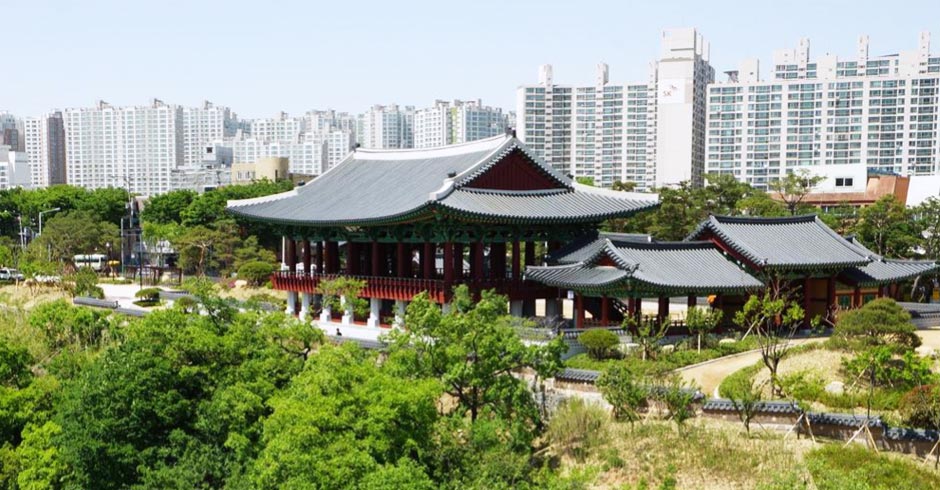
Taehwaru is a traditional pavilion located at 300 Taehwa-ro, Jung-gu, Ulsan, on a hill overlooking Hwangnyongyeon along the Taehwagang River. The Ulsan Tourism Division and Ulsan Facilities Corporation explain that it was built together with Taehwasa Temple when the Silla monk Jajang established the temple in 643. The name Taehwasa is also connected to the present-day name of the Taehwagang River.
The reason this site was more than a simple riverside pavilion is related to Ulsan’s geography. Ulsan was a gateway from the Silla capital of Seorabeol to the southeastern coast, while the Taehwagang River was a waterway linking the sea and inland areas. The Facilities Corporation explains the construction of Taehwasa, a temple dedicated to protecting the nation, in connection with Ulsan’s strategic importance at the time.
A Literary Site Shaped by King Seongjong’s Visit in 997 and 107 Surviving Poems and Prose Works
According to Ulsan Tourism information, King Seongjong of Goryeo visited Taehwaru in 997. Gweon Geun’s commemorative account records a reconstruction in 1401, while Seo Geo-jeong’s Record of the Reconstruction of Taehwaru contains an account of repairs carried out around 1480. Taehwaru was a place where officials discussed state affairs and travelers and literary figures admired the scenery of the river and surrounding town.
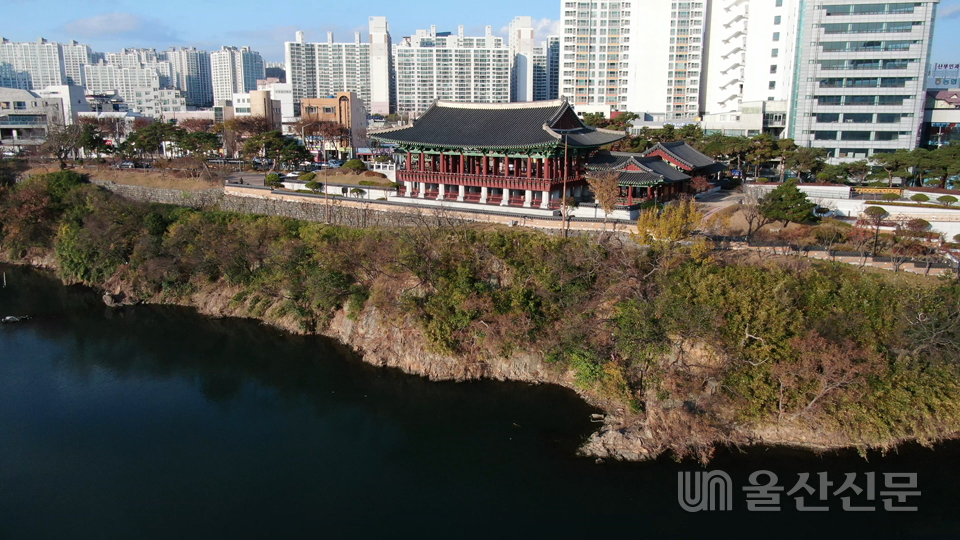
Ulsan Facilities Corporation introduces approximately 107 poems and prose works associated with Taehwaru. Therefore, rather than viewing only the building itself, visitors should also take in the Taehwagang River, Ulsan’s urban area, and the direction of Namsan across the river to better understand the pavilion’s historic function.
How the Pavilion, Lost After the Imjin War, Returned Through Construction from 2011 to 2014
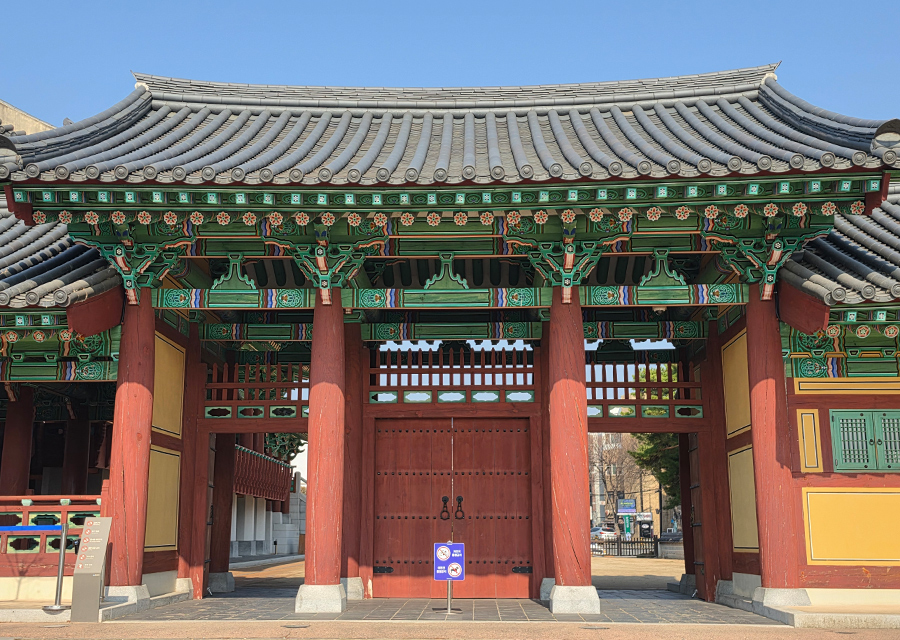
Taehwaru is presumed to have been destroyed around the time of the Imjin War, and the 1902 edition of the Ulsan County Gazetteer records that it was lost during the war. It had been gone for more than 400 years. The current building is not a structure whose original remains survived intact, but a reconstructed building based on historical documents, excavation surveys, and research into traditional architecture.
Reconstruction proceeded after the detailed design was completed in January 2010 and an excavation survey of buried cultural heritage was conducted. Construction began in September 2011 and was completed in April 2014; Ulsan Tourism lists May 14, 2014, as the completion date. Excavations confirmed three building sites dating from the Silla to Goryeo periods, one Goryeo-period wall site, and two pit features from the Joseon period.
What to See and in What Order at the 10,138㎡ Historical Park
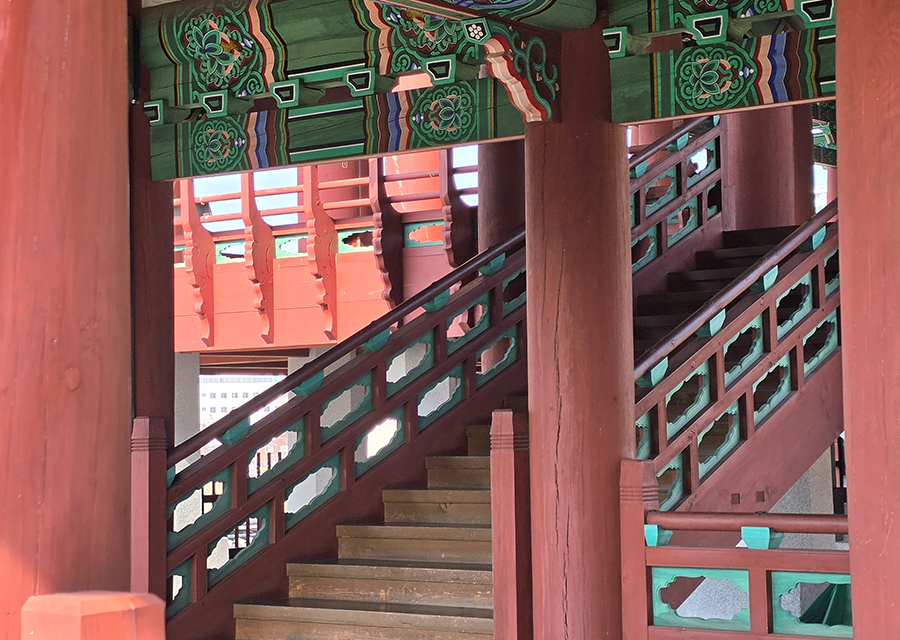
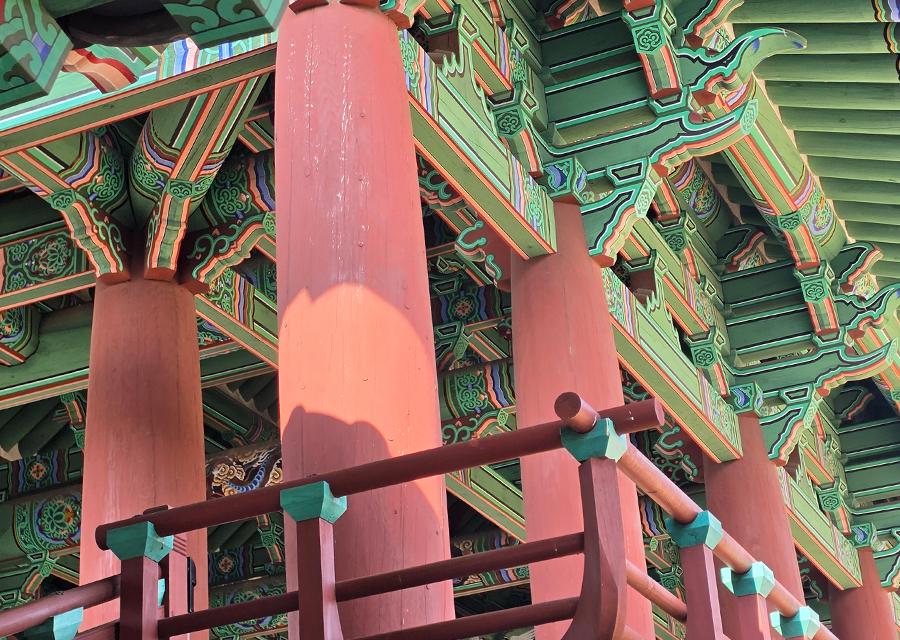
Taehwaru Historical Park covers a site area of 10,138㎡ and has a total floor area of 731㎡. Taehwaru accounts for 379.53㎡, while the Rest and Culture Building covers 351.48㎡. The buildings combine a two-story Korean-style timber structure with reinforced-concrete construction, and the site also includes a main gate building, a servants’ quarters building, and an outdoor park.
On arrival, pass through the main gate building and first view the pavilion’s exterior. Then remove your shoes, go up into the pavilion to enjoy the river view, and visit the exhibition on the reconstruction at the Rest and Culture Building. This is the most efficient order. The city of Ulsan states that one staff member dedicated to explaining Taehwaru’s history is stationed at the information center, so visitors can ask upon arrival whether an explanation is available.
Taehwaru: Open Until 9 p.m. from March to October and 8 p.m. from November to February, with No Admission Fee
The grounds inside the enclosing wall are open from 09:00 to 21:00 from March to October and from 09:00 to 20:00 from November to February. No separate admission fee is listed, so the site can be visited free of charge. An official tourism guide does not separately announce a regular closing day. However, hours may change because of events, facility inspections, or weather conditions, so it is safest to call 052-211-0888 before visiting late in the day.
The main contact number, according to the Ulsan Tourism guide, is 052-211-0888, while the contact number for the Ulsan City Culture and Arts Division is 052-229-3755. The official information page is https://tour.ulsan.go.kr/tour/kor/unit/attrctn/view.do?mId=001002007000000000&unqId=107. Allow 30 to 50 minutes to see the building and exhibitions together, or 1.5 to 2 hours if continuing on foot to Taehwagang National Garden.
Using the 25 Bus Routes at the Taehwaru Stop and the Public Parking Lot
The address is 300 Taehwa-ro, Jung-gu, Ulsan Metropolitan City. The regular bus routes near Taehwaru listed by Ulsan Facilities Corporation are 114, 213, 215, 219, 236, 246, 417, 422, 432, 438, 462, 472, 518, 523, 533, 713, 715, 723, 728, 734, 735, 754, 763, 918, 1114, 1224, and 5003. A travel guide also notes that the pavilion is about a two-minute walk from the Taehwaru bus stop.
Visitors arriving by car can use the public parking lot in front of the site. According to the Byeolbyeol Travel guide, parking costs 500 won for the first 30 minutes and 200 won for every additional 10 minutes, but operating policies may change, so check the signs on site before entering. Separate men’s and women’s restrooms are available, along with an accessible restroom and ramps. Wheelchair and stroller access is possible, although visitors should inspect the on-site layout before attempting to reach the upper level of the pavilion.
A Day-and-Night Route Connecting to Taehwagang National Garden and Sipridaesup
Taehwaru is situated where visitors can view Taehwagang National Garden and Sipridaesup together. After touring the pavilion, follow the riverside walkway toward the national garden and Sipridaesup. This allows visitors to compare at once the history of the traditional pavilion with the process by which Ulsan restored its riverside as a park. Ulsan’s Taehwagang Master Plan included the “restoration of the Taehwagang’s historic character (reconstruction of Taehwaru)” as part of its 2005–2009 phase.
As the light fades, it is pleasant to view the outline of the wooden pavilion together with the riverside scenery, but the grounds still close at 21:00 from March to October. Taehwaru itself suits visitors who want to quietly take in history and views. Those expecting extensive indoor exhibitions or hands-on activities may find the site relatively small.
Before You Go
- Address
- 300 Taehwa-ro, Jung-gu, Ulsan Metropolitan City
- Hours
- 09:00–21:00, March–October; 09:00–20:00, November–February
- Admission
- Free
- Phone
- 052-211-0888
- Official site
- https://tour.ulsan.go.kr/tour/kor/unit/attrctn/view.do?mId=001002007000000000&unqId=107
- Transport
- Use the Taehwaru stop. Bus routes 114, 213, 215, 219, 236, 246, 417, 422, 432, 438, 462, 472, 518, 523, 533, 713, 715, 723, 728, 734, 735, 754, 763, 918, 1114, 1224, and 5003; approximately a two-minute walk after getting off
- Parking
- Public parking available. According to the guide materials, 500 won for the first 30 minutes and 200 won per additional 10 minutes; checking on site is recommended
- Time needed
- 30–50 minutes for Taehwaru; 1.5–2 hours when combined with Taehwagang National Garden and Sipridaesup
- Accessibility
- Accessible restroom and ramp installed; one staff member dedicated to visitor assistance is stationed at the information center
The information above is based on conditions at the time of writing. Check the official information again before visiting.

Places
Nearby Attractions 2
-
 1
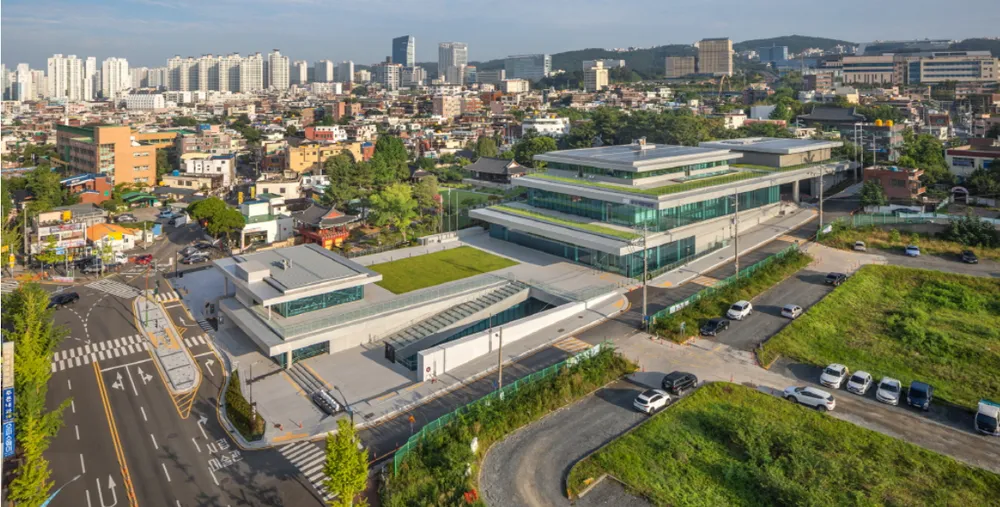
Ulsan Art MuseumA place to view contemporary art exhibitions and enjoy cultural and artistic programs
1
Ulsan Art MuseumA place to view contemporary art exhibitions and enjoy cultural and artistic programs -
 2
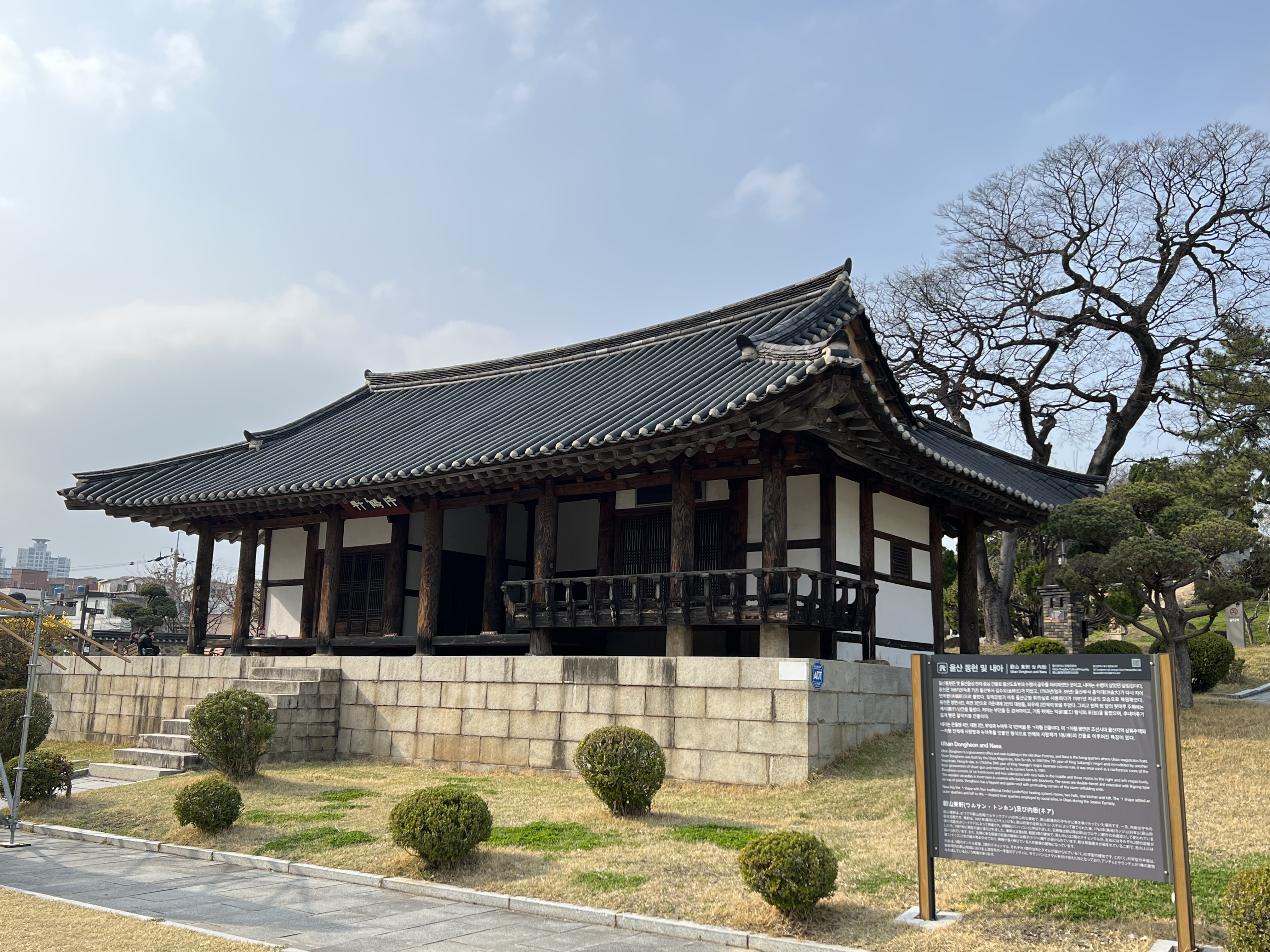
Ulsan Dongheon and NaeaA place to see Joseon-era Ulsan government buildings and historic living quarters.
2
Ulsan Dongheon and NaeaA place to see Joseon-era Ulsan government buildings and historic living quarters.
Food & Dining 1
-
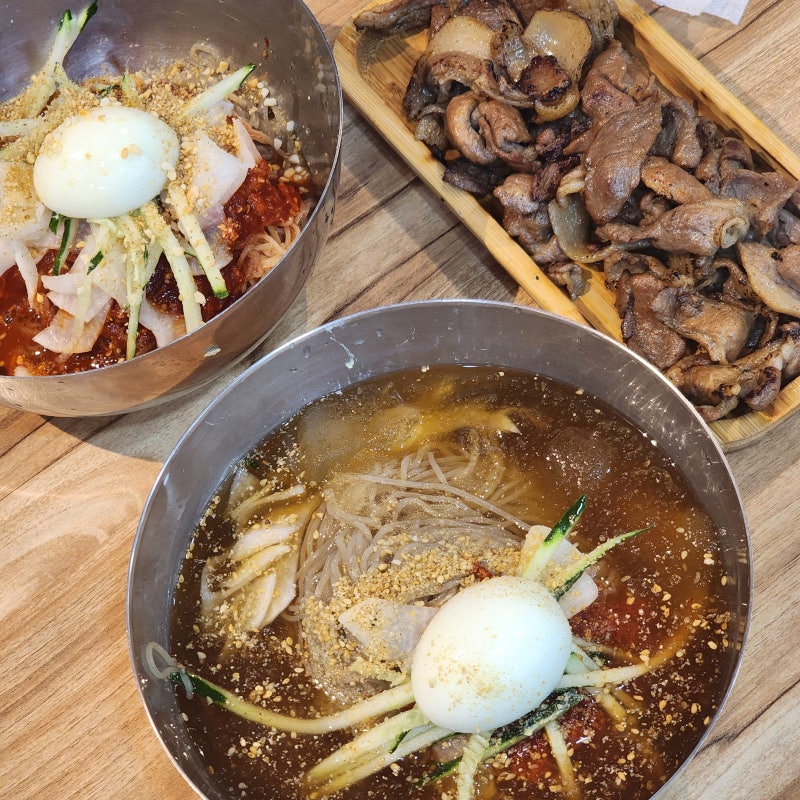 3
Palgok MilmyeonA restaurant where you can enjoy mul milmyeon, charcoal-grilled meat, and galbitang.
3
Palgok MilmyeonA restaurant where you can enjoy mul milmyeon, charcoal-grilled meat, and galbitang.
More Travel Guides in This Area
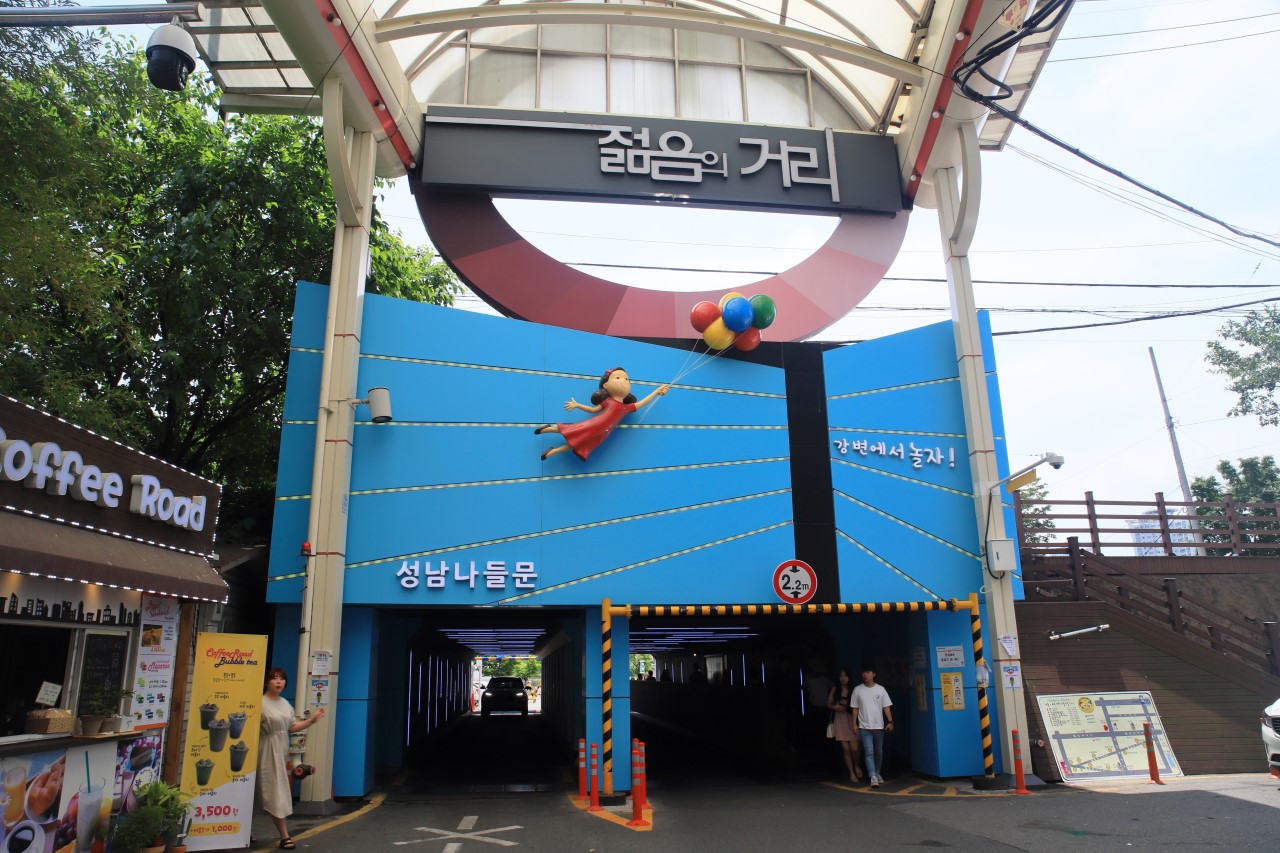 Travel Guide
Seongnam-dong Youth Street, Where a 724m Arcade Overlaps with Railway Memories
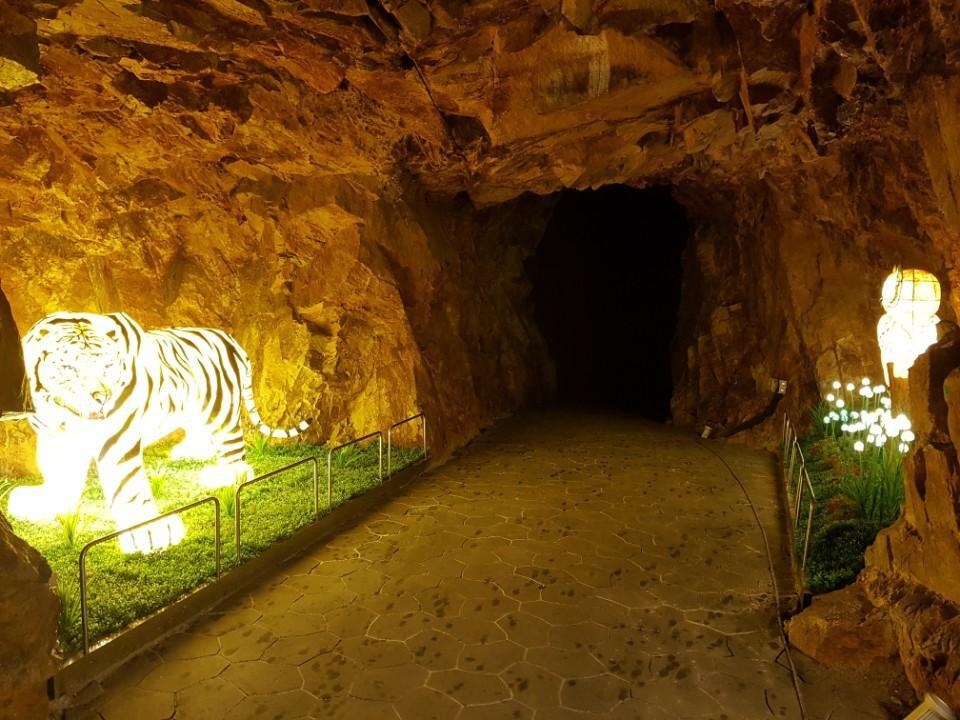 Travel Guide
History and Experiences at Taehwagang Cavepia: Ulsan Namsan’s Four Artificial Caves
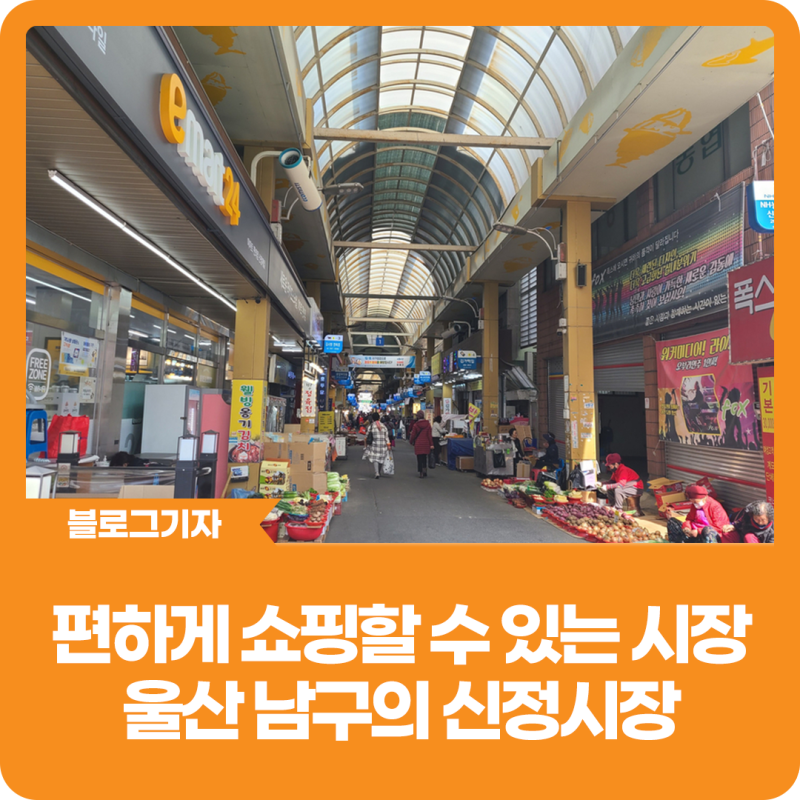 Travel Guide
Ulsan Sinjeong Market, an Urban Market Walk Through the Gukbap Alley and 10 Sections
 Travel Guide
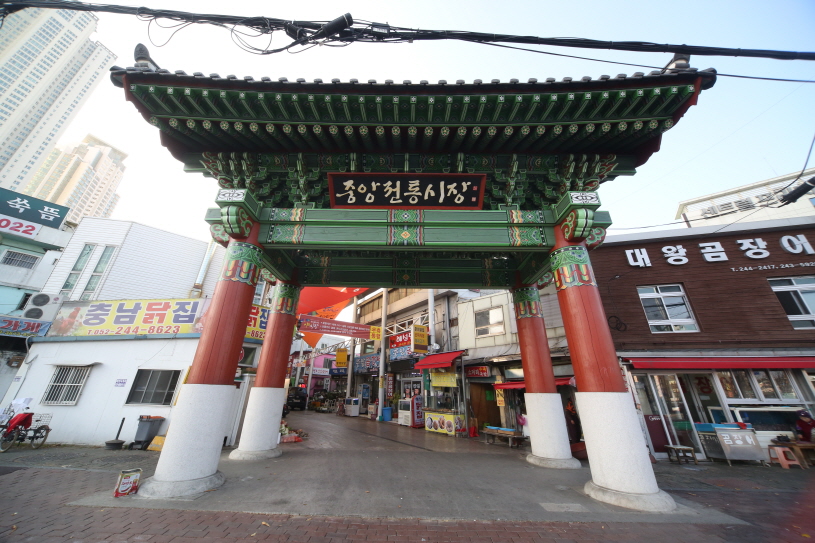
How to Visit Ulsan Jungang Traditional Market’s Eel Alley and Ulsan Keun-aegi Night Market
Korea News
 News
News
TWS Successfully Wraps Up First Asia Tour: “We’ll Keep Giving It Our All Until the End of the Year”
 News
News
A20 LITE, No. 1 on Terrestrial TV… Wins Four Awards Just 13 Days After Debut
 News
News
BTS’s V’s Wine from Chile Sold Out in Two Hours… “Wait Two Months for Restocking”
!['Comeback' ILLIT Picks Up a Whistle… Bold Warning: 'I'll Arrest You' [Today's Preview]](https://kotourlive-images.s3.ap-northeast-1.amazonaws.com/news/1792978782275_1ad139e1_news_dbdae4b1-d435-43fa-968f-97701d6e9389.jpg) News
News