4.2 km of Fortress Walls Preserving the Wartime Landscape of 1593: Seosaengpo Japanese Fortress, Ulsan
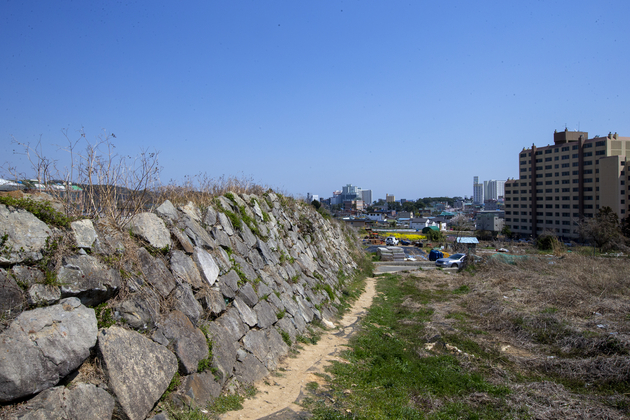
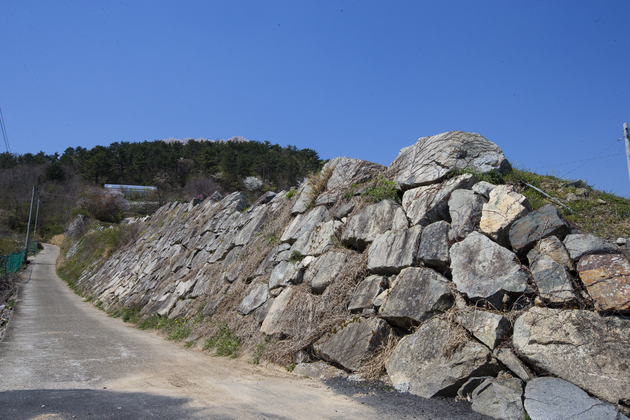
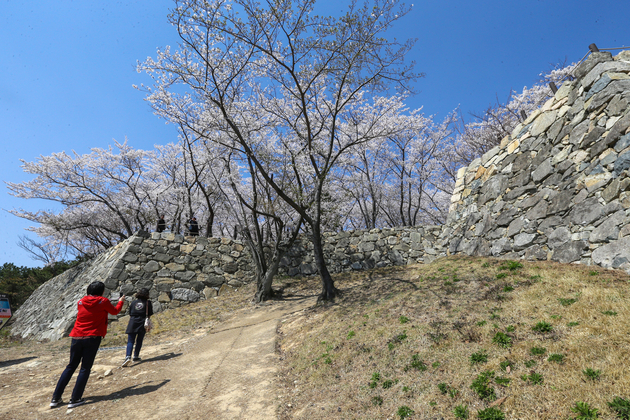
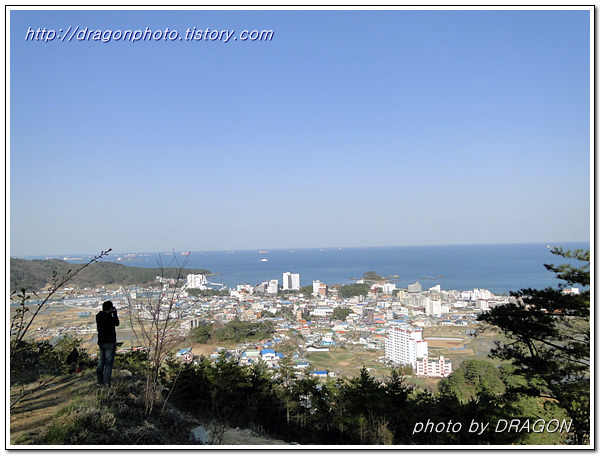
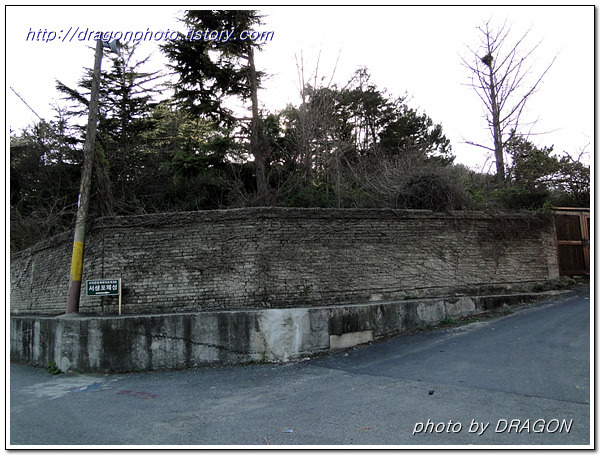
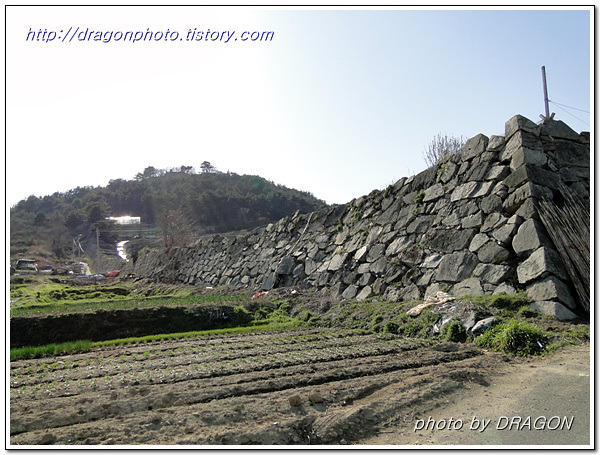
Seosaengpo Japanese Fortress is a Japanese-style fortification from the Japanese invasions of Korea that encloses both low mountains and flatland in Seosaeng-myeon, Ulju County, Ulsan. Along the path ascending to the main fortress at approximately 200 m above sea level, you can take in the sloping stone walls, three-tiered spatial layout, and coastal terrain toward Jinha Beach.
I’ve been here?
Your check-in helps the next traveler.
16 people viewed this week Be the first
One tap — no writing needed
Why Kato Kiyomasa Built a Fortress at Seosaengpo from 1592 to 1593
Seosaengpo Waeseong is a Japanese-style stone fortress built under the command of Kato Kiyomasa between July 1592, during the early phase of the Imjin War, and 1593. The National Heritage Portal classifies this site as a cultural heritage resource of Ulsan Metropolitan City. Its designation date is recorded as October 30, 1997, and its area as 91,453.1㎡.
After the fall of Busanjin, this site served as a base from which Japanese forces advanced inland through Gyeongsang-do, including Gyeongju, Andong, and Mungyeong. According to Ulsan Tourism, approximately 7,000 soldiers were stationed here at one point, and negotiations between Ming and Japanese forces were also held at this fortress. Considering as well that Kato's troops were stationed here again during the Second Japanese Invasion of Korea in 1597 and used it as a bridgehead for invasion, it becomes clear that the fortress walls were not merely a viewing facility but part of a wartime network along the southeastern coast.
Three-Tier Defense Line from the Main Fortress at 200 m Above Sea Level to the Second and Third Fortresses
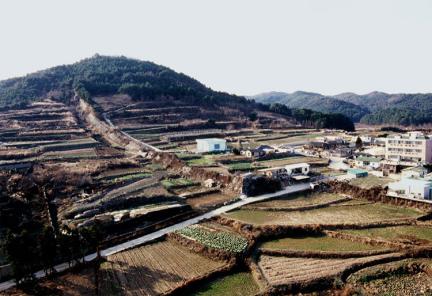
Seosaengpo Waeseong is a mountain-and-plain fortress extending from the mountain summit down to the flat land at the foot of the mountain. It is described as a three-tiered space consisting of the main fortress, the second fortress, and the third fortress, and is also broadly divided into an inner fortress and an outer fortress. To understand the overall changes in elevation and the reason for the views toward the sea, it is helpful to climb to the main fortress, located about 200 m above sea level.
Data from the Korea Tourism Organization lists the fortress walls as approximately 4.2 km long and 6 m high, with a slope of about 15 degrees. Ulsan Tourism explains that there were 11 entrances in 1593 and that inner-and-outer barbican-style, staggered, and straight entrance structures were used to slow enemy incursions. The site of the tenshu remains west of the honmaru, while Changpyodang inside the fortress can now be identified only by its site and marker.
Samyeongdaesa's Four Negotiations in 1594 and Traces Remaining after the Recapture in 1598
Seosaengpo Waeseong cannot be fully explained solely by identifying who built it. According to Korea Tourism Organization data, Samyeongdaesa visited this site four times in 1594 to attempt peace negotiations, but they did not succeed. In 1598, the fortress was recaptured with the help of the Ming general Ma Gui.
In 1599, Changpyodang was built to honor 53 loyal subjects who died fighting the Japanese invaders, but it was destroyed during the Japanese colonial period, leaving only a marker and the site today. Joseon also continued to use the fortress afterward. Aside from some damage to the southern gate, much of the old fortress form remains relatively intact, and the site is regarded as valuable material for studying Japanese fortifications from the late 16th century.
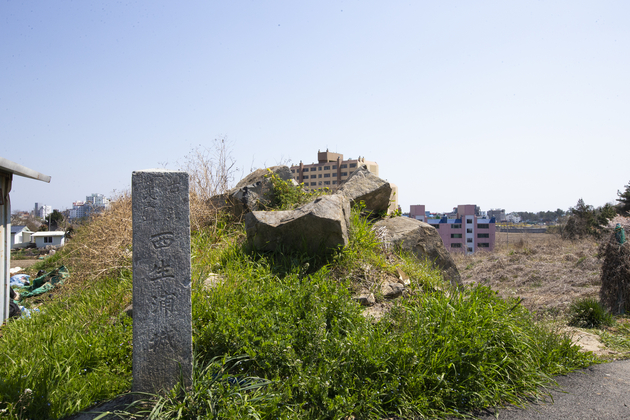
What to Know Before Visiting Seosaengpo Waeseong, Open Year-Round at All Times and Free of Charge
Data linked by Ulsan Tourism and the Korea Tourism Organization lists Seosaengpo Waeseong as open year-round and at all times. No separate admission fee is charged, making it a free attraction. The address is around 711 Seosaeng-ri, Seosaeng-myeon, Ulju-gun, Ulsan Metropolitan City, and the tourism inquiry telephone number is 052-204-0322.
Although there are no set ticketing hours or indoor exhibition hours, exploring the fortress is directly affected by sunlight and ground conditions. Comfortable walking shoes, water, and seasonal wind protection or sun protection are useful when climbing to the main fortress. Avoid climbing close to the steep fortress walls or standing on the stonework, and leave enough time to descend before sunset for safety.
- Operation: Open year-round and at all times
- Admission: Free
- Inquiries: 052-204-0322
- Address: Around 711 Seosaeng-ri, Seosaeng-myeon, Ulju-gun, Ulsan Metropolitan City
Access Route via Jinha Public Parking Lot and Buses 405 and 715
Ulsan Tourism lists parking facilities that can accommodate large buses, as well as Jinha Public Parking Lot. However, some data linked by the Korea Tourism Organization states that on-site parking is unavailable, so visitors arriving by car should consider nearby public parking lots such as Jinha Public Parking Lot first and check the situation on the day of departure.
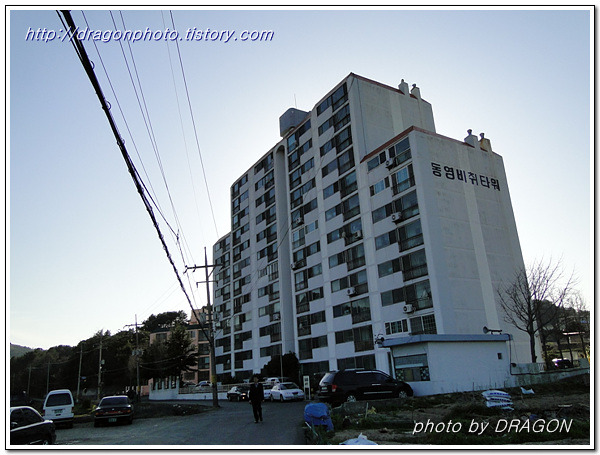
By public transportation, one known option is to take bus 405 or 715 and get off at the ‘Seosaengpo Waeseong’ stop. A 2021 visitor review noted that directions along the village road may not be clear from the stop, and that access via the main road toward Jinha Beach and Dongyeong Beach Tower Apartment is easier. Bus routes and schedules may change frequently, so reconfirm the information through Ulsan Bus immediately before departure.
A Half-Day Combining the Fortress and Coast, 15 Minutes on Foot to Jinha Beach
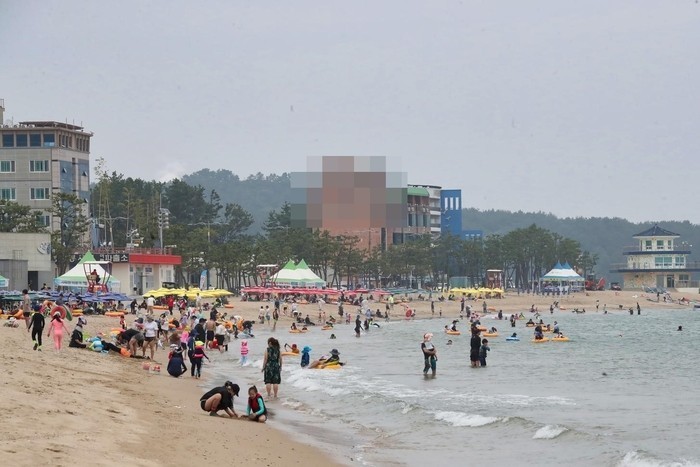
Seosaengpo Waeseong is described as approximately a 15-minute walk from Jinha Beach. If you visit the fortress first and then head to the sea, you can connect the terrain with the strategic location that allowed the Japanese forces to control both the coast and inland advance routes. Jinha Beach is located in Jinha-ri, Seosaeng-myeon, Ulju-gun, Ulsan, and the beach itself has separate seasonal opening periods and operating hours.
The area around the fortress is mentioned as a spring outing destination during cherry blossom season, but older visitor reviews repeatedly point out the uphill walk to the summit and difficulties with navigation. For visitors with strollers or those who have difficulty walking long distances, it is more practical to keep the route short and focus on the entrance walls and lower sections rather than completing the climb to the main fortress. Ulsan Tourism information indicates that pets are allowed, but heritage conservation rules, including using a leash and cleaning up after pets, are essential.
Before You Go
- Address
- Around 711 Seosaeng-ri, Seosaeng-myeon, Ulju-gun, Ulsan Metropolitan City
- Hours
- Open year-round and at all times
- Closed
- None; open year-round
- Admission
- Free
- Phone
- 052-204-0322
- Official site
- https://www.ulsan.go.kr/tour/kor/unit/attrctn/view.do?mId=001002007000000000&unqId=87
- Transport
- Take Ulsan city buses 405 or 715, get off at the ‘Seosaengpo Waeseong’ stop, and continue on foot. Checking routes and schedules before departure is recommended.
- Parking
- Ulsan Tourism lists parking facilities suitable for large buses and Jinha Public Parking Lot. Since information about on-site parking differs by source, check before using a nearby public parking lot.
- Time needed
- Approximately 40–60 minutes for only the fortress entrance and lower sections; approximately 1 hour 30 minutes to 2 hours if including the main fortress.
- Accessibility
- Restrooms are indicated as separate facilities for men and women. Because the route to the main fortress includes uphill sections and unpaved or stonework-adjacent areas, access to the summit may be difficult for wheelchair and stroller users.
The information above is current as of the time of writing. Check the official guidance again before visiting.

Places
Nearby Attractions 5
-
 1
1
-
 2
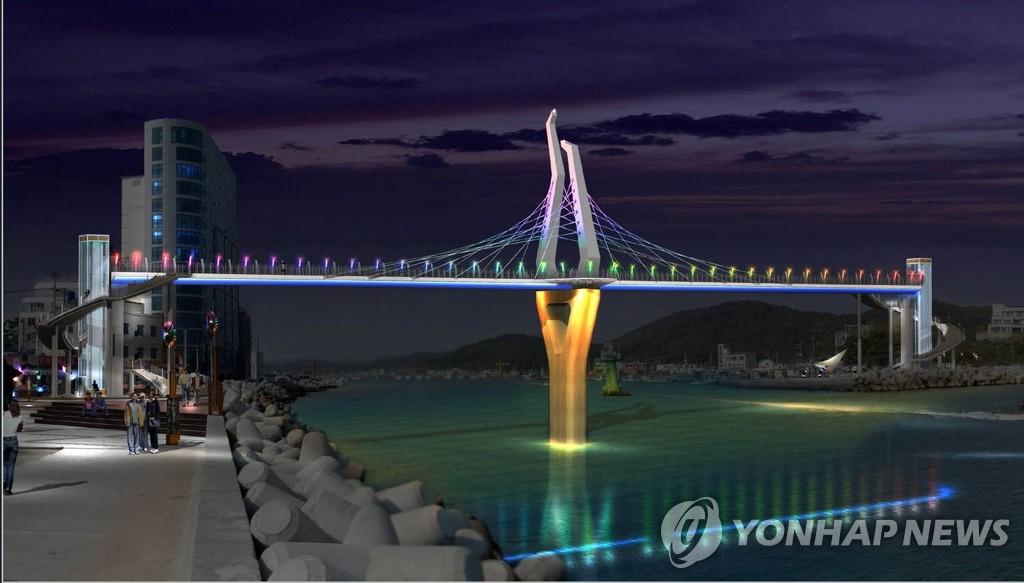
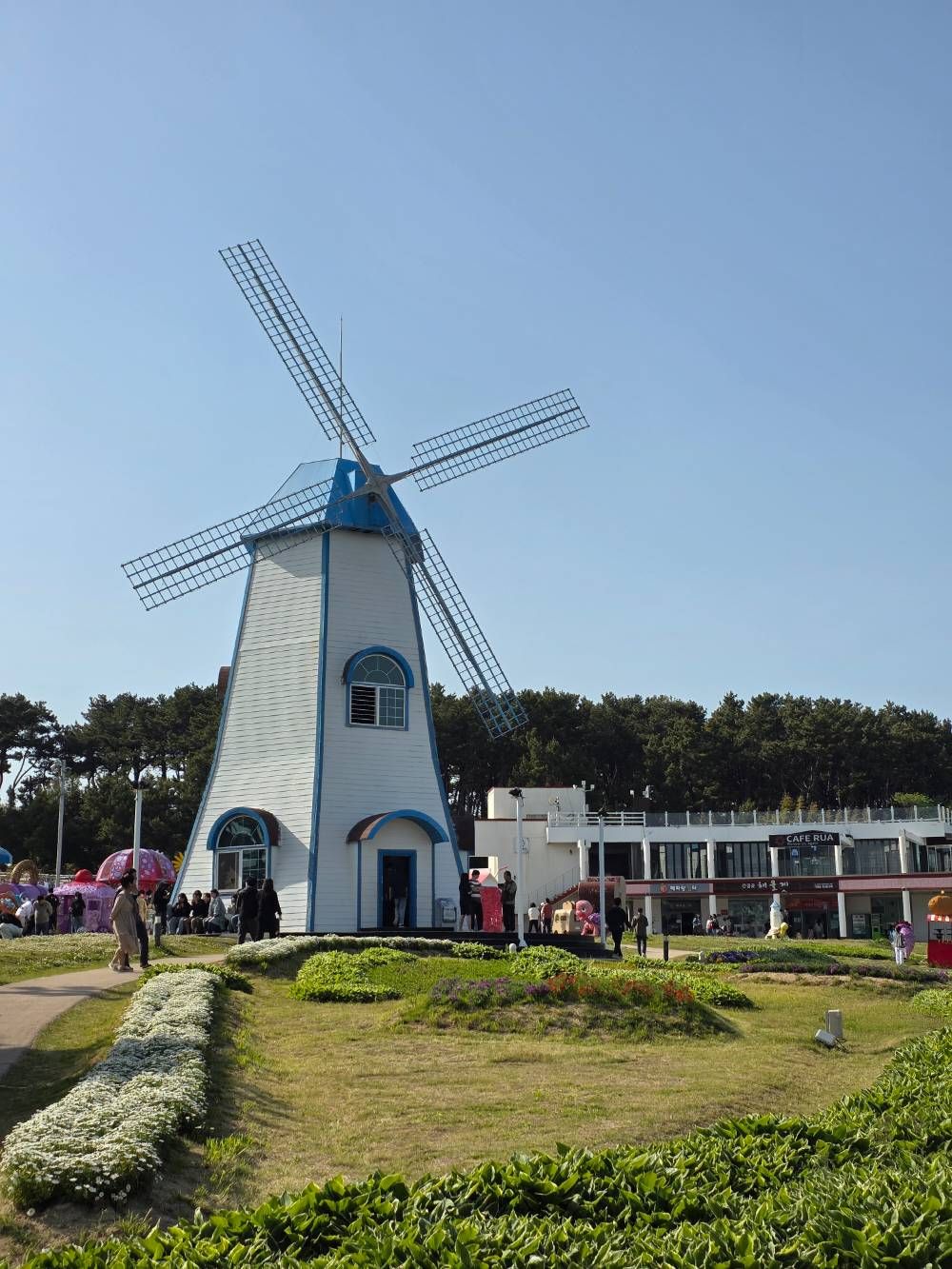
Myeongseon BridgeA place to stroll across a pedestrian bridge linking the Hoeya River with the coastal scenery.
2
Myeongseon BridgeA place to stroll across a pedestrian bridge linking the Hoeya River with the coastal scenery. -
 3
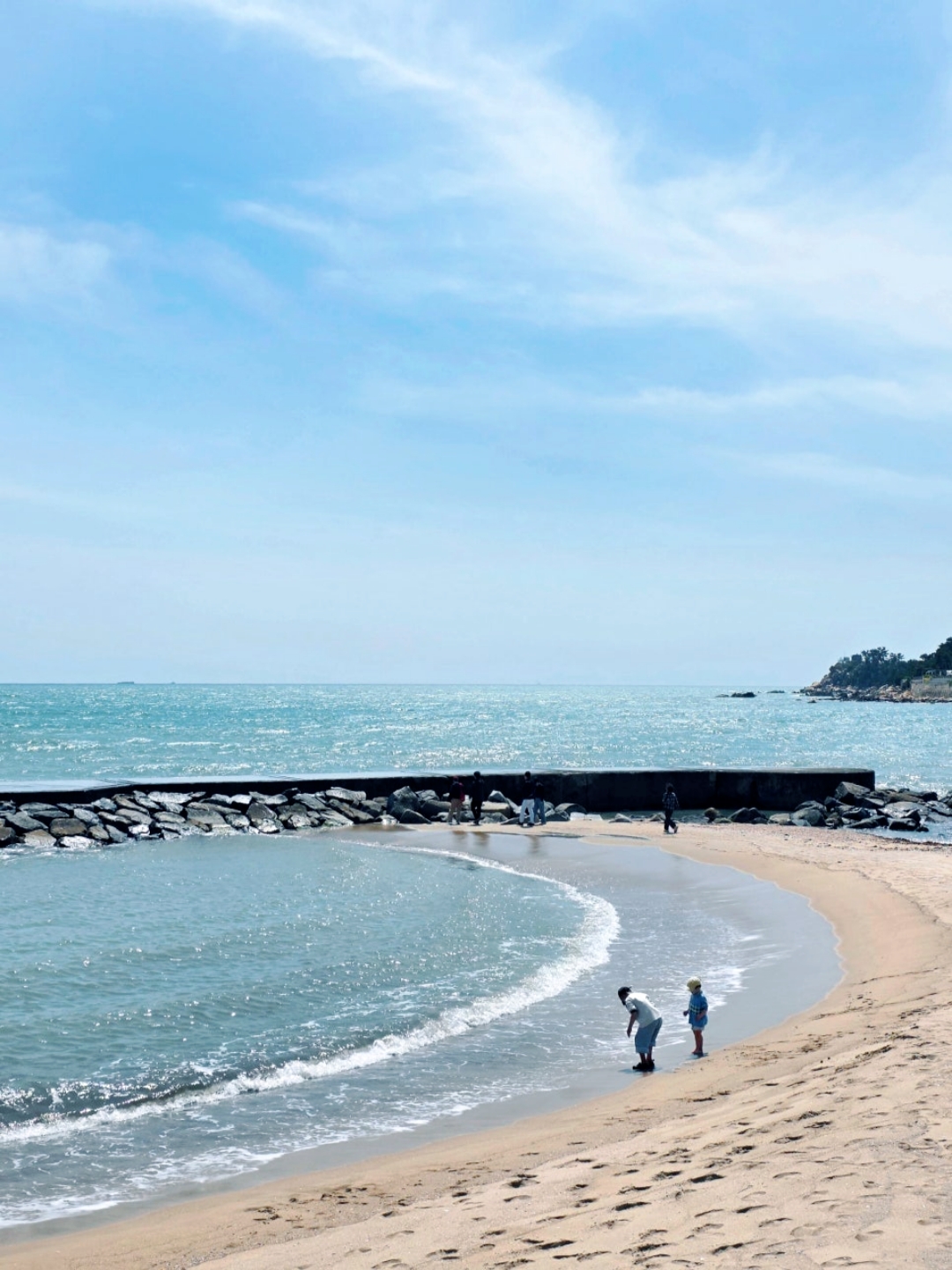
Cape GanjeolgotA popular spot for watching the sunrise while taking in the lighthouse and coastal scenery.
3
Cape GanjeolgotA popular spot for watching the sunrise while taking in the lighthouse and coastal scenery. -
 4
4
-
 5
5
Food & Dining 1
-
 6
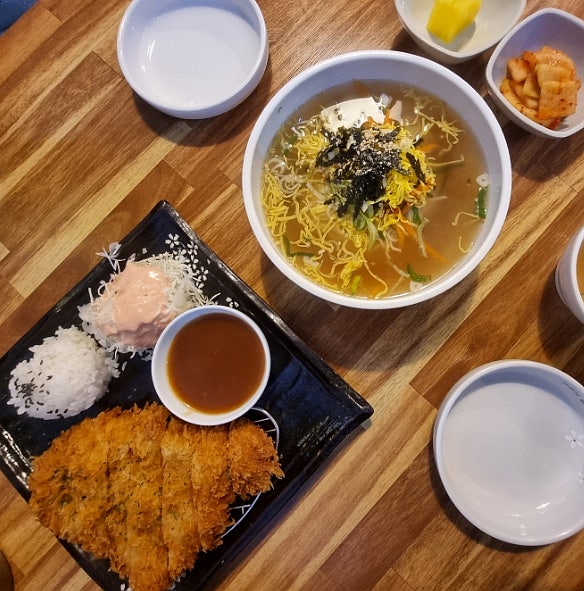
Yujeong GuksuA restaurant serving noodle dishes such as anchovy noodle soup and knife-cut noodles.
6
Yujeong GuksuA restaurant serving noodle dishes such as anchovy noodle soup and knife-cut noodles.
More Travel Guides in This Area
 Travel Guide
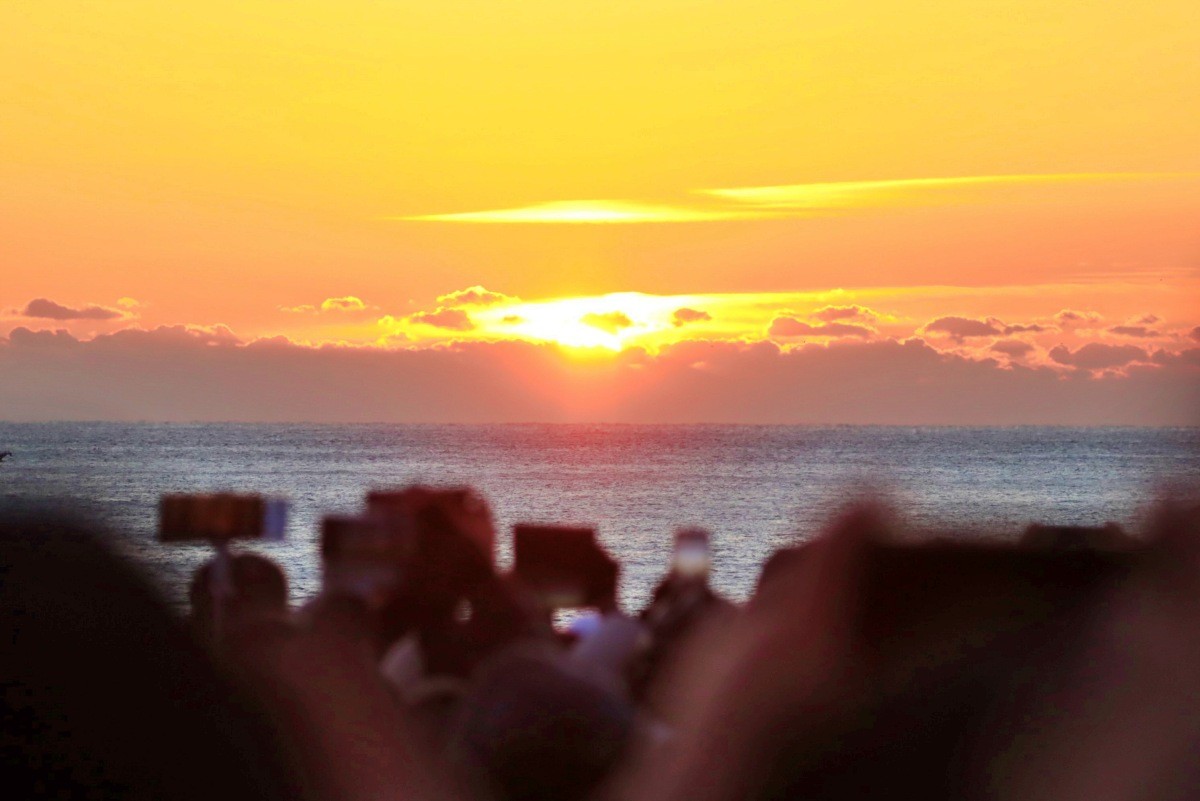
Ganjeolgot at Ulsan’s Southeastern Tip: A 1920 Lighthouse and Wish Postbox
 Travel Guide
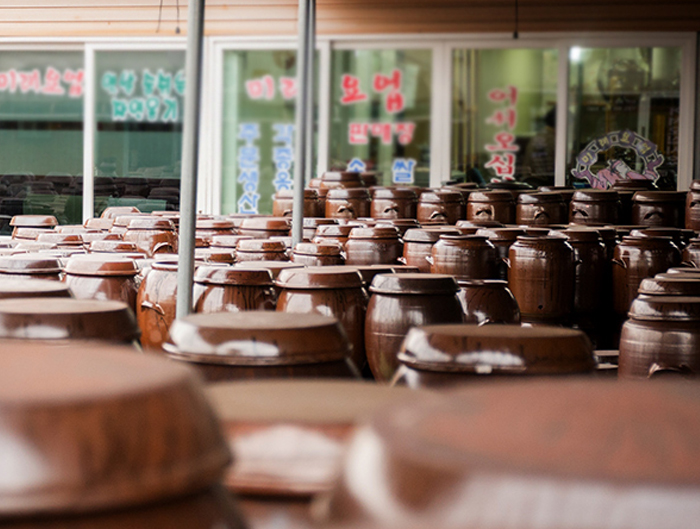
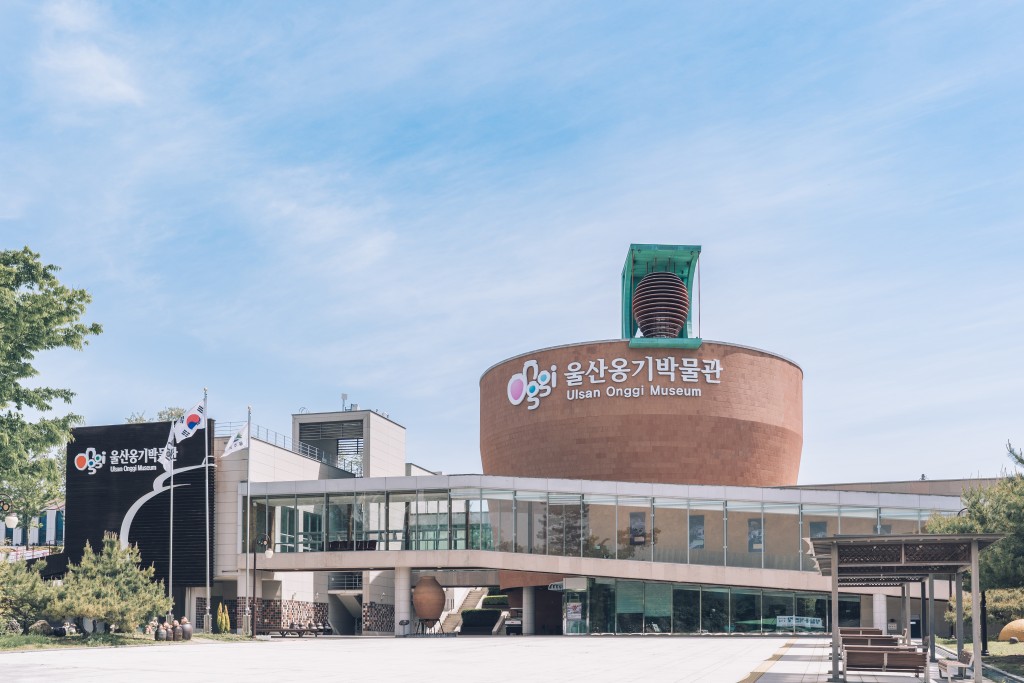
From Heo Deok-man’s Kiln to the Museum: A Half-Day Exploration of Oegosan Onggi Village
 Travel Guide
The Black Jars of Oegosan, Where the Livelihood of Korean War Refugees Became a Museum
 Travel Guide
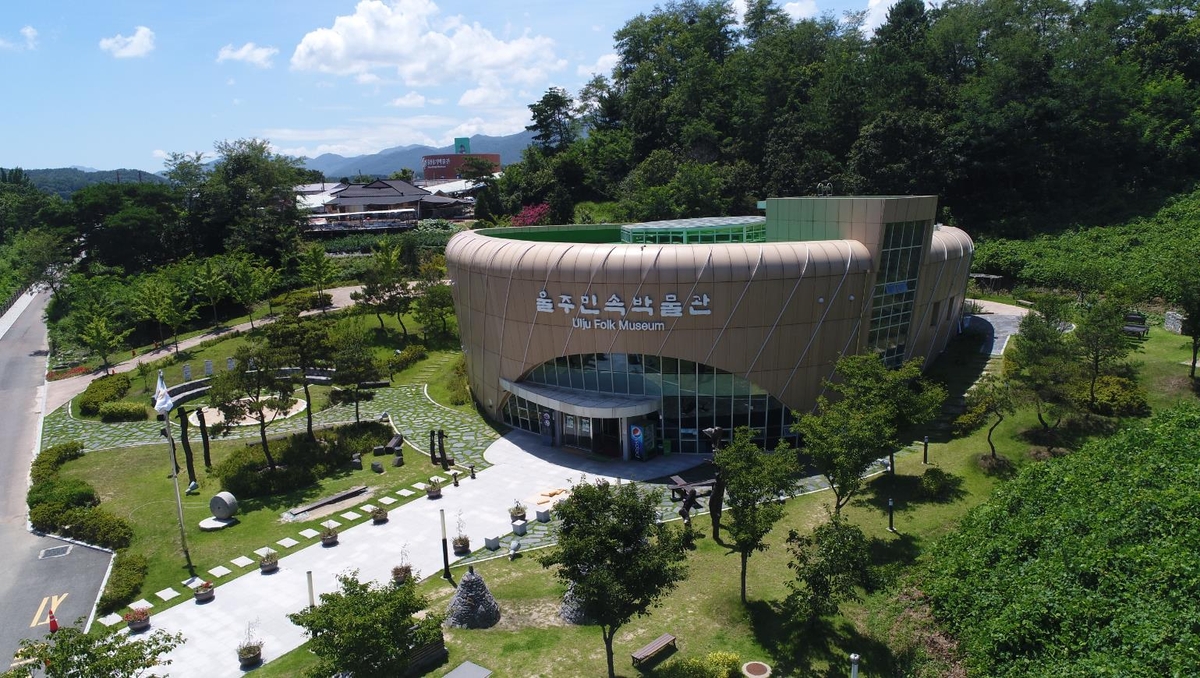
Reading Ulju’s Rural History at the Ulju Folk Museum in Oegosan Onggi Village
Korea News
 News
News
‘NewJeans Expulsion’ Danielle Releases Her First YouTube Video… “We Don’t Know What Will Happen Next”
![aespa’s North American Tour Has Remaining Seats Despite ‘$49’ Bargain Prices… A Stark Popularity Gap with KATSEYE [TEN Starfield]](https://kotourlive-images.s3.ap-northeast-1.amazonaws.com/news/1788485037424_a59b1932_naver_rank_thumb_0000774618_1788485037424.jpg) News
News
aespa’s North American Tour Has Remaining Seats Despite ‘$49’ Bargain Prices… A Stark Popularity Gap with KATSEYE [TEN Starfield]
![[Photo] TWICE’s Dahyun attends a film festival red carpet as an actress](https://kotourlive-images.s3.ap-northeast-1.amazonaws.com/news/1788485316508_edd43ecd_news_870a60a6-6f11-4d73-aa7c-48d91318a0f7.jpg) News
News
[Photo] TWICE’s Dahyun attends a film festival red carpet as an actress
![[On-Site Video] “We’re Departing Separately Together”… BIGBANG Begins ‘COSMOS’ World Tour](https://kotourlive-images.s3.ap-northeast-1.amazonaws.com/news/1788485226518_c5719641_news_fdd4764a-0f4e-4968-8e4e-e98a02872f88.jpg) News
News