Traces of Silla’s Buddhist Land at the Foot of Magolsan Mountain: Ulsan Dongchuksa Temple
Dongchuksa Temple, at 93 Okyu-ro, Dong-gu, Ulsan, is a traditional temple on Magolsan Mountain affiliated with Tongdosa Temple, where visitors can explore its founding legend and three-story stone pagoda. Allow 30–40 minutes for a temple visit alone, or around two hours if you also walk the contemplative path extending from Okyucheon.
I’ve been here?
Your check-in helps the next traveler.
No one has checked in yet Be the first
One tap — no writing needed
The 573 Foundation Legend and the Name Dongchuksa, Meaning ‘India of the East’
Dongchuksa Temple is a branch temple of Tongdosa, the head temple of the 15th district of the Jogye Order of Korean Buddhism. It is located at 93 Okr yu-ro, at the foot of Magolsan Mountain in Dongbu-dong, Dong-gu, Ulsan Metropolitan City. Ulsan Tourism introduces the temple’s foundation as dating to 573, the 34th year of King Jinheung of Silla, and records that it was built by royal order to enshrine one Buddha statue and two bodhisattva statues sent by King Ashoka of India.
The name ‘Dongchuk’ (東竺) arose from viewing Silla as the India of the East, corresponding to the use of Seochuk (西竺) for India. This naming is connected to the idea of understanding Silla as a Buddhist land, and it is important because the site is not simply an old mountain temple but a place where the Buddhist worldview of the time can be interpreted.
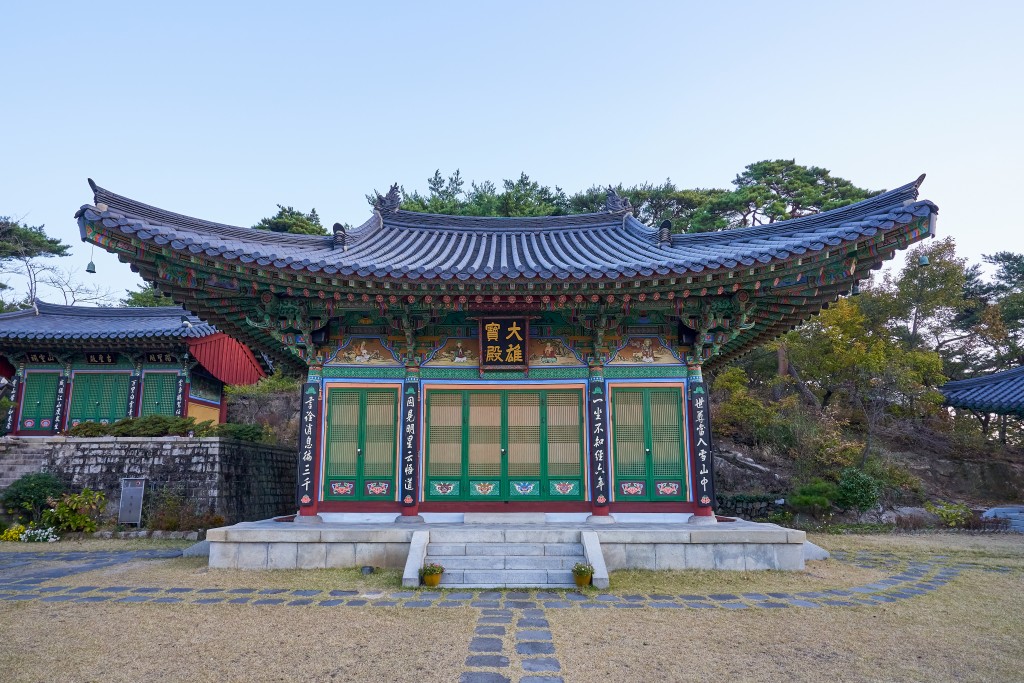
The Existing Temple Since the 17th Century, Seen in Dongchuksa’s Three-Story Stone Pagoda
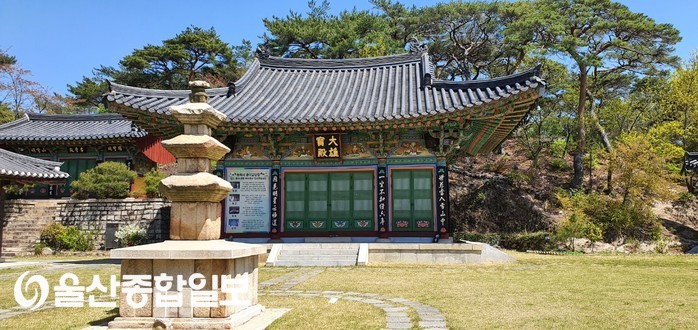
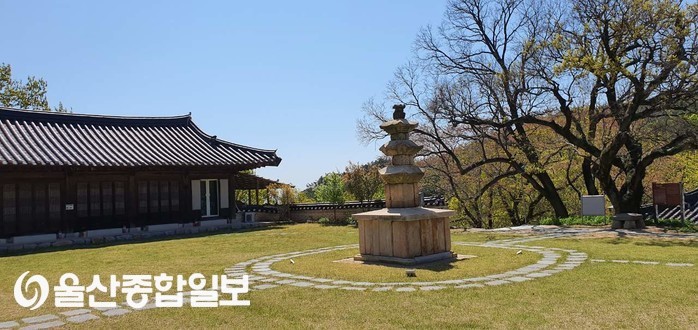
The first heritage site to see within the temple grounds is Dongchuksa’s three-story stone pagoda. This pagoda is known as a Tangible Cultural Heritage of Ulsan Metropolitan City and is described as a three-story stone Buddhist pagoda that follows the typical Silla stone pagoda style. Noted features include the surviving portions of the platform and the structure in which the body stones and roof stones of the pagoda are each made from a single stone.
The foundation date is passed down along with the legend, but scholars treat with caution whether Dongchuksa at its present location is completely identical to the temple founded at that time. The Encyclopedia of Korean Culture confirms the present Dongchuksa in the Haedong jido and Yeojido maps from the mid-18th century and the Gwangyeodo map from the first half of the 19th century. Based on poems and writings by Yi Sik (1584–1647), Hong Se-tae (1653–1725), and the monk Gye-o, it concludes that the present temple existed by at least the 17th century.
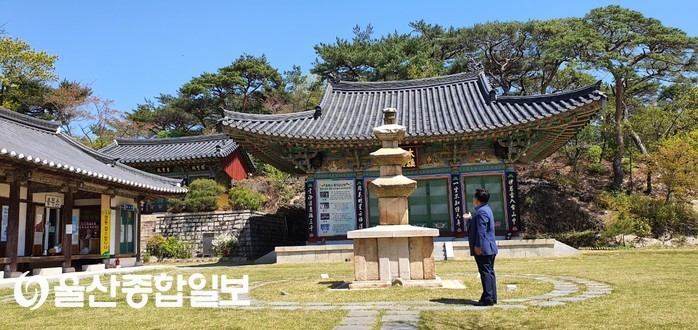
A Pilgrimage Route Starting at 93 Okr yu-ro and a 30–40-Minute Visit
Dongchuksa’s street address is 93 Okr yu-ro, Dong-gu, Ulsan Metropolitan City (Dongbu-dong), and the temple’s telephone number is 052-251-0410. Ulsan Tourism guidance recommends traveling from Bangeojin Ring Road toward Nammok Traditional Market, turning left at Okg nyucheon Intersection, passing Gamnamugol Sports Pocket Park, and continuing to the entrance.
Official tourism guidance does not announce separate visiting hours, regular closing days, or admission fees. Therefore, even for general worship, the route may vary depending on Buddhist services, ceremonies, or circumstances inside the temple. It is advisable to call 052-251-0410 in advance, especially for early-morning or evening visits and group visits. Since no admission fee is separately stated in the official tourism guidance, telephone confirmation is also necessary before visiting.
- Recommended time to tour only the temple grounds: 30–40 minutes
- Suggested order for viewing the three-story stone pagoda and halls: Entrance → Temple halls → Three-story stone pagoda → Entrance
- As this is a quiet worship space, avoid speaking loudly and entering areas around the pagoda and halls that are restricted to visitors.
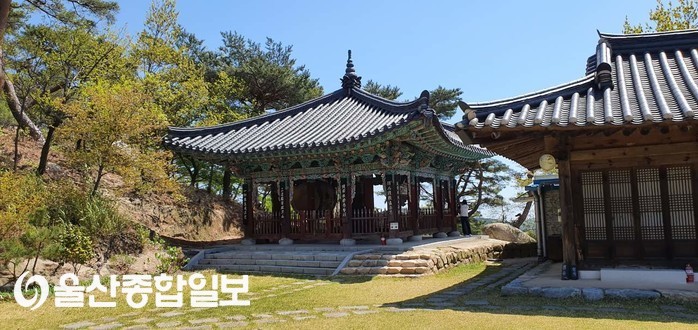
3.2 km from the Okg nyucheon Entrance to Dongchuksa: How to Add a Reflective Walk
The ‘Dongchuksa Reflective Path’ has been created around Dongchuksa Temple. At the planning stage, the first section ran 1.9 km from the Okg nyucheon entrance to Angol Fitness Area, while the second section ran 1.3 km from Angol Fitness Area to Dongchuksa, for a total of 3.2 km. When planning a forest walk along with a visit to the temple rather than making the temple the sole destination, consider this distance and the possibility of uphill sections.
Magolsan Mountain is a low mountain introduced as standing 297 m above sea level, but walking the entire reflective path takes longer than touring the temple. Prepare comfortable walking shoes, water, and insect repellent, and be mindful of slippery sections after rain. Allowing around two hours for a round trip combined with a visit to the temple grounds is a realistic plan.
Dongchuksa Entrance Public Parking Lot: 81 Spaces and Limitations for Large Buses
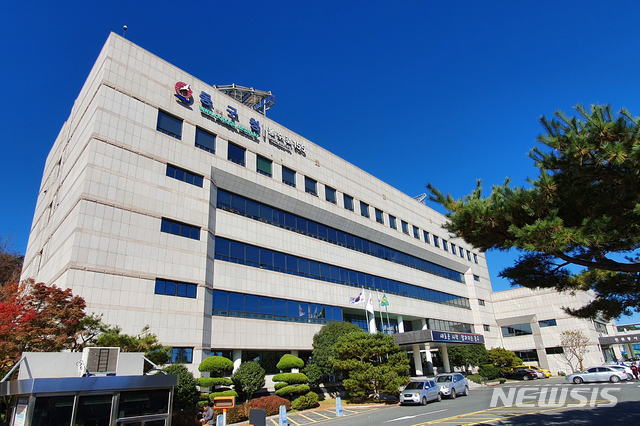
Visitors arriving by car may first consider the public parking lot at the entrance to Dongchuksa. The Dong-gu District Office’s public parking information lists the ‘Dongchuksa Entrance’ parking lot at 425-2 Dongbu-dong, with 81 spaces and 24-hour operation. Since its listed location is separate from the temple address, 93 Okr yu-ro, search for the temple and parking lot separately in your navigation system.
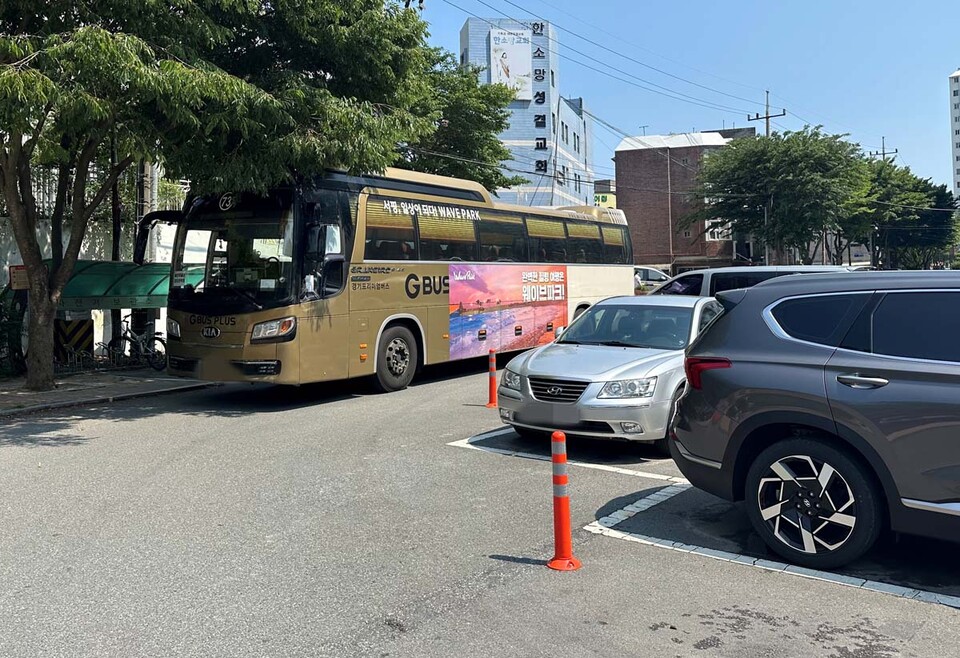
The general fee schedule for Dong-gu public parking lots lists 500 won for the first 30 minutes, followed by 200 won for 10 minutes, 400 won for 20 minutes, or 500 won for 30 minutes, and 10,000 won for one day. However, a report from May 2025 pointed out that the area near the Dongchuksa Reflective Path lacks sufficient spaces for tour buses. Groups traveling by large bus or multiple vehicles should therefore confirm parking availability in advance with the Transportation Administration Division of Dong-gu District Office at 052-209-3722.
Approach from the Nammok Traditional Market Direction and What to Check Before Visiting with a Wheelchair or Stroller
By public transportation, it is easiest to travel from central Ulsan toward Dong-gu and Nammok, using Nammok Traditional Market and Okg nyucheon Intersection as reference points. However, Dongchuksa’s official tourism guidance does not provide a fixed bus route number, stop name, or walking time after getting off. Check bus routes and schedules separately on the day of departure.
The temple at the foot of Magolsan Mountain and the forest-path sections cannot be considered completely flat like an urban tourist attraction. Visitors using wheelchairs or strollers, and those who need walking assistance, should call the temple at 052-251-0410 in advance to check which sections are accessible, as well as ramps and the availability of accessible restrooms. Official tourism guidance also provides no separate notice about foreign-language information or regular guided tours.
- Address: 93 Okr yu-ro, Dong-gu, Ulsan Metropolitan City
- Temple inquiries: 052-251-0410
- Parking inquiries: Transportation Administration Division, Ulsan Dong-gu District Office, 052-209-3722
- Reflective path distance: 3.2 km in total
When to Place Dongchuksa Before Ilsan Beach and Ulgi Lighthouse
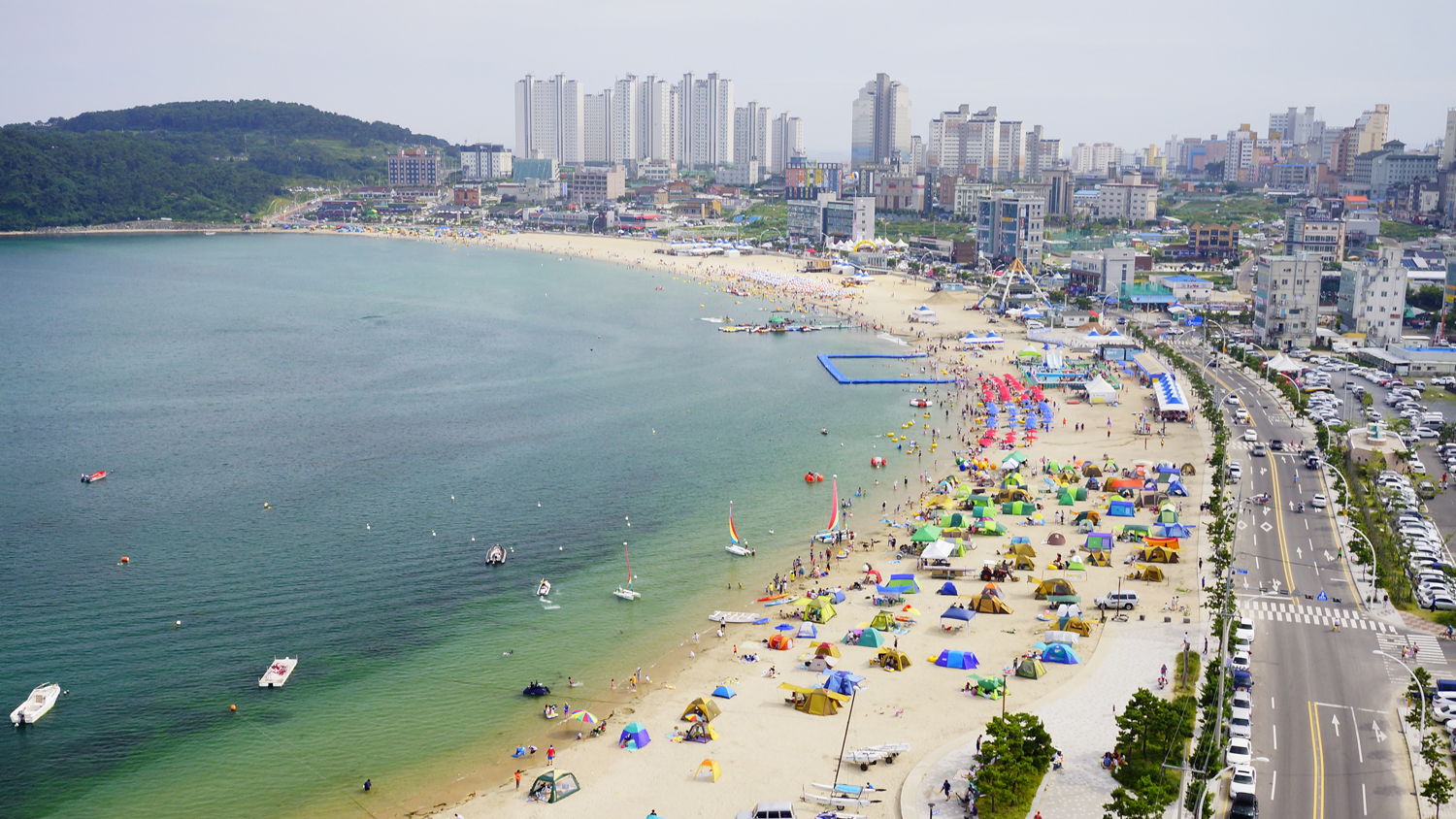
Dongchuksa has a different character from the coastal attractions of Ulsan’s Dong-gu. Ilsan Beach in Dong-gu, Ulsan, is introduced as a crescent-shaped sandy beach approximately 1 km long, while Ulgi Park is known for Ulgi Lighthouse and its black pine forest. If combining them on the same day, it is advantageous for managing the route to walk Dongchuksa and the reflective path first, before the coastal schedule under strong sunlight, and then continue to Ilsan Beach and Ulgi Park.
Conversely, Dongchuksa as a standalone itinerary may not suit travelers who find stairs, slopes, and forest walking burdensome or who prefer exhibitions and activities held at fixed times. The essence of this place lies not in elaborate facilities but in slowly connecting four elements: the 573 foundation legend, the name meaning India of the East, the three-story stone pagoda, and the 3.2 km forest path.
Before You Go
- Address
- 93 Okr yu-ro, Dong-gu, Ulsan Metropolitan City (Dongbu-dong)
- Phone
- 052-251-0410
- Official site
- https://www.ulsan.go.kr/tour/kor/unit/attrctn/view.do?mId=001002007000000000&unqId=141
- Transport
- Travel from Bangeojin Ring Road toward Nammok Traditional Market, turn left at Okg nyucheon Intersection, pass Gamnamugol Sports Pocket Park, and continue to the Dongchuksa entrance. No fixed bus route or walking time was found in the official tourism guidance.
- Parking
- Dongchuksa Entrance Public Parking Lot (425-2 Dongbu-dong), 81 spaces, open 24 hours. Based on general public parking rates: 500 won for the first 30 minutes, followed by 200 won for 10 minutes, 400 won for 20 minutes, or 500 won for 30 minutes; 10,000 won per day. Reports indicate insufficient spaces for large buses.
- Time needed
- 30–40 minutes on the temple grounds; approximately two hours if also walking the 3.2 km Dongchuksa Reflective Path
- Accessibility
- Because there are slopes and forest-path sections, call in advance to ask about the accessible range and facilities for wheelchair and stroller users. No foreign-language information was found in the official tourism guidance.
The information above is current as of the time of writing. Check the official guidance again before visiting.

Places
Nearby Attractions 5
-
 1
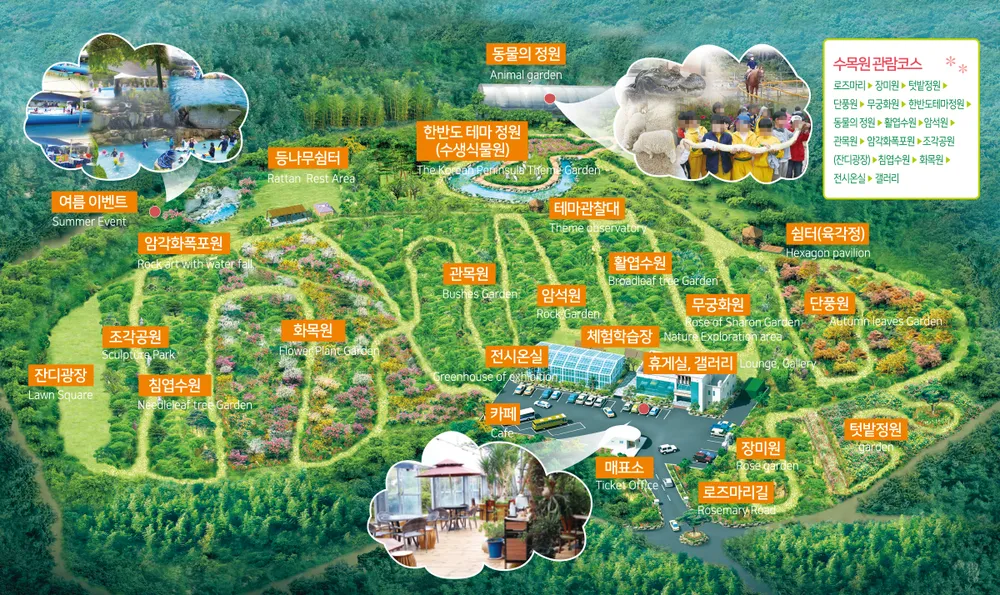
Ulsan Theme Botanical ArboretumAn arboretum where visitors can enjoy themed gardens and a variety of plants.
1
Ulsan Theme Botanical ArboretumAn arboretum where visitors can enjoy themed gardens and a variety of plants. -
 2
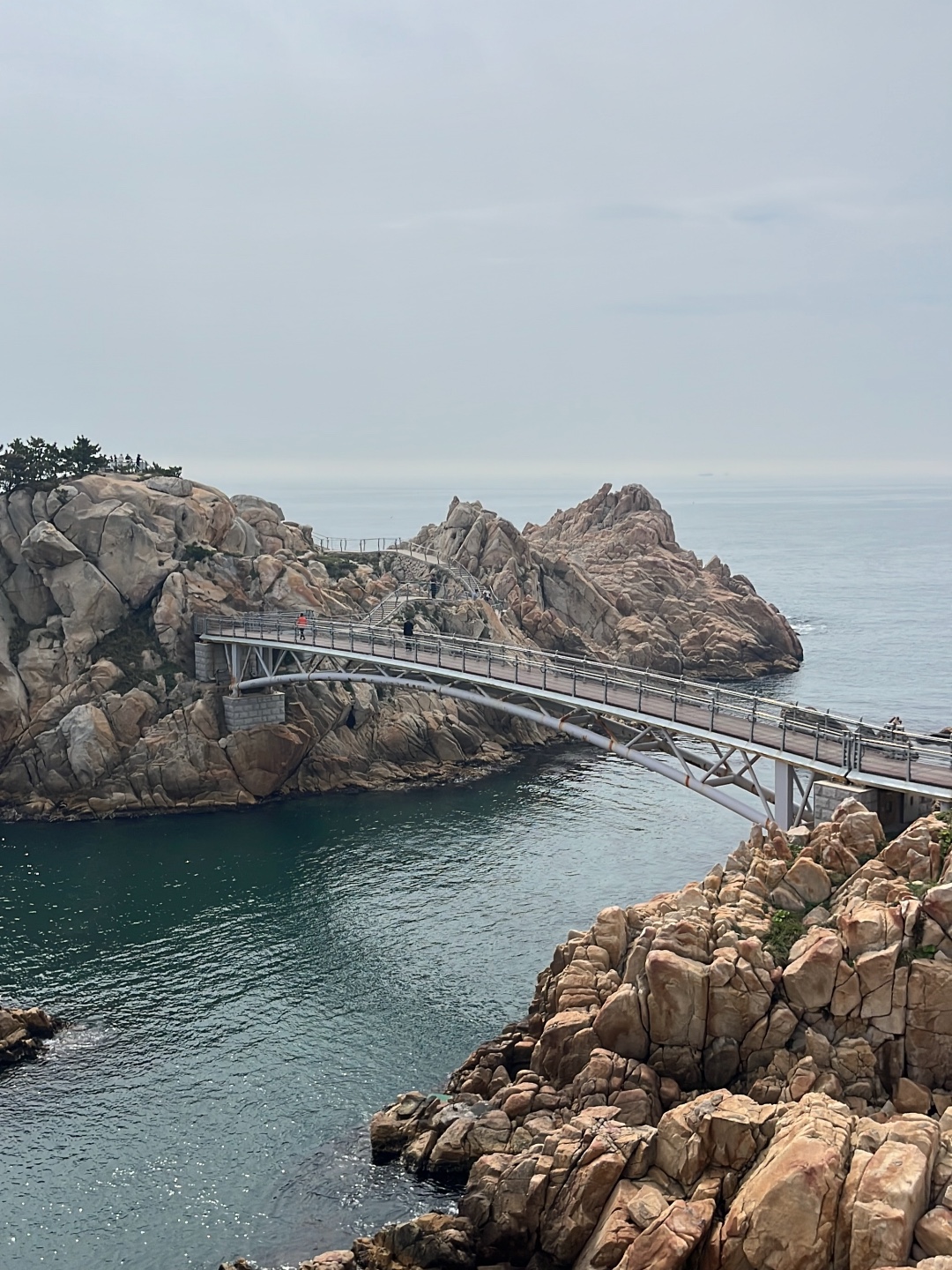
Daewangam ParkA park where you can stroll through a black pine forest and along a coast of striking rock formations.
2
Daewangam ParkA park where you can stroll through a black pine forest and along a coast of striking rock formations. -
 3
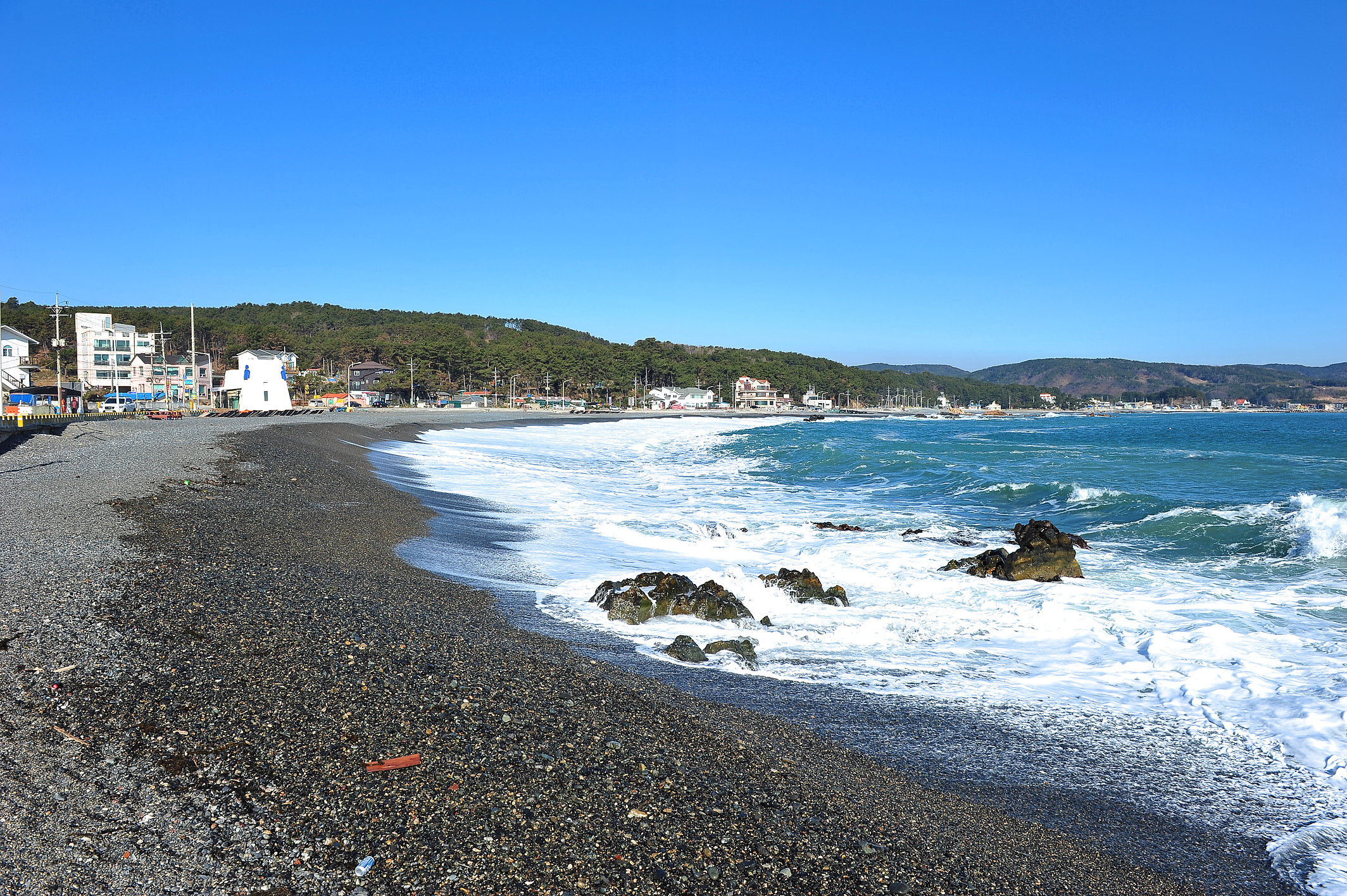
Ilsan BeachEnjoy swimming and leisurely walks along the beach on the gently sloping white sandy shore.
3
Ilsan BeachEnjoy swimming and leisurely walks along the beach on the gently sloping white sandy shore. -
 4
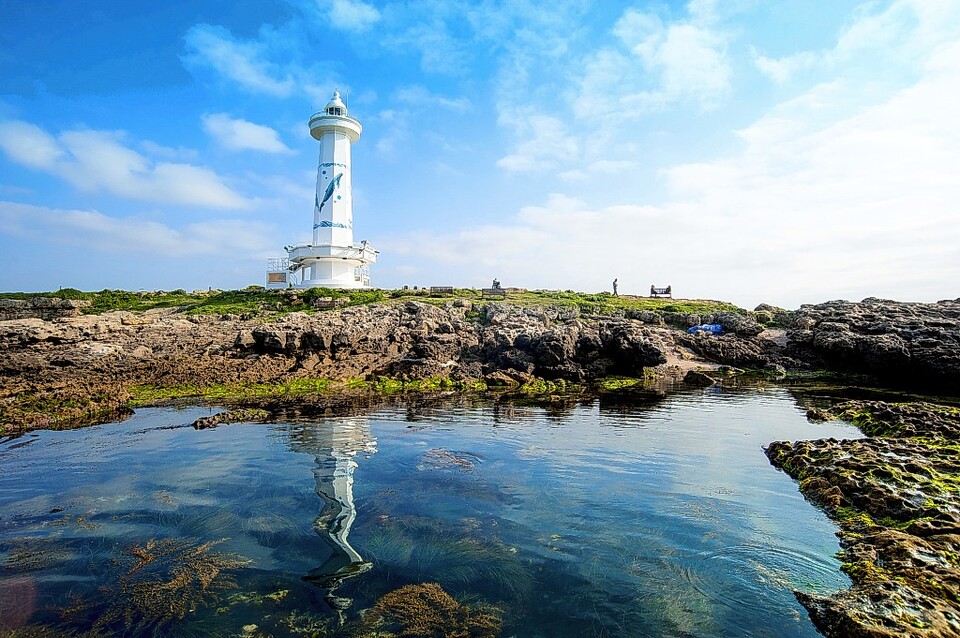
SeuldoA coastal attraction where visitors can enjoy the sound of waves and views of the lighthouse.
4
SeuldoA coastal attraction where visitors can enjoy the sound of waves and views of the lighthouse. -
 5
5
Food & Dining 1
-
 6
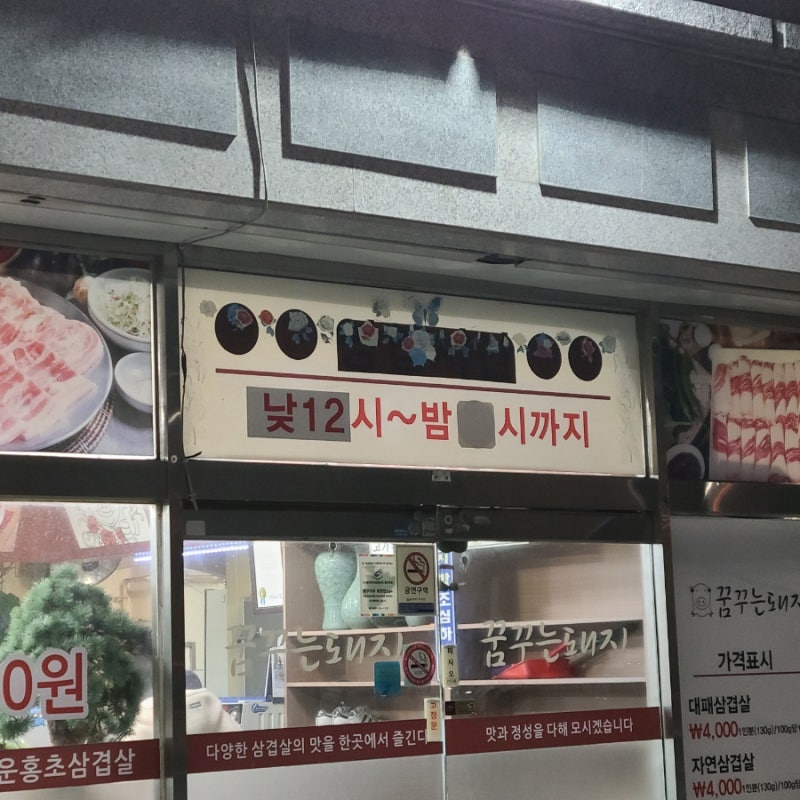
Kkumkkuneun Dwaeji (Nammok Branch)A Korean barbecue restaurant where you grill and eat thinly sliced pork belly, beef belly, and other meats.
6
Kkumkkuneun Dwaeji (Nammok Branch)A Korean barbecue restaurant where you grill and eat thinly sliced pork belly, beef belly, and other meats.
More Travel Guides in This Area
 Travel Guide
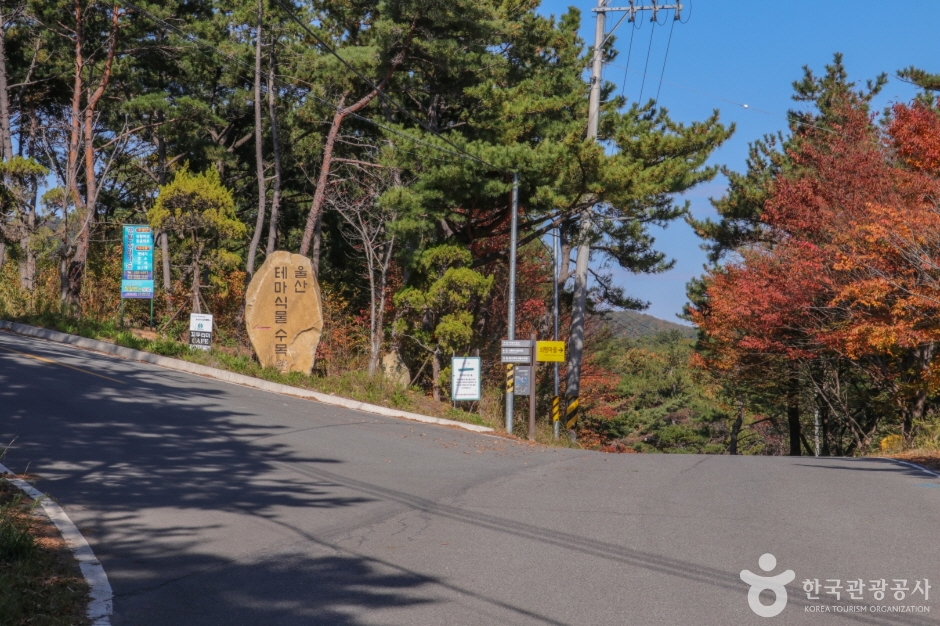
Ulsan Theme Botanical Arboretum on Soepyeong-gil in Dong-gu, from Land Acquisition in 1987 to Opening in 2004
 Travel Guide
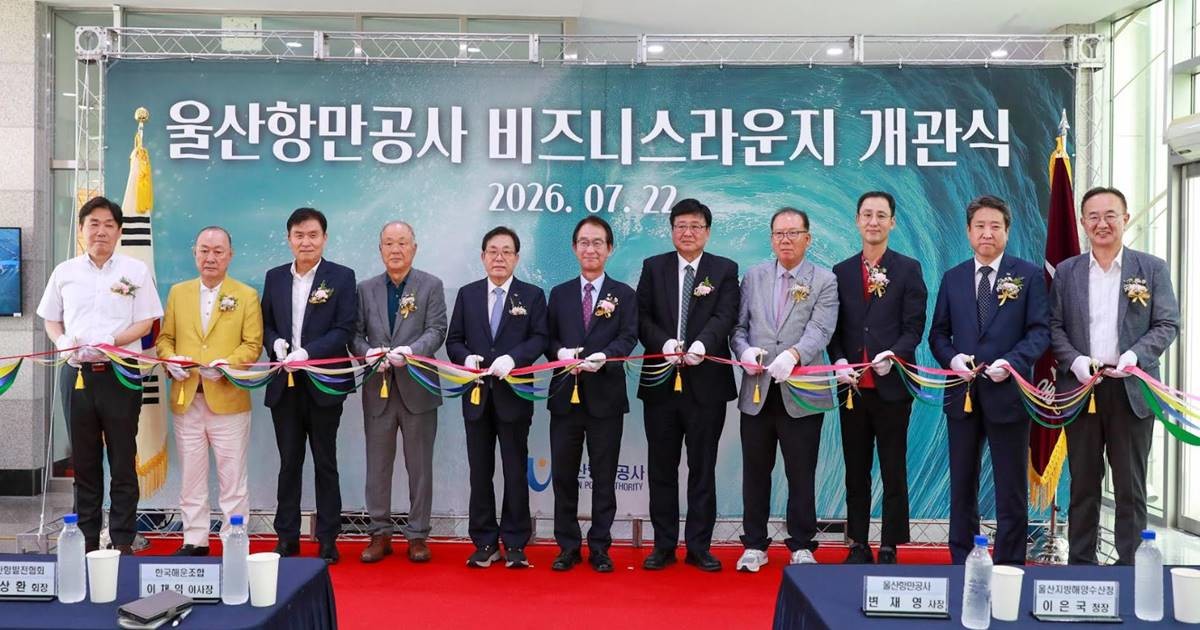
Reading Ulsan Port’s journey since its 1963 opening in a 360 m² lounge
 Travel Guide
Ulsan, the Automotive City That Began on a Salt Farm Site in 1968
 Travel Guide
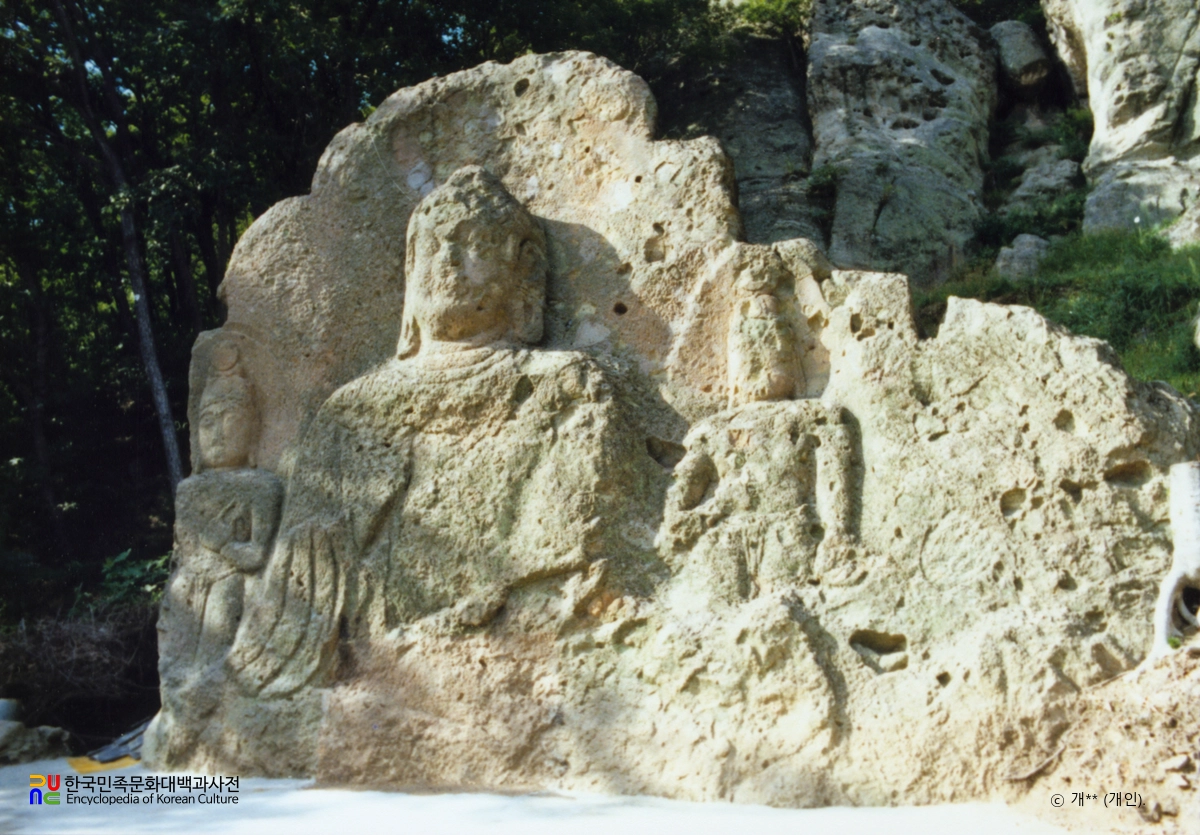
Medicine Buddha Triad Carved into Bang Rock: Eomuldong Rock-Cut Seated Buddha
Korea News
 News
News
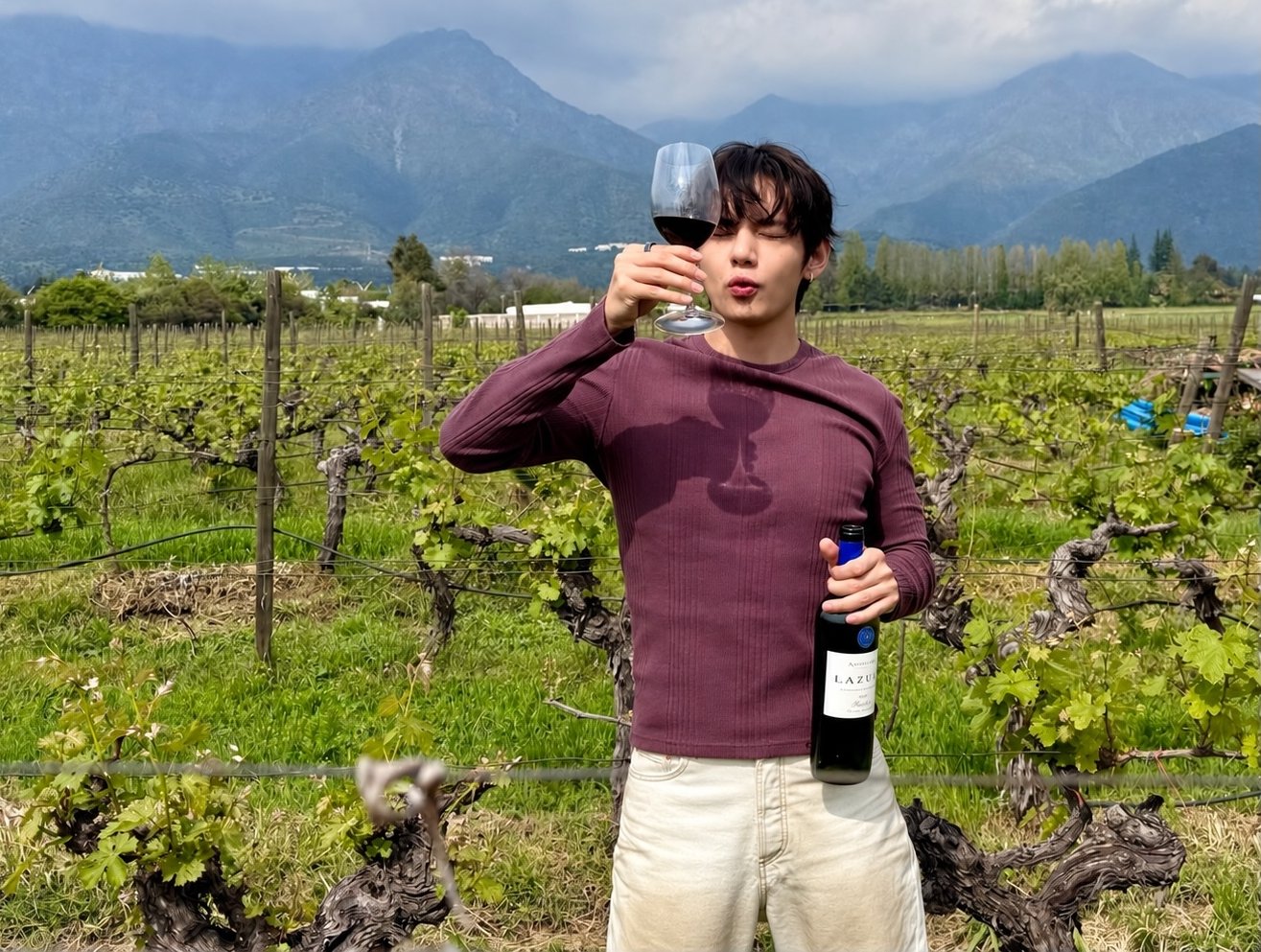
BTS’s V’s Wine from Chile Sold Out in Two Hours… “Wait Two Months for Restocking”
!['Comeback' ILLIT Picks Up a Whistle… Bold Warning: 'I'll Arrest You' [Today's Preview]](https://kotourlive-images.s3.ap-northeast-1.amazonaws.com/news/1792978782275_1ad139e1_news_dbdae4b1-d435-43fa-968f-97701d6e9389.jpg) News
News
'Comeback' ILLIT Picks Up a Whistle… Bold Warning: 'I'll Arrest You' [Today's Preview]
!['Inkigayo' A2O LITE Takes First Place with 'NEON'… “Happy to Receive So Much Love” [TV Capture]](https://kotourlive-images.s3.ap-northeast-1.amazonaws.com/news/1792978032199_8f5c6664_news_fcd1f66d-9114-4144-bff3-c90686ac459a.jpg) News
News
'Inkigayo' A2O LITE Takes First Place with 'NEON'… “Happy to Receive So Much Love” [TV Capture]
 News
News