
Reading the Time of Korean Tea from the Fifth Floor beside Boseong’s Tea Fields, Korea Tea Museum
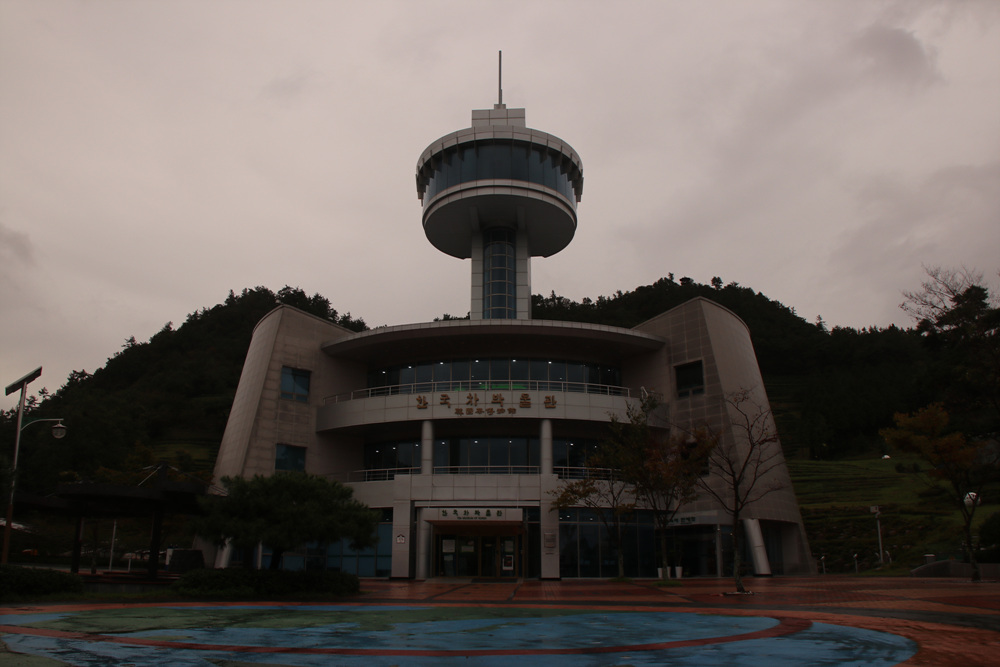
The Korea Tea Museum at 775 Nokcha-ro, Boseong-eup, South Jeolla Province, is a public museum specializing in tea and offering insight into the Boseong tea-growing region. In its one-basement, five-story building, visitors can explore tea cultivation, production, history, and everyday culture, then easily connect the visit with the adjacent Korea Tea Culture Park and Botjae.
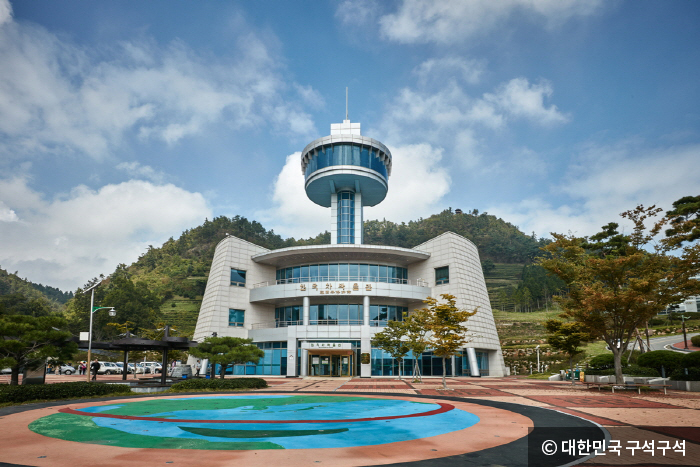

Why it opened in September 2010: a building explaining tea culture in the production area of Boseong green tea
The Korean Tea Museum is located at 775 Nokcha-ro, Boseong-eup, Boseong-gun, Jeollanam-do, inside the Korean Tea Culture Park. Since opening in September 2010, it has operated as a public museum covering tea cultivation, production, history, and everyday culture. The building has one basement level and five above-ground floors.
Boseong is introduced as a tea-growing region accounting for 34% of the nation's tea cultivation area and 37% of its production, with 1,097 farming households and approximately 90 tea-processing companies. Boseong green tea was registered in 2002 as Korea's first geographical indication, No. 1, and the museum was established as a space explaining both the brand of this production area and its tea culture.
An itinerary for seeing the Tea Culture Room on the first floor, Tea History Room on the second floor, and Tea Lifestyle Hall on the third floor in 60–90 minutes
It is easiest to follow the exhibits by starting in the Tea Culture Room on the first floor. This floor covers the process from tea cultivation to production through videos and displays and is arranged so that children can also follow the production stages.
The Tea History Room on the second floor covers tea culture from ancient times to the present, as well as period-specific tea utensils and artifacts, while the Tea Lifestyle Hall on the third floor is a space for tea-related daily life and hands-on programs. Viewing only the exhibits takes 60–90 minutes; if you also include a walk through the park and Botjae, allowing half a day is advisable.
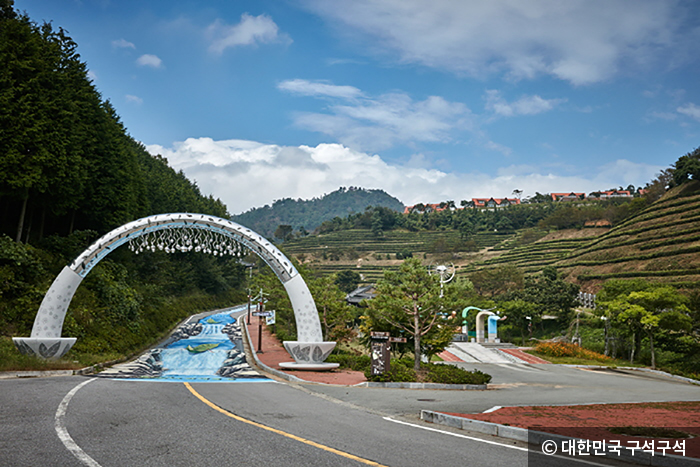
Why Boseong’s fog and maritime climate suited tea plants
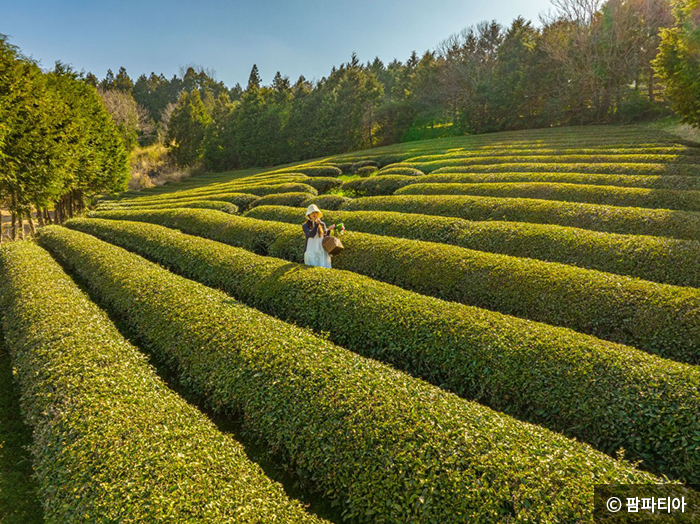
Boseong is described as having a higher elevation than the surrounding areas, resulting in a large diurnal temperature range, and as being influenced by a maritime climate. Frequent fog helps maintain humidity, creating conditions favorable for tea-plant growth; these natural conditions formed the basis for Boseong becoming a large-scale green-tea-growing region.
Tea cultivation in Boseong began in earnest during the Japanese colonial period. After liberation, abandoned tea fields were revived when Jang Yeong-seop acquired them in 1957 and established Daehan Tea Industry Co., Ltd. The museum allows visitors to understand the region’s industrial history within the broader flow of tea culture.
Why to reconfirm same-day operations by phone before visiting from 09:00 to 18:00
Tourism information materials list the Korean Tea Museum’s operating hours as 09:00–18:00, with last admission at 17:00. However, some other public tourism information lists the hours as 10:00–17:00, so if you are traveling a long distance, it is safest to call the main number, 061-852-0918, before departure to confirm the day’s operating hours and whether the museum is closed.
Some materials list admission fees as 1,000 won for adults, 700 won for teenagers, and 500 won for children. Hands-on programs may operate separately and are reported to require advance reservations. If you want to participate in a tea ceremony, tea making, tea-food preparation, or green-tea natural cosmetics workshop, it is best to ask by phone about the schedule and cost together.
- Main telephone: 061-852-0918
- Official information: https://www.boseong.go.kr/tour/tourist/9tour/tea_museum
- Address: 775 Nokcha-ro, Boseong-eup, Boseong-gun, Jeollanam-do
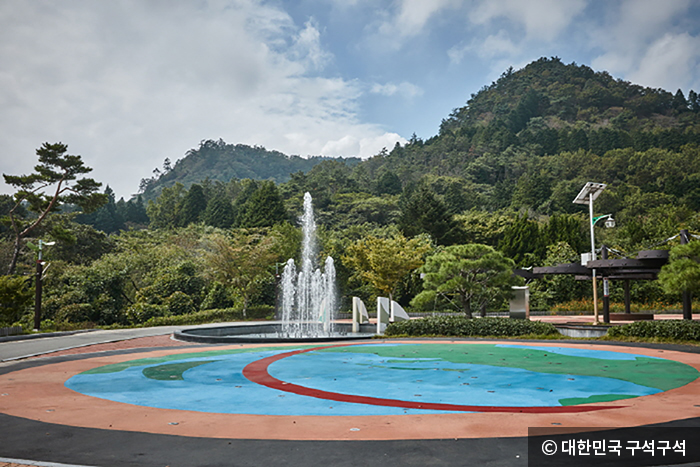
A route extending to Botjae within the 90,067-square-meter Korean Tea Culture Park
The museum is located within the 90,067-square-meter Korean Tea Culture Park, which also includes the World Tea Tree Botanical Garden, Boseong Tea Evaluation Center, a multipurpose outdoor performance venue, a tea-making area, a youth training center, and an astronomy and science center. Park information lists parking for 150 vehicles and a capacity of 200 people.
Nearby Botjae is a cultural, artistic, natural, and tea-themed complex in Boseong that opened in 2015. After first viewing tea cultivation and history at the museum, combining Botjae’s History and Culture Hall with its café lets you connect Boseong’s tea industry and landscapes in different ways.
How to take a Gunyak-bound bus from Boseong Station or Boseong Intercity Bus Terminal
By public transportation, visitors have traditionally been advised to take a Gunyak-bound bus from the Usan-ri bus stop in front of Boseong Station or from Boseong Intercity Bus Terminal, then get off at the Daehan Dawon stop. According to older tourism information, the journey took approximately 26 minutes from the terminal and 23 minutes from in front of Boseong Station, but rural bus schedules may change, so check with Boseong County or the terminal on the day of departure.
Regarding stop access, the Korean Tea Museum bus stop is located at 781 Nokcha-ro, approximately 0.6 km from the museum. Drivers can use the Korean Tea Culture Park parking lot. During peak seasons and festivals, vehicles visiting the tea-field area may increase congestion, so planning a morning visit is advantageous for adjusting parking and the route.
Tea-culture sightseeing with an elevator, accessible restroom, and dedicated parking spaces
Barrier-free information from the Korea Tourism Organization indicates an accessible restroom, an elevator for visitors with disabilities, dedicated accessible parking spaces, and no step at the main entrance. As the building has five floors, visitors who need to move between floors can use the elevator.
The same information also lists wheelchair rental, convenience services for visitors with visual or hearing impairments, a nursing room, and stroller rental. Since the actual number of rental items available, foreign-language information, and the extent of wheelchair access in the hands-on areas may vary by visit date, it is advisable to inquire in advance at 061-852-0918.
How visit preparations change during the May–June tea-leaf harvest and the Boseong Dahyang Festival
Tea leaves in Boseong are generally harvested from May to August, with May and June often mentioned as the period when the tea aroma is strongest. Tea-making experiences at production workshops may be available during this time, but because programs require advance reservations, you should confirm the schedule beforehand rather than expecting to register on-site.
The Boseong Dahyang Festival is a signature event held around the Korean Tea Culture Park. Even if you only plan to visit the museum during the festival, road conditions, parking, and experience reservations may differ from usual, so arriving at the park in the morning and traveling in the order of museum → Botjae → tea fields can help manage the route.
Before You Go
- Address
- 775 Nokcha-ro, Boseong-eup, Boseong-gun, Jeollanam-do
- Hours
- 09:00–18:00, last admission 17:00 (hours vary among sources, so calling before visiting is recommended)
- Admission
- Adults 1,000 won, teenagers 700 won, children 500 won
- Phone
- 061-852-0918
- Official site
- https://www.boseong.go.kr/tour/tourist/9tour/tea_museum
- Transport
- Take a Gunyak-bound bus from the Usan-ri stop in front of Boseong Station or Boseong Intercity Bus Terminal, get off at the Daehan Dawon stop, then continue to the museum. The Korean Tea Museum bus stop is at 781 Nokcha-ro, approximately 0.6 km from the museum.
- Parking
- The Korean Tea Culture Park parking lot is available. Public tourism information lists parking for 150 vehicles.
- Time needed
- 60–90 minutes for the exhibits; half a day when combined with the Korean Tea Culture Park and Botjae
- Accessibility
- Accessible restroom, elevator for visitors with disabilities, dedicated accessible parking spaces, and no step at the main entrance. Confirm wheelchair and stroller rental and disability-access services before visiting.
The information above is based on the time of writing. Check the official information again before visiting.

Places
Nearby Attractions 3
-
 1
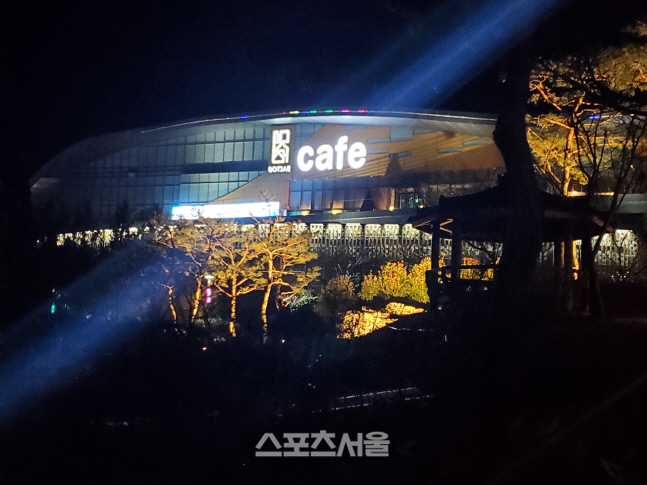
BotjaeA space for exhibiting and experiencing Boseong’s tea industry and historical culture.
1
BotjaeA space for exhibiting and experiencing Boseong’s tea industry and historical culture. -
 2
Boseong Astronomical Science MuseumObserve stars and the universe through astronomical telescopes and enjoy hands-on science experiences.
2
Boseong Astronomical Science MuseumObserve stars and the universe through astronomical telescopes and enjoy hands-on science experiences. -
 3
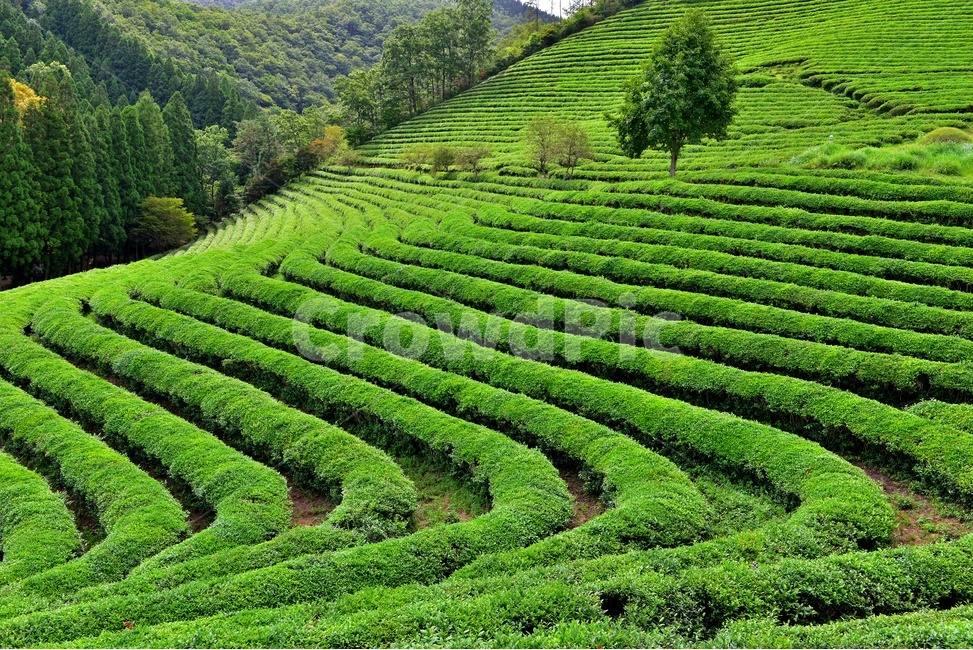
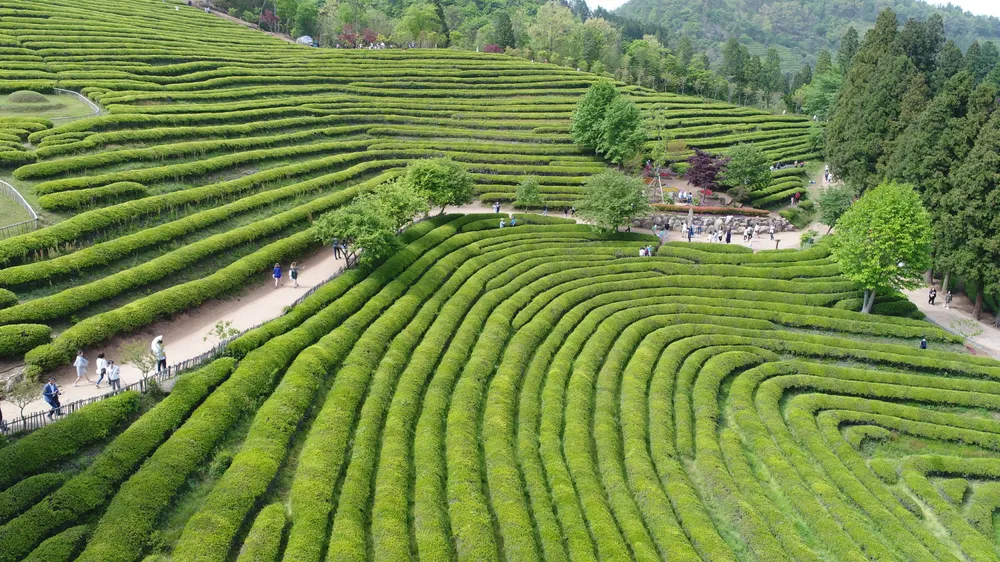
Daehan Dawon Boseong Green Tea FieldsStroll along the wide tea-field paths and admire the green tea scenery of Boseong.
3
Daehan Dawon Boseong Green Tea FieldsStroll along the wide tea-field paths and admire the green tea scenery of Boseong.
Food & Dining 3
-
 4
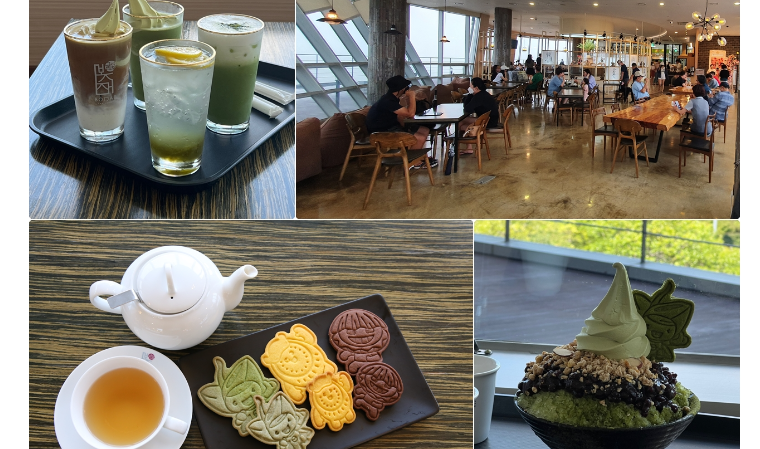
GeurindahyangA café where you can enjoy Boseong green tea and matcha drinks, as well as ice cream.
4
GeurindahyangA café where you can enjoy Boseong green tea and matcha drinks, as well as ice cream. -
 5
5
-
 6
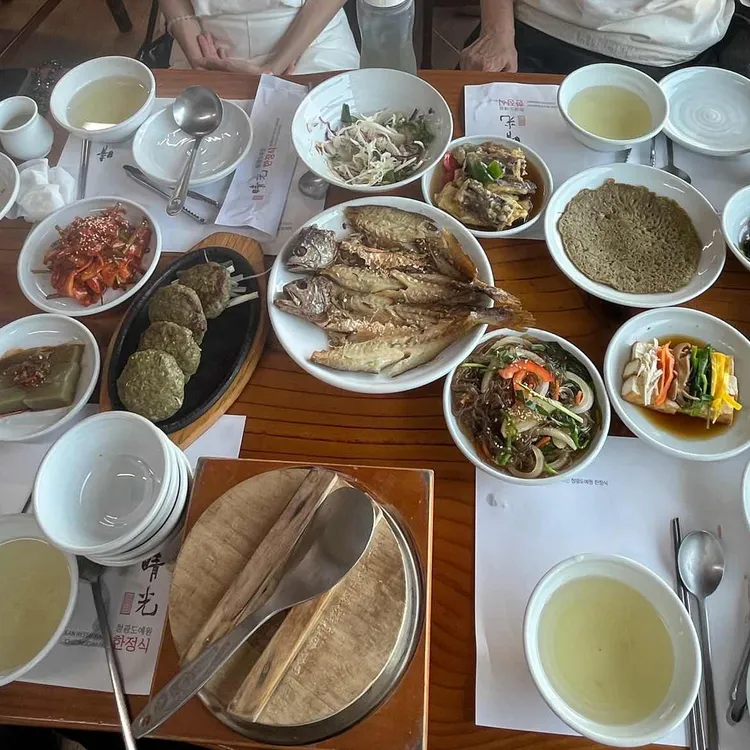
Cheonggwang DoyewonEnjoy a green tea set meal and local cuisine in a hanok-style atmosphere.
6
Cheonggwang DoyewonEnjoy a green tea set meal and local cuisine in a hanok-style atmosphere.
Events in This Area
Festivals in This Area
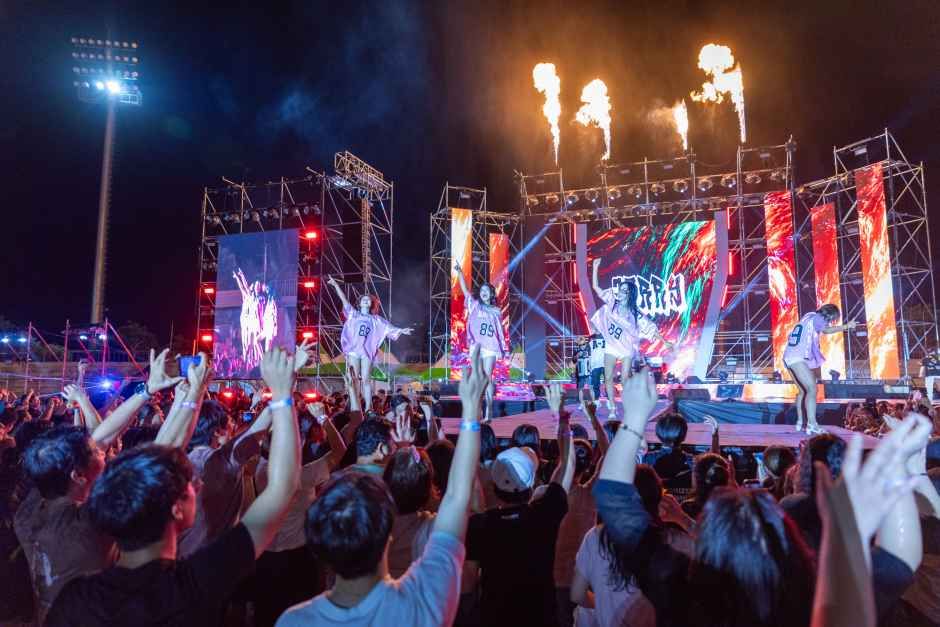
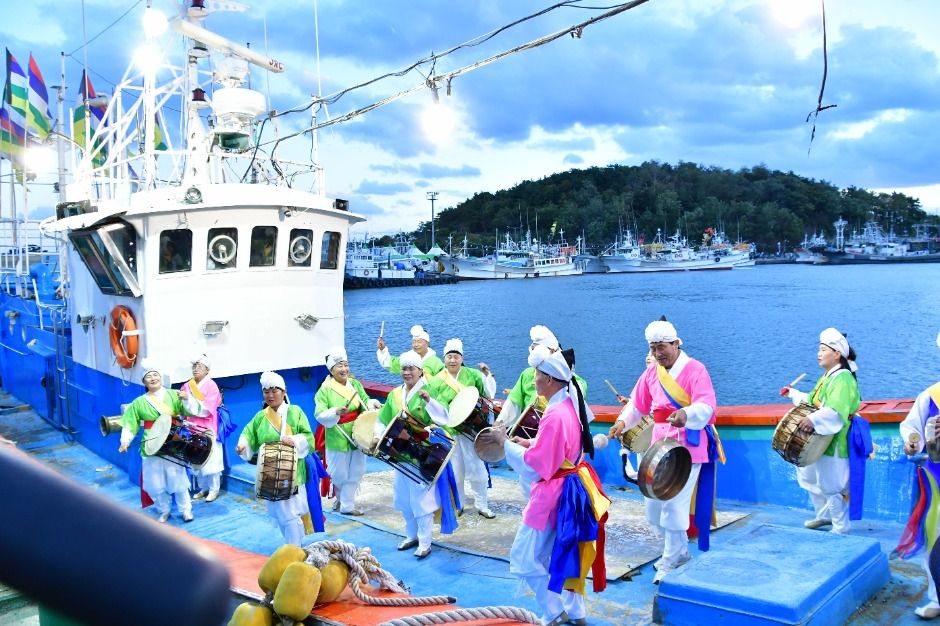
More Travel Guides in This Area
 Travel Guide
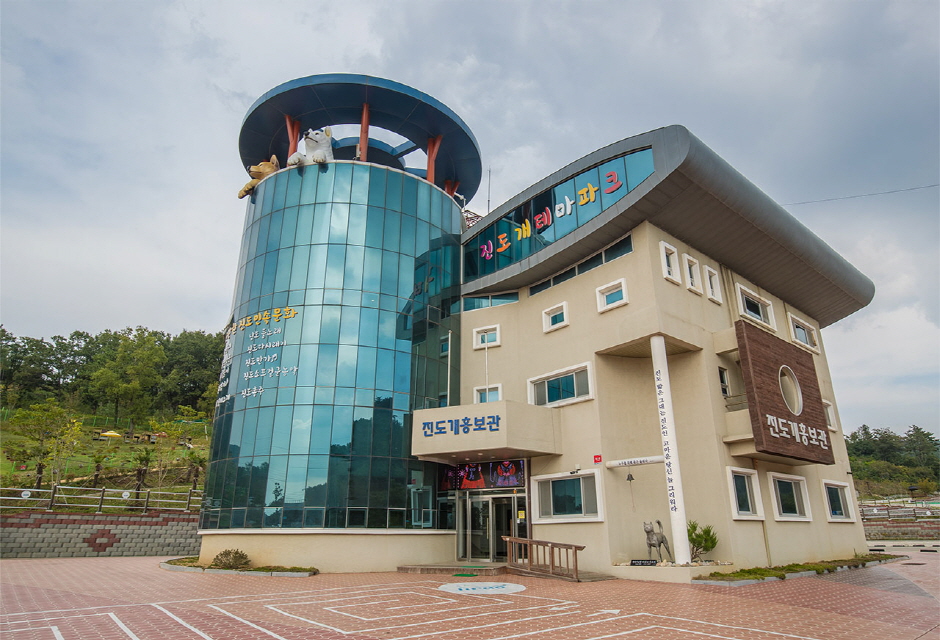
Jindo Dog Theme Park: A Walk Timed for the Dogs' Running Sessions
 Travel Guide
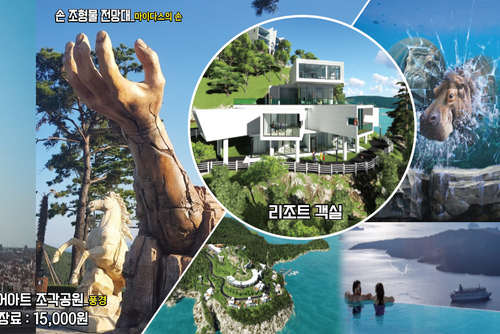
Meeting the South Sea at the End of a 150-Meter Artificial Rock Cave: Yeosu Art Land
 Travel Guide
Reading Mahan’s Jar Coffins at the National Naju Museum in the Heart of the Bannam Tumuli
 Travel Guide
Discovering Jeungdo’s Salt Records in a 1953 Stone Warehouse at Taepyeong Salt Farm
Korea News
![ZEROBASEONE ‘ZEROBASEONE Shining Even at Night!’ [★Video]](https://kotourlive-images.s3.ap-northeast-1.amazonaws.com/news/1786629298196_13d8a4bb_news_075face7-fb4e-402c-b833-25ccaf88cf8f.jpg) News
News
ZEROBASEONE ‘ZEROBASEONE Shining Even at Night!’ [★Video]
 News
News
Kwon Eun-bi, First Comeback Since Moving from Woollim to RBW: “Aiming for a September Release”
 News
News
“Did Jungkook’s connection continue?” Pop star Usher spotted warmly hugging BTS’s RM and J-Hope
 News
News