At the Confluence of the Namgang and Hamancheon Rivers: Haman Akyang Ecological Park’s 260,000㎡ Flower Levee Path
Akyang Ecological Park, created from 2012 to 2017 in the riverside wetlands where the Namgang and Hamancheon Rivers meet in Daesanmyeon, Haman-gun, Gyeongsangnam-do, is a free walking destination where seasonal flowers bloom from spring poppies and coreopsis to autumn pink muhly and cosmos. Known as the setting of the popular Korean song “The Maiden Boatwoman,” the entire route consists of an accessible deck path, making it comfortable for visitors with strollers and wheelchairs to explore.

I’ve been here?
Your check-in helps the next traveler.
No one has checked in yet Be the first
One tap — no writing needed
A Landscape Resembling China's Dongting Lake, the Name “Agyang,” and the Story of the Maiden Ferryman
This area was given the name Agyang because its landscape resembles Yueyang, a scenic destination in China. It is also known as the setting of the popular song “The Maiden Ferryman” (lyrics by Yun Bugil, composed by Han Boknam, sung by Hwang Jeongja), which takes the Namgang ferry landing as its backdrop. The song was created in 1959 based on an actual story that took place here in 1953, when the ferry landing was still in operation, and it has since become a representative cultural attraction of the region.
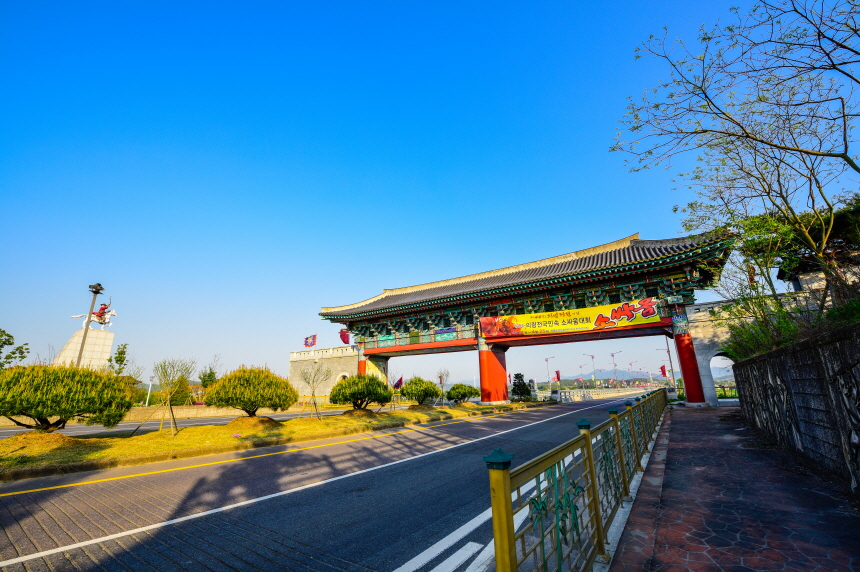
Upon entering the park, visitors are immediately drawn to the Maiden Ferryman sculpture located in front of the parking lot. This is also the starting point of Course 1 of the Maiden Ferryman Sunset Trail, and the area is regarded as a notable sunset destination, offering spectacular views where the Namgang and Hamancheon rivers meet. The park's ecological pond features the Maiden Ferryman Ecological Experience Boat, which recreates the story and allows visitors to tour the pond by boat as well as enjoy a walk.
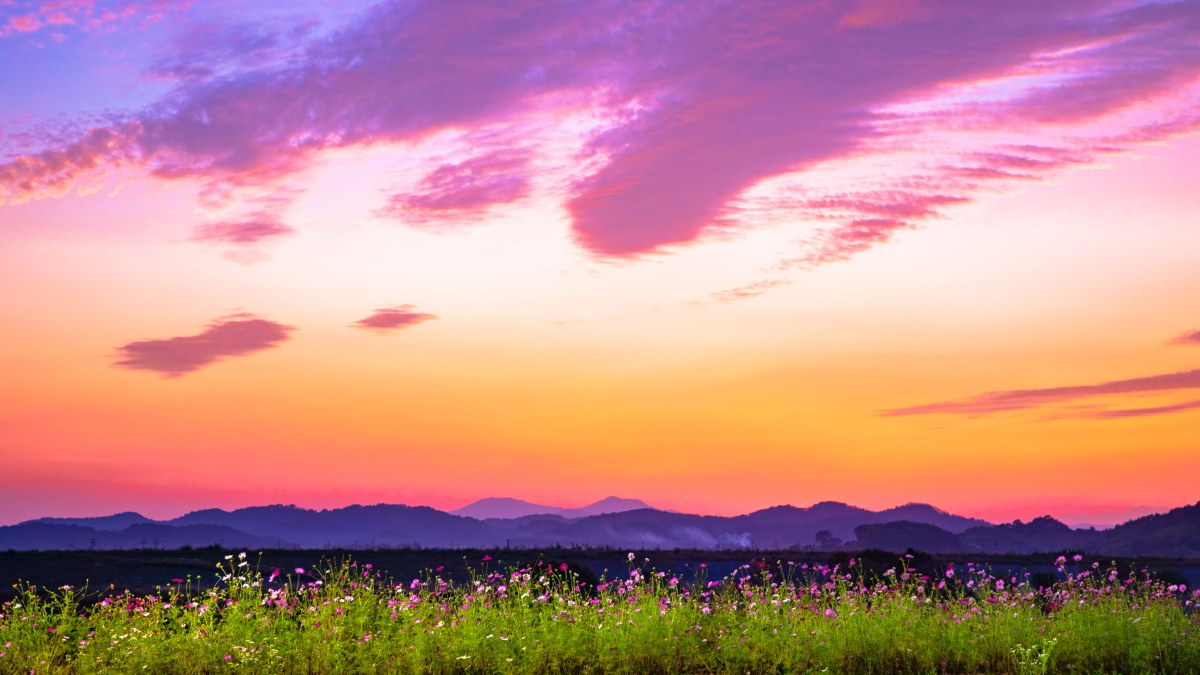
A Park Completed Over Five Years on Wetlands at the Confluence of the Namgang and Hamancheon
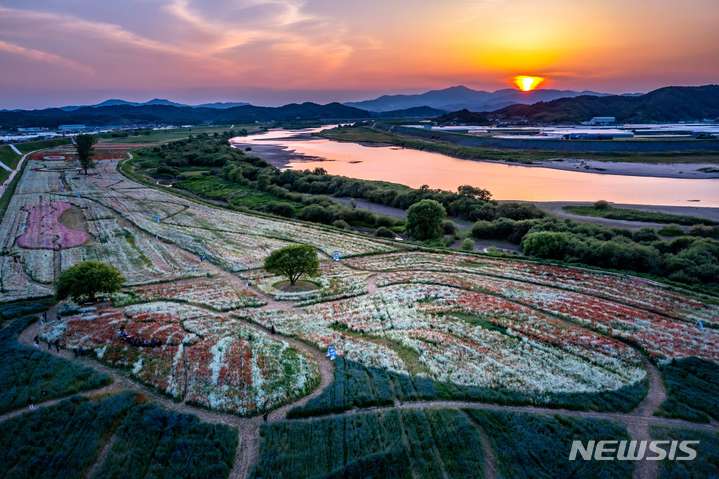
Agyang Ecological Park is situated on riverside wetlands where the Namgang and Hamancheon rivers meet. It was completed in stages over approximately five years, from 2012 to 2017. The resulting site covers 265,307 square meters, or approximately 80,000 pyeong, and different flowers fill the riverside in every season.
The park is notable for having been developed as an eco-friendly cultural space connected to the Namgang's natural scenery, the nation's longest embankment, and the surrounding waterside areas and wetlands. The walking trail continues on a wooden deck to nearby Agyangnu Pavilion, allowing visitors to naturally make their way to the pavilion after walking along the embankment path.
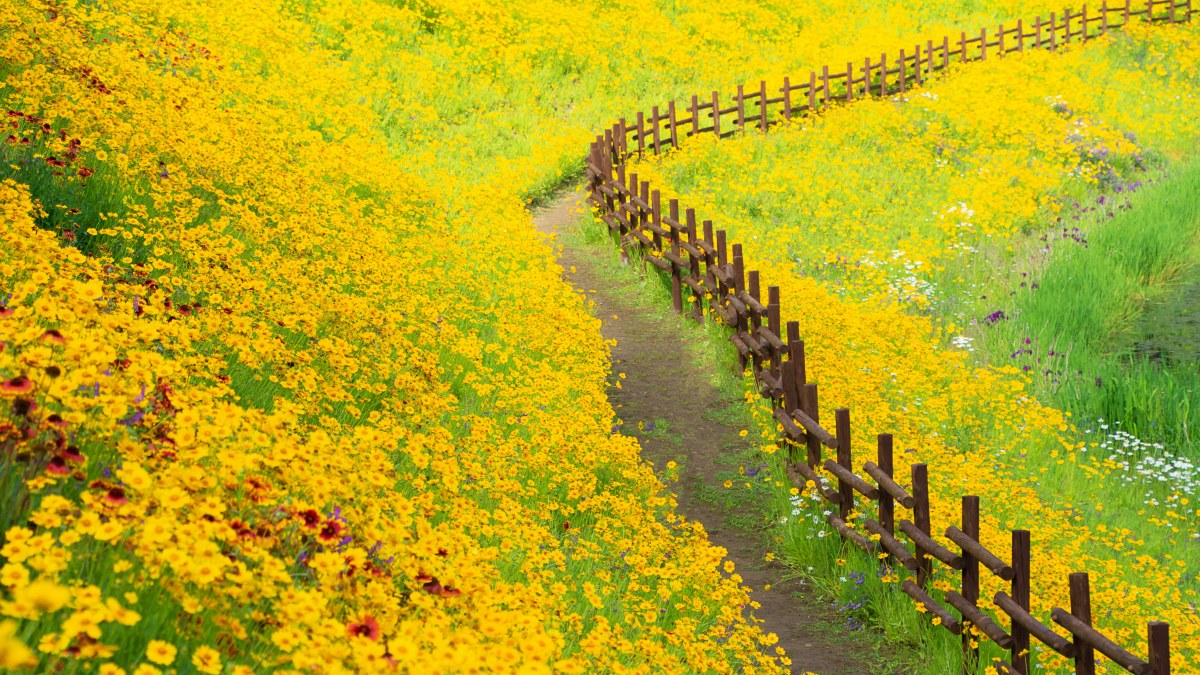
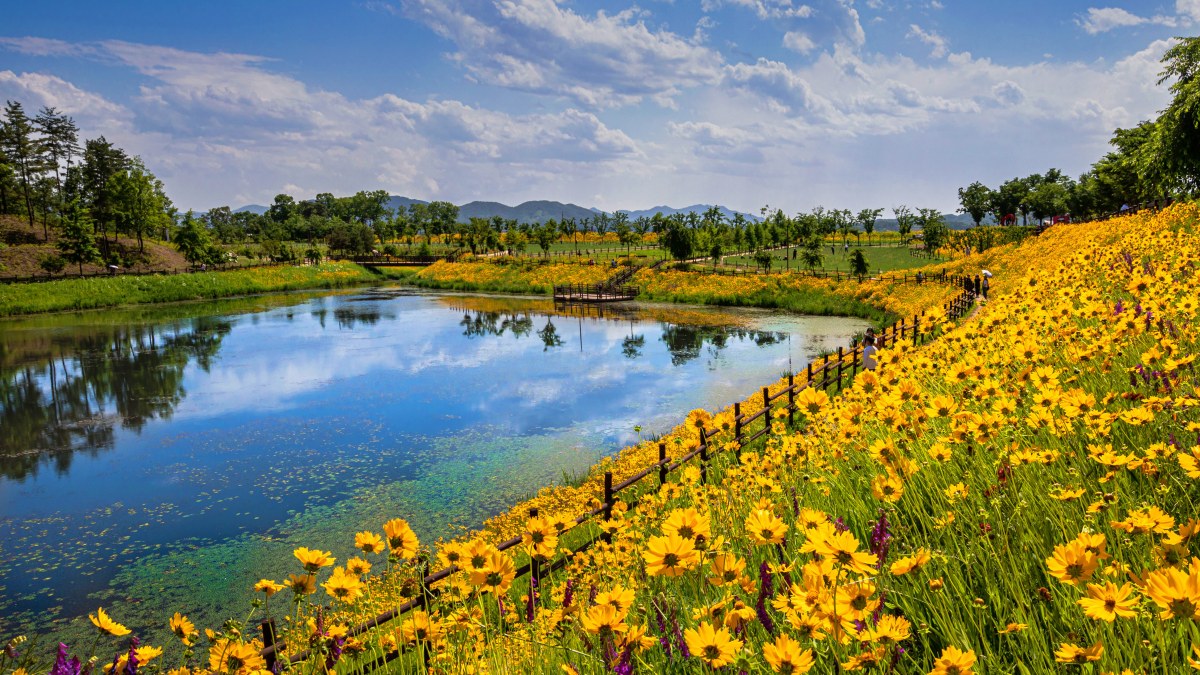
A Flower Calendar Progressing from Poppies and Coreopsis in May–June to Pink Muhly in September–October
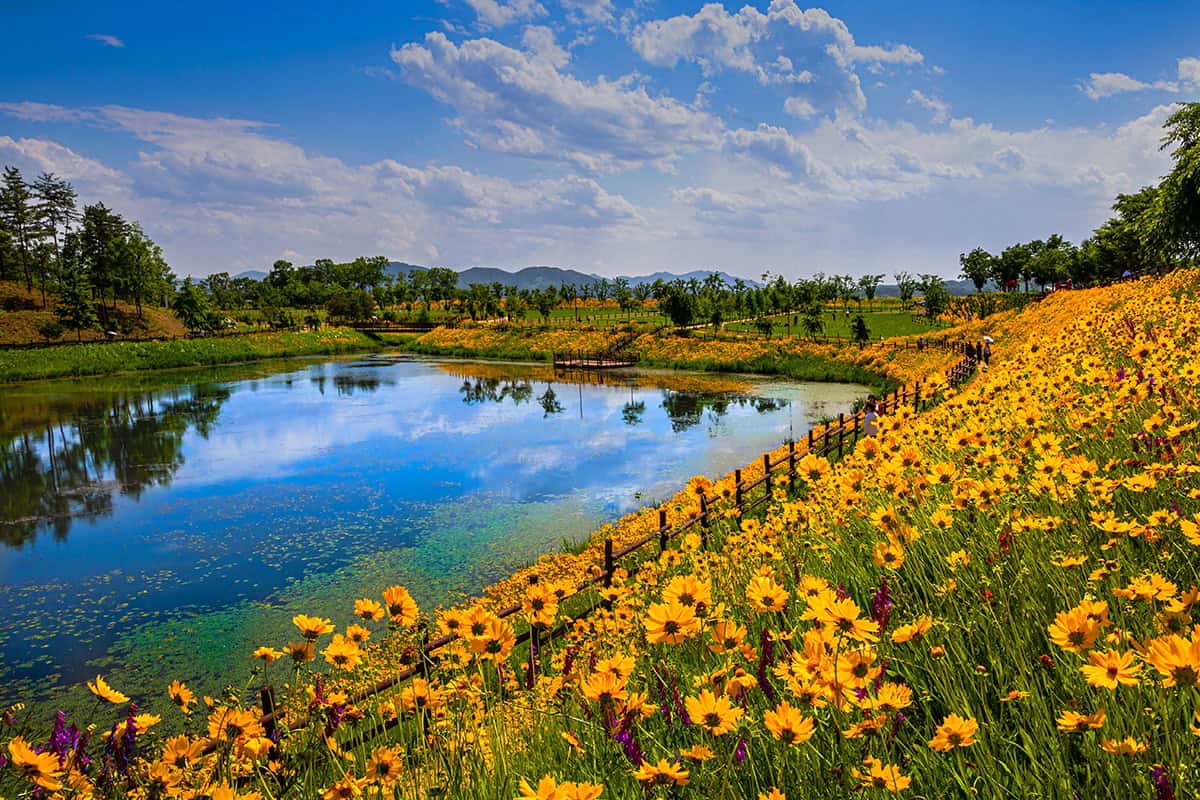
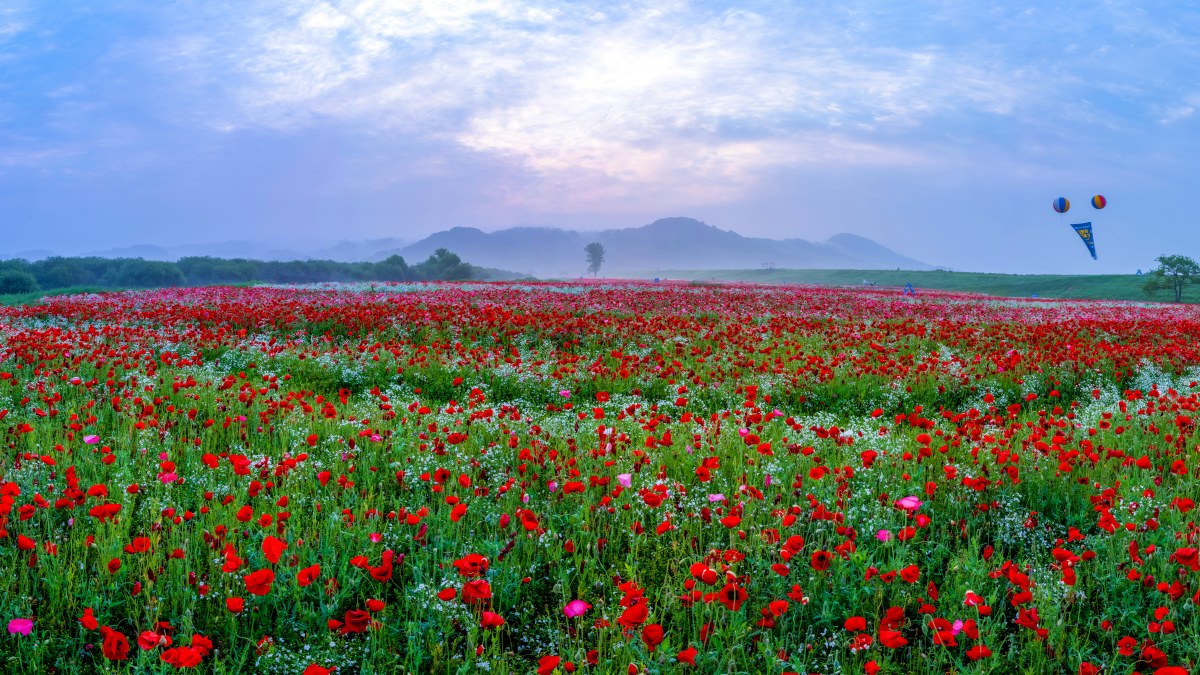
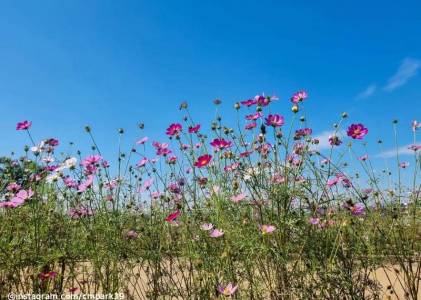
The park's charm lies in its flower fields, which take on completely different colors with each season. In spring, poppies, cornflowers, Shasta daisies, and coreopsis bloom in succession, creating a bright and cheerful atmosphere. In summer, sunflowers, lotus flowers, and hydrangeas add a rich seasonal character. In autumn, cosmos and pink muhly grass color the park, while camellias reveal their red blooms in winter.
Visitors particularly flock here in May–June and September–October, when the flowers are at their most abundant. In October, the pink muhly planting area reaches full bloom, with pink muhly grass planted across 4,611 square meters forming a pink wave. On weekends in May, visitor numbers rise during the peak of the spring-flower season, so visiting early in the morning or on a weekday is the best way to enjoy a quieter experience.
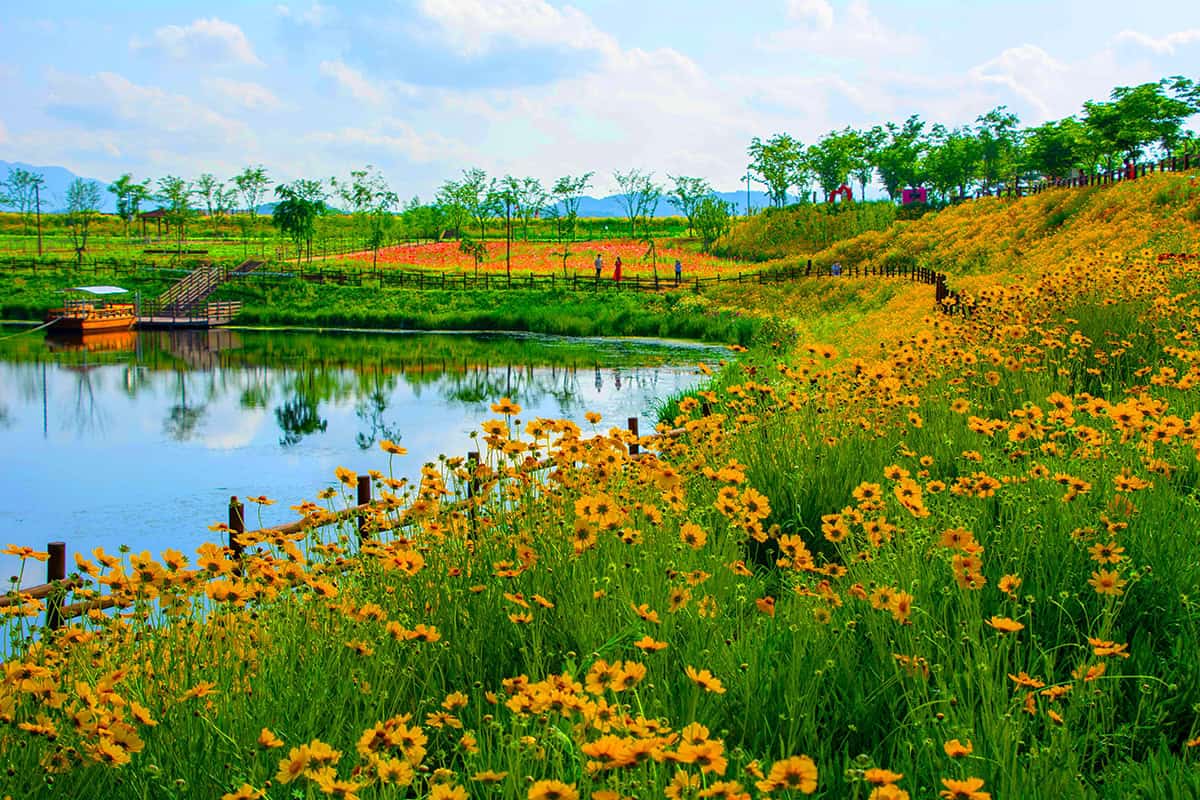
An Accessible Deck Trail Throughout the Park, Suitable for Wheelchairs and Strollers
The park's main facilities include a children's play area, outdoor performance venue, ecological pond, lawn area, observatory, and visitor center. The embankment walking trail has been paved with decking, allowing visitors to walk throughout the park without worrying about getting their shoes dirty.
The key feature here is its barrier-free design. Most of the walking trails connecting the entire park are flat, with almost no changes in level, and wide deck trails that are easy for wheelchairs and strollers to access are provided throughout the grounds. The visitor center has a restroom exclusively for people with disabilities and five designated accessible parking spaces. Numerous visitor reviews repeatedly note that the entire route consists of flat deck paths, making it easy to use with a stroller or wheelchair.
9–10 Minutes by Car from Haman IC: Why Driving Is More Convenient Than Public Transportation
The address is 208-49 Hagi 2-gil, Daesan-myeon, Haman-gun, Gyeongsangnam-do (lot number: 1418 Seochon-ri). For inquiries, contact the Haman-gun Park Management Office at 055-580-3421. Official information is available on the Haman-gun Culture and Tourism Portal (www.haman.go.kr).
By car, the park is approximately 10 minutes from Haman IC on the Jungbu Naeryuk Expressway. It takes about 40–50 minutes from central Changwon and approximately 1 hour to 1 hour 20 minutes from central Busan. However, public transportation connections are limited, so most visitors arrive by private car or rental car. Admission and parking are both free, and the park is open year-round.
Connecting a Haman Day-Trip Course with Gangnaru Ecological Park, Mujinjeong Pavilion, and the Malisan Tumuli
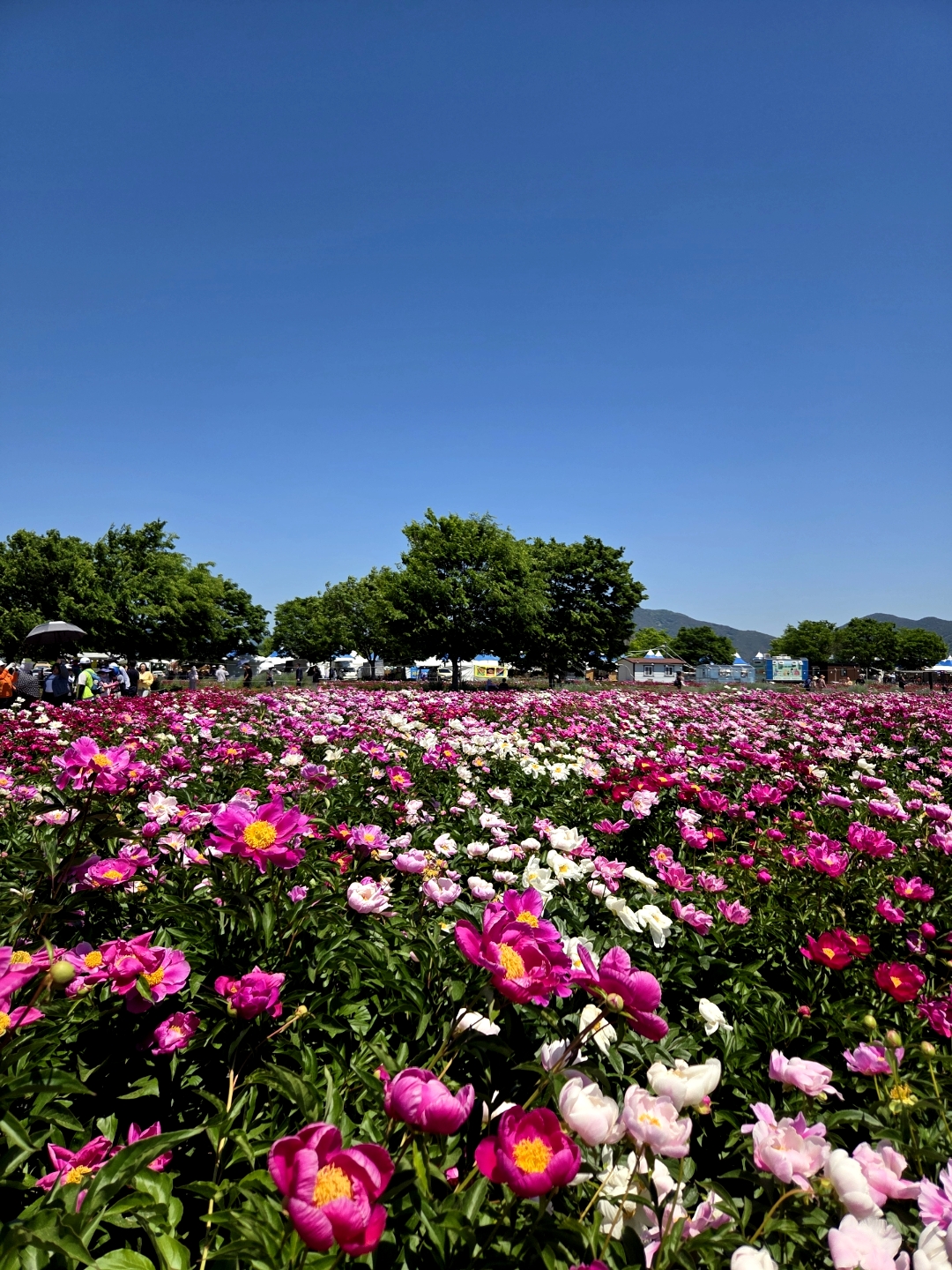
Agyang Ecological Park is approximately 26 minutes by car from Gangnaru Ecological Park, where peony and green barley festivals are held, making the two destinations easy to visit together. Mujinjeong Pavilion, named after the pen name of the Joseon-era scholar Jo Sam, is located in Gwesan-ri, Haman-myeon, Haman-gun, and can be visited free of charge year-round.
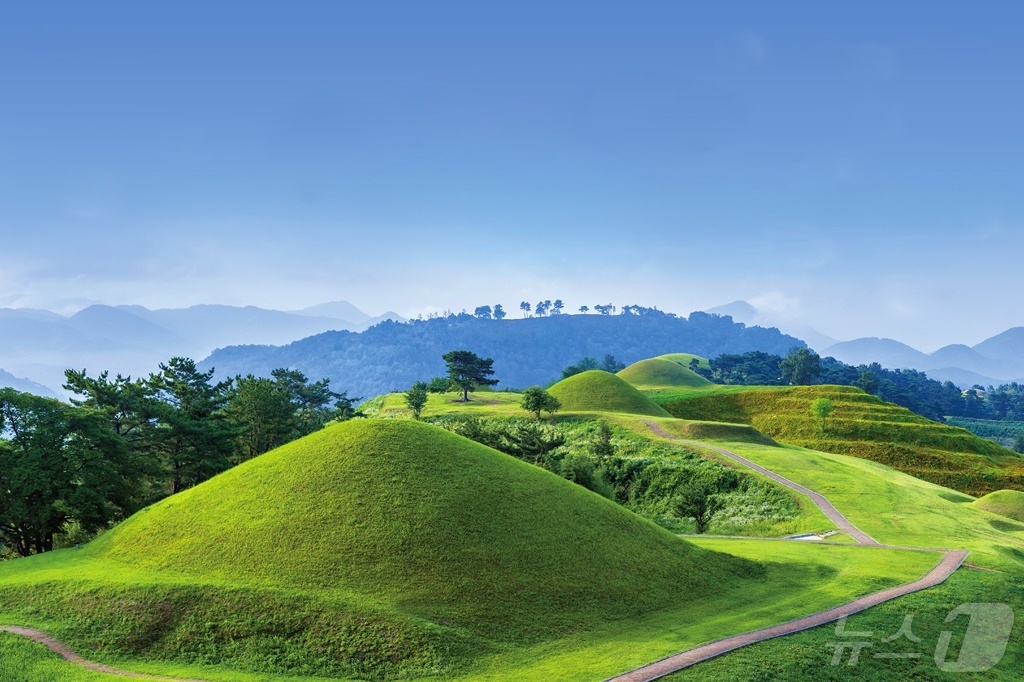
Those interested in Gaya tumuli should also visit the Malisan Tumuli in Dohang-ri, Gaya-eup, Haman-gun. A total of 187 burial mounds have been identified here, and excavations from the tumuli yielded 7,961 artifacts, including 2,010 pieces of pottery, 2,479 iron artifacts, and 3,381 ornaments. After first viewing these artifacts at the adjacent Haman Museum, visitors can walk among the burial mounds and continue their Haman journey within the historical context of Gaya.
Leashes and Waste Bags Are Required for Pets; Flowers Are for Looking Only
Visitors may bring pets, but a leash and waste bags are required. Park management lists the following visitor guidelines: do not illegally dispose of garbage; refrain from drinking, making loud disturbances, or sleeping outdoors; bring a leash and waste bags when accompanied by a pet; and do not smoke or cook.
Visitors must take their garbage with them, and entering the flower fields or picking flowers is prohibited. One advantage of this park is that visitors can enjoy it leisurely even when the large grounds become crowded, but small acts of consideration are essential to protecting the flower fields for those who visit later.
Before You Go
- Address
- 208-49 Hagi 2-gil, Daesan-myeon, Haman-gun, Gyeongsangnam-do (lot number: 1418 Seochon-ri)
- Hours
- Open year-round
- Closed
- Open every day year-round
- Admission
- Free (both admission and parking are free)
- Phone
- 055-580-3421 (Haman-gun Park Management Office)
- Official site
- https://www.haman.go.kr
- Transport
- Approximately 9–10 minutes by car from Haman IC on the Jungbu Naeryuk Expressway, 40–50 minutes from central Changwon, and 1 hour to 1 hour 20 minutes from central Busan. Public transportation connections are limited, so visitors generally come by private or rental car.
- Parking
- Free parking lot available; five designated accessible parking spaces provided separately
- Accessibility
- The entire route consists of barrier-free deck trails suitable for strollers and wheelchairs; an accessible restroom is available in the visitor center (availability of foreign-language information unconfirmed)
The information above was accurate at the time of writing. Check the official Information again before visiting.

Places
Nearby Attractions 5
-
 1
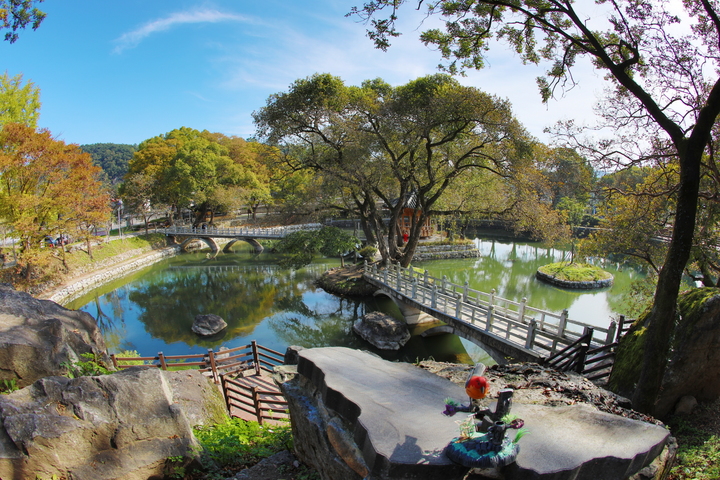
Haman Agyangnu PavilionA Joseon-period pavilion overlooking the scenery of the Namgang River and Hamancheon Stream.
1
Haman Agyangnu PavilionA Joseon-period pavilion overlooking the scenery of the Namgang River and Hamancheon Stream. -
 2
Gangnaru Ecological ParkAn ecological park where you can enjoy flower gardens and walking trails along the Nakdong River.
2
Gangnaru Ecological ParkAn ecological park where you can enjoy flower gardens and walking trails along the Nakdong River. -
 3
3
-
 4
4
-
 5
5
Food & Dining 3
-
 6
6
-
 7
7
-
 8
8
Events in This Area

Festivals in This Area


More Travel Guides in This Area
 Travel Guide
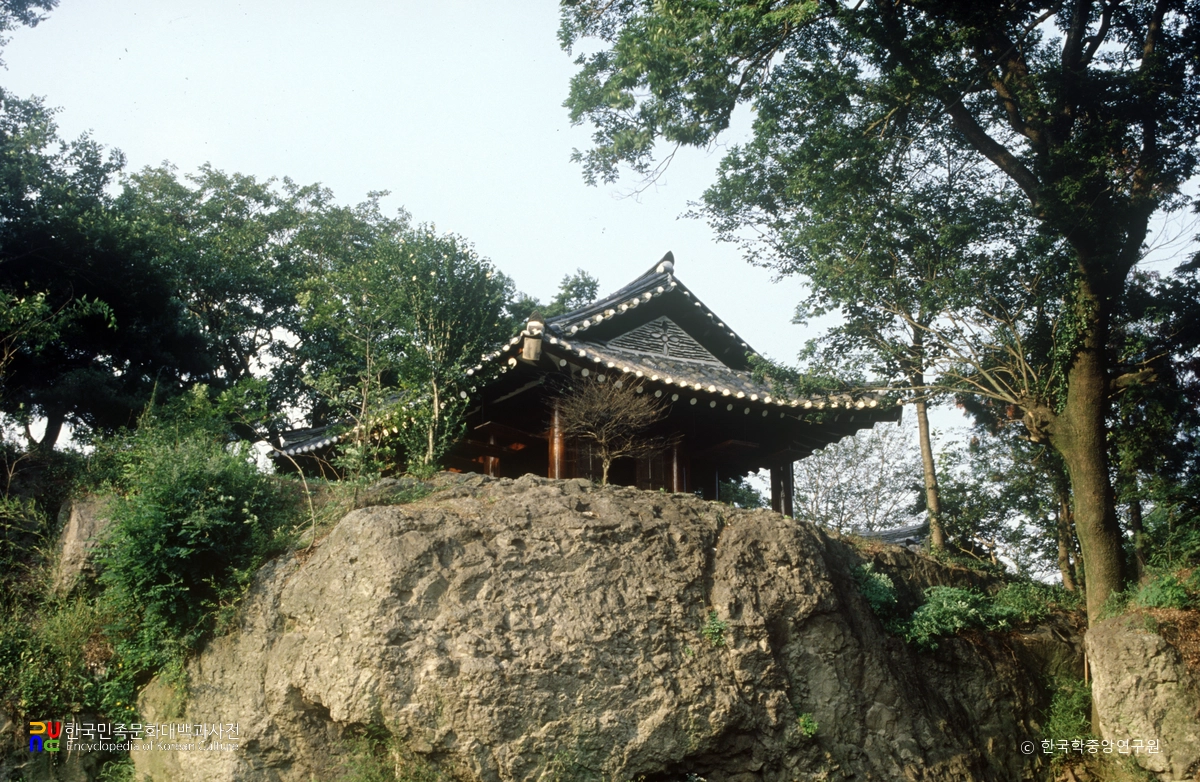
The Hipped-and-Gabled Roof over the Pond and May’s Falling-Flower Fireworks: Day and Night at Haman Mujinjeong
 Travel Guide
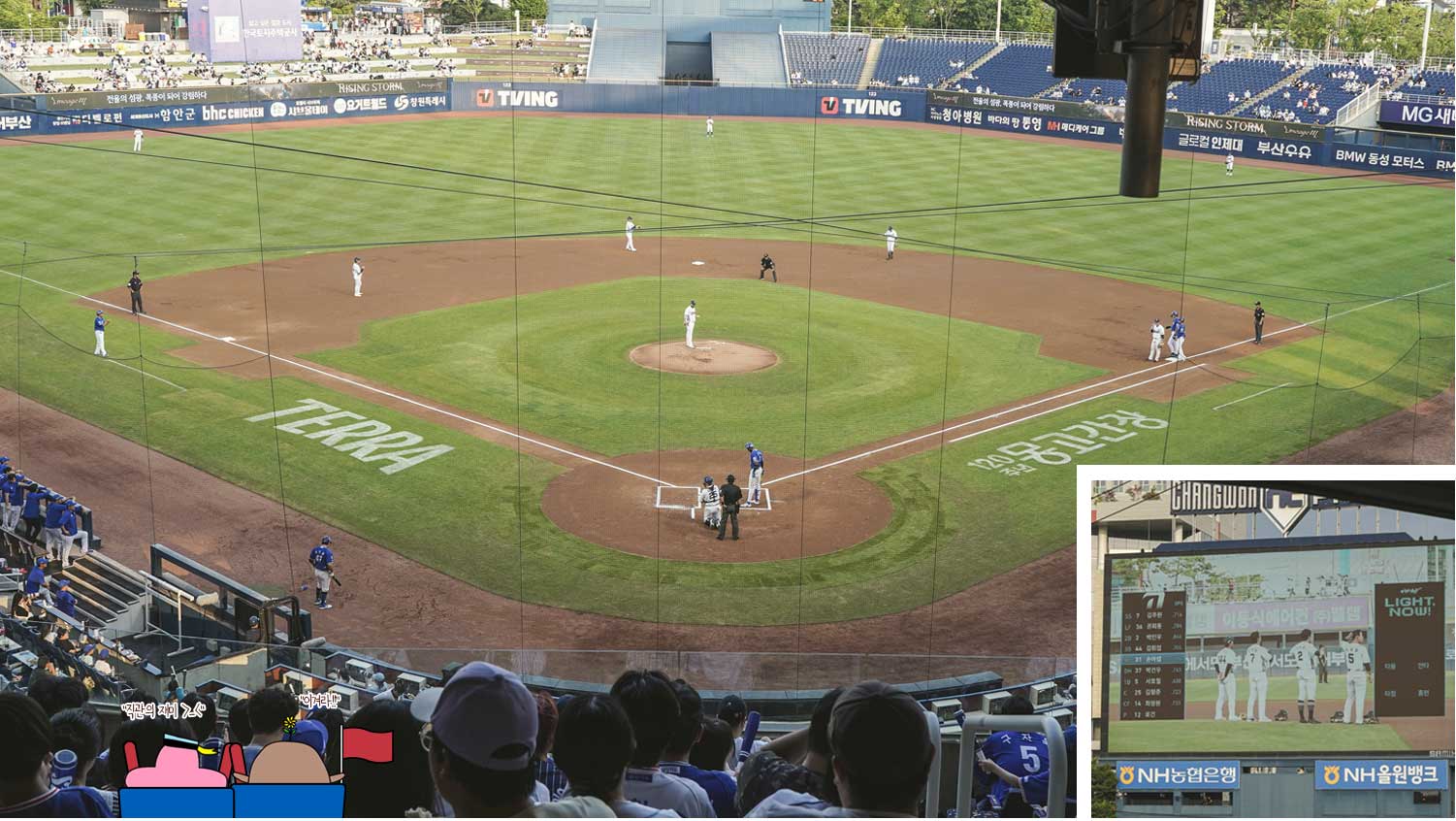
How to Enjoy a Baseball Game and a Day in Masan at Changwon NC Park
 Travel Guide
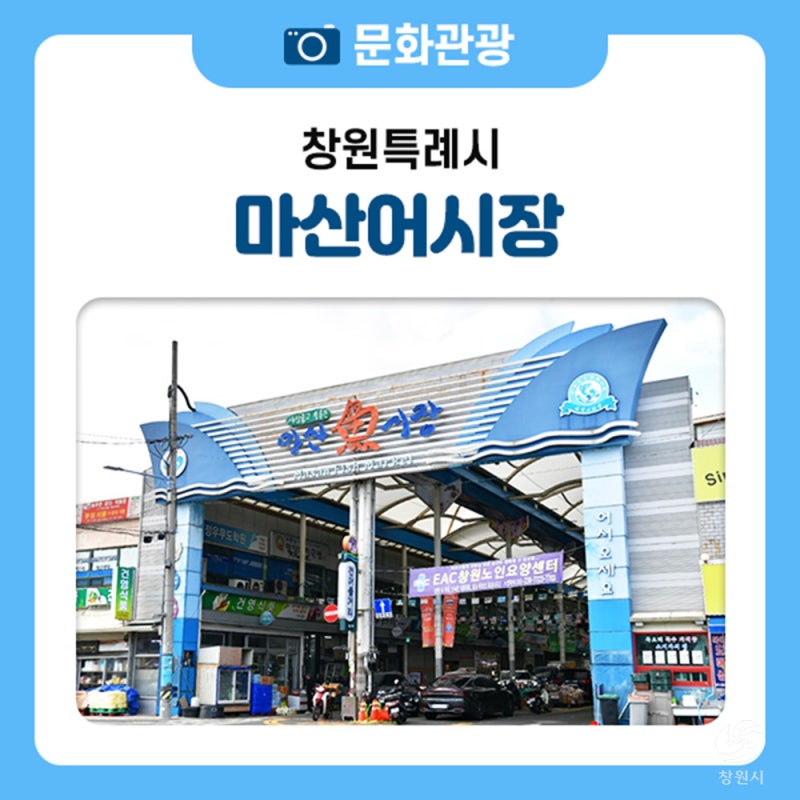
A 250-Year-Old Market That Began at a Grain Depot in the 36th Year of King Yeongjo: Masan Fish Market
 Travel Guide
![Han So-hee, Radiant Beauty After Going Blonde… Unmatched Aura [N Shot]](https://kotourlive-images.s3.ap-northeast-1.amazonaws.com/news/1788056981544_83c8b0b3_news_66e33b45-cf84-4724-87d9-d1340820437d.jpg)
![BOYNEXTDOOR’s Sungho selected as the new MC of ‘Show! Music Core’ [Official Statement]](https://kotourlive-images.s3.ap-northeast-1.amazonaws.com/news/1787908108799_a3cc378e_news_9a3cd086-931c-4b58-b977-4a5ac371238a.jpg)
![[Photo] KISS OF LIFE’s Natty Shows Off Her Glamorous Figure](https://kotourlive-images.s3.ap-northeast-1.amazonaws.com/news/1787908133694_557864f4_news_016e92e2-55c1-4838-9702-eb03b2ad56ec.jpg)
![Hyeri “Cute Wink” [★Photo]](https://kotourlive-images.s3.ap-northeast-1.amazonaws.com/news/1787908093800_c9b7529f_news_9274613b-0b8f-4076-a430-25a1545a679d.jpg)