How to See Sacheon Seonjingniseong Fortress, Surrounded by the Sea on Three Sides, Along with Its Japanese-Style Fortress Walls and Cherry Blossom Trail
Seonjingniseong Fortress is a coastal Japanese-style fortress built by Japanese forces as a retreat base during the Second Japanese Invasion of Korea. Today, it is a park with low fortress walls, the site of a castle keep, and monuments. Admission is free and it is open year-round; in spring, visitors can enjoy views of about 700 cherry trees together with Sacheon Bridge.
I’ve been here?
Your check-in helps the next traveler.
10 people viewed this week Be the first
One tap — no writing needed
Why a Japanese fortress was built on a 30 m hill surrounded by sea on three sides
Seonjinri Fortress is a coastal fortress with stone walls and earthen ramparts located around 770 Seonjin-ri, Yonghyeon-myeon, Sacheon-si, Gyeongsangnam-do. It lies about 5 km southwest of Sacheon-eup, on a low hill approximately 30 m above sea level. The sea touches its south, west, and north sides, while only the east side connects to land, making the terrain advantageous for defense and retreat.
This fortress was a Japanese-style fortress built by the Japanese commander Mōri Yoshinari during the Second Japanese Invasion of Korea in the Joseon period. It was also known as Sacheon Sinchaek and Sacheon Japanese Fortress. Construction began in late October 1597 and was completed on December 26; after being established as a base for the Japanese army’s withdrawal, it was repaired and expanded by Shimazu Yoshihiro in 1598.
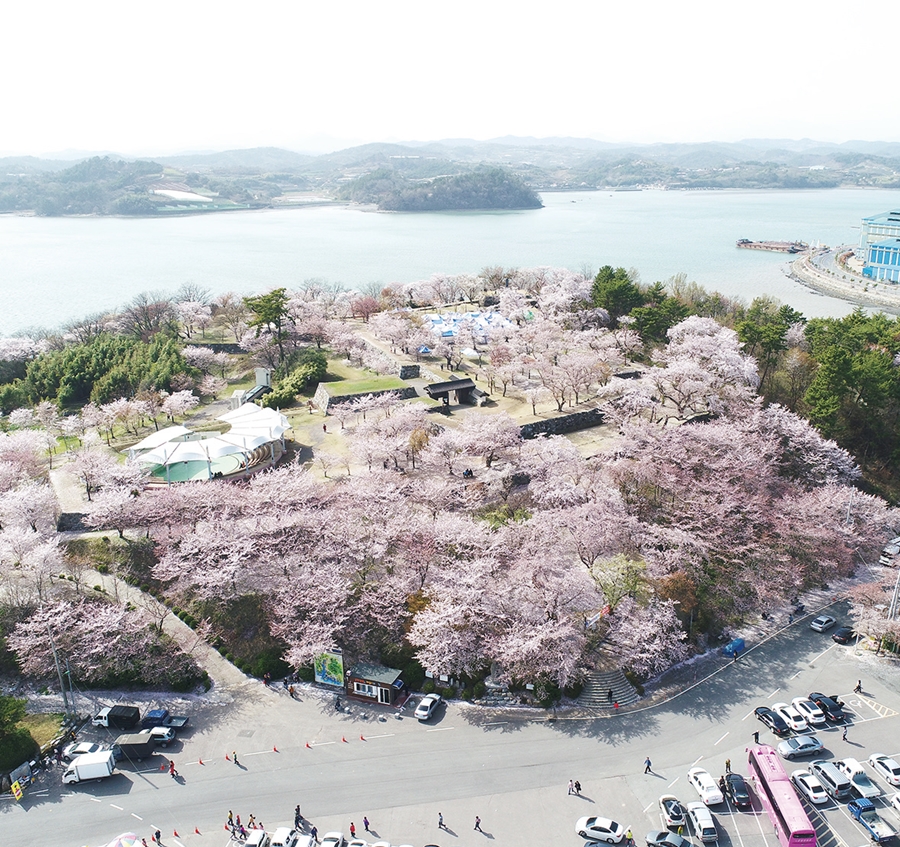
A 1 km fortress wall left by the stone-built inner fortress and earthen outer fortress
The structure of Seonjinri Fortress is divided into a stone-built inner fortress surrounding the northern summit and an earthen outer fortress enclosing the eastern and southern outskirts. The walls are recorded as 4 m high with a circumference of 1 km, while the Encyclopedia of Korean Culture gives the area as 92.153㎡.
Today, it is used as a fortress site and park rather than as a complete fortified structure. The site introduction suggests a route that begins by climbing the stone steps at the entrance, walking along the fortress wall, passing through the fortress gate, and viewing the former site of the main tower and the war memorial monument. Because the walls are low and some sections break off before continuing, the boundary between inside and outside the fortress is unclear in places.
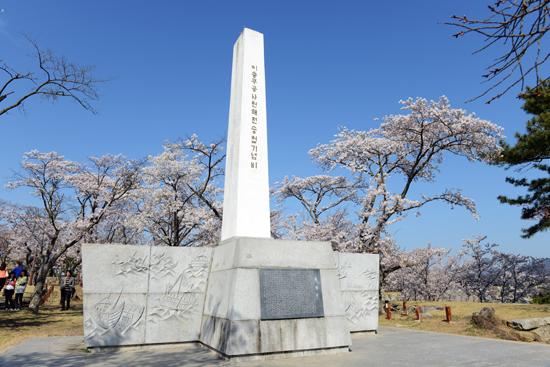
The 1598 Battle of Sacheonseong and the 1592 Battle of Sacheonyang
From late September to early October 1598, the Ming–Joseon allied forces launched a coordinated three-pronged offensive, attacking Suncheon Japanese Fortress, Sacheon Japanese Fortress, and Ulsan Japanese Fortress simultaneously. In October of the same year, the Battle of Sacheonseong took place at Seonjinri Fortress between the Ming–Joseon allied forces under Dong Yil-won and the Japanese army led by Shimazu Yoshihiro.
The forces at the time are recorded as approximately 7,000 Japanese troops and about 40,000 Ming–Joseon allied troops, with the Japanese army achieving victory. At a site overlooking the sea southwest of the fortress stands the Monument Commemorating Admiral Yi Sun-sin’s Victory in the Battle of Sacheon. In the waters around Seonjinri Fortress, the Battle of Sacheonyang also took place on May 29, 1592, when Admiral Yi Sun-sin used turtle ships in actual combat.
Traces of a Goryeo-period fortress revealed by the 2002 excavation
Below the present walls of Seonjinri Fortress, traces of Tongyangchangseong, a Goryeo-period fortress predating the Japanese fortress, have also been identified. Excavations uncovered the walls and eastern gate site of Tongyangchangseong, built as a rammed-earth fortress reinforced with foundation stones, beneath the walls of Seongjinri Fortress.
In 2002, the Gyeongnam Cultural Heritage Research Institute investigated the fortress walls around the former main tower site in Seonjin Park and the southern area of the flat ground to the northeast. The investigation identified a moat, ditch-like remains, and residential sites. Accordingly, visitors should look beyond the traces of the Japanese-style fortress and read the information boards and terrain together, recognizing that the same hill served as a defensive space in different periods.
A fortress site open year-round for free, with no ticket office
According to information current in 2026, Seonjinri Fortress is open at all times throughout the year. Admission is free, and there is no need to purchase a ticket at a separate ticket office. Since it is an outdoor fortress site and park rather than an indoor exhibition hall with set operating hours, visitors explore the low walls, the former main tower site, and the monuments outdoors.
The official tourism inquiry telephone number is 055-831-2716, and the official Sacheon Tourism page is https://toursacheon.net/index.php?document_srl=1096&mid=history_tour. No confirmed information is available regarding photography restrictions, English guidance or audio guides, or detailed access restrictions for the fortress walls and former main tower site, so visitors should follow the controls indicated on site.
From Sacheon Terminal and Samcheonpo Terminal to Sinki Bus Stop
Public transportation information presents routes from Sacheon Terminal to Sinki Bus Stop and from Samcheonpo Terminal to Sinki Bus Stop. However, the available information does not specify the exact bus route numbers, service intervals, or the walking distance and time from Sinki Bus Stop to the fortress.
For first-time visitors, a practical approach is to start at Sacheon or Samcheonpo Intercity Bus Terminal, show “Seonjinri Fortress” or “Seonjin Park” as the destination, and confirm with the driver or a local information center whether to get off at Sinki Bus Stop. The Sacheon Sarang City Tour’s Yi Sun-sin Victory Route Tour allocates 30 minutes from 09:30 to 10:00 for the Seonjin Turtle Ship Park–Seonjinri Fortress–Sacheon Ming–Joseon Army Mass Grave section; boarding and alighting locations may change flexibly between the two terminals according to applicants’ preferences.
Free parking at the entrance and changing access during the cherry blossom festival
A free parking lot is indicated at the entrance to Seonjinri Fortress, with four accessible parking spaces. The public restroom at the parking lot includes an accessible toilet. Since the total parking capacity and exact distance from the parking lot to the fortress site are not specified in the available information, it is safest to plan for an outdoor visit involving the stone steps and fortress-wall sections after parking.
A visitor review from April 2026 states that vehicle access may be restricted at the entrance during the cherry blossom festival. The review introduces an alternative of parking at Seonjin Port and approaching through the rear entrance of Seonjin Park, also explaining that the rear entrance is closer to the fortress gate and the Yi Sun-sin war monument. During the festival, the usual parking route at the entrance may not remain in effect.
Avoid spring weekends if you want to see about 700 cherry trees
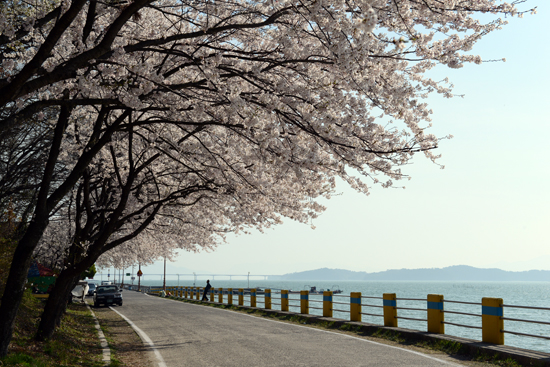
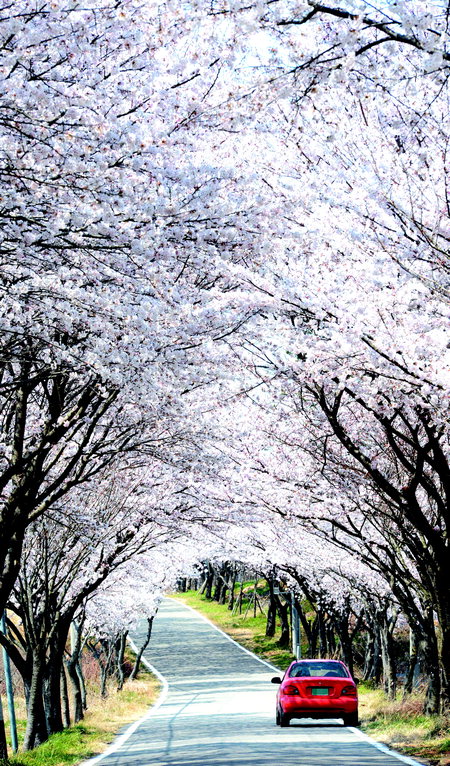
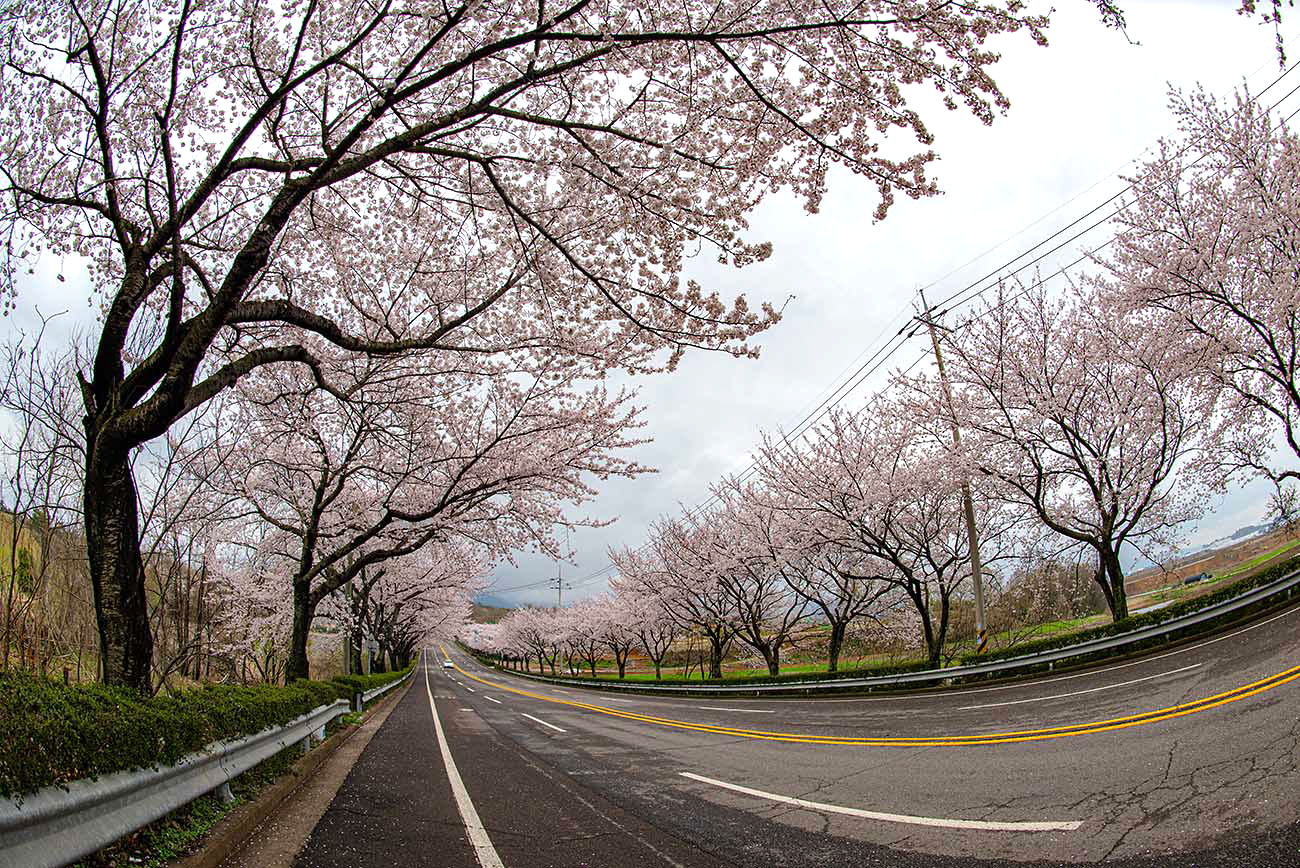
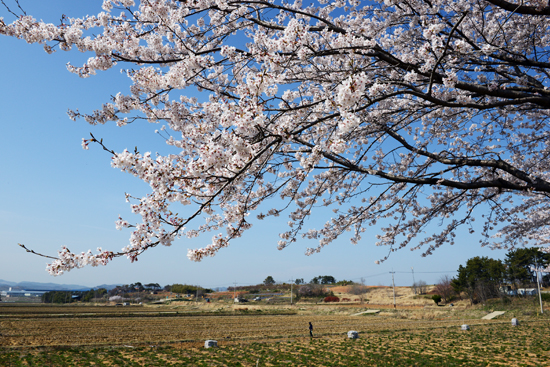
Seonjinri Fortress is introduced as “Seonjinri Fortress Cherry Blossoms,” the fourth of Sacheon’s nine scenic attractions. Tourism information states that approximately 700 old cherry trees grow inside the fortress, and during the spring blooming season, the cherry blossom road at the entrance and along the surrounding roads catches the eye before the fortress site itself.
Past materials describe it as a popular destination that attracts 10,000 spring visitors a day during the blooming season. A 2013 article mentions that the entrance road to Seonjinri Fortress forms a cherry blossom tunnel and identifies a spot on a nearby road where Sacheon Bridge can be seen. If you want to quietly examine the fortress walls and war monuments, weekdays are preferable to weekends during the blooming season, and spring visitors should also consider the possibility of vehicle restrictions.
Connecting the fortress site and the Ming–Joseon Army Mass Grave in one historical route
Inside Seonjinri Fortress, visitors can explore the fortress gate, former main tower site, war memorial monument, and Monument Commemorating Admiral Yi Sun-sin’s Victory in the Battle of Sacheon in any order. Because the low walls break off and continue in sections, it can be confusing to distinguish inside from outside the fortress. It is therefore best to read the entrance information board first and use the locations of the monuments to orient yourself.
Nearby is the Ming–Joseon Army Mass Grave, the collective burial site of the allied soldiers who died in the 1598 Battle of Seonjinri Fortress. The Sacheon Sarang City Tour also combines Seonjin Turtle Ship Park, Seonjinri Fortress, and the Sacheon Ming–Joseon Army Mass Grave into one 30-minute section. Since no separate on-site visit duration has been confirmed, visitors should allow time separately depending on whether they plan to see only the walls and monuments or continue to the mass grave as well.
Before You Go
- Address
- Around 770 Seonjin-ri, Yonghyeon-myeon, Sacheon-si, Gyeongsangnam-do
- Hours
- Open at all times
- Closed
- Open year-round
- Admission
- Free
- Phone
- 055-831-2716
- Official site
- https://toursacheon.net/index.php?document_srl=1096&mid=history_tour
- Transport
- Vehicle access at the entrance may be restricted during the cherry blossom festival; a review introduces parking at Seonjin Port and approaching through the rear entrance of Seonjin Park as an alternative.
- Parking
- Free parking lot indicated at the entrance to Seonjinri Fortress. Four accessible parking spaces.
- Accessibility
- The walls are low, with some sections breaking off and continuing, and site descriptions note that routes inside and outside the fortress may be confusing.
The information above is current as of the time of writing. Check the official information again before visiting.

Places
Nearby Attractions 2
-
 1
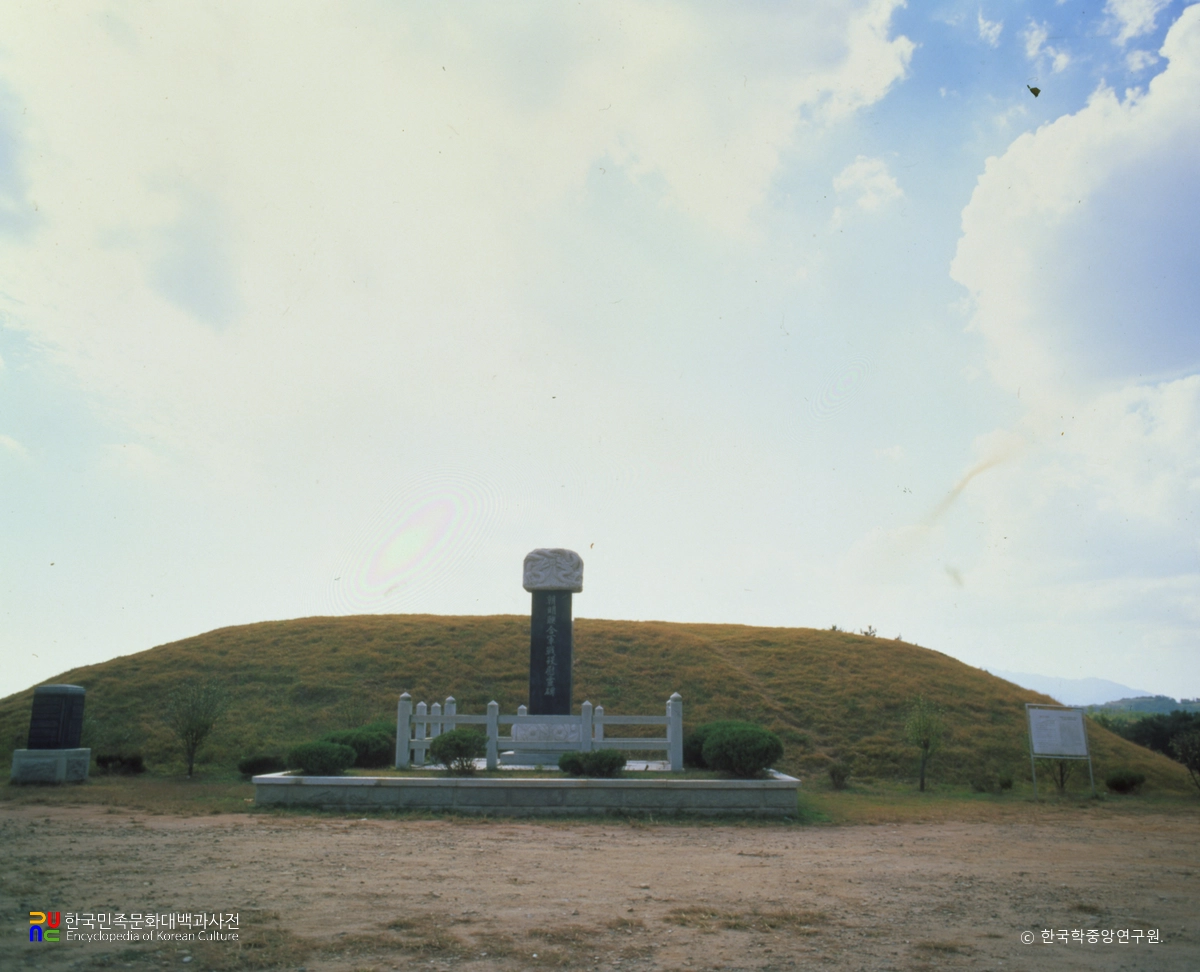
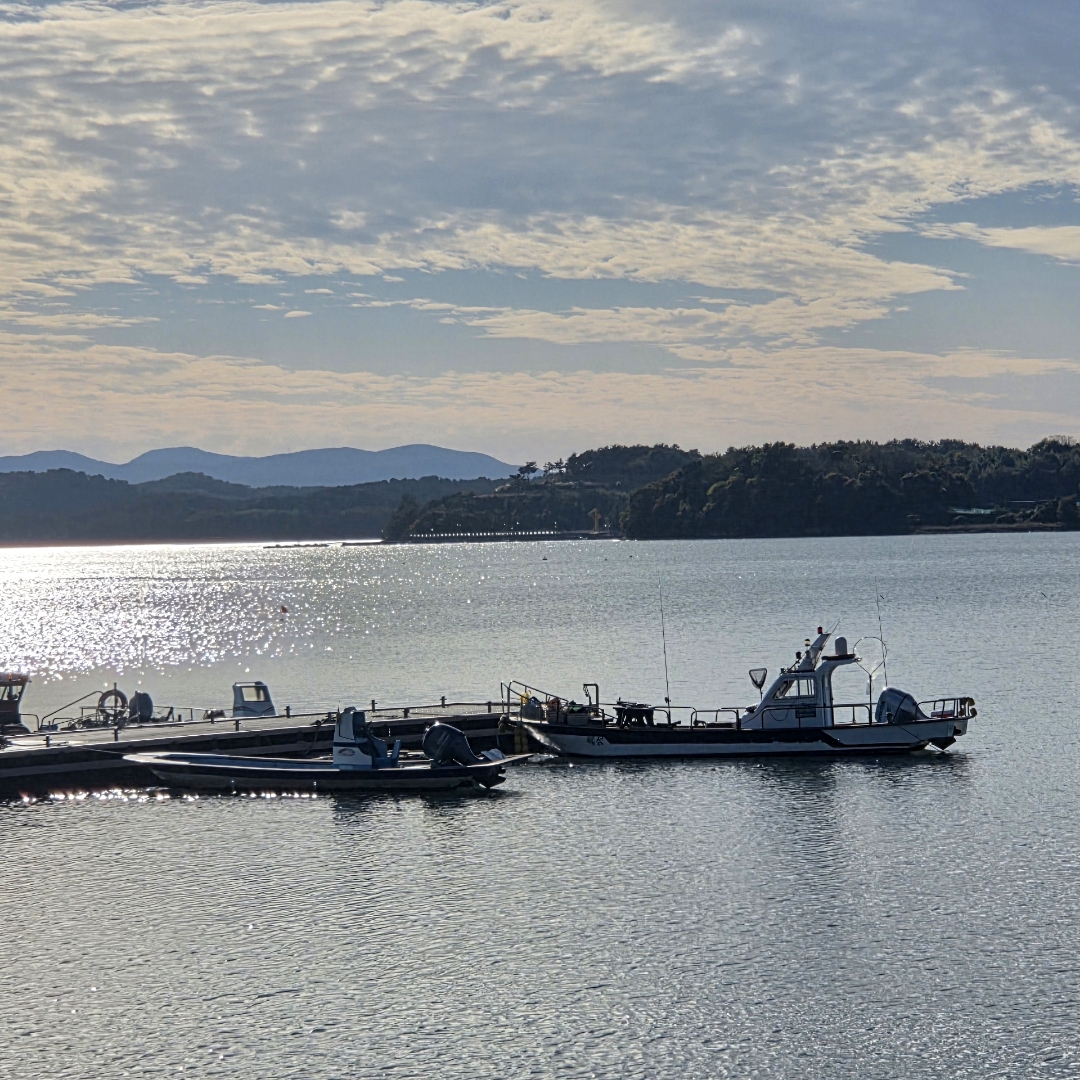
Sacheon Joseon–Ming Allied Forces Memorial TombsA historic site commemorating the soldiers of the Joseon–Ming allied forces who died during the Second Japanese Invasion of Korea (1597–1598).
1
Sacheon Joseon–Ming Allied Forces Memorial TombsA historic site commemorating the soldiers of the Joseon–Ming allied forces who died during the Second Japanese Invasion of Korea (1597–1598). -
 2
Seonjin Geobukseon ParkA park serving as a tourism and event hub related to the turtle ship and the Battle of Sacheon
2
Seonjin Geobukseon ParkA park serving as a tourism and event hub related to the turtle ship and the Battle of Sacheon
Food & Dining 3
-
 3
3
-
4
-
 5
5
Events in This Area

Festivals in This Area

More Travel Guides in This Area
 Travel Guide
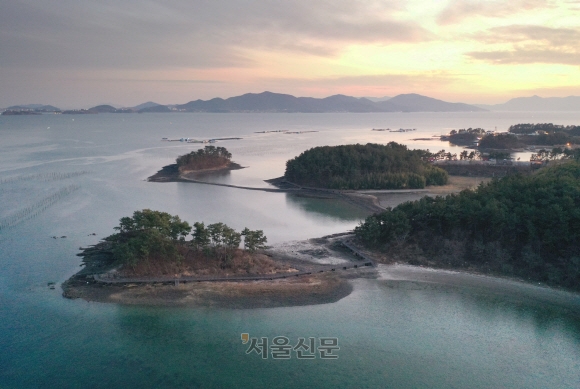
Bito Island: Where the Legend of Byeoljubujeon Meets the Tides
 Travel Guide
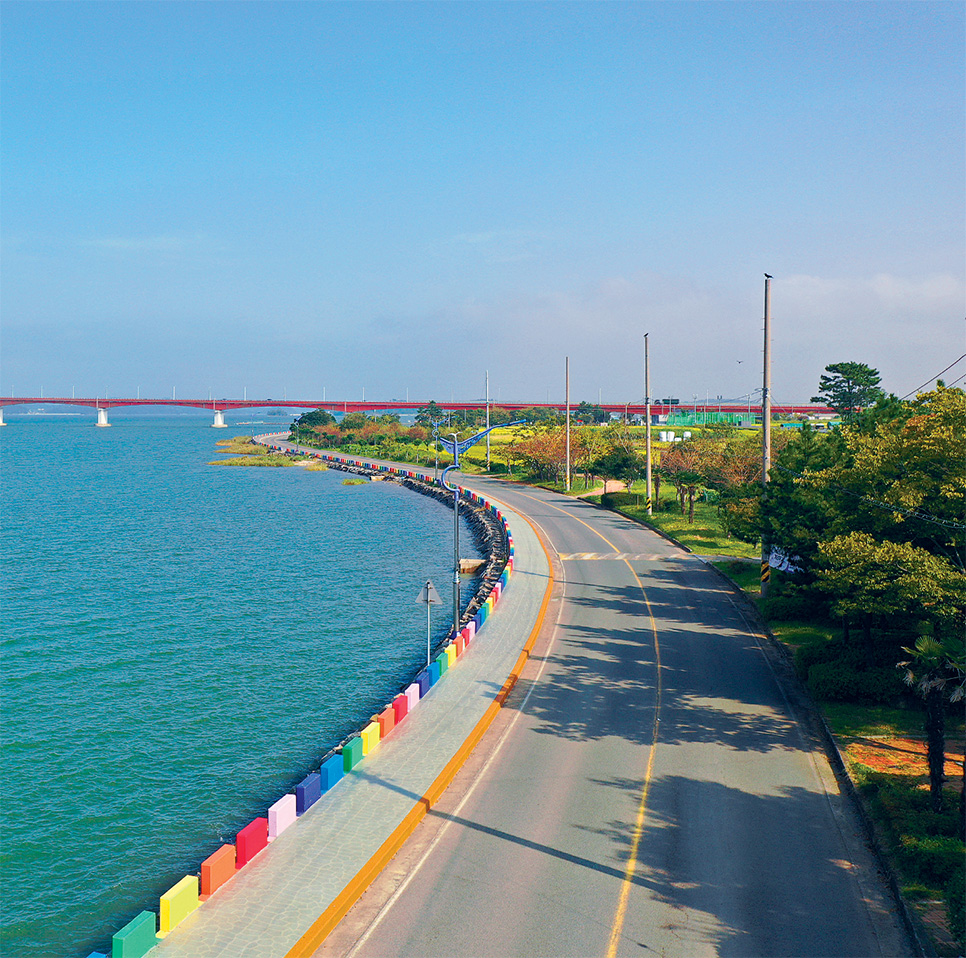
3-km Rainbow-Colored Seawall Linking Sacheon Bay’s Mudflats and Daepo Port
 Travel Guide
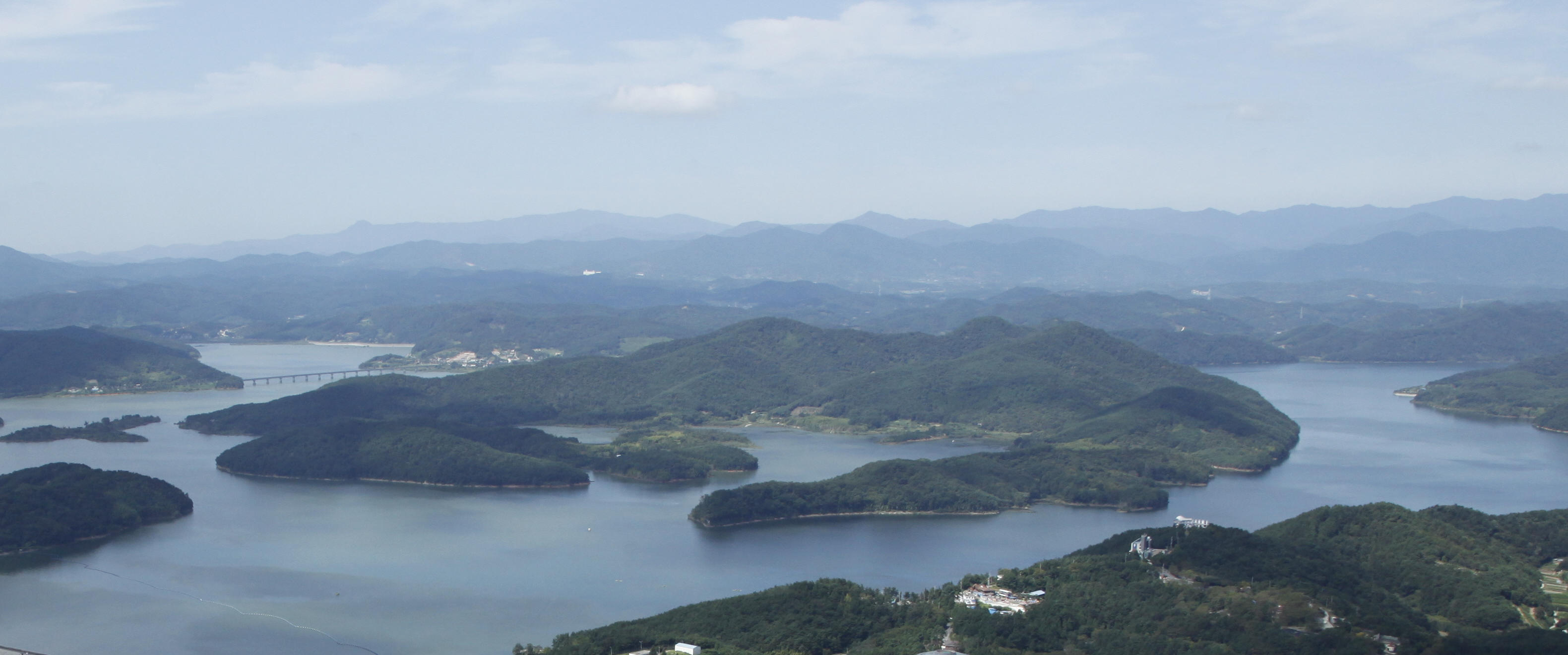
The 365 Steps and One Hour of Sunset at Jinyangho Observatory, Above the Lake Created by Namgang Dam
 Travel Guide
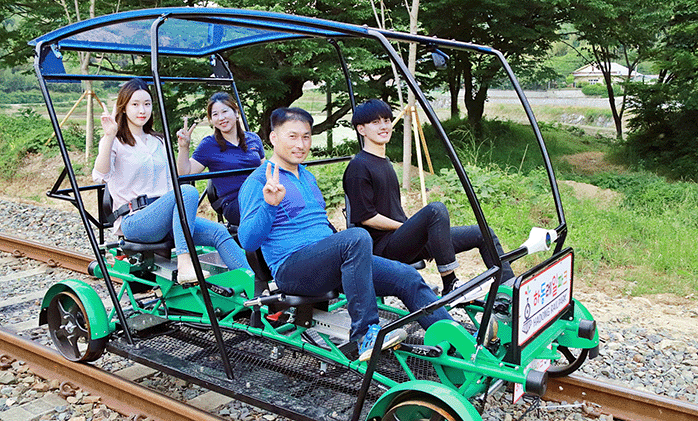
Hadong Rail Bike — 5.3 km along the abandoned Gyeongjeon Line from Bukcheon Station to Yangbo Station
Korea News
 News
News
"Overcoming the Getty curse" Jang Wonyoung, with unreal proportions and beauty straight out of a Barbie doll
 News
News
A2O LITE Tops Melon TOP100 Just 29 Hours After Debut, Setting the Fastest Record for a Debut Song
![Billlie's Tsuki 'Makes an Entrance Showing Off Her Beautiful Figure' [MK Photo]](https://kotourlive-images.s3.ap-northeast-1.amazonaws.com/news/1792027947835_957f0cb8_news_5c0023c5-e9a0-4640-9154-cb0b69d810c4.jpg) News
News
Billlie's Tsuki 'Makes an Entrance Showing Off Her Beautiful Figure' [MK Photo]
![ENHYPEN ‘Fighting for the Macau performance too!’ [★Video]](https://kotourlive-images.s3.ap-northeast-1.amazonaws.com/news/1792027887815_5057637d_news_8041e5cd-8b22-4193-bb46-880c65d944f7.jpg) News
News