Haeinsa Temple and the Preservation of the Tripitaka Koreana at the 700 m Foothills of Gayasan Mountain
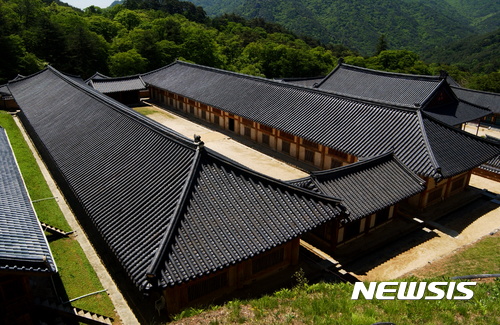
Haeinsa Temple in Hapcheon is a Buddhist temple on Gayasan Mountain, founded in 802. Its main highlights are the 13th-century Tripitaka Koreana and Janggyeong Panjeon, the buildings that preserve it. Since visitors cannot enter Janggyeong Panjeon, it is best to plan a two- to three-hour visit combining the worship route, guided tour times, and the Seongbo Museum.
I’ve been here?
Your check-in helps the next traveler.
11 people viewed this week Be the first
One tap — no writing needed
Haeinsa Temple in Gayasan, Founded by Suneung and Ijeong in 802
Haeinsa is known as a Buddhist temple founded in 802, the third year of the reign of King Aejang of Silla, by two monks, Suneung and Ijeong. Its address is 122 Haeinsa-gil, Gaya-myeon, Hapcheon-gun, Gyeongsangnam-do, and because of its location on the foothills of Gayasan, the perceived difficulty differs greatly between an itinerary that only explores the temple grounds and one that also includes the mountain trails.
The name Haeinsa comes from the Buddhist concept of the “Haein Samadhi,” in which all phenomena appear as if reflected in a clear sea. In Korean Buddhism, it is called a Dharma Treasure Temple, and its core heritage lies not in the splendor of its buildings but in the combination of the Tripitaka Koreana woodblocks carved during the Goryeo period and Janggyeong Panjeon, the buildings that preserve them.
About 80,000 Woodblocks Carved from 1237 to 1248: Why Is Janggyeong Panjeon Closed?
According to UNESCO, the Tripitaka Koreana was carved onto approximately 80,000 woodblocks from 1237 to 1248. Janggyeong Panjeon is the complex of buildings that houses these woodblocks, and Haeinsa Temple's Janggyeong Panjeon was inscribed as a UNESCO World Heritage Site in 1995.
Access to the interior of Janggyeong Panjeon is restricted to control temperature and humidity and prevent fires. Visitors should therefore follow the uphill route behind Daejeokgwangjeon to view the buildings from outside and plan it as a place to understand the structure and layout of conservation architecture, rather than as a place where they can directly examine the woodblocks inside.
Plan Your Visit Around Summer Hours of 08:00–18:00 and Winter Hours of 08:00–17:30
Visiting hours for Janggyeong Panjeon are listed as 08:00–18:00 in summer and 08:00–17:30 in winter. The Seongbo Museum operates from 09:30–17:30 in summer and 10:00–17:00 in winter, so visitors planning to see the museum as well should first visit the temple grounds and Janggyeong Panjeon in the morning, leaving the museum for later.
Admission to Haeinsa Temple is 3,000 won for adults, 1,500 won for teenagers, and 700 won for children. Seniors, people of national merit, and preschool children enter free of charge. Visitors with disabilities receive free admission, with one accompanying person also admitted free for disability grades 1–3, while those with grades 4–6 receive free admission themselves. Separate fees may apply to the Seongbo Museum, so it is best not to confuse them with the temple admission ticket.
- Haeinsa inquiries: 055-934-3000
- Official website: https://www.haeinsa.or.kr
- Recommended duration: 1.5–2 hours for the temple grounds and Janggyeong Panjeon only; 2.5–3 hours including the Seongbo Museum and commentary
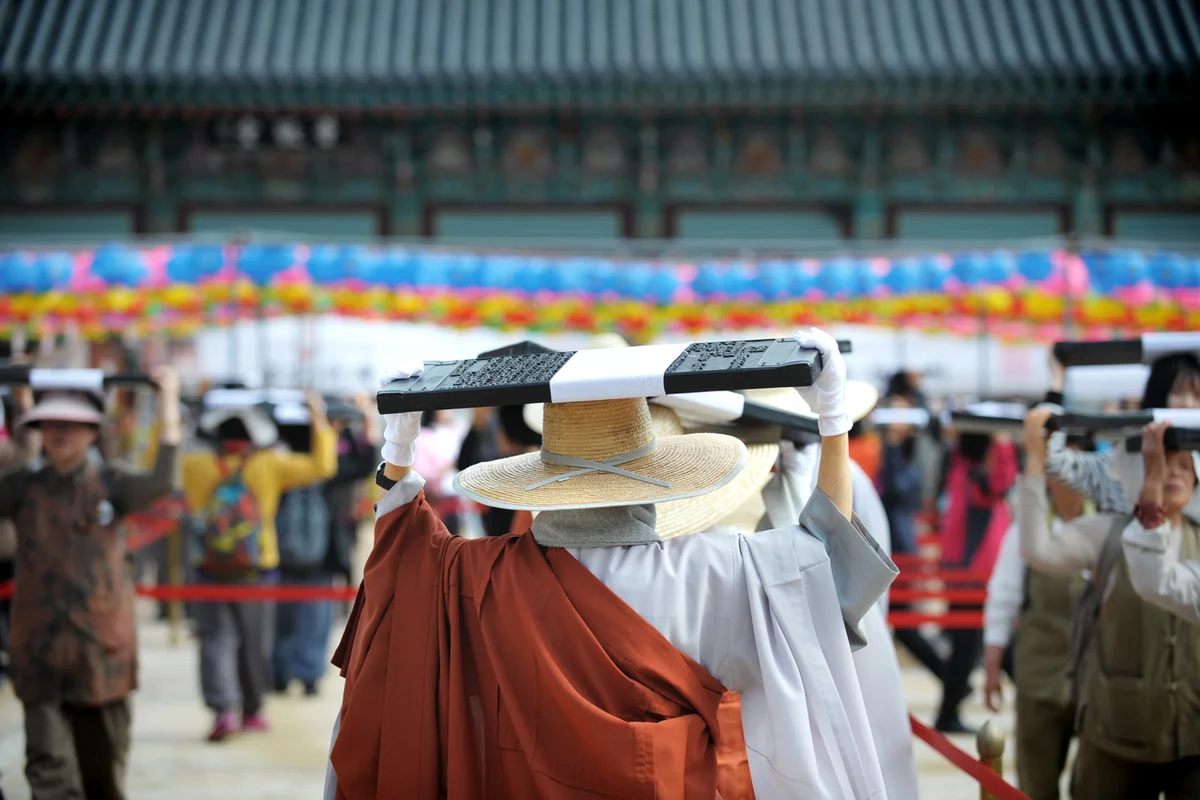
When to Catch the 10:00 and 14:00 Historical and Cultural Commentary in Front of the World Heritage Monument
Haeinsa's historical and cultural commentary is scheduled to depart daily at 10:00 and 14:00 from in front of the World Heritage monument. Foreign visitors can learn that Janggyeong Panjeon is not simply an old warehouse but an architectural structure with a ventilation system designed to preserve the woodblocks, so it is advisable to arrive near the monument about 10 minutes before departure.
If it is difficult to match the commentary schedule, visitors can also proceed in the order of Daejeokgwangjeon, the exterior of Janggyeong Panjeon, and the Seongbo Museum. However, Janggyeong Panjeon is located in the upper part of the temple grounds and the route includes stairs and slopes. To keep the overall visit short, another option is to make the museum a separate part of the itinerary.
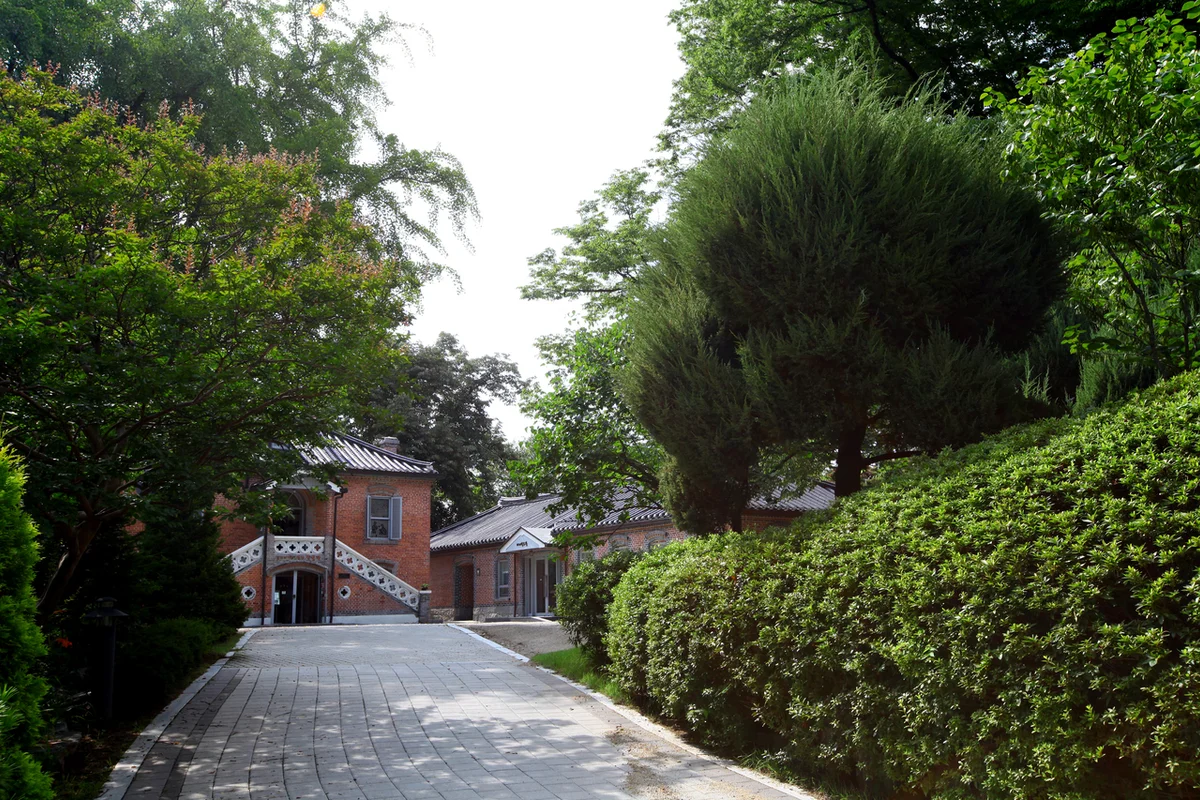
A Practical Choice: 4,000 Won Parking for Small Cars and a Transfer at Hapcheon Terminal
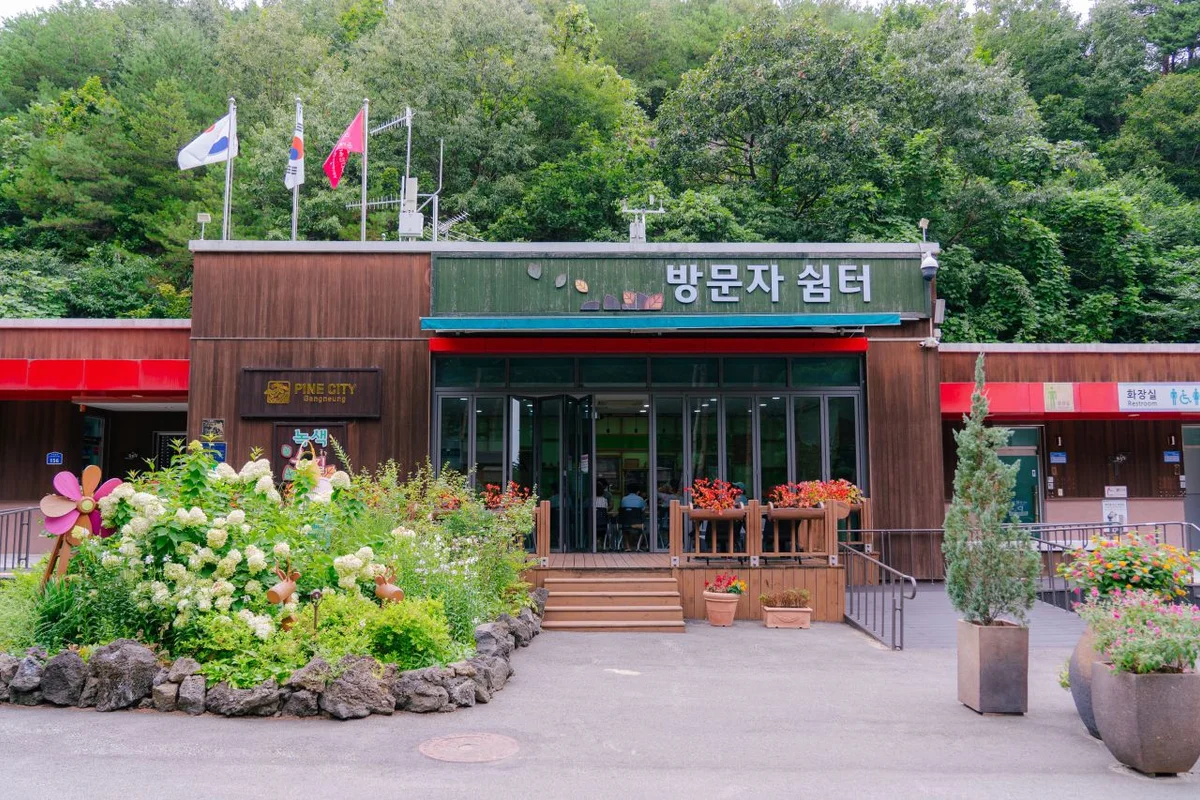
Parking at Haeinsa is listed at 4,000 won for small cars. There is some distance from the parking lot to the temple grounds and Janggyeong Panjeon, with a continuous uphill section, so if you are traveling with someone who has difficulty walking, it is better to first check the restroom and temple-entry route at the entrance before proceeding.
For public transportation, the listed route is to take a local county bus bound for Bongsan or Geochang from Hapcheon Intercity Bus Terminal and transfer at Myosan. Since transfer buses are reported to run only once a day, it is risky to set out relying solely on making the connection that day. Bus schedules may change, so recheck Hapcheon County transportation information and the terminal timetable before departure. If you have time constraints, renting a car or taking a taxi may be the more practical option.
Wheelchairs and Strollers Can Reach the Nature Observation Trail, but Not the Interior of Janggyeong Panjeon
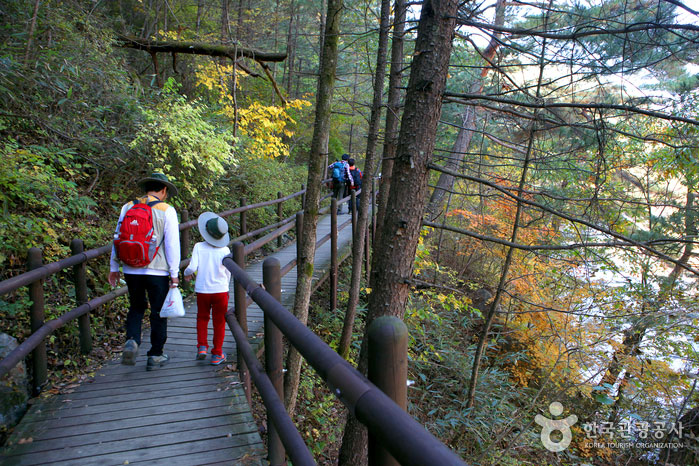
A nature observation trail accessible to wheelchairs and strollers has been established up to the entrance of Haeinsa, and a route for elderly visitors is indicated within the temple grounds. The main entrance of the Seongbo Museum has a ramp, and information is also provided about accessible restrooms and disabled parking spaces.
By contrast, wheelchairs and strollers cannot enter the interior of Janggyeong Panjeon. Pets are also not permitted, and signs prohibit the use of hiking sticks and canes. If you plan to visit Janggyeong Panjeon immediately after hiking in Gayasan, consider storing your equipment first.
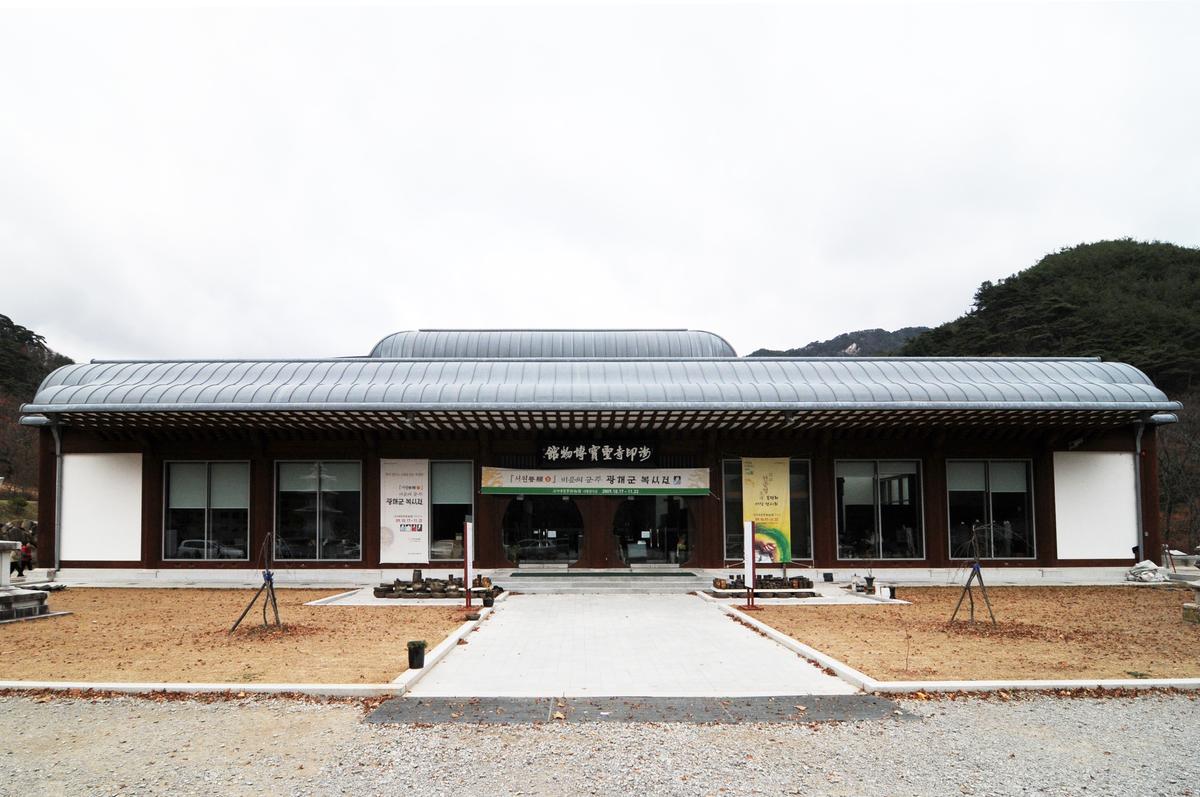
The Seongbo Museum: Tuesday–Sunday, 10:00–17:00, with a Separate Visit Plan
The Haeinsa Seongbo Museum is open from 10:00 to 17:00 Tuesday through Sunday, with last admission at 16:30. It is closed every Monday, and admission is free, although Haeinsa parking fees are separate. Since it complements Buddhist cultural heritage that is difficult to see along the temple's outdoor route alone, it is especially useful for taking shelter from rain or midsummer heat.
The temple admission fee and the museum's operating conditions are different, so in the late afternoon you should use the museum's 16:30 last-admission time as the first cutoff. The official Haeinsa Seongbo Museum website is https://www.haeinsamuseum.kr, and it is advisable to check exhibition changes and special exhibition schedules shortly before your visit.
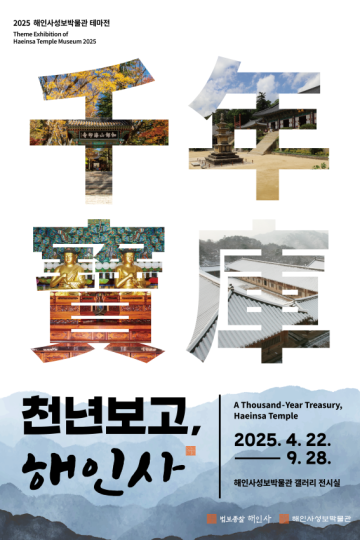
The Time Difference Between Visitors Combining the Gayasan Ridge and Those Visiting Only the Temple
Haeinsa is located within Gayasan National Park, so hikers and temple visitors share the same access road. Hiking shoes are not necessary for a visit focused on Janggyeong Panjeon and the Seongbo Museum, but nonslip sneakers are suitable for the path up to Janggyeong Panjeon in the upper part of the temple grounds.
If you add a hike in Gayasan, you must separately calculate the last return transportation and the seasonal sunset time. Conversely, travelers focused on historical heritage can limit their visit to one commentary session, the exterior of Janggyeong Panjeon, Daejeokgwangjeon, and the Seongbo Museum, finishing in about three hours without missing the highlights.
Before You Go
- Address
- 122 Haeinsa-gil, Gaya-myeon, Hapcheon-gun, Gyeongsangnam-do
- Hours
- Janggyeong Panjeon visits: 08:00–18:00 in summer and 08:00–17:30 in winter. Haeinsa Seongbo Museum: Tuesday–Sunday, 10:00–17:00, last admission 16:30.
- Closed
- Haeinsa Seongbo Museum is closed every Monday; it opens if Monday is a public holiday.
- Admission
- Haeinsa Temple: 3,000 won for adults, 1,500 won for teenagers, and 700 won for children. Seongbo Museum: free; Haeinsa parking fees are separate.
- Phone
- 055-934-3000
- Official site
- https://www.haeinsa.or.kr
- Transport
- Take a local county bus bound for Bongsan or Geochang from Hapcheon Intercity Bus Terminal and transfer at Myosan. Transfer buses are reported to run once daily, so check the timetable before departure.
- Parking
- 4,000 won for small cars.
- Time needed
- 1.5–2 hours for the temple grounds and Janggyeong Panjeon; 2.5–3 hours including the Seongbo Museum and commentary.
- Accessibility
- A nature observation trail accessible to wheelchairs and strollers leads to the entrance, and a route for elderly visitors is available within the temple grounds. The Seongbo Museum has a ramp, accessible restrooms, and disabled parking spaces. Wheelchairs and strollers cannot enter the interior of Janggyeong Panjeon.
The information above is current as of the time of writing. Check the official information again before your visit.

Places
Nearby Attractions 5
-
 1
1
-
 2
2
-
 3
3
-
 4
4
-
 5
5
Food & Dining 5
-
 6
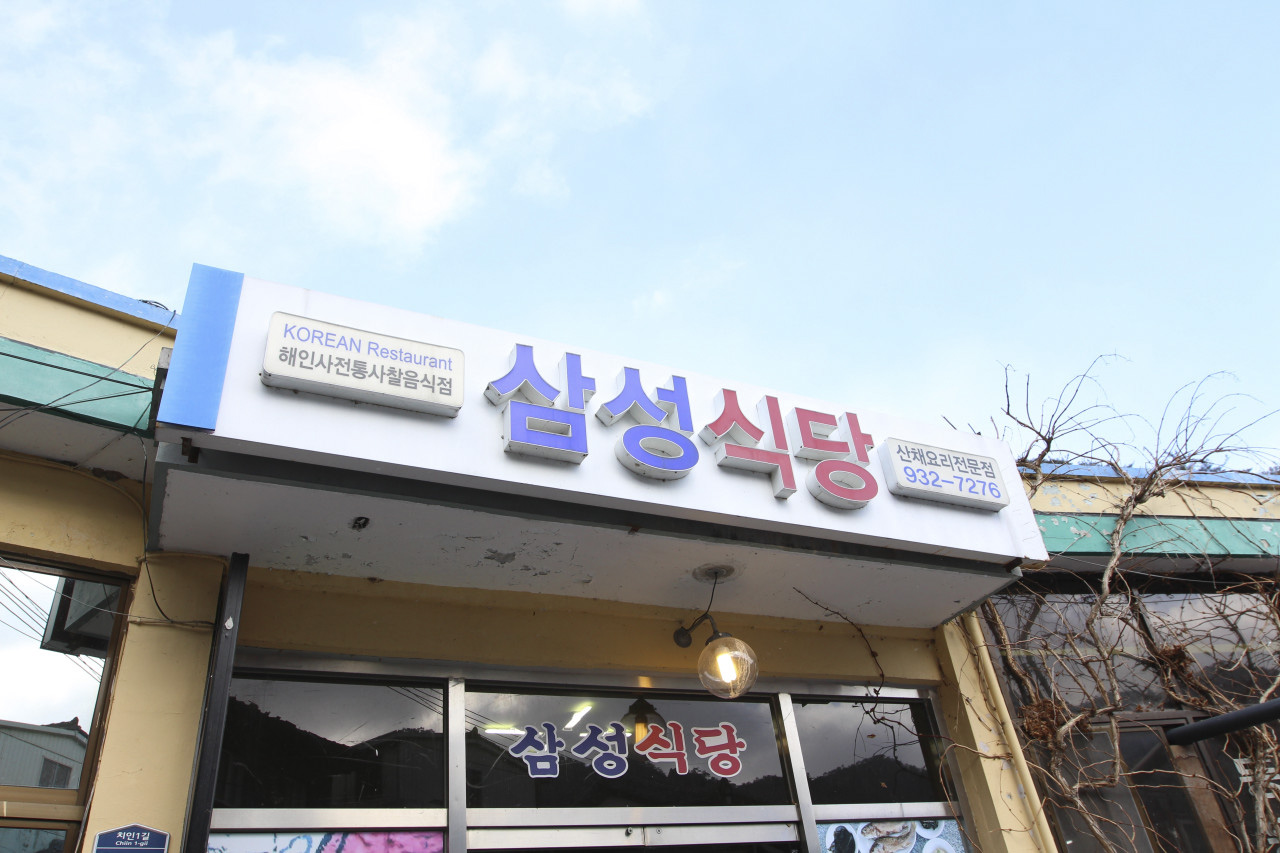
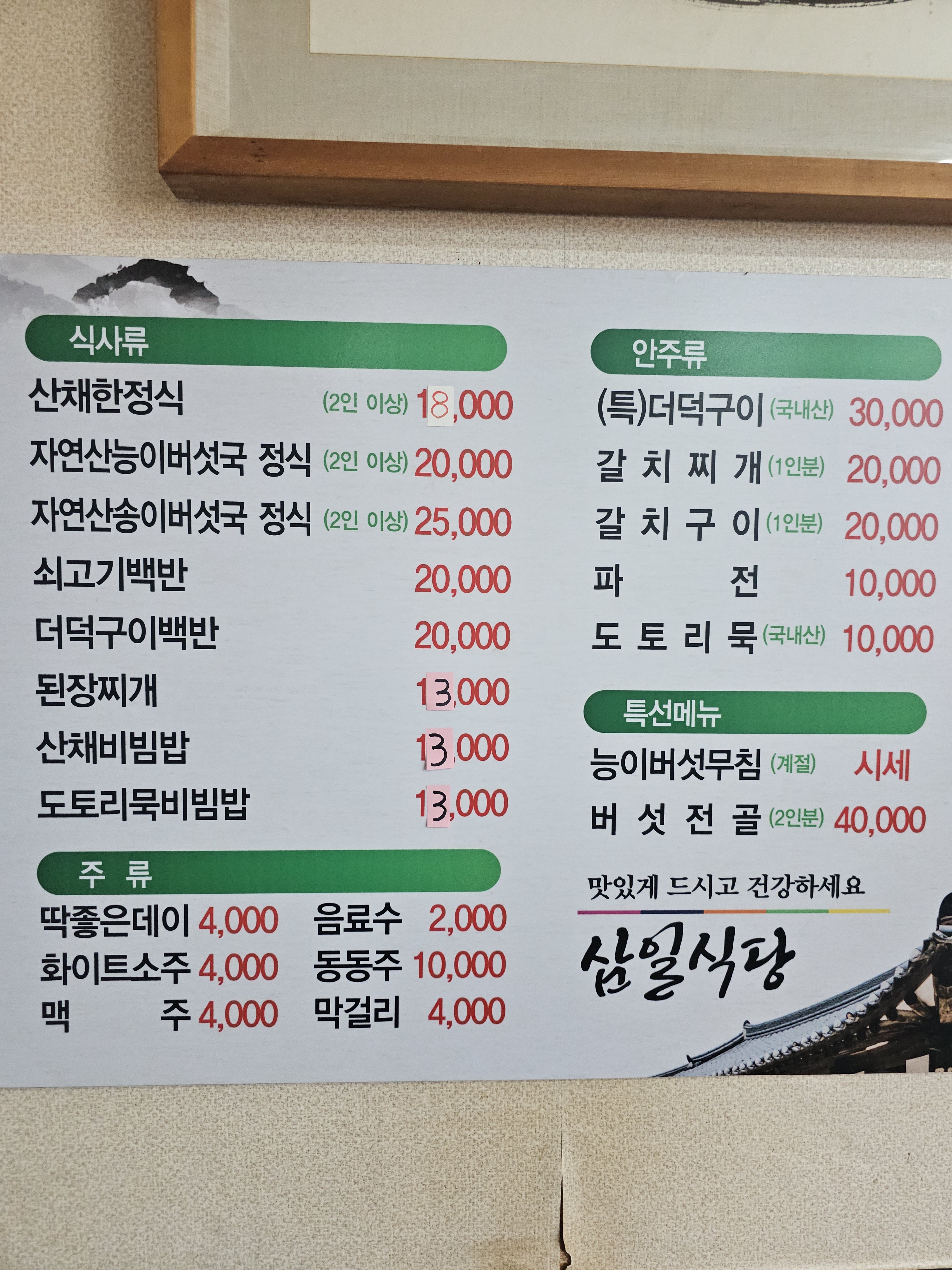
Haeinsa Samseong Sikdang
6
Haeinsa Samseong Sikdang -
 7
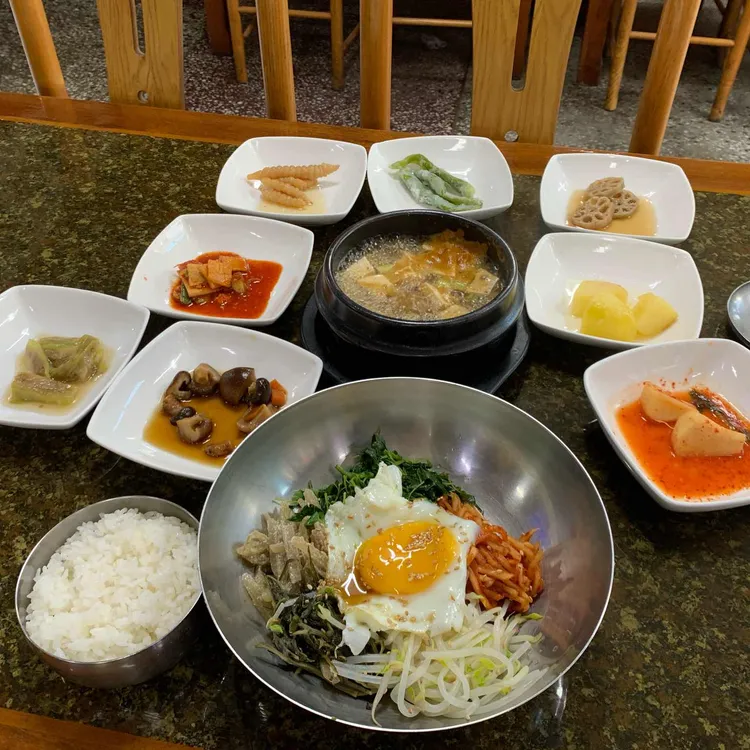
Samil Restaurant
7
Samil Restaurant -
 8
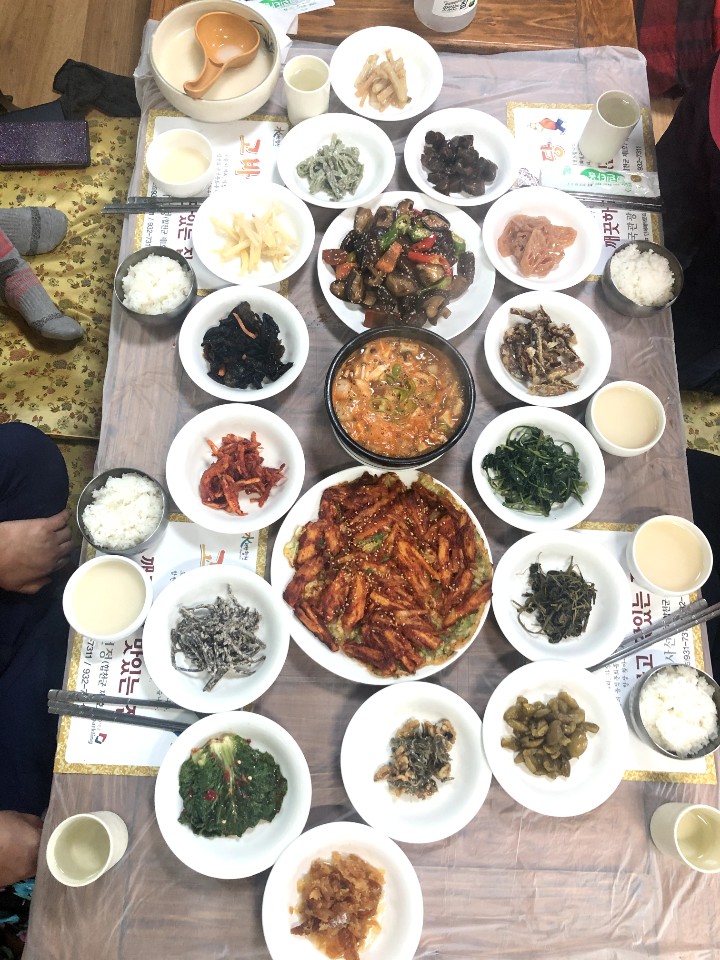
Haein Garden Restaurant
8
Haein Garden Restaurant -
 9
Baeknyeonggaje Gobaou Restaurant
9
Baeknyeonggaje Gobaou Restaurant -
10Hyangwon Sikdang
Events in This Area
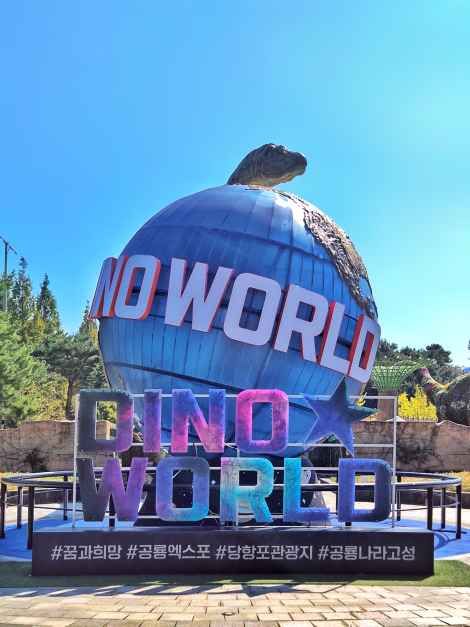

Festivals in This Area

More Travel Guides in This Area
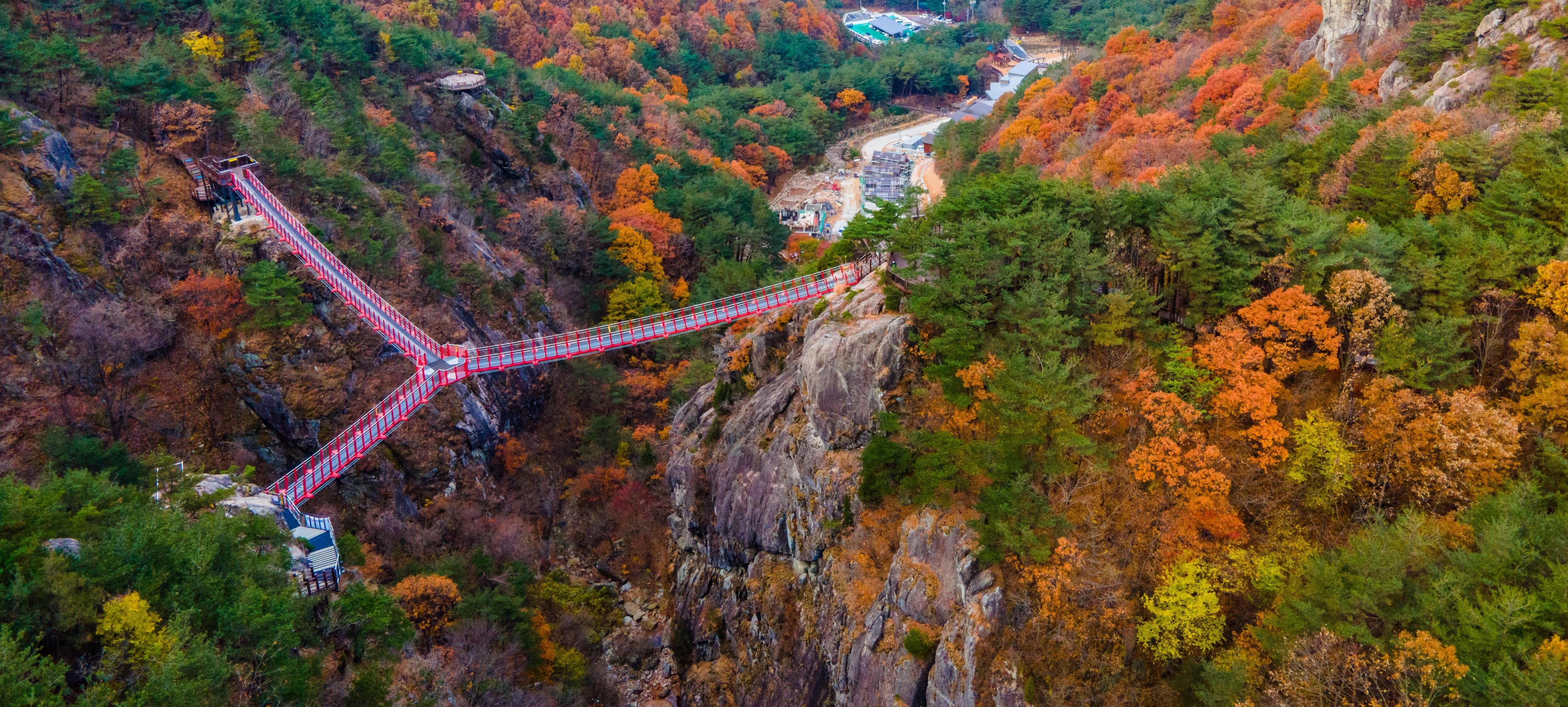 Travel Guide
Geochang Udu Mountain Y-Shaped Suspension Bridge Linking Three Sides of a 620-Meter-High Gorge
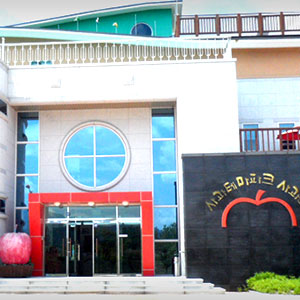 Travel Guide
How to Enjoy the First-Floor Exhibition and Apple Pizza Experience Separately at Geochang Apple Theme Park
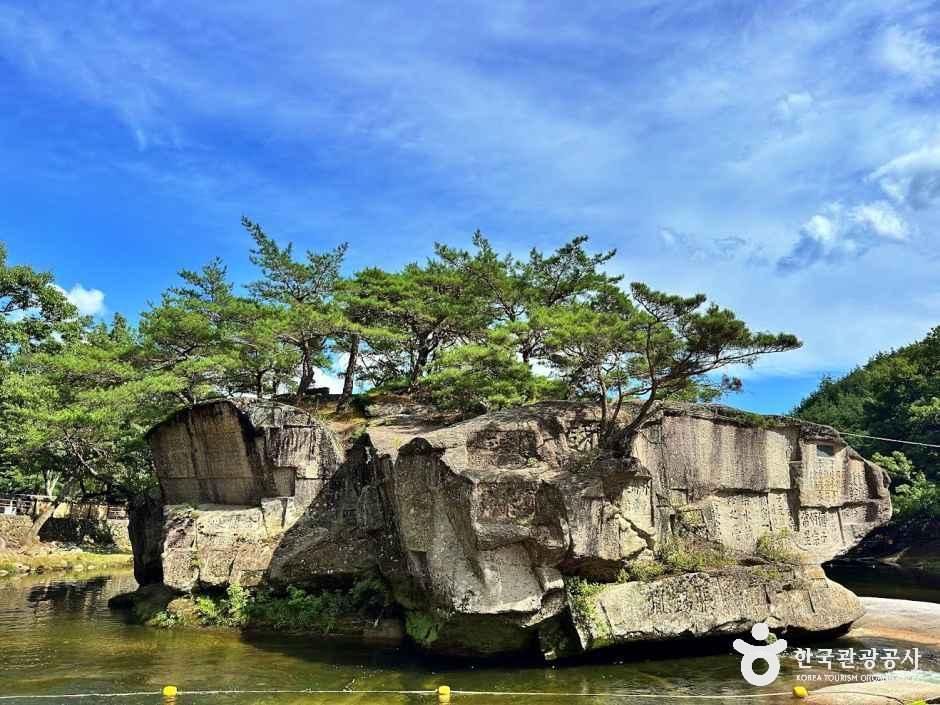 Travel Guide
Geochang Suseungdae — From a Place to Send Away Worries to Scenic Site No. 53
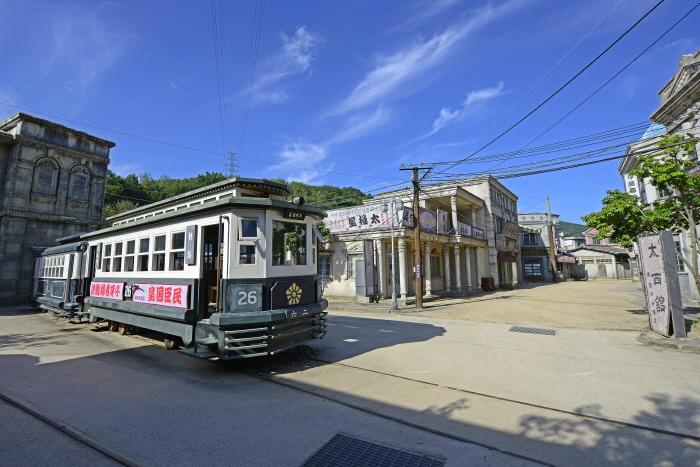 Travel Guide
From Gyeongseong Station to the Blue House Set: A Two-Hour Walk Through Hapcheon Image Theme Park
Korea News
 News
News
TWS heightens comeback excitement with kitschy charm… Anticipation for “plot twist” rises
 News
News
BTS, Six Months After Its Release… ‘Arirang’ Climbs the U.S. Billboard 200
 News
News
'The Nation's Girl Group' RESCENE, Five Girls Transformed into Guardians… Additional Concept Photos for Their 4th Mini Album Revealed
 News
News