Walking Through 600 Years of Fortress Walls and the Memory of the Byeongin Persecution at Seosan Haemi Eupseong
Seosan Haemi Eupseong Fortress is a historic site that served as a military stronghold in the Chungcheong region, built from 1417 to 1421, and preserves traces of Catholic persecution during the late Joseon period. Follow a route connecting Jinnammun Gate, the prison cells, the pagoda tree, and Dongheon for about 1.5 to 2 hours to understand how the fortress evolved from a military facility into the center of local administration.

I’ve been here?
Your check-in helps the next traveler.
No one has checked in yet Be the first
One tap — no writing needed
Chungcheong's military headquarters built in Haemi to counter Japanese pirates, 1417–1421
Seosan Haemieupseong is a lowland town fortress built from 1417, the 17th year of King Taejong's reign, to 1421, the 3rd year of King Sejong's reign. The fortress was constructed to respond to frequent Japanese pirate incursions along the west coast from the late Goryeo period and to relocate the Chungcheong Military Command Headquarters from Deoksan. The fortress walls have a circumference of approximately 1,800 m, the designated area is 194,102.24㎡, and it was designated Historic Site No. 116 on January 21, 1963.
The Chungcheong Military Command exercised military authority over the Chungcheong region from here for approximately 230 years before moving to Cheongju in 1652. Haemi-hyeon government offices later moved inside the fortress, and until 1914 a deputy commander of the Hoseo Left Military Camp was stationed here. This is why spaces such as the magistrate's office, guesthouse, and prison inside the fortress should be viewed not merely as reconstructed buildings but as traces of a place where military and administrative functions operated together.
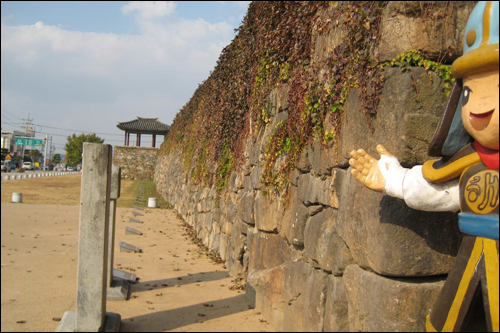
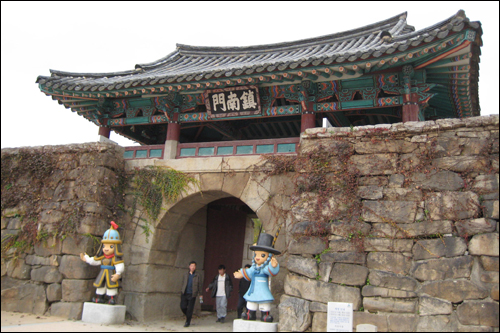
The 1.8 km fortress walls from Jinnammun Gate to the magistrate's office reveal its construction methods
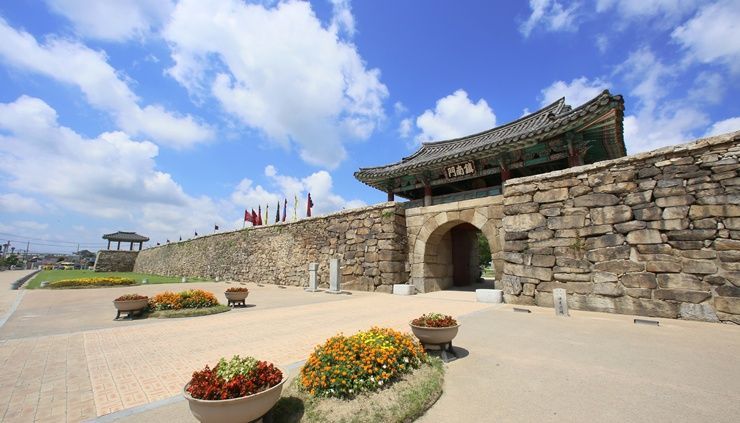
Starting at Jinnammun Gate, the south gate, is the easiest way to understand the fortress's scale and circulation. The walls were built by placing large stones at the bottom and using progressively smaller stones toward the top, and the names of some of the towns responsible for construction are engraved on certain stones. Wall stones bearing place names such as Cheongju and Gongju show an administrative system that clearly assigned responsibility for each section.
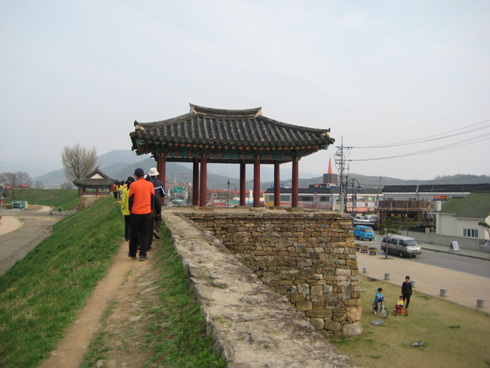
After passing through the gate, visitors can follow a level path toward the magistrate's office, guesthouse, traditional folk houses, and prison. A quick circuit of the entire fortress takes about one hour, while combining Jinnammun Gate, the magistrate's office, the prison, the pagoda trees, and a walk along the walls is best given 1.5 to 2 hours. In summer, some sections have little continuous shade, so it is advisable to bring water and a hat.
The prison and pagoda tree: a place commemorating the Catholic persecutions of 1797–1866
Haemieupseong is not only a military and administrative historic site but also a location associated with the Catholic persecutions in Naepo. Arrests and executions of Catholics continued in the Haemi area from the persecution of 1797 through the Byeongin Persecution of 1866, and records indicate that approximately 1,000 people were executed in 1866 alone. The prison inside the fortress is passed down as a detention space, while the pagoda tree is associated with torture.
Rather than treating this route merely as a casual photo stop, it is more appropriate to explore it quietly while reflecting on the conflict among state power, local society, and faith at the time. From Haemi International Sanctuary to Haemieupseong's west gate is 1.71 km along the Aramegil Haemi International Sanctuary Pilgrimage Trail, and the distance to Jinnammun Gate is 2.06 km. After viewing the persecution-related sites inside the fortress, it is also possible to connect the sanctuary and pilgrimage trail in the same itinerary.
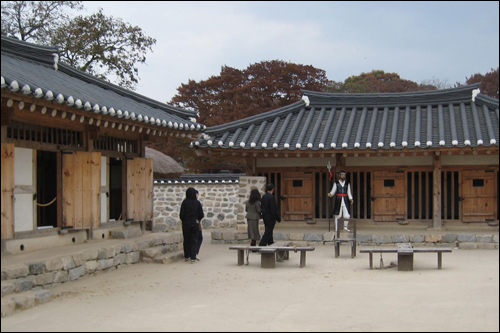
The Haemi military camp where Yi Sun-sin served for 10 months in 1579
In 1579, the 12th year of King Seonjo's reign, Yi Sun-sin was appointed to Haemi as an instructor at the Military Training Agency and served there for approximately 10 months. Because Haemieupseong was the center of the military camps in the Chungcheong region at the time, Yi Sun-sin's service in Haemi can be viewed as a period when an officer from a central training institution encountered the local military command structure.
It is easier to understand the site by considering the function of the entire fortress rather than looking only for places associated with Yi Sun-sin. Jinnammun Gate in the south served as an entrance and defensive gateway; the magistrate's office was the local administrator's workplace; and the guesthouse received officials and envoys from the central government. The transformation of an early Joseon military stronghold into a center of local administration after the 17th century is layered within a single fortress.
05:00–21:00 from March to October: enter at least 30 minutes before the gates close
Haemieupseong is open year-round, and admission is free. Operating hours are 05:00–21:00 from March to October and 06:00–19:00 from November to February; entry into the fortress is restricted starting 30 minutes before the gates close. Early morning or one to two hours before closing is a good time to walk calmly across the expansive lawns and along the walls, but remember that the site closes at 19:00 in winter.
For management-related inquiries, contact the Haemieupseong Management Office at 041-660-2540. The Tourist Information Center is inside the Haemieupseong parking lot at 155 Nammun 2-ro, Haemi-myeon, and can be reached at 041-688-3069 or 041-660-3069. The information center is generally open from 10:00–17:00, or 10:00–16:00 from November to February. Foreign-language tourist information is available through 1330 in Korean, English, Chinese, and Japanese.
- Address: 143 Nammun 2-ro, Haemi-myeon, Seosan-si, Chungcheongnam-do
- Admission: Free
- Closed: Open year-round
- Official tourism information: https://www.seosan.go.kr/tour/index.do
Choosing between Haemieupseong Parking Lots 1 and 2 and bus travel from Seosan Terminal
By car, Haemieupseong is approximately 5–10 minutes from the Haemi Interchange on the Seohaean Expressway. Haemieupseong Parking Lots 1 and 2, east of Jinnammun Gate, are available, and parking is listed as free. On major event days, the parking lots and roads around the fortress may be congested, so during the October festival it is safer to allow plenty of time for arrival.
By public transportation, take routes such as 951, 510, 521, or 530 from Seosan Public Bus Terminal and get off at Haemi Intercity Bus Stop. The trip from the terminal to Haemi is listed as taking approximately 30 minutes. It is advisable to reconfirm same-day routes and departures with Seosan Transportation at 1577-5028 or Seosan Public Bus Terminal at 041-665-0465. From Seoul, intercity buses to Seosan and Haemi are available from Central City Terminal or Seoul Nambu Terminal. The trip to Seosan is listed as approximately 1 hour 50 minutes, and the Haemi-bound trip from Nambu Terminal is also approximately 1 hour 50 minutes.
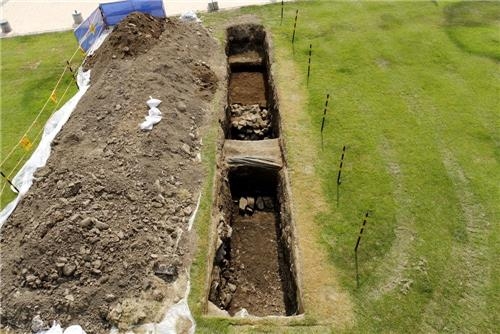
October 9–11, 2026: three different days during the 23rd Seosan Haemieupseong Festival
The 23rd Seosan Haemieupseong Festival in 2026 is scheduled to take place throughout Haemieupseong from Friday, October 9, through Sunday, October 11. The opening ceremony is scheduled for 19:00 on October 9, with a drone show, media art, Haemi the Classic, a musical gala theater, busking, and Haemi Happy Day among the announced programs.
During the festival, the site may not suit travelers who want to walk quietly while focusing on the historic remains. Conversely, those wishing to enjoy performances and nighttime programs can efficiently tour Jinnammun Gate and the magistrate's office–prison section before sunset, then time their visit for the opening performance. Festival inquiries can be directed to the Seosan Cultural Foundation at 041-660-2697. General visitor routes and parking arrangements should be checked again shortly before the event.
A day connecting Haemi International Sanctuary, 2.06 km away, with Gaesimsa Temple and the Rock-carved Buddha Triad
Those interested in Catholic history may consider the 2.06 km route from Haemi International Sanctuary to Jinnammun Gate at Haemieupseong. The Aramegil Haemi International Sanctuary Pilgrimage Trail extends 10.1 km in total to Hanti Pass, so visitors planning to see only the fortress and sanctuary may find it more practical to walk the sanctuary–Jinnammun section separately rather than complete the entire route.
To broaden the itinerary to Buddhist and Baekje culture, Seosan City recommends a historical experience course connecting the Rock-carved Buddha Triad in Yonghyeon-ri, Bowonsa Temple Site, Gaesimsa Temple, and Haemieupseong. The Millennium Smile Trail connecting Yugibang House to Jinnammun Gate at Haemieupseong is 21 km and intended for a full walking journey. Travelers by car should consider visiting the Rock-carved Buddha Triad, Gaesimsa Temple, and Haemieupseong in one day, while checking the visiting hours and parking conditions at each site separately.
Before You Go
- Address
- 143 Nammun 2-ro, Haemi-myeon, Seosan-si, Chungcheongnam-do
- Hours
- 05:00–21:00 from March to October, 06:00–19:00 from November to February (entry into the fortress ends 30 minutes before the gates close)
- Closed
- Open year-round
- Admission
- Free
- Phone
- 041-660-2540
- Official site
- https://www.seosan.go.kr/tour/index.do
- Transport
- Take routes such as 951, 510, 521, or 530 from Seosan Public Bus Terminal and get off at Haemi Intercity Bus Stop; approximately 30 minutes from the terminal. Intercity buses to Seosan and Haemi are available from Seoul Central City and Nambu terminals.
- Parking
- Haemieupseong Parking Lots 1 and 2 east of Jinnammun Gate are available; parking is listed as free.
- Time needed
- Allow 1.5–2 hours for the fortress walls, Jinnammun Gate, magistrate's office, prison, and pagoda tree
- Accessibility
- There are level paths inside the fortress, but sections along the walls include slopes and stairs. No information on stroller rental was found. Foreign-language tourist information is available through 1330 in English, Chinese, and Japanese.
The information above is accurate as of the time of writing. Check the official information again before visiting.

Places
Nearby Attractions 5
-
 1
Haemir-eupseong
1
Haemir-eupseong -
 2
2
-
 3
Haemi Hyanggyo
3
Haemi Hyanggyo -
 4
4
-
 5
Garden with Rest
5
Garden with Rest
Food & Dining 5
-
 6
6
-
 7
7
-
 8
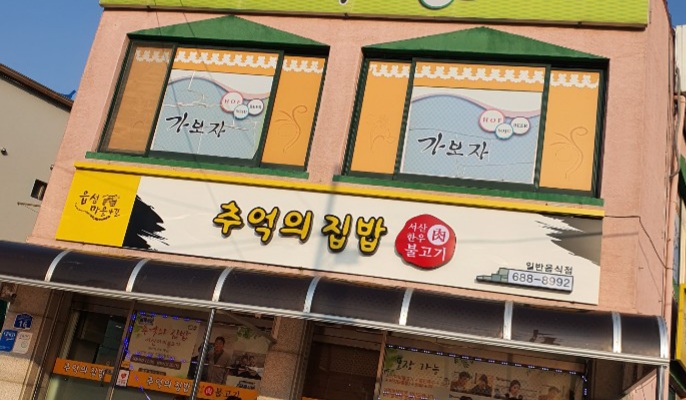
Chueokui Jipbab
8
Chueokui Jipbab -
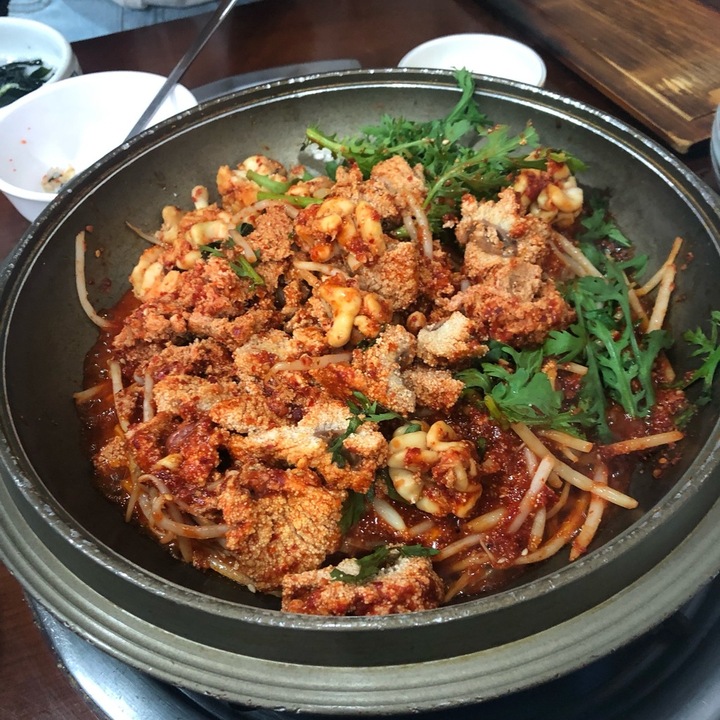 9
9
-
10
More Travel Guides in This Area
 Travel Guide
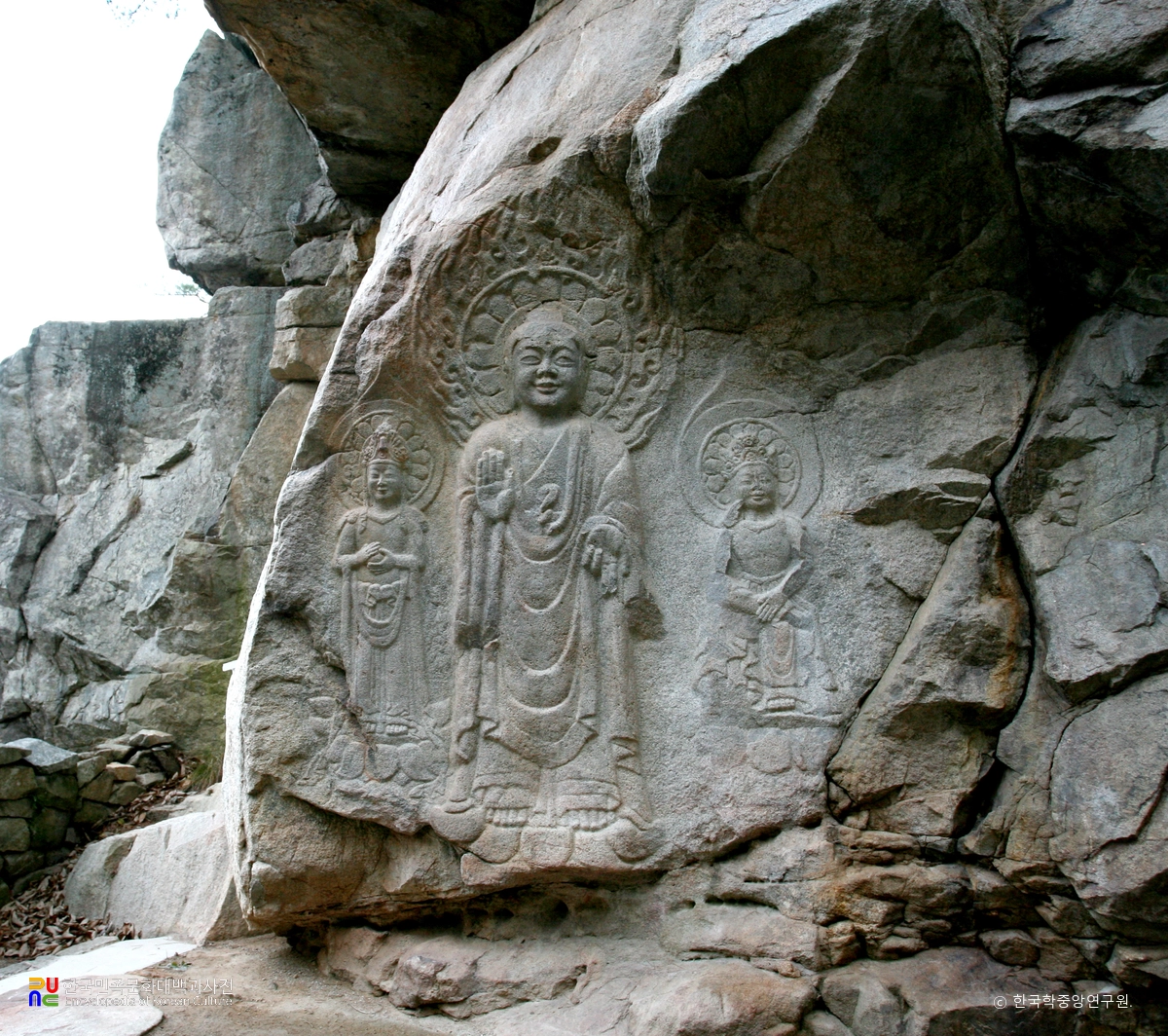
How to Read the 2.8-Meter “Smile of Baekje” in Gayasan Valley
 Travel Guide
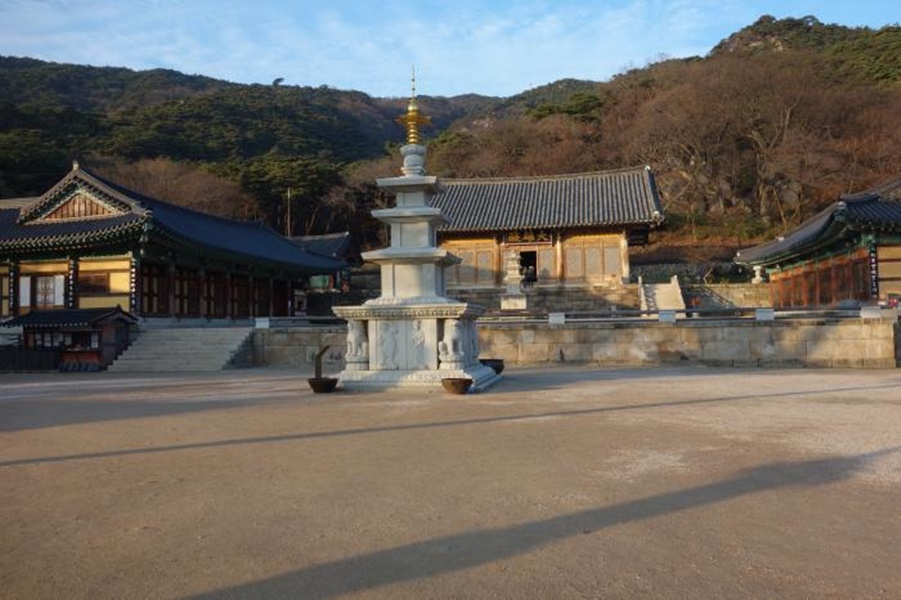
From the 1308 Main Hall to Jeonghyesa’s 1,080 Steps: The Story of Time at Sudeoksa Temple, Yesan
 Travel Guide
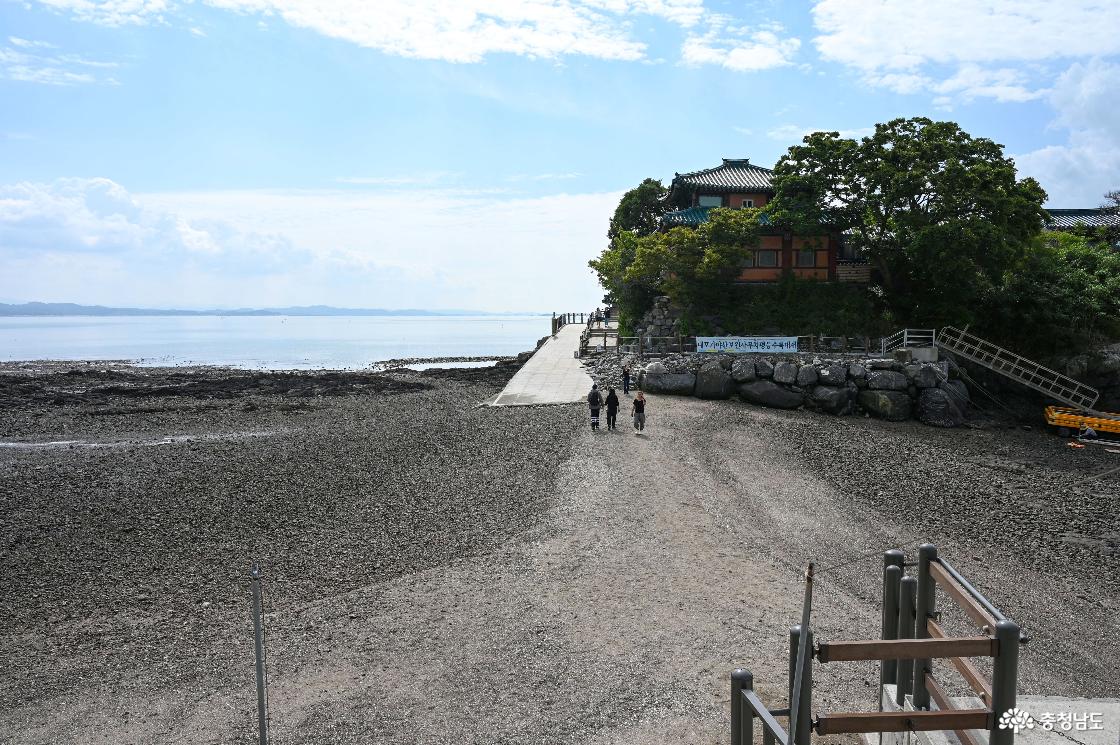
Seosan’s Ganwŏlam, Where the Route Changes Twice a Day: From Tidal Times to Bus 360
 Travel Guide
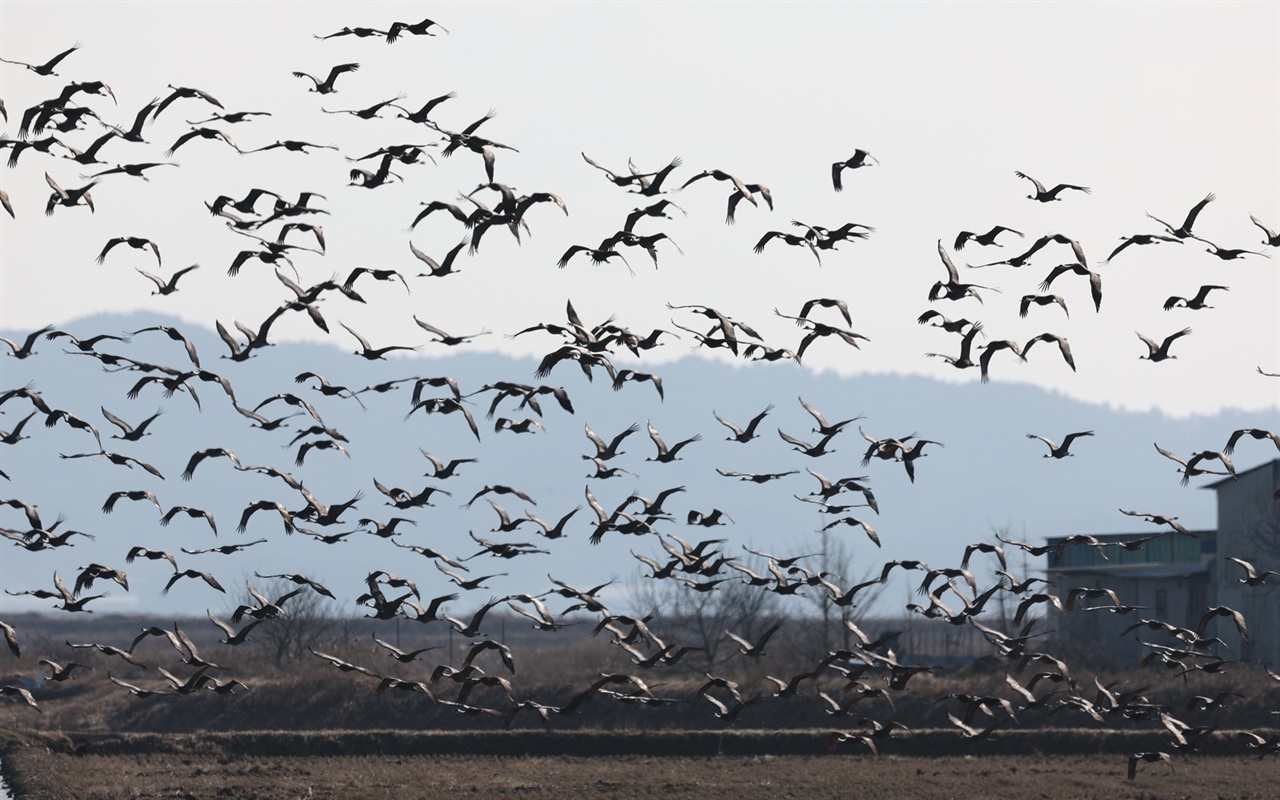
Seosan Birdland: A Panoramic View of Reclaimed Rice Fields and Migratory Birds in Cheonsu Bay
Korea News
 News
News
TWS heightens comeback excitement with kitschy charm… Anticipation for “plot twist” rises
 News
News
BTS, Six Months After Its Release… ‘Arirang’ Climbs the U.S. Billboard 200
 News
News
'The Nation's Girl Group' RESCENE, Five Girls Transformed into Guardians… Additional Concept Photos for Their 4th Mini Album Revealed
 News
News