Walking 3.35 km Along the Terrain of the Royal Fortress of Hanseong Baekje: Mongchontoseong Fortress
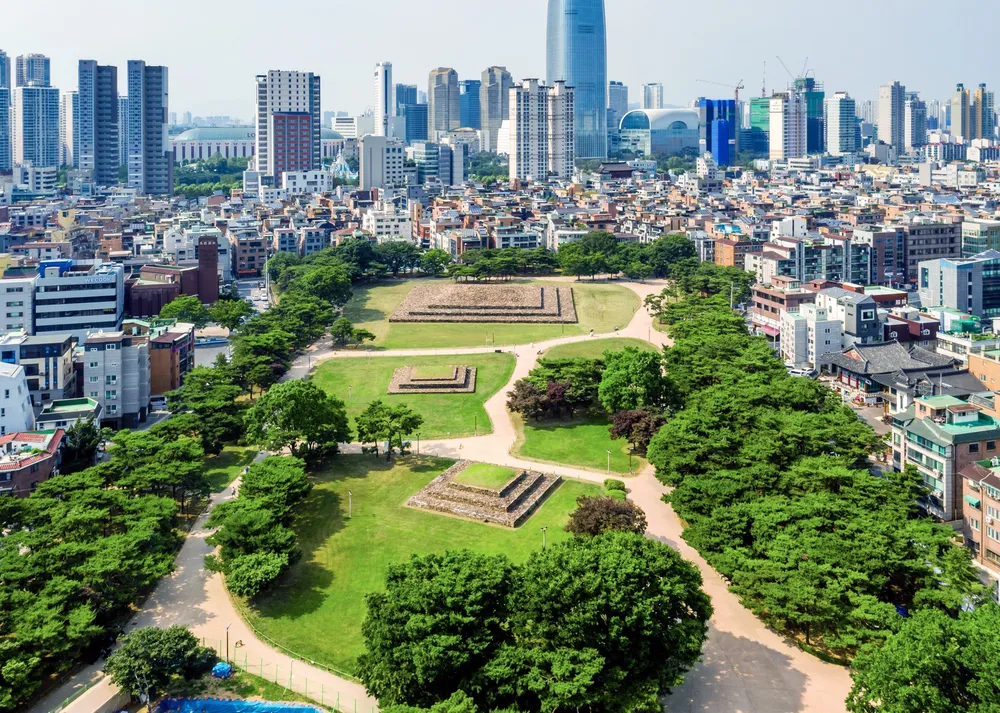
Mongchontoseong Fortress is an earthen fortress from the Hanseong period of Baekje, built on the low hills of Olympic Park. Its fortress walls, moat, and excavated remains can all be explored along a single route. For first-time visitors, an efficient option is to start at Exit 1 of Mongchontoseong Station on Line 8, pass through Peace Gate, and follow the 45-minute “Memory Trail,” which connects the Baekje House Site Exhibition Hall with the Mongchon History Museum.

I’ve been here?
Your check-in helps the next traveler.
No one has checked in yet Be the first
One tap — no writing needed
Baekje royal fortress revealed through excavations from 1983 to 1989 after its designation as a historic site in 1982
Mongchontoseong is an earthen fortress from the Hanseong period of Baekje, preserved inside Olympic Park at 424 Olympic-ro, Songpa-gu, Seoul. It was designated Historic Site No. 297 on July 22, 1982, and the designated area announced by Songpa-gu measures 441,765㎡. Natural hills were used as the fortress walls, while soil was piled up or slopes were reshaped in insufficient sections to create a defensive line.
Full-scale excavations were conducted from 1983 to 1989 before facilities related to the 1988 Seoul Olympics were built. The investigation confirmed building sites, dwelling sites, jar burials, storage pits, and approximately 10,000 artifacts, while numerous weapons such as arrowheads and bone armor were also unearthed. Accordingly, the site is interpreted not as a simple residential area but as a core space associated with the defense and governance of Hanseong Baekje.
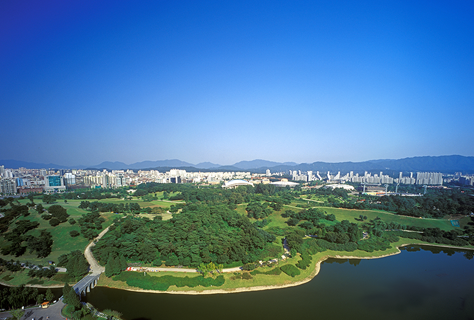
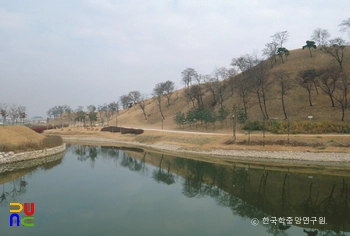
A defensive line formed by low hills extending from Namhansan and 2,285 m of fortress walls
According to the Olympic Park guide, the fortress walls measure 2,285 m in circumference, and the area inside the fortress is 216,000㎡. Since the Songpa-gu cultural heritage guide introduces the total circumference as 2,383 m, it is best to keep in mind that the standards for measuring the walking-route distance and the archaeological survey figure may differ. Seongnaecheon originally surrounded the outside of the fortress and served as a natural moat, but after changes to the watercourse, the present Mongchon Moat was created based on excavation traces.
Mongchon Moat measures 1,800 m around, covers 53,500㎡, has a depth of 1.4–2 m, and holds approximately 76,000 tons of water. It is an artificial lake created from traces of a ditch identified beneath the fortress walls in 1983. It includes a 600 m natural-style shoreline and six plant islands with a total area of 216㎡. From May through October, the Mongchon Fountain operates continuously from 11:00 to 17:00, although this may vary depending on events, weather, and energy-saving measures.
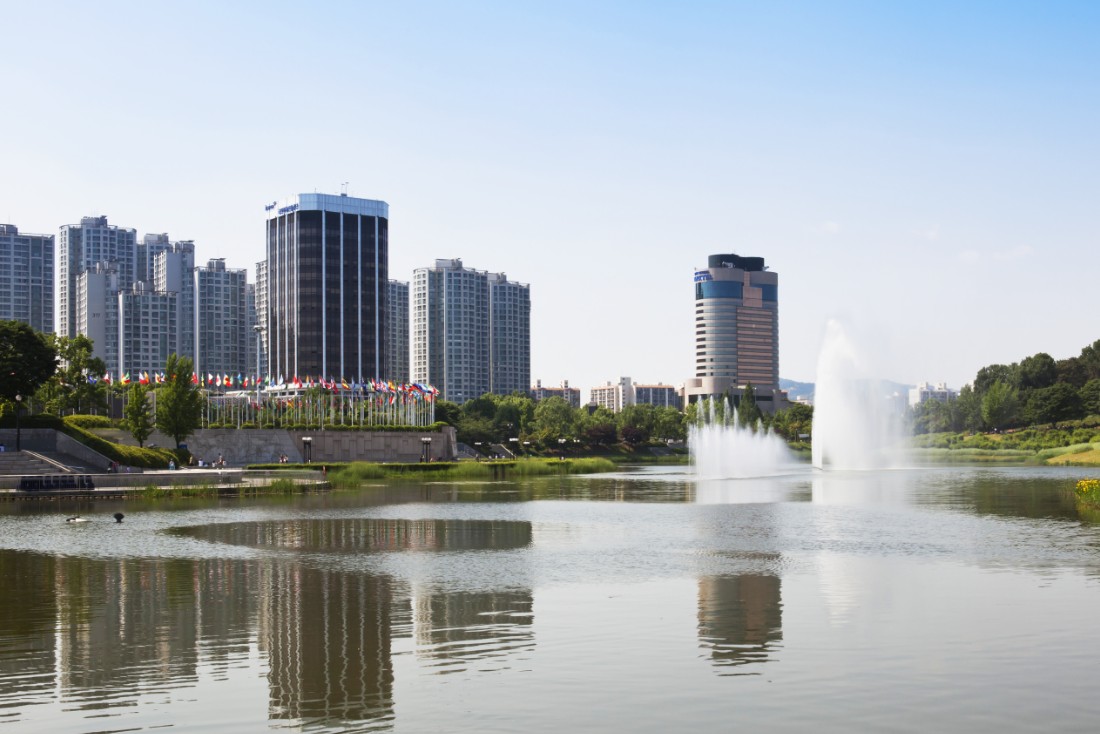
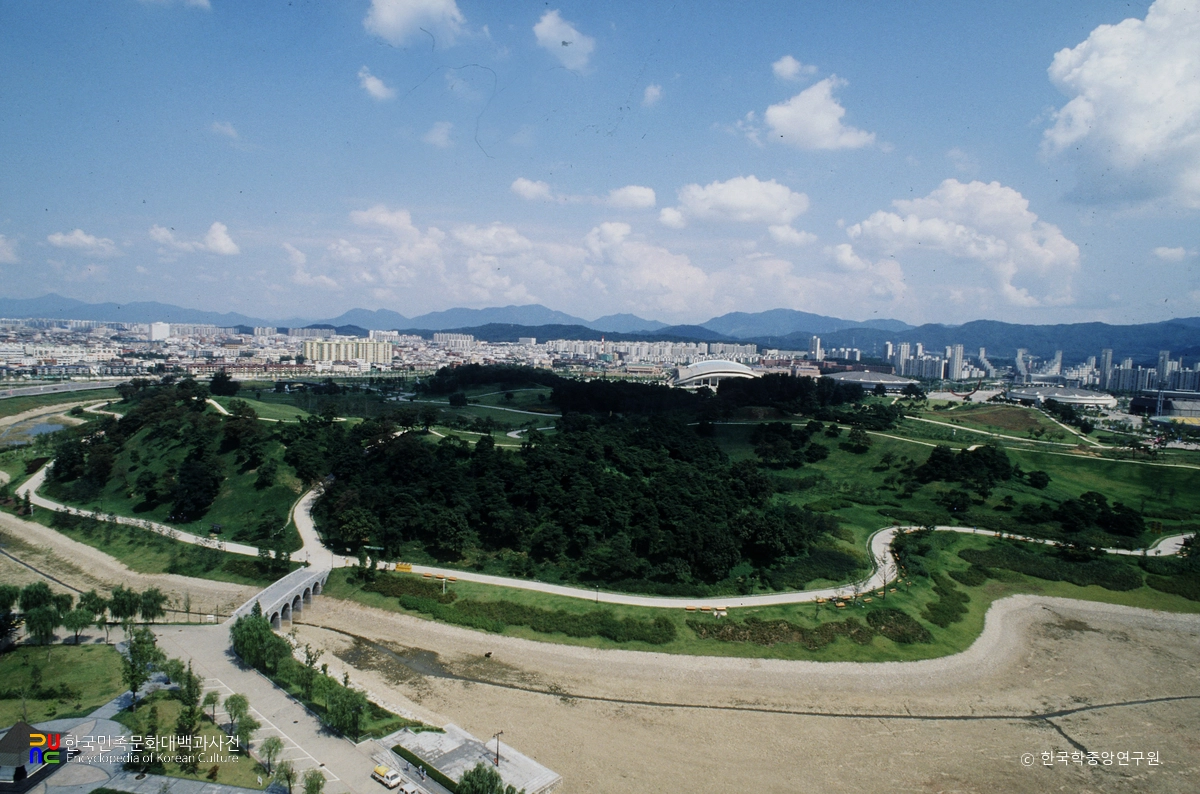
A place to read the record of the fall of Hanseong in 475 together with Pungnaptoseong
Mongchontoseong is best understood together with Pungnaptoseong, located approximately 1 km to the north. The Academy of Korean Studies explains that the two earthen fortresses were capital fortresses during the period when Baekje was established, and based on excavated artifacts such as fragments of specialized pottery from the Western Jin period in China, dates the upper limit of their construction to around the late third century. The metropolitan landscape of the period when Baekje grew around the Han River basin remains in the Songpa area.
Based on the account of the fall of Hanseong in 475 in the Samguk Sagi, Songpa-gu introduces the scholarly view that the northern fortress mentioned in the records was Pungnaptoseong and the southern fortress was Mongchontoseong. Surveys resumed after 2013 also identified pottery inscribed with the character “palace,” as well as roads and dwelling sites from the Goguryeo and Silla periods after Baekje. This is not a site where visitors see only the fortress of one period; it is a historic site where they can also trace overlapping evidence of changes in the ruling powers of the Han River basin.
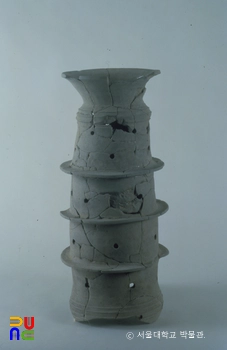
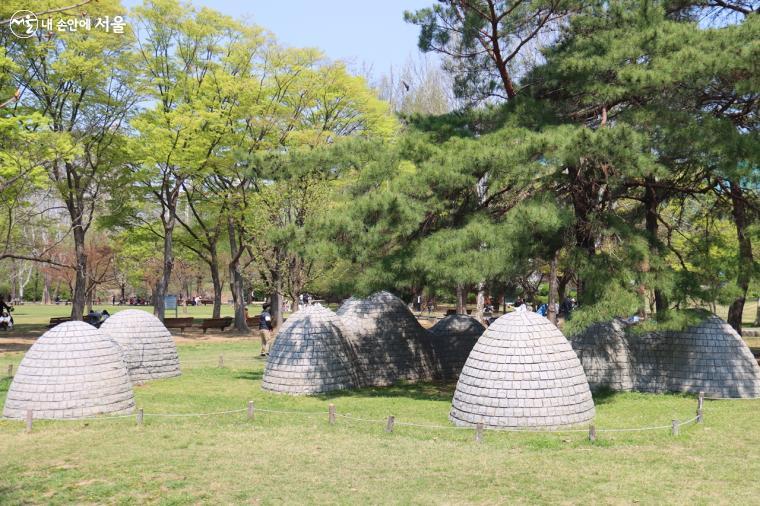
Choose according to your stamina, from the 18-minute Lakeside Trail to the 45-minute Memory Trail
For a short visit, take the “Lakeside Trail,” which runs from Peace Plaza to Gomnaldari Bridge and back to Peace Plaza. It is 1.302 km long, takes approximately 18 minutes, and follows a route around the edge of the moat. The “Earthen Fortress Trail,” which follows the top of the walls, is 2.21 km long and takes approximately 30 minutes. It suits visitors who want to focus on the elevations of the historic site itself and views of southeastern Seoul.
For a fuller look at Baekje sites, the “Memory Trail,” following the route Gomnaldari Bridge–Fortress Center–Baekje Dwelling Site Exhibition Hall–Fortress Loop–Picnic Area–Gomnaldari Bridge, is the most rewarding. It is 3.35 km long and takes approximately 45 minutes. To include Mongchon History Museum, choose the “Lovers’ Trail,” which is 4.29 km and takes about one hour. The “Youth Trail,” which makes a broad circuit of the outer area, is 3.15 km and takes approximately 40 minutes.
- First visit: 45-minute Memory Trail + 30–40 minutes at Mongchon History Museum
- When you have only 30 minutes: 18-minute Lakeside Trail or 30-minute Earthen Fortress Trail
- After rain or when traveling with a stroller: Since there are dirt paths and sloped sections, check the paved park routes first
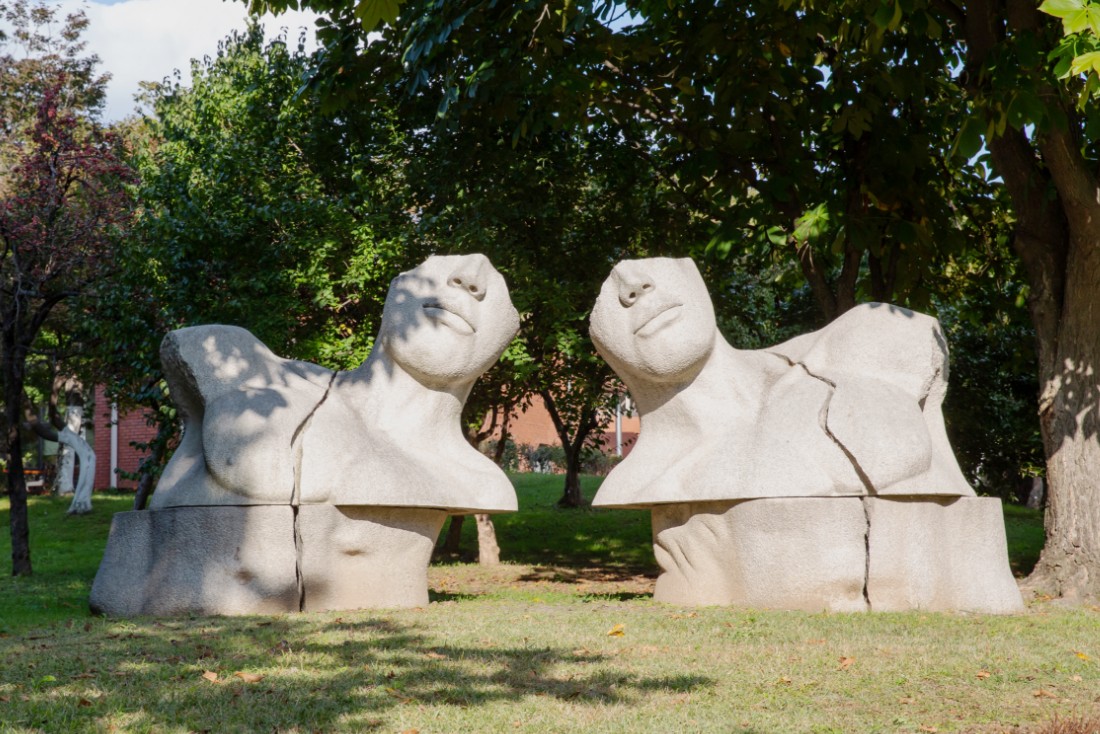
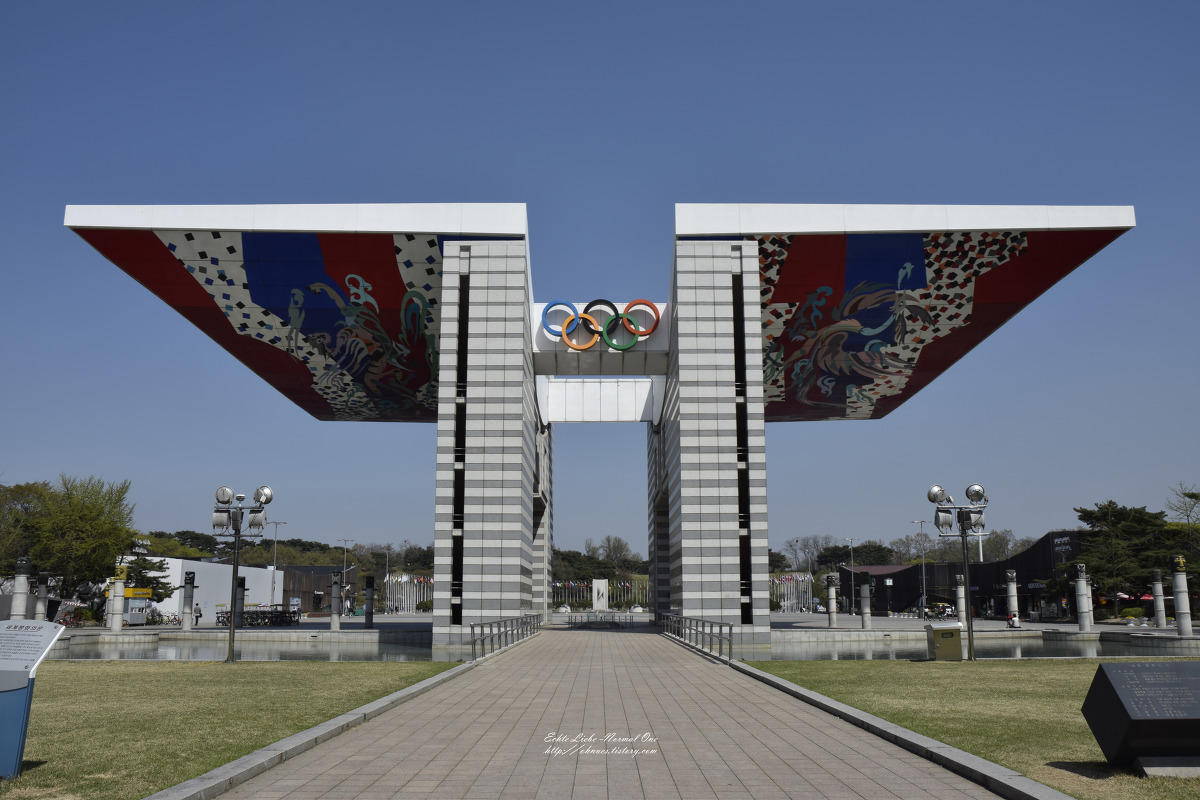
How to see the hexagonal pit-house site and earthen-fortress model at Mongchon History Museum by North Gate 2
After walking along the fortress, connect your visit to Mongchon History Museum near North Gate 2 of Olympic Park to gain a more comprehensive understanding of the excavation results. Opened in January 1992, Mongchon History Museum was the first museum established by the Seoul Metropolitan Government. It displays a model of Mongchontoseong in the center of its exhibition hall and introduces prehistoric and ancient sites and artifacts from the Han River basin. At the nearby Baekje Dwelling Site Exhibition Hall, visitors can see preserved hexagonal pit-house sites and storage pits from the Hanseong Baekje period identified at Mongchontoseong.
Mongchon History Museum is open from 09:00 to 18:00 on weekdays, weekends, and public holidays, and is closed every Monday and on January 1. Admission is free, and the inquiry telephone number is 02-2152-5900. Inquiries for the Baekje Dwelling Site Exhibition Hall can be made at 02-2152-5891. The outdoor fortress is part of the park, but when the exhibition hall is closed, it is not possible to view artifacts and models indoors, so visitors coming on Monday should plan primarily around walking.
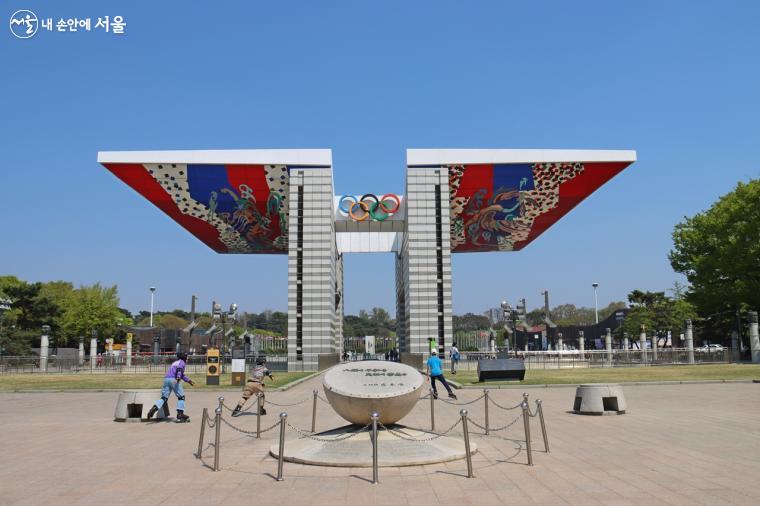
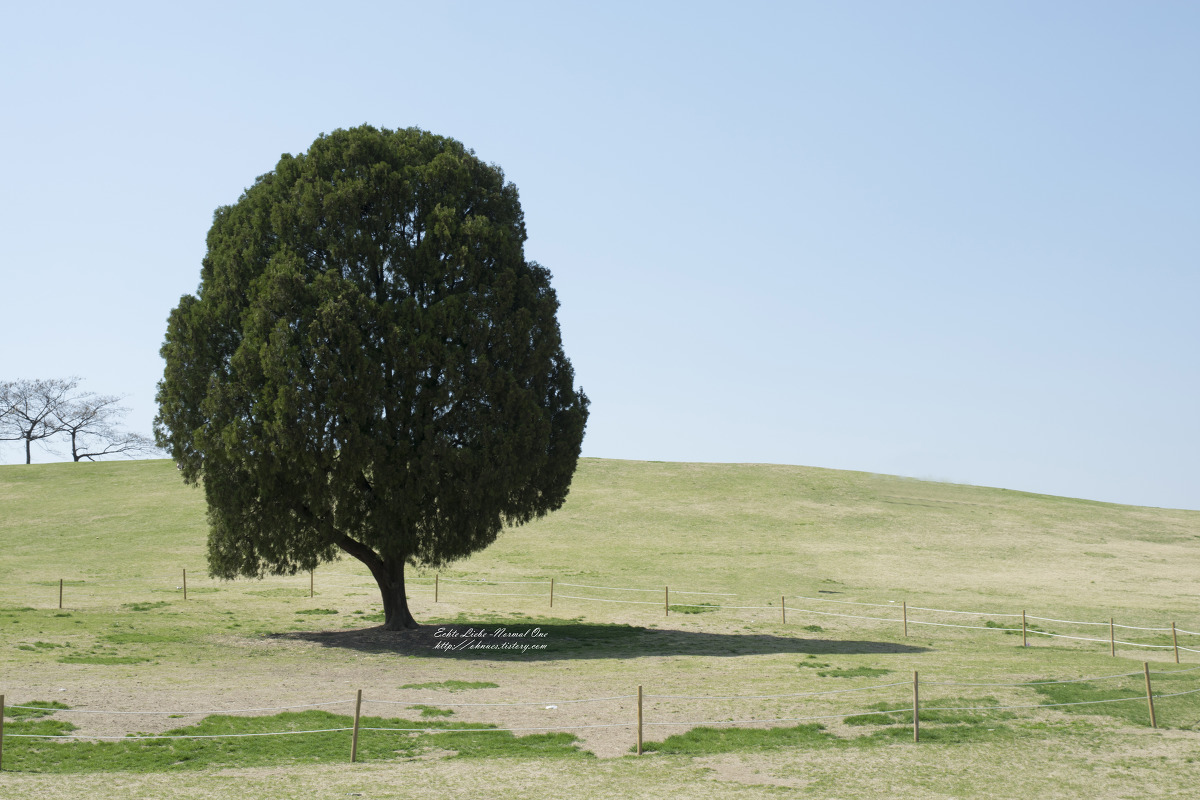
A 20-minute route starting from Exit 1 of Mongchontoseong Station on Line 8
By public transportation, it takes approximately 20 minutes to reach Mongchon History Museum from Exit 1 of Mongchontoseong Station on Line 8, entering through the World Peace Gate. From Exit 3 of Olympic Park Station on Line 5, it takes approximately 15 minutes via East Gate 2. If you plan to start with a walk around the fortress, Exit 1 of Mongchontoseong Station provides convenient access to the World Peace Gate, Gomnaldari Bridge, and Mongchon Moat.
Buses 340, 3412, and 3413 pass by the World Peace Gate, Mongchontoseong Station South Gate 4, or Olympic Park East Gate 2. From Jamsil Station, you can take bus 342, 4318, 341, or 3411, get off at the Olympic Hall stop, and walk for approximately 15 minutes. The address is 424 Olympic-ro, Songpa-gu, Seoul, and the Olympic Park main telephone number is 02-410-1114. The official website is https://www.ksponco.or.kr/olympicpark/.
- Cultural heritage information inquiries: Songpa-gu Cultural Heritage Division, 02-2147-2001
- Mongchon Moat fountain inquiries: Park Facilities Team, 02-2180-3593
- Recommended stay: 30–45 minutes for walking only; 1 hour 20 minutes to 2 hours including the history museum
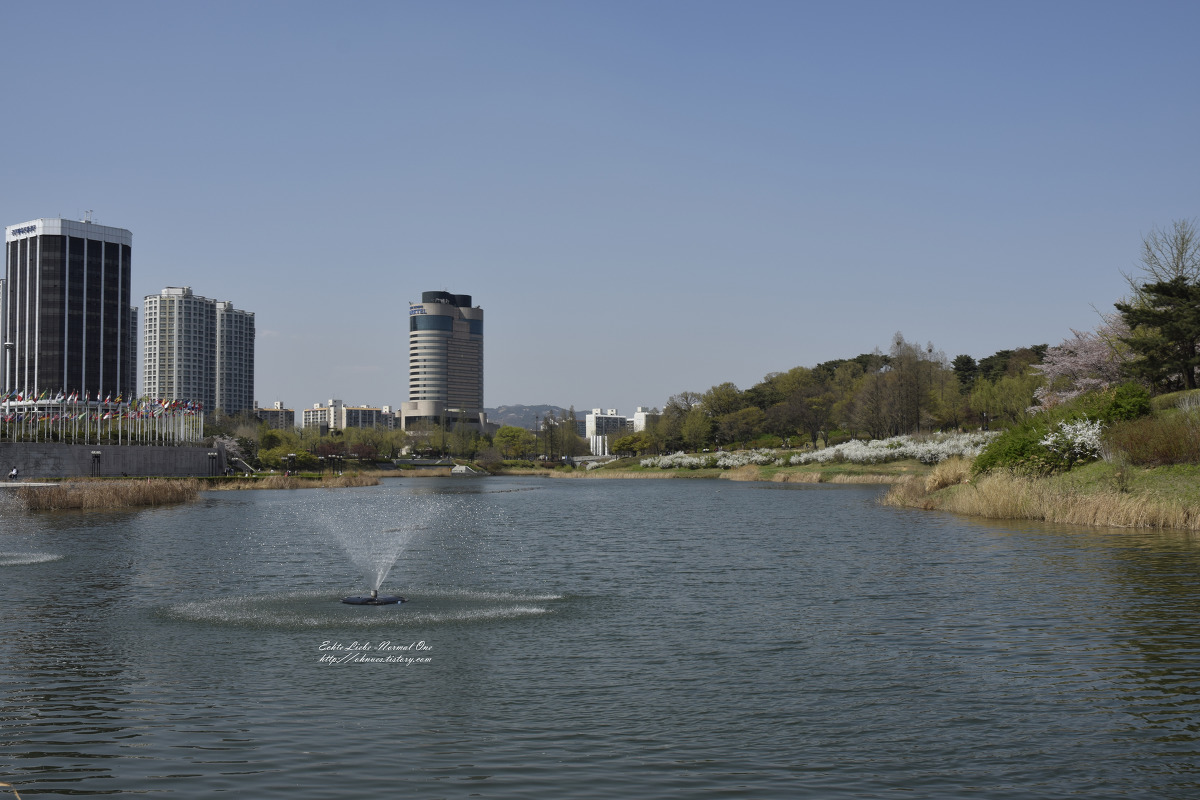
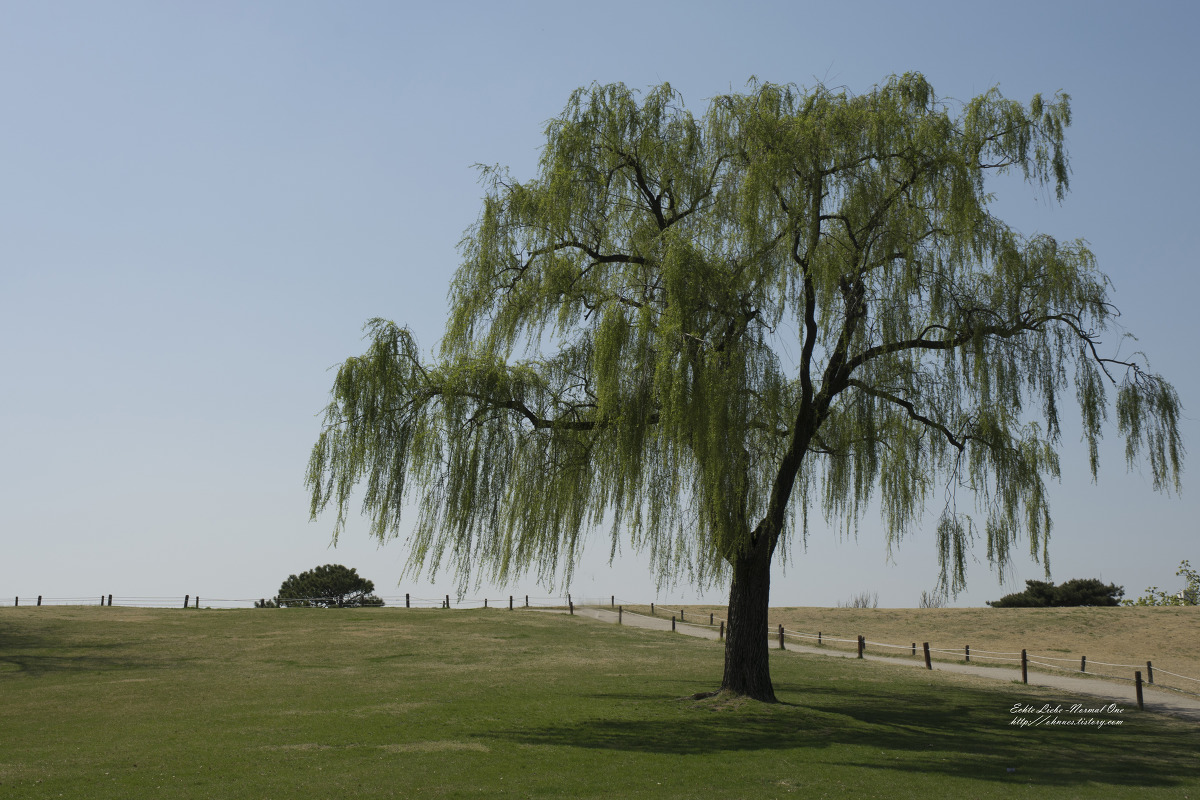
Free outdoor historic site, but indoor exhibitions are closed on Mondays
The outdoor sections of Mongchontoseong can be explored without a separate admission fee, and Mongchon History Museum is also free. However, “free” does not mean that all facilities are open at all times. The museum is closed every Monday and on January 1, while the fountain operates only from 11:00 to 17:00 from May through October. If you would like to hear historical explanations of the site, you can also check the Songpa cultural tourism commentary schedule on Seoul Public Service Reservation, which operates with a meeting point at Exit 1 of Mongchontoseong Station.
Because the fortress walls make use of low, hilly terrain, even the 45-minute Memory Trail is not simply a flat walk. Visitors who have difficulty walking long distances or use wheelchairs or strollers should realistically choose the paved routes around Peace Plaza and the moat before attempting the circuit along the top of the fortress. Since parking availability and fees may vary depending on performances and events, it is safer to check the day’s conditions with the Olympic Park main number, 02-410-1114, before traveling by car.
Before You Go
- Address
- 424 Olympic-ro, Songpa-gu, Seoul
- Hours
- The outdoor fortress is an open viewing area within Olympic Park. Mongchon History Museum: 09:00–18:00
- Closed
- Mongchon History Museum is closed every Monday and on January 1
- Admission
- Free
- Phone
- Olympic Park 02-410-1114 / Mongchon History Museum 02-2152-5900
- Official site
- https://www.ksponco.or.kr/olympicpark/
- Transport
- Approximately 20 minutes on foot from Exit 1 of Mongchontoseong Station on Line 8 to Mongchon History Museum via the World Peace Gate; approximately 15 minutes from Exit 3 of Olympic Park Station on Line 5 via East Gate 2; buses 340, 3412, and 3413 available
- Parking
- Availability and fees for Olympic Park parking lots may vary depending on events; checking on the day is recommended
- Time needed
- 18–45 minutes for walking only; 1 hour 20 minutes to 2 hours including Mongchon History Museum
- Accessibility
- There are paved routes around the moat and plazas, but the fortress circuit includes dirt paths and sloped sections; wheelchair and stroller users are advised to check alternative routes
The information above is current as of the time of writing. Check the official information again before visiting.

Places
Nearby Attractions 4
-
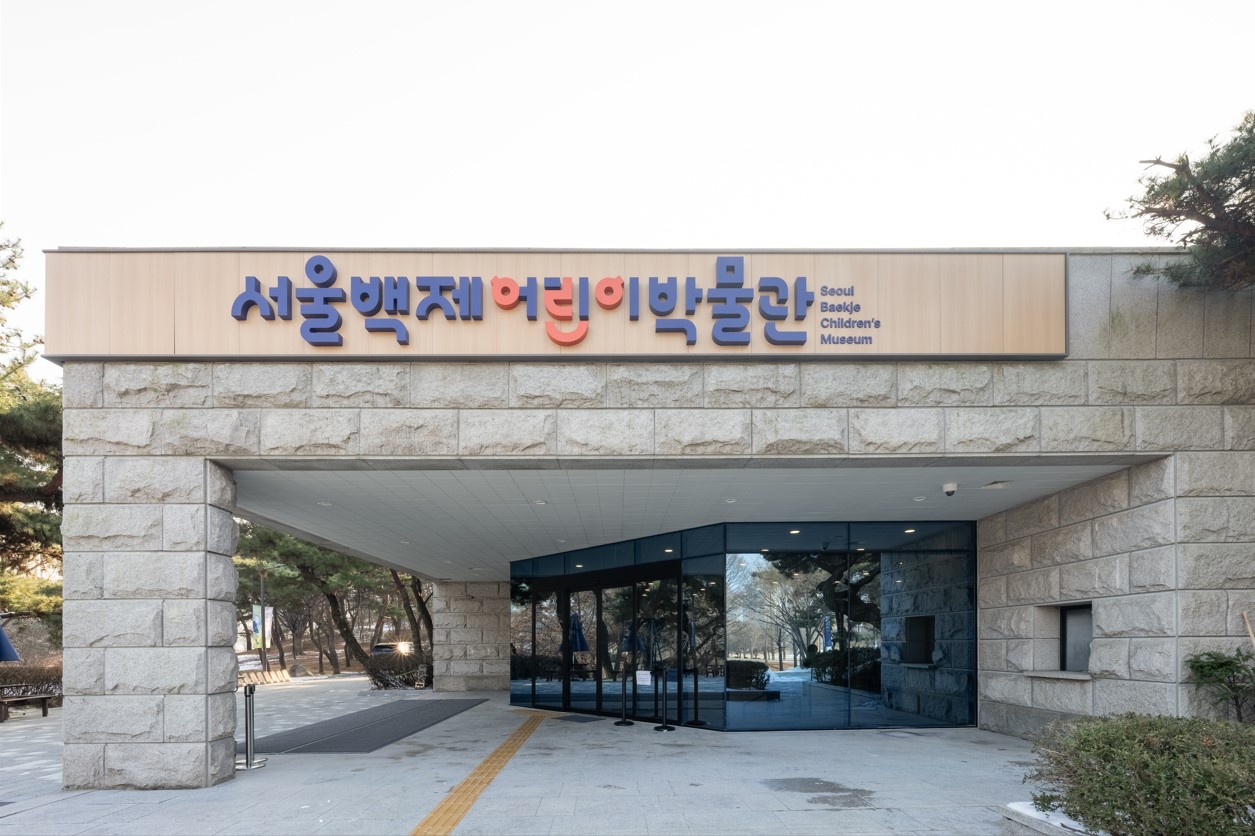 1
Seoul Baekje Children's MuseumA museum where visitors can learn about daily life in Baekje and Hansong Baekje through interactive exhibitions.
1
Seoul Baekje Children's MuseumA museum where visitors can learn about daily life in Baekje and Hansong Baekje through interactive exhibitions. -
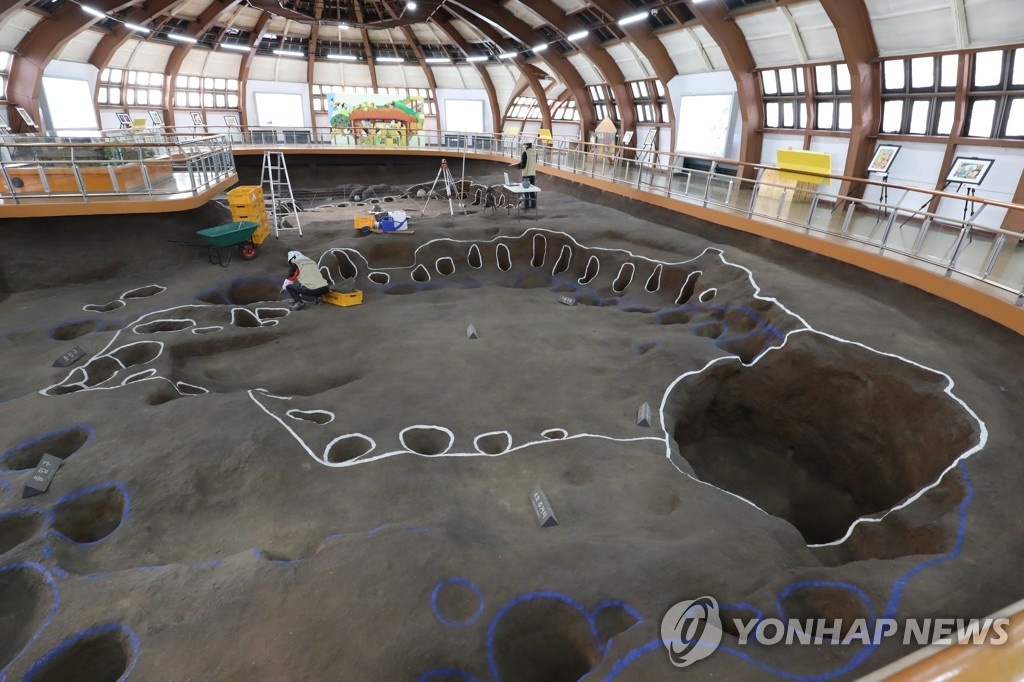 2
Baekje House Site Exhibition HallA place where visitors can view Baekje pit-house remains and storage pits excavated at Mongchontoseong Fortress.
2
Baekje House Site Exhibition HallA place where visitors can view Baekje pit-house remains and storage pits excavated at Mongchontoseong Fortress. -
 3
3
-
 4
4
Food & Dining 1
-
 5
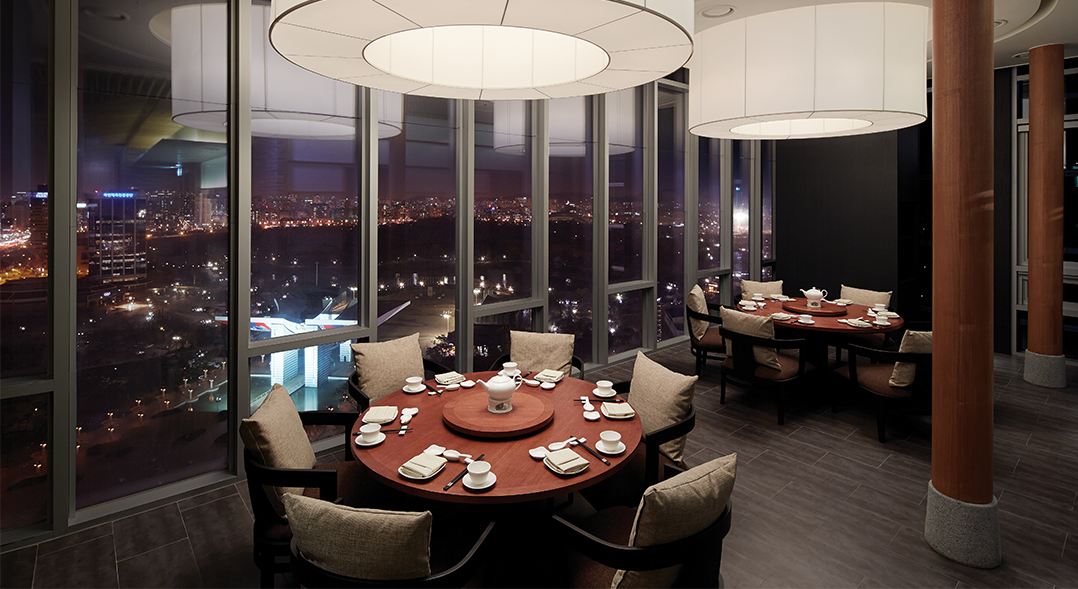
Mongjungheon Bangi BranchA Chinese restaurant offering dim sum and Chinese dishes à la carte or as set courses.
5
Mongjungheon Bangi BranchA Chinese restaurant offering dim sum and Chinese dishes à la carte or as set courses.
Events in This Area



Festivals in This Area

More Travel Guides in This Area
 Travel Guide
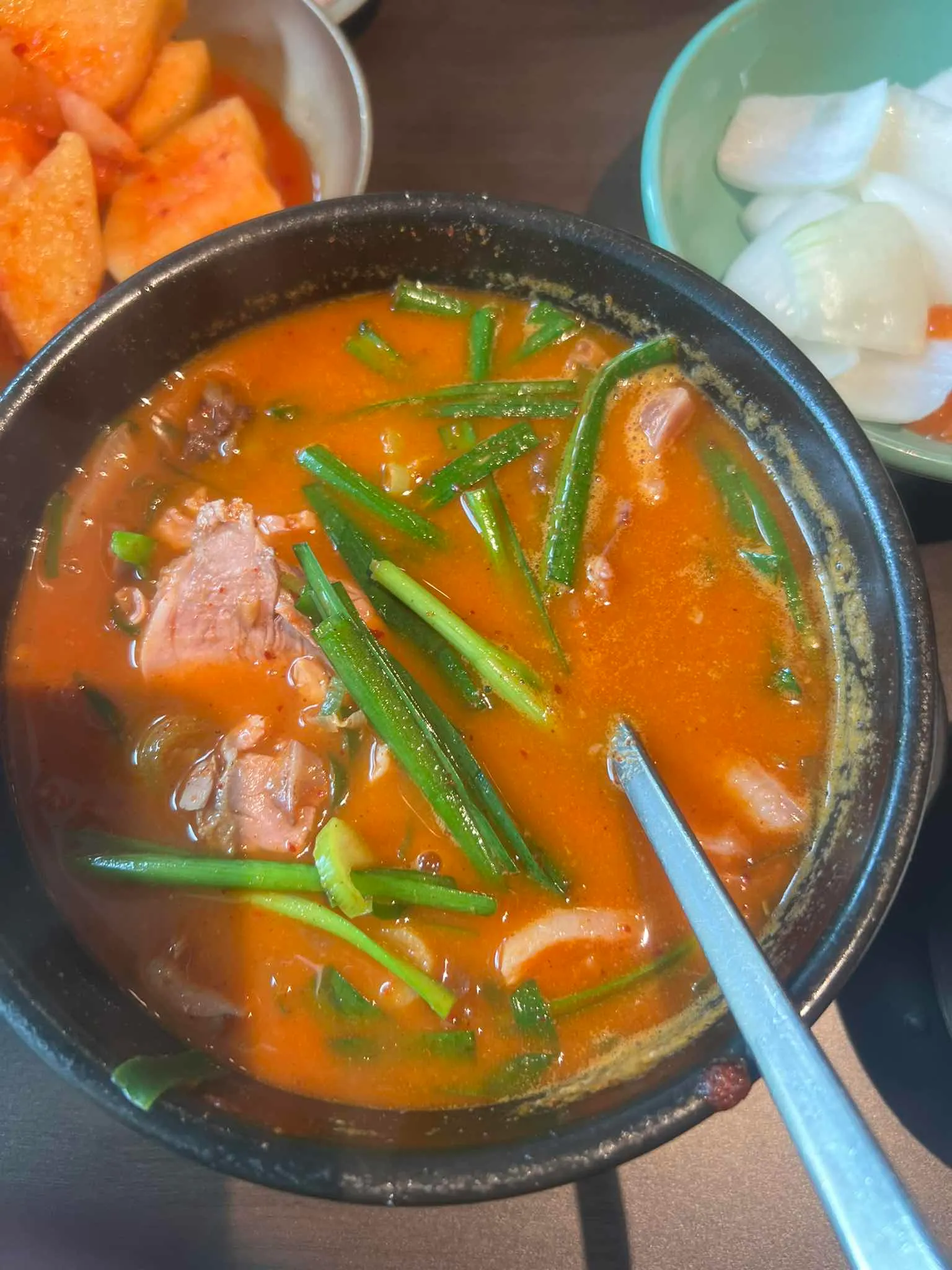
Cheongwaok Main Branch, 90 m from Exit 3 of Hanseong Baekje Station, with sundae-guk after passing through the blue-tiled gate
 Travel Guide
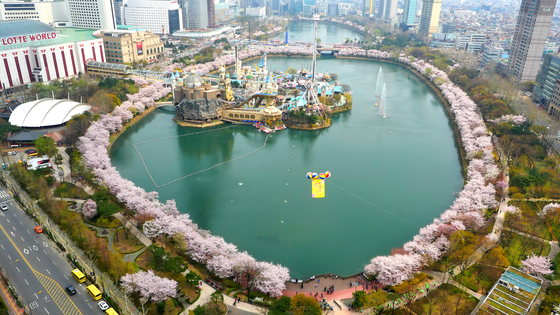
The Rapid Changes of Songridan-gil Read from the Alleys Behind Seokchon Lake East Lake
 Travel Guide
Lotte World Aquarium: The Reality of Its 5,200-Ton Tank and 840 m Viewing Route
 Travel Guide
A Six-Level Route Through Lotte World Mall Connecting Jamsil Station and Seokchon Lake
Korea News
![BLACKPINK’s Lisa Dominates the VMA Red Carpet in a Sheer Corset Dress and Red Fur [Star Issue]](https://kotourlive-images.s3.ap-northeast-1.amazonaws.com/news/1790557894714_010e956a_news_94409db1-fab6-40bf-bc7b-4b985b1fbac7.jpg) News
News
BLACKPINK’s Lisa Dominates the VMA Red Carpet in a Sheer Corset Dress and Red Fur [Star Issue]
![BLACKPINK’s Jisoo Spotted by Surprise with BIGBANG in London… Their Special Loyalty as Labelmates [IS High Cut]](https://kotourlive-images.s3.ap-northeast-1.amazonaws.com/news/1790557854683_6ea979f5_news_caab62e5-8462-43c8-8622-da794f3df9de.png) News
News
BLACKPINK’s Jisoo Spotted by Surprise with BIGBANG in London… Their Special Loyalty as Labelmates [IS High Cut]
 News
News
Tattoos All Over Her Body… AOA’s Jimin Draws Shocked Attention After Kwon Mina’s ‘Bullying’ Allegations
![You’ll Have to Look Twice… Choi Min-a-soo Perfectly Pulls Off Everything from a Daring Illusion Dress at the Awards Ceremony to Long Braided Hair [RE:STAR]](https://kotourlive-images.s3.ap-northeast-1.amazonaws.com/news/1790492384850_1f293dad_news_d834c50e-0685-43ef-9aa5-6995cd6d8848.jpg) News
News