How to Experience Guzelcho Flowers and Traditional Buddhist Architecture at Yeongpyeongsa Temple on Janggun Mountain, Sejong
Yeongpyeongsa Temple, located on the eastern foothills of Janggun Mountain in Janggun-myeon, Sejong, is a traditional Buddhist temple that can be visited free of charge and is famous for its double cherry blossoms and guzeltcho flowers. This guide covers how to get there from Osong Station, Jochiwon Station, and Daejeon Station, as well as the Daeungbojeon Hall, Amitabha Buddha statue, and festival season.

I’ve been here?
Your check-in helps the next traveler.
27 people viewed this week Be the first
One tap — no writing needed
Why Yeongpyeongsa Temple Was Built on the Eastern Slope of Janggun-san Mountain
Yeongpyeongsa Temple is located at 124, Yeongpyeongsagil, Janggung-myeon, Sejong Special Self-Governing City, on the eastern slope of Janggun-san Mountain. It is a branch temple of Magoksa, the sixth district headquarters of the Jogye Order of Korean Buddhism, and is introduced as Practice Center No. 78 among Korea’s traditional temples. The grounds contain six traditional buildings of cultural-heritage caliber and three hermitages.
The official Yeongpyeongsa Temple website explains that the temple’s name conveys the meaning “eternal and ultimate happiness.” The present site is not merely a place where old ruins remain; it is an active temple where practice and Buddhist worship spaces operate together. Visitors should therefore move quietly and avoid disturbing worship and practice in the Dharma halls.
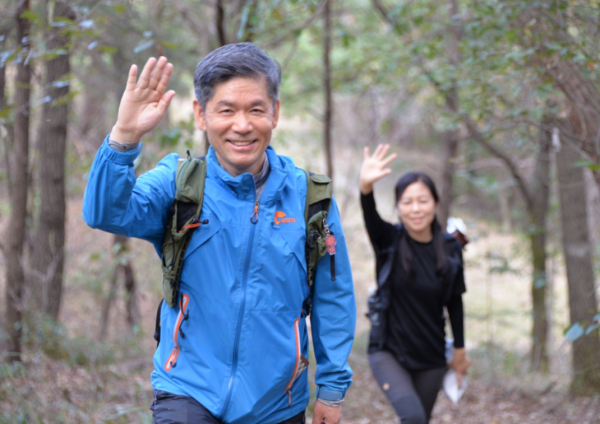
Open Year-Round and Free, but Not Every Area Inside the Dharma Halls Is a Tourist Site
Yeongpyeongsa Temple is open at all times throughout the year, and admission is free. Since it is not a tourist facility with separately restricted operating hours, visitors can view the outdoor grounds early in the morning or late in the afternoon. However, access to the interiors of the Dharma halls, worship areas, event spaces, and practice areas may vary depending on the time of visit.
For inquiries, call 044-857-1854 or 010-3898-1854. The official website is http://www.youngpyungsa.co.kr. Information materials do not confirm whether photography is prohibited, whether English information or an audio guide is available, or whether payment is cash-only. It is safest to take photographs considerately, respecting worshippers and practitioners, and to follow posted notices or staff instructions.
- Address: 124, Yeongpyeongsagil, Janggung-myeon, Sejong Special Self-Governing City
- Admission: Free
- Closed: Open year-round
From Exit 3 of Osong Station to Cheotmaeul; Plan Separately for the Final Segment
From KTX Osong Station, the official Yeongpyeongsa Temple directions recommend exiting through Exit 3, taking bus 990 at the BRT stop, and getting off at the Cheotmaeul stop. However, the detailed walking distance and bus intervals from Cheotmaeul to Yeongpyeongsa Temple are not provided, so visitors should not assume that this route completes the final part of the journey.
At Jochiwon Station, take bus 500 or 512 and get off at Janggi stop. The directions advise walking about 30 meters to Janggi Nonghyup, then taking a small van or taxi. Bus first and last departure times and intervals have not been confirmed, so overseas visitors relying solely on public transportation should plan a vehicle transfer after Janggi Nonghyup in advance.
Practical Access Information from Daejeon Station and the Expressways
From Daejeon Station, the directions recommend taking BRT bus 1001 at the BRT stop and getting off at the BRT Cheotmaeul bus stop. Again, no separate travel information is provided for the route from Cheotmaeul to Yeongpyeongsa Temple, so visitors should consider using a taxi or arranging an additional vehicle transfer.
For drivers, the official Yeongpyeongsa Temple directions estimate approximately 30 minutes from Cheongju IC on the Gyeongbu Expressway, approximately 10 minutes from Donggongju IC on the Daejeon–Dangjin Expressway, and approximately 20 minutes from Yuseong IC on the Honam Expressway. Parking availability and fees have not been confirmed, and temporary parking lots or vehicle-entry restrictions during festivals may vary by event.
- Cheongju IC: Approximately 30 minutes
- Donggongju IC: Approximately 10 minutes
- Yuseong IC: Approximately 20 minutes
Viewing Daeungbojeon’s 50-Pyeong Floor Area and the Iljumun Gate Built in Buddhist Era Year 2545
According to the official architectural information for Yeongpyeongsa Temple, Daeungbojeon was completed in Buddhist Era year 2543. It is a 50-pyeong wooden building with a hipped-and-gabled roof, designed by master carpenter Kim Dal-won. Samseonggak was completed in Buddhist Era year 2540 as a 7-pyeong building with a gabled roof, differing from Daeungbojeon in both scale and roof style.
Jeokmukdang was completed in Buddhist Era year 2543 as a 38-pyeong building with a hipped-and-gabled roof and a three-bay bracket structure. Sammyeongseonwon is a 42-pyeong building with a hipped-and-gabled roof, constructed by Buwon Construction in Buddhist Era year 2545. Seolseondang is a 42-pyeong building with a hipped-and-gabled roof, completed in Buddhist Era year 2532. The Iljumun Gate was newly built in Buddhist Era year 2545, and the signboard reading “Yeongpyeongsa Temple, Janggun-san Mountain” bears the calligraphy of Master Injeon.
Amitabha Buddha and Sejong Tangible Cultural Heritage No. 18
The Great Amitabha Buddha was enshrined on October 10 of Buddhist Era year 2547. The official Yeongpyeongsa Temple information describes it as the work of Master Craftsman Lee Jae-sun, Korea’s first master of stone carving, and as a single-stone statue measuring 33 cheok in total height, with the Buddha itself measuring 23 cheok and weighing 33 tons.
Statues of Avalokitesvara Bodhisattva and Ksitigarbha Bodhisattva are also introduced on the grounds. The 7-cheok wooden statue of Avalokitesvara Bodhisattva was made by Kim Gwang-yeol, while the 230-centimeter wooden statue of Ksitigarbha Bodhisattva is also his work. In addition, the wooden Arhat statue of Janggun Yeongpyeongsa Temple and its associated enshrined relics are designated Sejong Special Self-Governing City Tangible Cultural Heritage No. 18.
Double Cherry Blossoms in Spring and White Lotuses from Mid-June to Mid-August
Yeongpyeongsa Temple is introduced as a famous destination for double cherry blossoms. In spring, the temple says visitors can see azaleas, royal azaleas, bleeding hearts, sky columbines, pasque flowers, violets, and irises. Since no specific blooming dates are provided, scenery may vary depending on the visit date if you are targeting a particular flower.
White lotuses can be seen from mid-June to mid-August, while summer flowers also include hostas, hydrangeas, and lilies. In autumn, wild chrysanthemums inside and outside the temple grounds and across the surrounding mountains and fields are a main attraction. Rather than entering flower beds or crossing worship areas, visitors should enjoy the scenery from designated paths.
How the Scenery Changes During the October Janggun-san Wild Chrysanthemum Flower Festival
The Janggun-san Wild Chrysanthemum Flower Festival is held every October. The 26th festival in 2025 took place from October 11 to October 16, and temple noodle lunches and wild chrysanthemum tea were provided during the festival. Activities included making natural soap, painting dancheong designs, making lotus lanterns, and performing 108 prostrations in repentance.
A visit review dated October 4, 2019, recorded that the wild chrysanthemums were about 70% in bloom and that the temple was not crowded because it was a weekday. On festival days, however, the number of visitors and vehicles may increase, and temporary parking and access controls vary by event. The 2025 schedule is already past and should not be assumed to apply to the next festival.
Distances for Visitors Who Want to Hike Farther into Janggun-san Mountain
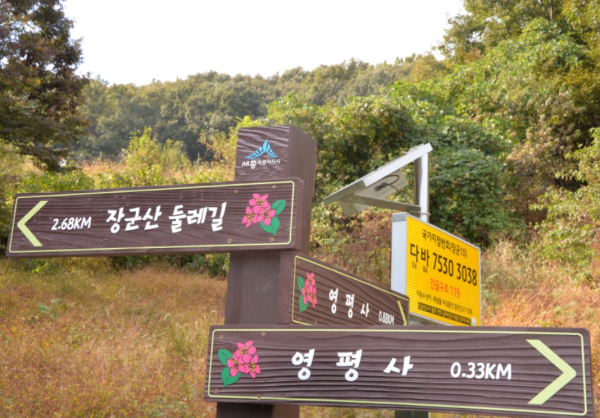
Yeongpyeongsa Temple is one of the main trailheads for climbing Janggun-san Mountain. A Janggun-san loop trail described in a review dated October 4, 2019, started at the Yeongpyeongsa Temple parking lot and passed through Janggunbong Peak, Janggun-san Mountain, and Yeongpyeongsa Temple before returning, covering approximately 9.5 km in about four hours.
The same review introduced the round trip from Yeongpyeongsa Temple to Janggun-san Mountain as approximately 7 km and noted a steep uphill section immediately before Janggunbong Peak. Visitors planning only to tour the temple grounds and those planning to hike should therefore prepare different footwear and allocate different amounts of time. The temple’s recommended sightseeing duration and parking information have not been separately confirmed.
There Are Ramps, but Also Consider the Grass-Covered Sections
A ramp is installed along the main approach to the entrance, and the access passage is described as an open space. Although there is no threshold at the entrance, the surface is grass-covered and the route includes a slope, so wheelchair and stroller users should consider weather conditions and assistance from companions.
Guide dogs are indicated as being permitted. However, interior access to each Dharma hall, restroom facilities, and foreign-language information have not been confirmed. Yeongpyeongsa Temple’s free admission and year-round opening are advantages, but because of the final public-transportation segment and uphill hiking sections, travelers who cannot use a vehicle or walk long distances may find it more realistic to keep their day’s itinerary short.
Before You Go
- Address
- 124, Yeongpyeongsagil, Janggung-myeon, Sejong Special Self-Governing City
- Hours
- Open at all times
- Closed
- Open year-round
- Admission
- Free
- Phone
- 044-857-1854 / 010-3898-1854
- Official site
- http://www.youngpyungsa.co.kr
- Transport
- From Exit 3 of KTX Osong Station, take BRT 990 and get off at Cheotmaeul stop; from Jochiwon Station, take 500 or 512 and get off at Janggi stop; from Daejeon Station, take BRT 1001 and get off at the Cheotmaeul BRT stop. Approximately 30 m from Janggi stop to Janggi Nonghyup.
- Accessibility
- The main approach to the entrance has a ramp. The access passage is described as an open space with a grass-covered surface and a ramp, and there is no threshold at the entrance. Guide dogs are permitted.
The information above is accurate as of the time of writing. Check the official information again before visiting.

Places
Nearby Attractions 2
-
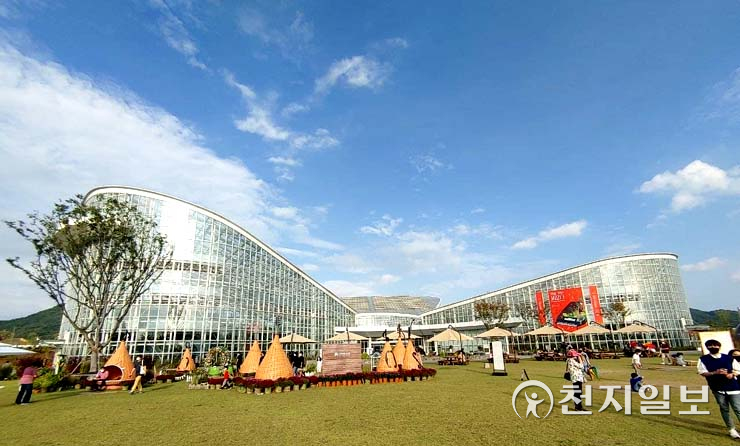 1
National Sejong ArboretumAn urban arboretum where visitors can stroll through the Four Seasons Exhibition Greenhouse and themed gardens while viewing a variety of plants.
1
National Sejong ArboretumAn urban arboretum where visitors can stroll through the Four Seasons Exhibition Greenhouse and themed gardens while viewing a variety of plants. -
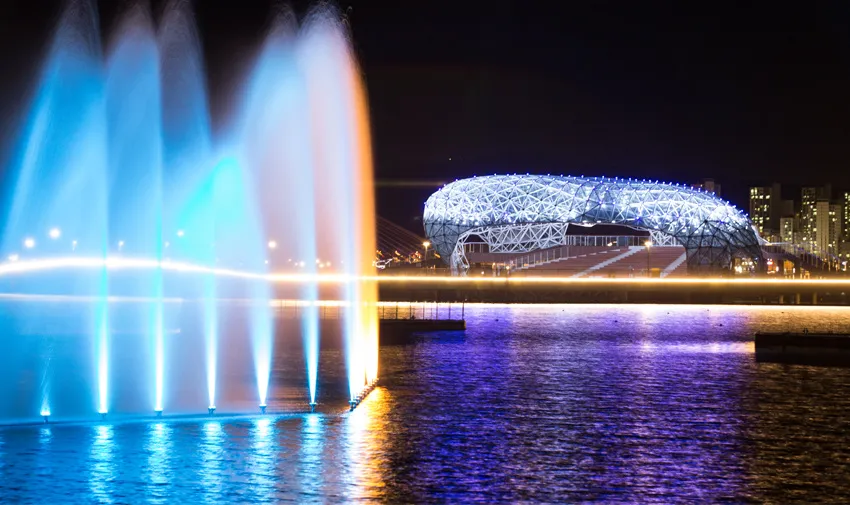 2
Sejong Lake ParkA park where you can enjoy lakeside scenery and relaxation along walking and cycling paths around the lake.
2
Sejong Lake ParkA park where you can enjoy lakeside scenery and relaxation along walking and cycling paths around the lake.
Food & Dining 3
-
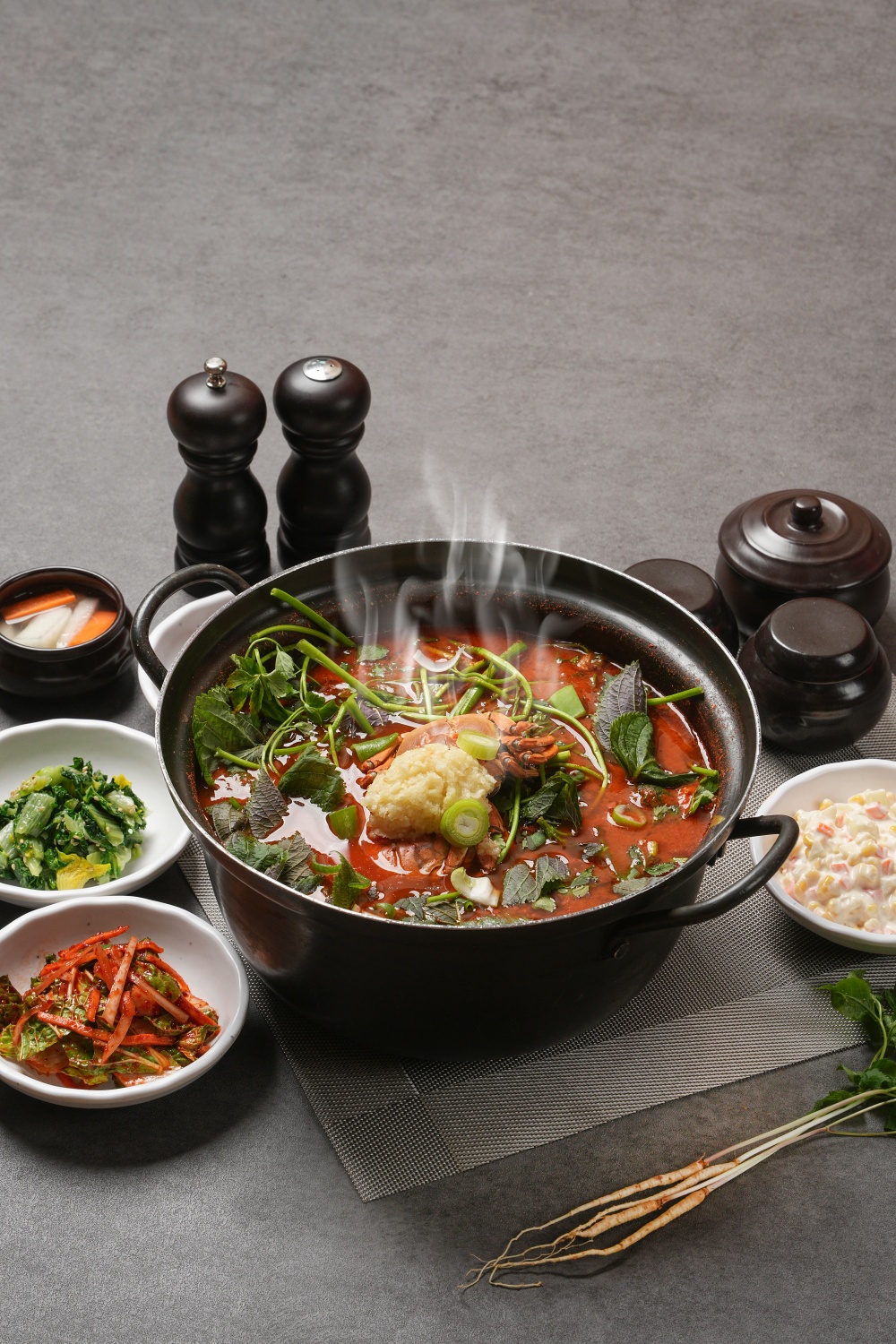 3
Gangchon MaeuntangA Maeuntang specialty restaurant in Janggumyeon serving catfish maeuntang and freshwater fish maeuntang cooked in a spicy broth.
3
Gangchon MaeuntangA Maeuntang specialty restaurant in Janggumyeon serving catfish maeuntang and freshwater fish maeuntang cooked in a spicy broth. -
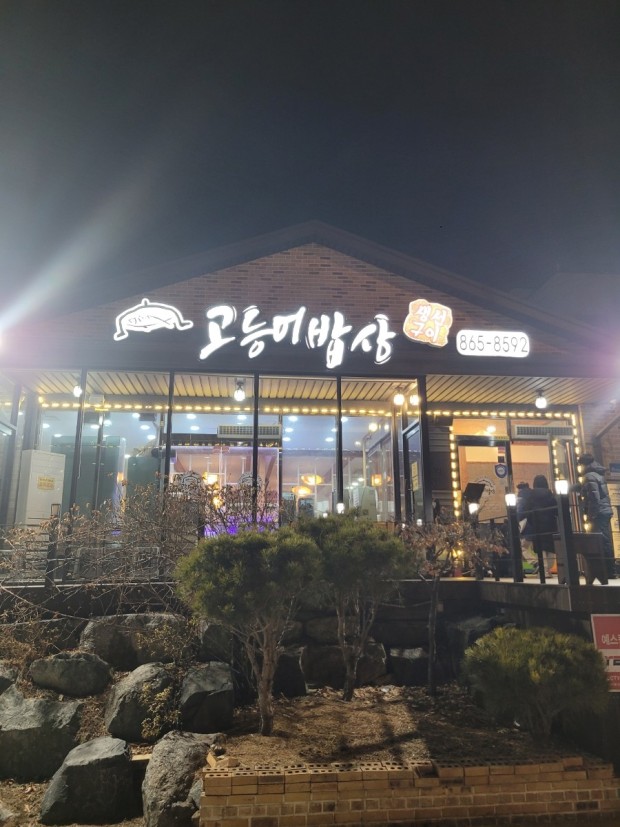 4
Godeungeo BapsangA restaurant serving charcoal-fired grilled fish, including mackerel and Spanish mackerel, with pot-cooked rice.
4
Godeungeo BapsangA restaurant serving charcoal-fired grilled fish, including mackerel and Spanish mackerel, with pot-cooked rice. -
 5
5
More Travel Guides in This Area
Korea News
 News
News
‘NewJeans Expulsion’ Danielle Releases Her First YouTube Video… “We Don’t Know What Will Happen Next”
![aespa’s North American Tour Has Remaining Seats Despite ‘$49’ Bargain Prices… A Stark Popularity Gap with KATSEYE [TEN Starfield]](https://kotourlive-images.s3.ap-northeast-1.amazonaws.com/news/1788485037424_a59b1932_naver_rank_thumb_0000774618_1788485037424.jpg) News
News
aespa’s North American Tour Has Remaining Seats Despite ‘$49’ Bargain Prices… A Stark Popularity Gap with KATSEYE [TEN Starfield]
![[Photo] TWICE’s Dahyun attends a film festival red carpet as an actress](https://kotourlive-images.s3.ap-northeast-1.amazonaws.com/news/1788485316508_edd43ecd_news_870a60a6-6f11-4d73-aa7c-48d91318a0f7.jpg) News
News
[Photo] TWICE’s Dahyun attends a film festival red carpet as an actress
![[On-Site Video] “We’re Departing Separately Together”… BIGBANG Begins ‘COSMOS’ World Tour](https://kotourlive-images.s3.ap-northeast-1.amazonaws.com/news/1788485226518_c5719641_news_fdd4764a-0f4e-4968-8e4e-e98a02872f88.jpg) News
News