How to See Mireukjeon and Moaksan Together at Geumsansa, Founded in 599
Geumsansa Temple in Gimje was founded in 599, the first year of King Beop of Baekje. Within its grounds, visitors can see the National Treasure Mireukjeon and numerous other treasures. This guide covers how to get there by bus from Jeonju Station and Gimje Station, admission fees and parking, as well as temple sightseeing and hiking on Moaksan.
I’ve been here?
Your check-in helps the next traveler.
No one has checked in yet Be the first
One tap — no writing needed
From Baekje’s 599 Jaboksa Temple to the Headquarters of Jogye Order District 17
Geumsansa Temple is said to have been founded in 599, the first year of King Beop of Baekje, as a temple dedicated to praying for the nation’s blessings. The temple is located on the western foothills of Moaksan Mountain, which rises amid the Honam Plain, and the area around Geumsansa Temple has been designated Historic Site No. 496.
During the Silla period, Master Jinpyo reconstructed Geumsansa over four years, from 762 to 766. He built Mireukjeon Hall and created the Mireuk Jangnyuk Statue. The historical context of Geumsansa also includes the incident in which Gyeon Hwon of Later Baekje was imprisoned here by his son Singeom and others, escaped, and surrendered to Wang Geon. Today, Geumsansa has operated as the headquarters of District 17 since the integrated Jogye Order was launched in 1962.
Three Areas Preserving Traces of 88 Halls and 711 Rooms from 1079
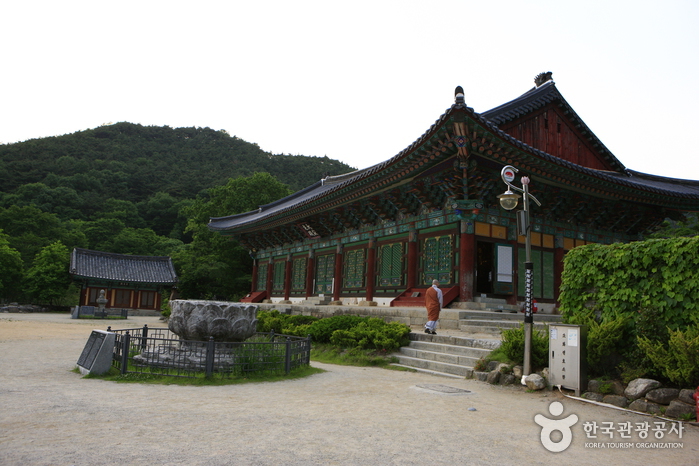
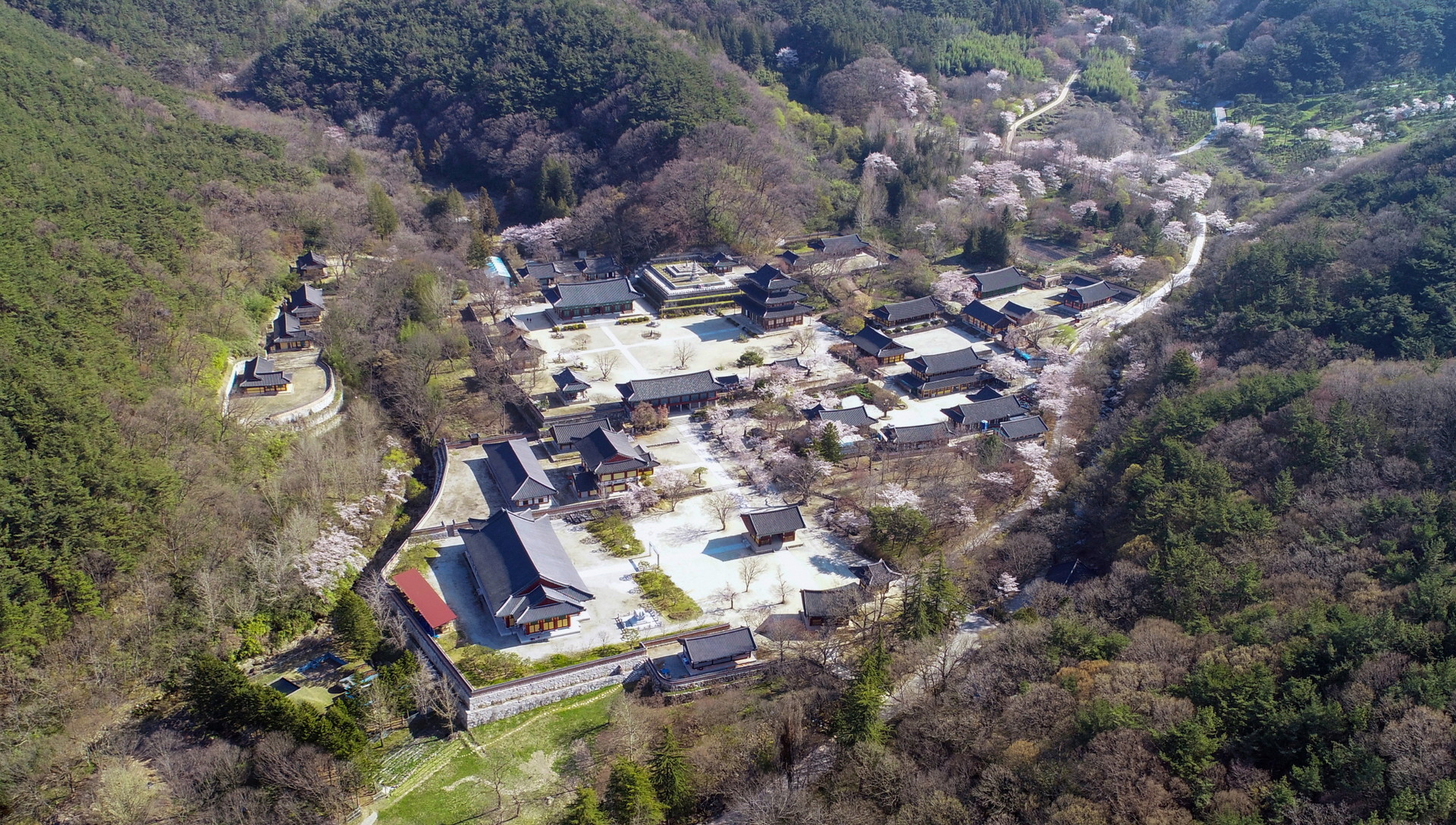
In 1079, the 33rd year of Goryeo King Munjong’s reign, Royal Preceptor Hyedeok Soyeon expanded the temple into a large monastery with a total of 88 halls and 711 rooms, including Daesagu, Bongcheonwongu, and Gwanggyowongu. At the time, there were more than 40 hermitages within the mountain, and the background to today’s division of the temple grounds into three areas also originated from this reconstruction.
Daesagu is the main hall area, where Daejeokgwangjeon and Mireukjeon are located, and where prayers and Buddhist ceremonies were held. Gwanggyowongu corresponds to the area near the current Iljumun Gate and was where Yogacara-related scriptures were engraved and printed. Although the buildings and all more than 40 mountain hermitages were destroyed by fire set by Japanese troops during the Jeongyu War, reconstruction began in 1601 and was completed in 1635.
The 11.82-Meter Maitreya Bodhisattva Statue in National Treasure No. 62, Mireukjeon
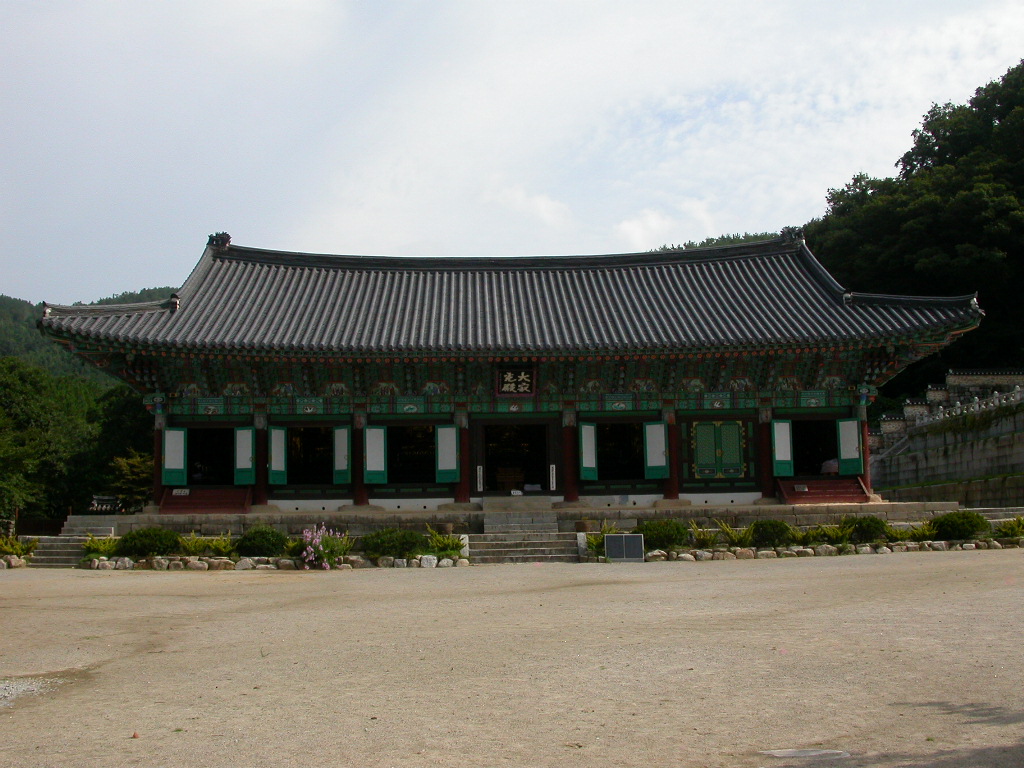
The central attraction at Geumsansa is Mireukjeon, National Treasure No. 62. The English guide by the Korea Tourism Organization introduces Mireukjeon as Korea’s only wooden Buddhist hall in which the entire three-story structure is open as a single interior space. The central Maitreya Bodhisattva statue is 11.82 meters tall, while the Buddhist statues on the left and right are each 8.8 meters tall.
Because the principal Buddha statue in Mireukjeon was completely destroyed in a major fire in March 1935, the Mireukjeon and interior statues seen today should not simply be understood as the original forms from the temple’s founding in 599. When viewing the hall, it is essential to examine not only its tall exterior but also the structure in which all three floors are connected as one interior space.
From National Treasure No. 215’s Five-Story Stone Pagoda to No. 28’s Flagpole Supports
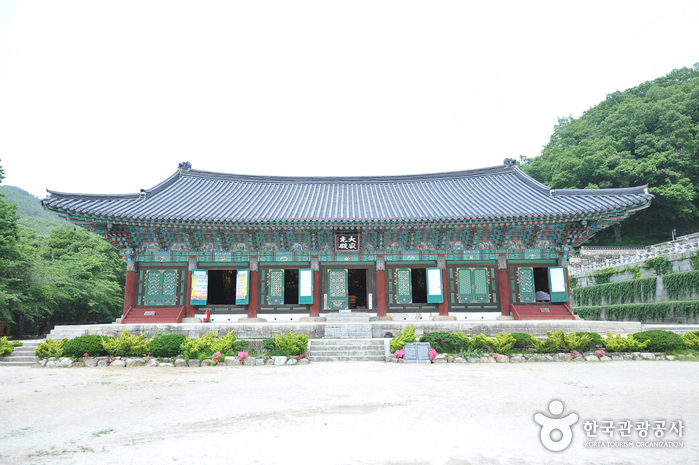
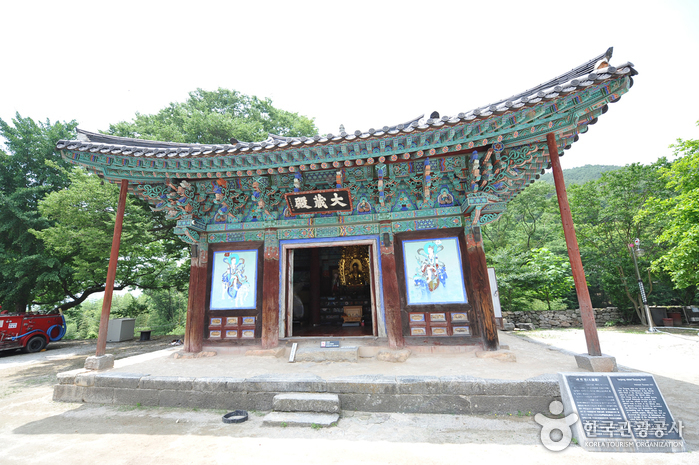
In addition to Mireukjeon, Geumsansa contains Daejangjeon and a collection of stone artifacts. Daejangjeon is Treasure No. 827, the five-story stone pagoda is Treasure No. 215, the hexagonal multi-story stone pagoda is Treasure No. 27, and Seokryeondae is Treasure No. 23.
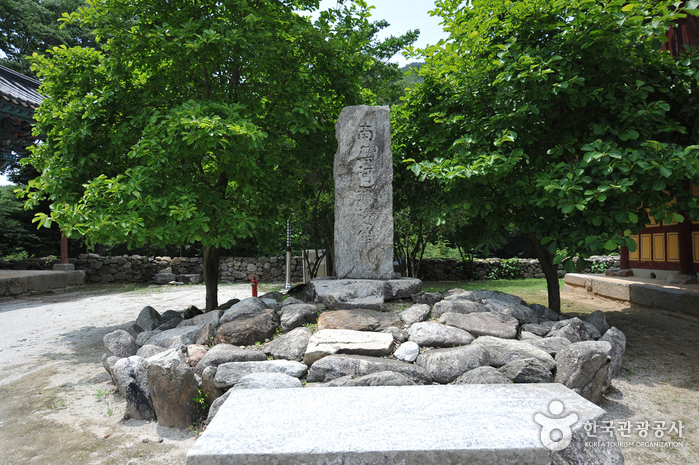
Other artifacts to look for along the route include Seokjong, Treasure No. 26; the flagpole supports, Treasure No. 28; and the stele for the pagoda of Royal Preceptor Hyedeok, Treasure No. 24. Geumsansa currently has 35 buildings, and cultural events are held at the 1,400th Anniversary Hall, built in 1999. Rather than quickly photographing only the halls, it is easier to understand the scale of Geumsansa by viewing Mireukjeon and Daejeokgwangjeon in Daesagu together with the surrounding stone artifacts.
How to Get There on Bus 79 from Jeonju Station and Bus 5 from Gimje Station
If arriving by train, take Bus 79 bound for Geumsansa from the city bus stop at Jeonju Station; the journey takes about one hour. From Jeonju Express Bus Terminal, take the same Bus 79 from the city bus stop outside the terminal; the trip takes about 45 minutes. Since bus intervals and the latest timetable are not provided in the guide, allow plenty of time in case of a long wait.
At Gimje Station, take Bus 5 bound for Geumsansa from the stop across from the police substation; the journey takes about 40 minutes. At Gimje Bus Terminal, take Bus 5 from the stop in front of Geumseok Mart across the street; the trip takes about 50 minutes. The fact that the bus stops are not inside the station but across from the police substation and outside the terminal is an easily missed detail for first-time foreign visitors.
A 5-kilometer Drive from Geumsansa Interchange and a 0.6-Kilometer Walk from the Parking Lot
When using the Honam Expressway by car, exit at Geumsansa Interchange and travel via Wonpyeong to Geumsansa, a distance of about 5 kilometers and approximately 10 minutes. The route from Seogimje Interchange on the West Coast Expressway passes through Gimje and Wonpyeong and takes about 50 minutes over approximately 26 kilometers. The route from Sangwan Interchange on the Suncheon–Wanju Expressway passes through the Jungin-ri Intersection and takes about 40 minutes over approximately 23 kilometers.
Geumsansa has a parking lot. The Korea Tourism Organization’s French-language guide indicates free parking, but reviews checked in 2026 also mention space for about 300 cars and paid parking, so the parking fee information is inconsistent. According to reviews, the distance from the parking lot to Iljumun Gate is about 0.6 kilometers, or approximately 10 minutes on foot. Toilets are available at the parking lot and within the temple grounds, and a mineral spring within the grounds is also mentioned.
Admission Conditions: 06:00–19:00 in Summer and 3,000 Won for Adults
The Korea Tourism Organization’s English guide checked in 2026 lists operating hours of 06:00–19:00 in summer and 06:00–18:00 in winter. Geumsansa’s official guide states that it is open from sunrise to sunset and is open year-round without designated closing days.
The same guide lists admission fees of 3,000 won for adults, 2,000 won for teenagers, and 1,000 won for children. The main contact number is 063-548-4441, and the official website is https://www.geumsansa.org/. Since no confirmed information is available regarding photography restrictions, cash-only payment, English guidance or audio guides, or areas restricted to general visitors, follow the on-site signs when behaving inside Mireukjeon.
A 3.0-Kilometer Moaksan Route and a Geumsansa Temple Stay
According to reviews, the Moaksan Geumsansa route beginning at the parking lot is 3.0 kilometers in total, with a cumulative elevation gain of 120 meters, and takes about 1 hour and 30 minutes for the full round trip. Reviews note that snow on the temple exploration route can freeze in winter, making the descent particularly slippery, so it is safer to prepare different footwear depending on whether you are only touring the temple or adding a mountain hike.
Visitors seeking overnight accommodation can choose a temple stay. According to Gimje City information, the experience program costs 60,000 won per adult for one night and two days, while the independent-rest program costs 50,000 won per adult for one night and two days. Accommodations include twenty rooms for two to three people, four rooms for four people, and two rooms for six people. Programs include exploring temple culture, communal monastic meals, the striking of the temple bell, 108 prostrations, making Buddhist prayer beads, and forest-path meditation. The temple-stay contact number is 063-542-0048. A special program called the “Naebidwo Concert” is announced for the last Saturday of even-numbered months.
Pre-Visit Preparation: Check the Moaksan Moonlight Tea Gathering and Verify the Address
Geumsansa’s official website includes menus for temple information, hall information, Buddhist cultural heritage, and temple stays, and also posts notices about programs utilizing national heritage sites at traditional temples. Announcements for events such as the “Moaksan Moonlight Tea Gathering (July 28)” are posted, so if you plan to participate in a program rather than simply sightsee, it is advisable to read the event date and application requirements first.
The address for Geumsansa listed in tourism and cultural heritage information is 1 Moak 15-gil, Geumsan-myeon, Gimje-si, Jeonbuk Special Self-Governing Province. For a taxi or navigation system, enter 1 Moak 15-gil, Geumsan-myeon, Gimje-si, Jeonbuk Special Self-Governing Province and verify the destination against the main telephone number, 063-548-4441. The accessible range for wheelchairs and strollers, ramps, and accessible toilet information have not been confirmed.
Before You Go
- Address
- 1 Moak 15-gil, Geumsan-myeon, Gimje-si, Jeonbuk Special Self-Governing Province
- Hours
- Korea Tourism Organization guide: summer 06:00–19:00 / winter 06:00–18:00. Geumsansa’s official guide: sunrise to sunset.
- Closed
- No separate closing days according to the Korea Tourism Organization guide; open year-round.
- Admission
- Adults 3,000 won / teenagers 2,000 won / children 1,000 won.
- Phone
- 063-548-4441
- Official site
- https://www.geumsansa.org/
- Transport
- Jeonju Station: Bus 79 to Geumsansa, about 1 hour / Jeonju Express Bus Terminal: Bus 79, about 45 minutes / Gimje Station: Bus 5 to Geumsansa, about 40 minutes / Gimje Bus Terminal: Bus 5, about 50 minutes.
- Parking
- Parking available. The Korea Tourism Organization’s French-language guide indicates free parking, while reviews mention space for about 300 cars and paid parking; reconfirm on site.
- Time needed
- According to reviews, about 1 hour and 30 minutes for the round-trip Geumsansa–Moaksan route starting at the Geumsansa parking lot. A dedicated temple-grounds sightseeing time was not confirmed.
- Accessibility
- Reviews confirm that toilets are available at the parking lot and within the temple grounds, and that there is a mineral spring within the grounds. The wheelchair-accessible range and information about slopes and stairs could not be confirmed in official materials.
The information above is current as of the time of writing. Check the official guide again before visiting.

Places
Nearby Attractions 3
-
 1
1
-
 2
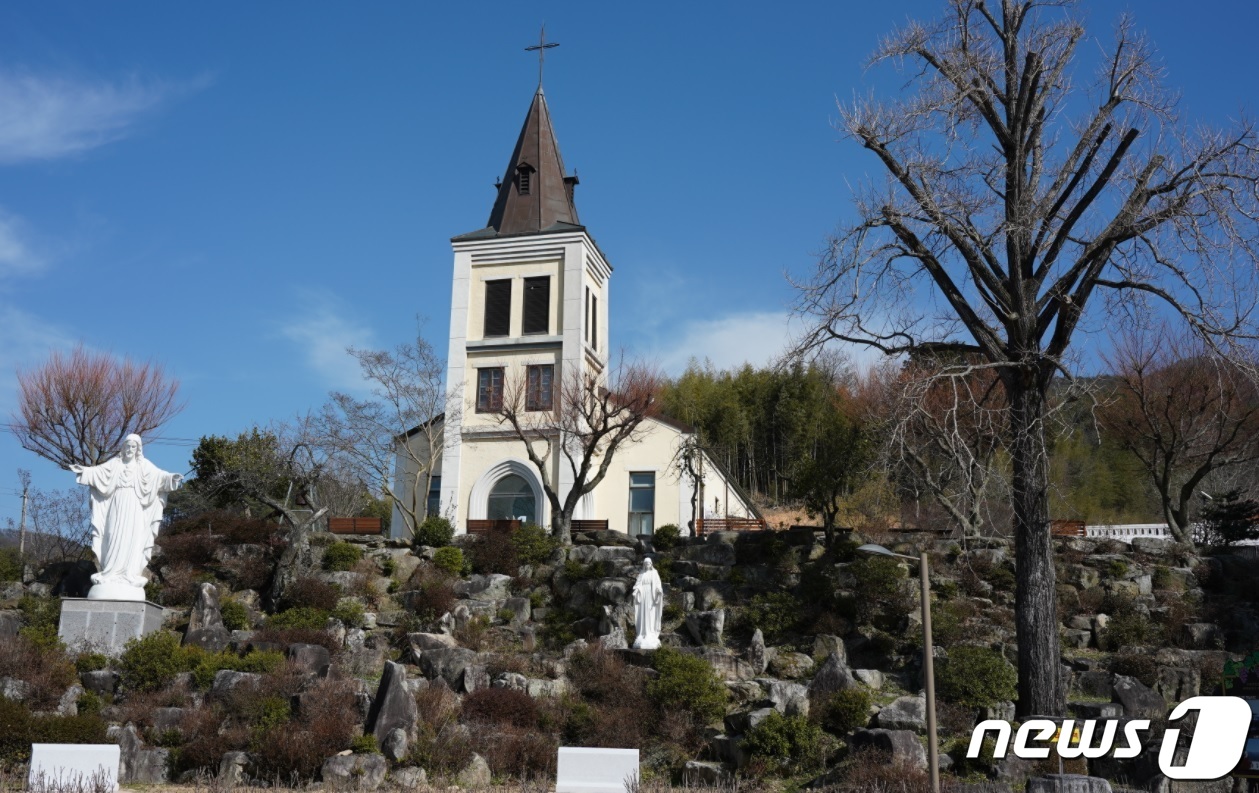
Suryu Catholic ChurchA place to explore a Gothic-style church and sites of Catholic historical significance
2
Suryu Catholic ChurchA place to explore a Gothic-style church and sites of Catholic historical significance -
 3
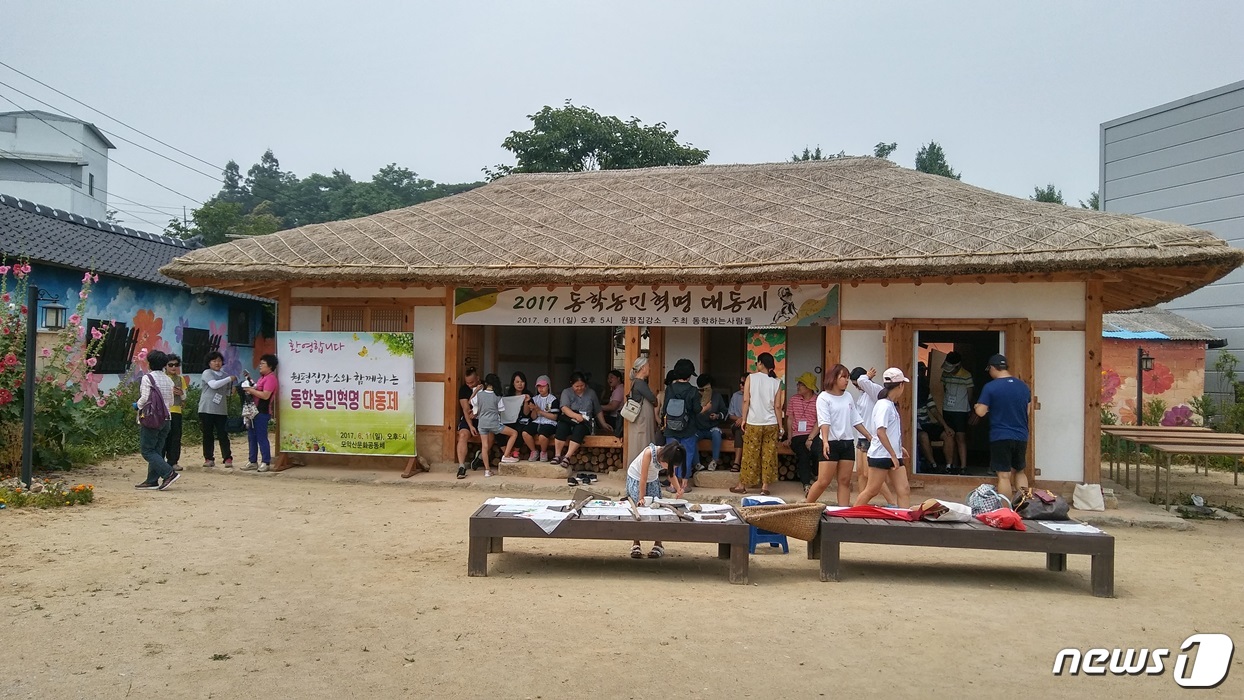
Wonpyeong JipgangsoA place to explore the remains of peasant self-government from the Donghak Peasant Revolution
3
Wonpyeong JipgangsoA place to explore the remains of peasant self-government from the Donghak Peasant Revolution
Food & Dining 2
-
 4
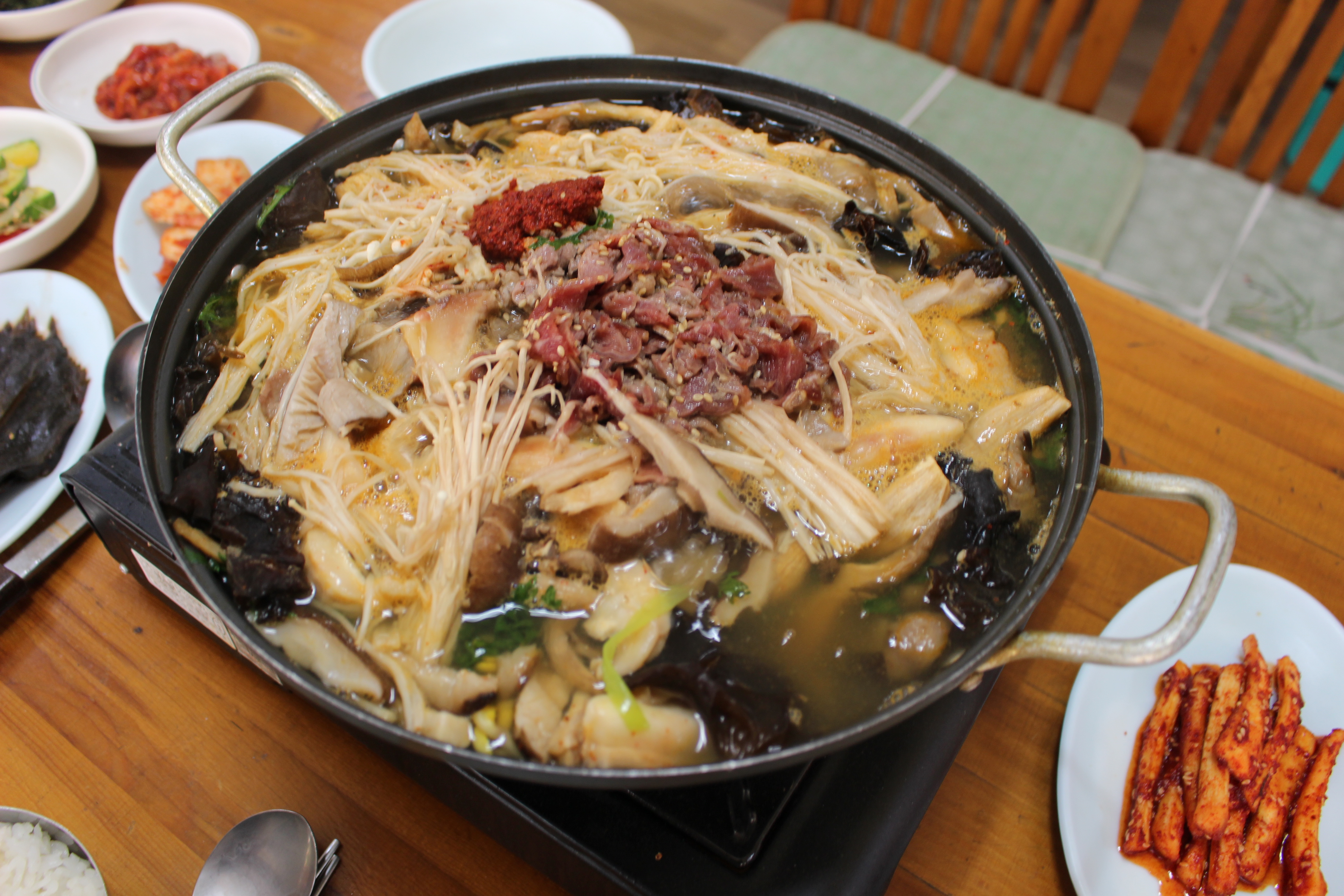
Geumsansa Baekje HoegwanA Korean restaurant serving mushroom hot pot and wild vegetable bibimbap
4
Geumsansa Baekje HoegwanA Korean restaurant serving mushroom hot pot and wild vegetable bibimbap -
 5
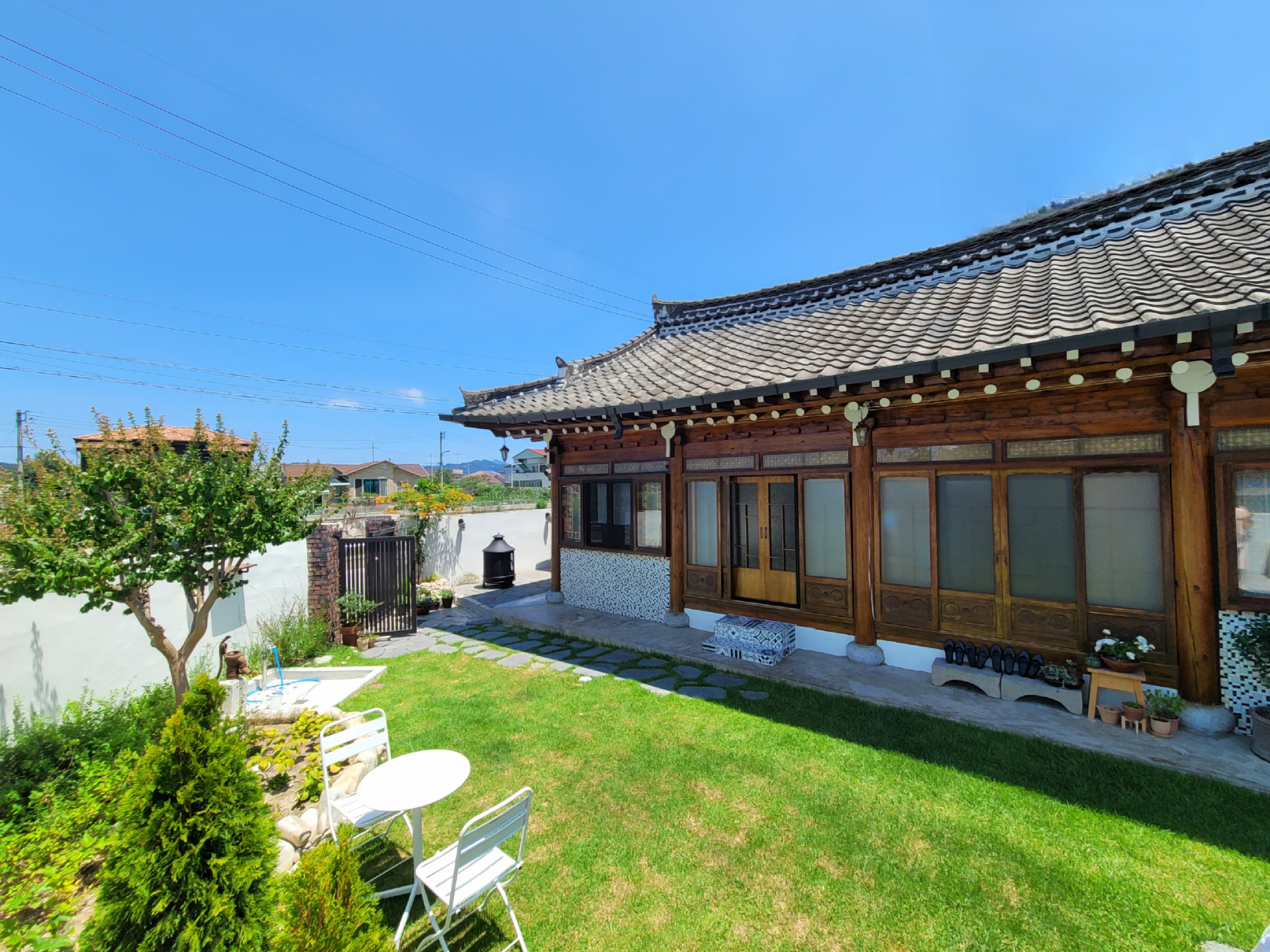
ChonjipA Korean restaurant serving spicy stir-fried octopus and spicy chicken stew with aged kimchi
5
ChonjipA Korean restaurant serving spicy stir-fried octopus and spicy chicken stew with aged kimchi
Events in This Area


Festivals in This Area


More Travel Guides in This Area
 Travel Guide
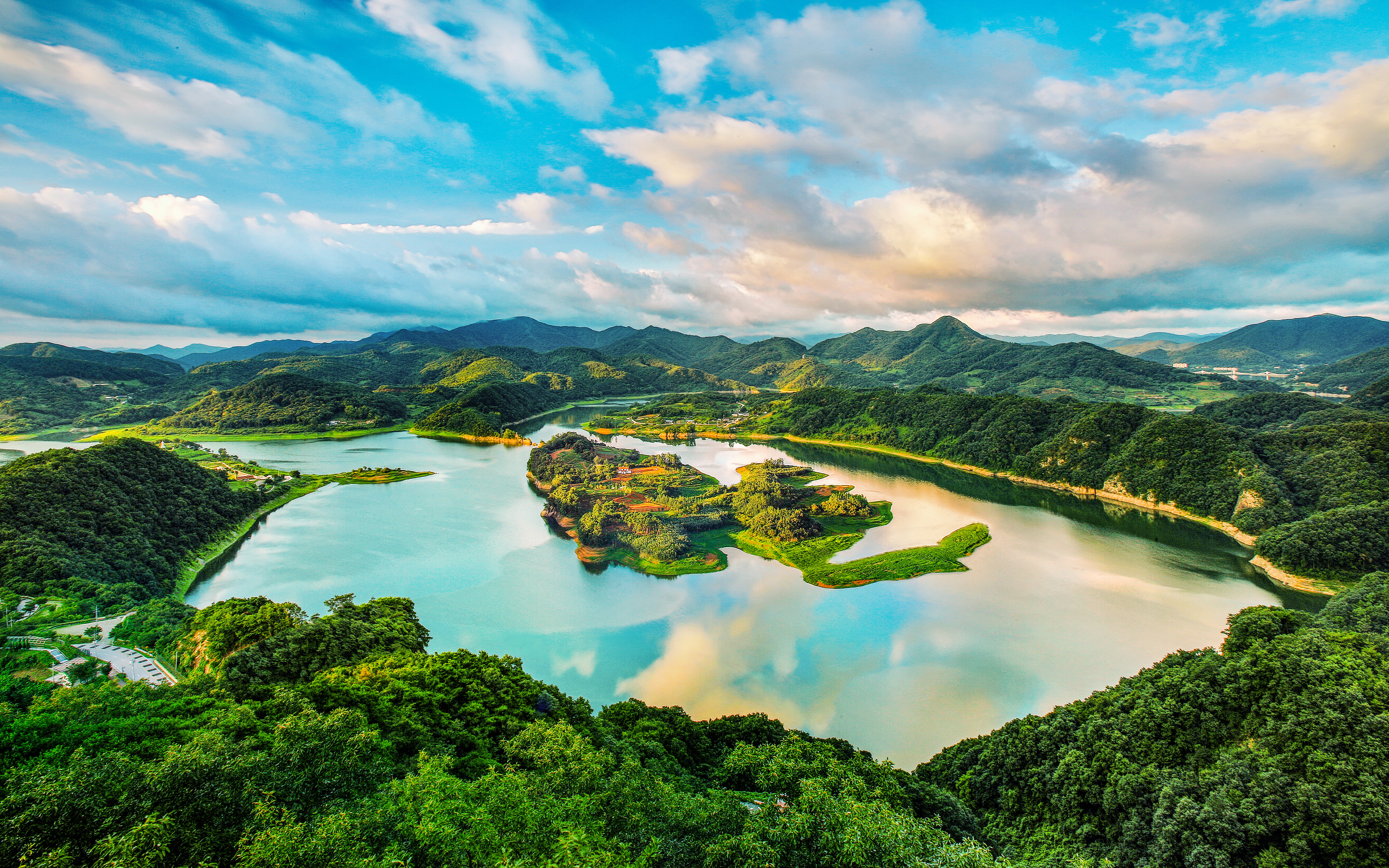
Cross 420 m of Water to Reach Carp Island via Okjeongho Suspension Bridge
 Travel Guide
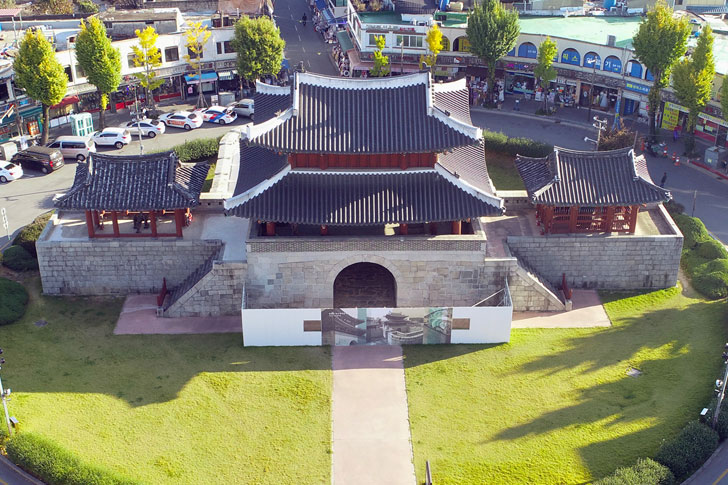
A Timetable for Exploring the 800 Shops of Jeonju Nambu Market by Pungnammun Gate
 Travel Guide
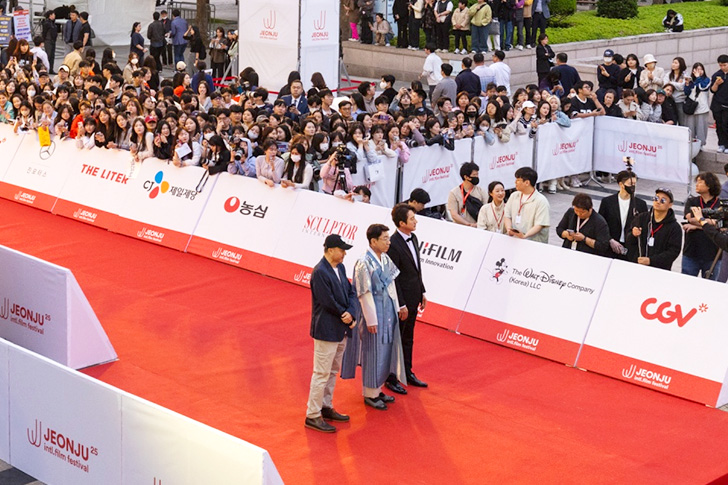
Reading the Past of the Cinema District and the Jeonju International Film Festival Route on Jeonju Movie Street
 Travel Guide
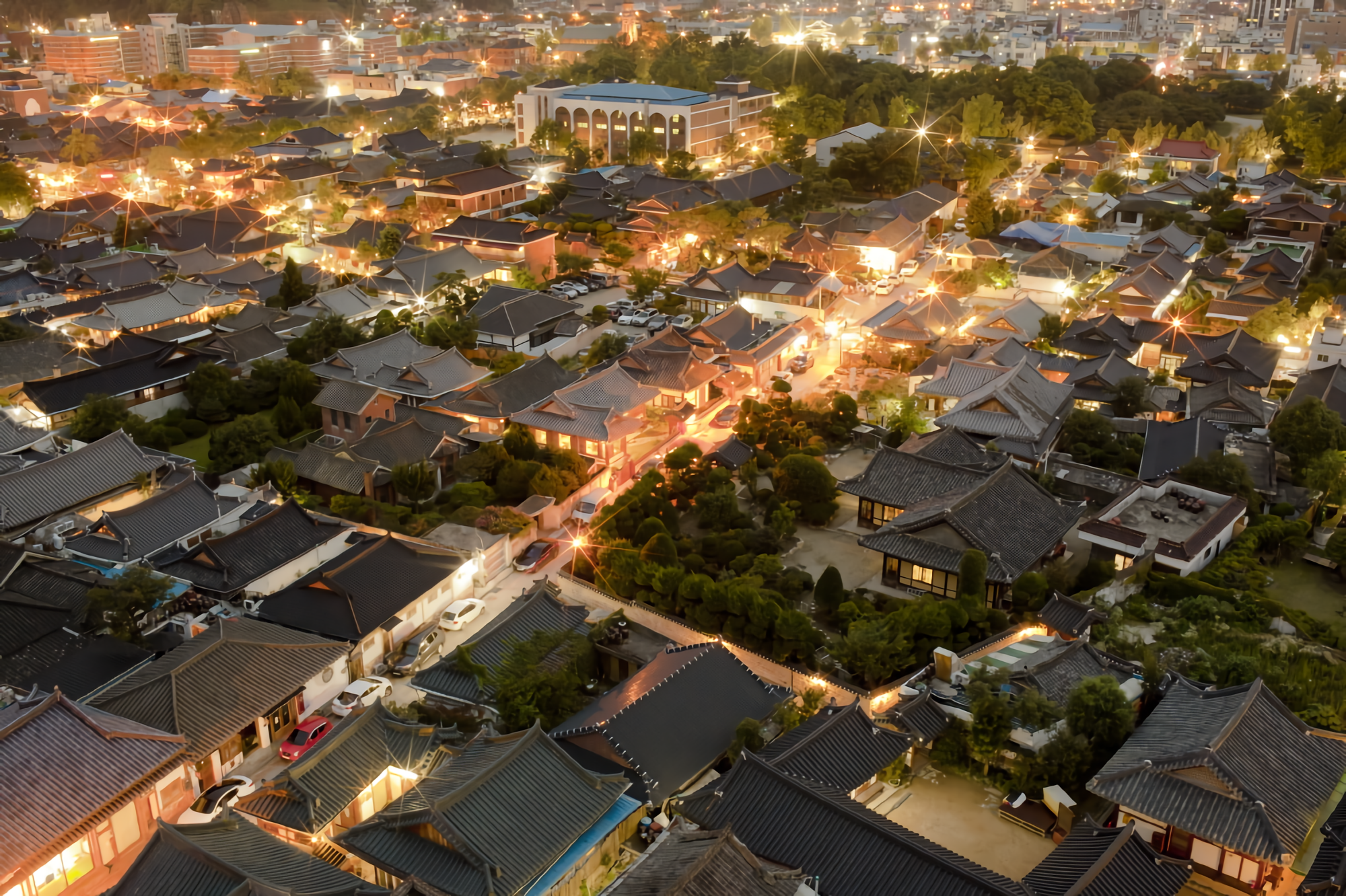
A Day’s Walking Route Through Jeonju Hanok Village, Beneath More Than 700 Roofs
Korea News
 News
News
"Overcoming the Getty curse" Jang Wonyoung, with unreal proportions and beauty straight out of a Barbie doll
 News
News
A2O LITE Tops Melon TOP100 Just 29 Hours After Debut, Setting the Fastest Record for a Debut Song
![Billlie's Tsuki 'Makes an Entrance Showing Off Her Beautiful Figure' [MK Photo]](https://kotourlive-images.s3.ap-northeast-1.amazonaws.com/news/1792027947835_957f0cb8_news_5c0023c5-e9a0-4640-9154-cb0b69d810c4.jpg) News
News
Billlie's Tsuki 'Makes an Entrance Showing Off Her Beautiful Figure' [MK Photo]
![ENHYPEN ‘Fighting for the Macau performance too!’ [★Video]](https://kotourlive-images.s3.ap-northeast-1.amazonaws.com/news/1792027887815_5057637d_news_8041e5cd-8b22-4193-bb46-880c65d944f7.jpg) News
News