What to Know About Poseokjeong Pavilion Site, Silla’s Banquet Venue with Only a 22 m Watercourse Remaining
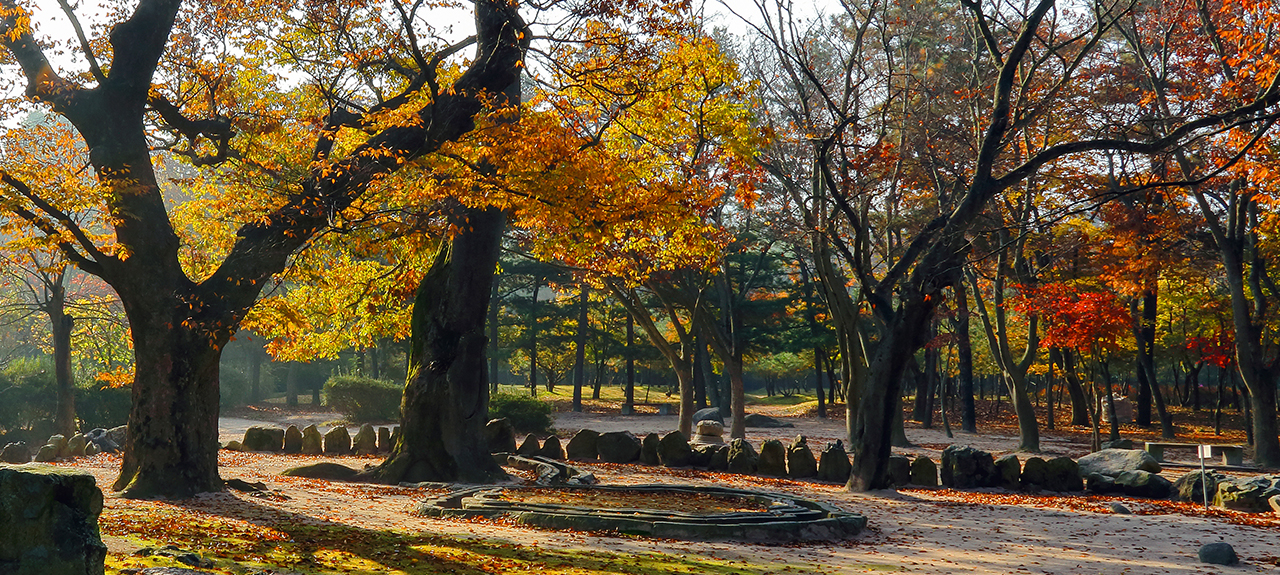
Poseokjeong Pavilion Site was a banquet venue built in a valley on the western side of Namsan Mountain in Gyeongju during the Unified Silla period. Today, the pavilion is gone, leaving only a 22 m-long winding watercourse. It can be reached by Bus 500 from Gyeongju Intercity Bus Terminal. Knowing the seasonal visiting hours and fees, as well as the times when guided explanations are available, makes it easier to plan your route on-site.
I’ve been here?
Your check-in helps the next traveler.
No one has checked in yet Be the first
One tap — no writing needed
Unified Silla Waterway Remaining in the Western Valley of Gyeongju Namsan
The official name of Poseokjeong Site is Gyeongju Poseokjeong Site (慶州 鮑石亭址), and it is a historic site from the Unified Silla period. It was a Silla-period banquet venue built in the western valley of Gyeongju Namsan, and its construction is believed to date to 875–886, during the reign of King Heongang, the 49th king of Silla.
This site was designated as a historic site on January 21, 1963, and covers an area of 5,234㎡. Gyeongju City is listed as the administrator, while the owners are listed as Gyeongju City and others. The address is 454-3, Bae-dong, Gyeongju-si, Gyeongsangbuk-do.
Why “Poseokjeong”? The Abalone Shape and Yusanggoksuyeon
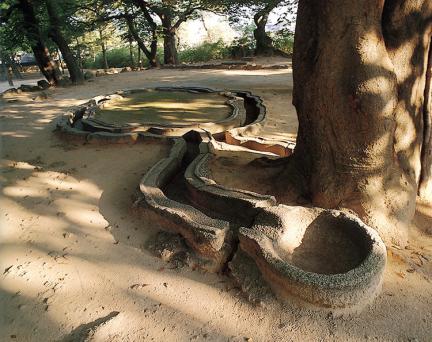
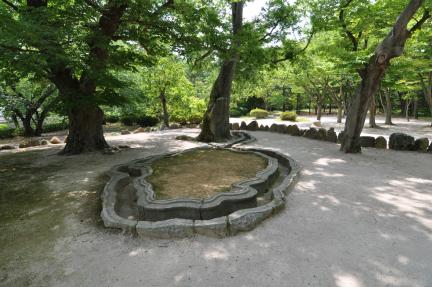
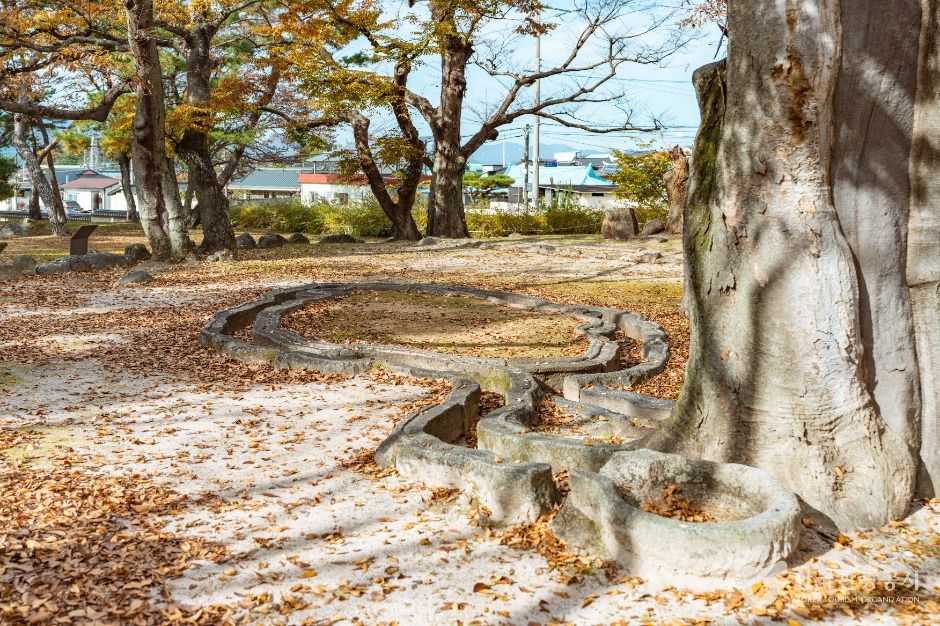
Gyeongju City explains that the name Poseokjeong originated from the use of the Chinese character for abalone, po (鮑), because the shape of the waterway resembles an abalone. Today, the pavilion building no longer remains at the site; only the waterway where people once enjoyed poetry and refined gatherings survives.
Poseokjeong is described as having been modeled after the Chinese tradition of yusanggoksuyeon. This banquet involved floating wine cups on the water and composing poems while waiting for a cup to arrive in front of each participant; those who failed to compose a poem reportedly had to drink three cups of wine as a penalty. Although similar gatherings existed in China and Japan, Poseokjeong in Gyeongju is introduced as the only place where traces remain today.
The 22 m Waterway and the Missing Stone Tortoise to See On Site
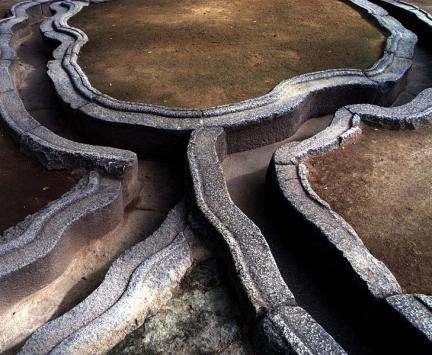
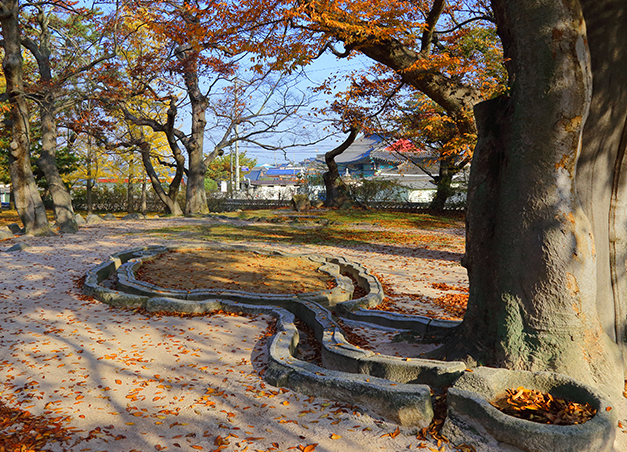
The waterway at Poseokjeong is 22 m long, with a total elevation difference of 5.9㎝. Because of its winding, curved structure, the water does not flow straight in only one direction but forms a swirling current.
The time required for a cup to travel is said to vary depending on the amount of water, the shape of the floating cup, and the amount of wine in it. A stone tortoise ornament that is said to have received and discharged water flowing down from the mountain behind the site is now gone, but a recessed circular stone structure that collected the water remains. Visitors should therefore understand this as a place to view a preserved outdoor stone watercourse and surrounding historic remains, rather than a restored banquet scene.
Traveling by Bus 500 from Gyeongju Intercity Bus Terminal
Travelers visiting Gyeongju for the first time can use Gyeongju Intercity Bus Terminal as their starting point. Gyeongju tourism information recommends taking Bus 500 from the terminal, getting off at Poseokjeong Bus Stop, and walking approximately five minutes to Poseokjeong.
Bus 500 is introduced as a route connecting Gyeongju Intercity Bus Terminal with Hwangnidan-gil, Hwangnam Market, Oreung, Poseokjeong, Baedong Samneung and Samneung Forest, and Yongjang-ri. However, the current service interval, first and last bus times, exact stop number, and inbound or outbound direction at Poseokjeong Bus Stop have not been confirmed, so it is safer not to assume that buses will arrive frequently.
Seasonal Visiting Hours and Fees from 09:00
According to Gyeongju City information, visiting hours are 09:00–18:00 from March through October and 09:00–17:00 from November through February. The site is listed as open year-round. Admission is 2,000 won for adults, 1,000 won for youths and military personnel, and 500 won for children.
The inquiry telephone number is 054-750-8612, and the official tourism website is https://gyeongju.go.kr/tour/. There is a dedicated parking lot, but it is paid, and specific parking fees were not provided in the information materials. Since the recommended visiting duration and wheelchair and stroller accessibility have not been confirmed, it is best to allow some flexibility between a short visit focused only on the waterway and an itinerary that also includes the visitor center.
How to Use the Guide Service and Visitor Center from 09:30–17:00
The working hours for the cultural tourism guide at Poseokjeong Site are listed as 09:30–17:00. Visitors arriving during this time may be able to receive an on-site explanation of the waterway’s structure and the meaning of yusanggoksuyeon, but the format of the tour and availability of foreign-language interpretation have not been confirmed.
The Poseokjeong Site Visitor Center at the entrance is listed as an operating facility, showing models and videos that help visitors understand Poseokjeong. A simple rest area and restrooms are also listed, along with safety facilities and supplies including safety insurance, first-aid medicine, fire extinguishers, fire hydrants, fire detectors, and sprinklers. The availability of English information and audio guides, whether payment is cash-only, photography restrictions, and restricted-access areas have not been confirmed.
Early-November Autumn Foliage and the 50-Minute Poseok Valley Course
Gyeongju tourism information identifies early November as the peak season for autumn foliage at Poseokjeong Site. Since the area is introduced as a popular photography destination in autumn, this is a suitable time for travelers who want to see both the stone structure of the waterway and the seasonal scenery on the western foothills of Namsan.
If you would like to walk farther, an itinerary from the Poseokjeong parking lot through the Poseok Valley course to Geumojong takes approximately 50 minutes. For visitors who only want a brief look at Poseokjeong Site, the hiking course may be an additional burden; for those planning a Namsan walk, it is a starting point from which to create an itinerary together with Baedong Samneung, connected by Bus 500.
Before You Go
- Address
- 454-3, Bae-dong, Gyeongju-si, Gyeongsangbuk-do
- Hours
- March–October 09:00–18:00 / November–February 09:00–17:00
- Closed
- Open year-round
- Admission
- Adults 2,000 won / Youths and military personnel 1,000 won / Children 500 won
- Phone
- 054-750-8612
- Official site
- https://gyeongju.go.kr/tour/
- Transport
- Take Bus 500 from Gyeongju Intercity Bus Terminal → Get off at Poseokjeong Bus Stop → Walk approximately five minutes to Poseokjeong
- Parking
- Dedicated parking lot, paid
The information above is current as of the time of writing. Check the official information again before visiting.

Places
Nearby Attractions 3
-
 1
Tomb of King Jima of GyeongjuA historic site featuring the tomb of King Jima, the sixth king of Silla
1
Tomb of King Jima of GyeongjuA historic site featuring the tomb of King Jima, the sixth king of Silla -
 2
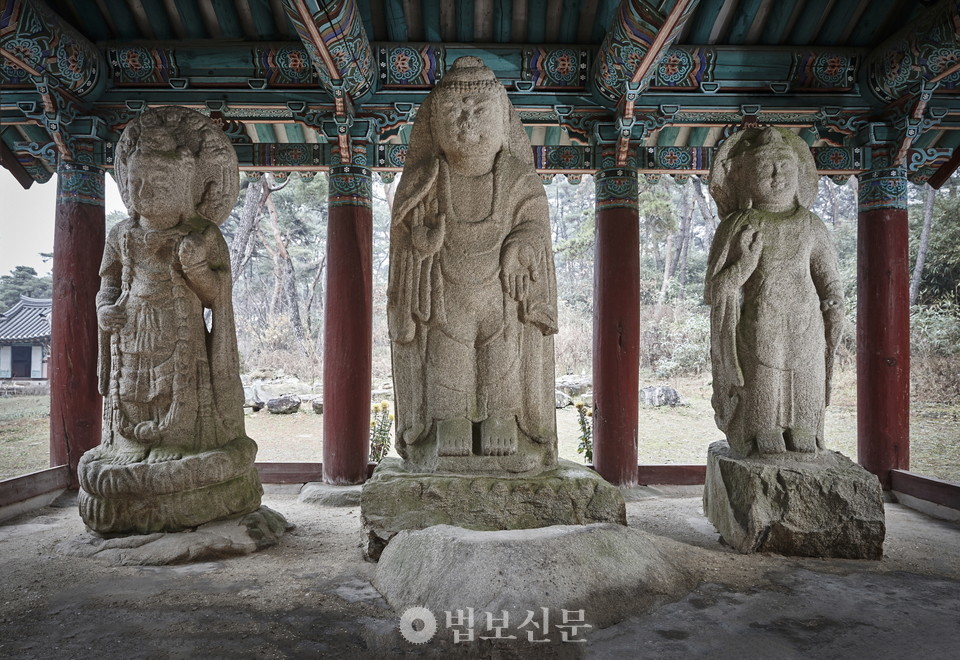
Standing Stone Buddhas at Baedong, GyeongjuA site where you can view three stone Buddhist statues from the Three Kingdoms period.
2
Standing Stone Buddhas at Baedong, GyeongjuA site where you can view three stone Buddhist statues from the Three Kingdoms period. -
 3
3
Food & Dining 3
-
 4
4
-
 5
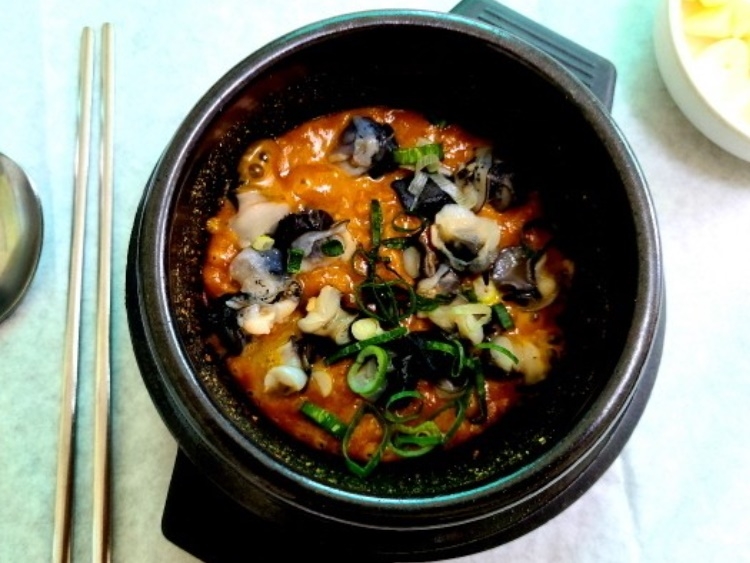
Ureong Gaksi SsambapA restaurant serving ssambap with freshwater snail doenjang stew and leafy greens for wrapping.
5
Ureong Gaksi SsambapA restaurant serving ssambap with freshwater snail doenjang stew and leafy greens for wrapping. -
 6
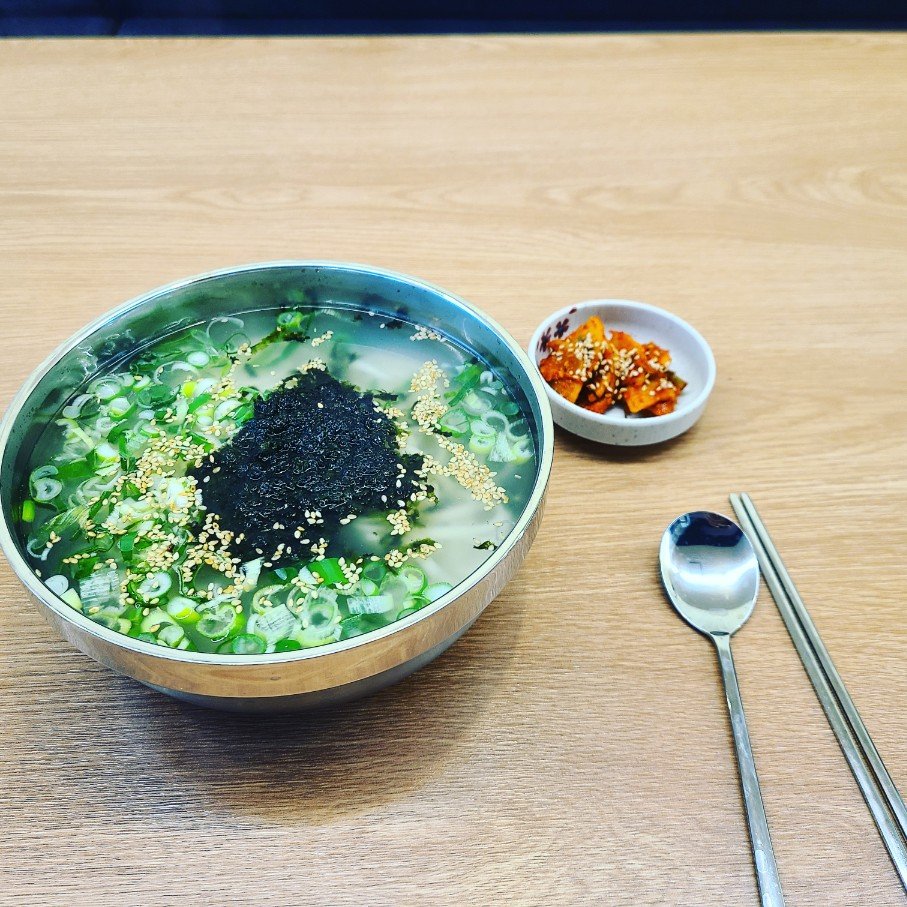
Geumosan KalguksuA restaurant serving kalguksu (hand-cut noodle soup), kongguksu (noodles in cold soybean broth), and potato pancakes.
6
Geumosan KalguksuA restaurant serving kalguksu (hand-cut noodle soup), kongguksu (noodles in cold soybean broth), and potato pancakes.
Events in This Area
Festivals in This Area

More Travel Guides in This Area
 Travel Guide
Reading a Millennium of Silla History in One Place: Gyeongju National Museum
 Travel Guide
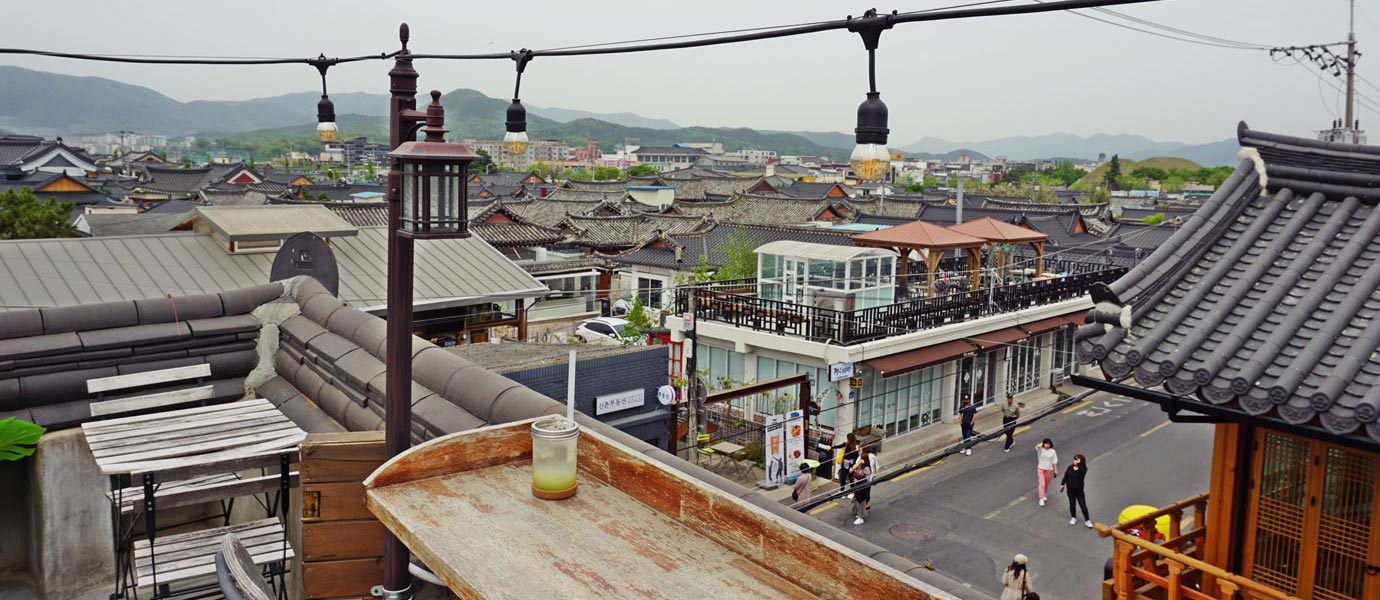
Why the Hanok Alley Beside Daereungwon’s Stone Wall Became Hwangnidan-gil
 Travel Guide
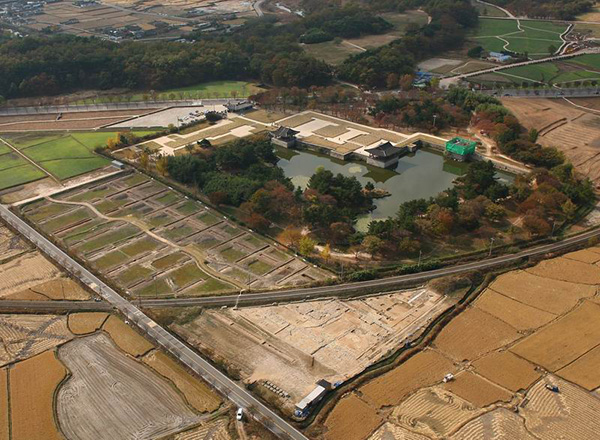
Wolji, Created in 674: A Night at the Illuminated Silla Royal Palace
 Travel Guide
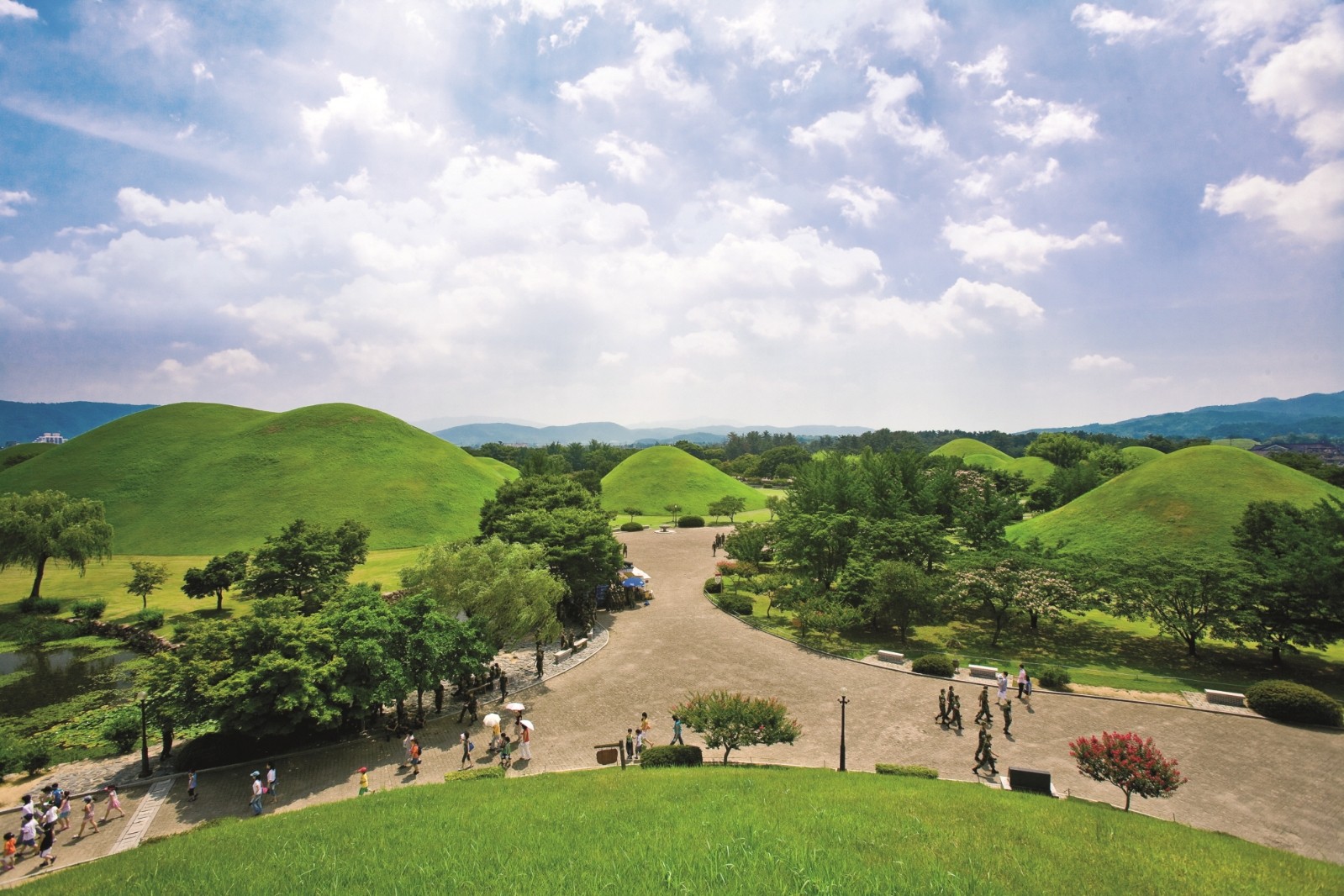
Walking Among 23 Silla Tombs in Gyeongju Daereungwon to Cheonmachong
Korea News
![BLACKPINK’s Lisa Dominates the VMA Red Carpet in a Sheer Corset Dress and Red Fur [Star Issue]](https://kotourlive-images.s3.ap-northeast-1.amazonaws.com/news/1790557894714_010e956a_news_94409db1-fab6-40bf-bc7b-4b985b1fbac7.jpg) News
News
BLACKPINK’s Lisa Dominates the VMA Red Carpet in a Sheer Corset Dress and Red Fur [Star Issue]
![BLACKPINK’s Jisoo Spotted by Surprise with BIGBANG in London… Their Special Loyalty as Labelmates [IS High Cut]](https://kotourlive-images.s3.ap-northeast-1.amazonaws.com/news/1790557854683_6ea979f5_news_caab62e5-8462-43c8-8622-da794f3df9de.png) News
News
BLACKPINK’s Jisoo Spotted by Surprise with BIGBANG in London… Their Special Loyalty as Labelmates [IS High Cut]
 News
News
Tattoos All Over Her Body… AOA’s Jimin Draws Shocked Attention After Kwon Mina’s ‘Bullying’ Allegations
![You’ll Have to Look Twice… Choi Min-a-soo Perfectly Pulls Off Everything from a Daring Illusion Dress at the Awards Ceremony to Long Braided Hair [RE:STAR]](https://kotourlive-images.s3.ap-northeast-1.amazonaws.com/news/1790492384850_1f293dad_news_d834c50e-0685-43ef-9aa5-6995cd6d8848.jpg) News
News