How to Walk in the Footsteps of Bunhwangsa Temple and the Silla Capital
Founded in 634 during the reign of Queen Seondeok, Bunhwangsa Temple is a Silla-era temple where the National Treasure Stone Pagoda, Bogwangjeon Hall, and Samnyongbyeoneojeong Well remain. This guide provides practical route-planning information for first-time international visitors, including free admission, Bus No. 10, and free parking.
I’ve been here?
Your check-in helps the next traveler.
No one has checked in yet Be the first
One tap — no writing needed
A temple built beside the Hwangnyongsa Temple site during the reign of Queen Seondeok in 634
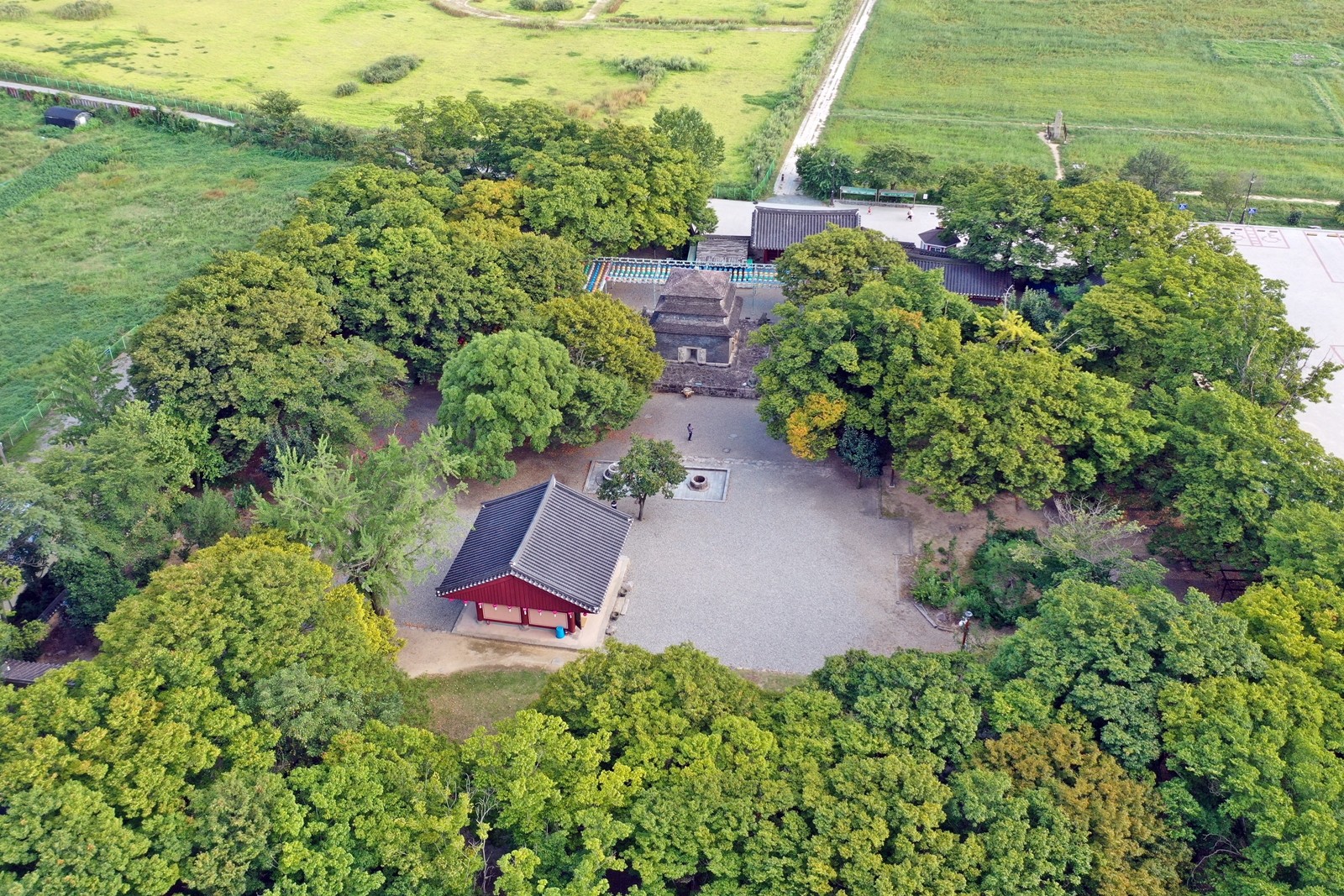
Bunhwangsa Temple is a Buddhist temple founded in 634, the third year of Queen Seondeok’s reign. It is located next to the Hwangnyongsa Temple site and is classified as a branch temple of Bulguksa Temple, the headquarters of the 11th district of the Jogye Order of Korean Buddhism. It is a place where visitors can explore the Hwangnyongsa Temple site together with other Buddhist heritage sites in the Hwangnyongsa Historic Area, where Silla’s royal-capital Buddhist remains are concentrated.
Although traces of the eminent monks Jajang and Wonhyo remain at the temple, its current appearance differs from the large-scale temple complex of its founding period. Most of the buildings disappeared during the Mongol invasions in the Goryeo period and the Imjin War in the Joseon period. Bogwangjeon Hall, rebuilt in 1609 during the first year of King Gwanghaegun’s reign, and a gilt-bronze standing statue of Bhaisajyaguru Buddha remain on the temple grounds.
Find the four lions first at the National Treasure brick-shaped stone pagoda
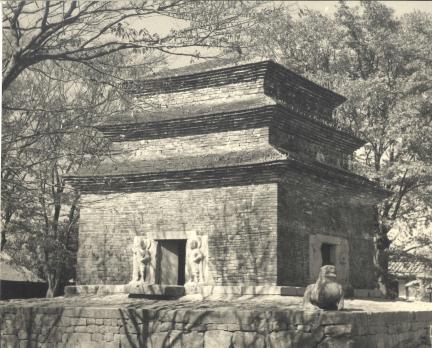
The key artifact at Bunhwangsa Temple is the National Treasure brick-shaped stone pagoda at Bunhwangsa Temple in Gyeongju. It was designated on December 20, 1962, and consists of one structure. It is described as the oldest masterpiece among the surviving Silla stone pagodas. Unlike typical stone pagodas, it is a brick-shaped stone pagoda built by trimming stones into brick-like forms and stacking them.
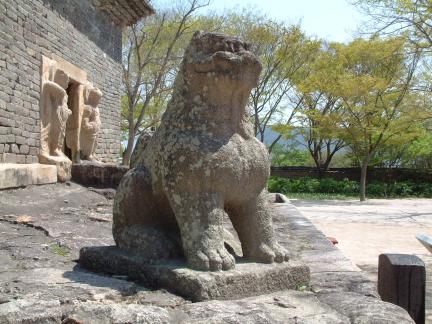
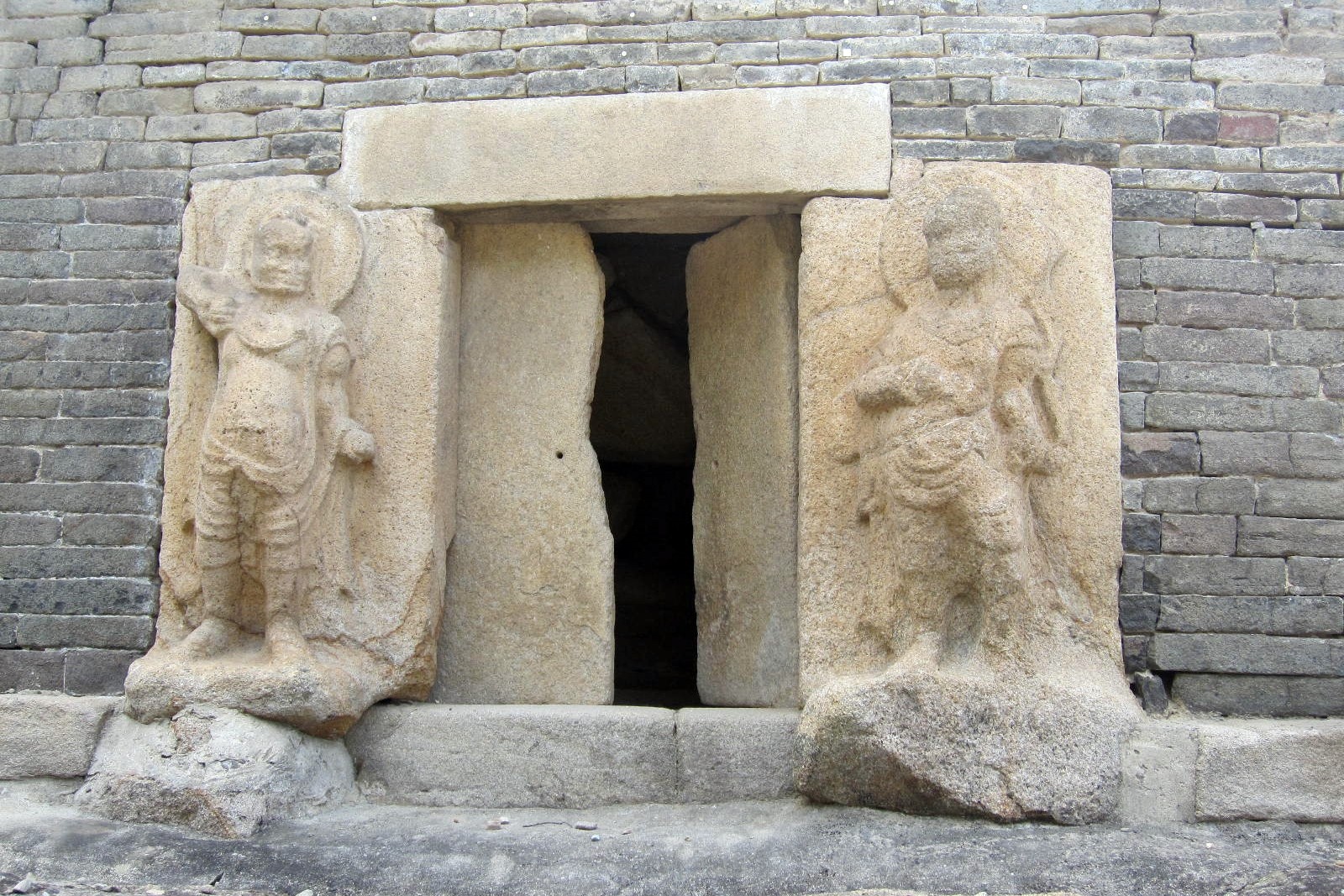
The pagoda consists of a three-story body set on a wide, one-tiered platform. A granite lion statue stands at each corner of the platform, while the pagoda body is built from small pieces of dark gray-black andesite cut into brick-like shapes. Each side of the first-story body has a door and guardian-warrior statues. Stair-like tiers remain above and below the roof stones, and a granite lotus ornament is preserved above the roof stone of the third story.
The present three stories left after records of nine stories and the 1915 repair
The brick-shaped stone pagoda is presumed to have been built in 634, the third year of Queen Seondeok’s reign, together with the founding of Bunhwangsa Temple. Records state that it originally had nine stories, but only three remain today. Visitors therefore see a three-story stone pagoda on a low, broad platform rather than a restored nine-story pagoda.
The pagoda has retained its current appearance since it was repaired by the Japanese in 1915. Many artifacts, including a reliquary and beads, were discovered inside the pagoda at that time. The guardian-warrior carvings are regarded as materials for studying seventh-century Silla sculptural styles. When viewing the pagoda up close, it is easier to understand it by looking in order at the enormous body of the first story, the doors on its four sides, and the poses of the guardian warriors rather than focusing first on its height.
A route that does not miss Bogwangjeon Hall, the Samnyongbyeoneojeong Well, and the Monument Base for State Preceptor Hwa-jaeng
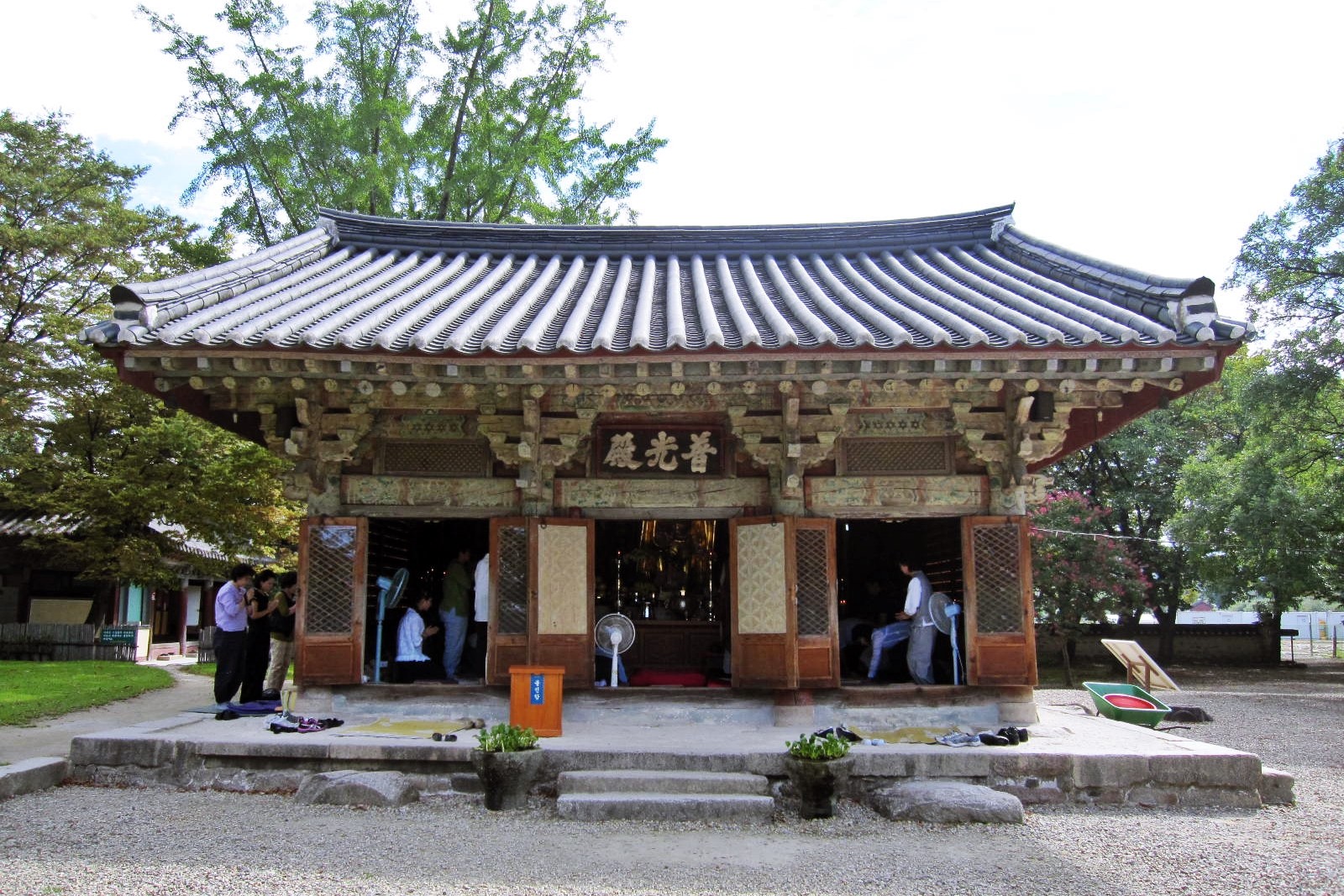
Bogwangjeon Hall, rebuilt in 1609 during the first year of King Gwanghaegun’s reign, remains within the temple grounds. The Yaksa Hall, the standing statue of Bhaisajyaguru Buddha, stone lanterns, and stone platforms are also listed among the heritage features, so it is best not to turn back after seeing only the brick-shaped stone pagoda. The Monument Base for State Preceptor Hwa-jaeng, where a stele for the eminent monk Wonhyo once stood, and the Guhwang-dong flagpole supports can also be seen within the grounds.
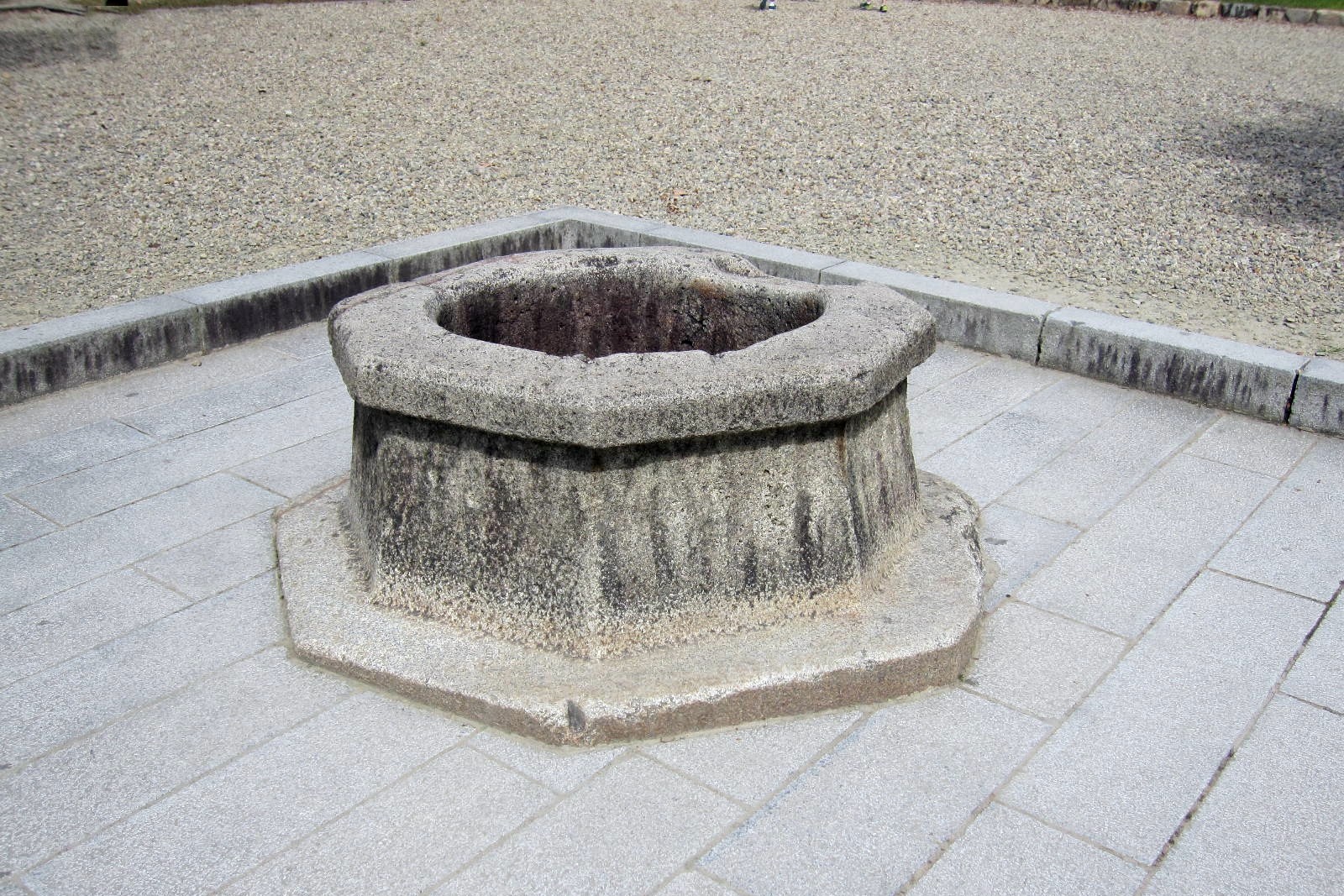
The stone well known as the Samnyongbyeoneojeong Well is associated with the legend of Silla’s guardian dragons. According to the legend, three guardian dragons lived in this well, and 14 stone Buddha statues were excavated here in 1965. The stone well is not merely a well site; it also shows Silla’s protective religious beliefs and the records of archaeological excavation.
Take Bus 10 from central Gyeongju to the Bunhwangsa stop
The bus route recommended by Gyeongju’s official tourism information is to take Bus 10 and get off at the Bunhwangsa stop. The stop is called Bunhwangsa, and its stop ID is 01-158. The walk from the stop to the destination is approximately two minutes.
Travelers visiting Gyeongju for the first time should compare the stop name and ID after getting off the bus. Since the bus stop itself, rather than a station name or exit number, is the reference point, the most suitable route is to check the direction of Bus 10 from central Gyeongju or another tourist attraction before boarding.
Plan your visit around free admission and the seasonal 5 p.m. closing time
Bunhwangsa Temple is open year-round, and admission is free. The official website lists visiting hours as 09:00–17:30, with closing at 17:00 in winter. The Korea Tourism Organization’s accessible tourism information divides the seasons into summer, April–October, from 09:00–17:30, and winter, November–March, from 09:00–17:00.
The Korea Tourism Organization lists the average length of stay as approximately one hour. If you plan to see the pagoda, Bogwangjeon Hall, the stone well, and other heritage features within the grounds, it is better to arrive during the daytime rather than close to closing. Since no separate last-admission time is listed, it is safest to plan as though 17:00 or 17:30 is the final admission time.
Accessibility to know when walking around the 28,703-square-meter temple site
The Bunhwangsa Temple site is recorded as covering 28,703 square meters. Since the entire site is not a single indoor exhibition hall, visitors move between outdoor heritage features such as the brick-shaped stone pagoda, Bogwangjeon Hall, and the stone well over dirt and stone sections. The route to the main entrance is level, but guidance indicates that dirt and stone sections are present, so caution is needed with small-wheeled travel bags and strollers.
Seven accessible parking spaces and an accessible restroom are available. However, the statement that the site is level does not mean that every surface within the grounds is paved, so wheelchair users should take the dirt and stone sections into account. Information about foreign-language guidance, audio guides, photography restrictions, and restricted-access areas was not found in the available materials.
Prepare before departure with free parking and official contact information
Visitors arriving by car can use the Bunhwangsa Temple parking lot, where parking is free. The total number of spaces for regular vehicles and detailed operating information are not provided, but there are seven accessible parking spaces. The address is 94-11 Bunhwang-ro, Gyeongju-si, Gyeongsangbuk-do (Guhwang-dong), and the parcel-based address is 312 Guhwang-dong, Gyeongju-si.
If you want to ask about operating hours or conditions on site before departure, you can call 054-742-9922. The official Bunhwangsa Temple website also lists 054-742-9937, and its official website address is http://www.bunhwangsa.org. The Hwangnyongsa History and Culture Center is nearby, making it convenient to combine the Hwangnyongsa Temple site and Bunhwangsa Temple in one itinerary.
Before You Go
- Address
- 94-11 Bunhwang-ro, Gyeongju-si, Gyeongsangbuk-do (Guhwang-dong), parcel address: 312 Guhwang-dong, Gyeongju-si
- Hours
- According to the official website: 09:00–17:30, until 17:00 in winter. According to the Korea Tourism Organization’s accessible tourism information: summer, April–October, 09:00–17:30 / winter, November–March, 09:00–17:00
- Closed
- Open year-round
- Admission
- Free
- Phone
- 054-742-9922; 054-742-9937 is also listed on the official website
- Official site
- http://www.bunhwangsa.org
- Transport
- According to Gyeongju’s official tourism information: take Bus 10 → get off at the Bunhwangsa stop (stop ID 01-158) → approximately a two-minute walk to Bunhwangsa Temple
- Parking
- Bunhwangsa Temple parking lot, free. Seven accessible parking spaces
- Time needed
- Approximately one hour on average, according to the Korea Tourism Organization
- Accessibility
- Level access to the entrance, but dirt and stone sections are present; seven accessible parking spaces; accessible restroom available
The information above is current as of the time of writing. Check the official guidance again before visiting.

Places
Nearby Attractions 3
-
 1
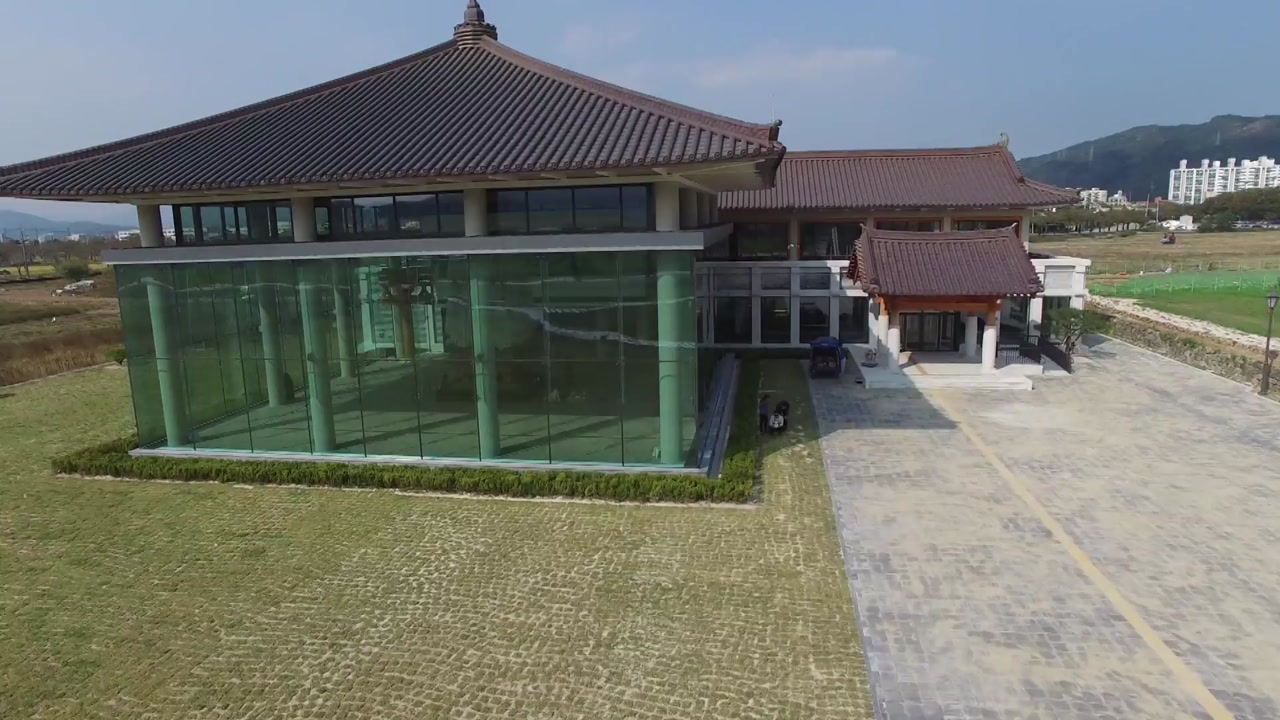
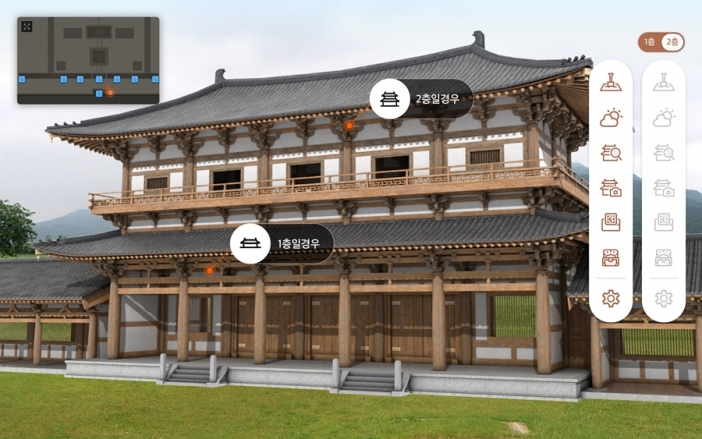
Hwangnyongsa History and Culture CenterAn exhibition hall showcasing artifacts excavated from Hwangnyongsa and a model of the nine-story wooden pagoda
1
Hwangnyongsa History and Culture CenterAn exhibition hall showcasing artifacts excavated from Hwangnyongsa and a model of the nine-story wooden pagoda -
 2
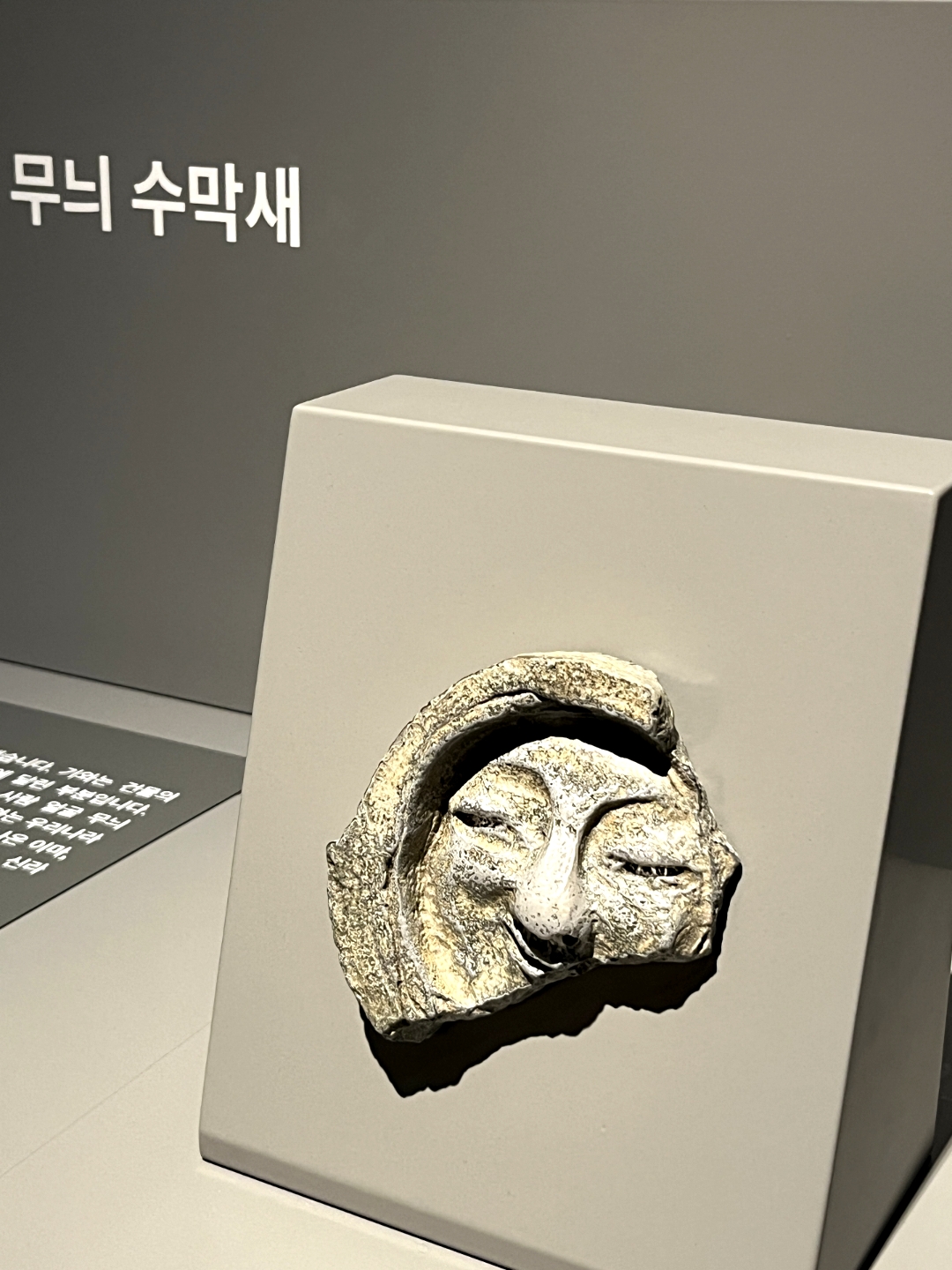
Hwangnyongsa Temple SiteA historic site where you can explore the remains of the former Hwangnyongsa Temple and the site of its nine-story wooden pagoda.
2
Hwangnyongsa Temple SiteA historic site where you can explore the remains of the former Hwangnyongsa Temple and the site of its nine-story wooden pagoda. -
 3
3
Food & Dining 1
-
 4
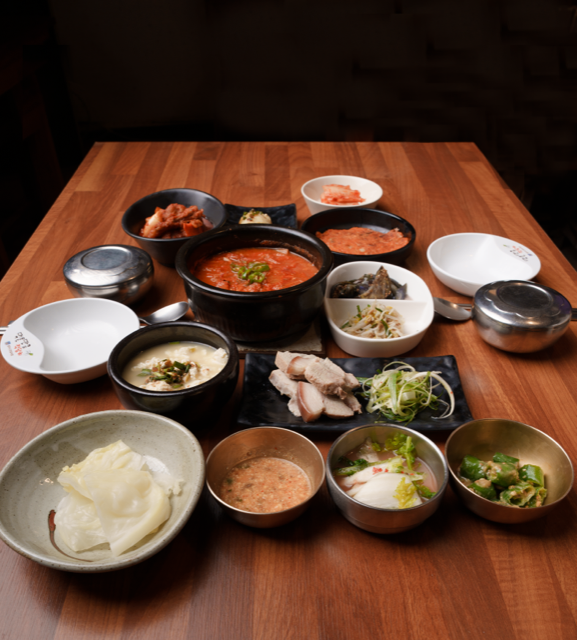
Dosol MaeulA restaurant serving traditional Korean set meals, including braised fish and doenjang stew.
4
Dosol MaeulA restaurant serving traditional Korean set meals, including braised fish and doenjang stew.
Events in This Area
Festivals in This Area
More Travel Guides in This Area
 Travel Guide
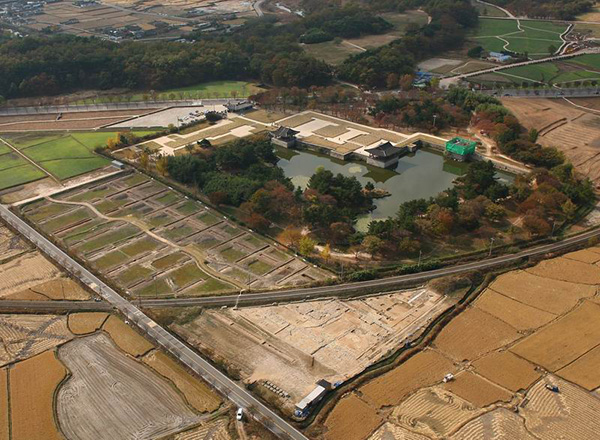
Wolji, Created in 674: A Night at the Illuminated Silla Royal Palace
 Travel Guide
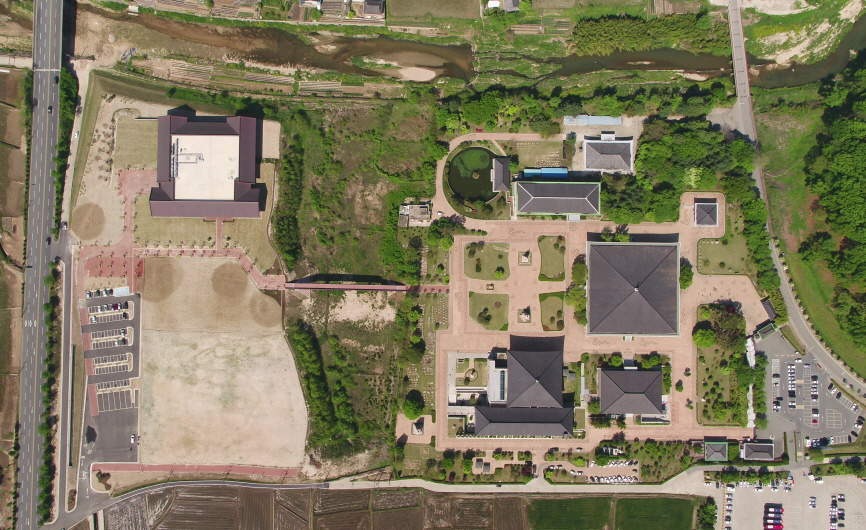
Reading a Millennium of Silla History in One Place: Gyeongju National Museum
 Travel Guide
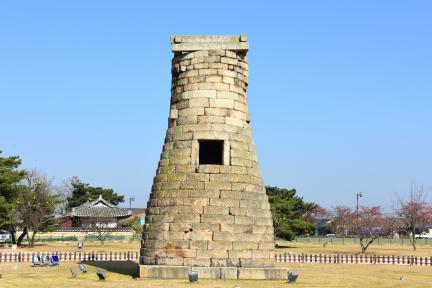
The Silla Sky Left by 27 Stone Tiers: Cheomseongdae in Gyeongju
 Travel Guide
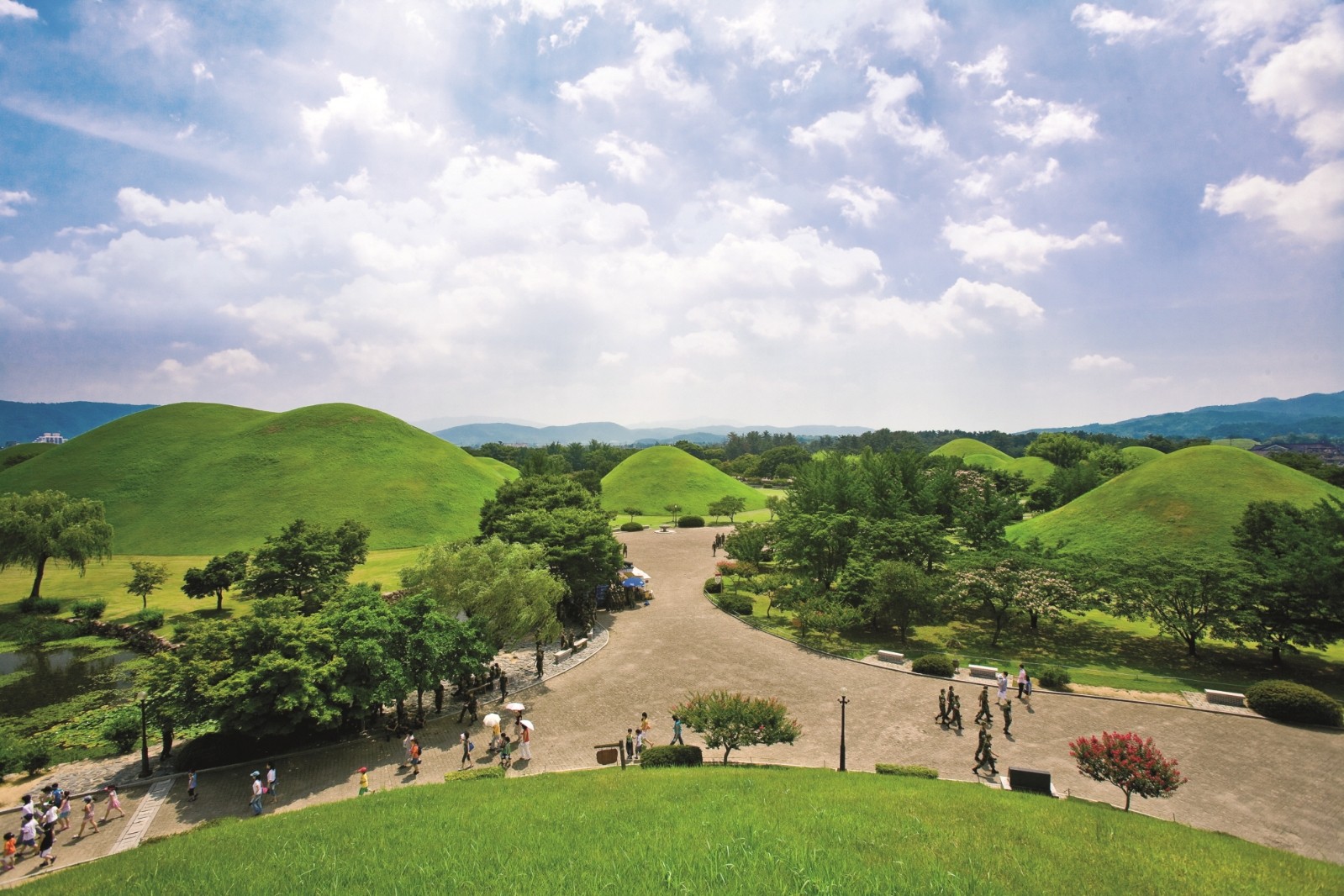
Walking Among 23 Silla Tombs in Gyeongju Daereungwon to Cheonmachong
Korea News
![BLACKPINK’s Lisa Dominates the VMA Red Carpet in a Sheer Corset Dress and Red Fur [Star Issue]](https://kotourlive-images.s3.ap-northeast-1.amazonaws.com/news/1790557894714_010e956a_news_94409db1-fab6-40bf-bc7b-4b985b1fbac7.jpg) News
News
BLACKPINK’s Lisa Dominates the VMA Red Carpet in a Sheer Corset Dress and Red Fur [Star Issue]
![BLACKPINK’s Jisoo Spotted by Surprise with BIGBANG in London… Their Special Loyalty as Labelmates [IS High Cut]](https://kotourlive-images.s3.ap-northeast-1.amazonaws.com/news/1790557854683_6ea979f5_news_caab62e5-8462-43c8-8622-da794f3df9de.png) News
News
BLACKPINK’s Jisoo Spotted by Surprise with BIGBANG in London… Their Special Loyalty as Labelmates [IS High Cut]
 News
News
Tattoos All Over Her Body… AOA’s Jimin Draws Shocked Attention After Kwon Mina’s ‘Bullying’ Allegations
![You’ll Have to Look Twice… Choi Min-a-soo Perfectly Pulls Off Everything from a Daring Illusion Dress at the Awards Ceremony to Long Braided Hair [RE:STAR]](https://kotourlive-images.s3.ap-northeast-1.amazonaws.com/news/1790492384850_1f293dad_news_d834c50e-0685-43ef-9aa5-6995cd6d8848.jpg) News
News