Bulguksa Temple in Gyeongju, the Silla Ideal World Built on Tohamsan’s Western Slope
Bulguksa Temple in Gyeongju is a Buddhist temple that embodies the Pure Land envisioned by Unified Silla in the 8th century through its stone stairways, stone embankments, and two pagodas. Admission is free, but closing times vary by season, so it is best to check the visiting hours and parking fees before setting out.
I’ve been here?
Your check-in helps the next traveler.
No one has checked in yet Be the first
One tap — no writing needed
Layers remaining from Gim Daeseong’s reconstruction in 751 to the restoration of the 1970s
Bulguksa is a Unified Silla Buddhist temple situated halfway up the western slope of Tohamsan Mountain. The Memorabilia of the Three Kingdoms records that Prime Minister Gim Daeseong built the temple in 751, the 10th year of King Gyeongdeok’s reign, for the parents of his present life. According to the National Heritage commentary, after Gim Daeseong died in 774, the state completed the construction.
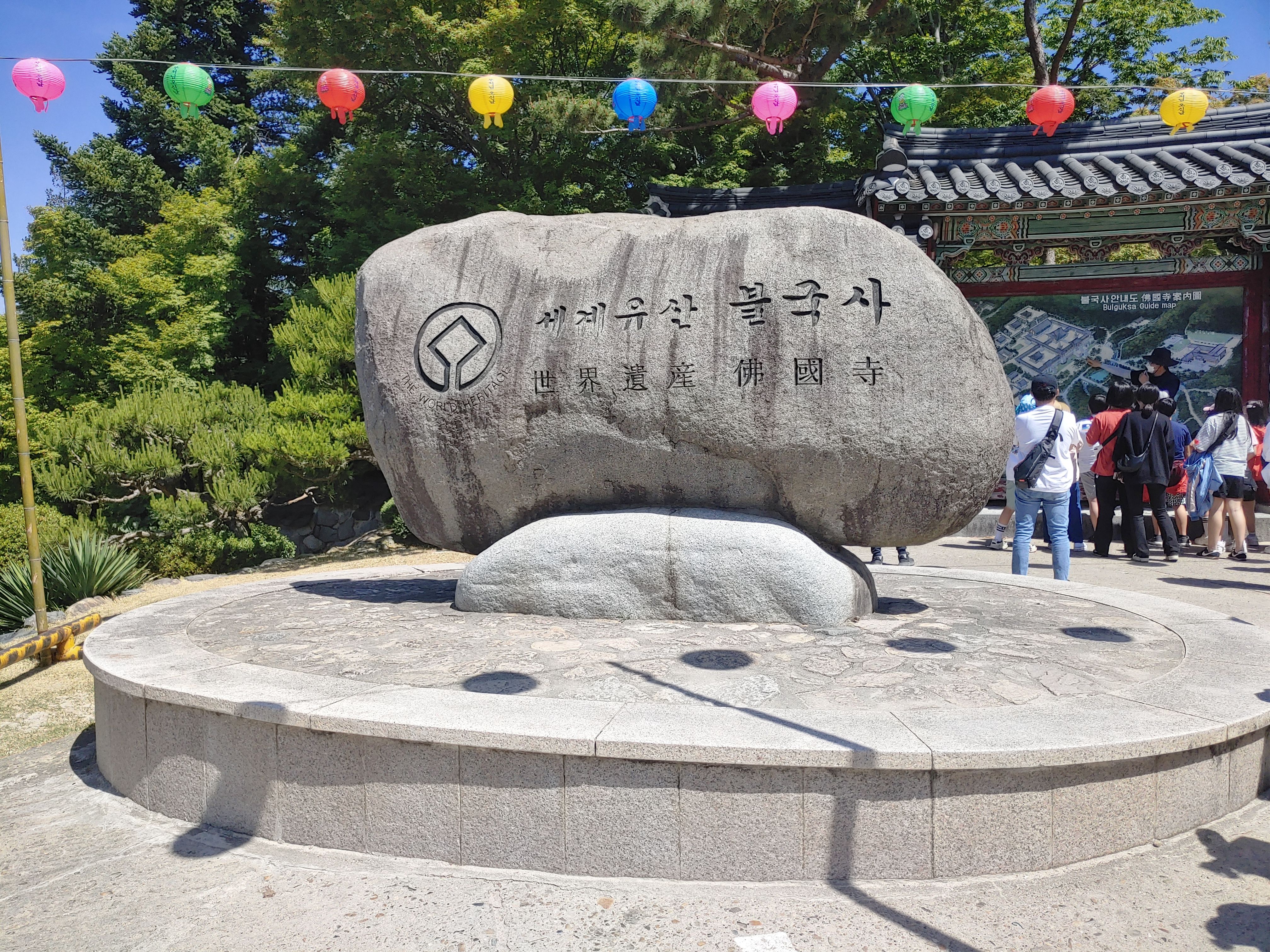
The present appearance is not a structure completed in a single era. Major halls were destroyed during the Imjin War, and while the surviving stone pagodas, stone embankments, and stone bridges retain the structure of Unified Silla, the wooden buildings underwent reconstruction in the 18th century and restoration in the 1970s. Bulguksa and Seokguram were jointly inscribed on the UNESCO World Heritage List on December 6, 1995.
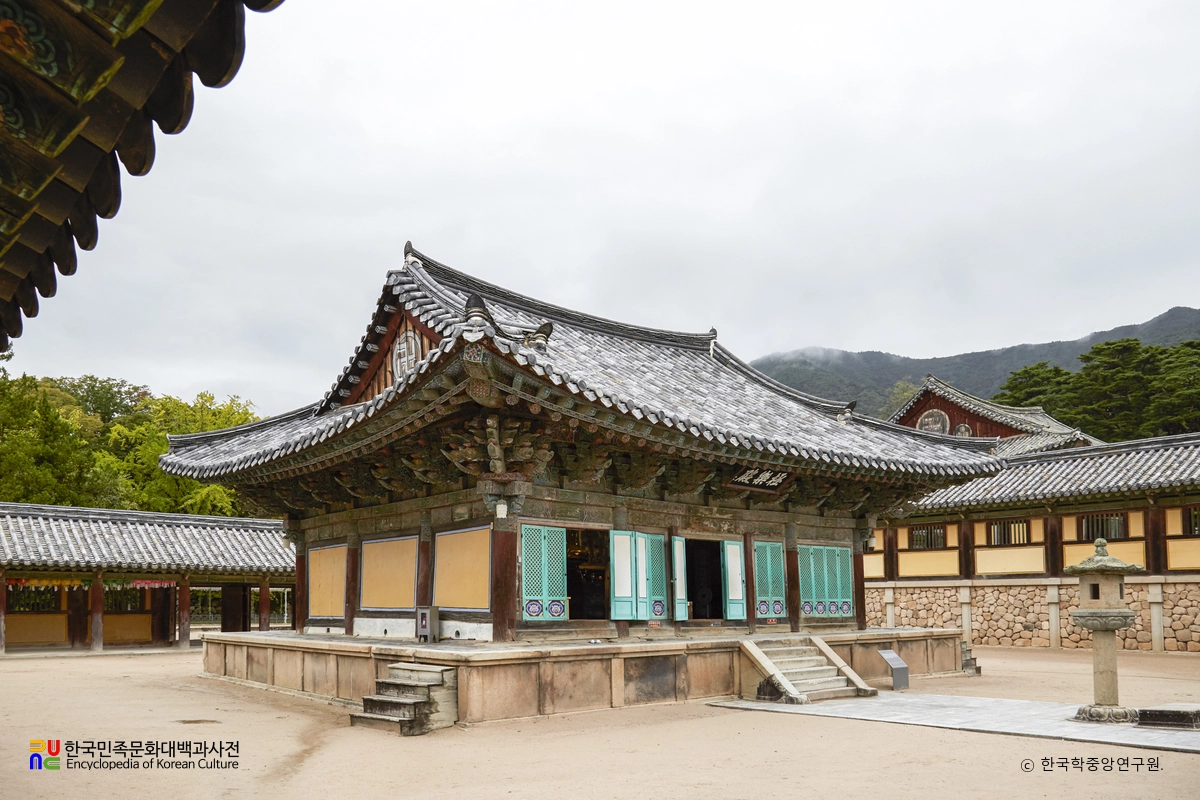
Two worlds rising past Cheongungyo and Baegungyo to the courtyard of Daeungjeon Hall
The essence of Bulguksa lies not so much in touring a temple laid out on level ground as in following a route that rises from the earthly realm below into the upper domain of the Buddha-land. The Daeungjeon area is reached via Cheongungyo and Baegungyo and then Jahamun Gate, while the Geungnakjeon area continues through Yeonhwagyo and Chilbogyo and then Anyangmun Gate.
National Heritage materials explain Bulguksa as a composition that embodies on earth the Saha world of Shakyamuni, the Pure Land of Amitabha, and the Lotus Treasury World of Vairocana. Accordingly, it is easiest to understand the spatial symbolism by first viewing the stone embankments and bridges from the main gate, then climbing to the pagoda courtyard in front of Daeungjeon Hall, and finally exploring the Geungnakjeon area separately.
- Cheongungyo and Baegungyo: National Treasures, stone bridges leading to the Daeungjeon area
- Yeonhwagyo and Chilbogyo: National Treasures, stone bridges leading to the Geungnakjeon area
- In front of Daeungjeon Hall: A place to compare Dabotap and Seokgatap in the same courtyard
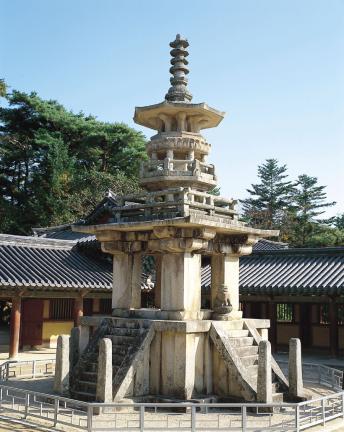
How to compare the 10.29 m Dabotap and 10.75 m Seokgatap in one courtyard
In front of Daeungjeon Hall, the National Treasure Dabotap and the National Treasure Three-Story Stone Pagoda at Bulguksa in Gyeongju, commonly called Seokgatap, face each other on the east and west sides. According to the National Heritage commentary, Seokgatap is the western pagoda and stands 10.75 m high, while Dabotap is 10.29 m high. The two pagodas are similar in height but nearly opposite in form.
Seokgatap is a standardized three-story stone pagoda that demonstrates proportion and balance, while Dabotap is an unusual-style pagoda assembled from stone components of various forms like a wooden building. Dabotap and Seokgatap are interpreted as a pair expressing the teaching in the Lotus Sutra that Shakyamuni Buddha and Prabhutaratna Buddha preach together. Visitors may not touch the stone surfaces up close or enter the pagodas.
Admission times vary, closing at 6 p.m. from March to September and 5 p.m. from November to January
The official Bulguksa website states that the cultural heritage viewing fee has been free since May 4, 2023. There are no annual closing days, but the admission closing time varies by season. From March to September, admission closes at 6 p.m. after hours of 09:00–18:00; in February and October, it closes at 5:30 p.m. after hours of 09:00–17:30; and from November to January, it closes at 5 p.m. after hours of 09:00–17:00.
There are areas inside the temple where Buddhist services and religious practice take place, so access controls or restrictions on entering halls may apply. Although a notice has stated that Daeungjeon Hall maintenance is separate from visitor access, event dates and maintenance areas may change, so it is safest to check the official website notices on the day of departure. The main telephone number is 054-746-9913, and the official website is https://www.bulguksa.or.kr/.
Bus 700 from Singyeongju Station and a 7-minute walk after the Bulguksa stop
The address is 385 Bulguk-ro, Gyeongju-si, Gyeongsangbuk-do, Bulguksa, and the postal code is 38127. Tourist information states that visitors can take city bus 700 from the Singyeongju Station stop, get off at the Bulguksa stop, and walk approximately 7 minutes to the Bulimun ticket office. From central Gyeongju and the bus terminal area, routes 10 and 11, as well as seat buses 101 and 102, have been Information as transportation options toward Bulguksa.
Bus routes and schedules may be adjusted frequently, so check Gyeongju’s bus information before boarding. Although Seokguram may appear close to Bulguksa in a straight line, it is approximately 3 km away along the mountain ridge, and Gyeongju tourism information recommends using a vehicle rather than walking between the two sites. Allow 60–90 minutes for Bulguksa alone, or approximately 90–120 minutes to explore slowly, including Seokgatap, Dabotap, the two bridges, and Geungnakjeon Hall.
- From Singyeongju Station: Bus 700 → get off at the Bulguksa stop → approximately 7 minutes on foot to the Bulimun ticket office
- From central Gyeongju: Information has been provided for routes 10 and 11, and seat buses 101 and 102
- Connection to Seokguram: Approximately 3 km from Bulguksa; planning to use a vehicle or bus is recommended rather than walking
When to avoid the 2,000-won passenger-car parking fee period and the spring double-cherry-blossom and autumn crowds
According to the official Bulguksa information, parking costs 2,000 won for passenger cars, 2,000 won for medium-sized vehicles, and 4,000 won for large vehicles, including buses. The parking lot is available, but vehicles may crowd the area on weekends and during peak seasons, especially when approaching the side nearest Iljumun Gate. Gyeongju’s perimeter-trail information introduces the area around Bulguksa as particularly well known for its spring double cherry blossoms.
Visitor reviews repeatedly mention heavy incoming traffic during the double-cherry-blossom season in April and the autumn foliage season. To combine photography with sightseeing, aim to enter immediately at 09:00 from March to September, and arrive at least 90 minutes before the 18:00 closing time. Because there are stairs, stone embankments, and sloped sections, it is difficult to move through every area in the same way with a wheelchair or stroller. If traveling with someone else, it is more practical for that person to provide assistance from the parking lot to the level access areas.
More than six National Treasures fit into a short route, but not every hall is open to the public
Bulguksa contains National Treasures including Dabotap, Seokgatap, Cheongungyo and Baegungyo, Yeonhwagyo and Chilbogyo, the gilt-bronze seated Vairocana Buddha, and the gilt-bronze seated Amitabha Buddha. The gilt-bronze seated Vairocana Buddha is registered on the National Heritage Portal as a work from 750, the eighth year of King Gyeongdeok’s reign in Unified Silla, and is characterized by the jnana mudra, with the hands held together in front of the chest.
However, Bulguksa is not a museum but a functioning temple. Viewing distances, permitted photography areas, and access controls may vary for the Buddha statues and ritual spaces inside the halls. Visitors unfamiliar with Korean Buddhist rituals and temple etiquette should avoid loud voices, drones, and tripods, and should follow the instructions posted in front of the halls and the controls in place on site.
Before You Go
- Address
- 385 Bulguk-ro, Gyeongju-si, Gyeongsangbuk-do (15-1 Jinhyeon-dong)
- Hours
- Based on admission closing: March–September 09:00–18:00, February and October 09:00–17:30, November–January 09:00–17:00
- Closed
- Open year-round
- Admission
- Free (cultural heritage viewing has been free since May 4, 2023)
- Phone
- 054-746-9913
- Official site
- https://www.bulguksa.or.kr/
- Transport
- Take bus 700 from the Singyeongju Station stop, get off at the Bulguksa stop, and walk approximately 7 minutes to the Bulimun ticket office. From central Gyeongju, routes 10 and 11 and seat buses 101 and 102 have been listed as options.
- Parking
- Available. Passenger cars 2,000 won, medium-sized vehicles 2,000 won, large vehicles (buses) 4,000 won.
- Time needed
- 60–120 minutes
- Accessibility
- Access from the parking lot and around the entrance is possible, but assistance from a companion is recommended for wheelchair and stroller users because there are many stone embankments, stairs, and slopes. Check on site or on the official website whether foreign-language information is available.
The information above is current as of the time of writing. Check the official information again before visiting.

Places
Nearby Attractions 5
-
 1
1
-
2
-
 3
3
-
 4
4
-
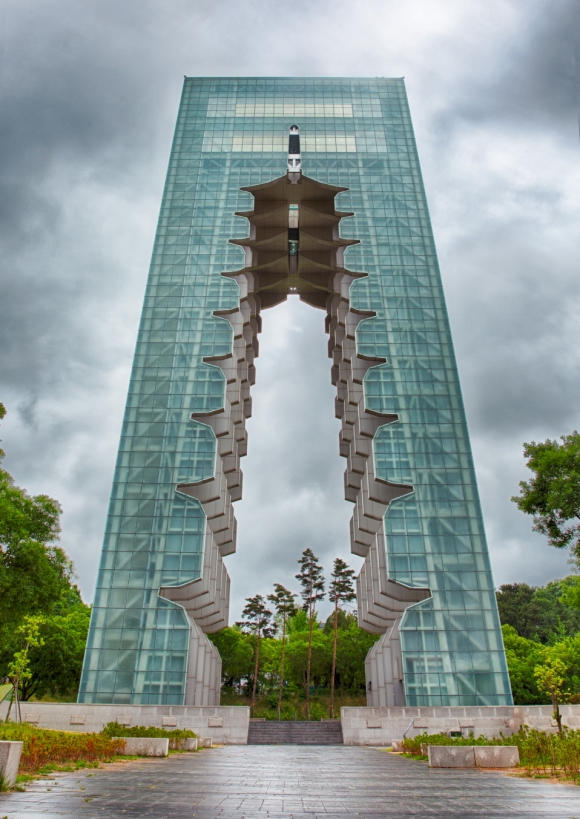 5
5
Food & Dining 5
-
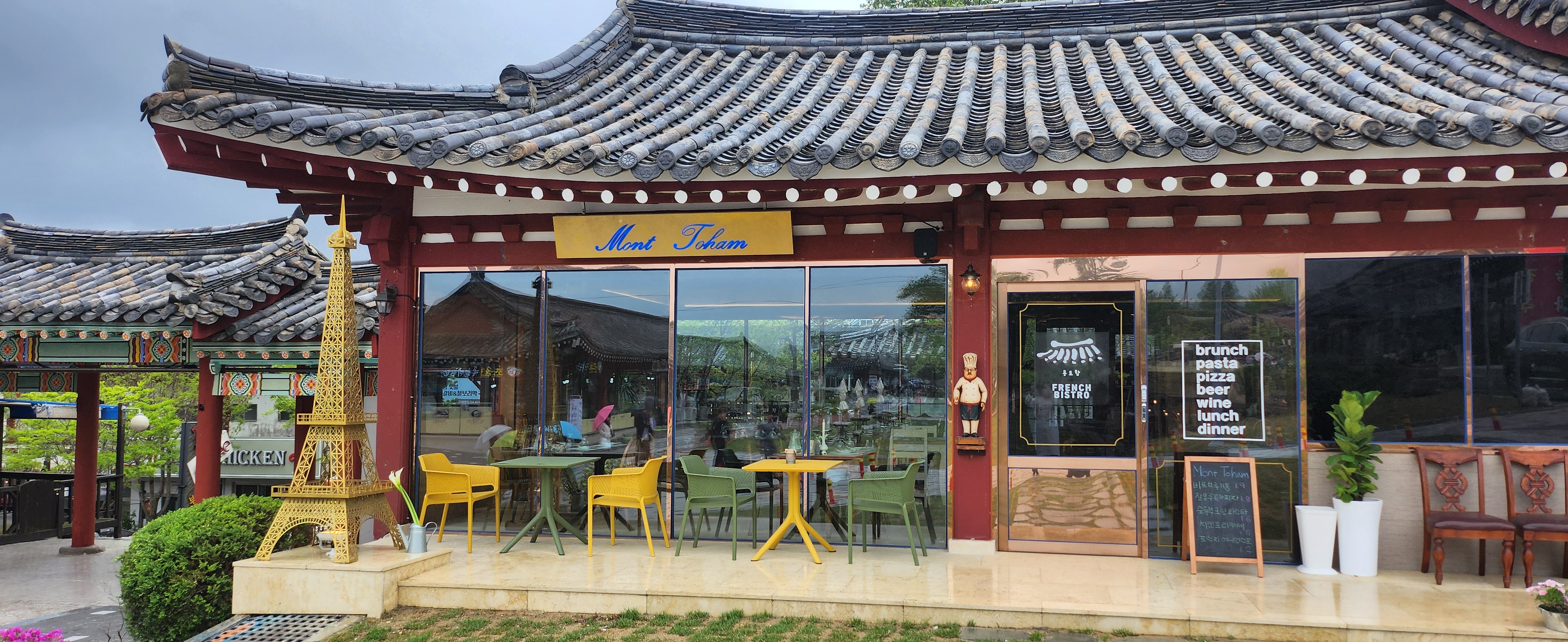 6
6
-
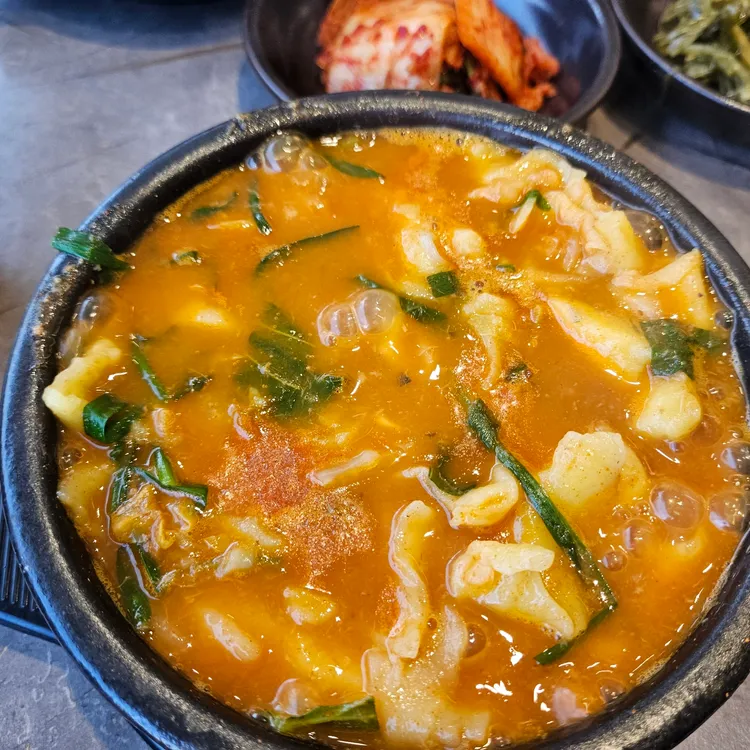 7
Eotang
7
Eotang -
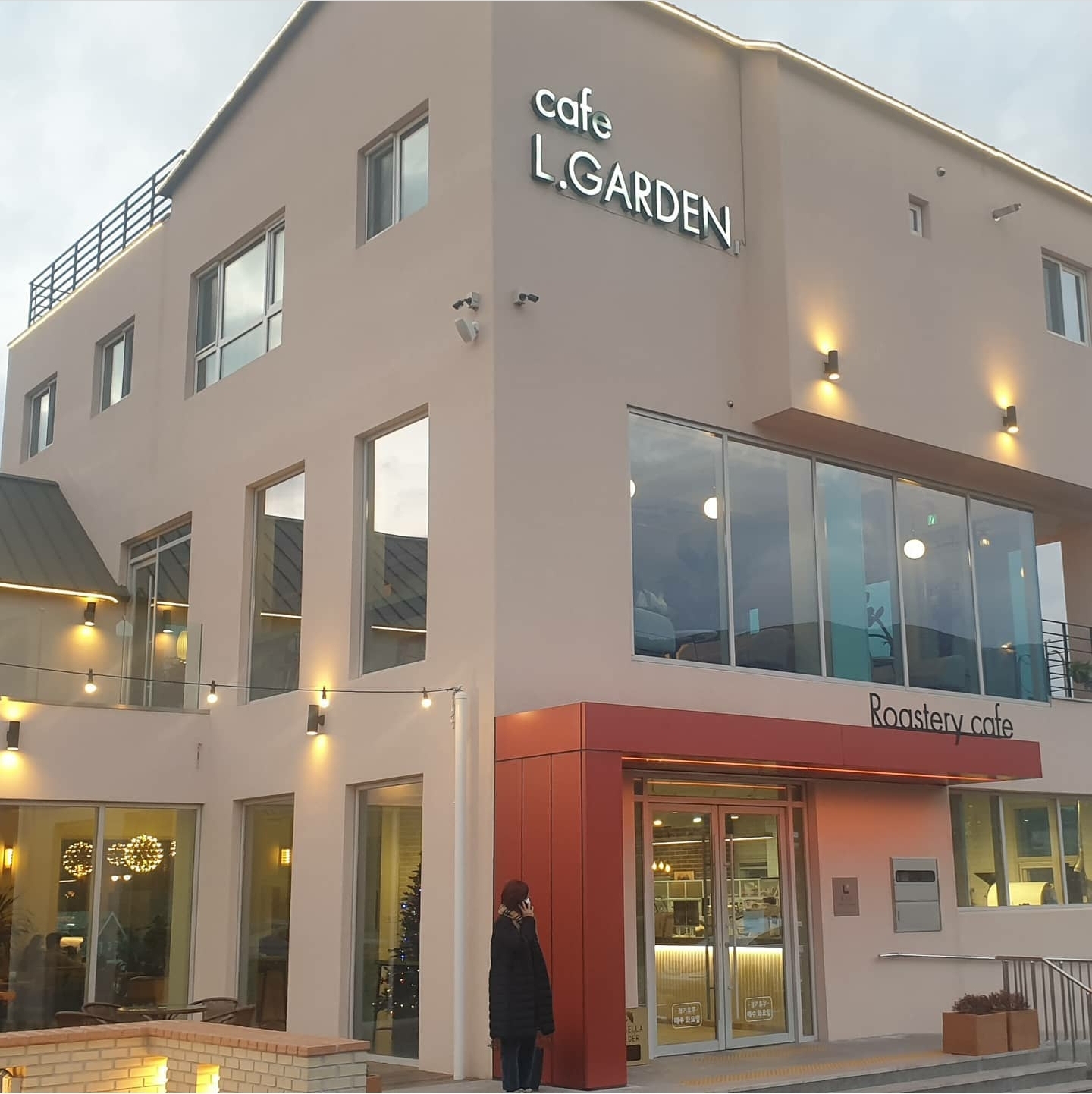 8
8
-
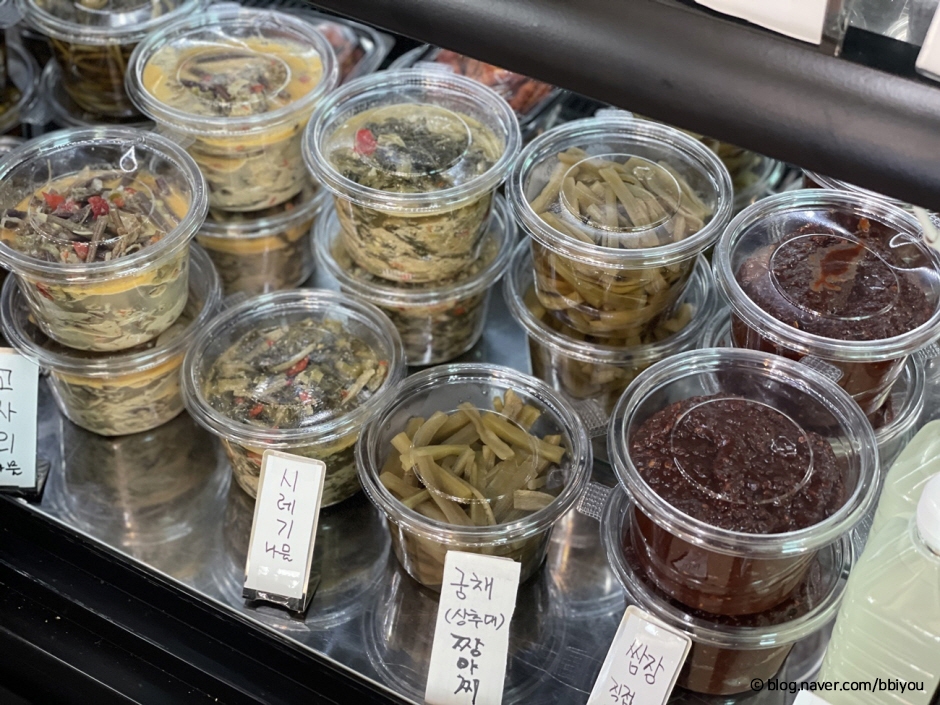 9
Songjeongwon Sundae Bu
9
Songjeongwon Sundae Bu -
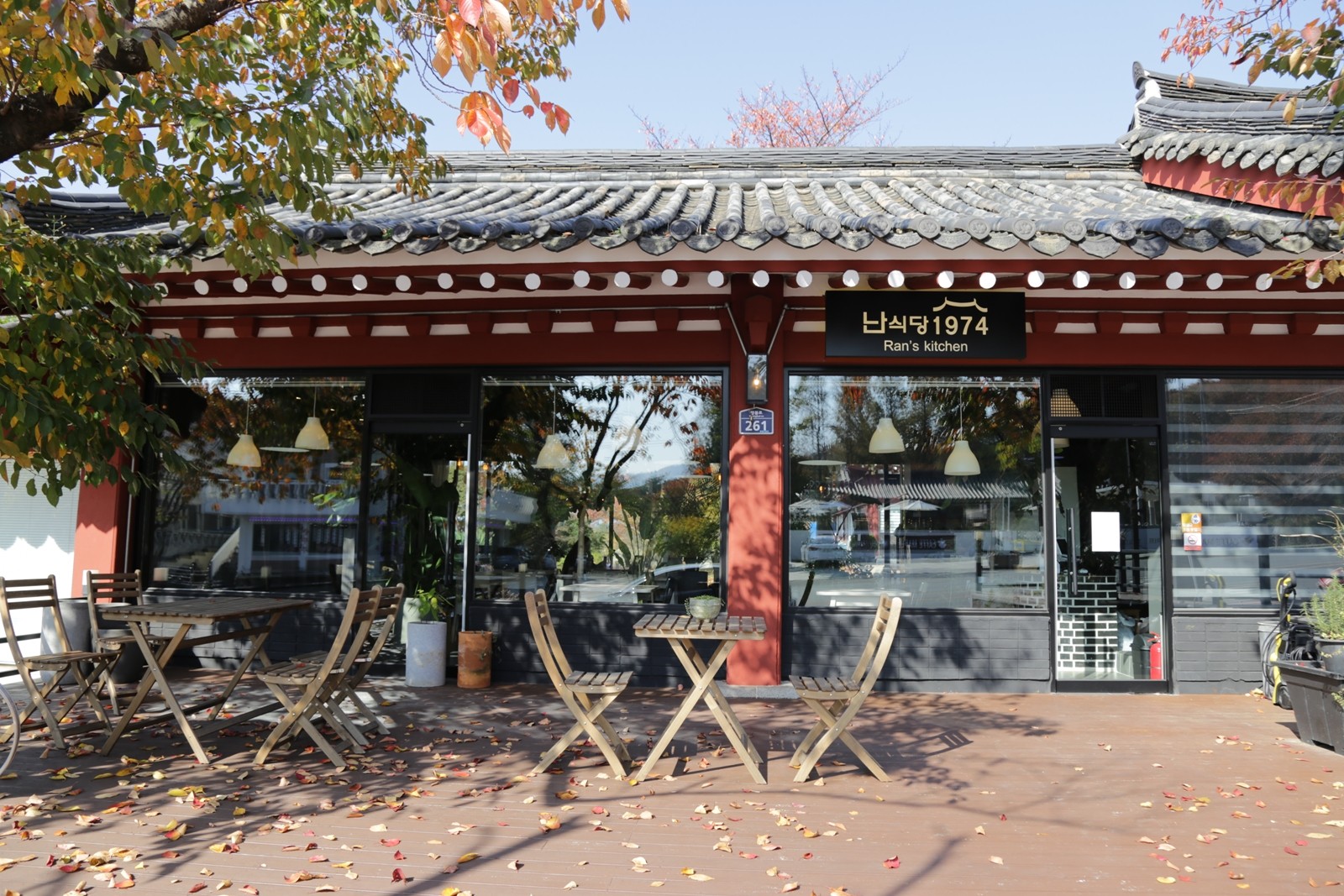 10
10
Events in This Area
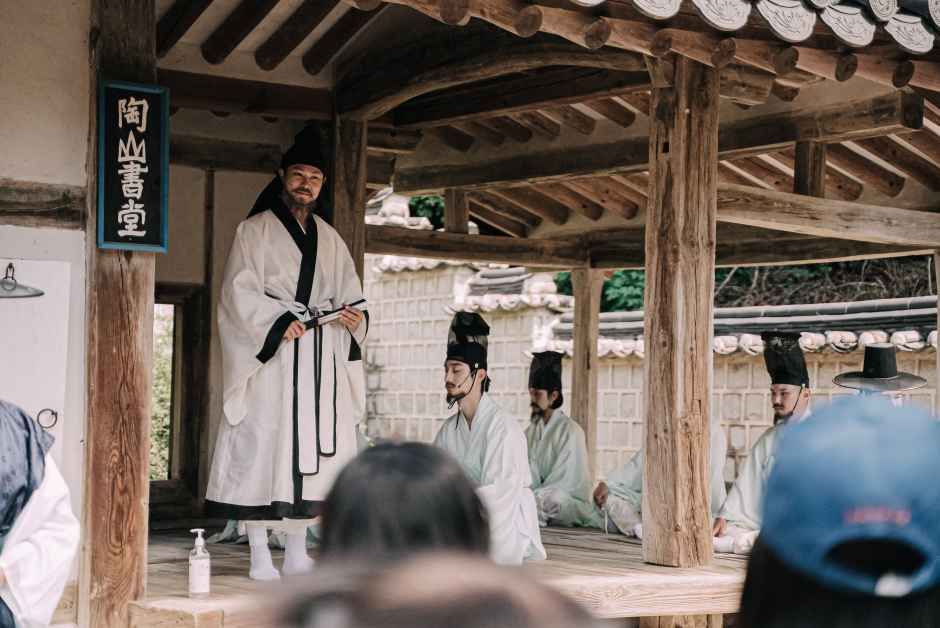
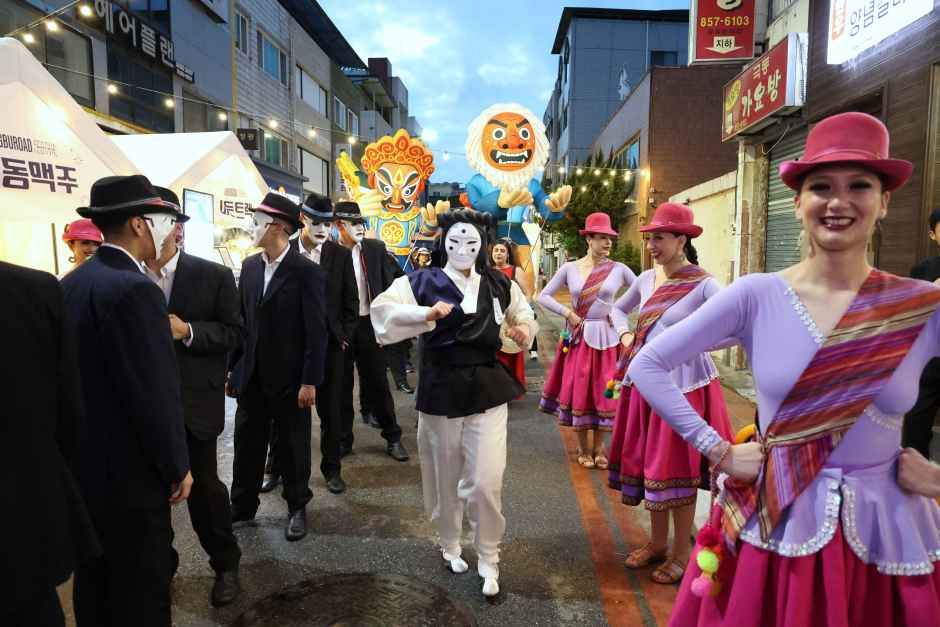
Festivals in This Area
More Travel Guides in This Area
 Travel Guide
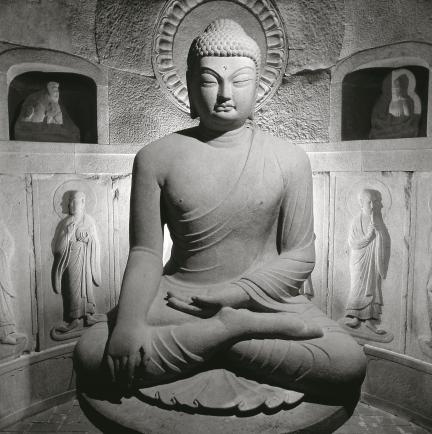
The Route to the Principal Buddha Behind Glass and Along Tohamsan: The Actual Visitor Path at Seokguram Grotto
 Travel Guide
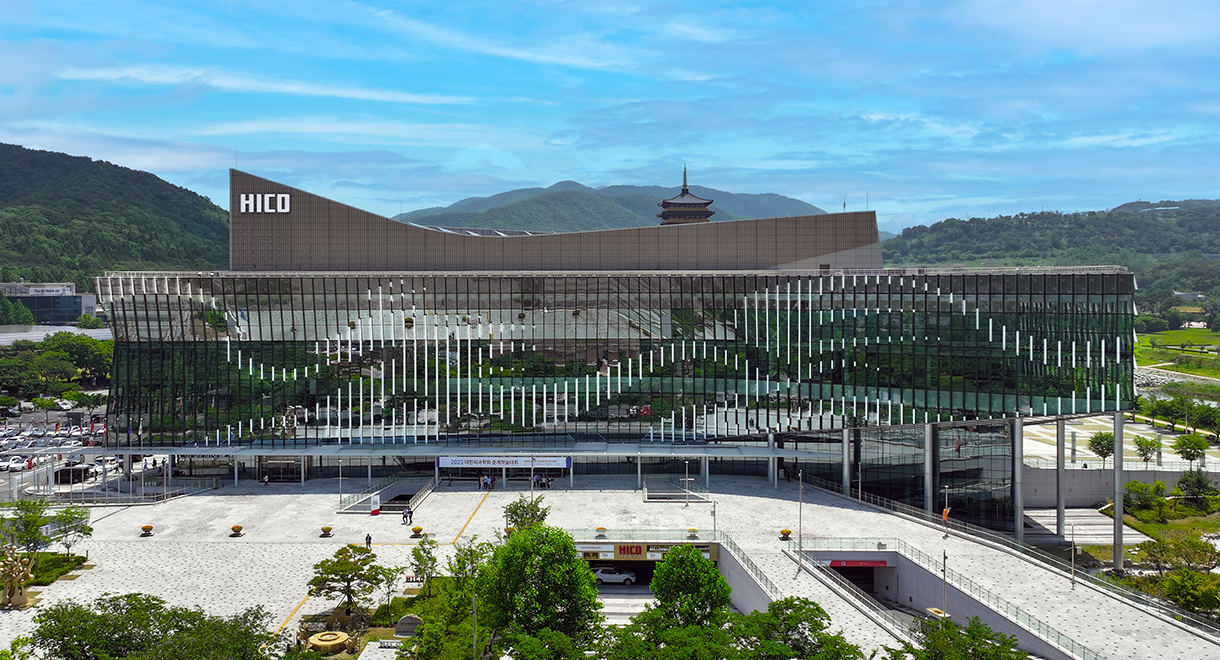
Gyeongju Expo Grand Park and a Four-Hour Route Centered on Gyeongju Tower
 Travel Guide
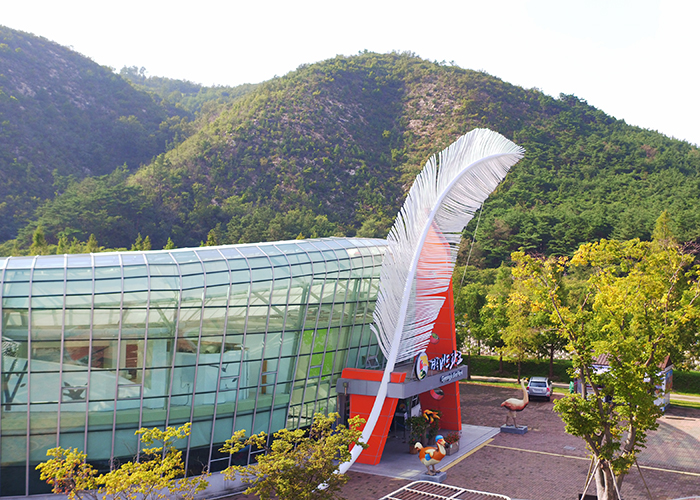
Gyeongju Bird Park: Enter a Space Shared with Birds
 Travel Guide
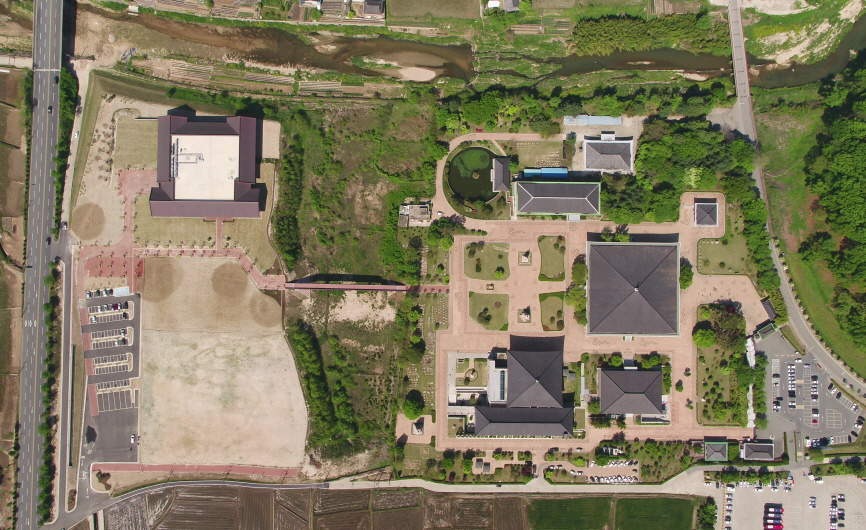
Reading a Millennium of Silla History in One Place: Gyeongju National Museum
Korea News
![Did Jang Won-young ‘break up’? From the airport to social media, she was decked out in Brand D [MD Issue]](https://kotourlive-images.s3.ap-northeast-1.amazonaws.com/news/1790644492843_025fcab4_news_06d49363-285b-4cd5-93e3-ace2c4344710.jpg) News
News
Did Jang Won-young ‘break up’? From the airport to social media, she was decked out in Brand D [MD Issue]
 News
News
Oh, What a Surprise… BLACKPINK’s Rosé—Did She Get a Bob Cut?
![[On-Site Photos] “Equipped with a Third Eye”… RM’s Intense Eye Contact](https://kotourlive-images.s3.ap-northeast-1.amazonaws.com/news/1790644823332_c0c6ec29_news_001c0a59-4eb7-40e6-af6a-4f26183f5e8c.jpg) News
News
[On-Site Photos] “Equipped with a Third Eye”… RM’s Intense Eye Contact
 News
News