Experience the Sounds of Nangye Park Yeon and Over 100 Traditional Instruments at the Nangye Traditional Music Museum
Located in Simcheon-myeon, Yeongdong, Chungcheongbuk-do, the Nangye Traditional Music Museum is a specialized museum of Korean traditional music that explores the achievements of Park Yeon, a musician from the early Joseon period, and the history of Korean music. Plan a route that includes the first-floor exhibition, the second-floor experience room, and nearby Nangyesa Shrine, Park Yeon’s Birthplace, and the Yeongdong Traditional Music Experience Village.

I’ve been here?
Your check-in helps the next traveler.
21 people viewed this week Be the first
One tap — no writing needed
Park Yeon’s music space established in Yeongdong in 2000
Nangye Traditional Music Museum is a specialized traditional Korean music museum located at 9 Gugak-ro, Simcheon-myeon, Yeongdong-gun, Chungcheongbuk-do. The museum was completed in 2000 and opened on September 20, 2000. Park Yeon was an early Joseon civil official and musician who lived from 1378 to 1458; he was born and died in Yeongdong, Chungcheongbuk-do.
Yeongdong-gun introduces Park Yeon as one of Korea’s three great masters of music, together with Wang San-ak of Goguryeo and Ureuk of Silla. During the reign of King Sejong, Park Yeon helped reorganize early Joseon music by creating pitch pipes and producing pyeongyeong stone chimes. The museum connects the history of this local figure with the development of Korean music.
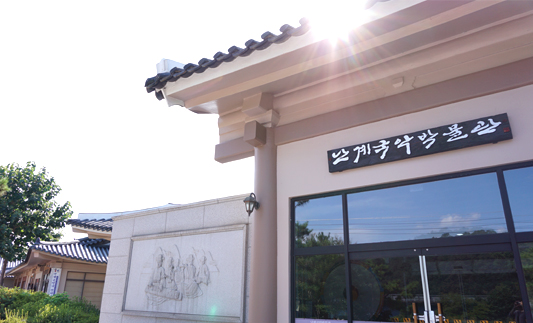
How to enter with an all-inclusive admission ticket from 09:00 to 18:00
Operating hours are 09:00–18:00. The museum is closed every Monday, January 1, the Lunar New Year and Chuseok holiday periods, and the day after a public holiday. Since the official information does not separately state seasonal hours or the admission cutoff time, it is safest to call 043-740-3886 in advance if you plan to arrive late.
For an all-inclusive admission ticket, individual admission is 2,000 won for adults and 1,500 won for youth, university students, military personnel, children, artists, outstanding volunteers, and Yeongdong residents. Group admission is 1,500 won for adults and 1,000 won for eligible discounted visitors. The official website is https://edu.yd21.go.kr/gugak/html/sub02/020201.html, and the museum’s telephone number is 043-740-3886.
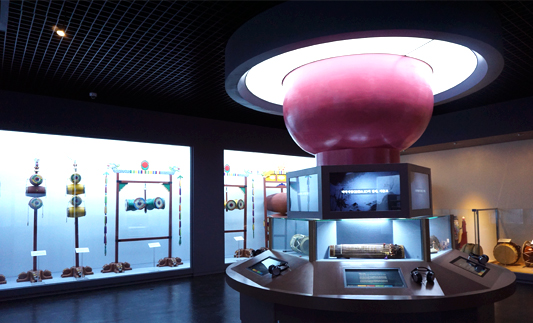
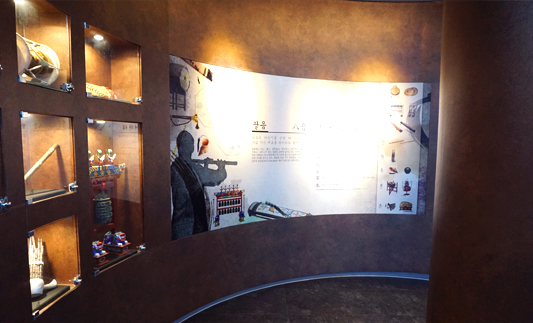
Identifying around 100 instruments in the traditional music gallery on the first floor
The first floor is divided into the traditional music gallery and the Nangye gallery. The traditional music gallery displays around 100 traditional Korean instruments and traditional costumes, including 14 string instruments such as the gayageum, 37 percussion instruments, and 19 wind instruments. Based on how they produce sound, instruments are divided into wind, string, and percussion instruments; based on their materials, they are classified according to the eight musical materials: metal, stone, silk, bamboo, gourd, earth, leather, and wood.
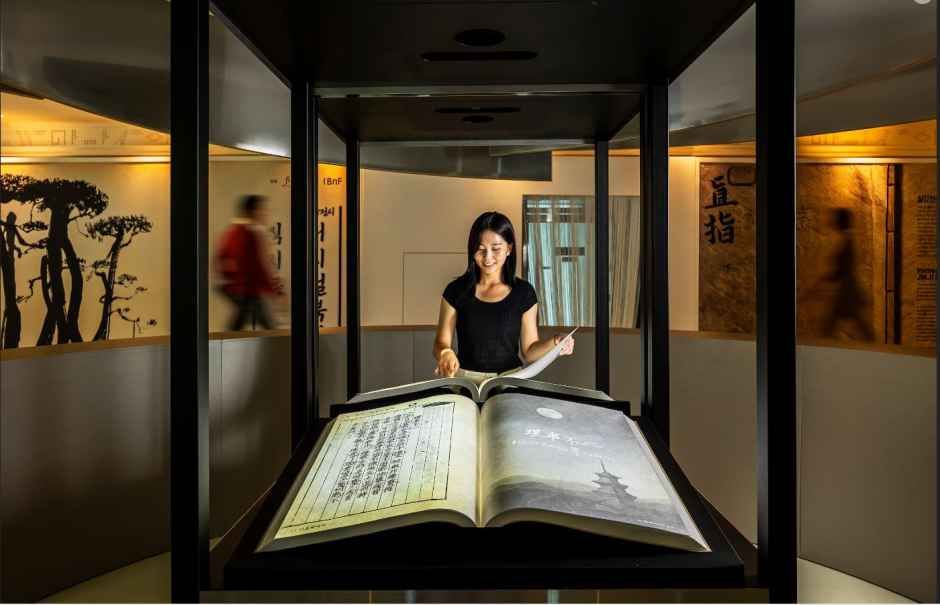
Exhibits include the hyangbipa; the wind instruments ji, jeok, and yak; bak, a percussion instrument made from six pieces of birch wood; and the soga, used in court music since the Goguryeo period. Visitors can also see pyeongyeong stone chimes and pyeonjong bronze bells. Reproductions of jeongganbo, Akhak Gwebeom, Gagok Wonryu, and Geumbo present not only the history of instruments but also the history of musical notation and music records.
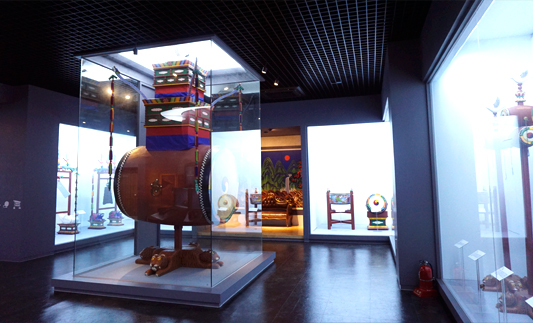
Following Park Yeon’s achievements in “Past Okgye Waterfall”
The first theme of the exhibition space is “Past Okgye Waterfall.” A painting of Park Yeon gazing at a landscape featuring a waterfall greets visitors, while the exhibition explains the history of Korean music from the Three Kingdoms period through Unified Silla, Goryeo, Joseon, and the post-liberation period. Rather than focusing solely on Park Yeon’s life, the layout helps visitors understand his role amid changes in music through the ages.
In the adjacent video room, a film introducing Nangye’s life and musical achievements is screened. At the traditional music media table, visitors can select an instrument on the screen, listen to its sound, and view related information. This is particularly useful for first-time visitors who want to connect instrument names with their sounds instead of simply reading written explanations.
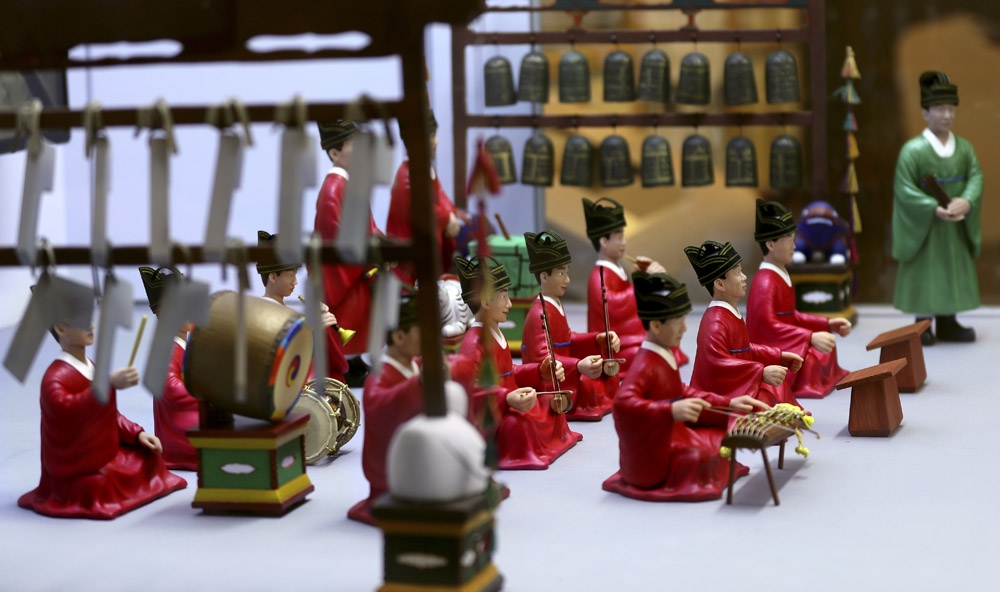
Handling 90 instruments in the traditional music experience room on the second floor
The second floor has a traditional music experience room equipped with 90 traditional instruments, including the janggu, buk, piri, ajaeng, and gayageum. When the projection TV in the room is turned on, performances by members of the Nangye Traditional Music Ensemble are shown, and the space is arranged so visitors can play along with the screen.
The second floor also has an information search station for traditional Korean music. The recommended visit duration is approximately one hour, but visitors who want to read the first-floor exhibits and fully experience the second-floor activities should allow enough time without skipping the exhibit explanations. The museum has two floors; the building’s total floor area is 760㎡, and the site area is 2,347㎡.
Coordinate the bus schedule from Yeongdong Station to Godang-ri first
Visitors using public transportation must first travel to Yeongdong and then coordinate transportation toward Godang-ri. The official directions state that intercity buses from Yeongdong to Godang-ri depart at 06:20, 08:45, and 16:05, while an intercity bus returning from Godang-ri to Yeongdong departs at 21:20.
Local buses depart from Yeongdong to Godang-ri at 06:50, 10:30, and 16:00. Since the available information does not provide bus route numbers or walking time from the stop to the museum, plan the return trip first based on this limited daily timetable. In car navigation, search for “500 Godang-ri, Simcheon-myeon, Yeongdong-gun, Chungcheongbuk-do.” From Seoul, the directions indicate approximately 3 hours 4 minutes and 211.04 km to the Traditional Music Experience Village; from Daejeon, approximately 1 hour 13 minutes and 60.81 km.
Parking lot across Godang Bridge and wheelchair routes
A visitor-only parking lot is available across from the museum. From the parking lot, visitors can reach the museum by crossing one two-lane road. The number of spaces and parking fees are not specified, so visitors with large vehicles or weekend groups should consider the available on-site space.
Accessibility information lists a ramp, accessible parking, an elevator, an accessible restroom, wheelchair rental, stroller rental, and no level differences. Therefore, the facility does not appear to require visitors to use stairs alone to reach the second-floor experience room; however, it is advisable to call 043-740-3886 on the day of your visit to ask about actual rental quantities and procedures.
A Simcheon-myeon itinerary extending to Nangye Traditional Instrument Village and Cheongo
The museum is located opposite Nangye Traditional Instrument Village. Immediately after crossing Godang Bridge, Nangye Traditional Music Museum and Nangye Traditional Instrument Village are visible along the road on the right, with the visitor parking lot across from them, making it easy to include both locations in one route.
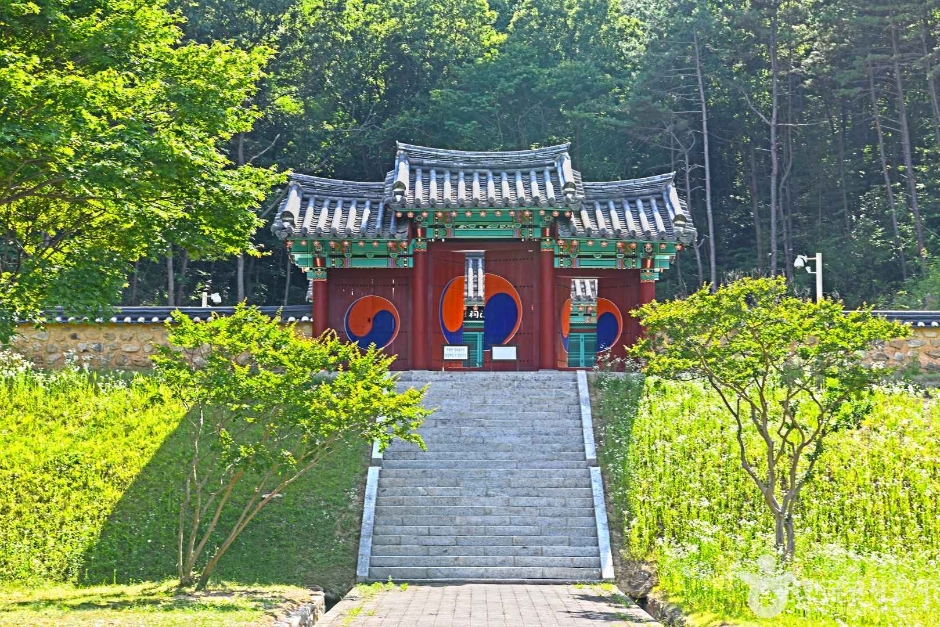
Nearby Godang-ri is home to Nangyesa Shrine, which enshrines a portrait of Park Yeon, as well as Park Yeon’s birthplace. Yeongdong Traditional Music Experience Village features “Cheongo,” introduced as the world’s largest drum. It measures 5.5 m in diameter, weighs 7 tons, and was completed in 14 months using the hides of around 40 cattle and 24,000 pieces of pinewood. The performance hall at Yeongdong Traditional Music Experience Village is on the first and second basement levels of Urisori Hall and has 304 seats in total. Performances by the Nangye Traditional Music Ensemble are held every Saturday.
Before You Go
- Address
- 9 Gugak-ro, Simcheon-myeon, Yeongdong-gun, Chungcheongbuk-do
- Hours
- 09:00–18:00
- Closed
- Every Monday, January 1, the Lunar New Year and Chuseok holiday periods, and the day after a public holiday
- Admission
- All-inclusive ticket, individuals: adults 2,000 won; youth, university students, military personnel, children, artists, outstanding volunteers, and Yeongdong residents 1,500 won / groups: adults 1,500 won; eligible discounted visitors 1,000 won
- Phone
- 043-740-3886
- Official site
- https://edu.yd21.go.kr/gugak/html/sub02/020201.html
- Transport
- Intercity and local bus timetables between Yeongdong and Godang-ri are provided in the official directions; the navigation search address is 500 Godang-ri, Simcheon-myeon, Yeongdong-gun, Chungcheongbuk-do.
- Parking
- Available; a visitor-only parking lot is located across from the museum
- Time needed
- The recommended visit duration is approximately one hour
- Accessibility
- Ramp, accessible parking, elevator, accessible restroom, wheelchair rental, stroller rental, and no level differences are listed
The information above is current as of the time of writing. Check the official information again before visiting.

Places
Nearby Attractions 3
-
 1
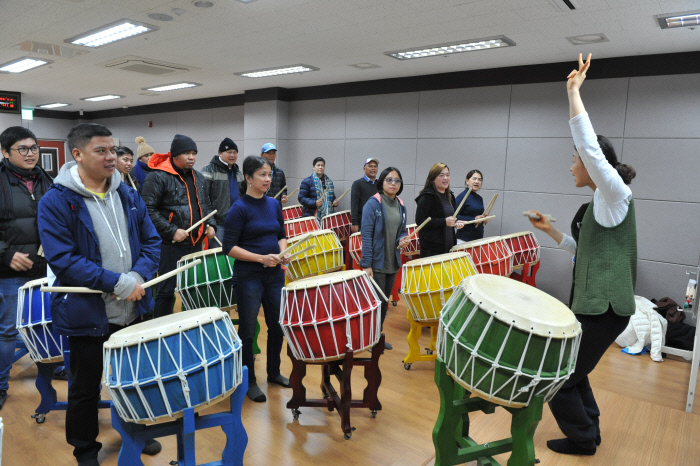
Gugak Experience VillageA place where you can experience playing traditional Korean musical instruments, performances, and Cheon-go, the world’s largest drum.
1
Gugak Experience VillageA place where you can experience playing traditional Korean musical instruments, performances, and Cheon-go, the world’s largest drum. -
 2
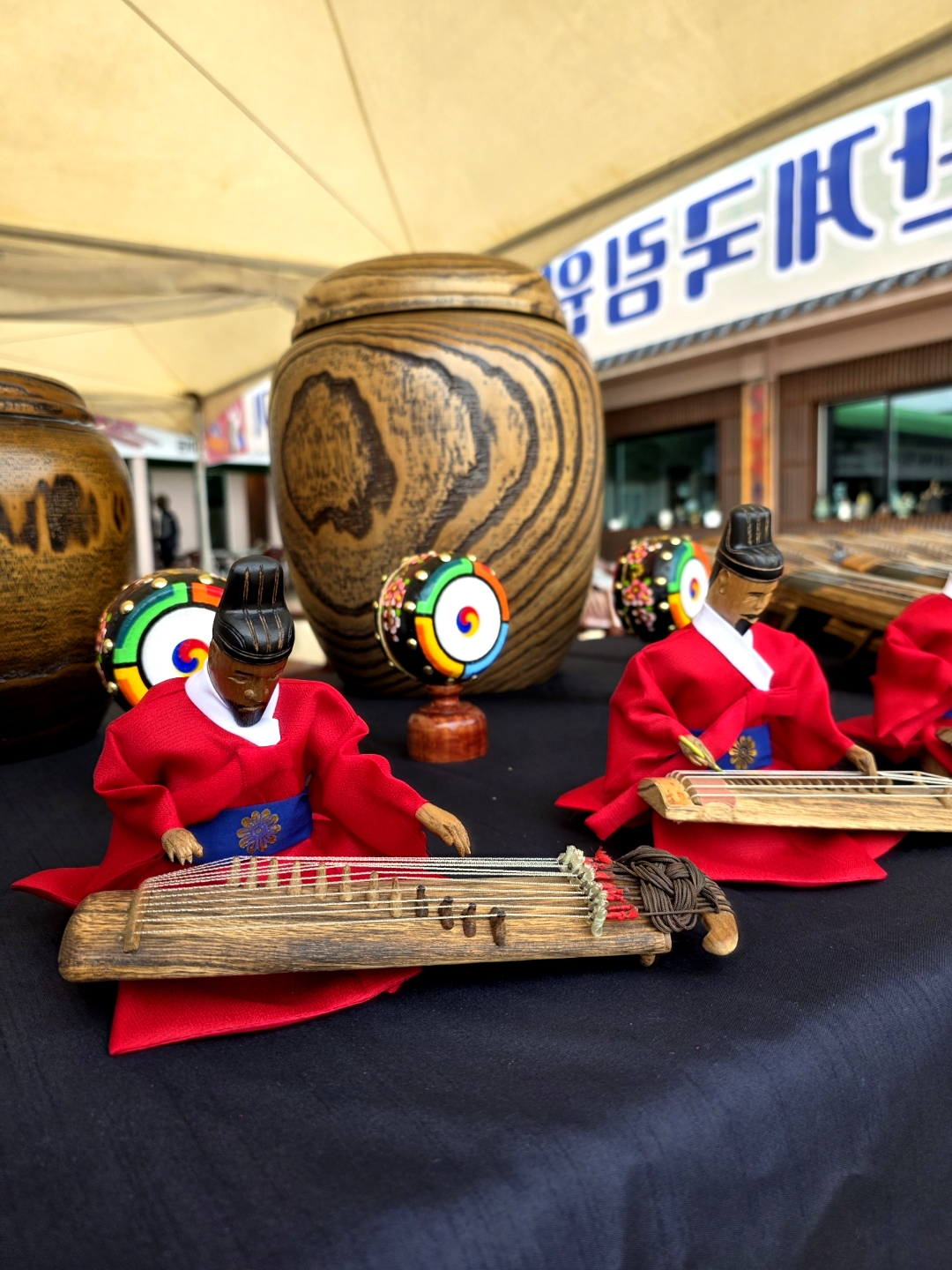
Nangye Traditional Korean Musical Instrument VillageA place where you can observe the process of making traditional Korean instruments such as the gayageum and daegeum.
2
Nangye Traditional Korean Musical Instrument VillageA place where you can observe the process of making traditional Korean instruments such as the gayageum and daegeum. -
 3
3
Food & Dining 3
-
 4
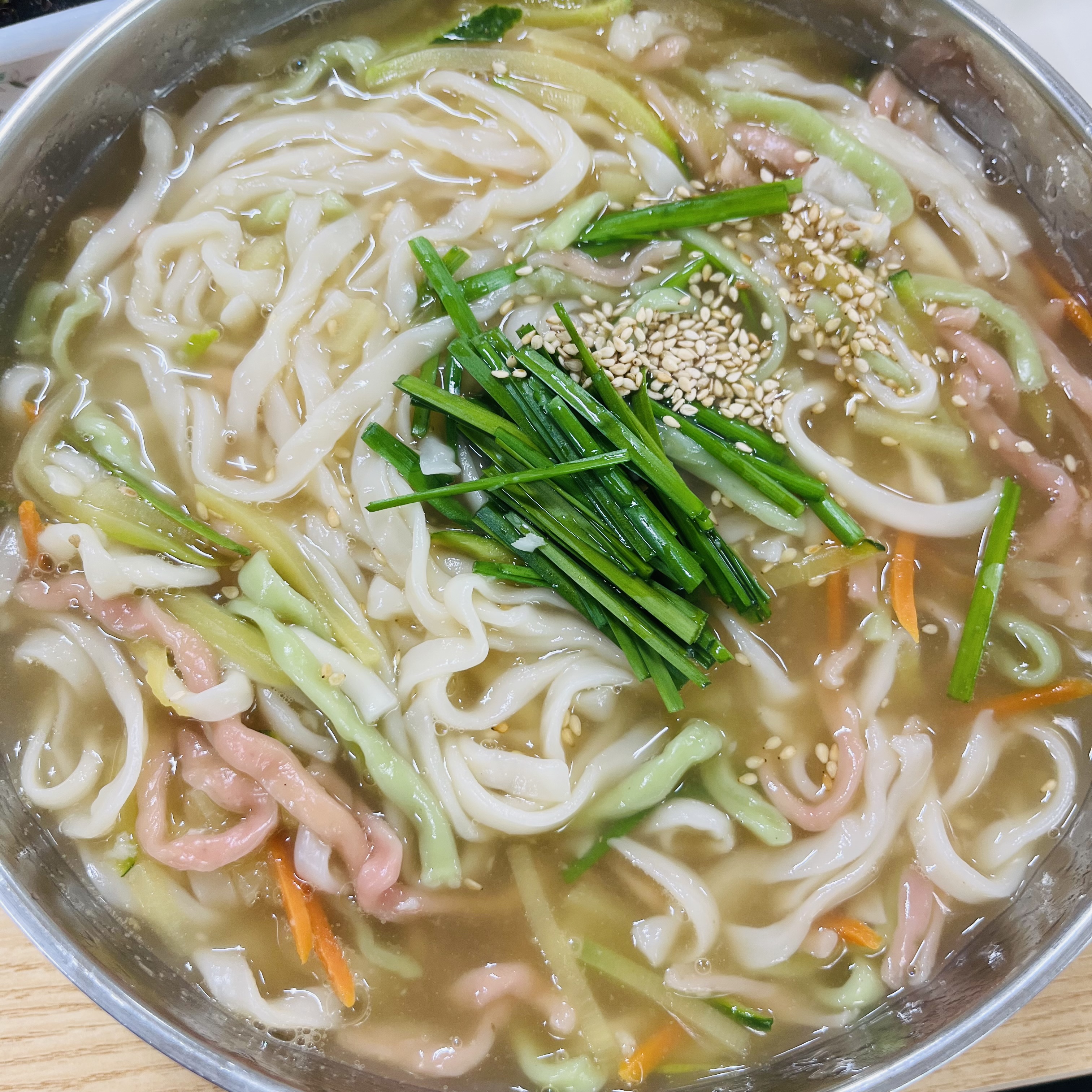
Daedong Mushroom Hand-Cut NoodlesA restaurant serving mushroom shabu-shabu kalguksu and hand-cut kalguksu noodles.
4
Daedong Mushroom Hand-Cut NoodlesA restaurant serving mushroom shabu-shabu kalguksu and hand-cut kalguksu noodles. -
 5
5
-
 6
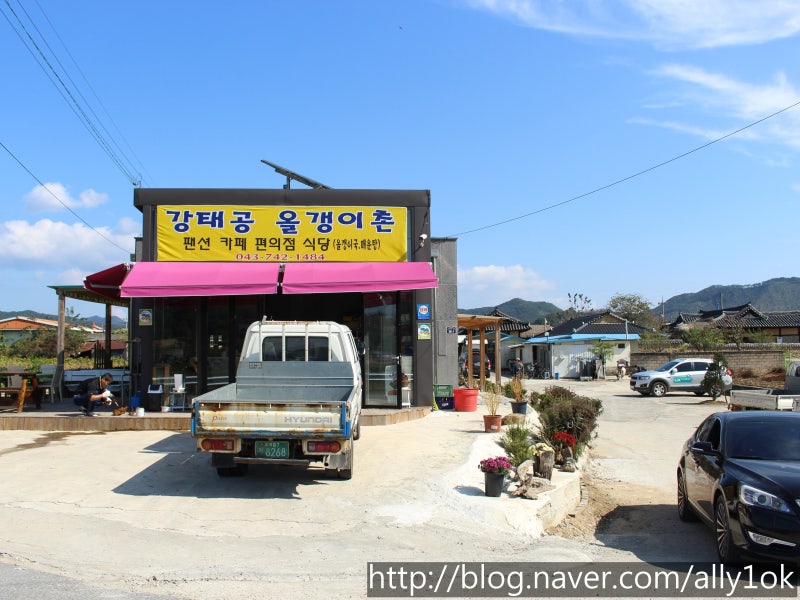
Gangtaegong Olgaengi VillageA restaurant serving local Geumgang River cuisine, including olgaengi soup.
6
Gangtaegong Olgaengi VillageA restaurant serving local Geumgang River cuisine, including olgaengi soup.
Events in This Area
Festivals in This Area
More Travel Guides in This Area
 Travel Guide
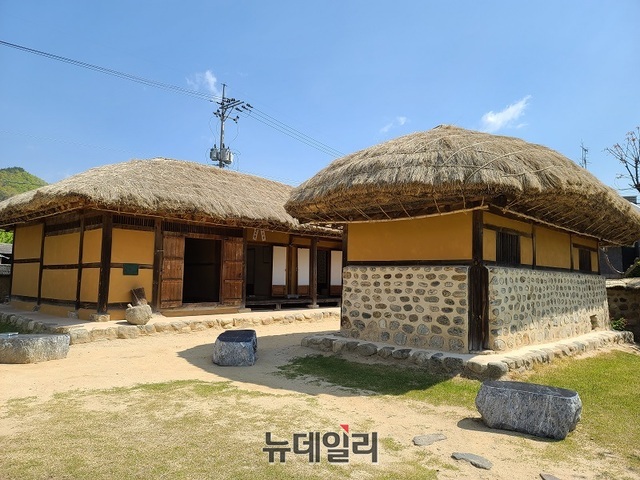
An Old Village of Munui Relocated to Daecheong Lake
 Travel Guide
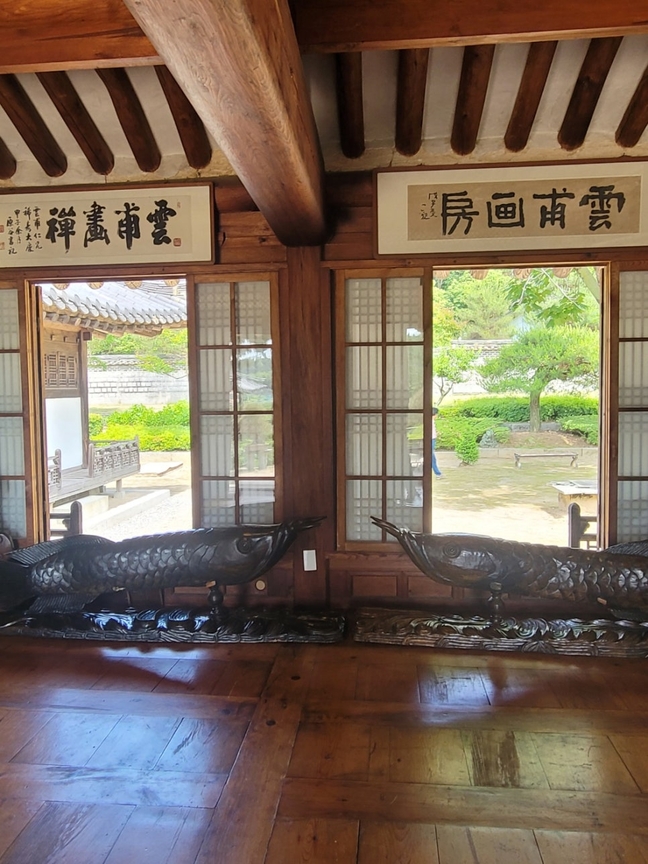
Jeong Ji-yong’s Birthplace by the Stream of Nostalgia
 Travel Guide
Unbo’s House: Walking Through Kim Ki-chang’s Later Years and a 27,000-Pyeong Garden
 Travel Guide
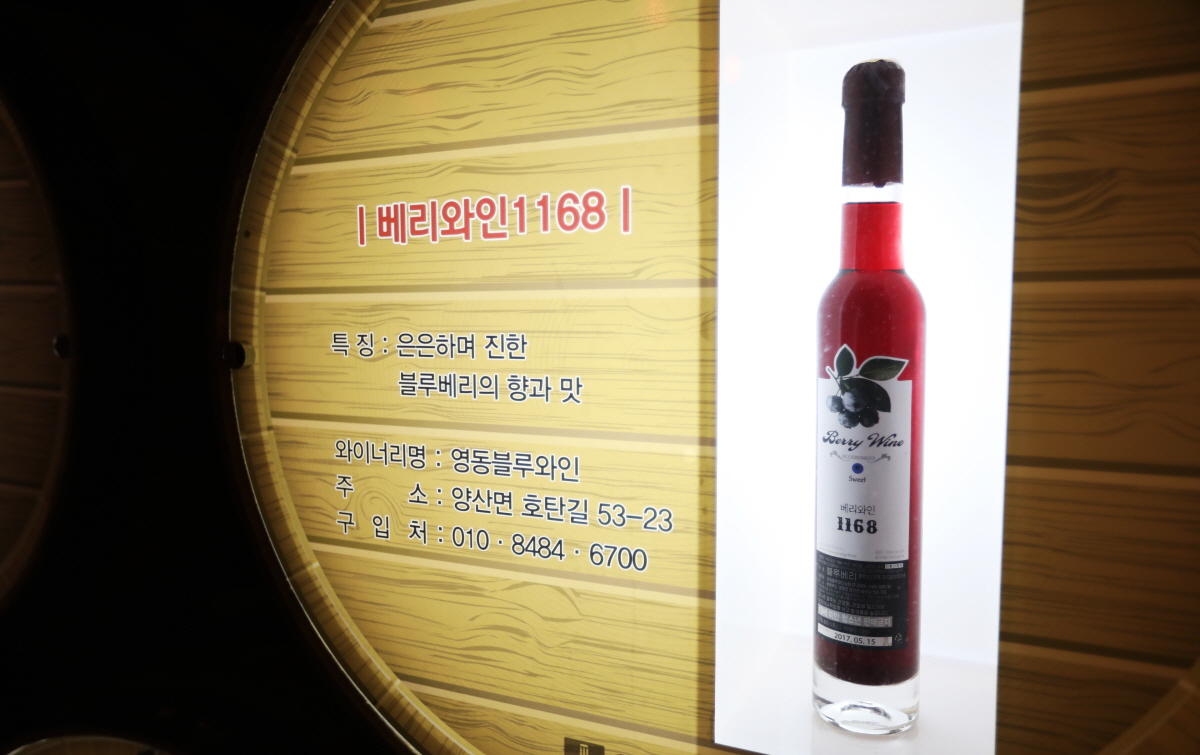
A Journey Through Chungbuk Grape Wine Inside the 420-Meter Yeongdong Wine Tunnel
Korea News
 News
News
‘NewJeans Expulsion’ Danielle Releases Her First YouTube Video… “We Don’t Know What Will Happen Next”
![aespa’s North American Tour Has Remaining Seats Despite ‘$49’ Bargain Prices… A Stark Popularity Gap with KATSEYE [TEN Starfield]](https://kotourlive-images.s3.ap-northeast-1.amazonaws.com/news/1788485037424_a59b1932_naver_rank_thumb_0000774618_1788485037424.jpg) News
News
aespa’s North American Tour Has Remaining Seats Despite ‘$49’ Bargain Prices… A Stark Popularity Gap with KATSEYE [TEN Starfield]
![[Photo] TWICE’s Dahyun attends a film festival red carpet as an actress](https://kotourlive-images.s3.ap-northeast-1.amazonaws.com/news/1788485316508_edd43ecd_news_870a60a6-6f11-4d73-aa7c-48d91318a0f7.jpg) News
News
[Photo] TWICE’s Dahyun attends a film festival red carpet as an actress
![[On-Site Video] “We’re Departing Separately Together”… BIGBANG Begins ‘COSMOS’ World Tour](https://kotourlive-images.s3.ap-northeast-1.amazonaws.com/news/1788485226518_c5719641_news_fdd4764a-0f4e-4968-8e4e-e98a02872f88.jpg) News
News