How to Experience the Wood-Fired Kilns and Mountain Villages of Danyang at Banggok Pottery Village
Banggok Pottery Village is a traditional ceramics village located in Banggok-ri, Daegang-myeon, Danyang-gun. Building on a tradition of producing white porcelain and buncheong ware that dates back to around the 17th century, it operates workshops and exhibition-sales facilities. Admission is free, but operating hours vary by shop, and hands-on programs were previously listed as reservation-only, so contacting each workshop by phone before visiting is recommended.

I’ve been here?
Your check-in helps the next traveler.
No one has checked in yet Be the first
One tap — no writing needed
From a 17th-Century White Porcelain Production Area to a Pottery Village in 1994
Bangok Pottery Village is a traditional pottery village located in Bangok-ri, Daegang-myeon, Danyang-gun, Chungcheongbuk-do. Danyang-gun describes this area as a gathering center for civilian-use ceramics during the Joseon Dynasty, producing white porcelain and buncheong ware from around the 17th century, and explains that it is a village using traditional wood-fired kilns.
The present pottery village was established by Danyang-gun around 1994, according to published descriptions, and around ten kilns gathered again at that time to become a place for firing pottery. Therefore, it is more accurate to understand this site as a village-style destination bringing together several workshops and exhibition and sales facilities rather than as a single museum.
How to Reach 511-11 Sainam-ro
The address is 511-11 Sainam-ro, Daegang-myeon, Danyang-gun, Chungcheongbuk-do. Danyang-gun transportation information lists a route connecting downtown Danyang with Sainam and Bangok-ri. A route departing Gosu Bridge at 07:35 stops in sequence at Danseong, Beolcheon-ri, Bangok-ri, Beolcheon, and Hoesan.
For public transportation users, using Gosu Bridge in downtown Danyang as the departure point is practical. The published information does not provide the route's number of departures, complete timetable, or walking time from the stop in front of the pottery village. Therefore, when planning a round trip by bus within a single day, it is necessary to organize the schedule around confirmed times such as the 07:35 departure.
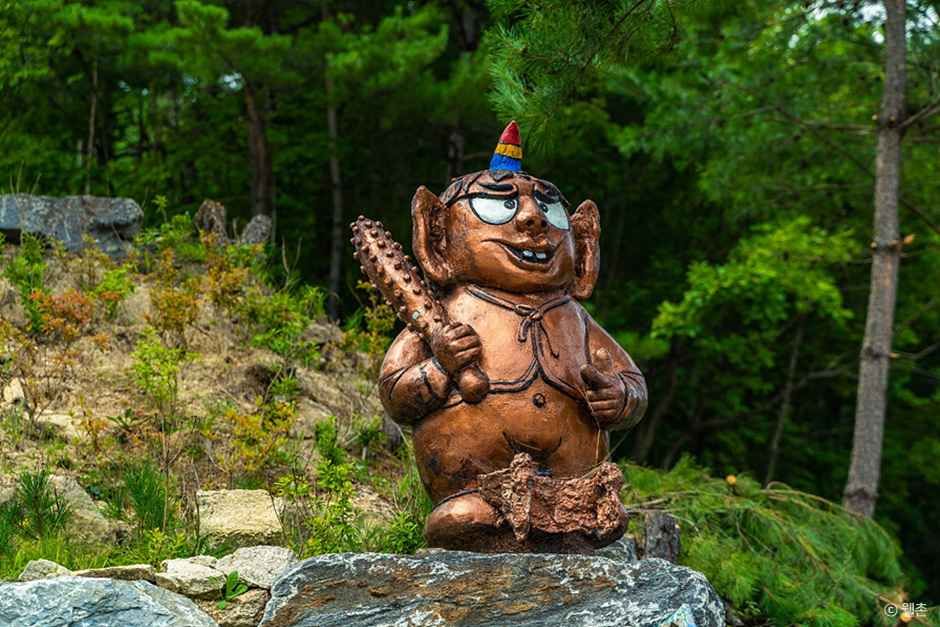
Admission Is Free, but Workshop Hours Vary
Admission to Bangok Pottery Village is free. However, operating hours and closing days vary by establishment rather than applying to the entire pottery village, and detailed operating hours and admission closing times for each facility were not provided in the published information.
The free-admission notice applies to the village and exhibition and sales spaces, while hands-on activities should be considered separate programs. Past information listed the experience fee as 10,000 won per person and stated that reservations were required. Therefore, if you are visiting for an experience, it is safer to contact the workshop in advance rather than simply visiting on site.
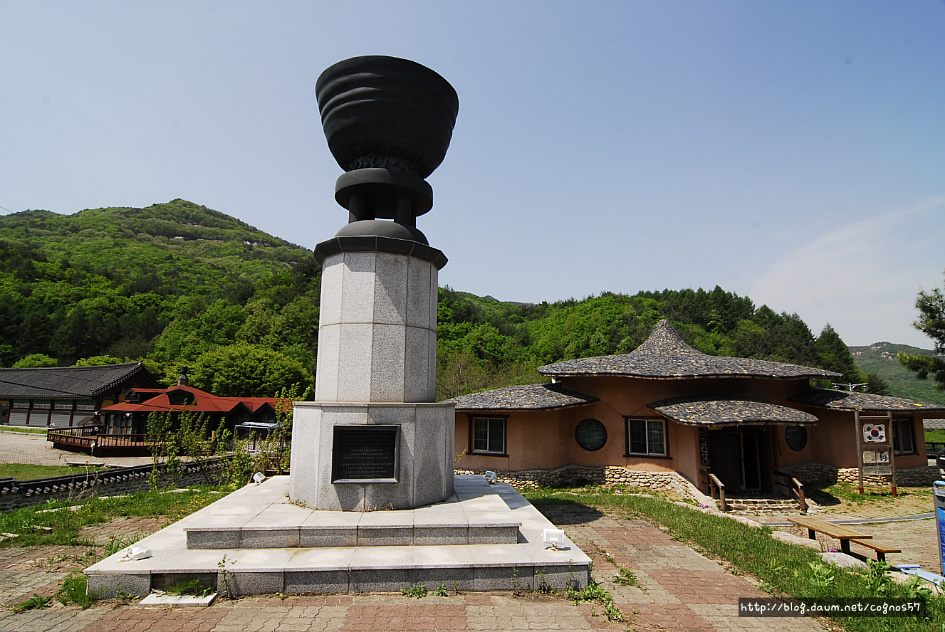
What to See from the Exhibition Hall to the Wood-Fired Kiln
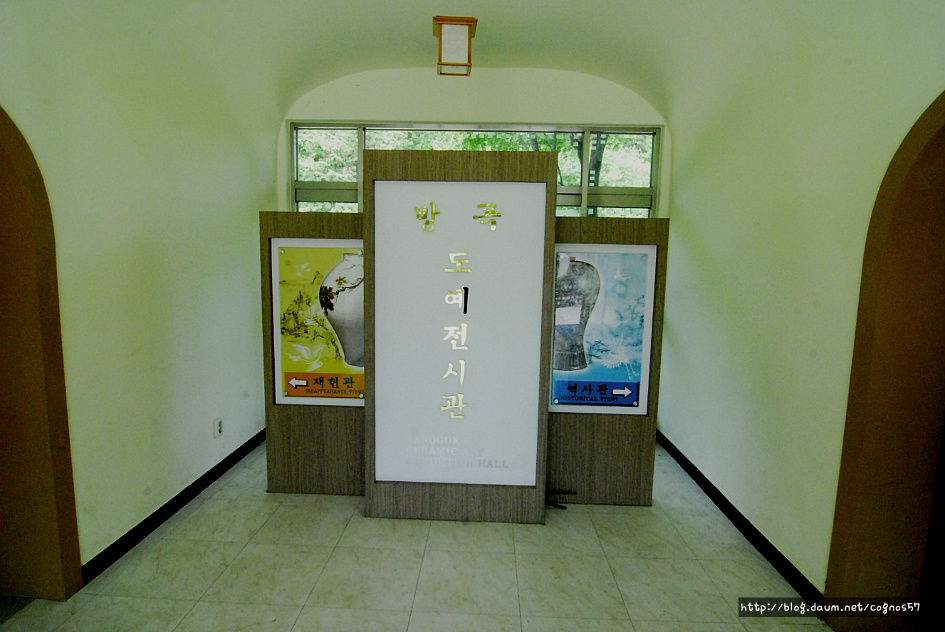
Danyang-gun explains that Bangok Pottery Village has exhibition and sales facilities for locally produced pottery, workshops where visitors can see the pottery-making process, and educational facilities. Past village information also recorded the Bangok Pottery Exhibition Hall, sales area, and a traditional kiln used jointly by the village as related facilities.
Bangok-ri is described as distinctive because all six workshops had traditional kilns. Information also states that the traditional wood-fired kiln method, using pine firewood as fuel, continues today. This means the village can be viewed not merely as a place to buy finished products, but as a place to understand the process of shaping and firing clay.
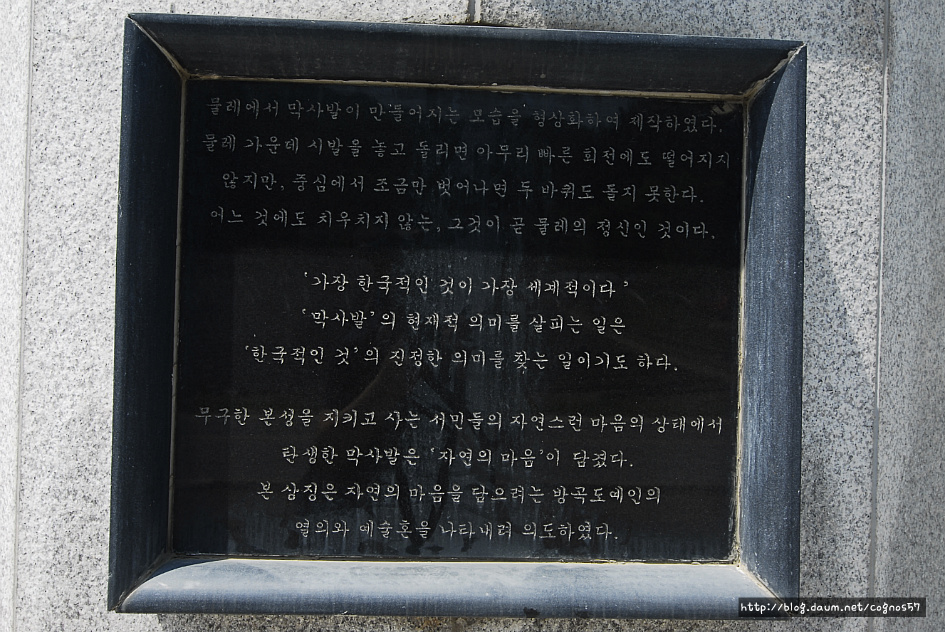
Bangok Pottery Made with Sato and Multo
The background to Bangok Pottery Village's location in this area lies in its raw materials. Danyang-gun explains that sato, a raw material for pottery production, and multo, a raw material for glaze, are abundantly deposited here, and particularly describes the multo as being of the highest quality nationwide.
These raw-material conditions are connected to the reason Bangok-ri became famous as a pottery-producing village. Bangok-ri is a mountain village at the southernmost end of Danyang, and Seonam Valley, extending through Sangseonam, Jungseonam, and Haseonam, flows near the pottery village. Seeing pottery workshops and mountain valleys together within one area is a geographical characteristic of Bangok Pottery Village.
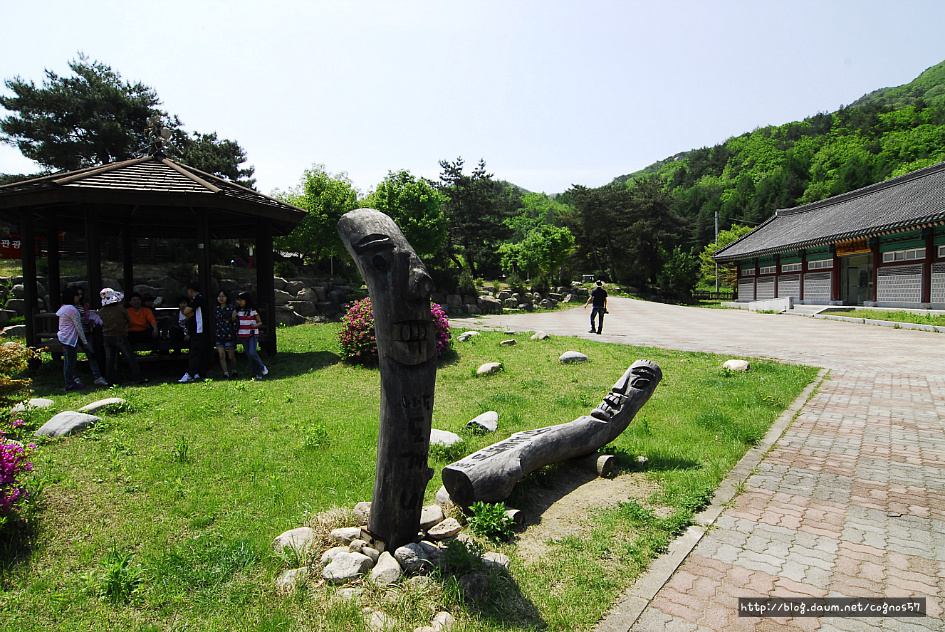
How to Prepare for Experience Reservations and Phone Calls
The currently listed workshop phone numbers are Bangok Doyo at 043-422-5010, Hyeonunyo at 043-422-3837, Dangok Doyo at 043-422-7581, and Manjongyo at 043-422-4069. Some past materials also list 043-421-5020 and 043-422-1146 as telephone numbers related to experiences at Bangok Pottery Village. It is therefore best to clarify the destination and whether experiences are available by phone first.
Past materials introduced an education center, exhibition hall, and sales area where visitors could see the entire pottery-making process, shape pottery themselves, and then purchase it. Drawing on ceramic mugs and making earthenware were also presented as related programs. Because the current fee and reservation method may differ depending on when the information was compiled, do not assume that the past amount of 10,000 won per person is the current price; make a reservation by calling the workshop.
Bangok-ri's Size and the Pottery Village's Current Role
A 2010 village information document recorded that 57 households and 139 residents lived in Bangok-ri. The same document explains that Bangok-ri is better known as “Bangok Pottery Village” than by its ordinary place name, showing that pottery is at the center of the area's local identity.
Minutes of the Danyang County Council record a facility arrangement that could link a pottery education center, exhibition hall, exhibition and sales area, and traditional tea house. An activation plan running for five years from 2022 to 2027, with a total project budget of 322 million won, included assigning one employee, establishing one reservation program, replacing the electric kiln and vacuum mixer, and installing water facilities and sinks. A record also allocated 50 million won for painting the exterior of the facilities.
A Practical Itinerary Combining Free Admission with Seonam Valley
Bangok Pottery Village is described as offering free admission and parking, but parking fees were not provided in the published materials. Meanwhile, the recommended viewing time, wheelchair and stroller accessibility, photography restrictions, cash and card payment methods, and the availability of English information and audio guides were not included in the guidance.
Therefore, first-time visitors can explore the pottery village mainly around the exhibition and sales area and workshops, then connect their itinerary to Sangseonam, Jungseonam, and Haseonam in Seonam Valley or to Sainam. A route linking Bangok Pottery Village with Sainam, the Janghoenaru cruise boat, and Dodamsambong was also introduced in past travel information, but current travel times between each location were not provided, so this route is more suitable for a driving itinerary than for public transportation.
Before You Go
- Address
- 511-11 Sainam-ro, Daegang-myeon, Danyang-gun, Chungcheongbuk-do
- Hours
- Varies by establishment
- Closed
- Varies by establishment
- Admission
- Free
- Phone
- Bangok Doyo 043-422-5010 / Hyeonunyo 043-422-3837 / Dangok Doyo 043-422-7581 / Manjongyo 043-422-4069
- Official site
- http://www.bgri.kr
- Transport
- Danyang-gun transportation information lists a downtown Danyang↔Sainam·Bangok-ri route; the route departing Gosu Bridge at 07:35 stops at Danseong, Beolcheon-ri, Bangok-ri, Beolcheon, and Hoesan.
- Parking
- Available. Parking fees could not be confirmed in the published materials.
- Time needed
- Reviews and other materials did not specify a recommended viewing time for the pottery village
The information above is current as of the time of writing. Check the official information again before visiting.

Places
Nearby Attractions 3
-
 1
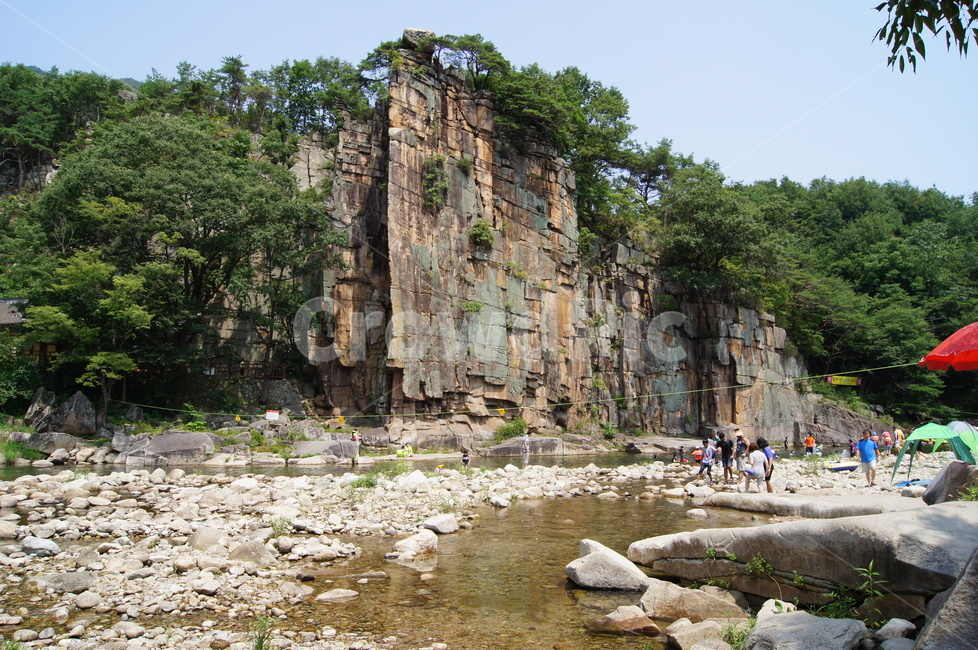
Sainam RockA Danyang Eight Scenic Views attraction where you can admire dramatic rock cliffs and valley scenery.
1
Sainam RockA Danyang Eight Scenic Views attraction where you can admire dramatic rock cliffs and valley scenery. -
 2
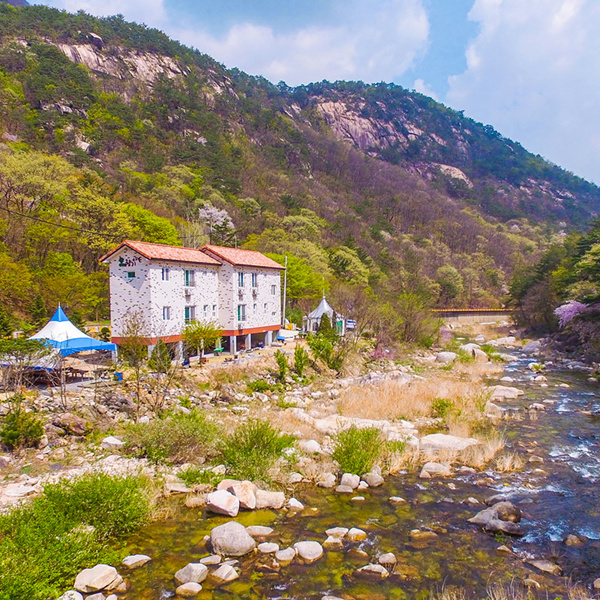
SangseonamEnjoy the rock formations and valley scenery in the upper reaches of Seonam Valley.
2
SangseonamEnjoy the rock formations and valley scenery in the upper reaches of Seonam Valley. -
 3
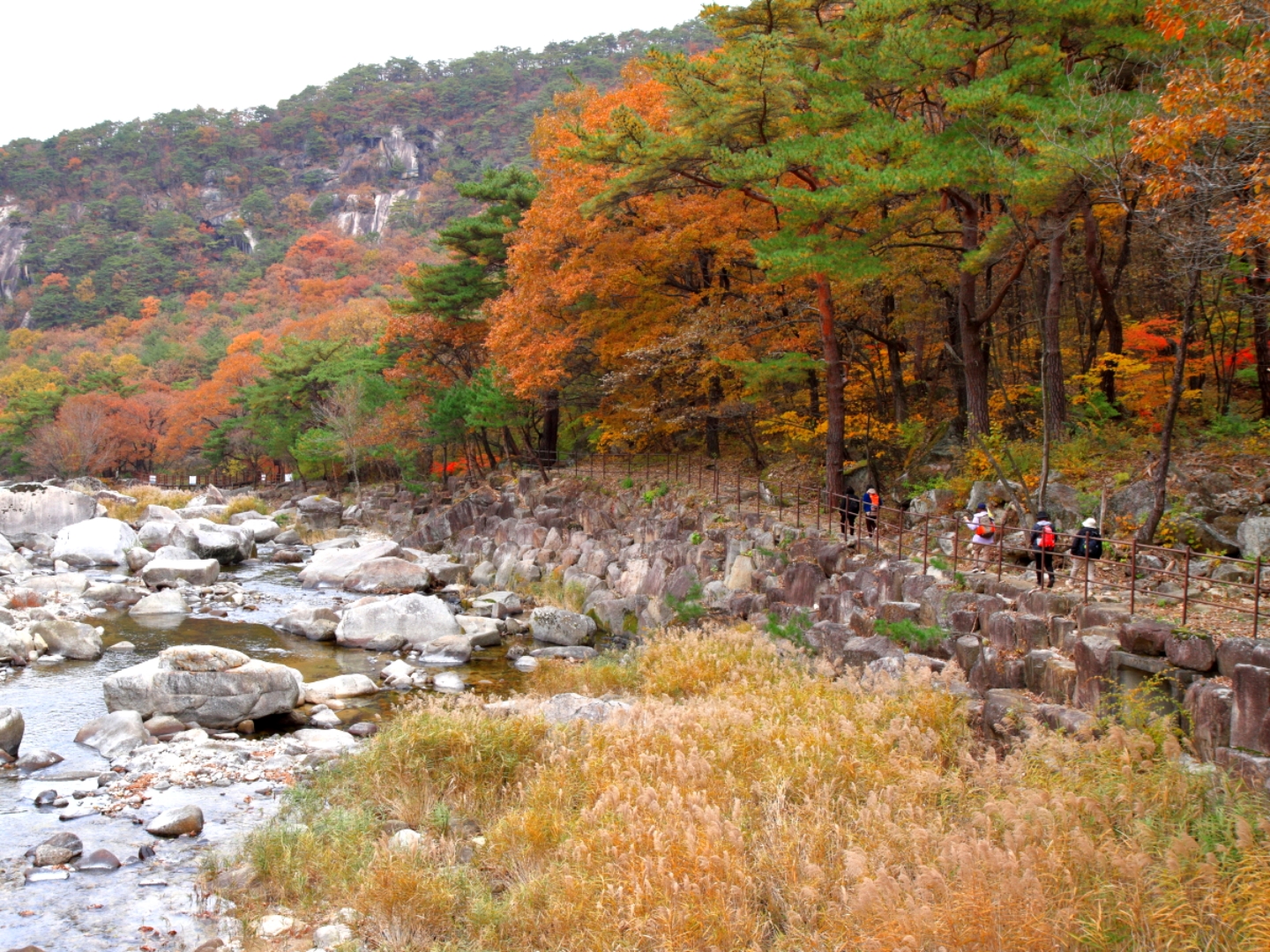
Jungseonam RockA scenic attraction featuring a granite valley and the rocky cliffs of Okyeomdae.
3
Jungseonam RockA scenic attraction featuring a granite valley and the rocky cliffs of Okyeomdae.
Food & Dining 2
-
 4
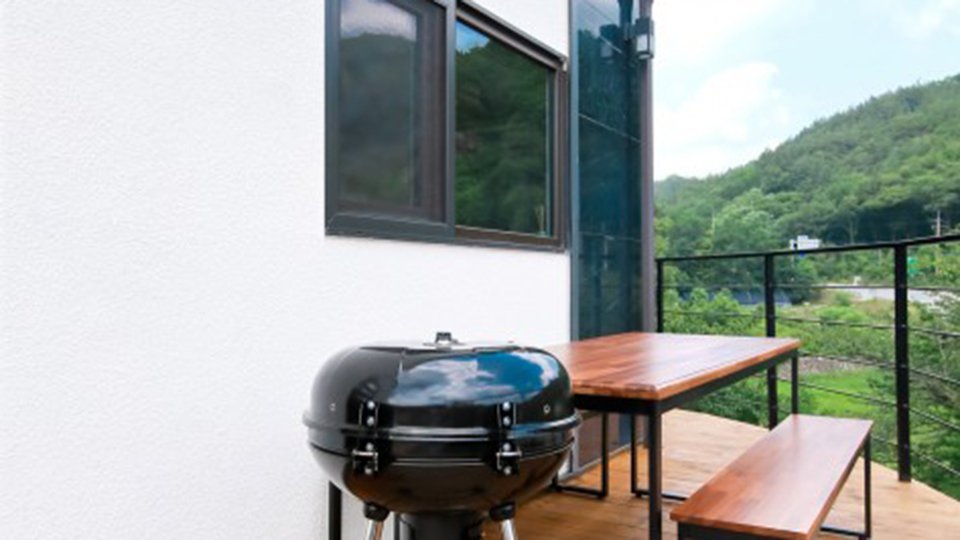
SurisuribongbongSavor wild mountain-vegetable dishes, including a traditional set meal and dumplings made with mountain greens.
4
SurisuribongbongSavor wild mountain-vegetable dishes, including a traditional set meal and dumplings made with mountain greens. -
 5
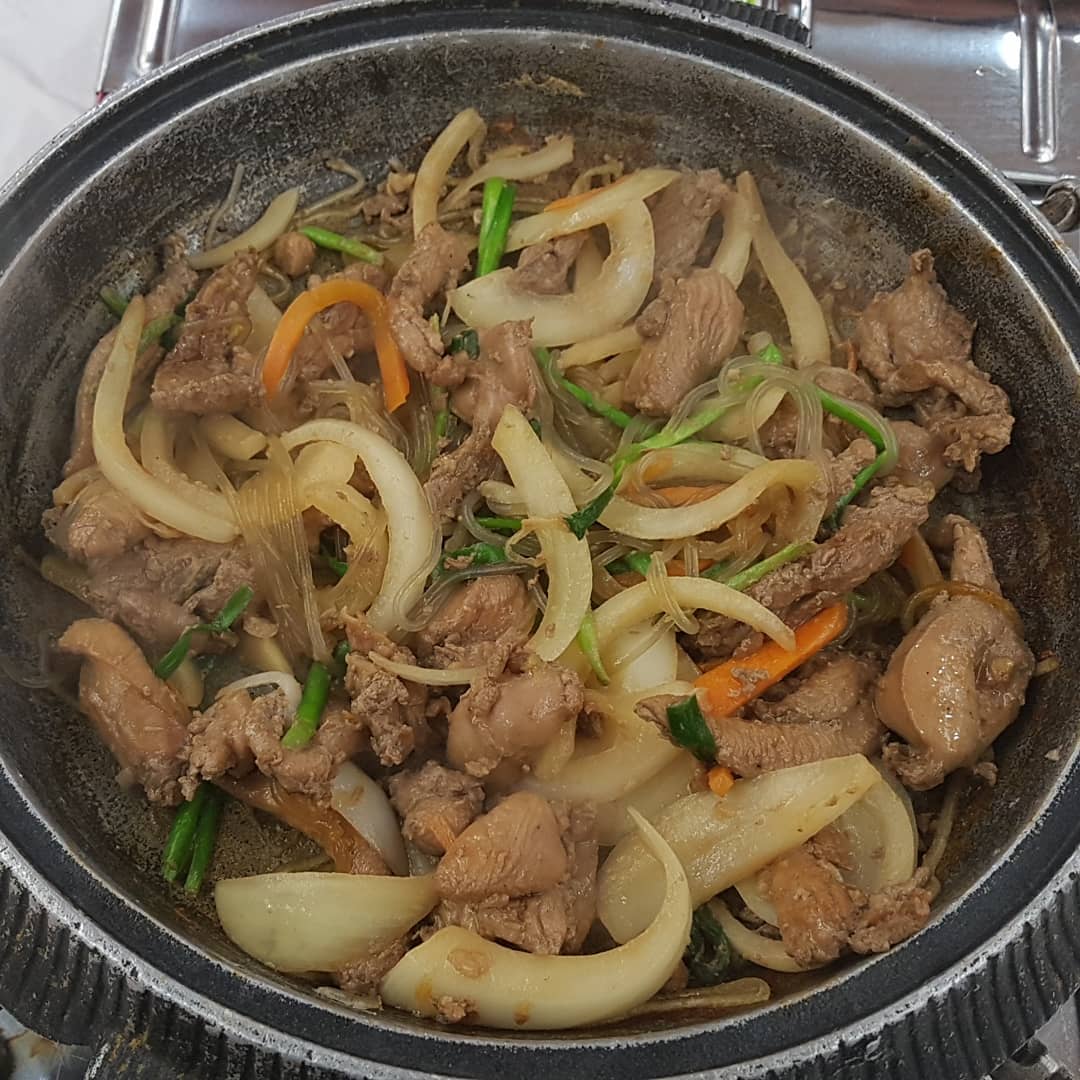
Banggok TososikdangA Korean restaurant serving native chicken and duck dishes, as well as wild vegetable bibimbap.
5
Banggok TososikdangA Korean restaurant serving native chicken and duck dishes, as well as wild vegetable bibimbap.
Events in This Area
Festivals in This Area
More Travel Guides in This Area
 Travel Guide
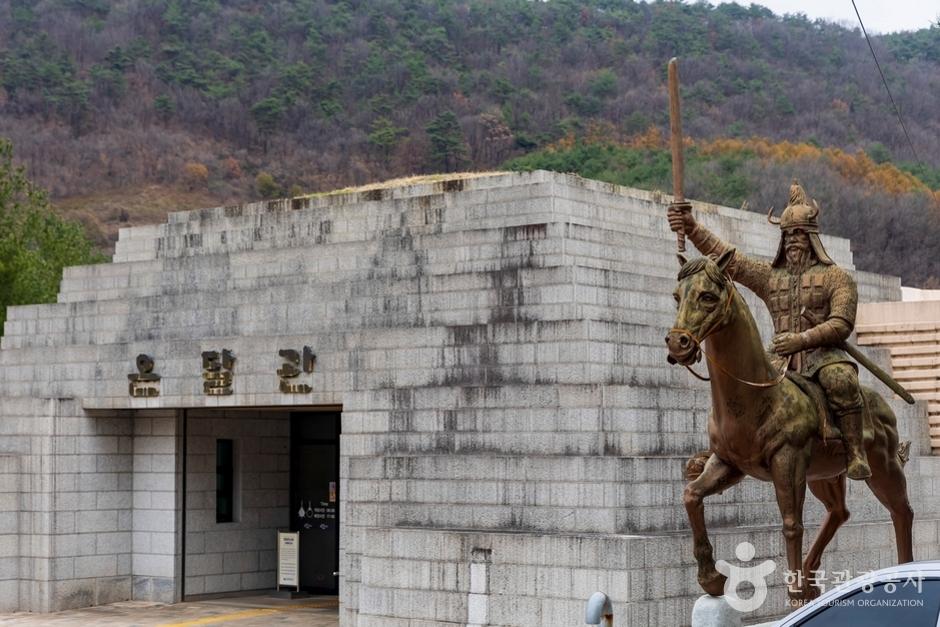
How the 200 m abandoned Suyanggae Tunnel became Danyang’s nighttime media space
 Travel Guide
Danyang Clay Shooting Range: Practical Preparation for Starting a Five-Discipline Shooting Experience in the Mountains
 Travel Guide
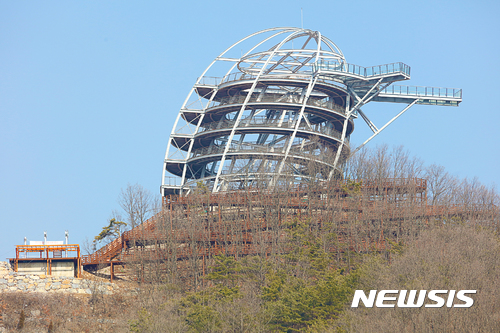
Reading Danyang’s Landscape from the End of Manhakcheonbong, 80 m Above the Namhan River
 Travel Guide
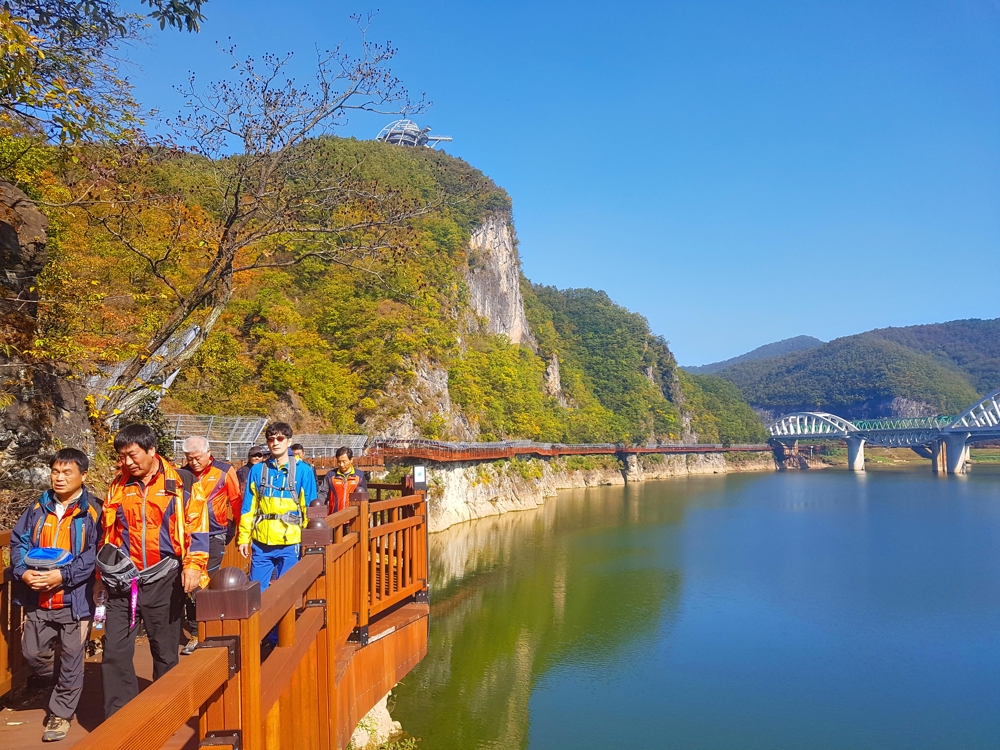
Danyanggang Jando: An 800-Meter Walk Along the Namhangang Cliffs from Sangjin Bridge to Mancheonha
Korea News
![Did Jang Won-young ‘break up’? From the airport to social media, she was decked out in Brand D [MD Issue]](https://kotourlive-images.s3.ap-northeast-1.amazonaws.com/news/1790644492843_025fcab4_news_06d49363-285b-4cd5-93e3-ace2c4344710.jpg) News
News
Did Jang Won-young ‘break up’? From the airport to social media, she was decked out in Brand D [MD Issue]
 News
News
Oh, What a Surprise… BLACKPINK’s Rosé—Did She Get a Bob Cut?
![[On-Site Photos] “Equipped with a Third Eye”… RM’s Intense Eye Contact](https://kotourlive-images.s3.ap-northeast-1.amazonaws.com/news/1790644823332_c0c6ec29_news_001c0a59-4eb7-40e6-af6a-4f26183f5e8c.jpg) News
News
[On-Site Photos] “Equipped with a Third Eye”… RM’s Intense Eye Contact
 News
News